










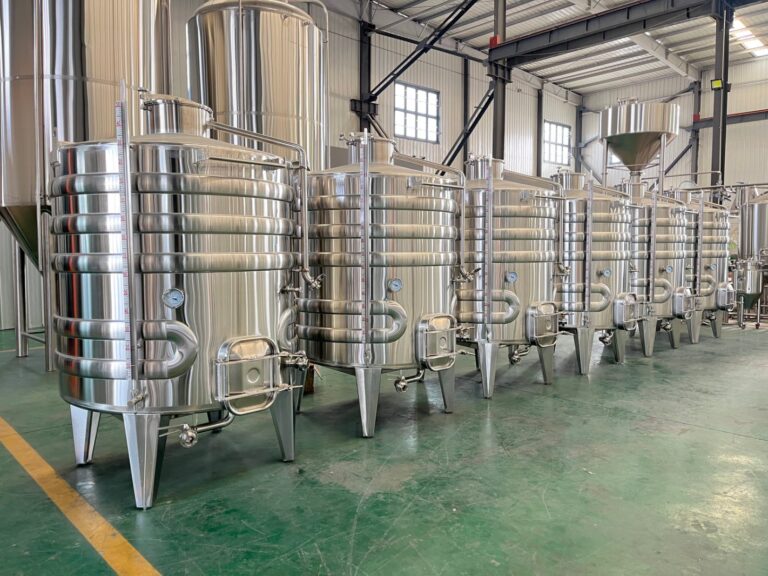
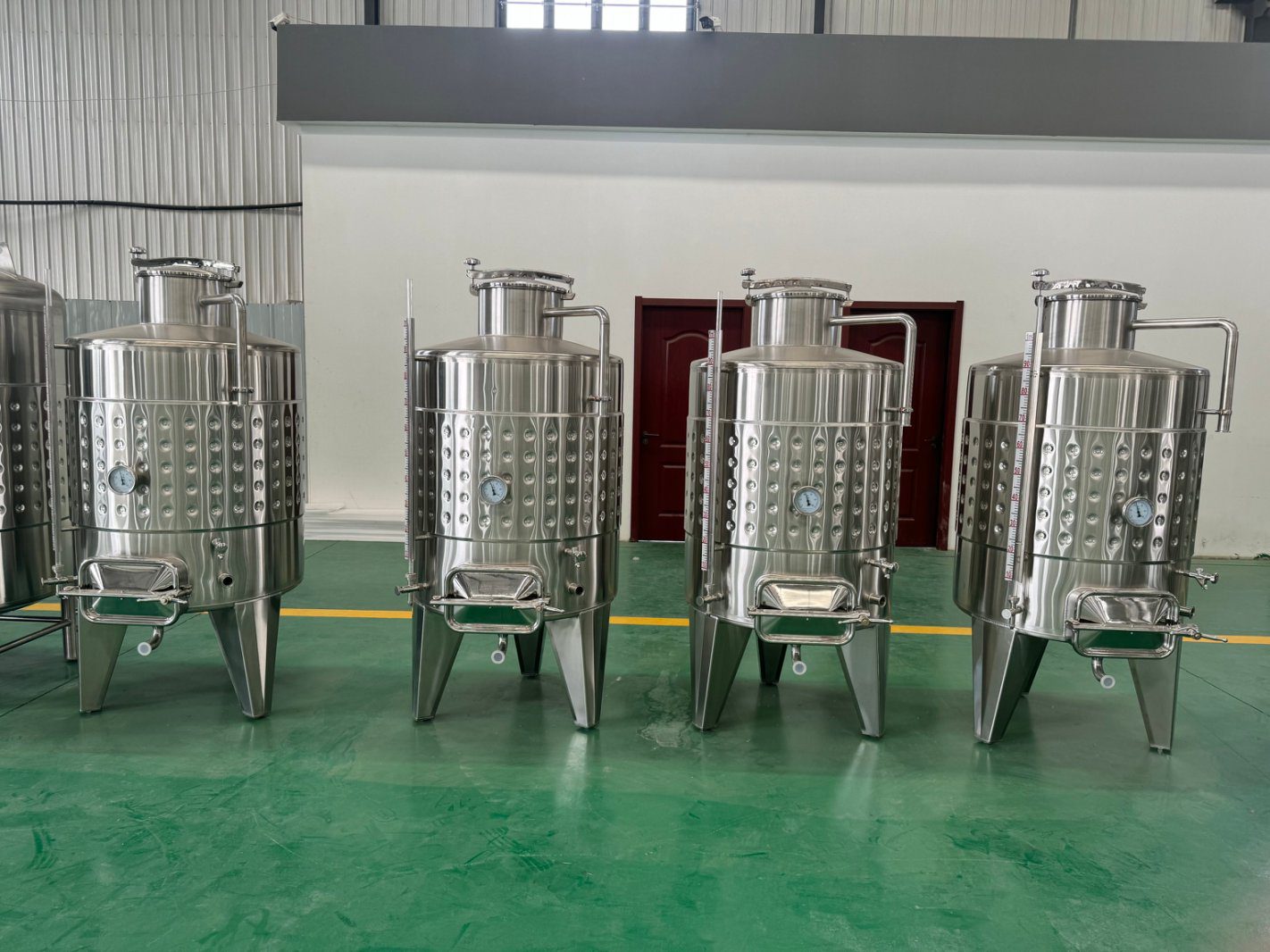
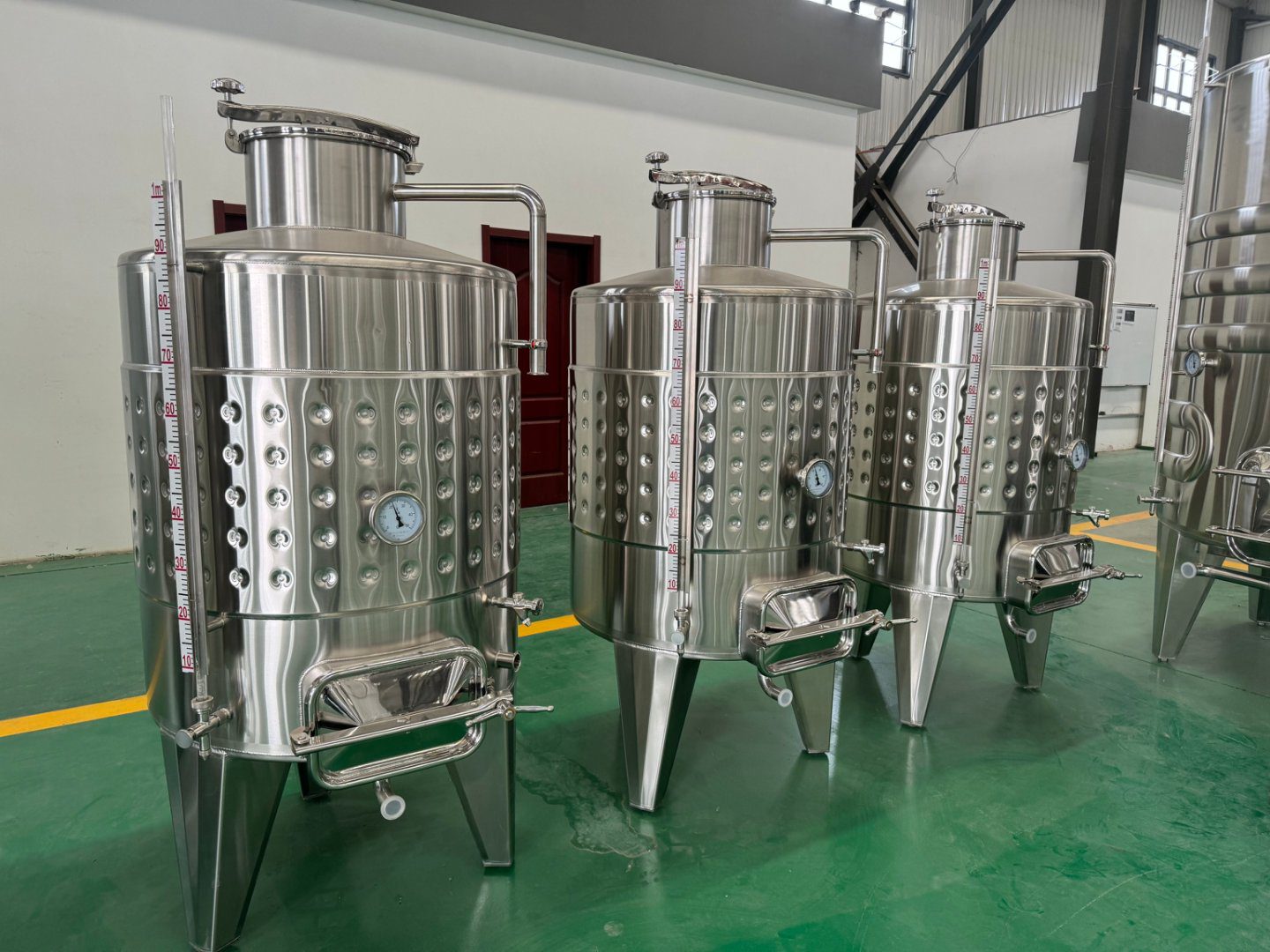
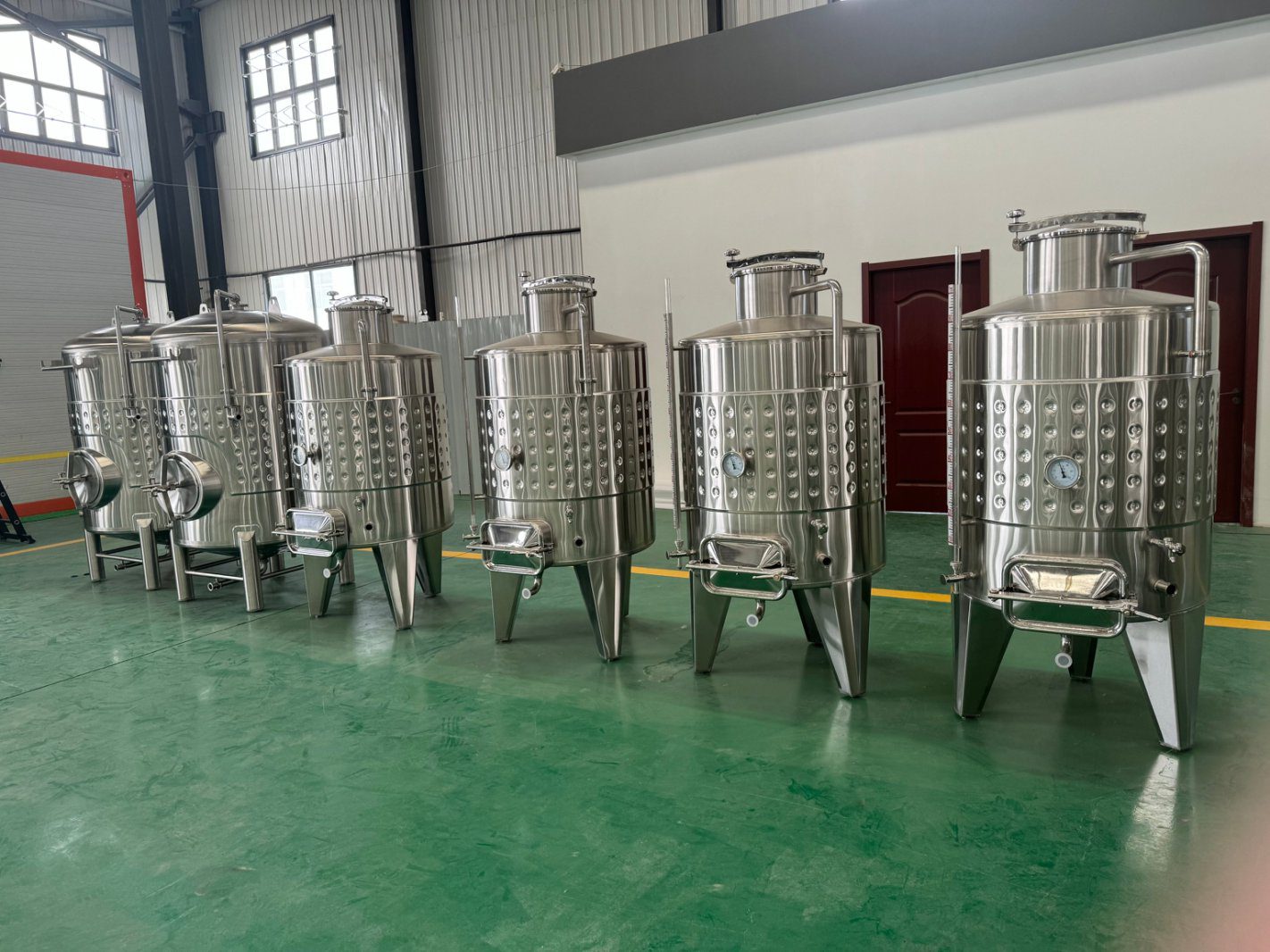


Fruit Wine Fermentation Tanks – Factory Solutions for Cider & Fruit Wine Producers

Winery Equipment Solutions – Tanks, Pressing & Processing for Diverse Fruit Wine Plants

Production-Ready Tanks :   Hygienic surfaces and easy cleaning for consistent quality in cider, berry, plum, and grape wines.

Process Modules Available :   Pressing, juicing, destoning, transfer, filtration, and utility integration.

New or Hybrid Supply :   Choose new systems or mix with selected used equipment to optimize your budget.

Project Engineering Support :   Layout planning and commissioning guidance for your specific fruit base.

Winery Equipment by Capacity

Our Wijnbouwapparatuur is built to modern design and technical standards, offering a cost-effective alternative to new systems without compromising on quality or reliability. Our turnkey solution equipment can meet anual production salce ranges from 50,000 L to 500,000 L per year, supporting small to mid-size wineries and fruit wine producers looking to expand capacity while maintaining process consistency and product quality.

Food-grade stainless steel with smooth internal surface and CIP-friendly design.

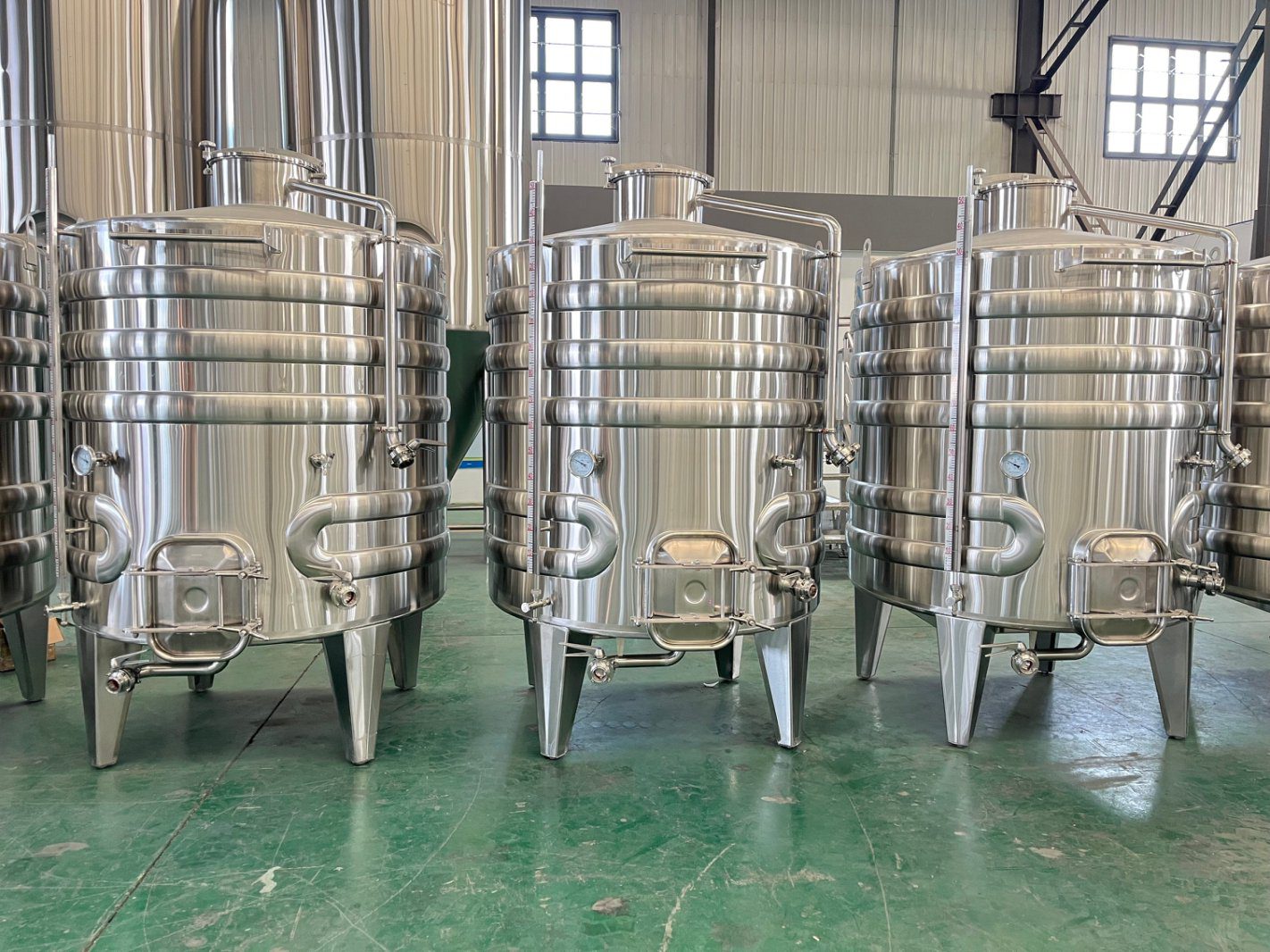
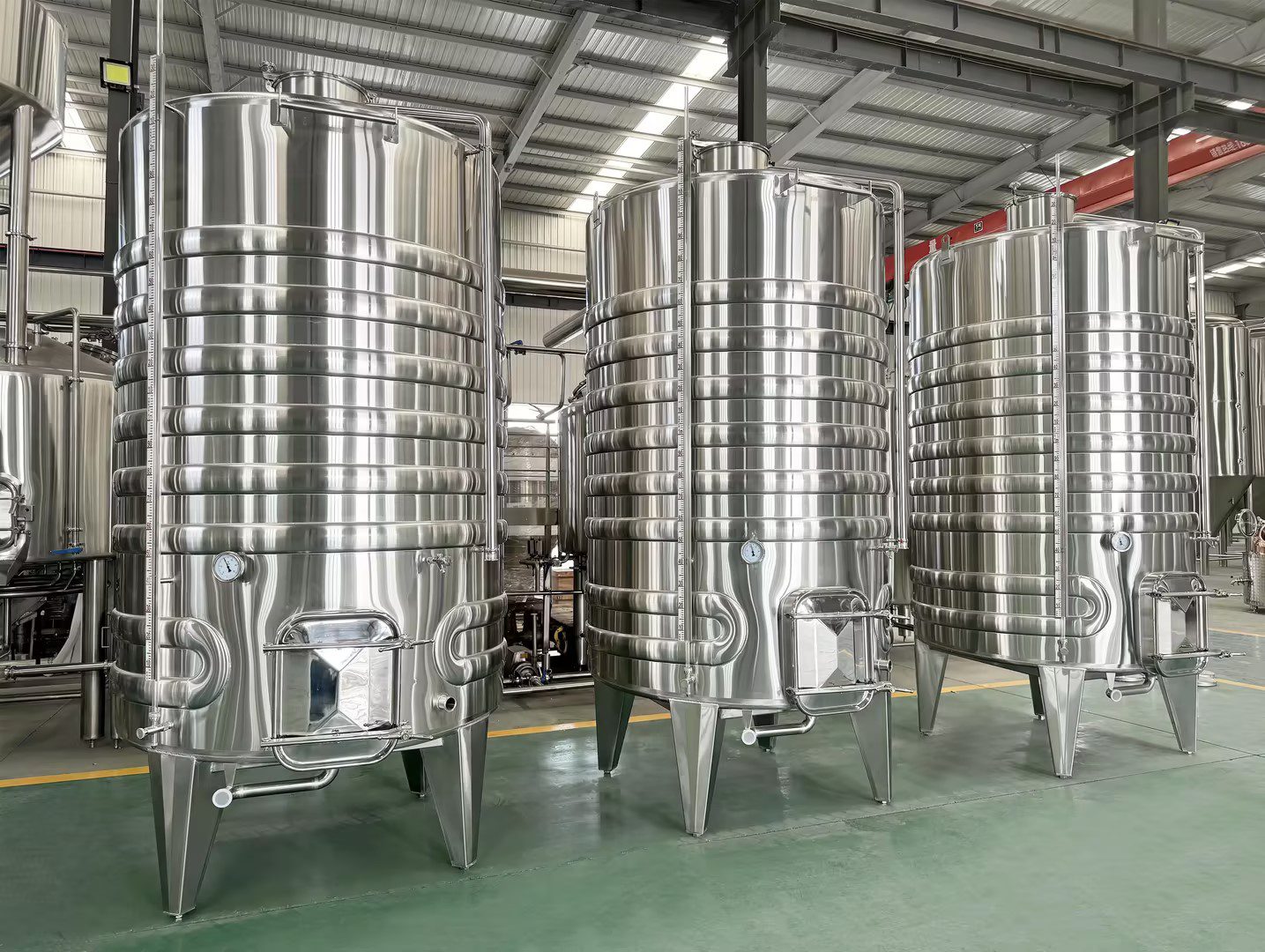
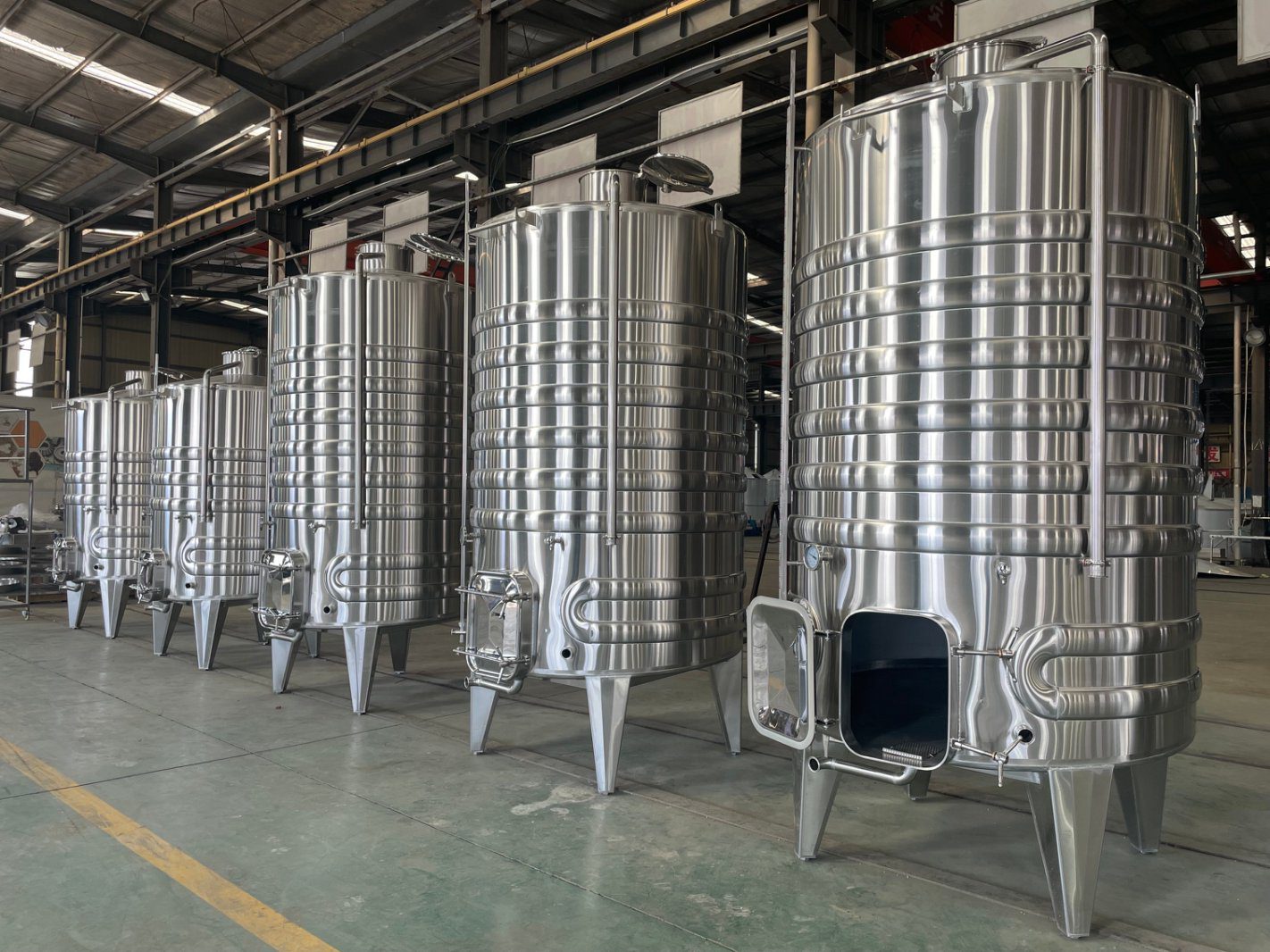
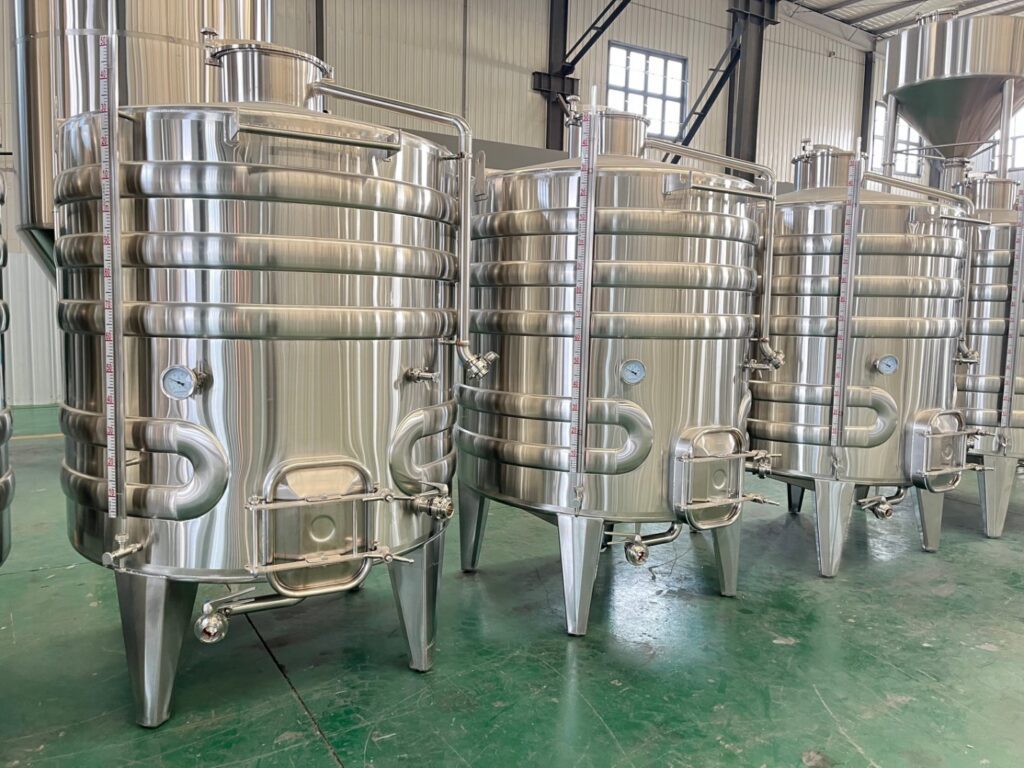
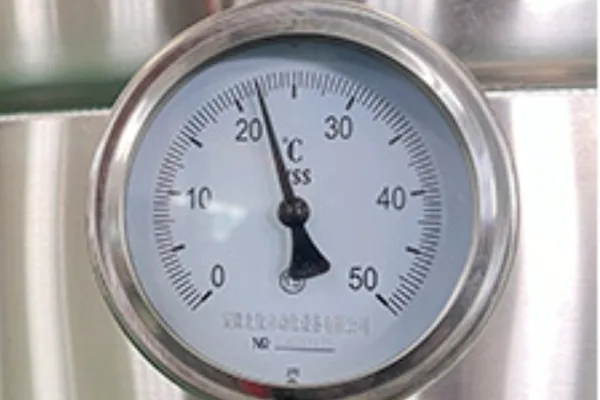
Cooling jackets and temperature control options for fermentation and cold stabilization.

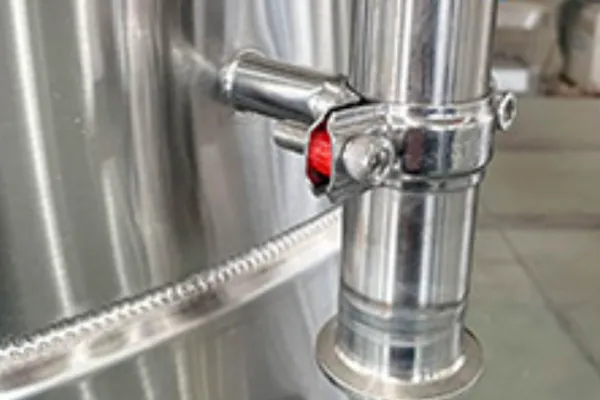
Hygienic valves, manways and fittings, adapted to your connection standards.

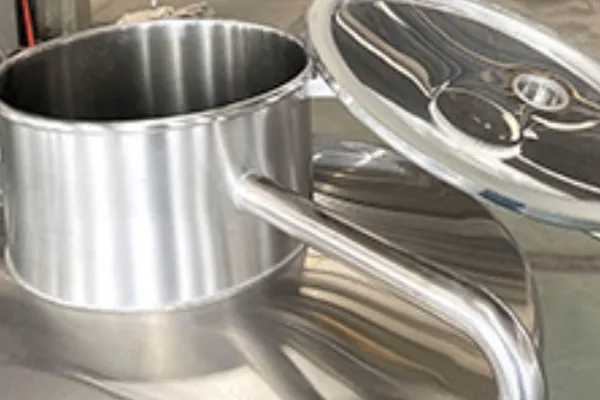
Side or top manhole according to the customer’s fermentation process.

Final inspection, 48hours leak testing and checking list before shipping.

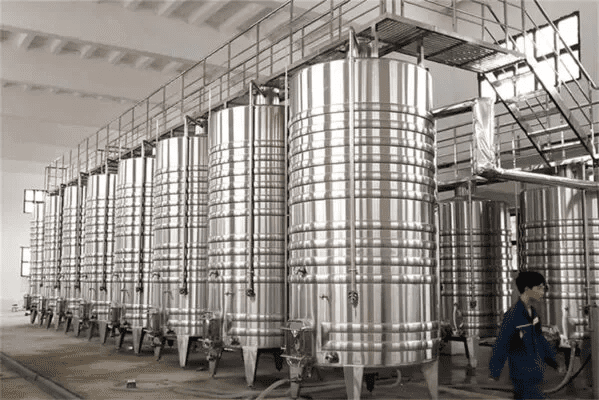
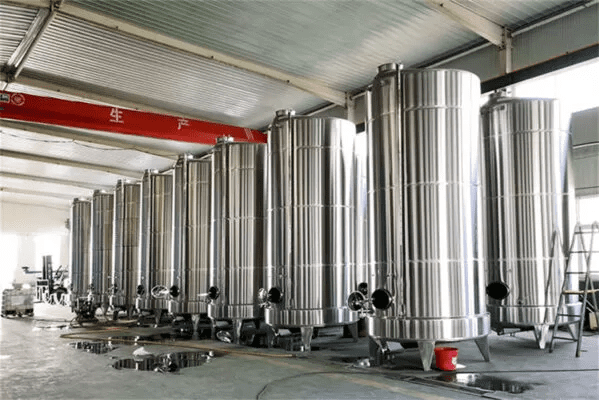
Fruit Wine Fermentation Tanks

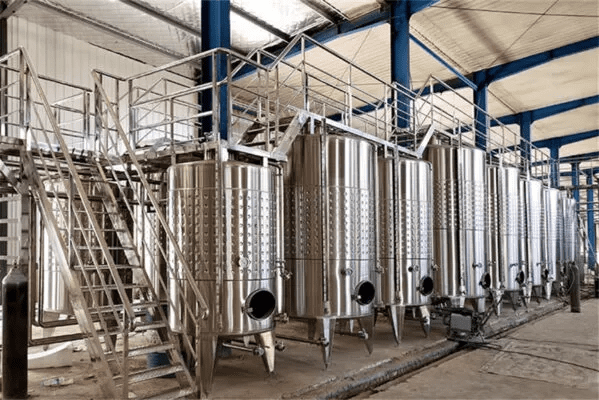
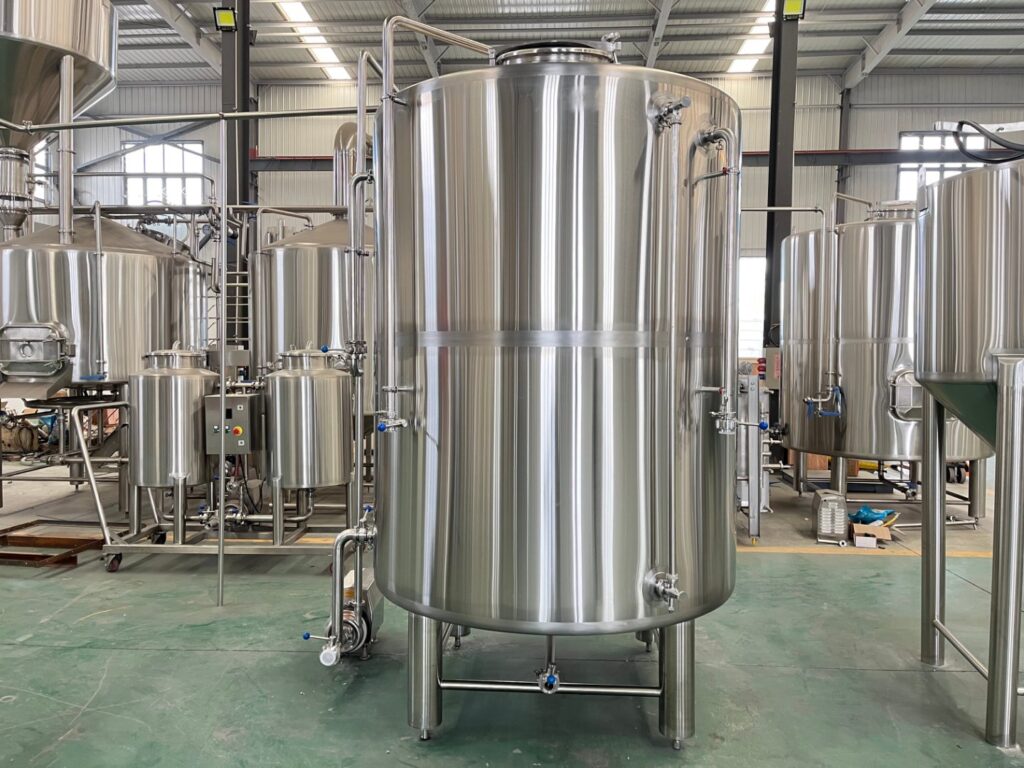
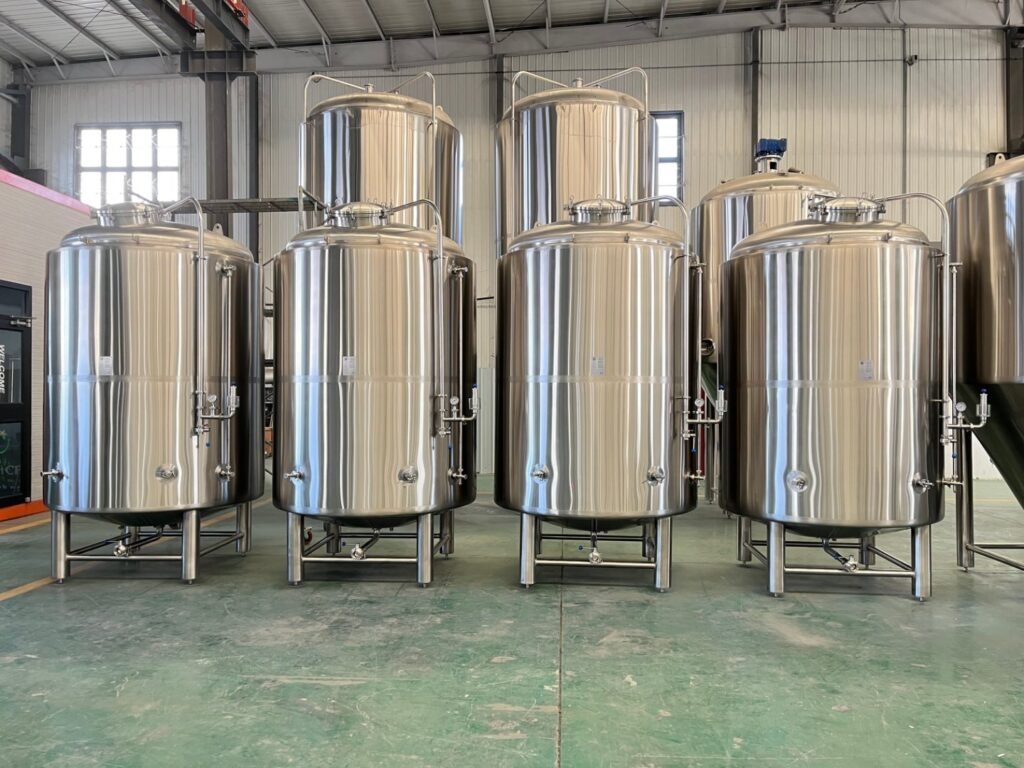
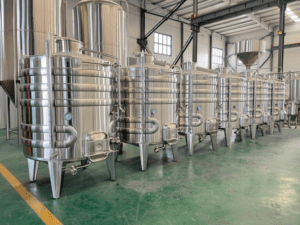
A full range of stainless-steel fermentation and storage solutions for fruit wine, cider, and juice-based beverages. Tank capacities cover 500L to 20,000L, with OEM options for cooling jackets, manways, valves and outlet positions, helping producers build scalable cellar capacity for seasonal production and long-term expansion.

With a 500L working capacity and a sanitary design,Made of high-quality SUS304 stainless steel, it ensures excellent hygiene, durability, and corrosion resistance. 

Constructed from high-quality SUS304 or SUS316L stainless steel, it features a hygienic structure with a polished internal surface (Ra ≤ 0.4 μm) to ensure easy cleaning and stable fermentation performance. 

MICET designed 1500L Wine Fermentation Tank is manufactured in SUS304 or SUS316L stainless steel with a hygienic sanitary structure, offering excellent corrosion resistance

Constructed from premium SUS304 or SUS316L stainless steel, it features a hygienic, corrosion-resistant structure with a mirror-polished inner surface (Ra ≤ 0.4 μm) to ensure optimal sanitation and wine quality. 

SUS304 or SUS316L stainless steel, it features a fully sanitary structure with a mirror-polished inner surface (Ra ≤ 0.4 μm) to ensure hygiene, corrosion resistance, and consistent wine quality. 

Featuring a robust 3.0 mm inner shell, 2.0 mm outer shell, and 80 mm polyurethane insulation, it ensures stable temperature control through efficient glycol cooling jackets

The 10000L Wine Fermentation Tank is a large-capacity, industrial-grade vessel designed for efficient fermentation and storage of red wine, white wine, and various fruit wines. 

Constructed from high-quality SUS304 or SUS316L stainless steel, it features a hygienic structure with a polished internal surface (Ra ≤ 0.4 μm) to ensure easy cleaning and stable fermentation performance. 

MICET designed 1500L Wine Fermentation Tank is manufactured in SUS304 or SUS316L stainless steel with a hygienic sanitary structure, offering excellent corrosion resistance

Completed Wine Making Process

Fruit wine turnkey solutions cover the entire production process—from fruit reception, juice pressing and transfer, to fermentation, maturation, stabilization/filtration, and finally blending and bottling integration. Each stage is carefully designed to ensure product consistency, process efficiency, and adherence to hygienic standards, tailored to your specific fruit varieties (e.g., apple, pear, blueberry, hawthorn, etc.) and annual output targets.

Fruit Reception & Sorting
High-quality receiving hoppers, conveyors and sorting equipment for gentle, hygienic fruit handling.
Juice Extraction / Pressing
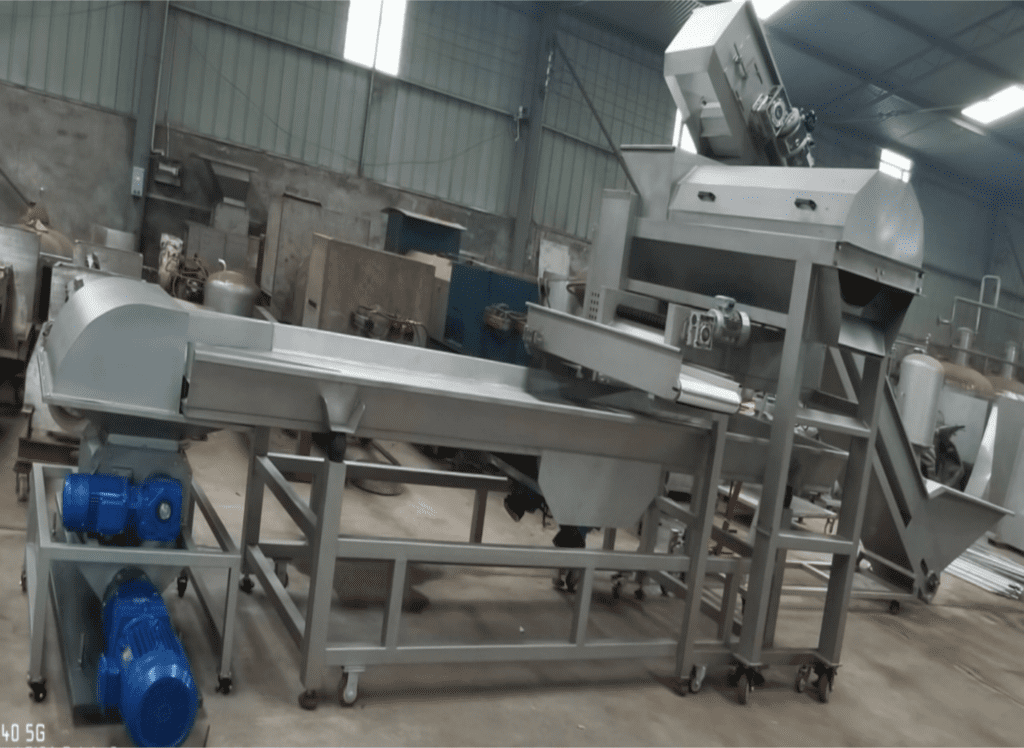
Pneumatic or mechanical presses and extraction equipment adapted to different fruit varieties and juice yield requirements.
Must Handling & Transfer
Sanitary transfer pumps and pipework adapted to your cellar layout, moving extracted juice efficiently to the next stage.
Fermentation
Stainless-steel fermentation tanks with or without cooling jackets, sized for your batches and compatible with a wide range of fruit bases.
Storage & Maturation
Storage tanks for bulk fruit wine, base wine and pre-bottling stock, supporting cold maturation and flavor development.
Stabilization & Filtration
Plate & frame filters, crossflow filters and cooling tanks for cold stabilization and brilliant clarity.
Blending & Bottling Integration
Blending tanks and basic bottling/packaging units integrated into your production line.

Comprehensive Fruit Wine & Cider Equipment Solutions

We provide complete, end-to-end equipment solutions for commercial fruit wine and cider producers. Whether you are crafting cider, blueberry wine, plum wine, or traditional grape wine, our systems are engineered for versatility. While raw material pre-treatment varies—such as pressing for grapes, juicing for apples, or destoning for plums—the subsequent fermentation, cooling, and stabilization processes remain highly standardized. 

Fruit Processing & Extraction

Tailored pre-treatment equipment to maximize yield based on your fruit type. From  pneumatic presses for grapes and heavy-duty juicers for apples, to specialized destoning machines for plums, we ensure efficient juice extraction while minimizing oxidation.

Jacketed Fermentation Tanks

Sanitary stainless steel fermenters with dimple cooling jackets and precise temperature controls, preserving delicate fruit aromas and preventing off-flavors. CIP-compatible ports included for efficient sanitation between batches.


Glycol Cooling Systems

Reliable glycol chillers and automated temperature control panels. Consistent cooling is universally critical for all fruit wines to crash cool, stabilize, and maintain the ideal environment for yeast activity and cold maturation.

Filtration & Maturation Tanks

Professional filtration units to achieve brilliant clarity in your cider or berry wine. Paired with hygienic storage and maturation tanks, our systems prepare your final product for safe aging, carbonation (if required), and bottling.

Winery Equipment Solutions by Scale

Our Winery Equipment Solutions by Scale help you choose the right setup for your stage: from small boutique wineries to growing regional cellars and industrial wine or juice plants. We combine presses, tanks, pumps and filtration units to match your grape intake, production volume, product range and budget, with room for future expansion.

Equipment Details & Build Quality

Close-up photos and dimensional measurements demonstrate how we inspect and each wine tank and press, allowing you to objectively assess its condition, hygiene, and durability before placing an order.

FAQ – Winery Equipment

Our FAQ – Winery Equipment section gives clear answers to key buyer questions on tanks and presses for wine/juice, hygiene and flavor neutrality, used + new combinations, lead times, required project information, and our warranty and after-sales support.

A winery mainly includes the following equipment:
1. Raw material processing: crusher, washing machine, gelatinization pot (grain-based), crusher (fruit wine-based), press
2. Fermentation: fermentation tanks, floating roof tanks, brite tanks, fruit wine tanks
3. Separation and filtration: filter press, diatomaceous filter, press machine
4. Distillation (for distilled spirits): distillation column, condenser, alcohol meter
5. Aging and storage: storage tanks, oak barrels
6. Bottling and packaging: bottle washing machine, filling machine, capping machine, labeling machine, inkjet printer
7. Auxiliary equipment: water pump, refrigeration unit, sterilization equipment, temperature control equipment

1. Bar Location: In addition to market research, it’s recommended to collect relevant market data when selecting a location.
2. Energy Supply: This includes essential conditions for operating a bar, such as water, electricity, and natural gas.
3. Interior Design: A simple yet tasteful design style is popular with consumers; the bar should have its own unique style.
4. Wine Knowledge: Operators need to be familiar with wine origins, varieties, serving temperatures, and food pairings, such as serving red wine at 16-18℃ and white wine at 8-12℃.
5. Team Training: Service staff need to master wine opening and pouring etiquette (e.g., pouring to 2/3 full), wine recommendation techniques, and emergency handling (e.g., handling intoxicated customers).
6. Marketing Strategy: In the initial stage, attract customers through membership programs and themed tasting events. Long-term customer relationships need to be maintained, such as by regularly holding wine knowledge lectures.

On average, the cost to open a wine bar can range from $50,000 to $300,000 or more. Several factors significantly influence this budget: The location of your wine bar greatly affects the cost. Rent in a high-traffic urban area will be substantially higher compared to a more subdued location in a small town or suburb.

Starting a wine bar requires substantial financial planning. Initial costs can include rent, renovations, licensing fees, inventory, and marketing expenses. Depending on the location and scale of your wine bar, these costs could range from $50,000 to over $500,000.

Opening a wine bar requires four main categories of equipment: storage, serving, basic operations, and atmosphere creation. The core elements are temperature-controlled wine storage and professional serving tools, while also considering customer experience and operational efficiency. These mainly include:
1. Storage Equipment: Crucial for ensuring wine quality, such as grape pre-processing equipment, wine tanks, refrigeration systems, control cabinets, oak barrel aging storage, cleaning systems, and corresponding bottling and dispensing equipment.
2. Serving Equipment: Enhancing service professionalism, such as corkscrews, decanters, and wine thermometers.
3. Basic Operational Equipment: Bar counters, refrigerators, cleaning and disinfection tools, etc.
4. Atmosphere Equipment: Lighting, sound system, and soft furnishings to create a conducive tasting environment.

Key factors inhibiting wine fermentation:
1. Abnormal temperature: Temperatures exceeding 30℃ or falling below the optimal range (20-30℃ for primary fermentation, 10-20℃ for secondary fermentation) will inhibit yeast activity and may even cause fermentation to stop.
2. Oxygen imbalance: Insufficient oxygen supply will result in insufficient yeast numbers, while excessive oxygen supply may lead to over-proliferation or oxidation problems.
3. Excessive sulfur dioxide: Adding too much sulfur dioxide will directly poison the yeast, affecting its reproduction and metabolism.
4. Raw material problems: Mold, damage, rot, or pesticide residues in grapes will inhibit yeast growth.
5. Low pH: When pH < 3.0, yeast fermentation capacity decreases significantly, easily generating volatile acids or ceasing activity.
6. Accumulation of fermentation products: Excessively high alcohol concentration or substances such as fatty acids produced by yeast metabolism will inhibit the continued fermentation process.

The fermentation is considered done when you either reach your desired sugar level or go “dry” at 0° Brix. A wine with 0.2% residual sugar contains two grams of sugar in a liter of wine. Dry wines are typically in the 0.2%-0.3% range, off-dry wines in the 1.0%-5.0% range, and sweet dessert wines are normally 5.0%-10%.

Homemade wine intended for personal consumption does not require a license. When brewing wine for personal enjoyment only, care should be taken to control methanol content and avoid contamination by other microorganisms.If intended for sale, a Food Business License and a business license are required.

The best container for fermenting wine depends on the stage and desired outcome, but stainless steel is the most popular and practical choice for modern winemaking, especially in commercial settings. It’s durable, easy to clean, doesn’t impart flavors, and allows for precise temperature control. For home winemakers, glass carboys and food-safe plastic buckets are good alternatives for primary fermentation, with glass being non-reactive and plastic being lightweight.

Tell Us About Your Distillery Project

  • Winery & Beverage Process Know-How
    Experience with wine, cider and juice—not just tank fabrication.
  • Options
    Combine tanks and presses with new controls or utilities to balance cost and performance.

  • Transparent Equipment Condition
    Photos, videos, inspection and test records, plus online factory tours before you decide.

  • Global Export & Installation Support
    Container loading, overseas shipping, remote commissioning and optional on-site guidance.

  • Flexible Budget & Expansion Planning
    Options from “as-is” to fully systems, with staged upgrade plans as your production grows.

Tell Us About Your Winery or Beverage Project

Neem Contact Op Met Micet Brew

We zullen contact met je opnemen binnen 1 werkdag, let op de e-mail met de suffix "@micetbrewing.com". 

*We respecteren je privacy. Alle ingediende informatie is strikt vertrouwelijk.

Je gegevens worden alleen gebruikt om op je aanvraag te reageren. We sturen nooit ongevraagde e-mails of promotionele berichten.