Our FAQ – Beer Packaging Equipment gives quick, clear answers on line matching, speeds, testing, combinations, required project info, lead times, warranty and spare parts, so you know exactly how our lines will fit your brewery.
Beer Packaging Equipment – Used Fillers, Cappers & Complete Bottling/Canning Lines
Bottle / Can / Keg Formats – Match your SKU and speed requirements.
Line Integration Support – Conveyors, coders and inspection can be added new.
Performance Testing – Key functions verified before shipping.
Export-Ready Packing – Container loading and overseas delivery support.
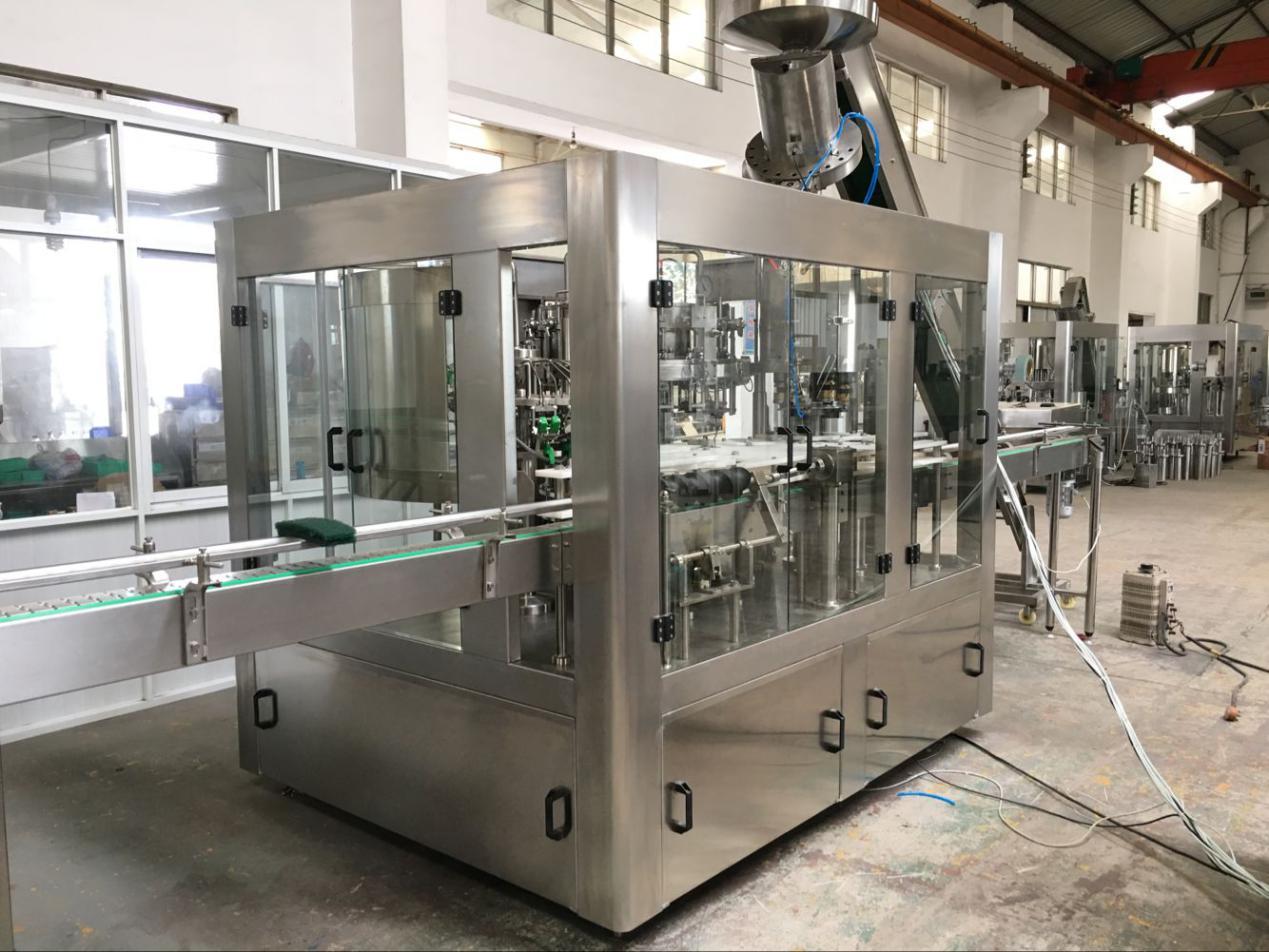
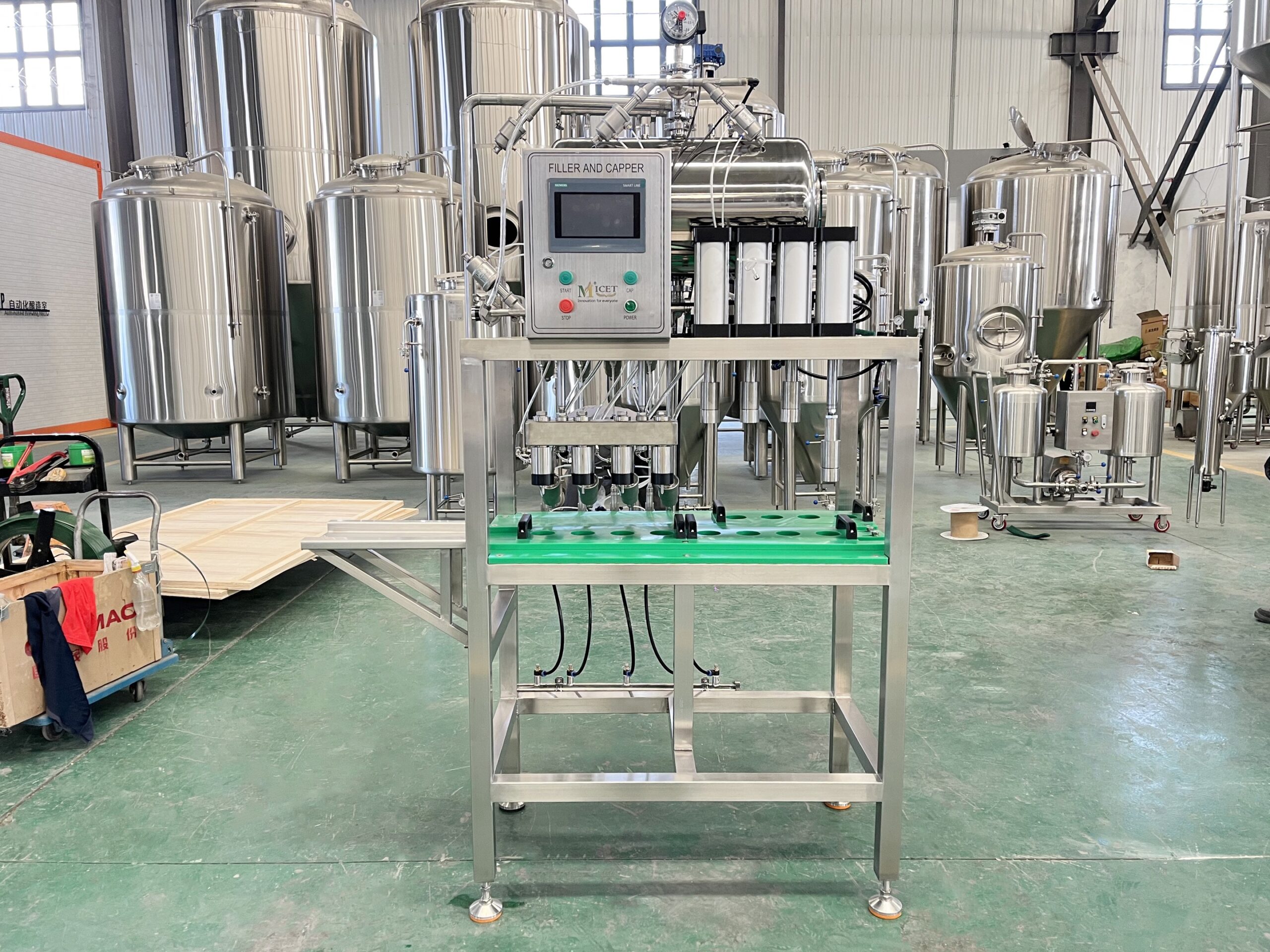
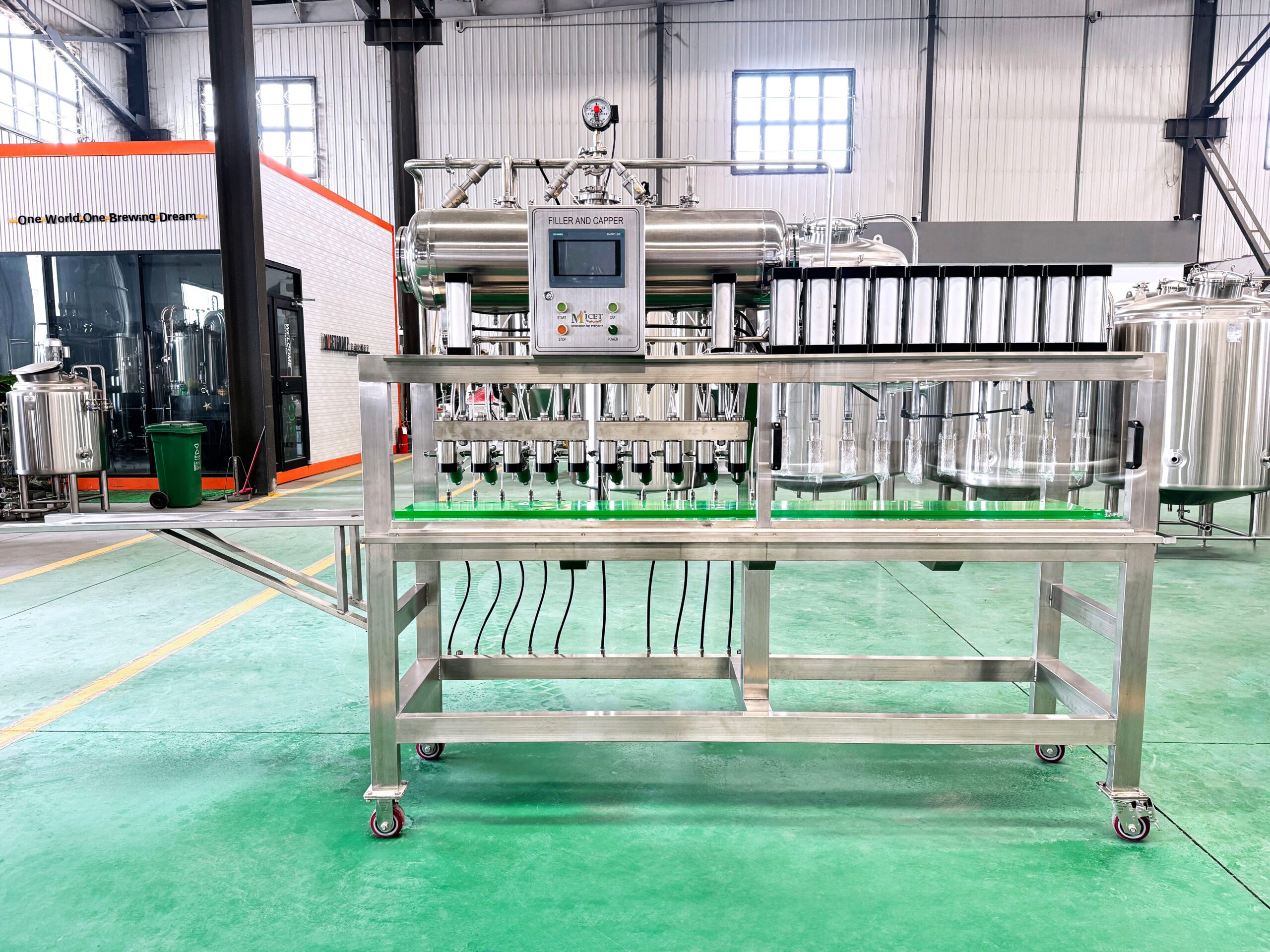
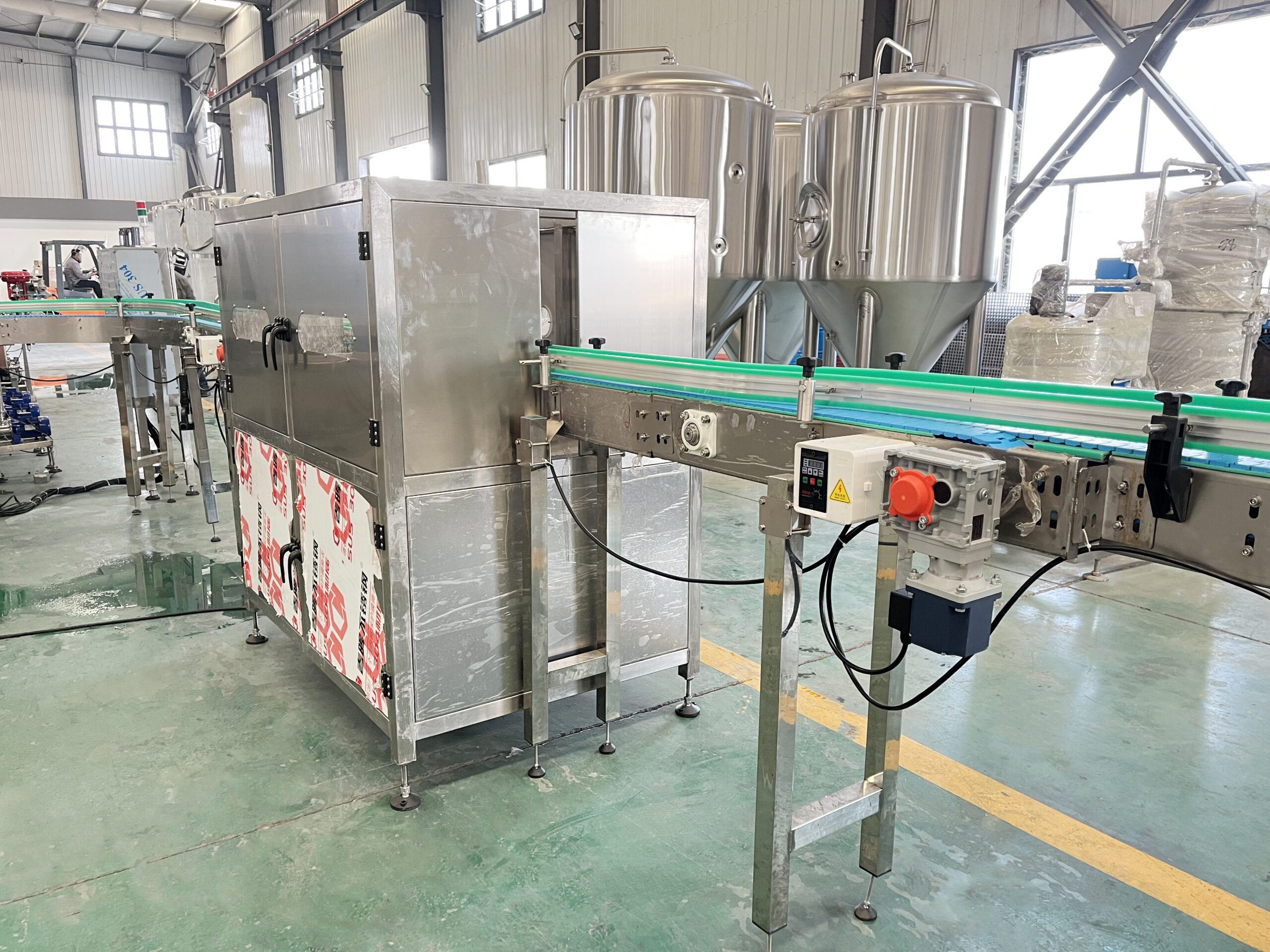
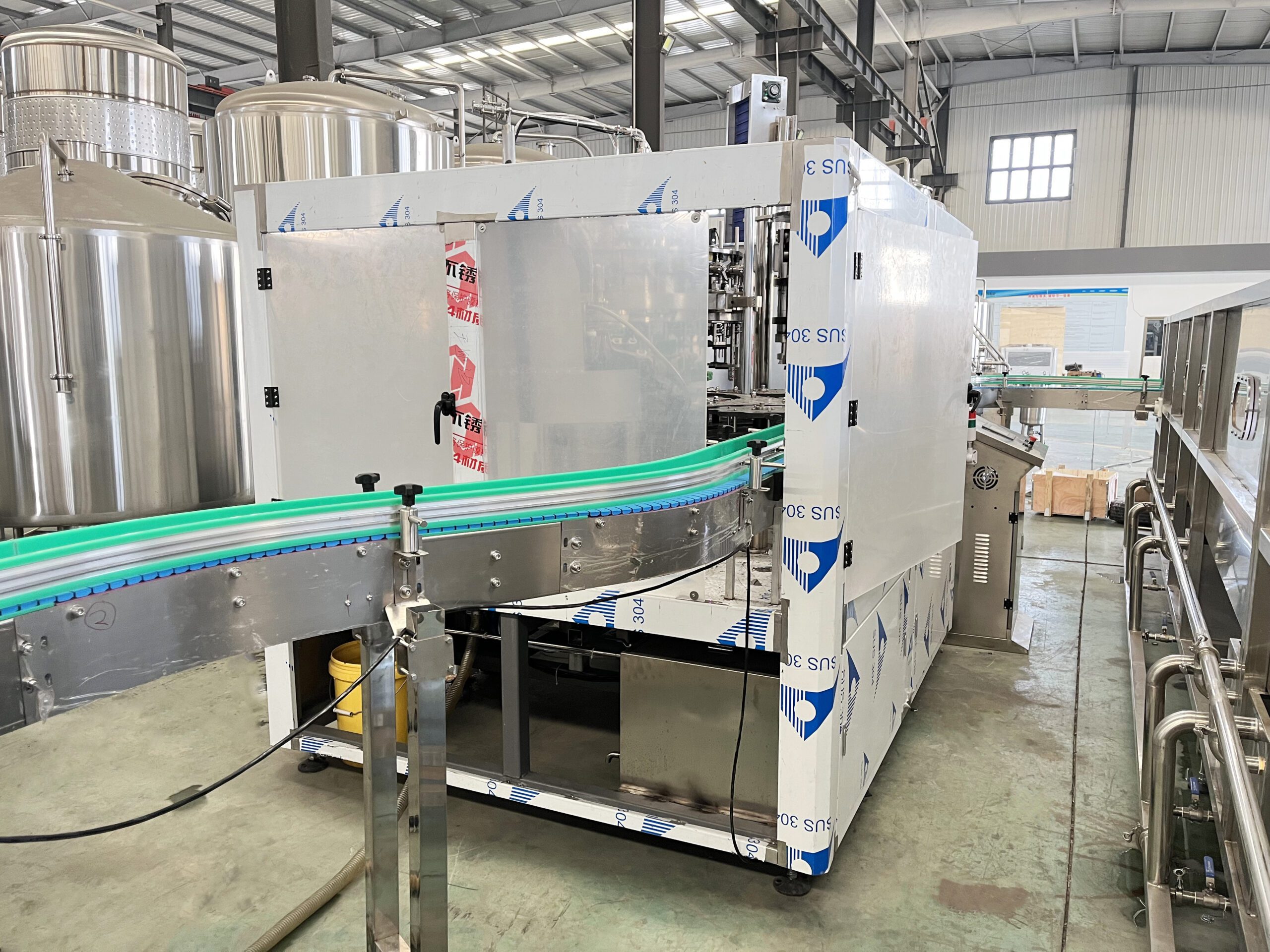
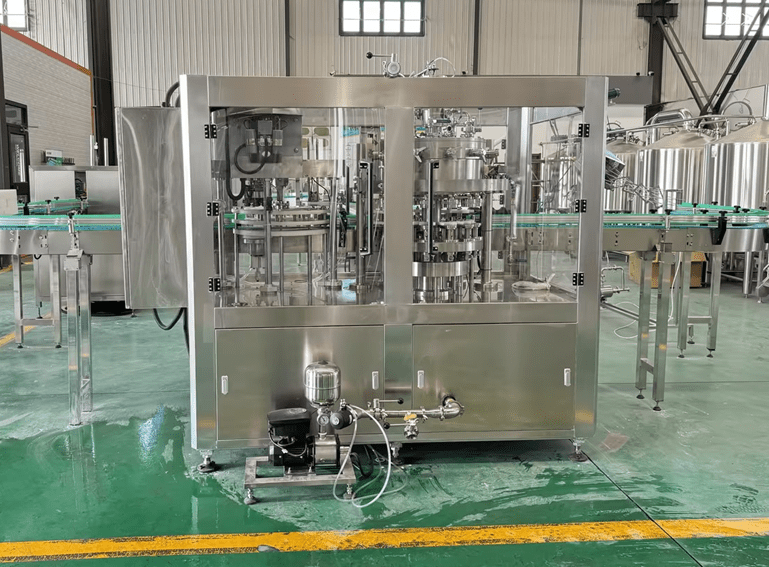
We supply a full range of beer packaging equipment for bottles, cans and kegs—covering rinsers, fillers, seamers/cappers, labelers, coders and packing systems. As a factory with engineering capability, we don’t just sell standalone machines; we help you build a matched bottling/canning line based on your brewhouse/BBT capacity, target speed and SKU formats. Every project includes layout plan, export packing and commissioning support, so your line starts up smoothly and runs reliably. Our glass bottle and can filling line covers a capacity range of 1,000 to 10,000 bottles/cans per hour — from flexible start-ups for small-scale breweries to high-volume production for commercial breweries.
Rinsing, filling, capping/seaming, labelling, coding, packing, palletizing
Mechanical checks, cleaning and function tests before shipment
Flexible setups for different packaging formats and speeds
Layout, conveyor design, packing & remote commissioning
Micro brewery equipment covers 1000–2500L brewing systems for commercial craft breweries and brewpubs with stable daily production. It supports taproom sales and local distribution while significantly reducing CAPEX compared with new turnkey lines.
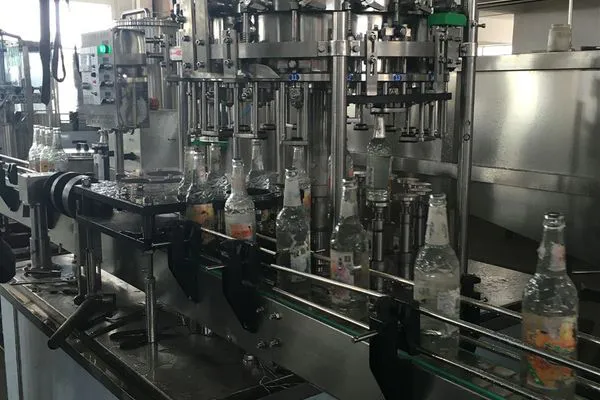
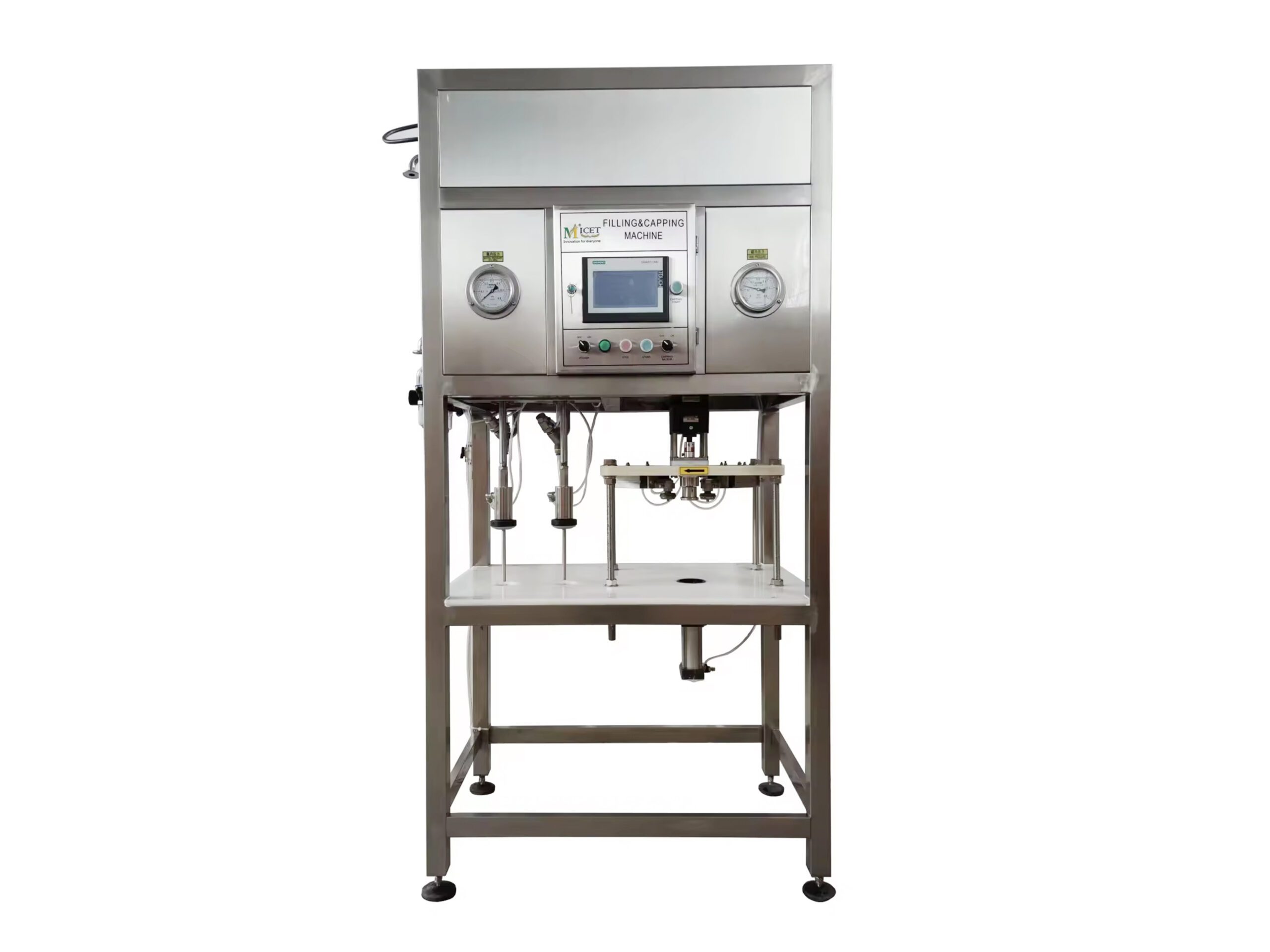
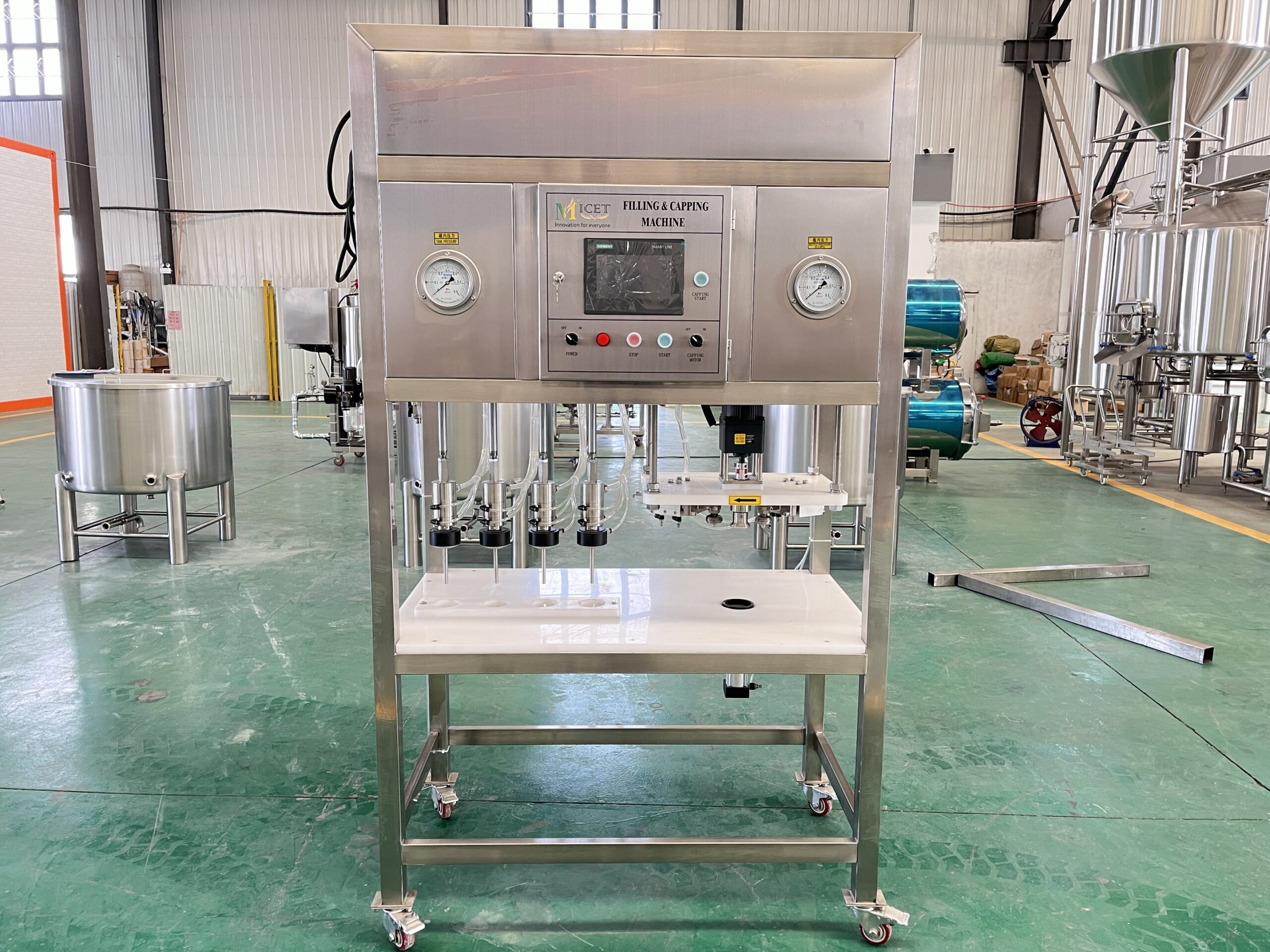
Semi-automatic and fully automatic bottle filling and capping lines with 4, 6, 8, or 10 heads, offering reliable performance for glass bottle packing, filling and capping.
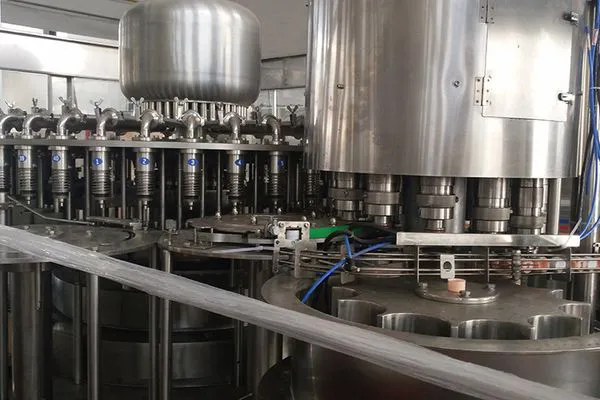
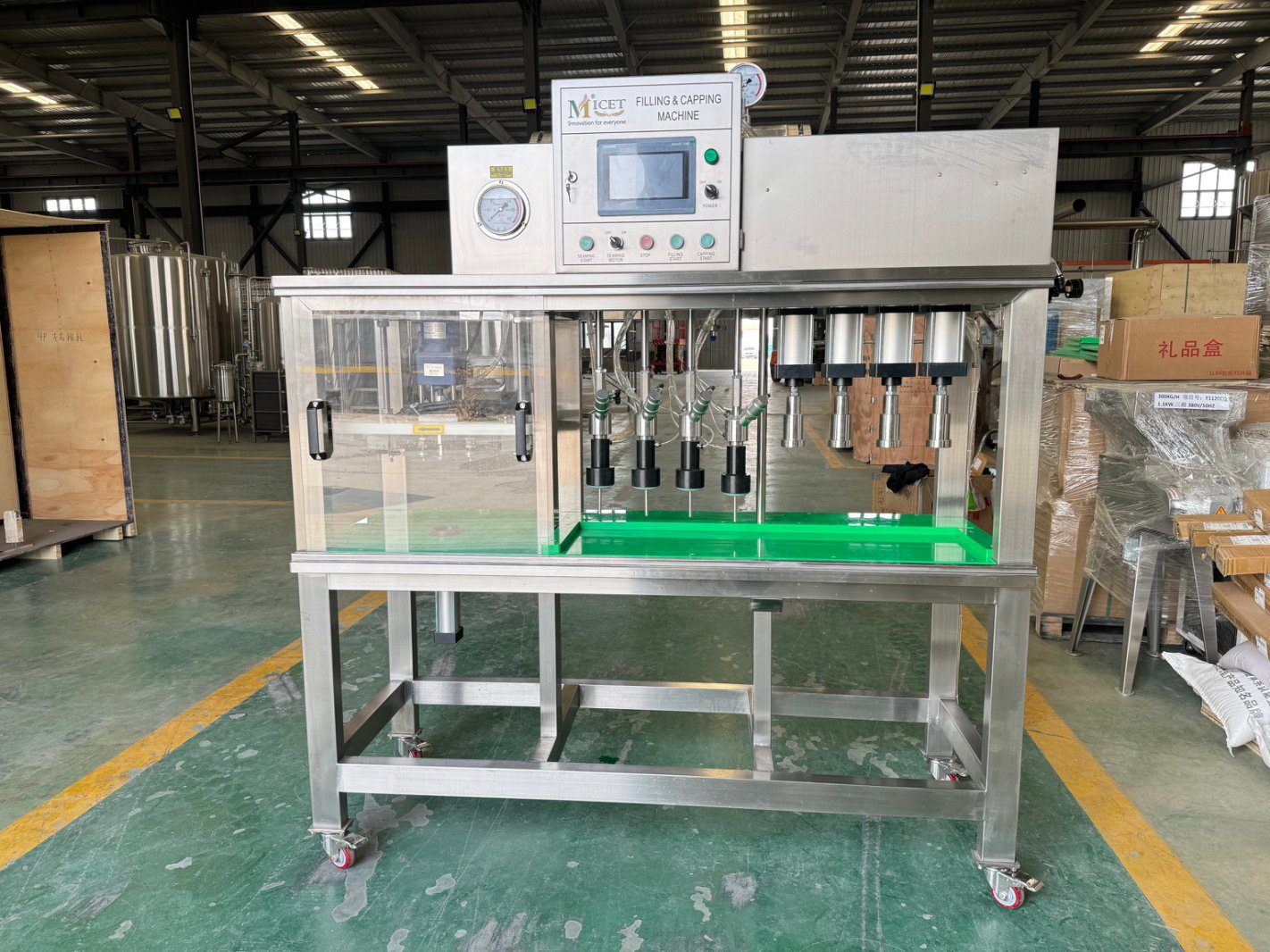
Efficient can filling, capping and seaming lines designed for 2–10 head configurations, suitable for aluminum cans, with integrated control for fast, hygienic, and accurate canning.
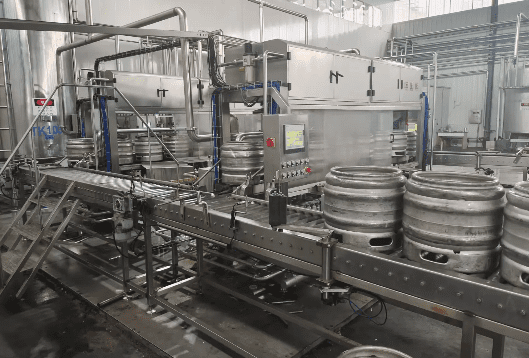
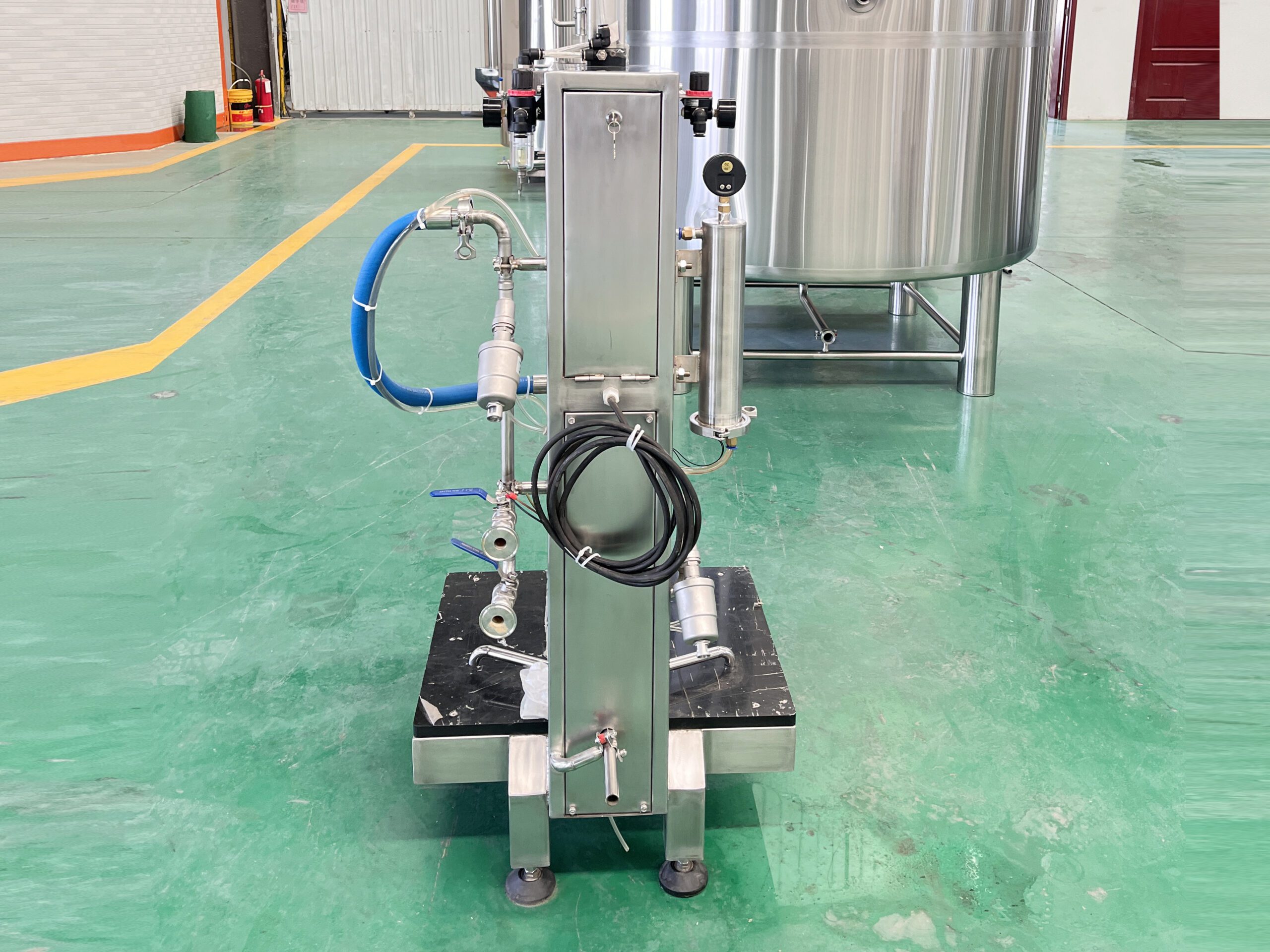
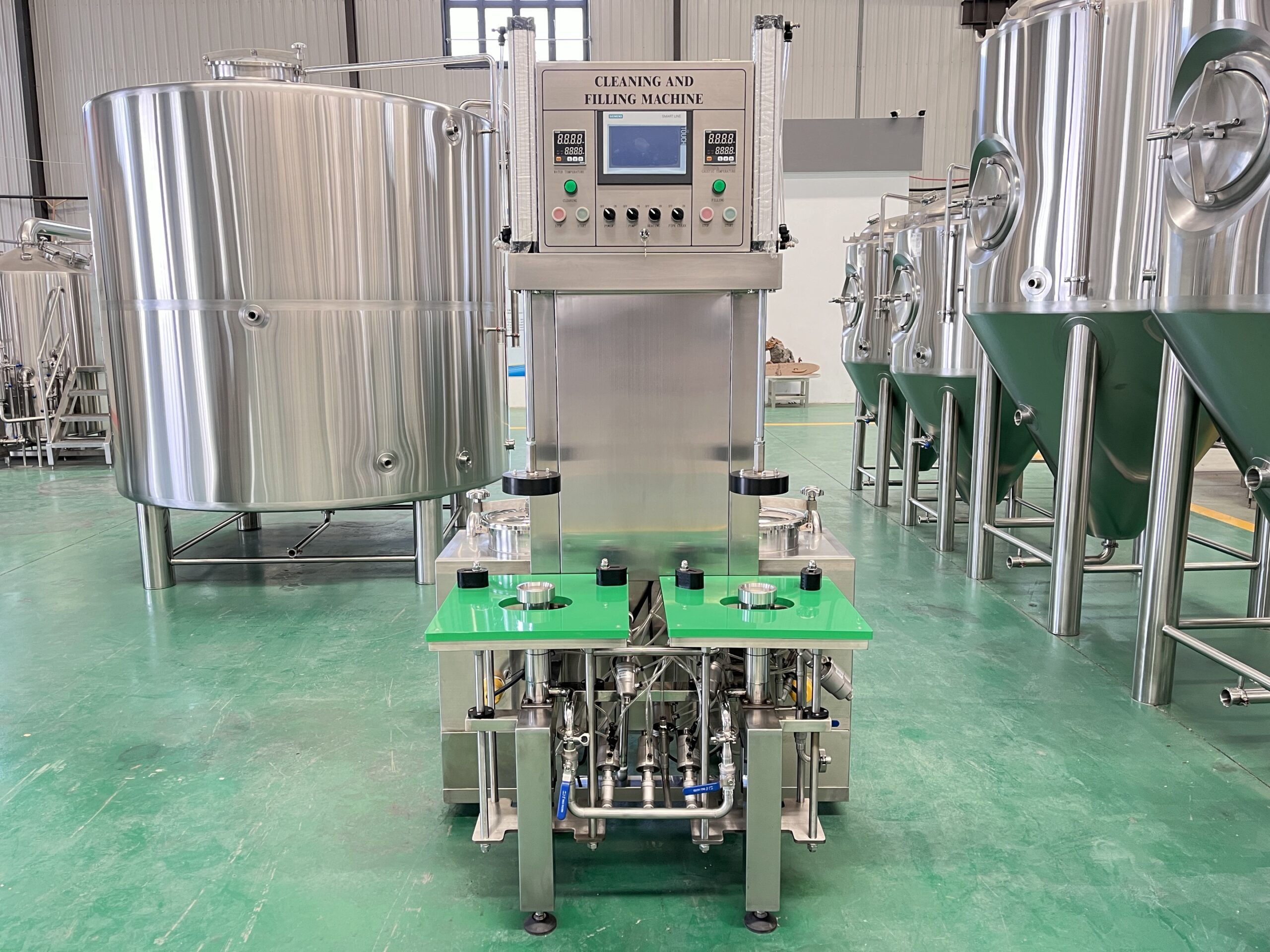
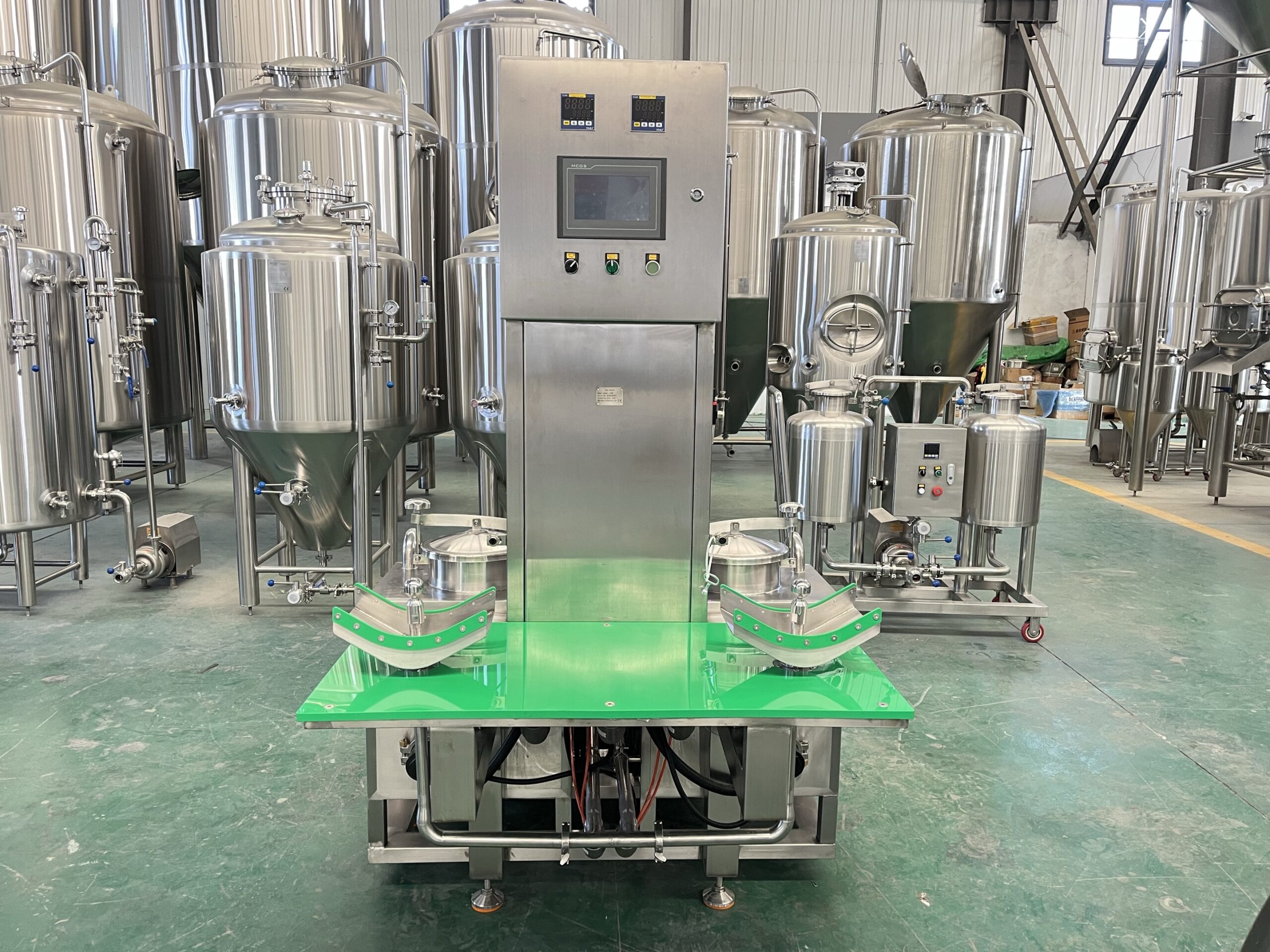
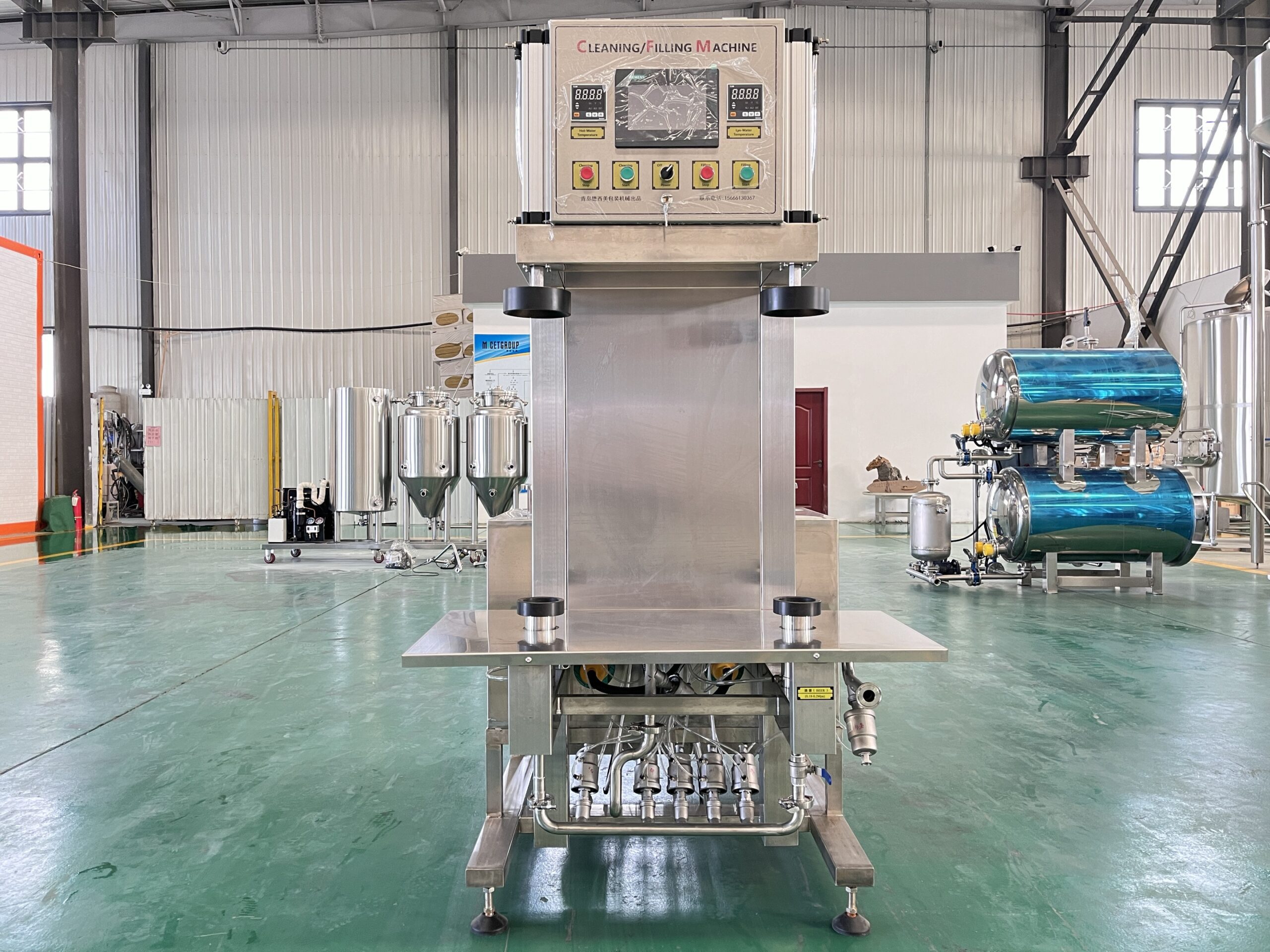
Complete keg washing and filling systems, including single-head and dual-head filling and washing machines, designed to clean, fill and seal kegs with precision for breweries and co-packers.
In packaging, we often recommend bottle or can fillers, cappers and keg washers combined with new conveyors, coders, inspection systems and safety guarding. This hybrid approach reduces the investment for the high-cost core machine, but keeps the line interface, product changeover and quality control based on new, readily supported components.
Tell us about your project and our engineers will design a hybrid new + solution just for you.
We combine core machines with new integration, transparent testing and full export support to build reliable, cost-effective lines.
Understand beer CO₂, oxygen content, and foaming control; more than just selling machinery.
Balance cost and performance with machine heads and new conveyor/electrical control/testing equipment.
Provide equipment photos, videos, testing records, and online factory tours.
Provide layout, piping, and process integration; don’t just sell and leave.
Professional container loading, export packaging, remote commissioning + on-site guidance (optional).
From “as-is” to full , multi-stage expansion planning.
Our Beer Packaging Projects & On-Site Photos section shows real bottle, can and keg lines running in breweries of different sizes, so you can see how fillers, seamers, labellers and packers are arranged in the workshop, how they connect to BBTs and cold rooms, and how similar layouts could work in your own brewery or co-packing facility.


Building a brewery is a big dream. But it is also a big project. You want to make great beer. But making great beer is hard. You need the right tools. You need the right plan. If you get it wrong, you can lose a lot of money and time. Your dream can turn into a headache.
This guide will help you. We will talk about brewery solutions. A brewery solution is a full plan. It is all the equipment and help you need. It helps you build a brewery that works well from day one. It helps you make the best beer, every single time.

Building a brewery is a big dream. But it is also a big project. You want to make great beer. But making great beer is hard. You need the right tools. You need the right plan. If you get it wrong, you can lose a lot of money and time. Your dream can turn into a headache.
This guide will help you. We will talk about brewery solutions. A brewery solution is a full plan. It is all the equipment and help you need. It helps you build a brewery that works well from day one. It helps you make the best beer, every single time.

Building a brewery is a big dream. But it is also a big project. You want to make great beer. But making great beer is hard. You need the right tools. You need the right plan. If you get it wrong, you can lose a lot of money and time. Your dream can turn into a headache.
This guide will help you. We will talk about brewery solutions. A brewery solution is a full plan. It is all the equipment and help you need. It helps you build a brewery that works well from day one. It helps you make the best beer, every single time.

Building a brewery is a big dream. But it is also a big project. You want to make great beer. But making great beer is hard. You need the right tools. You need the right plan. If you get it wrong, you can lose a lot of money and time. Your dream can turn into a headache.
This guide will help you. We will talk about brewery solutions. A brewery solution is a full plan. It is all the equipment and help you need. It helps you build a brewery that works well from day one. It helps you make the best beer, every single time.

Building a brewery is a big dream. But it is also a big project. You want to make great beer. But making great beer is hard. You need the right tools. You need the right plan. If you get it wrong, you can lose a lot of money and time. Your dream can turn into a headache.
This guide will help you. We will talk about brewery solutions. A brewery solution is a full plan. It is all the equipment and help you need. It helps you build a brewery that works well from day one. It helps you make the best beer, every single time.

Building a brewery is a big dream. But it is also a big project. You want to make great beer. But making great beer is hard. You need the right tools. You need the right plan. If you get it wrong, you can lose a lot of money and time. Your dream can turn into a headache.
This guide will help you. We will talk about brewery solutions. A brewery solution is a full plan. It is all the equipment and help you need. It helps you build a brewery that works well from day one. It helps you make the best beer, every single time.

Building a brewery is a big dream. But it is also a big project. You want to make great beer. But making great beer is hard. You need the right tools. You need the right plan. If you get it wrong, you can lose a lot of money and time. Your dream can turn into a headache.
This guide will help you. We will talk about brewery solutions. A brewery solution is a full plan. It is all the equipment and help you need. It helps you build a brewery that works well from day one. It helps you make the best beer, every single time.
Our FAQ – Beer Packaging Equipment gives quick, clear answers on line matching, speeds, testing, combinations, required project info, lead times, warranty and spare parts, so you know exactly how our lines will fit your brewery.
Here is a concise, integrated answer on beer filling equipment costs, based on your provided content.
The cost of beer filling equipment is primarily defined by your required output and level of automation, ranging from basic systems to high-speed production lines.
Cost by Capacity & Automation:
* Low-Capacity ($5,000–$20,000): Ideal for startups, these semi-automatic or simple automated systems handle 100–1,000 bottles per hour (BPH).
* Medium-Capacity ($20,000–$60,000): For growing businesses, these systems offer faster, more consistent performance for 1,000–5,000 BPH.
* High-Capacity ($100,000+): Designed for large-scale production, these complex, fully-automated lines (or “monoblocks”) handle 5,000+ BPH and integrate filling, capping, and labeling.
Key Factors Influencing Price:
* Automation: This is the major cost driver. A manual filler is a minor investment, while a fully automated line is a significant capital expense.
* Format: Equipment designed for bottles, cans, or both affects the price.
* Ancillary Systems: Essential support equipment, like a glycol system for temperature control or a labeler, adds thousands to the total cost.
* Customization: Tailored engineering for specific needs will increase the price.
In summary, defining your target output and automation needs is the first step to determining your investment, which can range from a few thousand to several hundred thousand dollars.
An automatic filling machine is a core component of a production line, designed to fill containers with precise volumes of liquid efficiently and without manual intervention. Its operation follows a continuous, automated cycle:
1. Container Indexing: Empty containers are fed onto a conveyor belt, which transports them into the machine’s filling carousel or station. They are separated and held in precise positions.
2. Triggered Filling: Sensors detect the presence of a container in the correct position beneath the filling nozzles. This triggers the filling mechanism—which can be a pump, piston, or pressurized valve—to dispense an exact, pre-set volume of product.
3. Release and Continuation: Once the fill cycle is complete, the containers are released from the filling station. The conveyor then moves them to the next stage of the packaging line, such as capping, sealing, or labeling.
This process repeats continuously for each container, ensuring high-speed, consistent, and hygienic production. The entire system is managed by a central Programmable Logic Controller (PLC) that synchronizes all movements for optimal accuracy and efficiency.

A bottle filler transfers liquid into containers using methods chosen for the liquid’s properties and required precision. The core principle involves precisely controlling the volume or level of liquid dispensed into each bottle.
Common Filling Methods:
* Gravity & Vacuum Fillers: Ideal for free-flowing liquids. Gravity uses an elevated tank, while vacuum uses suction to draw liquid in. Both are simple and effective.
* Piston & Pump Fillers: Best for viscous products (like sauces). A piston draws a precise volume into a cylinder before ejecting it, offering high accuracy. Pumps move liquid for a timed duration.
* Overflow Fillers: Used for consistent fill levels in clear bottles. Nozzles fill until liquid reaches a set height, with excess draining back. This ensures a uniform visual fill line.
Automation & Control:
* Manual Systems: An operator places a bottle and activates the process (e.g., via foot pedal), triggering a piston or pump for a single fill.
* Automatic Systems: Bottles move on a conveyor. Sensors detect a bottle’s presence, triggering valves to open for a set time or until a level is reached. The filled bottle then automatically moves to capping.
In summary, a bottle filler works by employing a specific mechanism—gravity, vacuum, piston, or pump—governed by either manual control or an automated sensor system to ensure accurate, efficient, and consistent filling tailored to the product and production scale.
Common liquid filling methods are chosen based on product viscosity and precision needs. Gravity and overflow filling are ideal for free-flowing liquids and uniform fill levels in clear bottles. For viscous liquids or products with particulates, piston and pump filling offer high precision. Pressure filling handles carbonated drinks, while vacuum filling uses negative pressure for speed and reduced oxidation.
The core difference between canning and bottling is the container: metal cans versus glass bottles. Cans are lighter, durable, block light/oxygen, and allow faster filling, making them ideal for commercial efficiency. Bottles are heavier and fragile but are chemically inert, offer product visibility, and are common for home use due to accessible equipment. Both methods use heat and vacuum seals for preservation.
The beer bottling process ensures carbonated, stable beer. Both commercial and homebrew methods start with thorough sanitization. Commercial bottling uses automated, high-speed lines: bottles are depalletized, rinsed, filled via a counter-pressure method to prevent oxidation and foaming, capped, labeled, and pasteurized for stability. Homebrewing is manual: sanitized bottles are filled from a bottling bucket using a wand, a priming sugar solution is added for natural carbonation, bottles are hand-capped, and then stored for weeks to condition. The core difference is the scale and technology, with commercial focusing on efficiency and shelf-stability, and homebrewing on manual control and natural carbonation.
Cans provide a total barrier against light and a superior seal against oxygen, preventing “skunking” and oxidation for fresher beer. They are also lighter, unbreakable, chill faster, and are more portable and recyclable, offering logistical and environmental benefits over glass bottles.
The cost of a viscous liquid filling machine varies widely, from a few hundred dollars for a basic manual unit to over $25,000 for a high-speed, fully-automatic system. Key factors driving the price include the level of automation, the number of filling heads, and the filling technology (e.g., piston for high precision). Additional cost variables are production speed, construction material (such as stainless steel for durability), and special features like coding or sealing. The manufacturer and country of origin also significantly influence the final price.
The cost of a beer bottling machine ranges from under $30,000 for a basic, low-automation system to over $200,000 for a high-speed, fully automated production line. Price is primarily determined by speed (bottles per hour), the level of automation, and included features like integrated rinsing, capping, and labeling. Mid-range, fully automatic systems typically cost between $40,000 and $100,000. The final price also varies by manufacturer and specific requirements like bottle type or added functions such as pasteurization.
Here is a concise guide to cleaning beer bottles:
Step 1: Clean Thoroughly
Rinse bottles immediately after emptying. For residue, scrub with a bottle brush and an oxygen-based cleaner (like PBW or OxiClean), followed by a thorough hot water rinse. A dishwasher sanitize cycle can also be used for initial cleaning.
Step 2: Sanitize Before Use
Use a no-rinse acid-based sanitizer like Star San. Apply the solution to coat the entire inside of each bottle using a bottle rinser or by soaking. Allow bottles to drip dry upside down on a sanitized bottle tree; do not rinse.
Step 3: Final Preparation
Conduct a final visual inspection for chips or residue. Handle bottles by the exterior only to avoid contaminating the sanitized interior. The bottles are now ready for filling.
The ideal time to bottle beer is after primary fermentation is complete, confirmed by a stable specific gravity reading over 2-3 days. For most ales, this takes 2-3 weeks, while lagers require several weeks to months. Hoppy beers are best bottled quickly to preserve aroma, but high-gravity or sour ales can benefit from extended aging. To avoid off-flavors from yeast autolysis during long aging, transfer the beer to a secondary fermenter before bottling.
The core difference is the container: canning uses metal cans, while bottling uses glass. This dictates all other distinctions. Cans are lighter, block all light, offer superior oxygen barriers, and are more durable and efficient to ship. Bottles provide a premium aesthetic, product visibility, and chemical inertness, but are heavier, fragile, and offer less protection, making them common for home use and traditional brands.
Share your brewhouse size, tank count and packaging model, and we’ll recommend a beer packaging machine that fits your production and budget.
We zullen contact met je opnemen binnen 1 werkdag, let op de e-mail met de suffix "@micetbrewing.com".
*We respecteren je privacy. Alle ingediende informatie is strikt vertrouwelijk.
Je gegevens worden alleen gebruikt om op je aanvraag te reageren. We sturen nooit ongevraagde e-mails of promotionele berichten.