










Choosing the wrong still can waste money, damage flavor, and create serious legal or safety risks. Many beginners search for a moonshine still, but they really need clear guidance, safe equipment thinking, and a legal path before they distill anything.
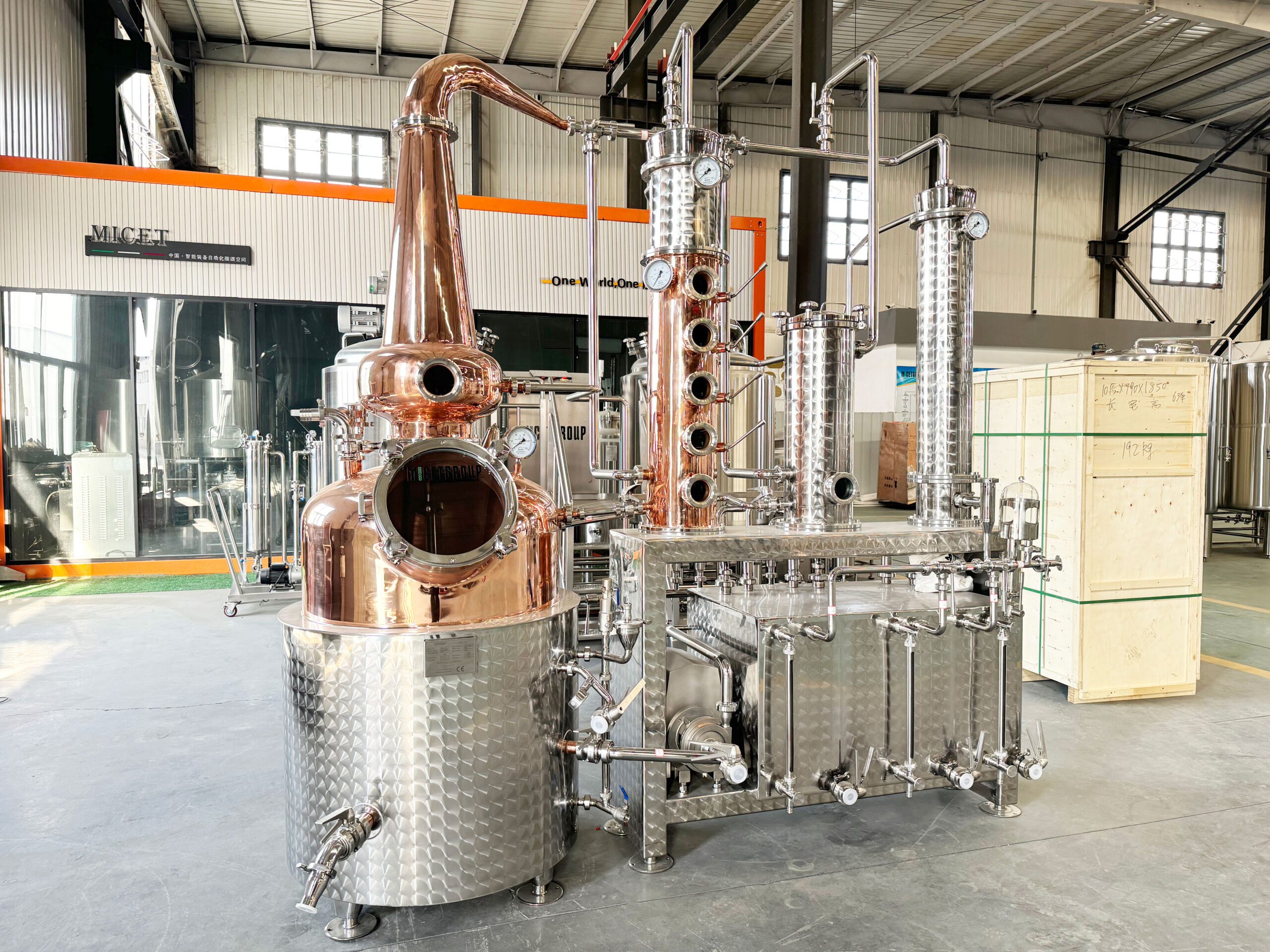
The best still for making whiskey is usually a pot still or copper-and-stainless-steel whiskey still, because it keeps more grain character and rich aroma than a high-purity reflux still. For any alcohol distilling project, the right still must match local laws, batch size, heating method, condenser capacity, cleaning needs, and the spirit you want to produce.
[Image Placeholder: A stainless steel and copper still system in a clean licensed distillery environment]
Important legal and safety note: This article is an equipment selection guide, not an instruction manual for illegal home distillation. Laws differ by country and region. In many places, distilling alcohol at home without permits is illegal. Always check your local alcohol authority before buying or using any alcohol still.
Article Outline
- What does a still do in whiskey distillation?
- Is home distilling whiskey legal and safe?
- What type of still is best for whiskey?
- Pot still vs column still: which should a beginner choose?
- Copper still or stainless steel still: which material is better?
- What still size is right for home use or a small distillery?
- What condenser and heating features should you check?
- Should you buy a moonshine still kit or custom distilling equipment?
- What should professional B2B buyers consider for a home distillery or micro distillery?
- How do we help buyers choose the right still system?
- FAQs about whiskey still selection
- Key takeaways
What Does a Still Do in Whiskey Distillation?
A still is a vessel system used to heat fermented liquid and separate alcohol vapor from water, solids, and heavier compounds. In simple words, the still helps concentrate flavor and alcohol through the distillation process. The vapor rises, moves through a neck or column, reaches the condenser, and turns back into liquid.
For whiskey, the still is more than a boiler. It shapes aroma, body, mouthfeel, and final character. A common pot still keeps more grain flavor, which is why many whiskey makers prefer it. A column still can produce a cleaner and lighter spirit, but it may remove some heavier flavor notes that make whiskey feel rich.
As a brewery and beverage equipment manufacturing plant, we see buyers compare a whiskey still in the same way they compare brewhouse systems or fermentation tanks. The question is not only “Which still is cheap?” The real question is, “Which still design supports stable production, safe operation, easy cleaning, and the flavor target of my beverage brand?”

Is Home Distilling Whiskey Legal and Safe?
Before choosing a still for home distilling, you must understand the law. In the United States, the TTB states that federal law prohibits producing distilled spirits at home outside a qualified distilled spirits plant. The TTB also explains that anyone who wants to produce beverage spirits commercially must apply for the right permit.
Safety also matters. Distillation uses heat and can produce flammable ethanol vapor. NFPA has warned that the distillation process combines heat and ethanol vapor, which may create fire and explosion risks when handled incorrectly. Oregon OSHA also lists fire and explosion as key hazards in craft distilling. Helpful safety references include.
This is why we never suggest “just buy a small moonshine still and try it anywhere.” A responsible home distiller, project investor, or startup founder should first confirm local law, facility requirements, ventilation, electrical safety, drainage, cleaning process, and fire control. A still may look simple, but alcohol distilling needs serious planning.
What Type of Still Is Best for Whiskey?
For whiskey, the best still is usually a pot still. A pot still is great for whiskey because it carries more grain aroma and body into the final spirit. It does not strip the liquid as aggressively as a reflux still or some types of column still. That is why many traditional whiskey and rum producers still use pot still systems.
A copper still, especially a copper alembic or copper alembic-style pot still, is often linked with classic whiskey making. Copper can interact with sulfur compounds during distillation, which may help improve aroma. Research on sulfur compounds in whisk(e)y discusses how copper contact can influence sulfur-related compounds in spirits. You can read more in this open-access review
However, the best still is not always a full copper still. Many modern buyers choose copper and stainless steel together. Stainless steel gives strength, durability, and easier sanitation. Copper parts, such as a copper tube, copper coil, copper dome, or copper contact section, can support flavor development. For many B2B projects, this mixed structure is the right still because it balances flavor, hygiene, cost, and maintenance.
Pot Still vs Column Still: Which Should a Beginner Choose?
A beginner often asks whether a pot still or column still is better. For whiskey, brandy, rum, and heavier spirits, a pot still is often the better starting point. It is easier to understand, closer to traditional whiskey making, and better suited for a spirit like whiskey with grain character.
A column still is designed for more efficient separation. It can help produce a cleaner spirit and may be used to make vodka or neutral alcohol when legally permitted. Some systems include plates or packing to increase reflux. This type of still can be powerful, but it may be too complex for a beginner who only wants to understand basic still selection.
A reflux still sits in this same discussion. It can make a cleaner and higher-purity spirit, but that is not always the goal for whiskey. If your target is whiskey and rum with more flavor, a common pot still may fit better. If your target is neutral spirits, gin base, or vodka-style production, a column still or reflux still may make more sense.
| Still Type | Best For | Main Advantage | Main Limitation |
|---|---|---|---|
| Pot Still | Whiskey, rum, brandy | Rich flavor and traditional character | Lower separation efficiency |
| Column Still | Vodka, light spirits, larger output | Efficient and cleaner spirit | Can reduce heavy flavor |
| Reflux Still | Neutral alcohol, high purity | Strong purification | Less ideal for full-bodied whiskey |
| Air Still | Distilled water or small legal non-alcohol uses | Compact and simple | Limited capacity and control |

Copper Still or Stainless Steel Still: Which Material Is Better?
The copper or stainless steel question is one of the most common still selection topics. Copper is valued because it can help reduce some unwanted sulfur notes. This is why a copper still, copper alembic, copper tube, or copper coil is often used in whiskey still design.
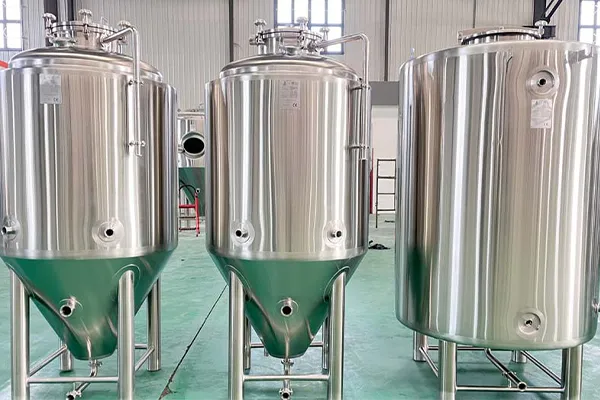
Stainless steel is valued because it is strong, stable, sanitary, and easy to clean. For a commercial distillery, winery, brewery, kombucha plant, or cold brew coffee facility, stainless steel equipment is often preferred for tanks, piping, valves, and frames. It supports consistent cleaning and long service life.
A practical answer is this: choose copper contact where flavor matters, and choose stainless steel where durability and hygiene matter. Many professional systems use stainless steel moonshine-style construction with copper contact parts. This hybrid design works well for buyers who want flavor support without the full cost and care needs of an all-copper alembic still.
What Still Size Is Right for Home Use or a Small Distillery?
Still size should match your legal use, production goal, available space, and heating power. A small still for home use may look attractive online, but alcohol still use must first meet local law. For legal non-alcohol purposes, some small systems may be used for distilled water, hydrosols, or training demonstrations. For beverage alcohol, buyers should plan around permit rules and facility approval.
For a small licensed distillery or pilot project, still size depends on your batch plan. A beverage startup may begin with a pilot distillery kit to test recipes. A brewpub may want a small whiskey still to expand into spirits. A commercial distillery may need a larger pot still, column still, fermentation tanks, mash tun, pumps, condenser system, CIP cleaning, and a safe production layout.
Here is a simple planning table:
| Buyer Type | Possible Need | Equipment Focus |
|---|---|---|
| Beginner researcher | Learn legal options and still types | Safety, law, education |
| Beverage startup | Pilot batches and market testing | Flexible still kit and tanks |
| Brewpub or taproom | Add spirits under license | Compact whiskey still and layout |
| Micro distillery | Stable small-batch production | Pot still, condenser, fermenters |
| Commercial distillery | Higher output and efficiency | Turnkey distillery system |
The size of still should never be chosen by price alone. A larger still needs more space, more heat, stronger ventilation, better cooling, and trained operators. If you plan to run your still in a legal production site, start with the production target and work backward.
What Condenser and Heating Features Should You Check?
The condenser is one of the most important parts of any still. It cools vapor and turns it back into liquid. If the condenser is too small or poorly designed, the still may not run safely or consistently. A good condenser should match the heating power, vapor flow, cooling water supply, and batch size.
Heating also deserves attention. Electric heating, steam heating, and indirect heating all have different uses. For professional distilling equipment, steam heating is often preferred for larger systems because it can give more even heat and better process control. Small systems may use electric heating, but the electrical design must match safety requirements.
Useful still features include:
- Accurate temperature monitoring for process awareness
- Strong condenser capacity for stable vapor cooling
- Sanitary valves and fittings for clean operation
- Food-grade stainless steel construction for durability
- Copper contact parts for whiskey aroma support
- Safe heating design for controlled production
- CIP-friendly structure that is easy to clean
Some online searches mention a home brewing kit build-in thermometer or kit build-in thermometer for DIY. A thermometer is helpful, but it is not enough. Serious still selection must include vessel quality, welding, sealing, cooling, pressure relief, installation support, and safety planning.
Should You Buy a Moonshine Still Kit or Custom Distilling Equipment?
A moonshine still kit or moonshine still kit for beginners may seem easy to buy. You may also see terms like vevor alcohol still, t500 turbo still, still by Still Spirits, or still spirits online. These products may appear in consumer searches, but buyers should not treat a cheap distiller kit as a complete production solution.
A still kit may be useful for legal water distillation, essential oil work, lab-style learning, or permitted small tests. But for distilling alcohol, a distilling kit alone does not solve legal approval, fire control, ventilation, drainage, electrical safety, alcohol storage, cleaning, or production layout. That is why serious buyers often move from a small still kit to engineered distilling equipment.
For B2B buyers, custom equipment is usually better. A custom still can match your capacity, heating method, floor space, local voltage, cooling water, cleaning process, and future expansion. It can also connect with fermentation tanks, brewhouse systems, bright tanks, CIP systems, and packaging lines. This matters if your goal is not only making moonshine, but building a safe and sustainable beverage business.

What Should Professional B2B Buyers Consider for a Home Distillery or Micro Distillery?
Some buyers use the term home distillery when they really mean a small licensed production space, a farm distillery, a brewpub spirits corner, or a pilot plant. In that case, the thinking should be professional from day one. The still is only one part of the project.
A complete home distillery or micro distillery plan may include fermentation tanks, mash equipment, pumps, piping, cooling, heating, controls, drainage, ventilation, storage, barrel space, and cleaning tools. If you also produce beer, cider, kombucha, wine, cold brew coffee, or other beverages, your layout should reduce cross-contamination and support efficient workflow.
As a stainless steel brewery and beverage equipment manufacturer, we often help customers think beyond the still. We ask about raw materials, batch size, daily output, building size, operator skill, target spirit, and future product line. A whiskey still may be perfect for making whiskey, but it must fit the whole production system. A poor layout can slow work, increase labor, and raise project risk.
How Do We Help Buyers Choose the Right Still System?
We help buyers choose the right still by starting with their real business goal. Do they want to produce whiskey, brandy, gin, vodka, rum, distilled water, or a mixed beverage line? Do they need a distillery kit for alcohol under license, or a full turnkey distillery system? Do they need equipment for whiskey and rum, distilling brandy, distilling fruit wine, or pilot testing for diy whisky wine brandy concepts?
From there, we design around capacity, sanitation, heating, cooling, cleaning, and installation. Our strength is stainless steel beverage equipment, so we can combine still systems with fermentation tanks, brewhouse systems, kombucha tanks, cider tanks, winery tanks, cold brew coffee equipment, and turnkey brewery solutions.
We also support buyers with:
- Customized capacity planning
- Sanitary stainless steel fabrication
- Copper and stainless steel structure options
- Factory layout advice
- Installation guidance
- After-sales support
- OEM/ODM project customization
- Long-term spare parts and upgrade planning
This is important for beginners and experienced distillers alike. The best moonshine still is not always the one with the lowest price. The best still is the one that supports legal compliance, stable output, clean operation, safe distillation, and the flavor you want to produce.
Can One Still Make Whiskey, Vodka, Brandy, and Rum?
One still can sometimes support several spirits, but it depends on still types and configuration. A pot still is great for whiskey, brandy, and rum. A column still or reflux still is better when the goal is cleaner spirit, such as when you legally make vodka. Some hybrid alcohol still systems allow both pot-style and column-style operation.
Still, every spirit has different needs. Whiskey needs grain handling, mashing, fermentation, distillation, and aging. Brandy starts from wine or fruit wine. Rum starts from sugarcane-based materials. Vodka needs more neutral output. The spirit you want to produce should guide the still selection.
This is why professional still makers do not recommend one design for every buyer. A still for beginners may not fit a commercial distillery. A compact air still may not fit beverage production. A large distillery kit may be too much for a small taproom. Choosing a still should begin with the product plan, not the catalog price.
What Makes a Still Easy to Clean and Maintain?
A still should be easy to clean because residue, flavor carryover, and poor sanitation can affect product quality. Stainless steel helps because it is smooth, strong, and compatible with sanitary equipment design. Polished surfaces, tri-clamp fittings, drainable piping, and accessible manways all make cleaning easier.
Copper parts need special care. Copper contact is useful, but it can oxidize and require proper cleaning. A copper alembic still may look beautiful, but it needs more hands-on maintenance than a mostly stainless steel system. For buyers who want lower maintenance, copper contact sections inside a stainless steel frame can be a smart balance.
For a professional project, we often recommend CIP-friendly design. CIP means cleaning in place. It helps clean tanks, pipes, and some process equipment without full disassembly. For breweries, wineries, cideries, kombucha producers, and distilleries, CIP design can reduce labor and improve hygiene.
FAQs About Still Selection
What is the best still for making whiskey?
The best still for whiskey is usually a pot still with enough copper contact to support aroma and enough stainless steel structure to support cleaning and durability. A copper still gives traditional flavor benefits, while stainless steel adds strength and sanitary performance.
Is a moonshine still the same as a whiskey still?
A moonshine still is a broad term people use for small alcohol distilling equipment. A whiskey still is more specific. It is designed to support whiskey flavor, usually through pot still distillation and copper contact. Always check local law before using any still for beverage alcohol.
Is a reflux still good for whiskey?
A reflux still can produce a cleaner and more neutral spirit, but it may remove some heavy flavors that many whiskey drinkers like. For whiskey, a pot still is usually preferred. For neutral spirits, a reflux still or column still may be better.
Should I choose copper or stainless steel?
Choose copper where flavor contact matters and stainless steel where strength, sanitation, and easy cleaning matter. Many modern still systems combine both materials. This copper and stainless steel approach is practical for many small distillery and commercial projects.
Can I use a still to make distilled water?
Some compact still systems can be used for distilled water if they are designed for that purpose. Distilled water production is different from distilling alcohol. Always follow the equipment manual and local safety rules.
What should a beginner check before buying a still?
A beginner should check local law, intended use, still size, heating method, condenser capacity, material quality, cleaning access, safety features, and supplier support. The right moonshine still or whiskey still should match legal use and safe operation, not only budget.
Key Takeaways
- The best still for whiskey is usually a pot still because it keeps more flavor and body.
- Copper contact helps whiskey aroma, while stainless steel supports sanitary and durable equipment design.
- A moonshine still kit is not a full production solution for serious B2B beverage projects.
- Distilling alcohol is heavily regulated, so check local law before buying or using equipment.
- Safety matters because ethanol vapor is flammable, especially around heat and poor ventilation.
- Still size should match your legal use, batch plan, cooling capacity, and production space.
- A complete distillery project needs more than a still, including fermentation tanks, piping, cleaning, layout, and installation support.
- Working with a professional equipment manufacturer reduces project risk and helps you build a safer, cleaner, and more scalable beverage production system.