









1. Bar Location: In addition to market research, it’s recommended to collect relevant market data when selecting a location.
2. Energy Supply: This includes essential conditions for operating a bar, such as water, electricity, and natural gas.
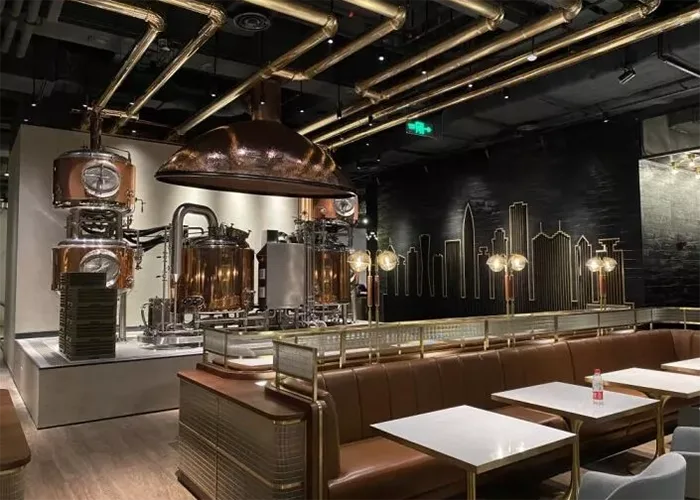
3. Interior Design: A simple yet tasteful design style is popular with consumers; the bar should have its own unique style.
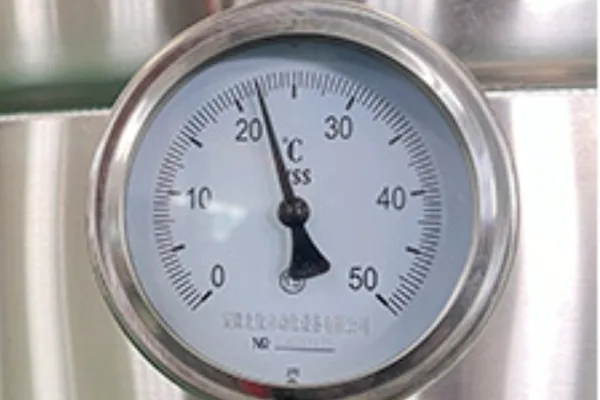
4. Wine Knowledge: Operators need to be familiar with wine origins, varieties, serving temperatures, and food pairings, such as serving red wine at 16-18℃ and white wine at 8-12℃.
5. Team Training: Service staff need to master wine opening and pouring etiquette (e.g., pouring to 2/3 full), wine recommendation techniques, and emergency handling (e.g., handling intoxicated customers).
6. Marketing Strategy: In the initial stage, attract customers through membership programs and themed tasting events. Long-term customer relationships need to be maintained, such as by regularly holding wine knowledge lectures.