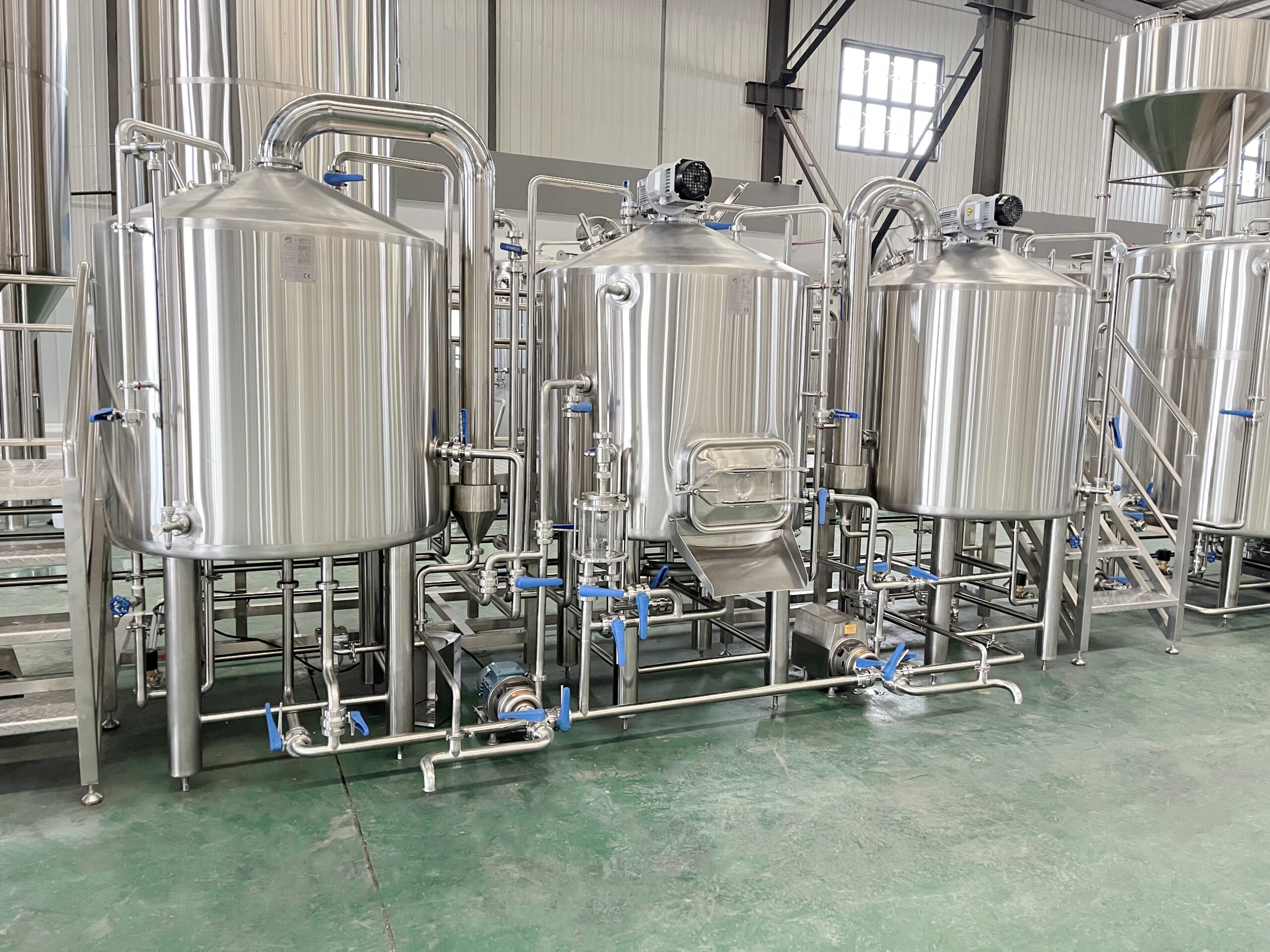











A poor water tank can cause rust, leaks, bad taste, and costly downtime. For homes, factories, breweries, and beverage plants, that risk grows fast. A stainless steel water tank offers a cleaner, stronger, and longer-lasting water storage solution.
Yes, stainless steel is good for water tanks because it is strong, hygienic, corrosion-resistant, easy to clean, and suitable for many drinking water and industrial water storage applications. A quality stainless steel tank can help protect water quality, reduce maintenance, and support reliable water storage for residential and commercial use.
Article Outline
- Why is stainless steel good for a water tank?
- How does a stainless steel water tank protect drinking water?
- What are the benefits of stainless steel tanks?
- How does stainless steel compare with plastic tanks and concrete tanks?
- Is 304 stainless steel suitable for water storage?
- What causes corrosion in a steel water tank?
- How long can a stainless steel tank last?
- Is a stainless water tank easy to clean?
- Where can stainless steel water tanks be used?
- How do B2B buyers choose the right water storage tank?
- FAQs about stainless steel water tank selection
- Key takeaways
Why Is Stainless Steel Good for a Water Tank?
Stainless steel is often a smart material for a water tank because it combines strength, hygiene, and corrosion resistance. A normal metal water container may rust when it faces moisture for a long time. Stainless steel performs better because it contains chromium. Chromium helps form a thin protective layer on the surface. This layer helps reduce corrosion and keeps the tank surface more stable.
For water storage, this matters a lot. A tank is not only a box that holds water. It protects water from outside pollution, sunlight, dirt, insects, and material breakdown. When the tank material is weak, water quality may drop. When the tank material is strong and clean, the water remains safe for a longer time.
As a stainless steel brewery and beverage equipment manufacturer, we see this every day. Breweries, wineries, kombucha plants, cideries, and cold brew coffee producers all need clean water systems. They need water for production, cleaning, cooling, mixing, and sometimes drinking water storage. A stainless steel tank supports these needs because it fits sanitary production environments.
How Does a Stainless Steel Water Tank Protect Drinking Water?
A stainless steel water tank helps protect drinking water because it does not easily crack, break down, or leach unwanted material under normal use. Good stainless steel water contact surfaces are smooth. Smooth surfaces are easier to rinse and clean. This helps reduce dirt buildup and supports better hygiene.
For storing drinking water, the tank should also have a closed lid, sanitary inlet and outlet, proper venting, and a drainable bottom. The material is important, but the full tank design also matters. A good storage tank should reduce outside contamination and make routine cleaning simple.
In potable water storage, buyers should also check local standards. In many markets, materials and parts that contact drinking water may need to meet standards such as NSF/ANSI/CAN 61 or local equivalents. These standards focus on the health effects of materials that contact drinking water. For B2B projects, we always suggest checking project rules before confirming the tank options.
What Are the Main Benefits of Stainless Steel Tanks?
The benefits of stainless steel tanks are clear for buyers who care about safety, durability, and long-term value. Stainless steel tanks offer a clean appearance, strong structure, and better resistance to rust than many ordinary steel storage tanks.
The biggest benefits include:
- Strong corrosion resistance for long-term water storage
- Good durability under daily use
- Smooth surface that is easy to clean
- Low risk of material leach compared with poor-quality plastic
- Good strength under water pressure
- Professional appearance for commercial and industrial sites
- Better hygiene for food, beverage, and drinking water systems
For a brewery or beverage plant, these benefits become even more important. Clean water affects brewing, fermentation, cleaning, and product quality. If the water tank is unreliable, the whole production line may face delays. A long-lasting stainless steel tank reduces that risk.

Stainless Steel Water Tanks Compared with Plastic Tanks and Concrete Tanks
Different tank materials fit different projects. Plastic tanks are often cheap and light. Concrete tanks can store large water volume. Galvanized steel may look strong, but it can face corrosion over time if the coating is damaged. Stainless steel offers a strong balance of hygiene, strength, and long service life.
Here is a simple water tanks compared table:
| Tank Material | Main Advantage | Main Concern | Common Use |
|---|---|---|---|
| Stainless steel | Strong, clean, corrosion-resistant | Higher initial cost | Drinking water, food plants, breweries, factories |
| Plastic tanks | Low cost, lightweight | UV aging, possible taste or leach concerns | Home use, farm use, temporary storage |
| Concrete tanks | Large capacity, stable | Cracks, cleaning difficulty | Large water storage, underground projects |
| Galvanized steel | Stronger than plastic | Coating damage may lead to rust | General water storage |
| Fiberglass/FRP | Lightweight and corrosion-resistant | Resin quality must be checked | Industrial water and chemical storage |
A concrete water tank may be suitable for large civil projects. Plastic tanks may fit low-cost residential needs. But for residential and commercial water storage where cleanliness, appearance, and long service life matter, stainless steel is often the better storage solution.
Is 304 Stainless Steel Suitable for Water Storage?
304 stainless steel is one of the most common stainless steel grades used in tanks, pipes, and food equipment. A 304 stainless steel water tank can be suitable for many clean water storage applications because it offers good corrosion resistance, strength, and hygiene.
However, the right grade of stainless steel depends on water quality. Normal city water is usually less corrosive than seawater or high-chloride well water. If the water contains high chloride, salt, strong chemicals, or other corrosive elements, buyers may need a higher grade such as 316 stainless steel.
Different grades of stainless steel perform differently. This is why professional tank selection should consider the water source, water treatment method, cleaning chemicals, temperature, and installation environment. A good supplier should not only sell a tank. A good supplier should help you choose the right material for your water storage needs.
What Causes Corrosion in a Steel Water Tank?
Corrosion happens when metal reacts with water, oxygen, chemicals, or salts. Stainless steel is resistant to corrosion, but it is not magic. It still needs the right grade, good welding, correct surface treatment, and proper maintenance.
Some common causes of corrosion include:
- High chloride water
- Poor welding or surface damage
- Standing dirty water
- Harsh environments near salt air
- Wrong cleaning chemicals
- Long contact with corrosive liquid
- Scratches that damage the surface
- Poor drainage after cleaning
If corrosion starts in a small pit, it can grow over time. This is called pitting corrosion. It is more common when chloride levels are high or when the wrong material is used. A quality stainless steel tank should use proper sheet material, smooth welds, sanitary polishing, and suitable fittings to reduce these risks.

How Long Can a Stainless Steel Tank Last?
Longevity is one of the strongest reasons buyers choose stainless steel. A well-made stainless steel tank can last many years when the material, welding, installation, and maintenance are correct. In many industrial and beverage projects, tanks can last much longer than low-grade plastic or coated steel tanks.
Long service life depends on several factors:
| Factor | Why It Matters |
|---|---|
| Material grade | Better grade improves corrosion resistance |
| Welding quality | Smooth welds reduce weak points |
| Water chemistry | High chloride water may need stronger material |
| Cleaning method | Wrong chemicals may damage the surface |
| Installation site | Outdoor, marine, or harsh environments need extra care |
| Maintenance | Regular checks help find small problems early |
A stainless steel water storage tank may cost more at the beginning. But the total cost can be lower over time if it reduces repairs, replacement, downtime, and water quality problems. For project investors and engineering contractors, this long-term value is often more important than the first purchase price.
Is a Stainless Water Tank Easy to Clean?
Yes, a stainless water tank is usually easy to clean when it has a smooth inner surface, good access points, and a drainable design. Stainless steel is widely used in food and beverage equipment because it supports sanitary cleaning. It does not absorb odor like some materials, and it can be cleaned with suitable methods.
For drinking water storage tanks, cleaning should follow local guidance and the tank supplier’s instructions. Safe water storage also depends on using clean containers, proper covers, and routine sanitation. For commercial water systems, cleaning schedules should be part of the plant’s standard operating process.
In brewery and beverage projects, we often design tanks with features such as manways, spray balls, sloped bottoms, sanitary valves, and CIP cleaning connections. CIP means cleaning in place. It allows cleaning without fully taking the tank apart. This helps improve hygiene and reduce labor.
Where Can Stainless Steel Water Tanks Be Used?
Stainless steel water tanks can be used in many residential and commercial applications. They can store drinking water, process water, purified water, hot water, cooling water, and rainwater after proper treatment. A stainless steel rainwater tank can also support water reuse projects when designed correctly.
Common uses include:
- Homes and villas
- Hotels and restaurants
- Breweries and brewpubs
- Wineries and cideries
- Kombucha production plants
- Cold brew coffee factories
- Food and beverage plants
- Industrial water systems
- Water treatment rooms
- Farms and agricultural sites
- Project sites and utility rooms
For our target customers, water is part of production quality. A craft brewery needs stable water for brewing and cleaning. A winery needs sanitary water for tank washing. A kombucha producer needs clean process water. A distillery needs reliable water for cooling and cleaning. In each case, a stainless steel tank can support safer and more stable operation.
How Do B2B Buyers Choose the Right Water Storage Tank?
Choosing the right water storage tank starts with water use. Are you storing drinking water, process water, cooling water, cleaning water, or industrial water? Each use has different needs. Drinking water storage tanks must focus on potable safety. Industrial water tanks may need stronger corrosion resistance. Beverage tanks may need sanitary design.
B2B buyers should check:
- Required water volume
- Tank location, indoor or outdoor
- Water source and water treatment
- Working temperature
- Water pressure
- Local drinking water standards
- Material grade
- Welding and polishing quality
- Inlet, outlet, vent, overflow, and drain design
- Cleaning access
- Installation space
- Future expansion needs
A steel water storage tank for a factory is different from a compact tank for home use. A brewery process water tank is different from a simple emergency water tank. The best tank is the one that matches the real operating conditions.
Why Should Beverage Plants Use Stainless Steel Water Systems?
Beverage plants should use stainless steel water systems because water touches almost every part of production. Water may be used for brewing, dilution, rinsing, CIP cleaning, steam generation, cooling, and product mixing. Poor water systems can affect taste, cleaning results, and production stability.
As a professional manufacturer, we build customized stainless steel brewing systems, fermentation tanks, brewhouse systems, and turnkey brewery solutions. We understand how one tank connects to the whole line. A water tank may look simple, but it affects pumps, pipes, valves, filtration, and cleaning.
For global B2B customers, we can support custom capacity planning, efficient production layout, sanitary stainless steel fabrication, installation support, and long-term after-sales service. This helps craft breweries, brewpubs, beverage startups, wineries, cideries, kombucha producers, and engineering contractors reduce project risk.
Mini Case Study: Water Storage for a Small Brewery Project
A small brewery planning a 500L to 1000L brewing line may focus first on the brewhouse and fermentation tanks. But soon, the owner asks a simple question: “Where will we store clean water for brewing and cleaning?”
If the brewery uses an undersized plastic tank, the water flow may not meet peak cleaning demand. If the tank is hard to clean, hygiene risk increases. If the material is not suitable, water quality may change. In this case, a stainless steel storage tank with the right volume, sanitary outlet, proper drain, and easy-clean design can support smoother daily work.
For this kind of project, we may suggest a stainless steel water tank connected with water treatment, pumps, and CIP equipment. The goal is not only to store water. The goal is to create a stable water supply for better brewing performance.
What Tank Features Should You Ask the Supplier About?
Before buying a stainless steel tank, ask the supplier about the full design. Do not only ask for price. Price matters, but hidden problems cost more later.
Important questions include:
- What stainless steel grade is used?
- Is the tank suitable for potable water storage?
- Are the welds polished and clean?
- What is the wall thickness?
- Does the tank include a manway?
- Is the bottom easy to drain?
- Are the fittings sanitary?
- Can the tank connect to existing water systems?
- Can the supplier customize the size?
- Does the supplier provide layout or installation support?
Also ask about accessories. These may include stainless steel rivets, level gauges, manholes, air vents, valves, spray balls, ladders, insulation, and support legs. A high-quality tank is a complete storage solution, not just a shell.
FAQs About Stainless Steel Water Tanks
Is stainless steel safe for drinking water?
Yes, stainless steel can be safe for drinking water when the correct material grade and sanitary design are used. Buyers should also check local potable water standards and confirm that all parts contacting water are suitable for drinking water use.
Does a stainless steel water tank rust?
A stainless steel water tank has strong resistance to rust, but it can still corrode if the wrong grade is used or if the environment is highly corrosive. High chloride water, poor welding, and harsh chemicals can damage the surface.
Is stainless steel better than plastic for water storage?
Stainless steel is stronger, more durable, and usually better for long-term sanitary water storage. Plastic tanks are cheaper and lighter, but they may age under sunlight and may not offer the same long-term durability.
Is 304 stainless steel good for a water tank?
Yes, 304 stainless steel is good for many normal water storage applications. If the water has high chloride, salt, or strong chemicals, buyers may need 316 stainless steel or another suitable grade.
Can stainless steel tanks be used outdoors?
Yes, stainless steel tanks can be used outdoors, but the grade, thickness, base support, and environment must be checked. Coastal or harsh environments may need better corrosion resistance and stronger protection.
Are stainless steel tanks expensive?
Stainless steel tanks usually cost more than basic plastic tanks at the beginning. But they can offer better durability, cleaner storage, lower maintenance, and longer service life, which may reduce total cost over time.
Conclusion
A stainless steel tank is a strong, clean, and reliable water storage solution for many homes, factories, breweries, beverage plants, and engineering projects. It helps protect water quality, supports safe water storage, and gives buyers long-term value.
Key Things to Remember
- Stainless steel is good for water tanks because it is strong, clean, and corrosion-resistant.
- A stainless steel water tank helps protect drinking water when it uses the right material and sanitary design.
- 304 stainless steel works for many normal water storage needs, but harsher water may need a stronger grade.
- Stainless steel tanks offer better durability than many plastic tanks and coated steel tanks.
- The best tank depends on water quality, tank size, use, location, and cleaning needs.
- Beverage and brewery projects should plan water storage as part of the full production system.
- A professional supplier can help with tank design, layout, customization, installation, and long-term support.