










Our Fermentation Cellar Projects & On-Site Photos show used fermentation tanks installed in real breweries and beverage plants, so you can see actual layouts, tank rows and piping, and imagine how similar setups can work in your own project.

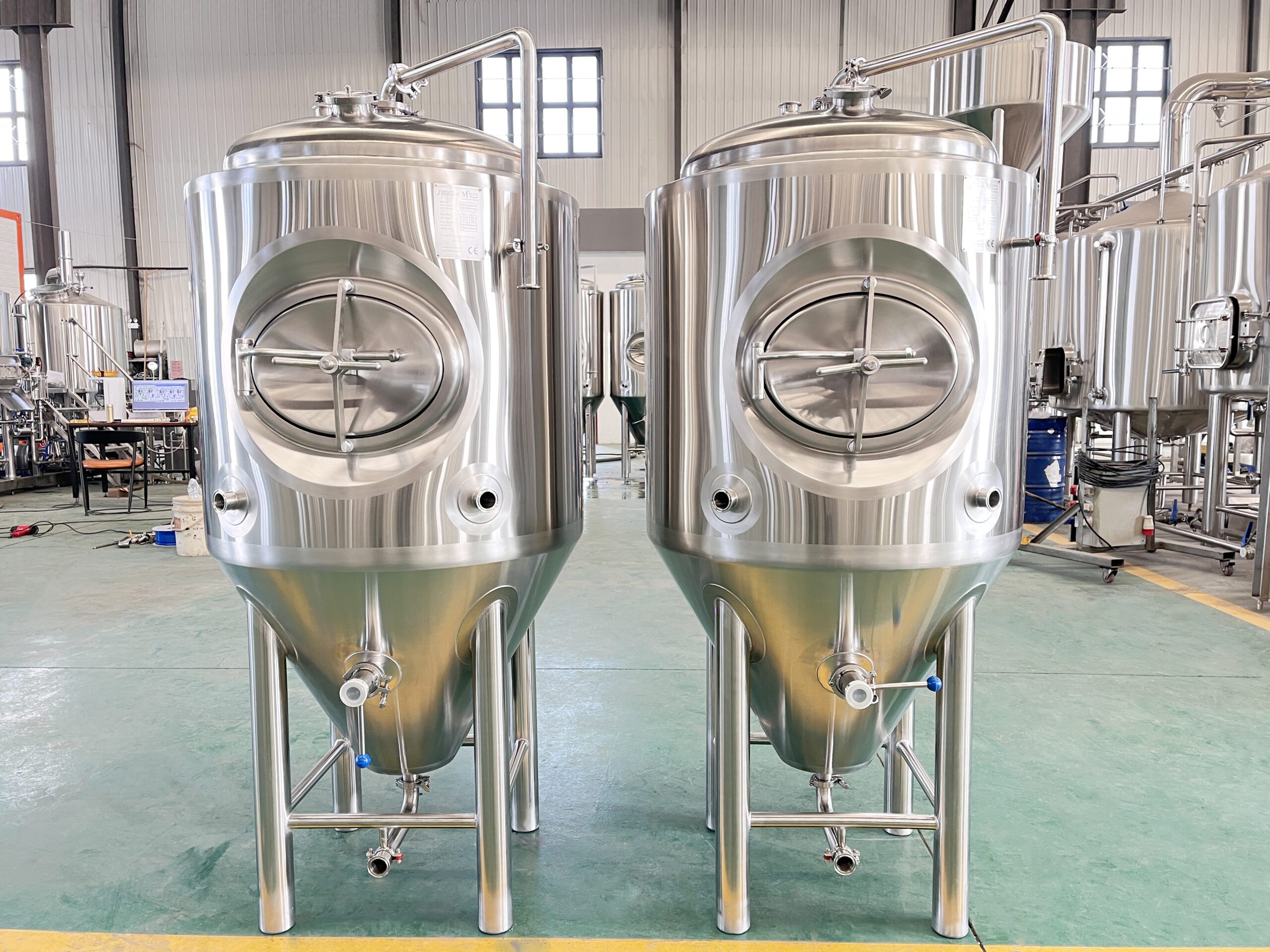
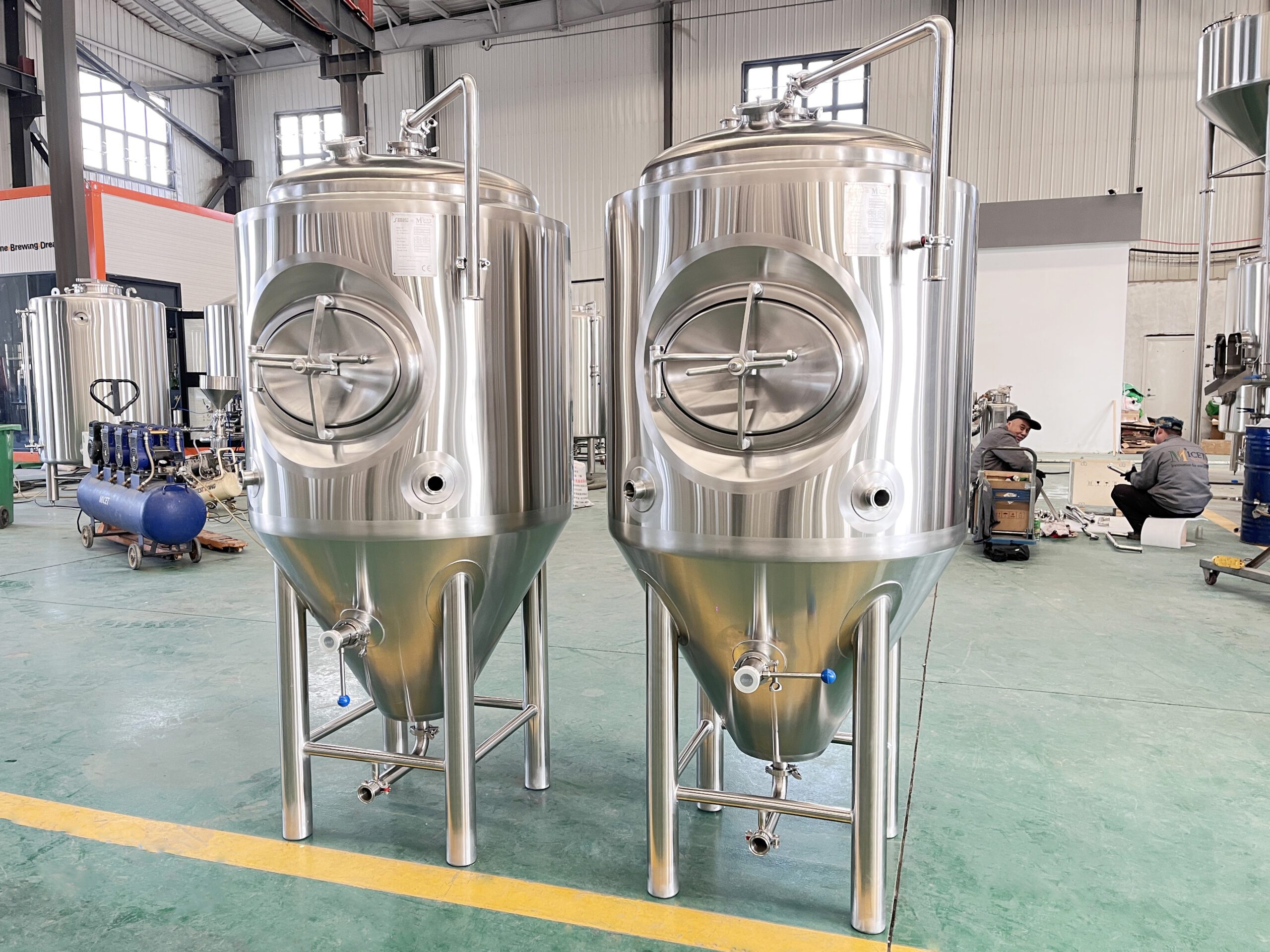
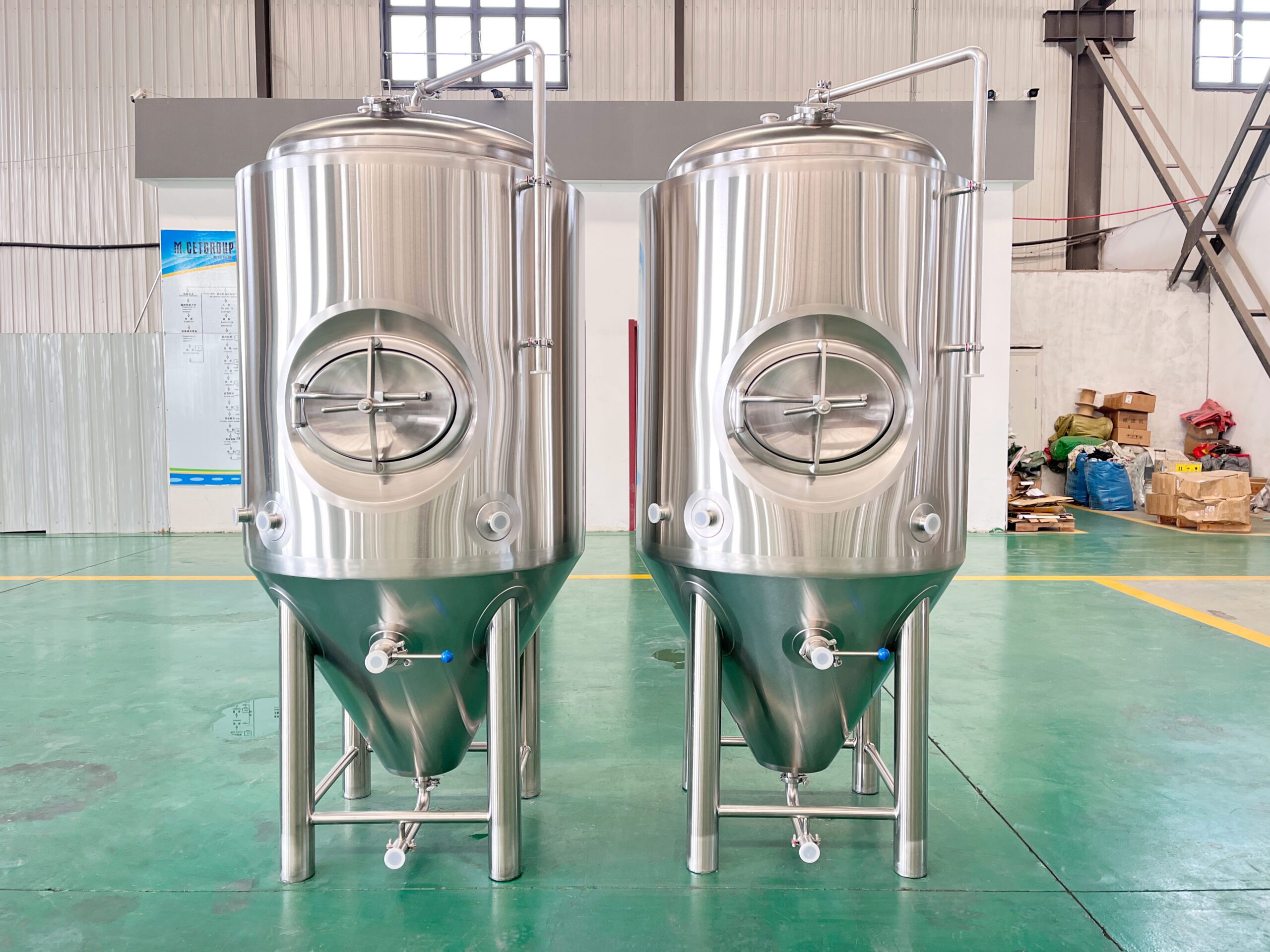
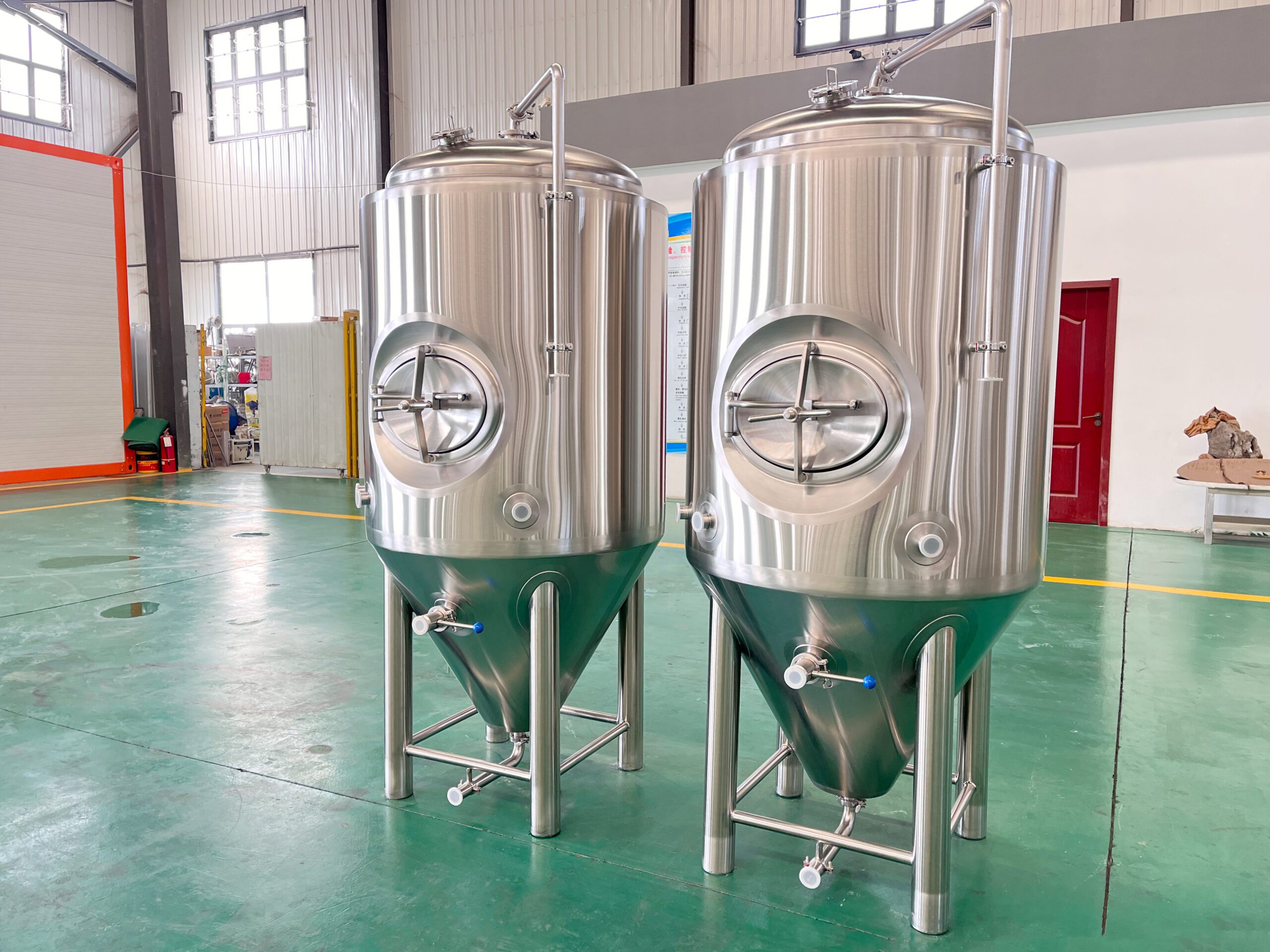
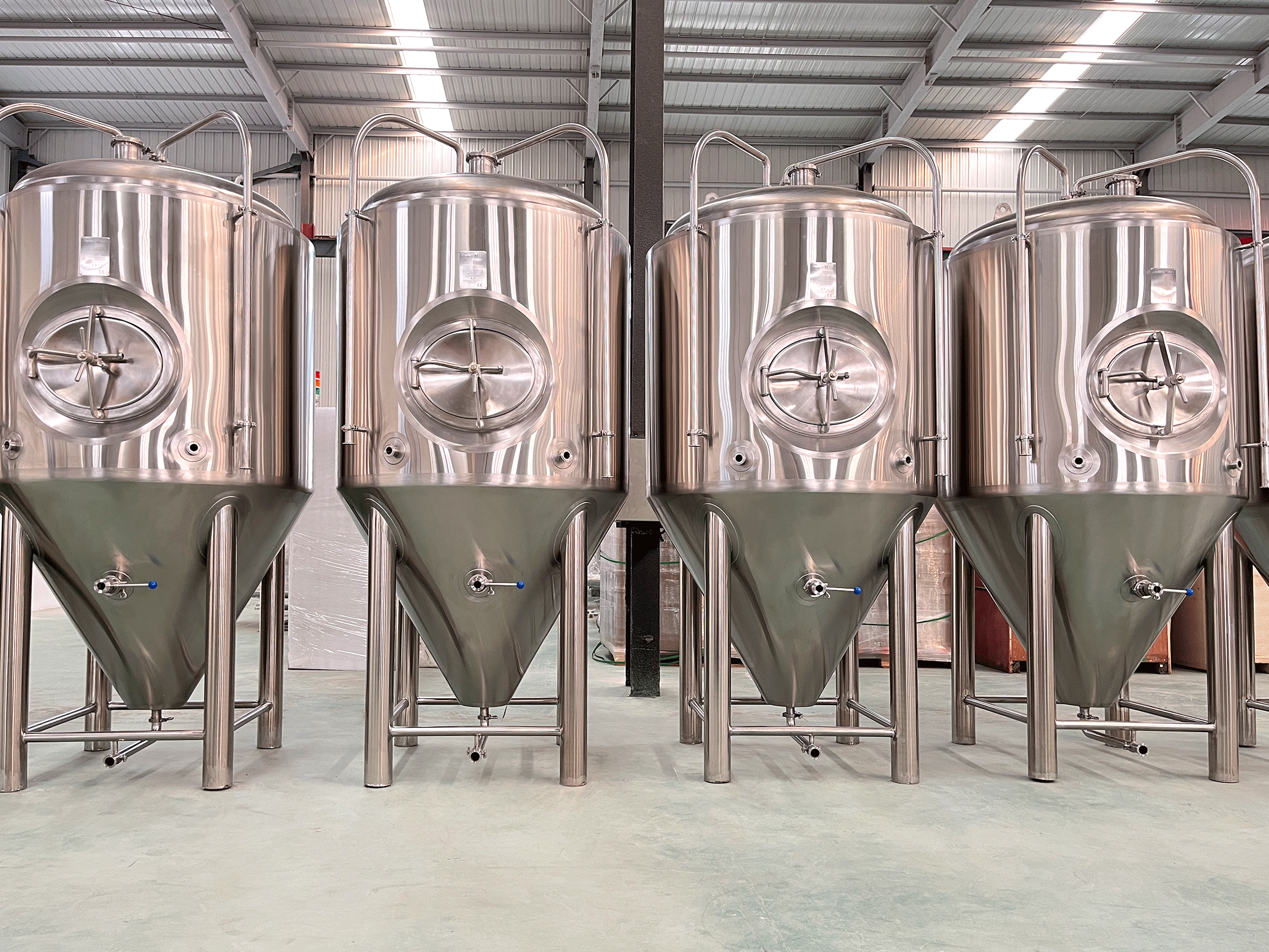
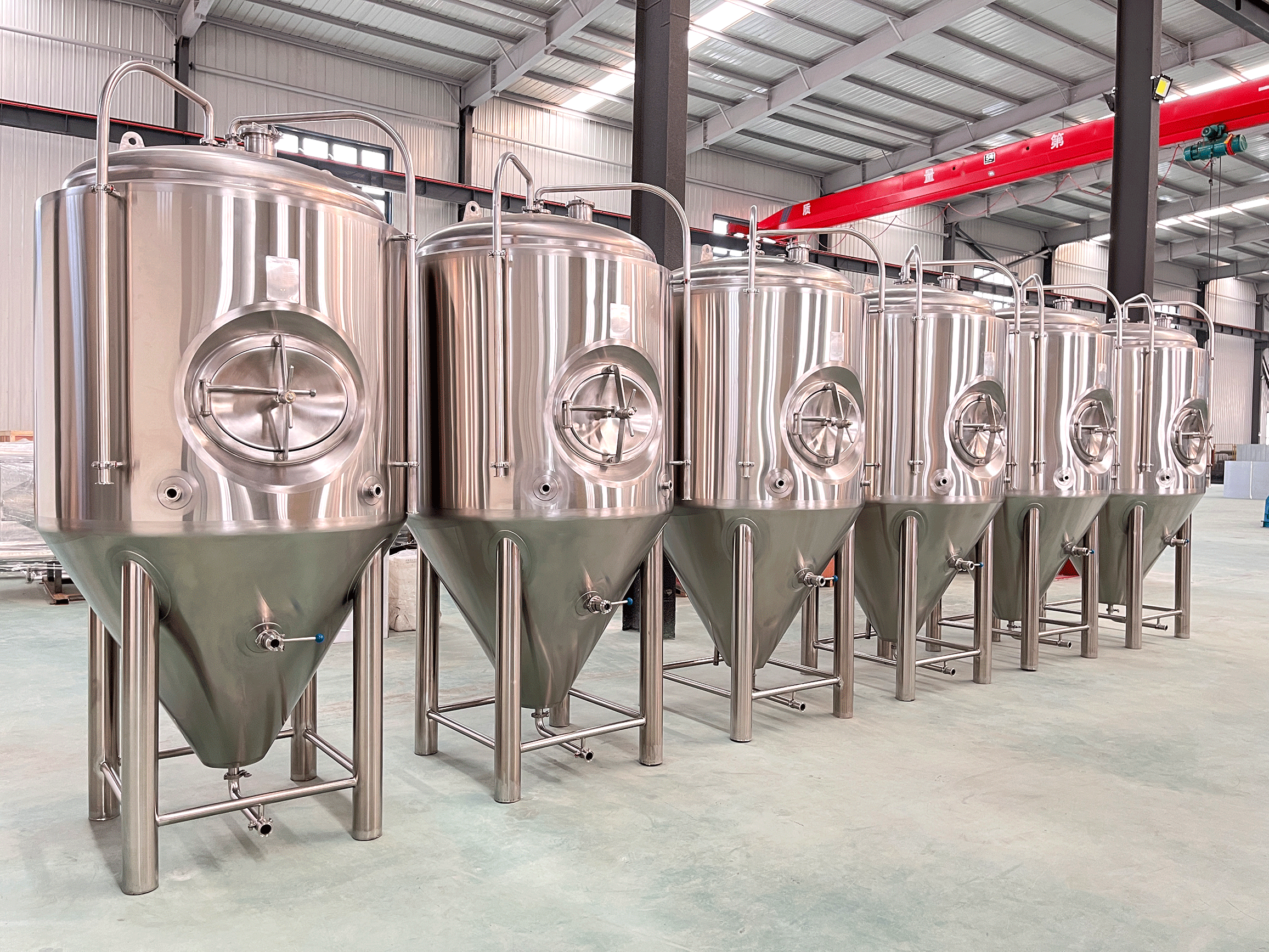
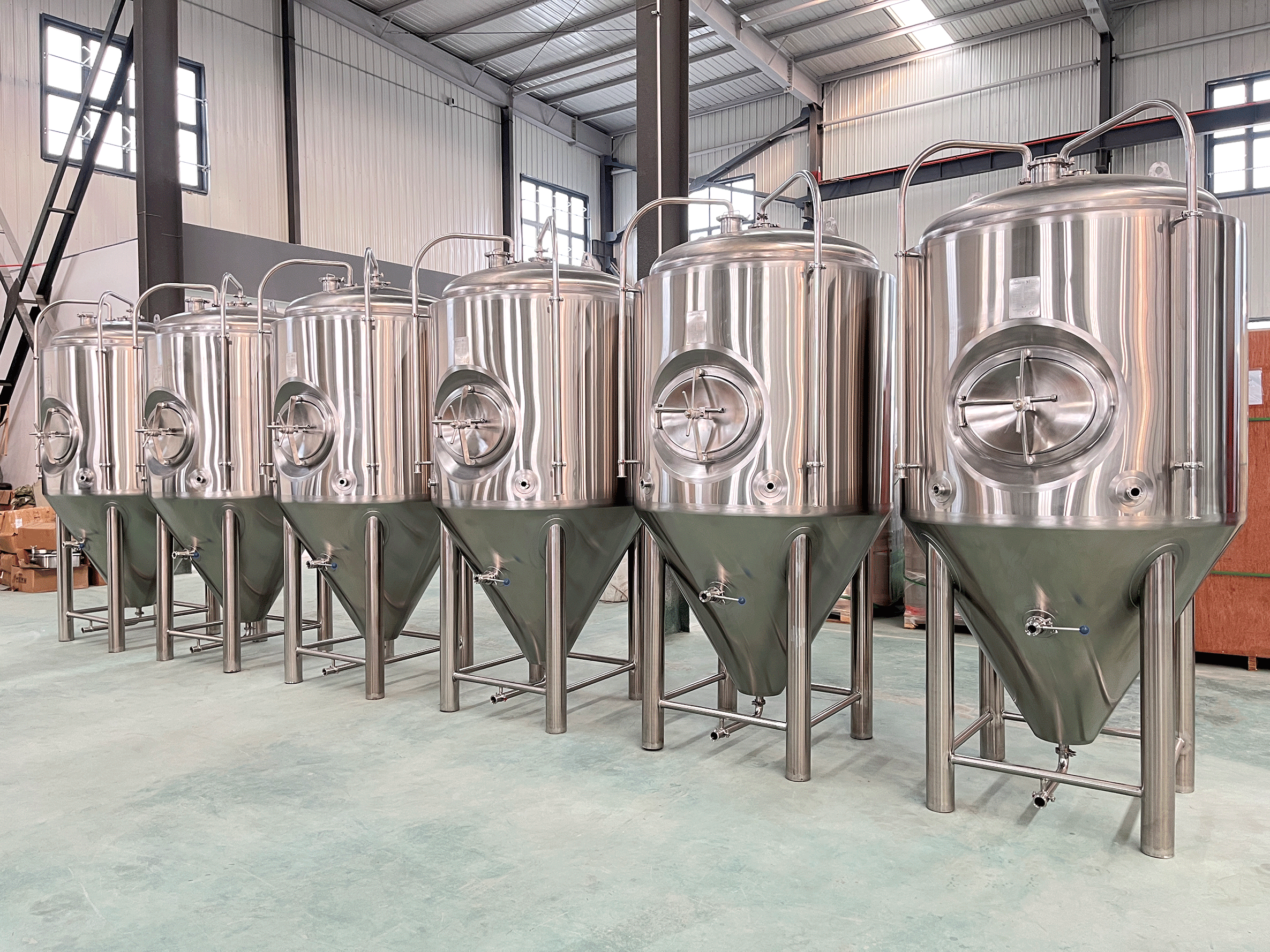
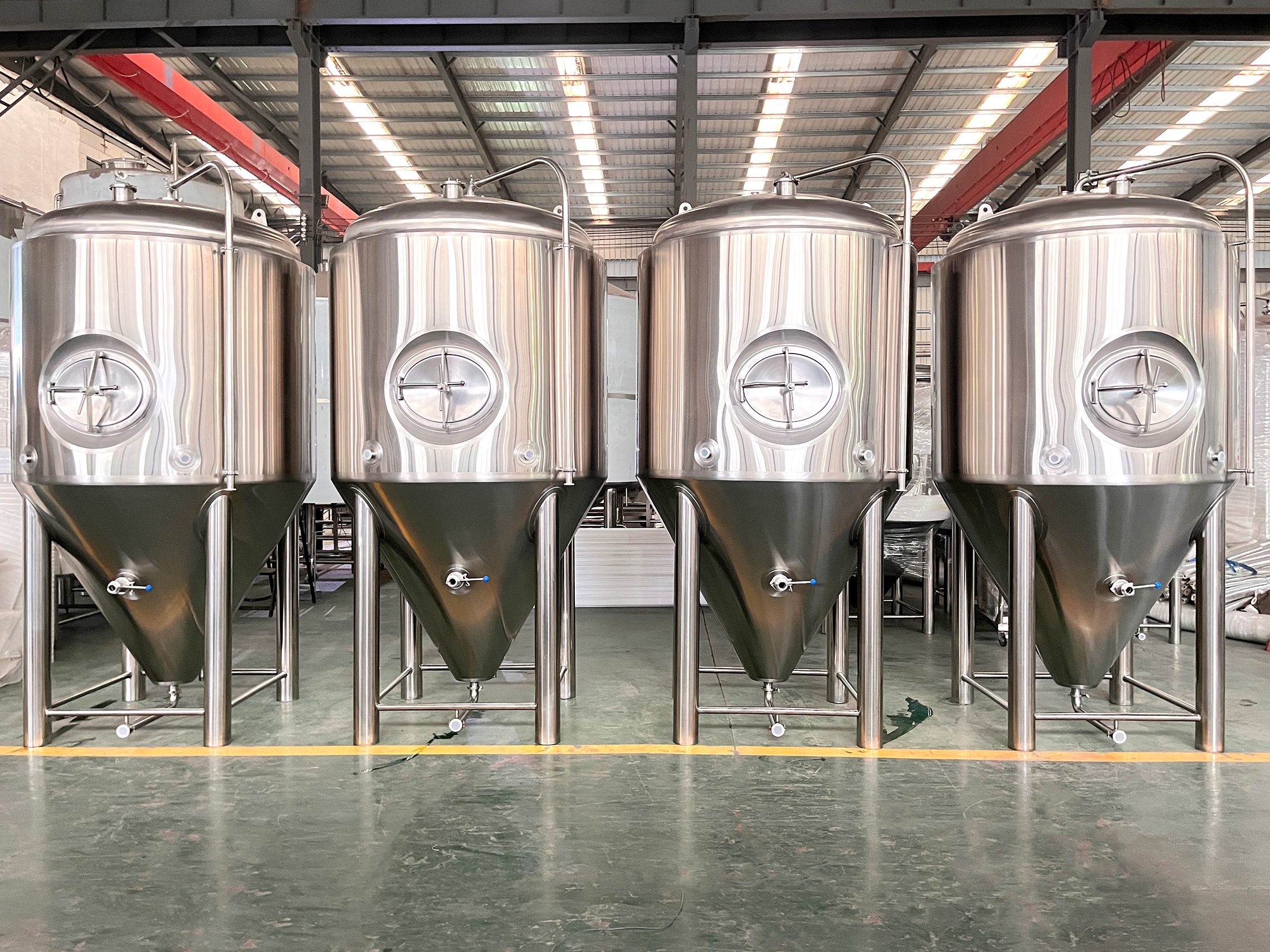
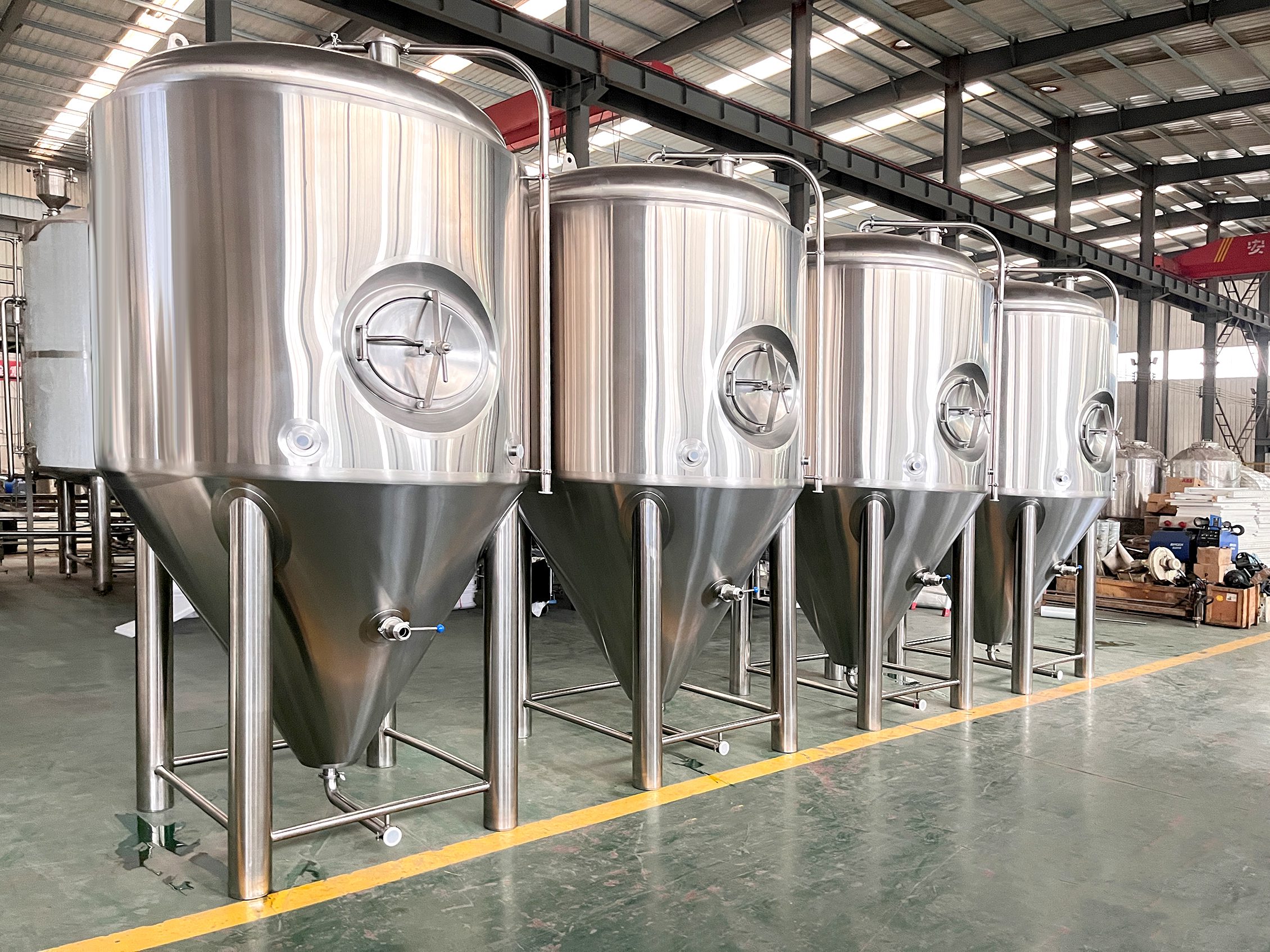
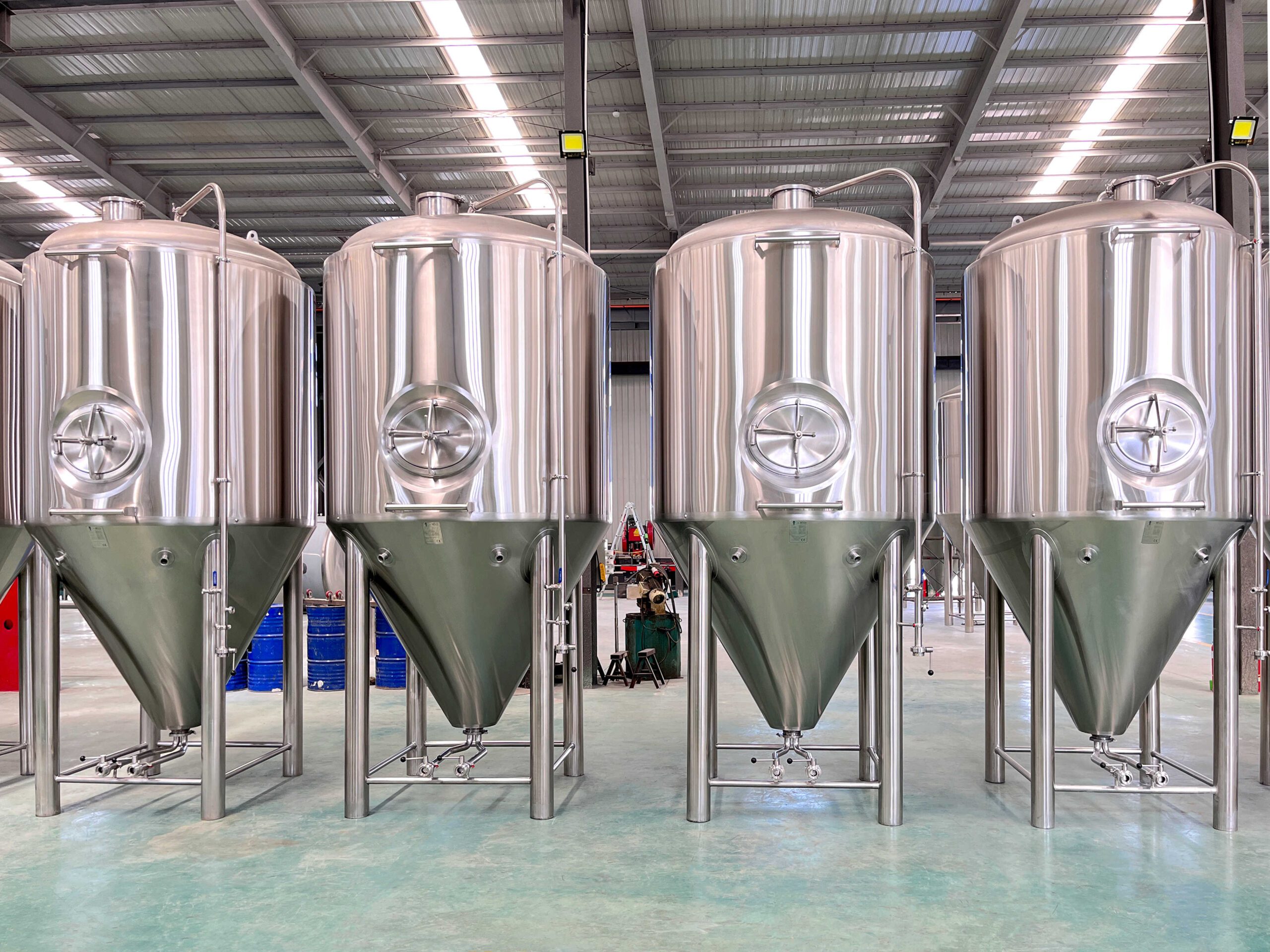
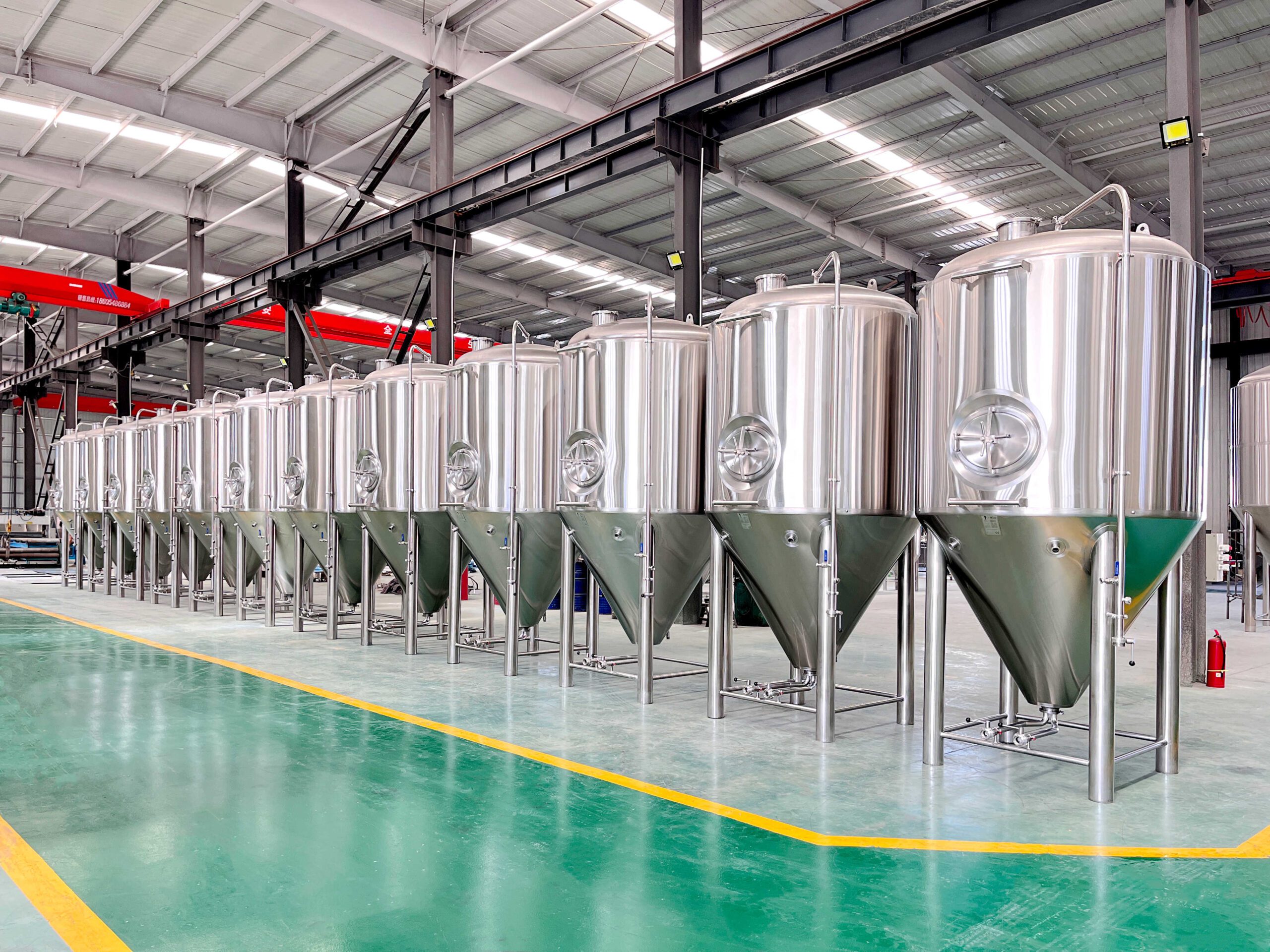
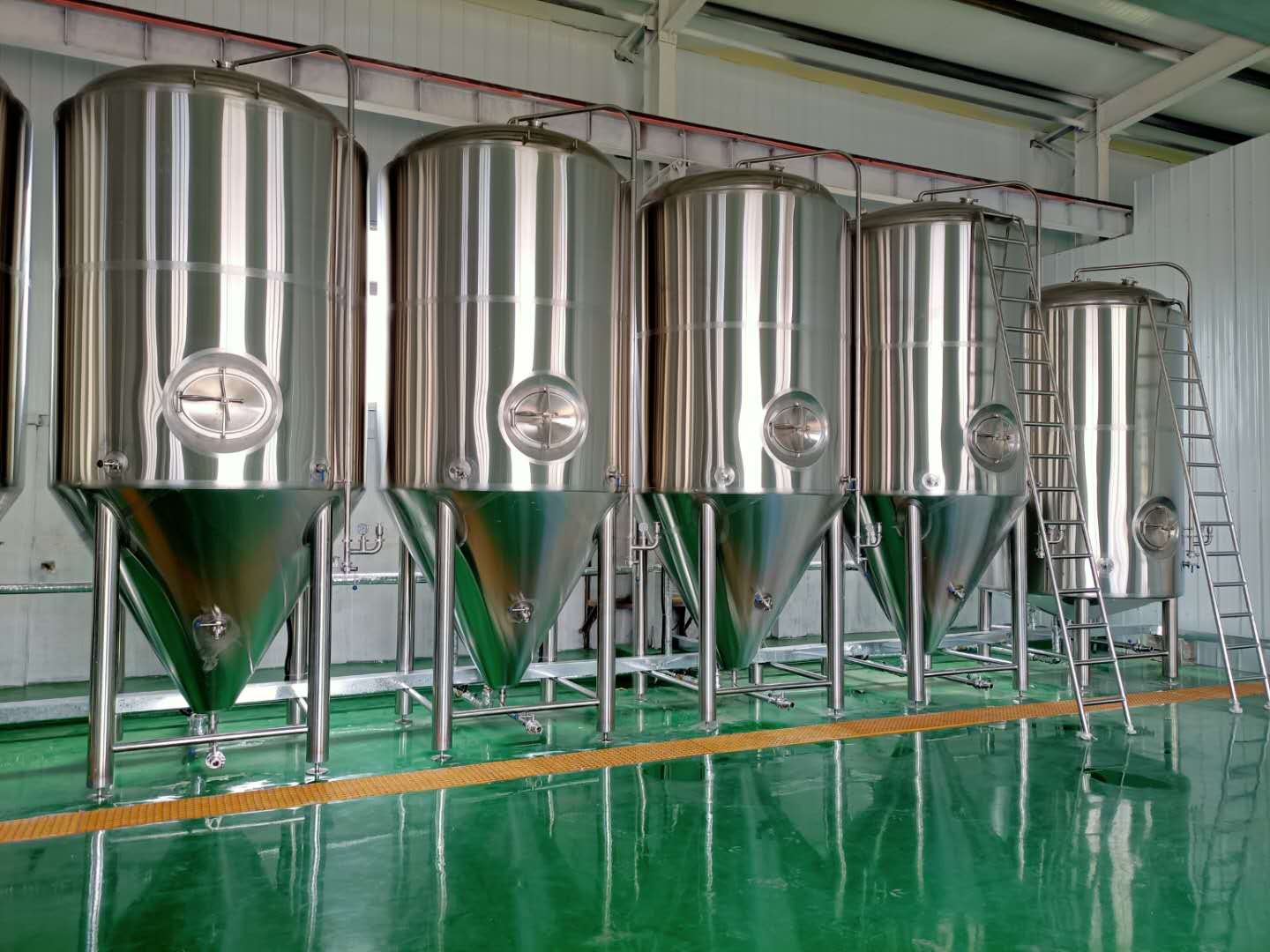
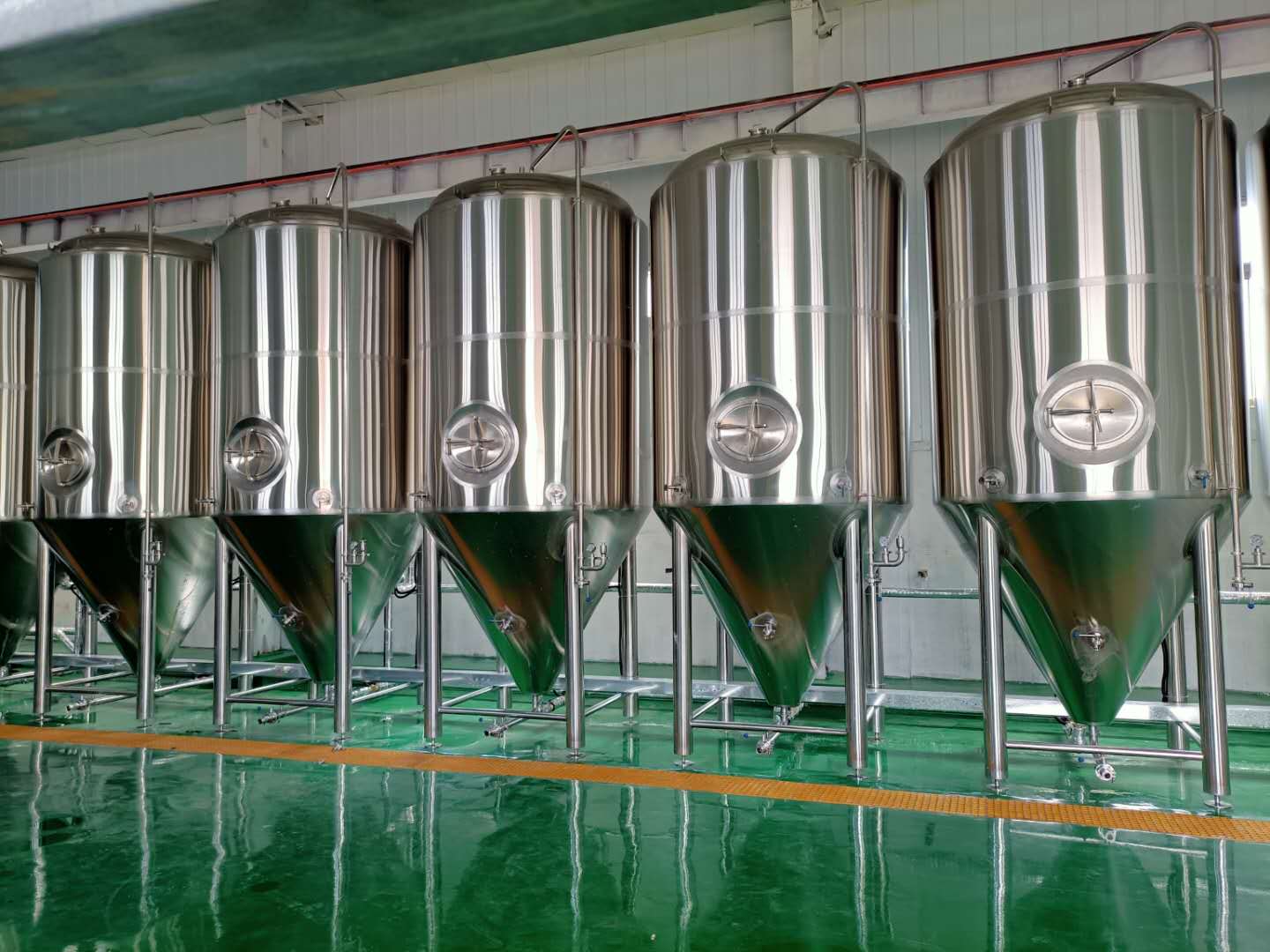
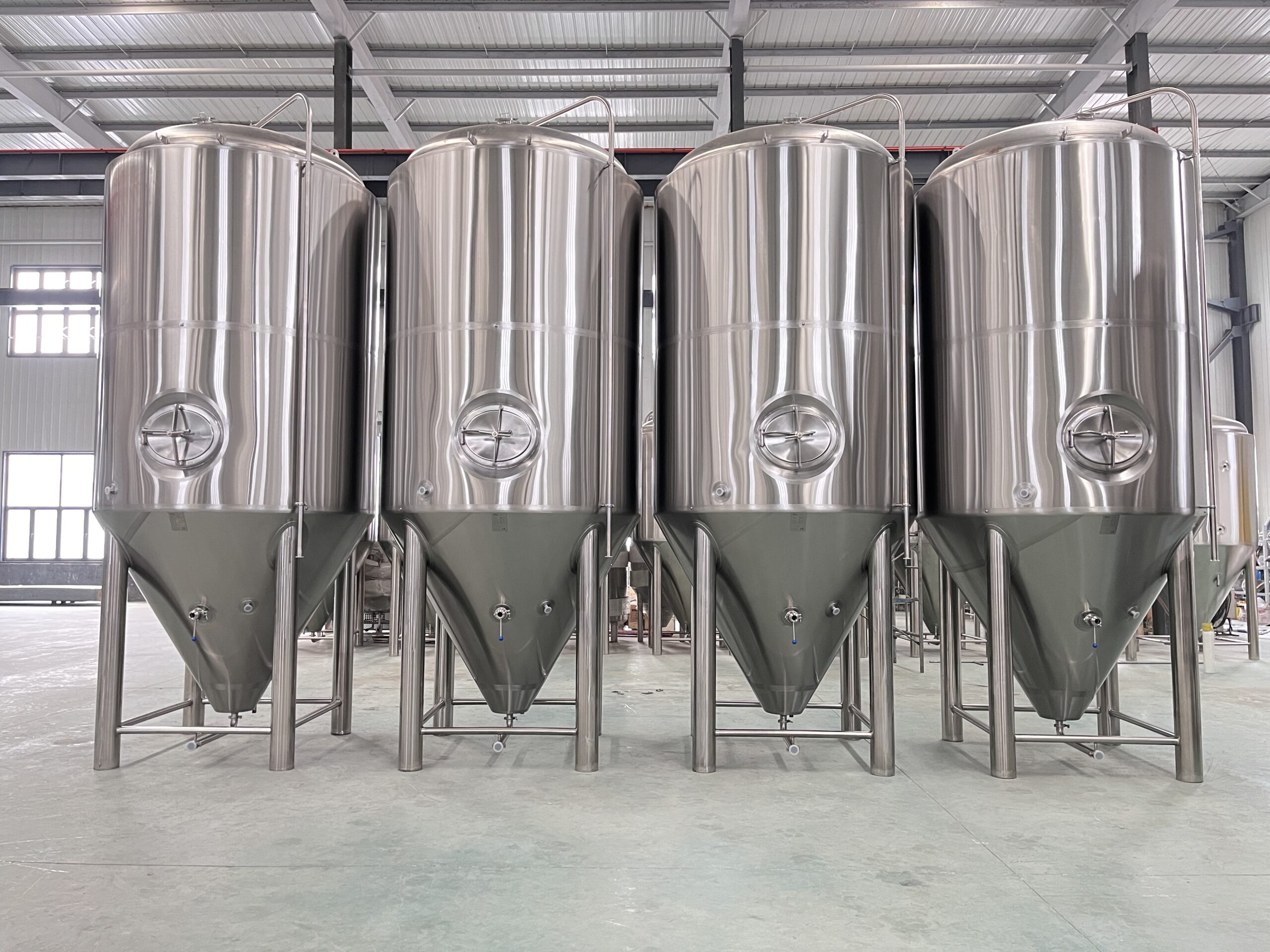
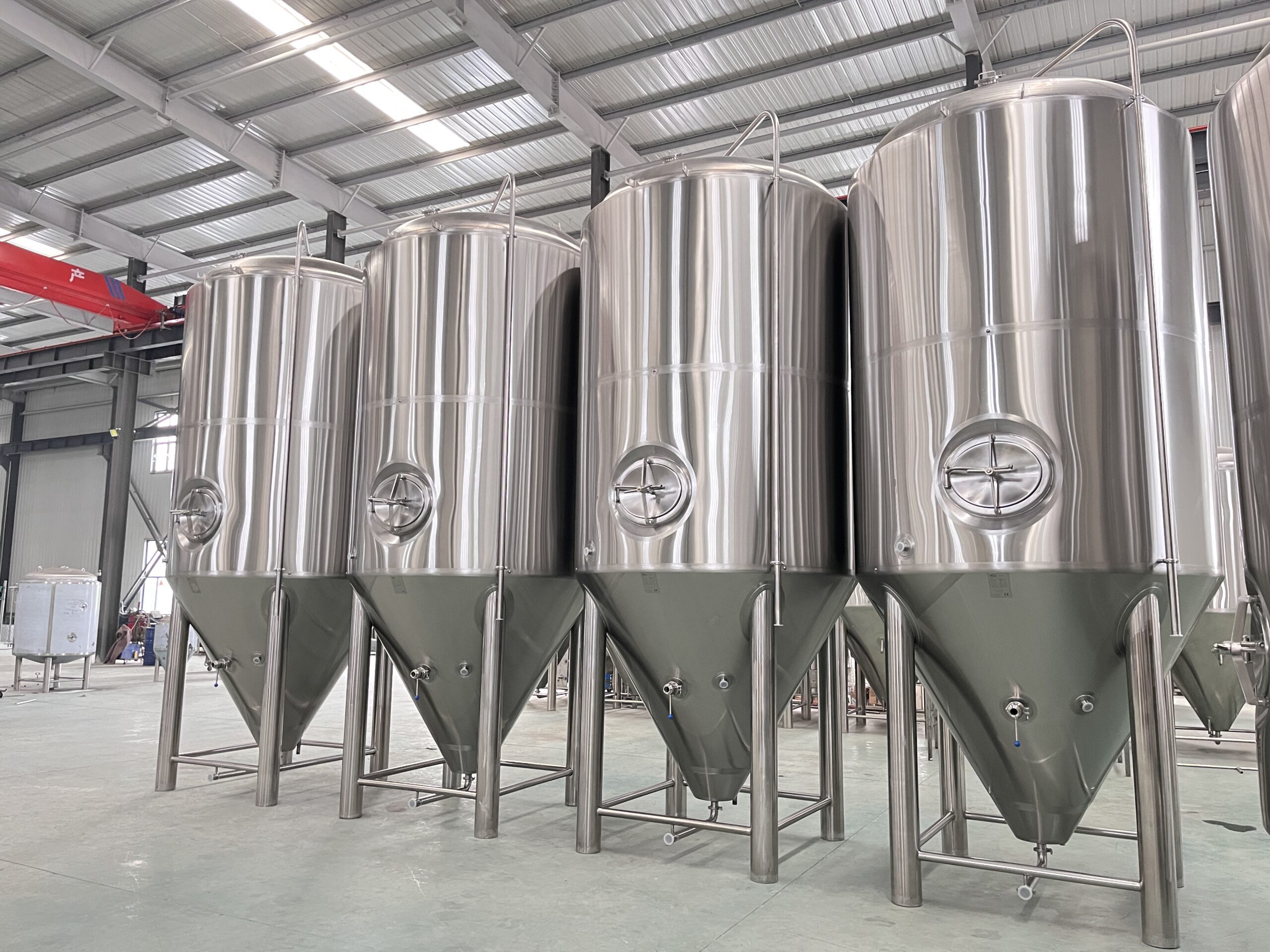
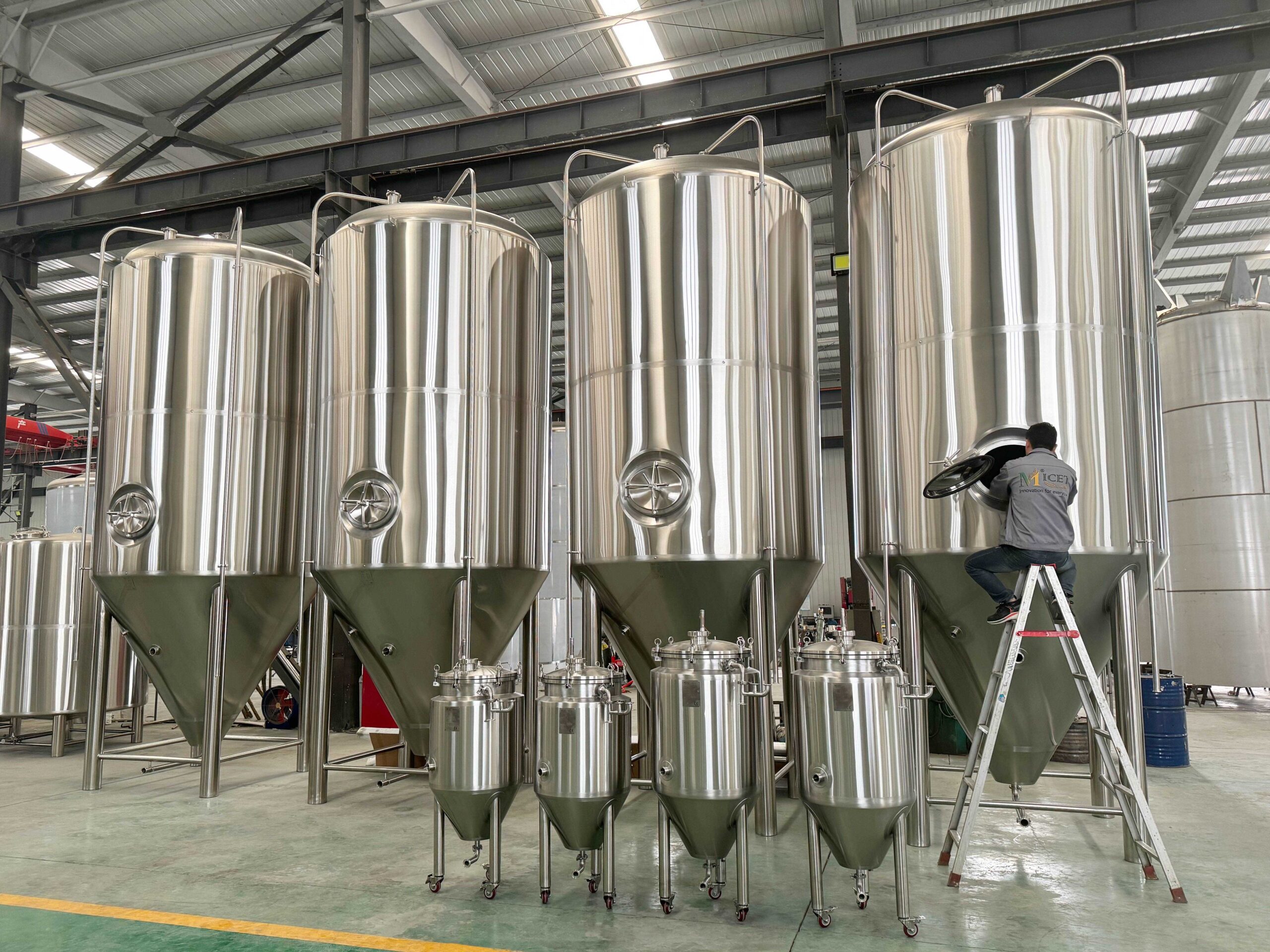
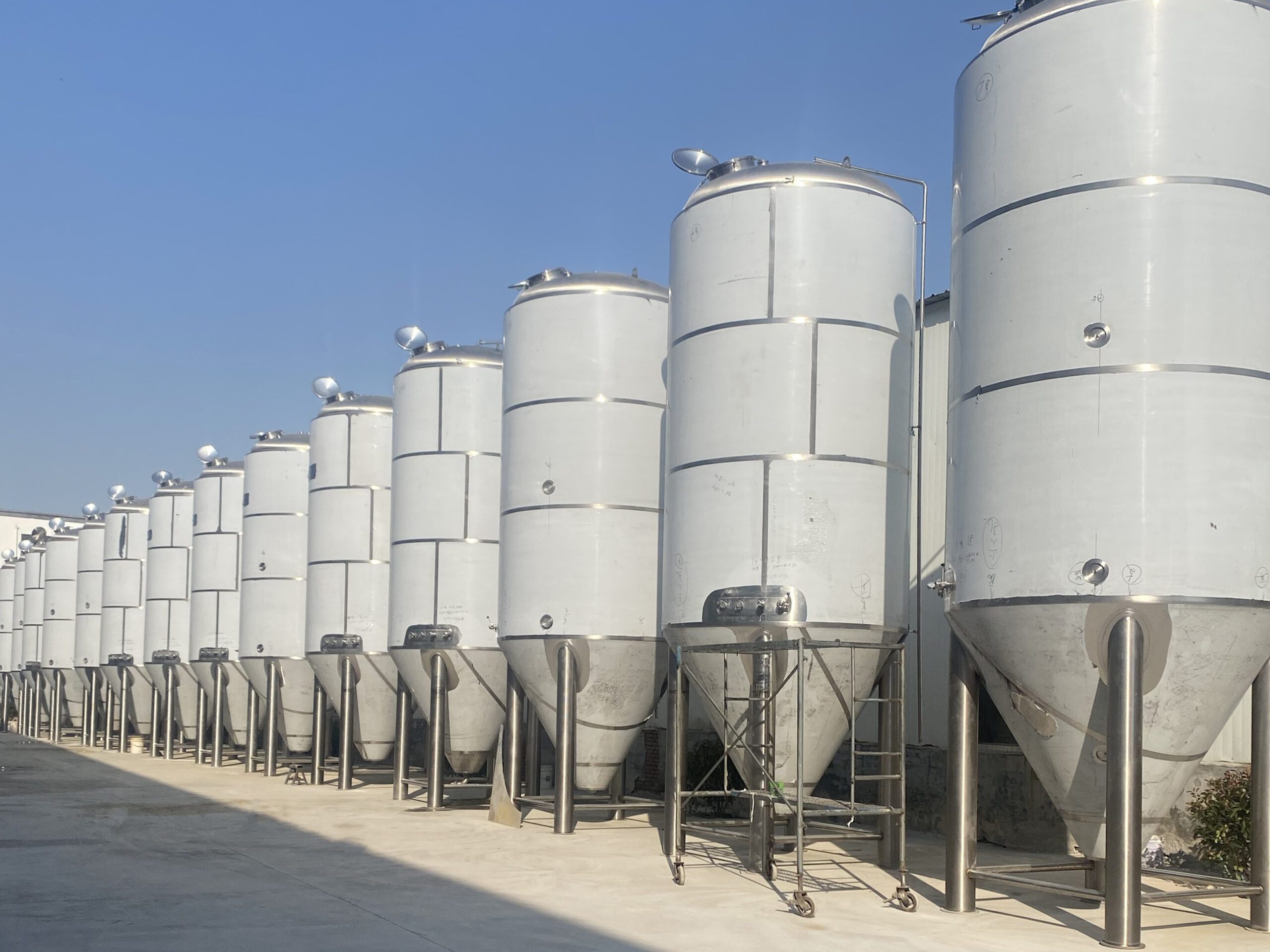
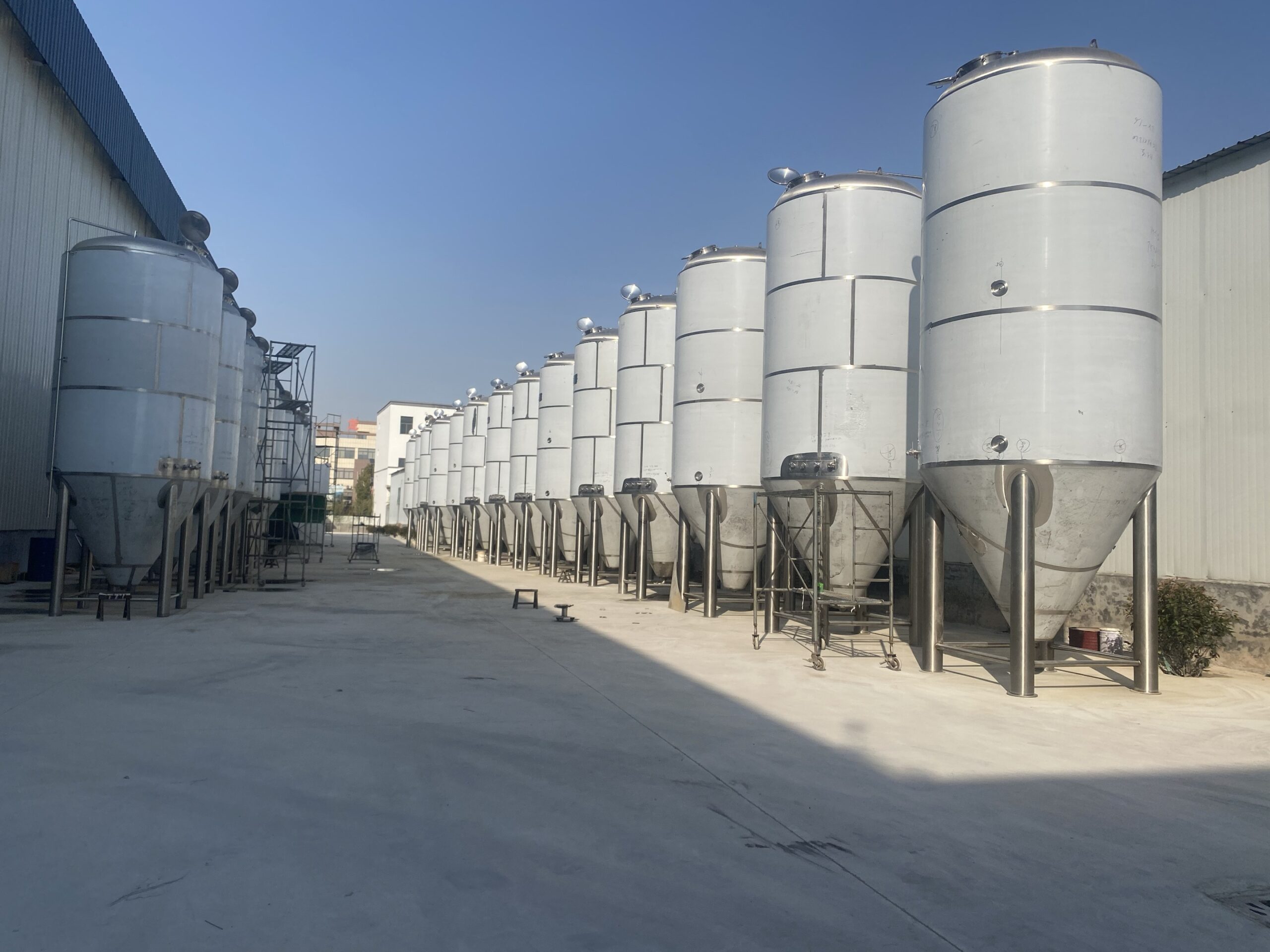
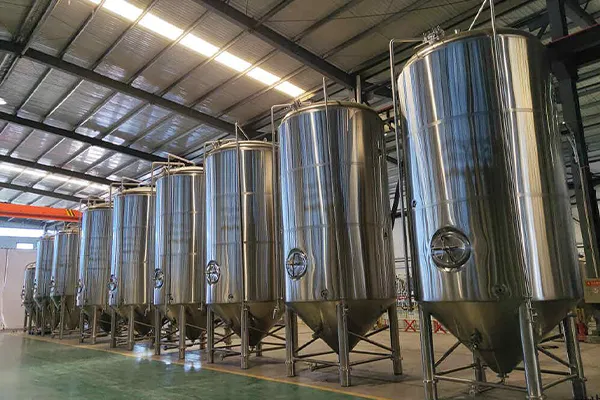
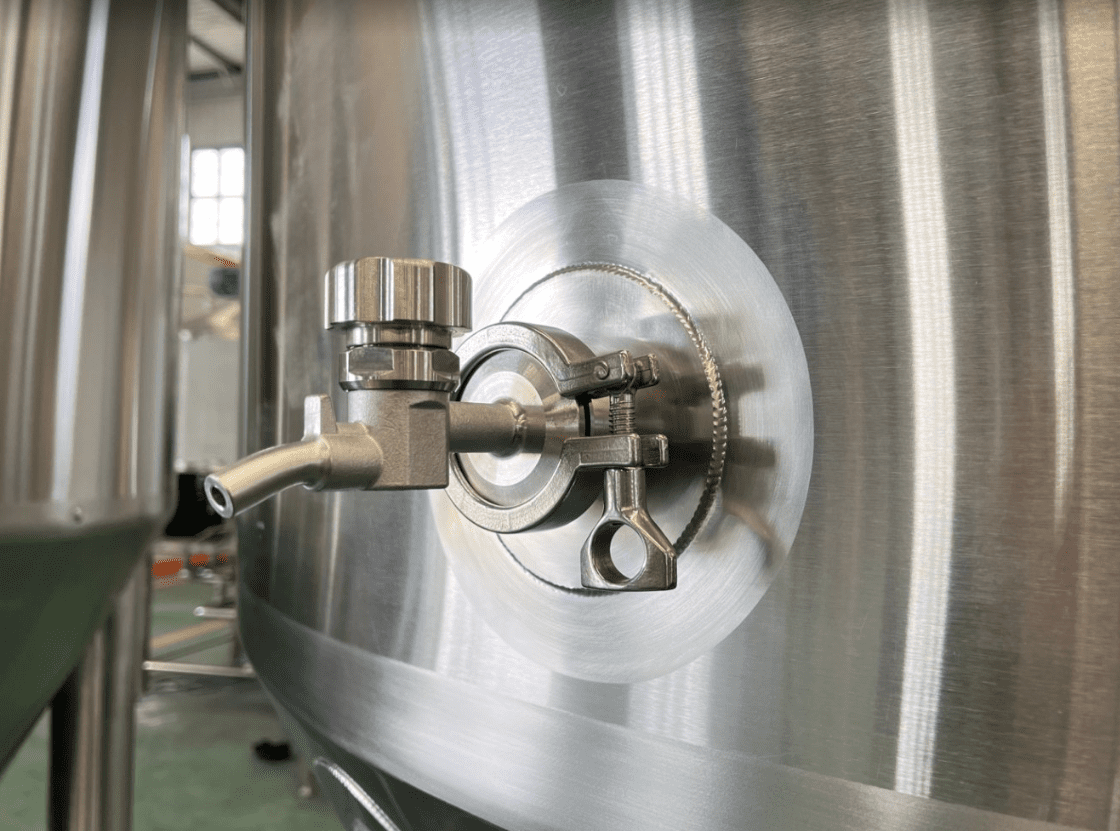
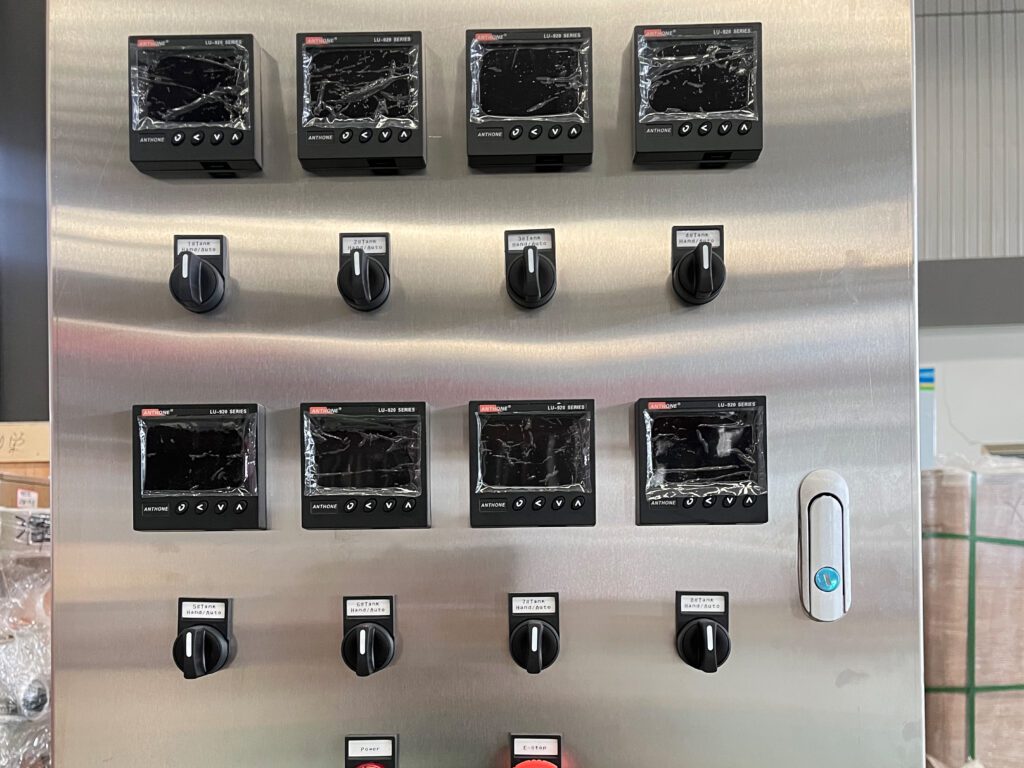
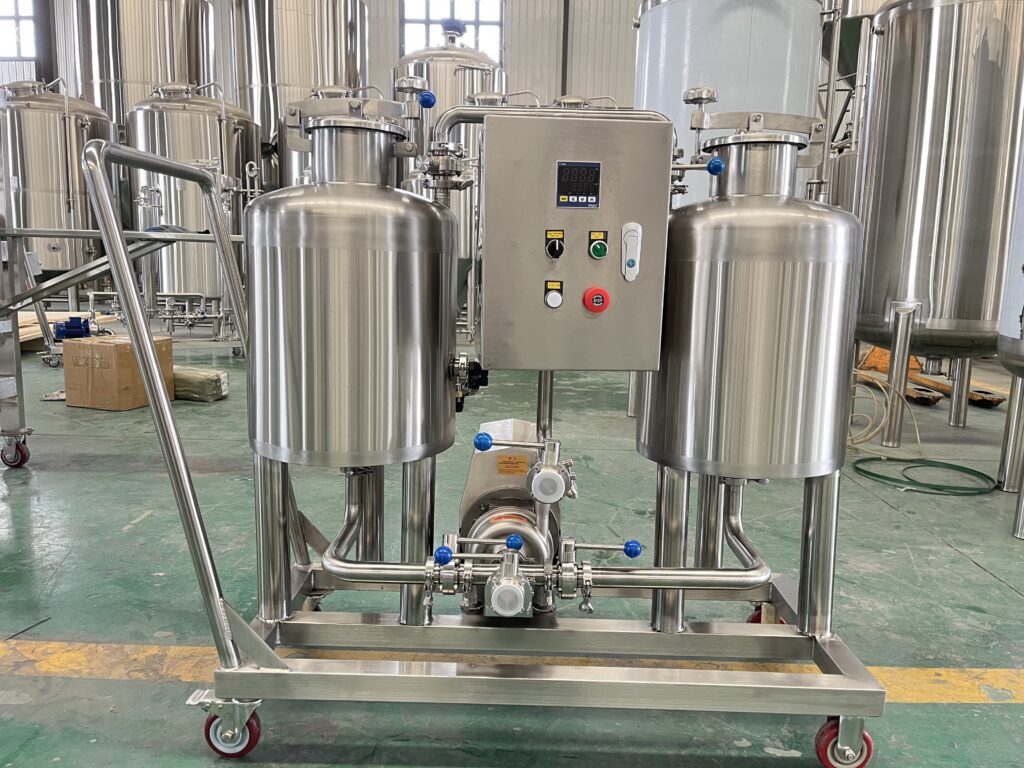
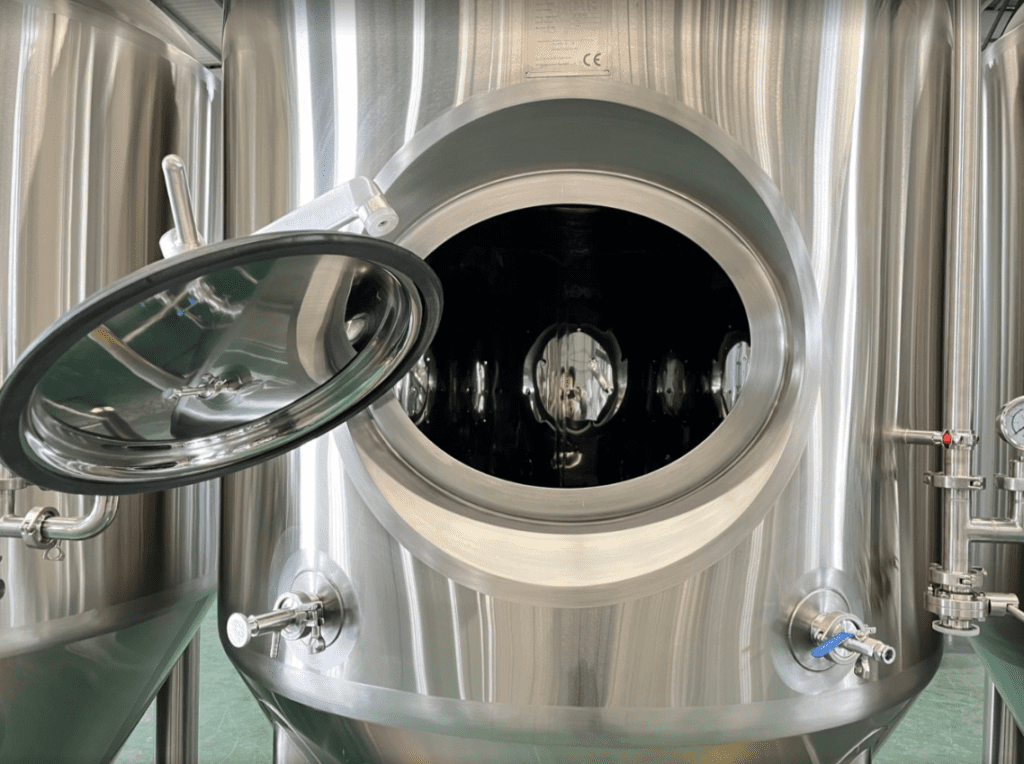

For craft breweries, brewpubs, restaurants, and startup brewing projects, this used 500L beer brewing equipment offers an economical and reliable brewing solution. Compared with purchasing new equipment, this used brewery system can significantly reduce startup investment while maintaining stable brewing performance and production efficiency.
The complete system has been professionally maintained and inspected, making it ready for immediate commercial brewing operations.
| Equipment Name | Specification |
|---|---|
| Mash Tun | 500L |
| Lauter/Whirlpool Vessel | 500L |
| Fermentation Tank | 500L × 12 Units |
| Glycol Water Tank | 1500L |
| Glycol Chiller | 5 HP Digital Brazed Plate Chiller |
| Electric Boiler | 50kg/h |
| CIP Cleaning Cart | 50L Dual-Tank Stainless Steel Type |
| Malt Mill | Included |
| Electrical Control Cabinet | Complete Control System |
| Brewing Accessories | Pumps, Valves, Piping & Fittings |
This used 500L brewing system is designed for small and medium-sized commercial breweries. The brewhouse provides efficient wort production while the twelve 500L fermentation tanks offer excellent fermentation capacity.
Equipped with multiple fermenters, the brewery can produce several beer styles simultaneously, improving production flexibility and maximizing equipment utilization. This configuration is ideal for breweries seeking to expand their product range while maintaining consistent quality.
The brewery is equipped with a 50kg electric boiler, providing a stable and efficient heat source throughout the brewing process.
Compared with traditional steam heating systems, electric heating offers several advantages:
Accurate temperature control during mashing and boiling helps brewers achieve consistent brewing results and improve overall production efficiency.
The system includes a 1500L glycol water tank and a 5HP digital glycol chiller, ensuring reliable cooling performance during fermentation.
Stable temperature management is essential for producing high-quality craft beer. The cooling system helps maintain ideal fermentation conditions, supports yeast performance, and ensures consistent beer quality from batch to batch.
The package includes 12 units of 500L stainless steel fermentation tanks, providing ample capacity for commercial brewing operations.
Each fermentation tank is manufactured from food-grade stainless steel and designed for:
The large number of fermenters allows breweries to increase production without requiring additional tank investments.
A 50L dual-tank CIP cleaning cart is included with the system, allowing efficient cleaning of fermentation tanks, pipelines, and brewing vessels.
Proper cleaning is essential for maintaining product quality and brewery hygiene standards. The mobile CIP system reduces labor requirements and simplifies daily brewery operations.
This used 500L brewery equipment is suitable for:
For breweries looking to balance investment cost and production capability, this second-hand brewing system provides excellent value and reliable operation.
Purchasing used brewery equipment allows brewers to significantly reduce capital investment while obtaining professional brewing capabilities. All major equipment has been designed for commercial brewing applications and can be quickly integrated into existing or new brewery projects.
If you are searching for a used 500L brewery system, used beer brewing equipment for sale, or a complete craft brewery solution, this package offers an excellent combination of affordability, performance, and production flexibility.

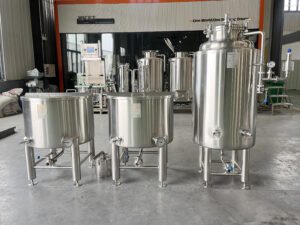
Used 2T, 4T, and 6T stainless steel fermentation tanks are a practical and cost-effective solution for breweries, wineries, distilleries, kombucha producers, and other beverage manufacturers. Designed for reliable fermentation and storage, these tanks are manufactured from high-quality food-grade stainless steel and equipped with essential brewery components such as cooling jackets, CIP cleaning systems, sample valves, and pressure control accessories.
Compared with purchasing new equipment, used fermentation tanks can significantly reduce initial investment costs while still providing stable performance and long-term reliability. Each tank is carefully inspected and refurbished to ensure sanitary operation and efficient production. Whether you are starting a new brewing project, increasing fermentation capacity, or replacing existing equipment, used stainless steel fermentation tanks offer an economical way to expand production without compromising quality. Their durable construction, easy maintenance, and compatibility with most brewery systems make them a valuable asset for a wide range of beverage production applications.
Whether you are launching a new craft brewery, expanding an existing production line, or replacing old equipment, these used stainless steel fermentation tanks offer a dependable and economical solution.
| Item | 2T Fermentation Tank | 4T Fermentation Tank | 6T Fermentation Tank |
|---|---|---|---|
| Total Capacity | 2,000L | 4,000L | 6,000L |
| Working Capacity | 1,800L | 3,600L | 5,400L |
| Material | SUS304 Stainless Steel | SUS304 Stainless Steel | SUS304 Stainless Steel |
| Cooling System | Glycol Jacket | Glycol Jacket | Glycol Jacket |
| Insulation | Polyurethane | Polyurethane | Polyurethane |
| Tank Type | Vertical Cylindrical | Vertical Cylindrical | Vertical Cylindrical |
| Design Pressure | 0.2 MPa | 0.2 MPa | 0.2 MPa |
| Test Pressure | 0.3 MPa | 0.3 MPa | 0.3 MPa |
| Manway | Top or Side Manway | Top or Side Manway | Top or Side Manway |
| CIP Cleaning Ball | Included | Included | Included |
| Sample Valve | Included | Included | Included |
| Temperature Port | Included | Included | Included |
| Adjustable Legs | Included | Included | Included |
The 2T fermentation tank is ideal for pilot brewing systems, brewpubs, and small beverage facilities. The 4T model is commonly used by growing craft breweries and commercial beverage producers seeking higher output. The 6T fermentation tank is suitable for medium-scale production facilities that require larger batch volumes and improved operational efficiency.
These tanks can be integrated into existing brewery systems and paired with brewhouses, bright beer tanks, CIP stations, glycol chillers, and automated control systems. Their versatility makes them a valuable asset for both startup and established beverage manufacturers.
Purchasing used brewery equipment is becoming increasingly popular among breweries worldwide. High-quality used fermentation tanks allow businesses to expand capacity quickly while reducing equipment investment by a significant margin. With proper inspection and refurbishment, these tanks deliver performance comparable to new equipment while offering excellent value.
If you are searching for used 2T fermentation tanks, used 4T stainless steel fermenters, or used 6T brewery fermentation tanks, our available inventory can help you achieve production goals while keeping costs under control. Contact us today for current stock availability, photos, pricing, and shipping information.
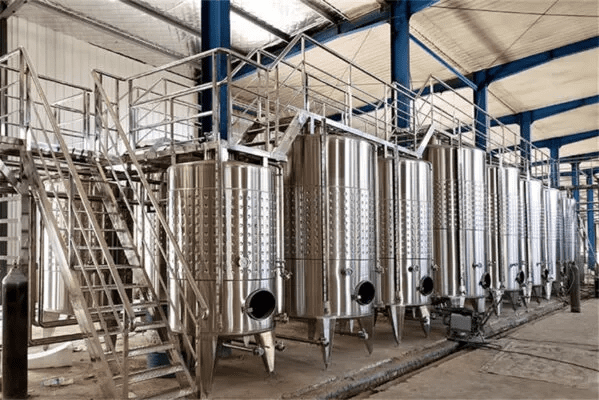
A poor water tank can cause rust, leaks, bad taste, and costly downtime. For homes, factories, breweries, and beverage plants, that risk grows fast. A stainless steel water tank offers a cleaner, stronger, and longer-lasting water storage solution.
Yes, stainless steel is good for water tanks because it is strong, hygienic, corrosion-resistant, easy to clean, and suitable for many drinking water and industrial water storage applications. A quality stainless steel tank can help protect water quality, reduce maintenance, and support reliable water storage for residential and commercial use.
Stainless steel is often a smart material for a water tank because it combines strength, hygiene, and corrosion resistance. A normal metal water container may rust when it faces moisture for a long time. Stainless steel performs better because it contains chromium. Chromium helps form a thin protective layer on the surface. This layer helps reduce corrosion and keeps the tank surface more stable.
For water storage, this matters a lot. A tank is not only a box that holds water. It protects water from outside pollution, sunlight, dirt, insects, and material breakdown. When the tank material is weak, water quality may drop. When the tank material is strong and clean, the water remains safe for a longer time.
As a stainless steel brewery and beverage equipment manufacturer, we see this every day. Breweries, wineries, kombucha plants, cideries, and cold brew coffee producers all need clean water systems. They need water for production, cleaning, cooling, mixing, and sometimes drinking water storage. A stainless steel tank supports these needs because it fits sanitary production environments.
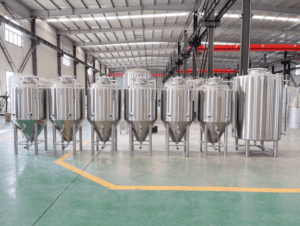
A stainless steel water tank helps protect drinking water because it does not easily crack, break down, or leach unwanted material under normal use. Good stainless steel water contact surfaces are smooth. Smooth surfaces are easier to rinse and clean. This helps reduce dirt buildup and supports better hygiene.
For storing drinking water, the tank should also have a closed lid, sanitary inlet and outlet, proper venting, and a drainable bottom. The material is important, but the full tank design also matters. A good storage tank should reduce outside contamination and make routine cleaning simple.
In potable water storage, buyers should also check local standards. In many markets, materials and parts that contact drinking water may need to meet standards such as NSF/ANSI/CAN 61 or local equivalents. These standards focus on the health effects of materials that contact drinking water. For B2B projects, we always suggest checking project rules before confirming the tank options.
The benefits of stainless steel tanks are clear for buyers who care about safety, durability, and long-term value. Stainless steel tanks offer a clean appearance, strong structure, and better resistance to rust than many ordinary steel storage tanks.
The biggest benefits include:
For a brewery or beverage plant, these benefits become even more important. Clean water affects brewing, fermentation, cleaning, and product quality. If the water tank is unreliable, the whole production line may face delays. A long-lasting stainless steel tank reduces that risk.

Different tank materials fit different projects. Plastic tanks are often cheap and light. Concrete tanks can store large water volume. Galvanized steel may look strong, but it can face corrosion over time if the coating is damaged. Stainless steel offers a strong balance of hygiene, strength, and long service life.
Here is a simple water tanks compared table:
| Tank Material | Main Advantage | Main Concern | Common Use |
|---|---|---|---|
| Stainless steel | Strong, clean, corrosion-resistant | Higher initial cost | Drinking water, food plants, breweries, factories |
| Plastic tanks | Low cost, lightweight | UV aging, possible taste or leach concerns | Home use, farm use, temporary storage |
| Concrete tanks | Large capacity, stable | Cracks, cleaning difficulty | Large water storage, underground projects |
| Galvanized steel | Stronger than plastic | Coating damage may lead to rust | General water storage |
| Fiberglass/FRP | Lightweight and corrosion-resistant | Resin quality must be checked | Industrial water and chemical storage |
A concrete water tank may be suitable for large civil projects. Plastic tanks may fit low-cost residential needs. But for residential and commercial water storage where cleanliness, appearance, and long service life matter, stainless steel is often the better storage solution.
304 stainless steel is one of the most common stainless steel grades used in tanks, pipes, and food equipment. A 304 stainless steel water tank can be suitable for many clean water storage applications because it offers good corrosion resistance, strength, and hygiene.
However, the right grade of stainless steel depends on water quality. Normal city water is usually less corrosive than seawater or high-chloride well water. If the water contains high chloride, salt, strong chemicals, or other corrosive elements, buyers may need a higher grade such as 316 stainless steel.
Different grades of stainless steel perform differently. This is why professional tank selection should consider the water source, water treatment method, cleaning chemicals, temperature, and installation environment. A good supplier should not only sell a tank. A good supplier should help you choose the right material for your water storage needs.
Corrosion happens when metal reacts with water, oxygen, chemicals, or salts. Stainless steel is resistant to corrosion, but it is not magic. It still needs the right grade, good welding, correct surface treatment, and proper maintenance.
Some common causes of corrosion include:
If corrosion starts in a small pit, it can grow over time. This is called pitting corrosion. It is more common when chloride levels are high or when the wrong material is used. A quality stainless steel tank should use proper sheet material, smooth welds, sanitary polishing, and suitable fittings to reduce these risks.

Longevity is one of the strongest reasons buyers choose stainless steel. A well-made stainless steel tank can last many years when the material, welding, installation, and maintenance are correct. In many industrial and beverage projects, tanks can last much longer than low-grade plastic or coated steel tanks.
Long service life depends on several factors:
| Factor | Why It Matters |
|---|---|
| Material grade | Better grade improves corrosion resistance |
| Welding quality | Smooth welds reduce weak points |
| Water chemistry | High chloride water may need stronger material |
| Cleaning method | Wrong chemicals may damage the surface |
| Installation site | Outdoor, marine, or harsh environments need extra care |
| Maintenance | Regular checks help find small problems early |
A stainless steel water storage tank may cost more at the beginning. But the total cost can be lower over time if it reduces repairs, replacement, downtime, and water quality problems. For project investors and engineering contractors, this long-term value is often more important than the first purchase price.
Yes, a stainless water tank is usually easy to clean when it has a smooth inner surface, good access points, and a drainable design. Stainless steel is widely used in food and beverage equipment because it supports sanitary cleaning. It does not absorb odor like some materials, and it can be cleaned with suitable methods.
For drinking water storage tanks, cleaning should follow local guidance and the tank supplier’s instructions. Safe water storage also depends on using clean containers, proper covers, and routine sanitation. For commercial water systems, cleaning schedules should be part of the plant’s standard operating process.
In brewery and beverage projects, we often design tanks with features such as manways, spray balls, sloped bottoms, sanitary valves, and CIP cleaning connections. CIP means cleaning in place. It allows cleaning without fully taking the tank apart. This helps improve hygiene and reduce labor.
Stainless steel water tanks can be used in many residential and commercial applications. They can store drinking water, process water, purified water, hot water, cooling water, and rainwater after proper treatment. A stainless steel rainwater tank can also support water reuse projects when designed correctly.
Common uses include:
For our target customers, water is part of production quality. A craft brewery needs stable water for brewing and cleaning. A winery needs sanitary water for tank washing. A kombucha producer needs clean process water. A distillery needs reliable water for cooling and cleaning. In each case, a stainless steel tank can support safer and more stable operation.
Choosing the right water storage tank starts with water use. Are you storing drinking water, process water, cooling water, cleaning water, or industrial water? Each use has different needs. Drinking water storage tanks must focus on potable safety. Industrial water tanks may need stronger corrosion resistance. Beverage tanks may need sanitary design.
B2B buyers should check:
A steel water storage tank for a factory is different from a compact tank for home use. A brewery process water tank is different from a simple emergency water tank. The best tank is the one that matches the real operating conditions.
Beverage plants should use stainless steel water systems because water touches almost every part of production. Water may be used for brewing, dilution, rinsing, CIP cleaning, steam generation, cooling, and product mixing. Poor water systems can affect taste, cleaning results, and production stability.
As a professional manufacturer, we build customized stainless steel brewing systems, fermentation tanks, brewhouse systems, and turnkey brewery solutions. We understand how one tank connects to the whole line. A water tank may look simple, but it affects pumps, pipes, valves, filtration, and cleaning.
For global B2B customers, we can support custom capacity planning, efficient production layout, sanitary stainless steel fabrication, installation support, and long-term after-sales service. This helps craft breweries, brewpubs, beverage startups, wineries, cideries, kombucha producers, and engineering contractors reduce project risk.
A small brewery planning a 500L to 1000L brewing line may focus first on the brewhouse and fermentation tanks. But soon, the owner asks a simple question: “Where will we store clean water for brewing and cleaning?”
If the brewery uses an undersized plastic tank, the water flow may not meet peak cleaning demand. If the tank is hard to clean, hygiene risk increases. If the material is not suitable, water quality may change. In this case, a stainless steel storage tank with the right volume, sanitary outlet, proper drain, and easy-clean design can support smoother daily work.
For this kind of project, we may suggest a stainless steel water tank connected with water treatment, pumps, and CIP equipment. The goal is not only to store water. The goal is to create a stable water supply for better brewing performance.
Before buying a stainless steel tank, ask the supplier about the full design. Do not only ask for price. Price matters, but hidden problems cost more later.
Important questions include:
Also ask about accessories. These may include stainless steel rivets, level gauges, manholes, air vents, valves, spray balls, ladders, insulation, and support legs. A high-quality tank is a complete storage solution, not just a shell.
Yes, stainless steel can be safe for drinking water when the correct material grade and sanitary design are used. Buyers should also check local potable water standards and confirm that all parts contacting water are suitable for drinking water use.
A stainless steel water tank has strong resistance to rust, but it can still corrode if the wrong grade is used or if the environment is highly corrosive. High chloride water, poor welding, and harsh chemicals can damage the surface.
Stainless steel is stronger, more durable, and usually better for long-term sanitary water storage. Plastic tanks are cheaper and lighter, but they may age under sunlight and may not offer the same long-term durability.
Yes, 304 stainless steel is good for many normal water storage applications. If the water has high chloride, salt, or strong chemicals, buyers may need 316 stainless steel or another suitable grade.
Yes, stainless steel tanks can be used outdoors, but the grade, thickness, base support, and environment must be checked. Coastal or harsh environments may need better corrosion resistance and stronger protection.
Stainless steel tanks usually cost more than basic plastic tanks at the beginning. But they can offer better durability, cleaner storage, lower maintenance, and longer service life, which may reduce total cost over time.
A stainless steel tank is a strong, clean, and reliable water storage solution for many homes, factories, breweries, beverage plants, and engineering projects. It helps protect water quality, supports safe water storage, and gives buyers long-term value.

Choosing the wrong still can waste money, damage flavor, and create serious legal or safety risks. Many beginners search for a moonshine still, but they really need clear guidance, safe equipment thinking, and a legal path before they distill anything.
The best still for making whiskey is usually a pot still or copper-and-stainless-steel whiskey still, because it keeps more grain character and rich aroma than a high-purity reflux still. For any alcohol distilling project, the right still must match local laws, batch size, heating method, condenser capacity, cleaning needs, and the spirit you want to produce.
[Image Placeholder: A stainless steel and copper still system in a clean licensed distillery environment]
Important legal and safety note: This article is an equipment selection guide, not an instruction manual for illegal home distillation. Laws differ by country and region. In many places, distilling alcohol at home without permits is illegal. Always check your local alcohol authority before buying or using any alcohol still.
A still is a vessel system used to heat fermented liquid and separate alcohol vapor from water, solids, and heavier compounds. In simple words, the still helps concentrate flavor and alcohol through the distillation process. The vapor rises, moves through a neck or column, reaches the condenser, and turns back into liquid.
For whiskey, the still is more than a boiler. It shapes aroma, body, mouthfeel, and final character. A common pot still keeps more grain flavor, which is why many whiskey makers prefer it. A column still can produce a cleaner and lighter spirit, but it may remove some heavier flavor notes that make whiskey feel rich.
As a brewery and beverage equipment manufacturing plant, we see buyers compare a whiskey still in the same way they compare brewhouse systems or fermentation tanks. The question is not only “Which still is cheap?” The real question is, “Which still design supports stable production, safe operation, easy cleaning, and the flavor target of my beverage brand?”

Before choosing a still for home distilling, you must understand the law. In the United States, the TTB states that federal law prohibits producing distilled spirits at home outside a qualified distilled spirits plant. The TTB also explains that anyone who wants to produce beverage spirits commercially must apply for the right permit.
Safety also matters. Distillation uses heat and can produce flammable ethanol vapor. NFPA has warned that the distillation process combines heat and ethanol vapor, which may create fire and explosion risks when handled incorrectly. Oregon OSHA also lists fire and explosion as key hazards in craft distilling. Helpful safety references include.
This is why we never suggest “just buy a small moonshine still and try it anywhere.” A responsible home distiller, project investor, or startup founder should first confirm local law, facility requirements, ventilation, electrical safety, drainage, cleaning process, and fire control. A still may look simple, but alcohol distilling needs serious planning.
For whiskey, the best still is usually a pot still. A pot still is great for whiskey because it carries more grain aroma and body into the final spirit. It does not strip the liquid as aggressively as a reflux still or some types of column still. That is why many traditional whiskey and rum producers still use pot still systems.
A copper still, especially a copper alembic or copper alembic-style pot still, is often linked with classic whiskey making. Copper can interact with sulfur compounds during distillation, which may help improve aroma. Research on sulfur compounds in whisk(e)y discusses how copper contact can influence sulfur-related compounds in spirits. You can read more in this open-access review
However, the best still is not always a full copper still. Many modern buyers choose copper and stainless steel together. Stainless steel gives strength, durability, and easier sanitation. Copper parts, such as a copper tube, copper coil, copper dome, or copper contact section, can support flavor development. For many B2B projects, this mixed structure is the right still because it balances flavor, hygiene, cost, and maintenance.
A beginner often asks whether a pot still or column still is better. For whiskey, brandy, rum, and heavier spirits, a pot still is often the better starting point. It is easier to understand, closer to traditional whiskey making, and better suited for a spirit like whiskey with grain character.
A column still is designed for more efficient separation. It can help produce a cleaner spirit and may be used to make vodka or neutral alcohol when legally permitted. Some systems include plates or packing to increase reflux. This type of still can be powerful, but it may be too complex for a beginner who only wants to understand basic still selection.
A reflux still sits in this same discussion. It can make a cleaner and higher-purity spirit, but that is not always the goal for whiskey. If your target is whiskey and rum with more flavor, a common pot still may fit better. If your target is neutral spirits, gin base, or vodka-style production, a column still or reflux still may make more sense.
| Still Type | Best For | Main Advantage | Main Limitation |
|---|---|---|---|
| Pot Still | Whiskey, rum, brandy | Rich flavor and traditional character | Lower separation efficiency |
| Column Still | Vodka, light spirits, larger output | Efficient and cleaner spirit | Can reduce heavy flavor |
| Reflux Still | Neutral alcohol, high purity | Strong purification | Less ideal for full-bodied whiskey |
| Air Still | Distilled water or small legal non-alcohol uses | Compact and simple | Limited capacity and control |

The copper or stainless steel question is one of the most common still selection topics. Copper is valued because it can help reduce some unwanted sulfur notes. This is why a copper still, copper alembic, copper tube, or copper coil is often used in whiskey still design.
Stainless steel is valued because it is strong, stable, sanitary, and easy to clean. For a commercial distillery, winery, brewery, kombucha plant, or cold brew coffee facility, stainless steel equipment is often preferred for tanks, piping, valves, and frames. It supports consistent cleaning and long service life.
A practical answer is this: choose copper contact where flavor matters, and choose stainless steel where durability and hygiene matter. Many professional systems use stainless steel moonshine-style construction with copper contact parts. This hybrid design works well for buyers who want flavor support without the full cost and care needs of an all-copper alembic still.
Still size should match your legal use, production goal, available space, and heating power. A small still for home use may look attractive online, but alcohol still use must first meet local law. For legal non-alcohol purposes, some small systems may be used for distilled water, hydrosols, or training demonstrations. For beverage alcohol, buyers should plan around permit rules and facility approval.
For a small licensed distillery or pilot project, still size depends on your batch plan. A beverage startup may begin with a pilot distillery kit to test recipes. A brewpub may want a small whiskey still to expand into spirits. A commercial distillery may need a larger pot still, column still, fermentation tanks, mash tun, pumps, condenser system, CIP cleaning, and a safe production layout.
Here is a simple planning table:
| Buyer Type | Possible Need | Equipment Focus |
|---|---|---|
| Beginner researcher | Learn legal options and still types | Safety, law, education |
| Beverage startup | Pilot batches and market testing | Flexible still kit and tanks |
| Brewpub or taproom | Add spirits under license | Compact whiskey still and layout |
| Micro distillery | Stable small-batch production | Pot still, condenser, fermenters |
| Commercial distillery | Higher output and efficiency | Turnkey distillery system |
The size of still should never be chosen by price alone. A larger still needs more space, more heat, stronger ventilation, better cooling, and trained operators. If you plan to run your still in a legal production site, start with the production target and work backward.
The condenser is one of the most important parts of any still. It cools vapor and turns it back into liquid. If the condenser is too small or poorly designed, the still may not run safely or consistently. A good condenser should match the heating power, vapor flow, cooling water supply, and batch size.
Heating also deserves attention. Electric heating, steam heating, and indirect heating all have different uses. For professional distilling equipment, steam heating is often preferred for larger systems because it can give more even heat and better process control. Small systems may use electric heating, but the electrical design must match safety requirements.
Useful still features include:
Some online searches mention a home brewing kit build-in thermometer or kit build-in thermometer for DIY. A thermometer is helpful, but it is not enough. Serious still selection must include vessel quality, welding, sealing, cooling, pressure relief, installation support, and safety planning.
A moonshine still kit or moonshine still kit for beginners may seem easy to buy. You may also see terms like vevor alcohol still, t500 turbo still, still by Still Spirits, or still spirits online. These products may appear in consumer searches, but buyers should not treat a cheap distiller kit as a complete production solution.
A still kit may be useful for legal water distillation, essential oil work, lab-style learning, or permitted small tests. But for distilling alcohol, a distilling kit alone does not solve legal approval, fire control, ventilation, drainage, electrical safety, alcohol storage, cleaning, or production layout. That is why serious buyers often move from a small still kit to engineered distilling equipment.
For B2B buyers, custom equipment is usually better. A custom still can match your capacity, heating method, floor space, local voltage, cooling water, cleaning process, and future expansion. It can also connect with fermentation tanks, brewhouse systems, bright tanks, CIP systems, and packaging lines. This matters if your goal is not only making moonshine, but building a safe and sustainable beverage business.

Some buyers use the term home distillery when they really mean a small licensed production space, a farm distillery, a brewpub spirits corner, or a pilot plant. In that case, the thinking should be professional from day one. The still is only one part of the project.
A complete home distillery or micro distillery plan may include fermentation tanks, mash equipment, pumps, piping, cooling, heating, controls, drainage, ventilation, storage, barrel space, and cleaning tools. If you also produce beer, cider, kombucha, wine, cold brew coffee, or other beverages, your layout should reduce cross-contamination and support efficient workflow.
As a stainless steel brewery and beverage equipment manufacturer, we often help customers think beyond the still. We ask about raw materials, batch size, daily output, building size, operator skill, target spirit, and future product line. A whiskey still may be perfect for making whiskey, but it must fit the whole production system. A poor layout can slow work, increase labor, and raise project risk.
We help buyers choose the right still by starting with their real business goal. Do they want to produce whiskey, brandy, gin, vodka, rum, distilled water, or a mixed beverage line? Do they need a distillery kit for alcohol under license, or a full turnkey distillery system? Do they need equipment for whiskey and rum, distilling brandy, distilling fruit wine, or pilot testing for diy whisky wine brandy concepts?
From there, we design around capacity, sanitation, heating, cooling, cleaning, and installation. Our strength is stainless steel beverage equipment, so we can combine still systems with fermentation tanks, brewhouse systems, kombucha tanks, cider tanks, winery tanks, cold brew coffee equipment, and turnkey brewery solutions.
We also support buyers with:
This is important for beginners and experienced distillers alike. The best moonshine still is not always the one with the lowest price. The best still is the one that supports legal compliance, stable output, clean operation, safe distillation, and the flavor you want to produce.
One still can sometimes support several spirits, but it depends on still types and configuration. A pot still is great for whiskey, brandy, and rum. A column still or reflux still is better when the goal is cleaner spirit, such as when you legally make vodka. Some hybrid alcohol still systems allow both pot-style and column-style operation.
Still, every spirit has different needs. Whiskey needs grain handling, mashing, fermentation, distillation, and aging. Brandy starts from wine or fruit wine. Rum starts from sugarcane-based materials. Vodka needs more neutral output. The spirit you want to produce should guide the still selection.
This is why professional still makers do not recommend one design for every buyer. A still for beginners may not fit a commercial distillery. A compact air still may not fit beverage production. A large distillery kit may be too much for a small taproom. Choosing a still should begin with the product plan, not the catalog price.
A still should be easy to clean because residue, flavor carryover, and poor sanitation can affect product quality. Stainless steel helps because it is smooth, strong, and compatible with sanitary equipment design. Polished surfaces, tri-clamp fittings, drainable piping, and accessible manways all make cleaning easier.
Copper parts need special care. Copper contact is useful, but it can oxidize and require proper cleaning. A copper alembic still may look beautiful, but it needs more hands-on maintenance than a mostly stainless steel system. For buyers who want lower maintenance, copper contact sections inside a stainless steel frame can be a smart balance.
For a professional project, we often recommend CIP-friendly design. CIP means cleaning in place. It helps clean tanks, pipes, and some process equipment without full disassembly. For breweries, wineries, cideries, kombucha producers, and distilleries, CIP design can reduce labor and improve hygiene.
The best still for whiskey is usually a pot still with enough copper contact to support aroma and enough stainless steel structure to support cleaning and durability. A copper still gives traditional flavor benefits, while stainless steel adds strength and sanitary performance.
A moonshine still is a broad term people use for small alcohol distilling equipment. A whiskey still is more specific. It is designed to support whiskey flavor, usually through pot still distillation and copper contact. Always check local law before using any still for beverage alcohol.
A reflux still can produce a cleaner and more neutral spirit, but it may remove some heavy flavors that many whiskey drinkers like. For whiskey, a pot still is usually preferred. For neutral spirits, a reflux still or column still may be better.
Choose copper where flavor contact matters and stainless steel where strength, sanitation, and easy cleaning matter. Many modern still systems combine both materials. This copper and stainless steel approach is practical for many small distillery and commercial projects.
Some compact still systems can be used for distilled water if they are designed for that purpose. Distilled water production is different from distilling alcohol. Always follow the equipment manual and local safety rules.
A beginner should check local law, intended use, still size, heating method, condenser capacity, material quality, cleaning access, safety features, and supplier support. The right moonshine still or whiskey still should match legal use and safe operation, not only budget.
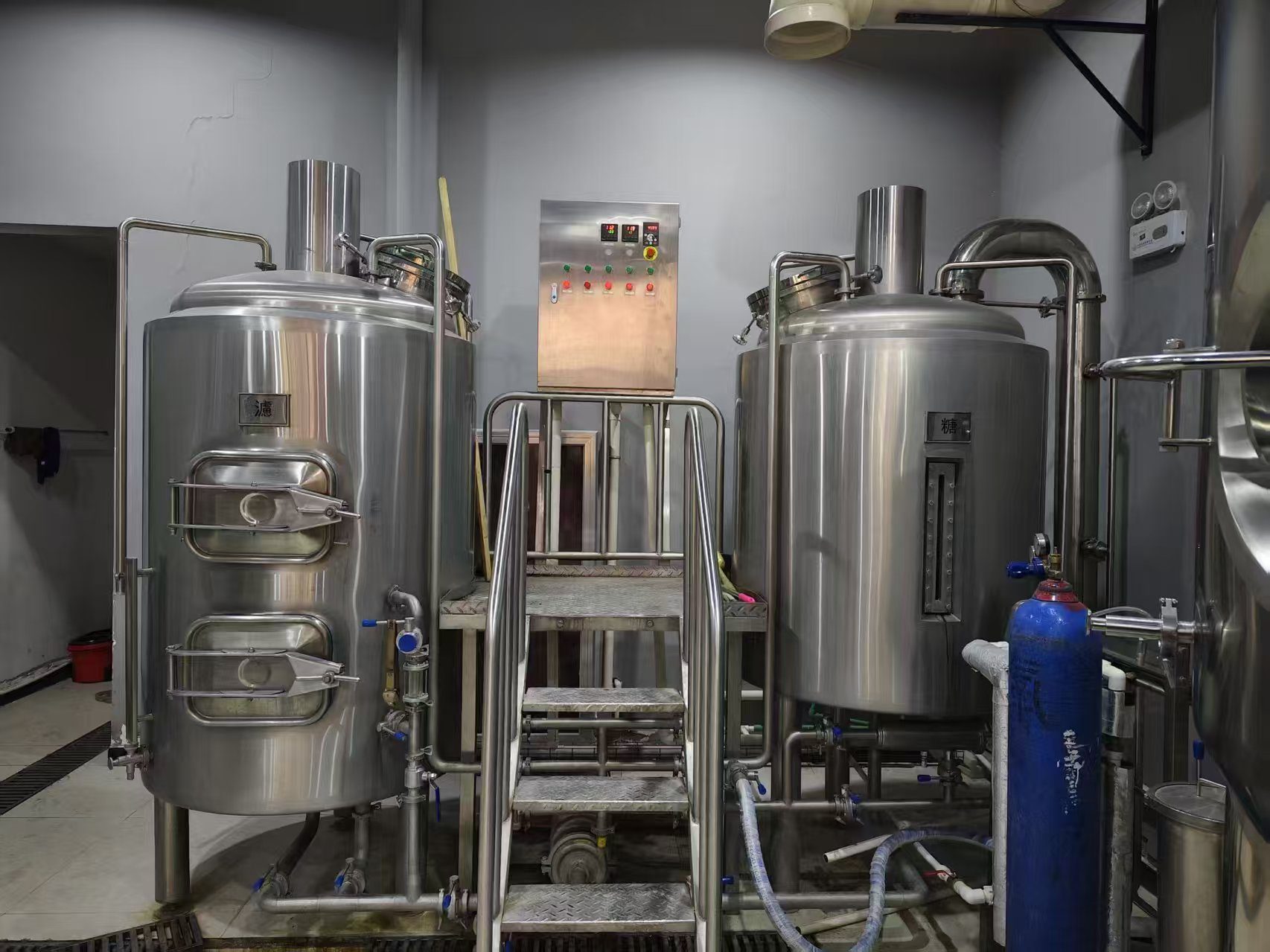
For craft breweries, brewpubs, restaurants, and startup brewing projects, this used 500L electric heating beer brewing equipment provides an economical and reliable brewing solution. Compared with purchasing new equipment, this used brewery equipment helps reduce investment costs while maintaining stable brewing performance and production efficiency.
The complete system has been professionally maintained and inspected, making it ready for commercial brewing operations.
|
Equipment Name |
Specification |
|
Mash/Lauter Tun |
500L |
|
Kettle/Whirlpool Tun |
500L |
|
Fermentation Tank |
500L × 6 Units |
|
Glycol Water Tank |
1000L |
|
Glycol Chiller |
5 HP |
|
Electric Heating System |
Built-in Electric Heating |
|
Malt Mill |
150 kg/h |
|
CIP Cleaning Cart |
Mobile Stainless Steel Type |
|
Electrical Control Cabinet |
Complete Control System |
This used 500L beer brewing system is designed for small and medium-sized commercial breweries. The brewhouse can produce a variety of craft beer styles, including IPA, Pale Ale, Lager, Stout, Wheat Beer, and seasonal specialty beers.
Equipped with six 500L fermentation tanks, the brewery allows multiple fermentation cycles simultaneously. This increases production flexibility and helps breweries meet growing market demand while maintaining product consistency.
One of the key benefits of this used electric heating brewery equipment is its simple installation and operation. Unlike steam-heated systems, electric heating does not require an external boiler, reducing installation costs and maintenance requirements.
The electric heating elements provide precise temperature control during mashing and boiling, helping brewers achieve consistent brewing results and improved energy efficiency.
The system includes a 1000L glycol water tank and a 5HP glycol chiller, providing reliable cooling performance throughout the brewing and fermentation process.
Stable temperature control is essential for producing high-quality beer. This cooling system helps maintain ideal fermentation conditions and supports consistent product quality from batch to batch.
A mobile CIP cleaning cart is included with the brewery system, allowing efficient cleaning of tanks, pipelines, and brewing vessels.
The entire used brewing equipment is manufactured from food-grade stainless steel, offering excellent corrosion resistance, durability, and long service life. Proper cleaning and maintenance help breweries ensure product quality while reducing operational downtime.
This used 500L brewery equipment for sale is suitable for:
For breweries seeking a cost-effective solution, this second-hand beer brewing equipment offers an excellent balance between performance, reliability, and investment value.
Purchasing used brewery equipment allows brewers to significantly reduce capital investment while obtaining professional brewing capabilities. All equipment is inspected before delivery to ensure dependable operation.
If you are looking for a reliable used 500L beer brewing system, contact us today for detailed specifications, pricing, photos, and worldwide shipping information.
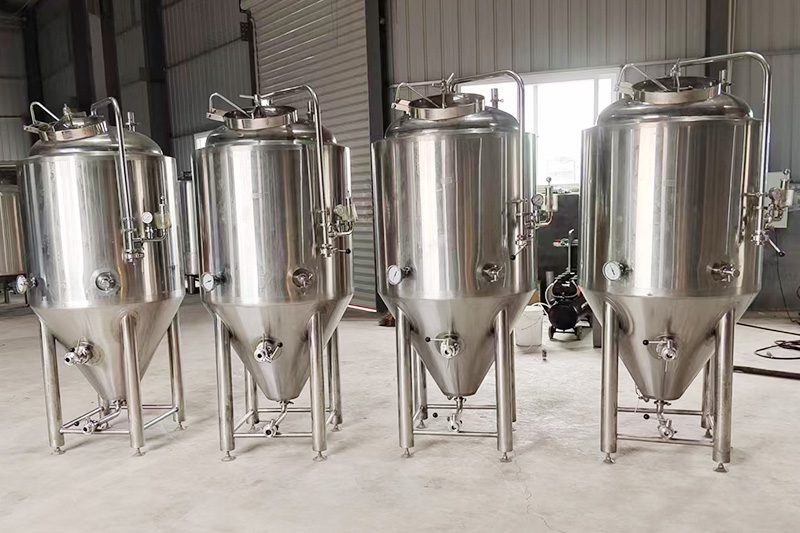
As the global craft beer industry continues to grow, many breweries are looking for reliable and affordable equipment to expand production while controlling investment costs. A high-quality used fermentation tank can be an excellent choice, offering professional performance at a significantly lower price than new equipment.
We currently have a well-maintained used 500L stainless steel fermentation tank available for sale. This tank has been professionally inspected, cleaned, and tested to ensure stable operation and excellent brewing performance. It is ideal for craft breweries, brewpubs, pilot brewing projects, beverage startups, and expanding production facilities.
The used 500L fermentation tank is one of the most popular sizes in the craft brewing industry. It provides the perfect balance between production flexibility and investment efficiency. Whether you are launching a new brewery or adding extra fermentation capacity, this tank can meet your requirements.
Manufactured from food-grade stainless steel, the tank is designed according to sanitary standards and is suitable for beer fermentation, cider production, kombucha fermentation, and other beverage applications.
Purchasing a used fermentation tank can reduce equipment investment by 30% to 60% compared with buying a new unit. This allows breweries to allocate more budget toward raw materials, packaging, marketing, or additional production equipment.
Unlike new equipment that may require several weeks or months of manufacturing time, used tanks are generally available for immediate shipment, helping breweries start production sooner and reduce waiting time.
This tank has already been used in a production environment and has demonstrated reliable operational performance. After professional inspection and refurbishment, it is ready for continued service.
Reusing brewing equipment contributes to environmental sustainability by extending equipment life cycles and reducing industrial waste.
The used 500L fermentation tank is suitable for:
All used equipment offered by our company undergoes a comprehensive inspection process before sale. We carefully evaluate tank integrity, welding quality, cooling jacket condition, valves, fittings, and overall appearance.
The tank is thoroughly cleaned, pressure-tested, and prepared for shipment to ensure customers receive equipment that is ready for installation and operation.
Photos, videos, and detailed inspection reports can be provided upon request.
If you are looking for a reliable and affordable used 500L fermentation tank, this unit represents an excellent opportunity to expand your brewery at a competitive cost.
Contact us today for pricing, photos, videos, and shipping information. Our team will be happy to provide a customized quotation and help you select the right equipment for your brewing project.
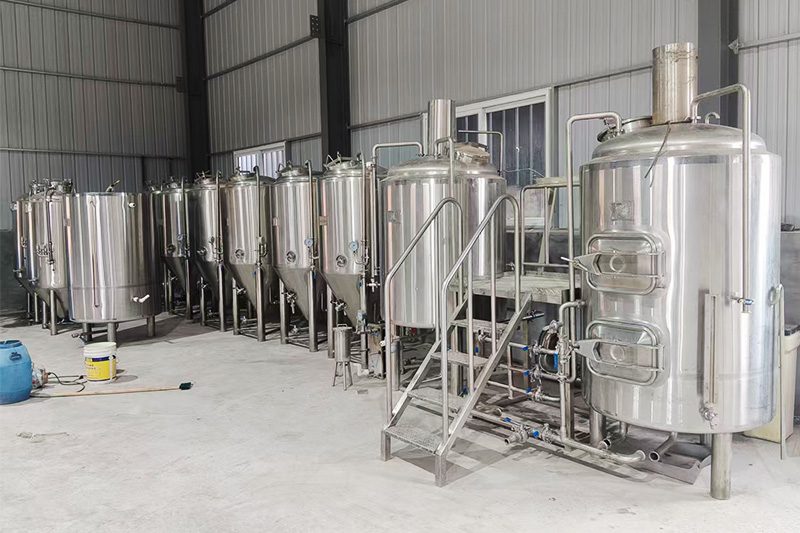
For breweries, brewpubs, restaurants, and craft beer startups looking to expand production while controlling investment costs, this used 500L craft beer brewing system offers an excellent balance of performance, reliability, and affordability. The complete brewery has been professionally maintained and remains in good operating condition, making it an ideal solution for commercial beer production.
|
Equipment Name |
Specification |
|
Mash Tun |
500L |
|
Lauter & Whirlpool Tun |
500L |
|
Fermentation Tank |
500L |
|
Glycol Water Tank |
1000L |
|
Glycol Chiller |
5 HP |
|
Electric Steam Boiler |
50 kg/h |
|
Malt Mill |
150 kg/h |
|
CIP Cleaning Cart |
Mobile Stainless Steel Type |
|
Electrical Control Cabinet |
Complete Control System |
The system is designed as a two-vessel brewhouse configuration, providing efficient wort production while minimizing floor space requirements.
The 500L brewhouse is suitable for producing a wide range of craft beer styles, including IPA, Pale Ale, Lager, Stout, Wheat Beer, and seasonal specialty beers.
With six 500L fermentation tanks, brewers can manage multiple beer recipes simultaneously, improving production flexibility and increasing overall brewery output. Depending on fermentation schedules and brewing frequency, the system can produce several thousand liters of beer per month, making it suitable for small commercial breweries and growing craft beer businesses.
The brewery includes a 1000L glycol water tank paired with a 5HP glycol chiller, providing stable cooling performance for fermentation and beer conditioning processes. Accurate temperature control helps maintain beer quality and consistency throughout production.
The included 50kg electric boiler supplies the required steam and heat energy for mashing and wort production, ensuring efficient brewing operations.
A dedicated CIP cleaning cart allows brewers to clean tanks and pipelines efficiently, reducing labor requirements and improving sanitation standards. Proper cleaning is essential for maintaining beer quality and extending equipment service life.
The stainless steel construction offers excellent corrosion resistance, durability, and compliance with food-grade brewing requirements.
This used 500L brewery system is suitable for:
Whether you are launching a new brewery or expanding existing production capacity, this system provides a cost-effective alternative to purchasing new equipment.
Compared with new brewery equipment, used brewing systems offer several benefits:
Many successful craft breweries begin or expand operations using quality pre-owned brewing equipment to accelerate business growth while maintaining budget flexibility.
If you are looking for a reliable used 500L craft beer brewing system, this complete brewery package is ready to support your production needs. Contact us today for detailed photos, technical specifications, equipment condition reports, pricing information, and worldwide shipping solutions.
We can also provide brewery layout design, installation guidance, commissioning support, and after-sales technical assistance to help you start brewing quickly and efficiently.
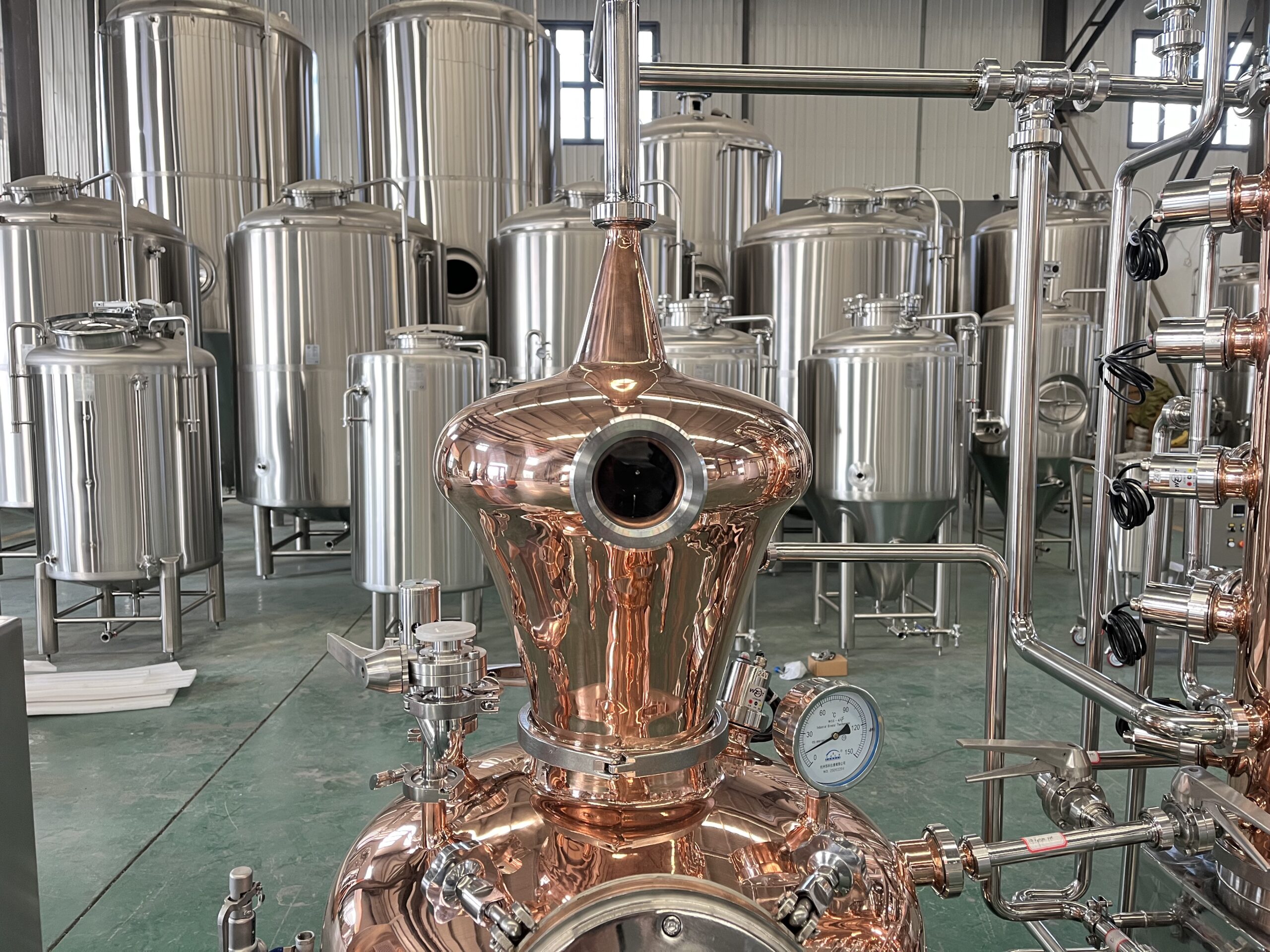
Starting a distillery without the right equipment can waste raw ingredients, reduce spirit quality, and create serious safety risks. Distillation needs more than a still. A complete distillery needs fermentation, heating, vapor control, condensation, storage, cleaning, testing, and packaging equipment.
A distillery usually uses mash equipment, a mash tun, fermenter, pot still or column still, condenser, reflux system, receiving tank, storage tanks, filtration equipment, proofing tools, CIP cleaning equipment, pumps, valves, piping, and bottling equipment. Commercial distilling also requires safety controls, ventilation, temperature control, hygienic design, and legal compliance.
Distillery equipment is not only the still. A complete system includes mash preparation, fermentation, distillation, condensation, spirit collection, storage, filtration, proofing, cleaning, and packaging.
Distillation separates liquid mixtures by vapor behavior, then condenses vapor back into liquid distillate.
In the United States, a distilled spirits plant can produce, bottle, process, rectify, or store beverage spirits such as vodka, whiskey, gin, brandy, rum, and liqueurs, but approval and compliance are required.
Ethanol vapor and flammable liquid handling require serious engineering controls, including controlling vapor release and eliminating ignition sources.
Copper contact is often used in whiskey distilling because copper surfaces can help reduce sulfur compounds in spirit production, although the effect depends on still design and contact area.
The right distillation equipment depends on spirit type, batch size, heating method, hygiene requirements, local regulations, and the size of your business.
What equipment is used in any distillery?
What does a still do in the distillation process?
Pot still vs column still: which distillation equipment is right?
Why are mash tun, fermentation tank, and fermenter important?
How do condenser, vapor path, and reflux affect distillate quality?
What storage tanks, proofing tools, and filtration equipment are needed?
What cleaning equipment supports hygiene within a distillery?
What equipment is needed for whiskey, vodka, gin, brandy, and essential oils?
What safety and compliance equipment should commercial distilling projects consider?
How should B2B buyers choose commercial distillery equipment?
The basic equipment in any distillery includes raw material handling tools, mash equipment, fermentation tanks, a still, condenser, receiving tank, storage tanks, pumps, valves, piping, cleaning equipment, testing tools, and packaging equipment. The exact system depends on whether the distiller makes whiskey, vodka, gin, brandy, rum, neutral spirits, or other distilled spirit products.
A simple distillery flow looks like this:
| Process Stage | Main Equipment Used |
|---|---|
| Raw ingredient preparation | Grain mill, fruit crusher, sugar mixing tank, water treatment |
| Mash preparation | Mash tun, cooker, agitator, heating system |
| Fermentation | Fermenter, cooling jacket, yeast handling, temperature control |
| Distillation | Pot still, column still, heating system, reflux system |
| Condensation | Condenser, cooling water system, distillate outlet |
| Collection | Spirit receiver, alcohol pipeline, hydrometer, proofing tools |
| Aging or storage | Stainless steel storage tanks, barrels, blending tanks |
| Filtration | Good filtration system, activated carbon filters where suitable |
| Cleaning | CIP pump, spray balls, cleaning tanks, sanitary piping |
| Packaging | Manual bottling line, filling machine, corker, capper, labeler |
For commercial projects, I do not recommend choosing equipment piece by piece without a production plan. Distilling alcohol involves heat, ethanol vapor, pressure, cooling, cleaning, and regulation. The equipment should be planned as one system.
As a professional brewery, distillery, winery, kombucha, and beverage equipment manufacturer, we usually begin by asking: What spirit do you want to distill, what batch size do you need, and how will the product be packaged or aged? Those answers shape the whole system.
A still is the core distillation equipment used to heat fermented liquid and separate alcohol vapor from the mixture. During distillation, components with different vapor behavior separate as the liquid is heated. The vapor travels through the still system, enters a condenser, cools, and returns to liquid form as distillate.
In spirit production, the still does not create alcohol by itself. Alcohol comes from fermentation, where yeast converts fermentable sugars into ethanol. The still then concentrates and separates the alcohol and flavor compounds from the fermented wash, wine, mash, or beer-like liquid.
A distiller controls several factors during the distilling process:
A small change in still design can change flavor, yield, and working efficiency. A tall neck may create more reflux. A traditional pot still may keep heavier flavor. A column still may produce cleaner, lighter spirit. The right choice depends on the spirit style.
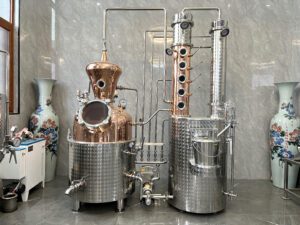
A pot still is commonly used for flavorful batch distillation. It is often selected for whiskey distilling, brandy, rum, and craft spirits where aroma and body matter. A traditional pot still usually has a pot, head or helmet, lyne arm, condenser, and collection outlet.
A column still uses plates or packing to create repeated vapor-liquid contact inside the column. This helps increase separation and can produce higher-proof spirit. Column still systems are often used for vodka, gin base spirit, neutral spirit, and operations that need more control over purity and proof.
| Equipment Type | Main Strength | Common Use |
|---|---|---|
| Pot still | Richer flavor, batch control, traditional character | Whiskey, brandy, rum, craft spirits |
| Column still | Higher proof, cleaner separation, more reflux control | Vodka, gin base, neutral alcohol |
| Hybrid still | Combines pot and column features | Craft distilleries with multiple products |
| Reflux column | Better separation and cleaner output | Vodka or high-proof spirits |
| Botanical gin still | Adds vapor or liquid infusion options | Gin and flavoring products |
The trade-off is simple. A pot still often gives more character but may need more time and more cuts. A column still gives more control and higher proof but may remove some heavier flavor. For a multi-product distillery, a hybrid pot-column system can be practical.
Before a distillery can distill, it needs fermentable alcohol. For grain spirits, the process often starts with milling and mashing. A mash tun or cooker mixes grain and water under controlled temperature and mixing. This helps convert starch into fermentable sugars, depending on the raw ingredients and recipe.
After mashing, the liquid moves to a fermenter. Yeast is added, and fermentation begins. The fermenter must support temperature control, cleaning, safe transfer, and proper working volume. For fruit spirits or brandy, fermentation may start with juice or crushed fruit instead of grain mash.
A commercial fermenter should be:
If fermentation is unstable, distillation cannot fix everything. Poor fermentation can create off-flavors, low alcohol yield, microbial problems, or inconsistent distillate. Good spirits begin before the still.
The condenser cools alcohol vapor and turns it back into liquid distillate. Without a good condenser, vapor may not fully condense, collection becomes unstable, and safety risk increases. Condenser design must match the still size, heating power, cooling water supply, and expected vapor flow.
The vapor path also matters. Vapor may pass through copper, stainless steel, a helmet, a swan neck, a column, plates, packing, or a reflux section. More reflux means some vapor condenses and returns to the still or column before being collected. This repeated contact can make the spirit cleaner and higher in proof.
Copper deserves special attention. Research on whiskey sulfur compounds notes that copper still surfaces have been reported to remove sulfur compounds, although the chemistry is complex and not every copper position has the same effect.
For whiskey, brandy, and some craft spirits, copper contact can help shape aroma. For vodka or gin, stainless steel systems with copper sections may be used depending on the desired spirit style. The best design is not “all copper” or “all stainless” by default. It should match product quality and yield goals.
After distillation, the distillate may need temporary holding, proof adjustment, blending, filtration, aging, or bottling. Storage tanks are used for spirit collection, blending, dilution, resting, or bulk storage. They are usually made of stainless steel and fitted with sanitary valves, level indicators, vents, manways, and cleaning connections.
Proofing tools help the distiller check alcohol strength. A hydrometer or alcoholmeter is used to measure proof or ABV, usually with temperature correction. Professional operations may also use lab testing for accuracy, especially for tax, labeling, and compliance.
Filtration depends on the spirit. Vodka may use activated carbon filters to improve clarity and smoothness. Gin may need botanical particle removal. Brandy and whiskey may need less filtration if flavor retention is the goal. A good filtration system should improve product quality without stripping the desired character.
| Equipment | Purpose |
|---|---|
| Spirit receiver | Collects distillate from condenser |
| Storage tank | Holds spirit before blending or packaging |
| Proofing tank | Supports dilution and proof adjustment |
| Hydrometer / alcoholmeter | Checks alcohol strength |
| Activated carbon filters | Common for vodka polishing |
| Cartridge or plate filtration | Removes particles before bottling |
| Blending tank | Mixes batches or adjusts flavor |
| Manual bottling line | Suitable for small craft production |
Hygiene within a distillery affects flavor, safety, and production efficiency. Cleaning equipment may include CIP systems, spray balls, cleaning pumps, chemical tanks, hoses, drain systems, and sanitary fittings. CIP means clean in place. It allows tanks and pipes to be cleaned without full disassembly.
Distillery cleaning is different from simple rinsing. Mash residue, yeast, fruit pulp, sugar deposits, botanical oils, and mineral scale can build up in equipment. If these residues stay inside the system, they may affect the next batch.
A well-designed cleaning setup should support:
For B2B buyers, this is one of the biggest differences between low-cost equipment and professional distillery equipment. A still or tank that is difficult to clean will become expensive through downtime, labor, and quality issues.
Different products need different distilling equipment. Whiskey distilling often uses mash cooking, fermentation tanks, pot stills or hybrid stills, condensers, spirit receivers, barrels, and storage areas. Brandy needs fruit processing, fermentation, distillation, and often aging.
Vodka or gin requires a different plan. Vodka usually needs a cleaner, higher-proof spirit, so column distillation, reflux control, proofing, and filtration may matter more. Gin may require botanical flavoring, which can happen through maceration, vapor infusion, or a gin basket depending on the distiller’s style.
Essential oils are not beverage alcohol, but some equipment principles overlap. Essential oil distillation often uses steam distillation, plant material baskets, condensers, oil-water separators, and stainless steel vessels. The design focus is aroma capture, plant material handling, and separation.
| Product | Common Equipment Focus |
|---|---|
| Whiskey | Mash tun, fermenter, pot still, condenser, barrel aging |
| Vodka | Column still, reflux, filtration, proofing tank |
| Gin | Neutral spirit system, botanical basket, flavoring control |
| Brandy | Fruit fermentation, pot still, storage tanks |
| Rum | Molasses handling, fermentation, pot or column distillation |
| Essential oils | Steam generator, plant basket, condenser, separator |
A 1000L distillery system may be suitable for a growing craft distillery, but size alone is not enough. The heating method, condenser capacity, column design, cleaning access, and building utilities must match the product.
Commercial distilling involves flammable liquids and ethanol vapor. OSHA guidance explains that engineering controls for flammable liquids such as ethanol focus on preventing or controlling flammable vapor release and eliminating ignition sources.
A distillery should consider safety equipment and design features such as:
Legal compliance also matters. In the United States, TTB rules cover distilled spirits plant operations, permits, registration, production, bottling, processing, storage, and related compliance topics. A beverage distilled spirits plant may produce, bottle, rectify, process, or store spirits, but operators must follow the applicable rules.
This article is not legal advice. Every commercial distillery should check local laws, alcohol licensing rules, fire codes, electrical codes, and environmental requirements before purchasing or installing equipment.
B2B buyers should choose commercial distilling equipment by process, not by catalog photo. A startup craft distillery, established distillery, restaurant chain, beverage co-packer, distributor, or project investor may need very different equipment even if the product name sounds similar.
A practical purchasing checklist:
| Question | Why It Matters |
|---|---|
| What spirit will you produce? | Whiskey, vodka, gin, brandy, rum, or essential oils need different systems |
| What batch size do you need? | Defines still volume, fermenter size, and heating load |
| What raw ingredients will you use? | Grain, fruit, molasses, or botanicals affect mash and cleaning |
| Pot still or column still? | Controls flavor, proof, and production style |
| What heating method is available? | Steam, electric, gas, or thermal oil affects layout and cost |
| Do you need copper contact? | Important for some spirit styles and aroma targets |
| What proof target is required? | Affects reflux, column design, and collection strategy |
| How will you clean the system? | Determines CIP, access, valves, and downtime |
| What packaging method is planned? | Manual bottling line or automated filling affects layout |
| What support is needed? | CAD/3D layout, installation guidance, and technical service reduce risk |
From our professional experience, many distillery projects fail at the planning stage because buyers focus only on the still. The still matters, but the fermenter, condenser, cooling system, cleaning plan, storage tanks, and safety design matter just as much.
Not every distillery needs the same system. A small craft distiller may need flexibility more than high automation. A vodka producer may need a column still and filtration. A whiskey producer may prefer traditional pot still character. A brandy producer may focus on fruit handling and gentle distillation. A co-packer may need repeatable cleaning, fast changeover, and batch documentation.
Important trade-offs include:
The best system is not the most expensive one. It is the system that matches your product, production capacity, safety requirements, and long-term business plan.
A startup distillery wanted a 1000L system for whiskey and gin. At first, the buyer asked only for a still price. After reviewing the project, we found that the facility also needed fermentation capacity, cooling, botanical handling, proofing, storage, cleaning, and a practical manual bottling line.
The final equipment plan included:
| Need | Equipment Solution |
|---|---|
| Whiskey mash preparation | Mash tun with temperature and mixing control |
| Fermentation | Stainless steel fermenters sized for batch schedule |
| Whiskey distillation | Pot still with copper contact and condenser |
| Gin flexibility | Botanical basket and controlled vapor path |
| Cooling | Condenser cooling water system |
| Spirit handling | Receiving tank, proofing tank, storage tanks |
| Cleaning | CIP pump and sanitary spray connections |
| Packaging | Manual bottling line for small-batch releases |
| Layout | CAD/3D plan for workflow and utility access |
This project showed a common lesson: good distillery equipment should support the whole production chain, not just the moment of distillation.
What equipment is used in a distillery?
A distillery uses mash equipment, fermenters, stills, condensers, reflux systems, spirit receivers, storage tanks, pumps, valves, piping, filtration systems, proofing tools, cleaning equipment, and bottling equipment.
What is the most important piece of distillery equipment?
The still is the most visible piece of equipment, but the fermenter, condenser, cooling system, and cleaning system are also essential. Poor fermentation or poor condensation can damage quality even if the still is well made.
What is the difference between a pot still and a column still?
A pot still is usually used for batch distillation and flavorful spirits such as whiskey, rum, and brandy. A column still uses plates or packing for stronger separation and higher proof, making it useful for vodka, gin base spirit, and neutral alcohol.
Is stainless steel or copper better for distillation equipment?
Both can be useful. Stainless steel is durable, hygienic, and easy to clean. Copper can help manage sulfur compounds and is traditional for many whiskey and brandy stills. Many commercial systems combine stainless steel with copper contact sections.
Do I need a mash tun for a distillery?
You need a mash tun if your spirit production starts from grain or other starch-based raw ingredients. If you distill from wine, cider, fruit wash, or purchased neutral spirit, your mash equipment needs may be different.
What equipment is needed for vodka or gin?
Vodka usually needs column distillation, reflux control, proofing, filtration, and clean storage. Gin may need neutral spirit handling, botanical flavoring, a gin basket or maceration tank, condenser, storage, filtration, and bottling equipment.
Is distilling alcohol at home legal?
Laws vary by country and region. In the United States, beverage distilled spirits production is regulated, and commercial operations require proper approval and compliance. Always check local alcohol laws before distilling.
Distillery equipment includes much more than a still.
A complete system may include mash tun, fermenter, still, condenser, reflux column, receiving tank, storage tanks, filtration, proofing, CIP cleaning, and bottling equipment.
Pot stills are often used for flavorful spirits such as whiskey and brandy.
Column stills are often used for higher-proof spirits such as vodka or neutral alcohol.
Fermentation quality strongly affects distillate quality and yield.
Condenser sizing and cooling water supply are critical for safe vapor control.
Copper contact can influence sulfur compound reduction in some distilling systems.
Stainless steel is widely used because it is hygienic, durable, and easy to clean.
Commercial distilling requires serious safety planning because ethanol and alcohol vapor are flammable.
The best distillery equipment plan should match spirit type, batch size, building layout, heating method, cleaning workflow, legal requirements, and future growth.
For a distillery project, the safest next step is a process review: confirm the spirit type, batch capacity, heating source, building utilities, cleaning plan, packaging method, and local compliance needs before choosing the still size or full equipment layout.

Bad kombucha equipment can lead to weak fermentation, mold risk, flat flavor, messy bottling, or unsafe pressure in bottles. Whether you brew kombucha at home or plan commercial production, the right tools help you control taste, safety, fizz, and repeatable quality.
To make kombucha, you need tea, cane sugar, water, a SCOBY, starter tea, a clean glass jar or stainless steel fermentation tank, breathable cover, rubber band, thermometer, pH test strips or meter, strainer, bottles for second fermentation, and cleaning tools. Commercial kombucha brewing also needs sanitary tanks, CIP cleaning, cooling, filtration, carbonation, filling, and quality control equipment.

Kombucha is a fermented tea made with sweetened tea and a SCOBY, a culture of bacteria and yeast that drives fermentation.
For safe homemade kombucha, pH control matters. Colorado State University notes kombucha should be below pH 4.2 but not below pH 2.5 for safe consumption.
A homebrew setup can start with a glass jar, coffee filter or tea towel, rubber band, starter tea, kombucha SCOBY, thermometer, test strips, and glass bottles.
Second fermentation creates carbonation, but pressure can build in bottles, so bottle choice and monitoring matter.
Commercial kombucha production requires stainless steel fermentation tanks, hygienic design, temperature control, pH/TA testing, safe packaging, and process records.
The best equipment depends on your goal: homemade kombucha, taproom-style batches, beverage co-packing, or scalable factory production.
What is kombucha brewing, and why does equipment matter?
What basic equipment do you need to make kombucha at home?
Why are SCOBY, starter tea, and sweetened tea essential?
What jar, cover, rubber band, and brewing vessel should you use?
What tools help control fermentation, temp, and pH?
What bottles are needed for second fermentation and carbonation?
How do you make kombucha with a simple 1-gallon recipe?
What equipment is needed for commercial kombucha brewing?
What are the trade-offs between DIY kombucha kits and professional systems?
How should beverage businesses choose kombucha equipment?
Kombucha brewing is the process of fermenting sweetened tea with a SCOBY. The word SCOBY means symbiotic culture of bacteria and yeast. During fermentation, yeast and bacteria work together to change sugar and tea into a tart, lightly fizzy fermented tea. Research describes kombucha as sugared tea fermented at ambient temperature with a cellulose pellicle made up of acetic acid bacteria and yeast.
Equipment matters because kombucha is alive. It needs air during the first fermentation, clean tools, the right room temperature, enough starter tea, and a safe vessel. Poor tools can slow the brew, invite fruit flies, increase contamination risk, or create inconsistent flavor. This is true whether you make kombucha at home in a wide-mouth jar or produce it in a commercial beverage facility.
From my experience as a brewery, distillery, winery, kombucha, and beverage equipment manufacturer, I usually tell buyers one thing first: kombucha equipment should support clean fermentation before it supports high output. A bigger tank is not useful if the process is hard to clean, hard to test, or hard to repeat.
To make kombucha at home, you need simple but clean tools. A beginner homebrew setup usually includes a glass jar, tea, organic cane sugar or cane sugar, starter liquid, a kombucha SCOBY, a breathable cover, rubber band, thermometer, pH test strips, strainer, and glass bottles for second fermentation.
A basic homemade kombucha equipment list looks like this:
| Equipment | Why You Need It |
|---|---|
| Glass jar or brewing jar | Holds the sweet tea, starter, and SCOBY |
| SCOBY | Starts the fermentation process |
| Starter tea | Acidifies the brew and protects the batch |
| Tea bags or loose leaf tea | Provides nutrients and flavor |
| Cane sugar | Feeds yeast and bacteria |
| Coffee filter or tea towel | Covers the jar while allowing airflow |
| Rubber band | Secures the cover and keeps fruit flies out |
| Thermometer | Helps monitor room temperature |
| pH test strips or meter | Checks acidity and safety range |
| Strainer | Removes tea leaves or fruit pieces |
| Glass bottles | Used for second fermentation and fizz |
For beginners, this setup is enough to start brewing. A DIY kombucha kit may include many of these items, but you should still check the quality of the jar, bottles, and test strips. Cheap bottles may not handle pressure well during bottle conditioning.
The SCOBY is the heart of kombucha brewing. It often looks like a pale, rubbery layer called a pellicle. This pellicle forms on the surface as the culture ferments sweet tea. Studies of SCOBY cultures show that kombucha communities commonly include yeast and acetic acid bacteria, with common genera such as Brettanomyces and Komagataeibacter found in many samples.
Starter tea is just as important as the SCOBY. It lowers the pH of the new batch at the start. This makes the brew less friendly to unwanted microbes. Colorado State University explains that acidification helps kombucha reach a safe pH and reduce contamination risk.
Sweetened tea provides food. You can use black tea, green tea, or a blend of black and green tea. The yeast consumes sugar and produces compounds that bacteria convert into organic acids. Without enough sugar, the kombucha may become sluggish. Without enough starter, the batch may not acidify fast enough.
For kombucha at home, a wide-mouth glass jar is usually the easiest choice. Glass is easy to see through, easy to clean, and does not react with acidic kombucha. A 1 gallon jar is common for a small batch of kombucha. A half-gallon jar is also useful when testing a new kombucha recipe or different flavors.
You should cover the jar with a coffee filter, tea towel, or tightly woven breathable cloth. The cover should allow oxygen to enter but keep fruit flies, dust, and insects out. A rubber band keeps the cover tight around the jar. Do not seal the first fermentation with an airtight lid because the SCOBY needs oxygen.
For commercial production, food-grade stainless steel is normally preferred. It is stronger, more hygienic, easier to clean, and better for controlled production. A commercial kombucha tank may include a manway, sanitary valves, CIP spray ball, cooling jacket, sample valve, temperature probe, and optional spigot or racking outlet.
Kombucha fermentation depends on temperature, time, acidity, starter strength, and culture health. A simple thermometer helps you check room temperature. Kombucha usually ferments at room-temperature conditions, but very cold rooms can slow the process, while overly warm rooms can push faster acid production.
pH test strips or a pH meter help you monitor acidity. Colorado State University states that safe kombucha should be below pH 4.2 and not lower than pH 2.5. This is why test strips are not just “extra tools.” They help you know whether the brew is moving in the right direction.
For home use, test strips are usually enough. For professional beverage production, a pH meter, titratable acidity testing, alcohol testing, temperature logs, batch records, and sanitation checks become more important. Kombucha that rises above 0.5% ABV may be regulated as an alcoholic beverage in the United States, so commercial producers should test alcohol carefully.
After the first fermentation, many brewers move finished kombucha into bottles for second fermentation. This stage adds flavoring and carbonation. Fruit juice, herbs, ginger, berries, citrus, or other flavoring ingredients can create different flavors. The yeast consumes small amounts of sugar and produces carbon dioxide, which creates fizz.
Use strong glass bottles made for pressure, such as flip-top bottles designed for fermented drinks. Do not use weak decorative bottles. Pressure can build during second fermentation. If bottles are too weak, overfilled, or left too long at warm temperature, they may leak or break.
Second fermentation needs careful control. Use clean bottles, leave headspace, do not overdo sugar, and refrigerate when carbonation is ready. For commercial kombucha, carbonation can be controlled more safely with brite tanks, carbonation stones, pressure-rated vessels, and filling systems.
A simple 1 gallon kombucha recipe usually starts with brewed tea, sugar, starter tea, and a SCOBY. Exact ratios vary by recipe and culture strength, but the basic process is easy to understand.
A beginner process may look like this:
Colorado State University notes that kombucha is often fermented for 7–10 days, though timing can vary based on conditions and desired taste. A shorter brew may taste sweeter. A longer brew may taste more sour or vinegary. If the batch smells rotten, grows fuzzy mold, or looks unsafe, discard it.
Commercial kombucha brewing needs stronger, cleaner, and more controlled equipment than homemade kombucha. A beverage producer needs to repeat the same taste, acidity, carbonation, and package quality across every batch. This requires more than a glass jar.
A commercial kombucha line may include:
| Process Stage | Professional Equipment |
|---|---|
| Tea brewing | Hot water tank, tea extraction vessel, filter or strainer |
| Sugar mixing | Mixing tank, agitator, dosing system |
| Cooling | Plate heat exchanger or jacketed cooling tank |
| Fermentation | Stainless steel fermentation tank with sanitary fittings |
| Culture handling | SCOBY handling tools, starter tank, sanitary transfer |
| Testing | pH meter, thermometer, alcohol testing, acidity testing |
| Flavoring | Mixing tank, fruit juice dosing, ingredient filtration |
| Carbonation | Brite tank, carbonation stone, CO₂ control |
| Filtration | Strainer, membrane filter, or product-specific filtration |
| Packaging | Bottle filler, canning line, keg filler, labeling machine |
| Cleaning | CIP pump, CIP tank, spray balls, sanitary valves |
For a startup kombucha brand, not every item must be fully automatic on day one. But the equipment should be hygienic, scalable, and easy to clean. A poor layout can waste labor every day. A good layout supports smooth movement from tea brewing to fermentation, flavoring, carbonation, and filling.
A DIY kombucha kit is good for learning. It is affordable, small, and easy to use. You can test black tea, green tea, fruit juice, loose leaf tea, and different flavors without much investment. But a DIY kit does not offer strong process control or commercial capacity.
Professional kombucha systems cost more, but they provide better sanitation, repeatability, temperature control, and production planning. They also reduce manual handling. For beverage co-packers, kombucha producers, brewpub chains, and project investors, these benefits can reduce long-term risk.
| Option | Advantage | Limitation |
|---|---|---|
| DIY kombucha kit | Low cost, easy to start | Small volume, less control |
| Glass jar homebrew | Simple and visible | Not scalable |
| Small stainless tank | More durable, cleaner | Higher upfront cost |
| Jacketed fermenter | Better temp control | Needs utilities |
| Full commercial line | Scalable and efficient | Requires planning and capital |
The right choice depends on your goal. If you only want homemade kombucha, use simple tools. If you want a beverage business, plan for hygiene, testing, filling, cooling, and repeatable production.
B2B buyers should not choose kombucha equipment only by tank volume. Start with the business model. Will you sell fresh kombucha on tap, bottled kombucha, canned kombucha, flavored kombucha, hard kombucha, or co-packed products for other brands? Each model needs different equipment.
A practical buyer checklist:
| Question | Why It Matters |
|---|---|
| What is the target batch size? | Defines tank volume and production plan |
| How many SKUs or flavors? | Affects flavoring tanks and scheduling |
| Do you need carbonation? | Requires pressure-rated equipment |
| Bottle, can, keg, or bulk pack? | Defines filling and packaging line |
| What is the target pH and acidity? | Defines testing and quality control |
| Do you need alcohol control? | Important for compliance and labeling |
| How will tanks be cleaned? | Determines CIP design |
| Is expansion planned? | Affects layout and utility sizing |
| What is the building layout? | Impacts workflow and installation |
| What technical support is needed? | Reduces startup and commissioning risk |
As a professional brewery, distillery, winery, kombucha, and beverage equipment manufacturer, we often review the buyer’s process before recommending tanks. For global projects, we may support factory-direct supply, CAD/3D layout planning, sanitary stainless steel equipment, installation guidance, and long-term technical service.
Not every kombucha project needs the same equipment. A home brewer does not need a stainless steel CIP system. A small taproom may not need a high-speed canning line. A large beverage co-packer should not rely on open jars or manual bottling.
Some trade-offs are important:
Professional advice should always match the real process, local rules, and market plan. Kombucha for a restaurant chain, kombucha for retail shelves, and kombucha for a small tasting room are different projects.
A startup beverage team came to us after making successful homemade kombucha in glass jars. Their flavor was good, but they had three problems: inconsistent acidity, slow bottling, and limited batch volume. They wanted to scale without losing the fresh fermented tea character.
We suggested a staged equipment plan:
| Problem | Equipment-Based Improvement |
|---|---|
| Inconsistent pH | Add pH meter, batch records, controlled starter ratio |
| Small batch size | Move from jars to stainless steel fermentation tanks |
| Slow bottling | Use semi-automatic bottle filling |
| Messy flavoring | Add small mixing tank for fruit juice and flavoring |
| Unclear layout | Create CAD/3D flow from tea brewing to packaging |
| Cleaning risk | Add sanitary valves and CIP-ready tank design |
The result was a more reliable kombucha brewing process. The team could still make your own kombucha-style product, but with better hygiene, clearer workflow, and stronger commercial control.
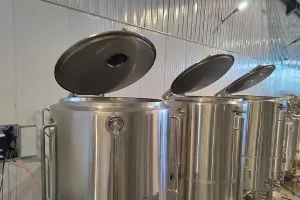
What equipment do I need to make kombucha at home?
You need a glass jar, SCOBY, starter tea, sweetened tea, breathable cover, rubber band, thermometer, pH test strips, strainer, and glass bottles for second fermentation.
Can I brew kombucha without a SCOBY?
You usually need a kombucha SCOBY or strong starter from a previous batch. Store-bought kombucha may work only if it is raw, unflavored, and contains live culture, but results can be slower or less reliable.
What kind of jar is best for kombucha?
A wide-mouth glass jar is best for home kombucha. It is easy to clean, easy to cover, and does not react with acidic fermented tea.
Do I need pH test strips for homemade kombucha?
They are strongly recommended. pH strips or a pH meter help you check whether the fermentation is becoming acidic enough and not becoming too acidic.
What bottles are best for second fermentation?
Use strong pressure-rated glass bottles, such as flip-top bottles designed for fermented drinks. Avoid weak bottles because carbonation can build pressure.
What equipment is needed for commercial kombucha brewing?
Commercial kombucha production may need stainless steel fermentation tanks, tea brewing tanks, mixing tanks, cooling, pH and alcohol testing, carbonation equipment, filtration, filling machines, CIP cleaning, and sanitary piping.
How long does kombucha fermentation take?
Many home batches ferment around 7–10 days, but time depends on temperature, starter strength, sugar, tea, SCOBY health, and preferred taste.
To make kombucha, you need tea, sugar, water, SCOBY, starter tea, a clean jar or tank, breathable cover, testing tools, and bottles.
The SCOBY and starter tea are essential for stable fermentation.
A glass jar works well for homemade kombucha, while stainless steel tanks are better for commercial brewing.
pH control is important because kombucha must become acidic enough to reduce contamination risk.
Second fermentation creates fizz, but bottle pressure must be managed carefully.
A DIY kombucha kit is good for learning, but commercial projects need hygienic, scalable equipment.
Beverage businesses should plan equipment around batch size, flavoring, carbonation, packaging, cleaning, and compliance.
Good kombucha equipment should make the process cleaner, safer, easier to repeat, and easier to scale.
For startup kombucha brands, brewpubs, beverage co-packers, wineries, distilleries, and project investors, a professional equipment review can help match the process, layout, and budget before purchasing.
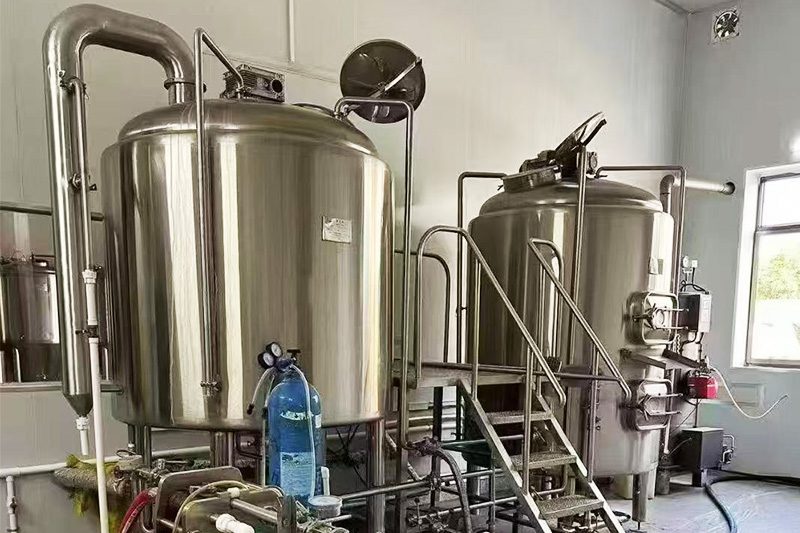
As the global craft beer industry continues to expand, more breweries are seeking reliable and affordable brewing equipment to increase production capacity while controlling investment costs. A high-quality used brewery system offers an excellent opportunity to achieve professional brewing performance at a significantly lower cost than purchasing new equipment.
We currently have a well-maintained used 1000L beer brewing equipment available for sale. This brewing system has been professionally inspected and maintained to ensure stable operation and consistent brewing performance. It is an ideal solution for craft breweries, brewpubs, restaurants, startup brewing projects, and brewery expansion plans.
The 1000L brewery system is one of the most popular configurations for small and medium-sized craft breweries. It provides an ideal balance between production capacity, operational flexibility, and investment efficiency.
Manufactured from high-quality food-grade stainless steel, the system is designed to meet modern brewing requirements while ensuring durability, hygiene, and long service life. Whether you are launching a new brewery or upgrading your existing facility, this used brewing equipment can help you achieve your production goals with a lower investment.
| Item | Specification |
|---|---|
| Brewhouse Capacity | 1000L |
| Brewhouse Type | 2-Vessel / 3-Vessel Brewhouse (Optional) |
| Fermentation Tanks | Multiple 1000L Stainless Steel Fermenters |
| Material | SUS304 Food-Grade Stainless Steel |
| Cooling System | Glycol Water Tank & Chiller |
| Heat Exchanger | Stainless Steel Plate Heat Exchanger |
| Control System | PLC Control or Manual Control |
| Pumps | Wort Pump & Glycol Pump |
| CIP System | CIP Cart with Cleaning Pump |
| Electrical Components | International Standard Electrical Components |
| Condition | Used, Tested and Ready for Operation |
Compared with purchasing new brewery equipment, a used 1000L brewing system can significantly reduce startup costs and capital investment. This allows breweries to allocate more resources to raw materials, packaging, marketing, and future expansion.
Used equipment is generally available for immediate shipment, eliminating the long manufacturing lead times often associated with new brewery systems. This helps breweries start production and generate revenue more quickly.
The equipment has been operated in a production environment and has demonstrated reliable performance. With proper maintenance and inspection, it continues to provide stable brewing results and efficient operation.
The 1000L capacity is suitable for producing a wide variety of beer styles, including:
Its versatile design makes it an excellent choice for breweries seeking flexibility in recipe development and production planning.
This second-hand brewery equipment has been professionally maintained and remains in good working condition. The tanks feature sanitary interior polishing, high-quality welding, and efficient temperature control performance to help ensure consistent beer quality.
Before shipment, the equipment can be inspected and tested to verify operational reliability. Photos, videos, and detailed equipment information are available upon request.
To meet different brewing requirements, the system can be customized according to customer needs, including:
Our experienced team can also provide technical consultation, shipping arrangements, and brewery planning support to help ensure a successful project.
If you are looking for a reliable and affordable used 1000L beer brewing equipment system, this unit represents an excellent opportunity to expand your brewing capacity while controlling costs.
Contact us today for pricing, photos, videos, and detailed specifications. Our team will be happy to provide a customized solution and help you find the right brewery equipment for your brewing project.

Dolor sit amet, consectetur adipisi cing elit, sed do eius mod tempor incididunt ut labore et dolore magna aliqua.
Dolor sit amet, consectetur adipisi cing elit, sed do eius mod tempor incididunt ut labore et dolore magna aliqua.

Dolor sit amet, consectetur adipisi cing elit, sed do eius mod tempor incididunt ut labore et dolore magna aliqua.

Dolor sit amet, consectetur adipisi cing elit, sed do eius mod tempor incididunt ut labore et dolore magna aliqua.

Dolor sit amet, consectetur adipisi cing elit, sed do eius mod tempor incididunt ut labore et dolore magna aliqua.

Dolor sit amet, consectetur adipisi cing elit, sed do eius mod tempor incididunt ut labore et dolore magna aliqua.