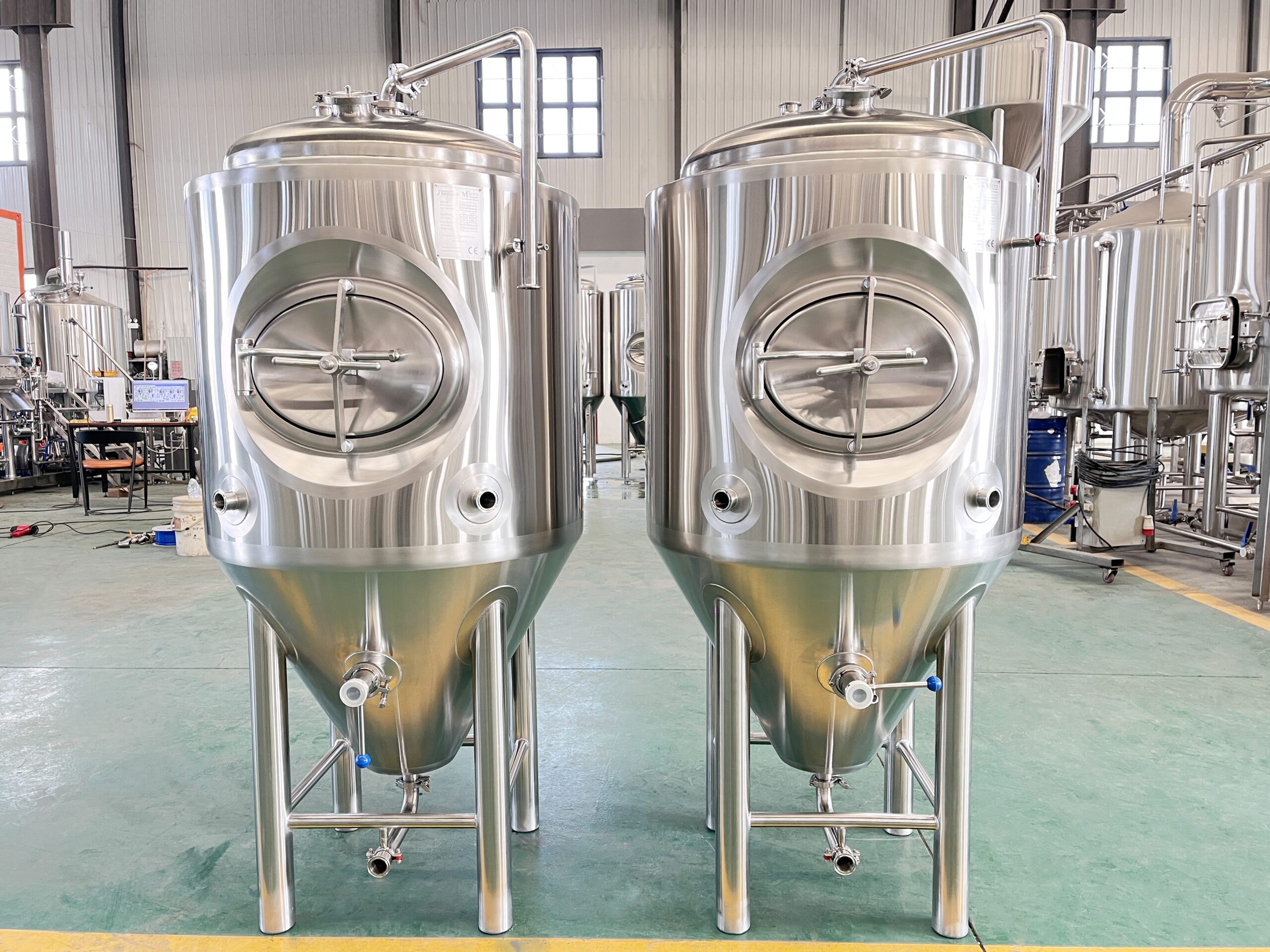
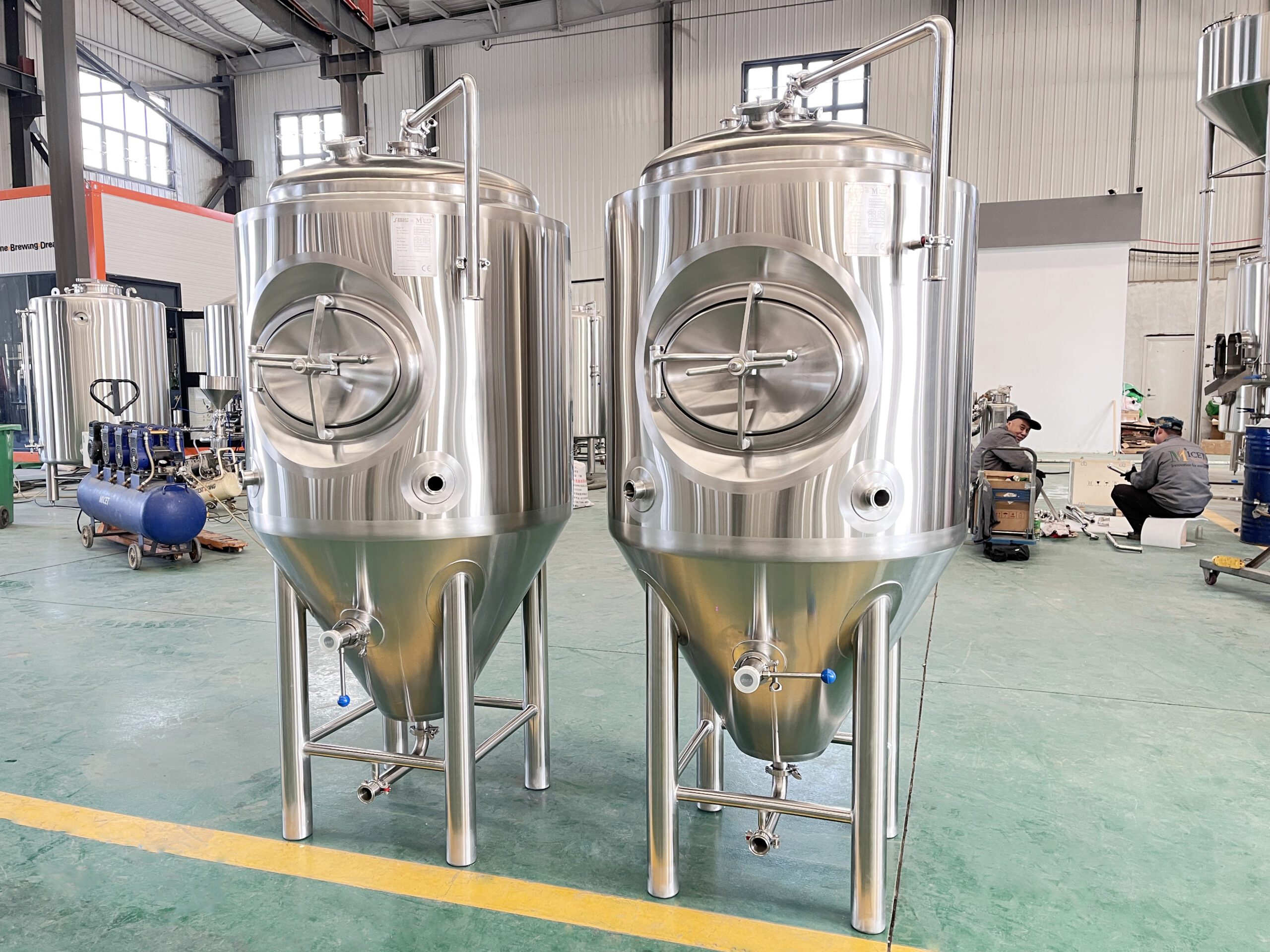
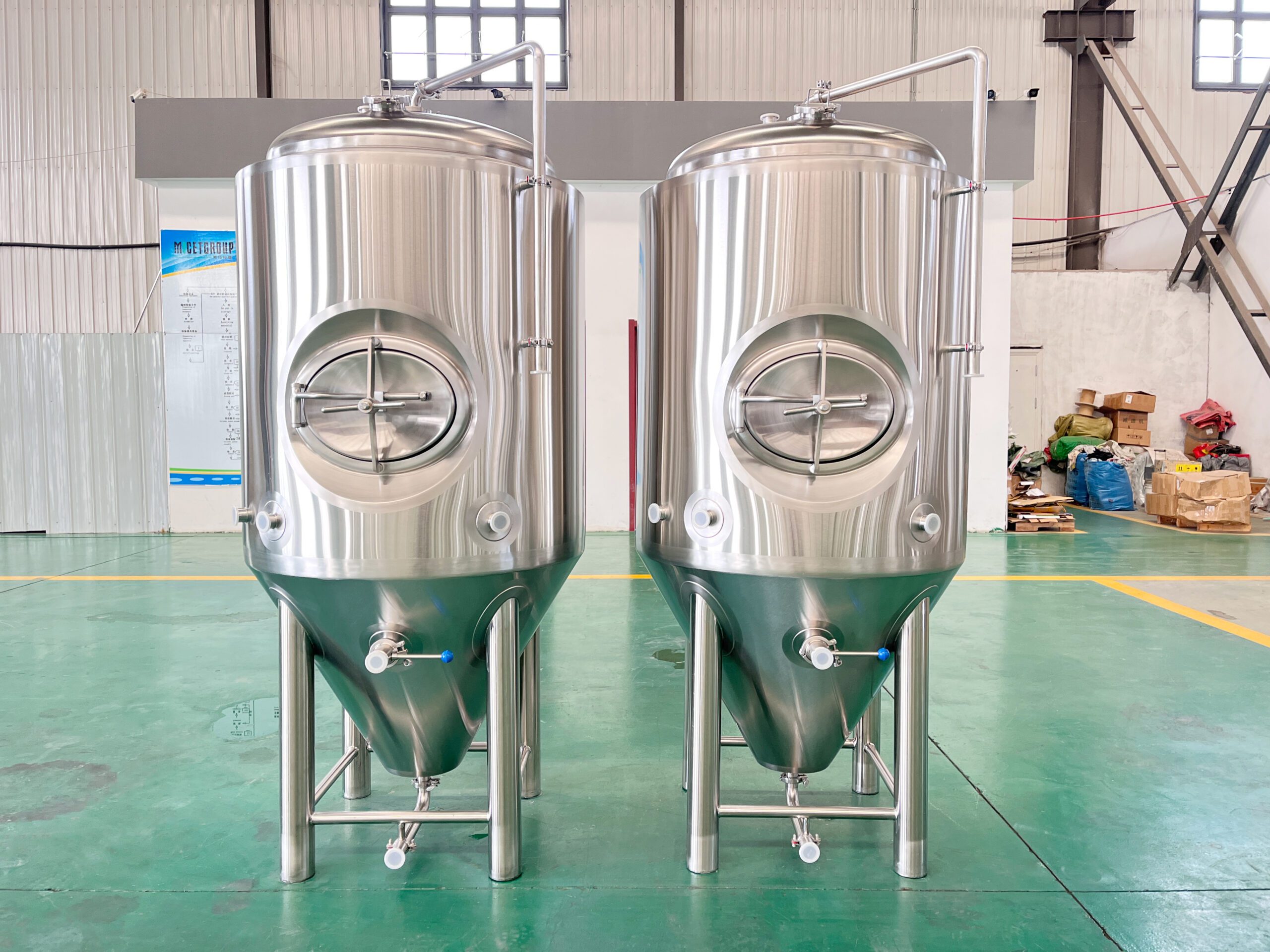
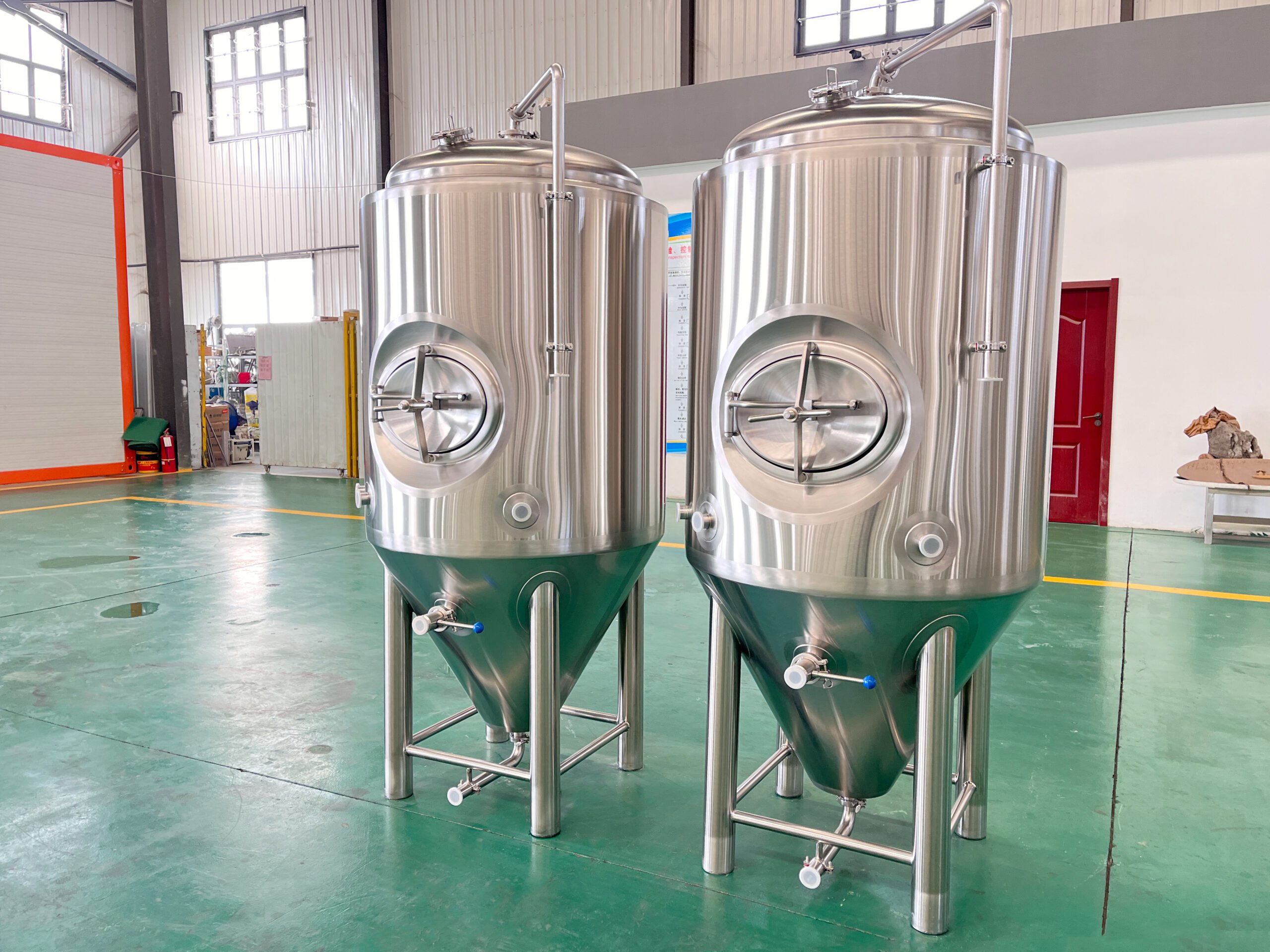
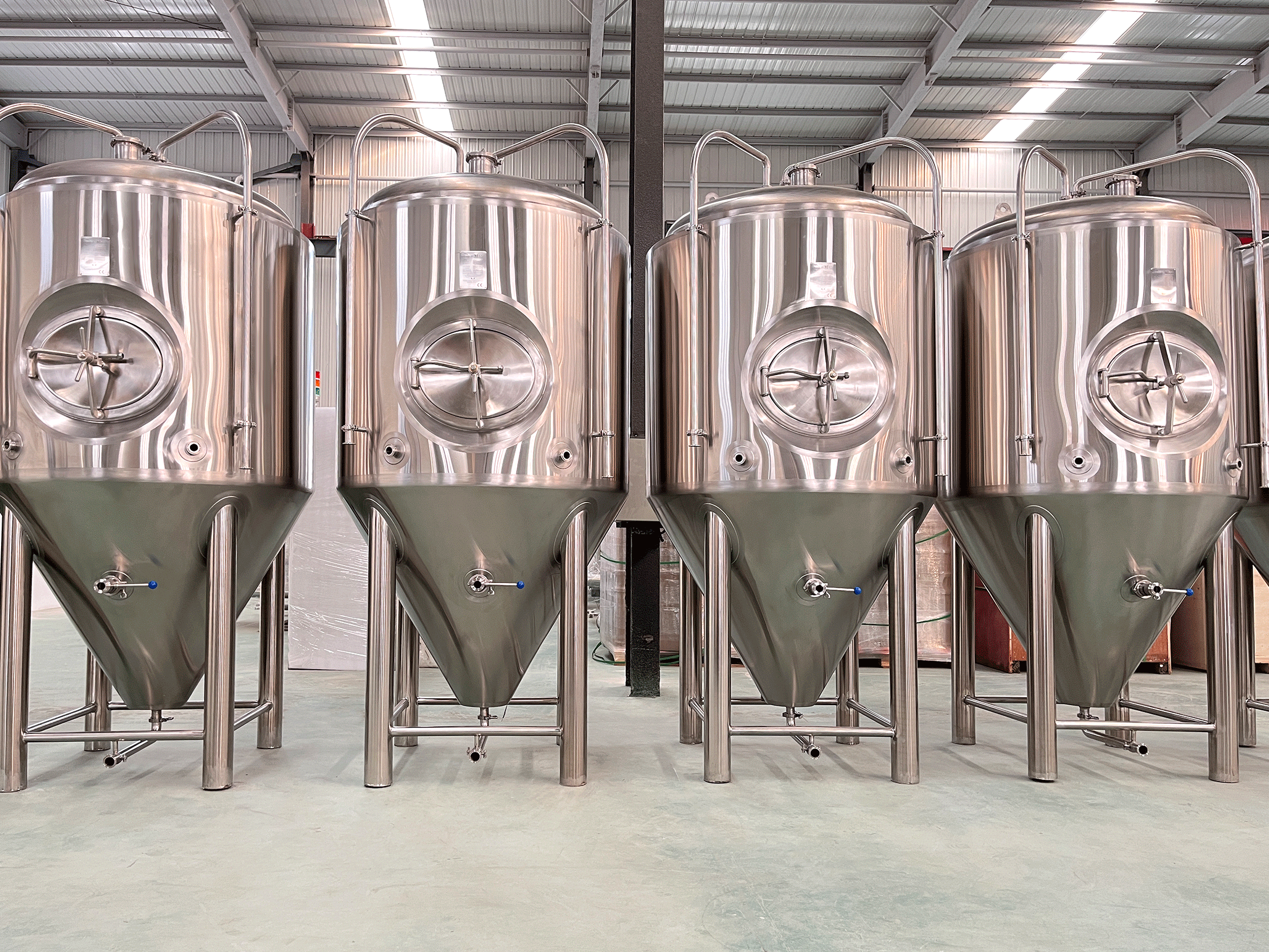
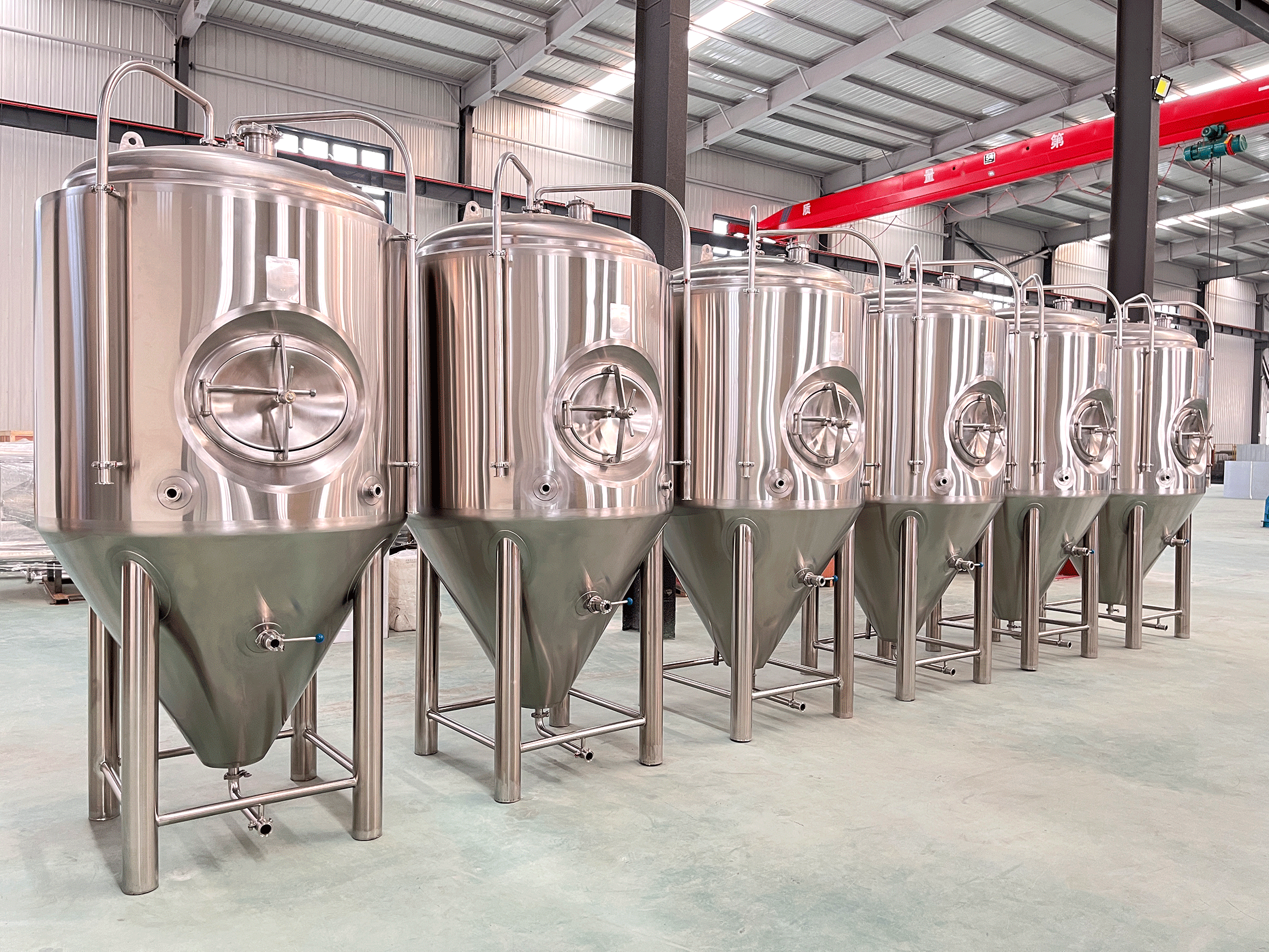
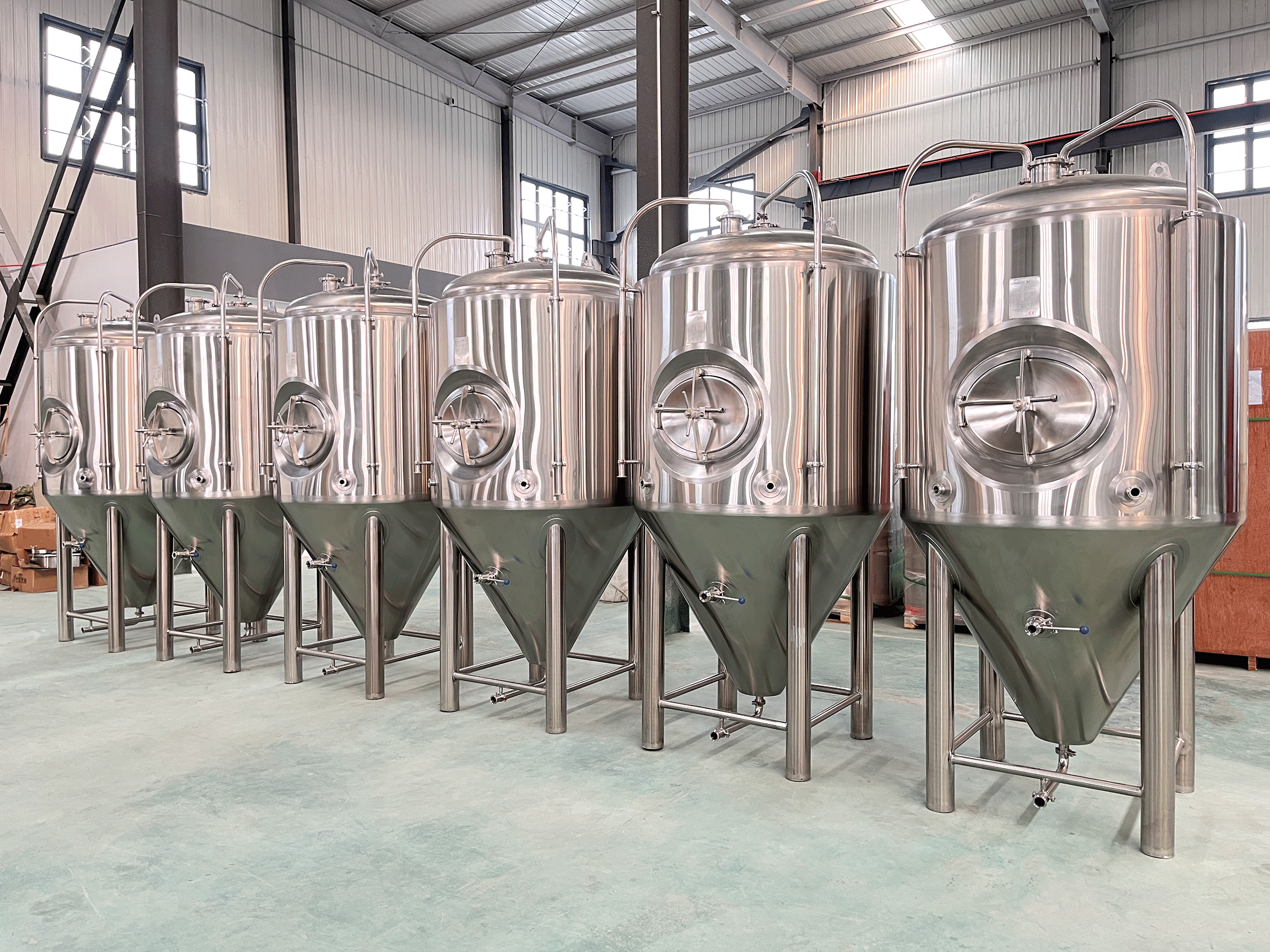
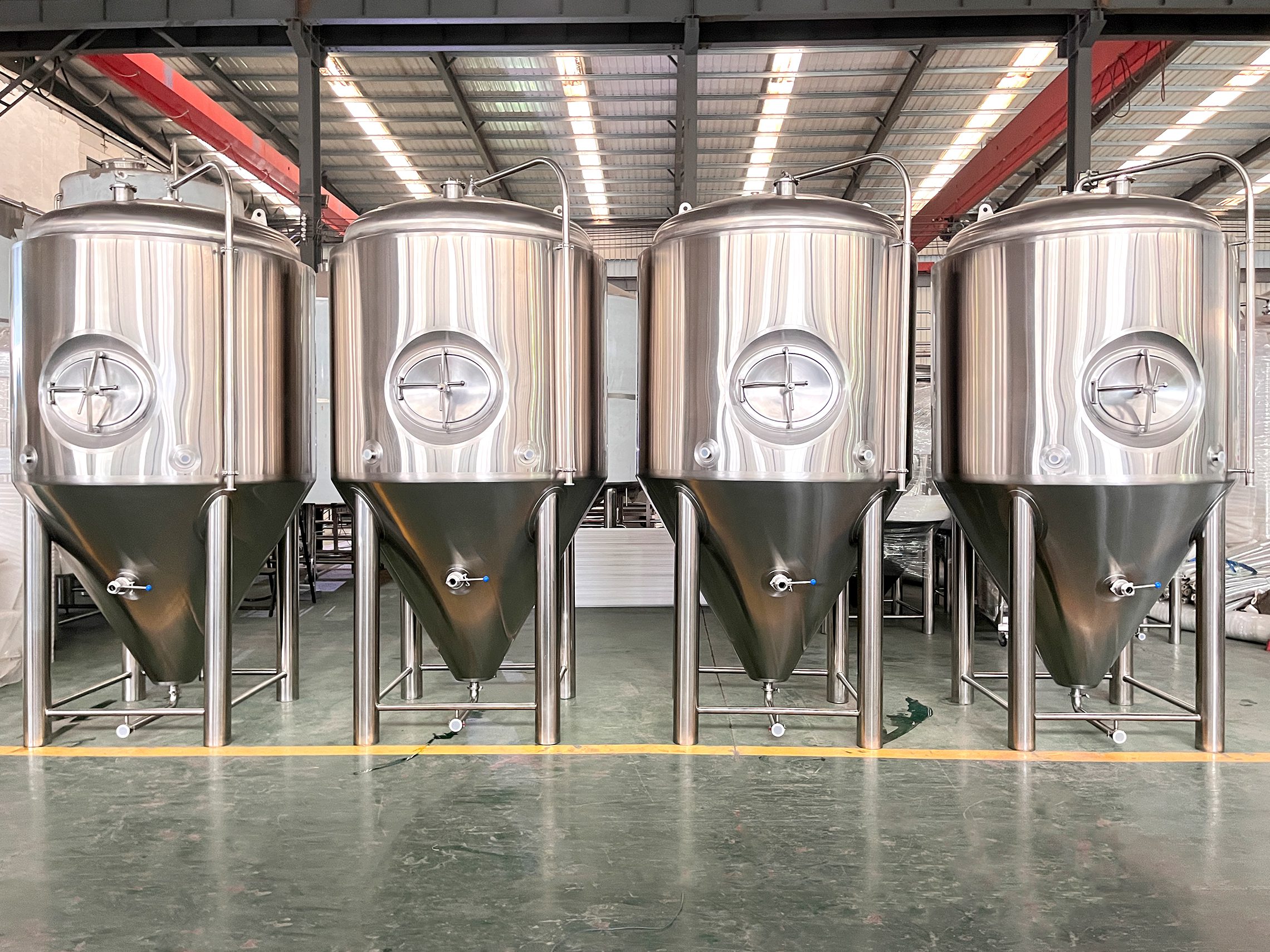
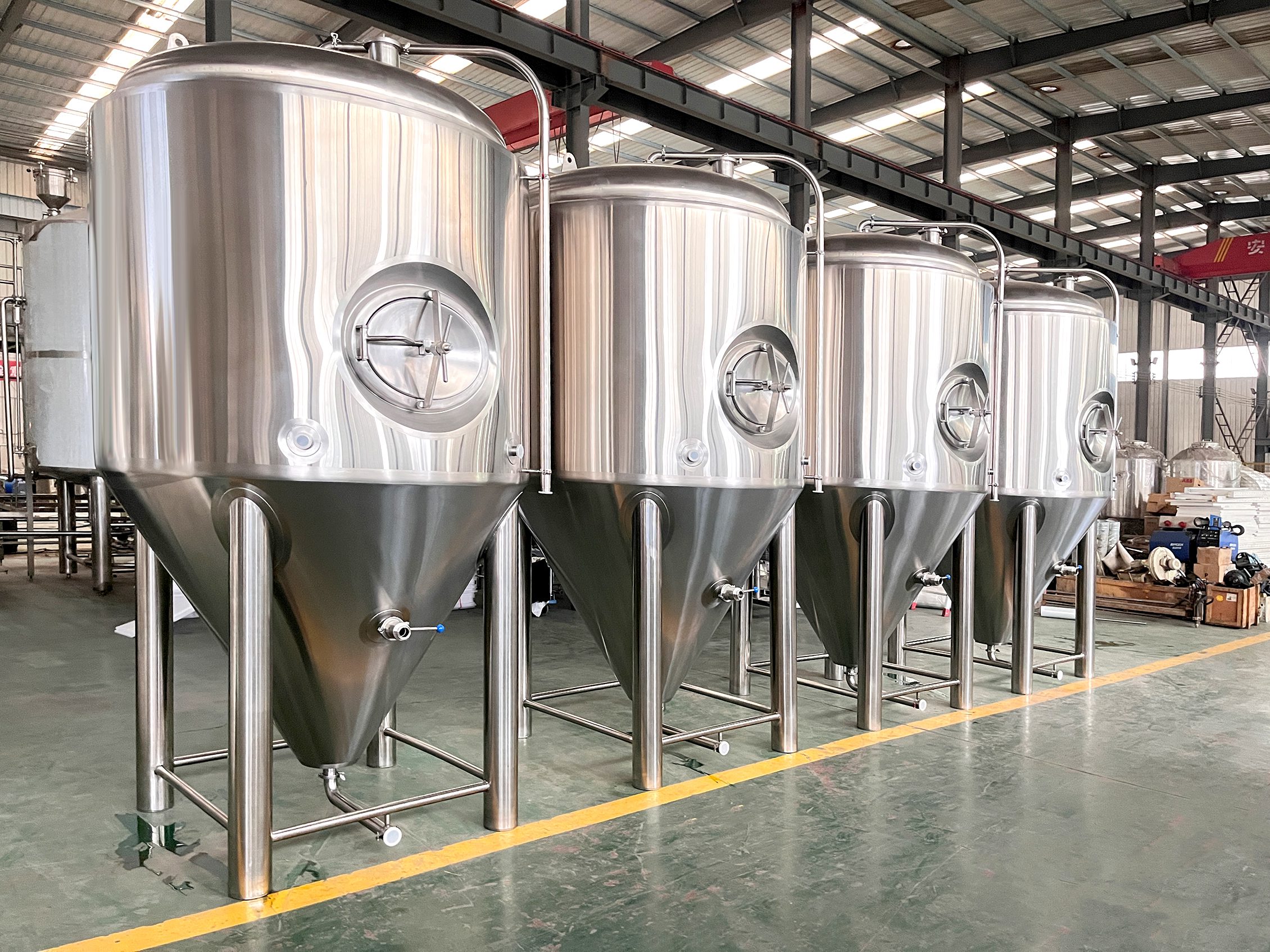
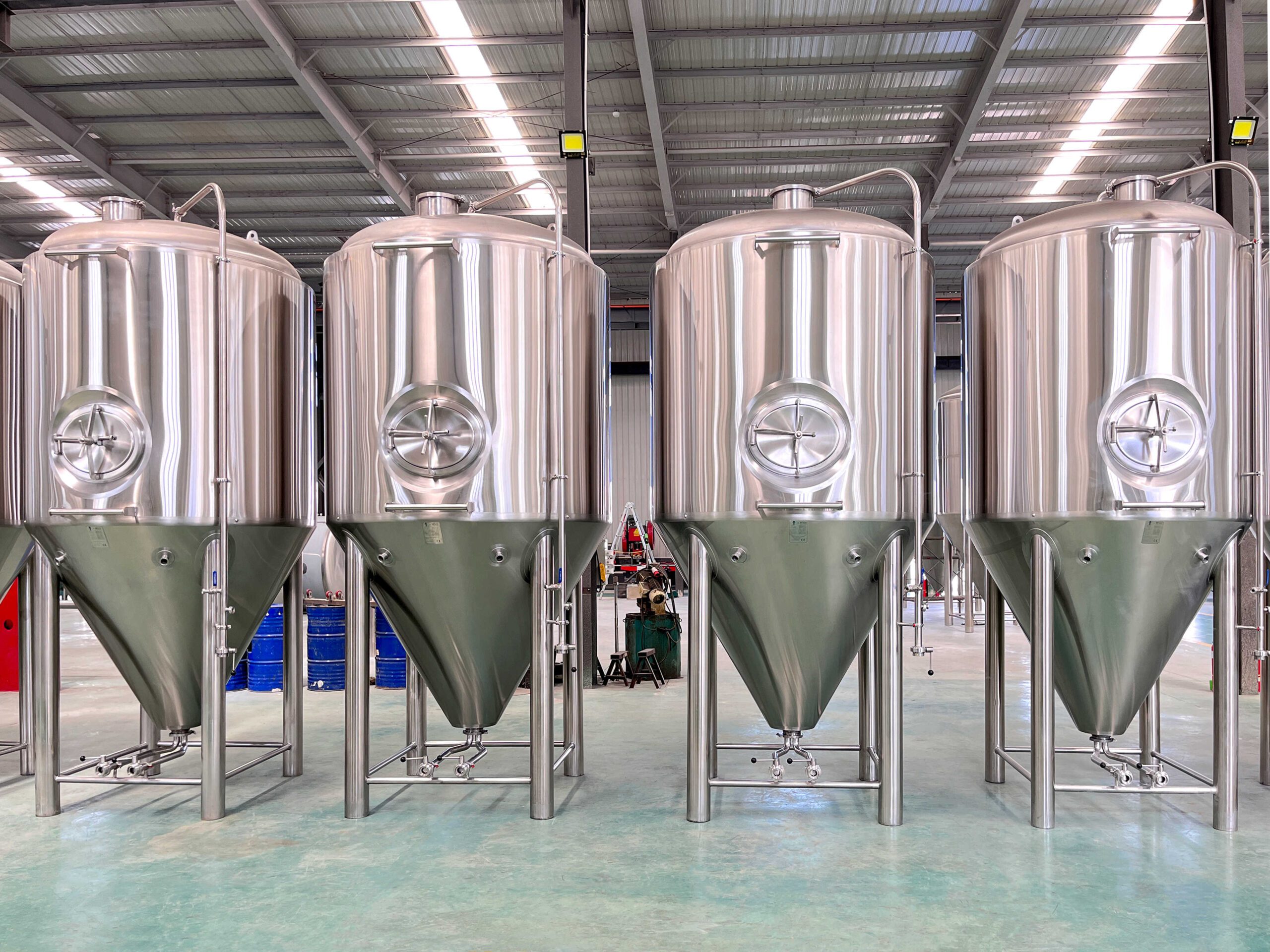
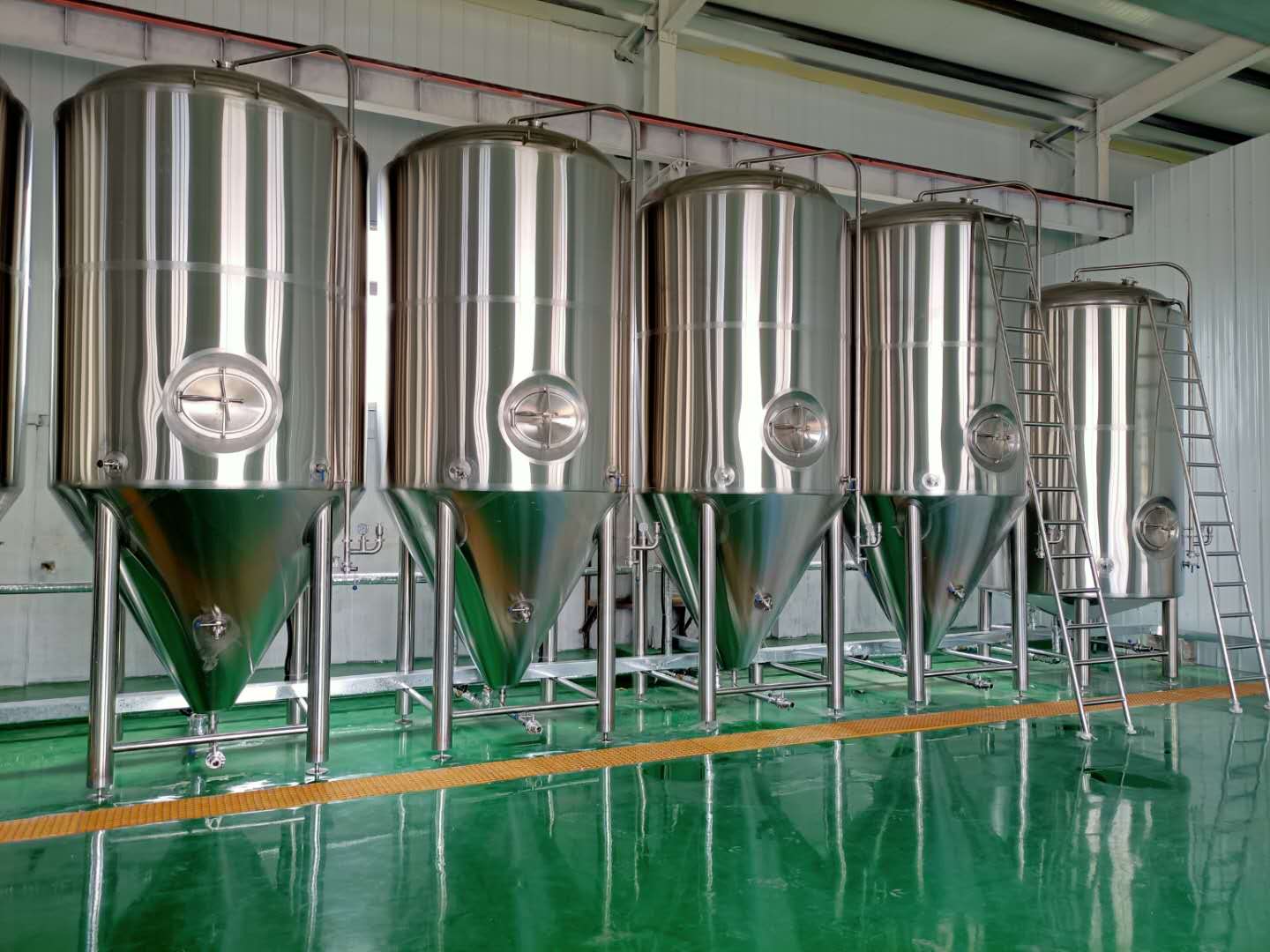
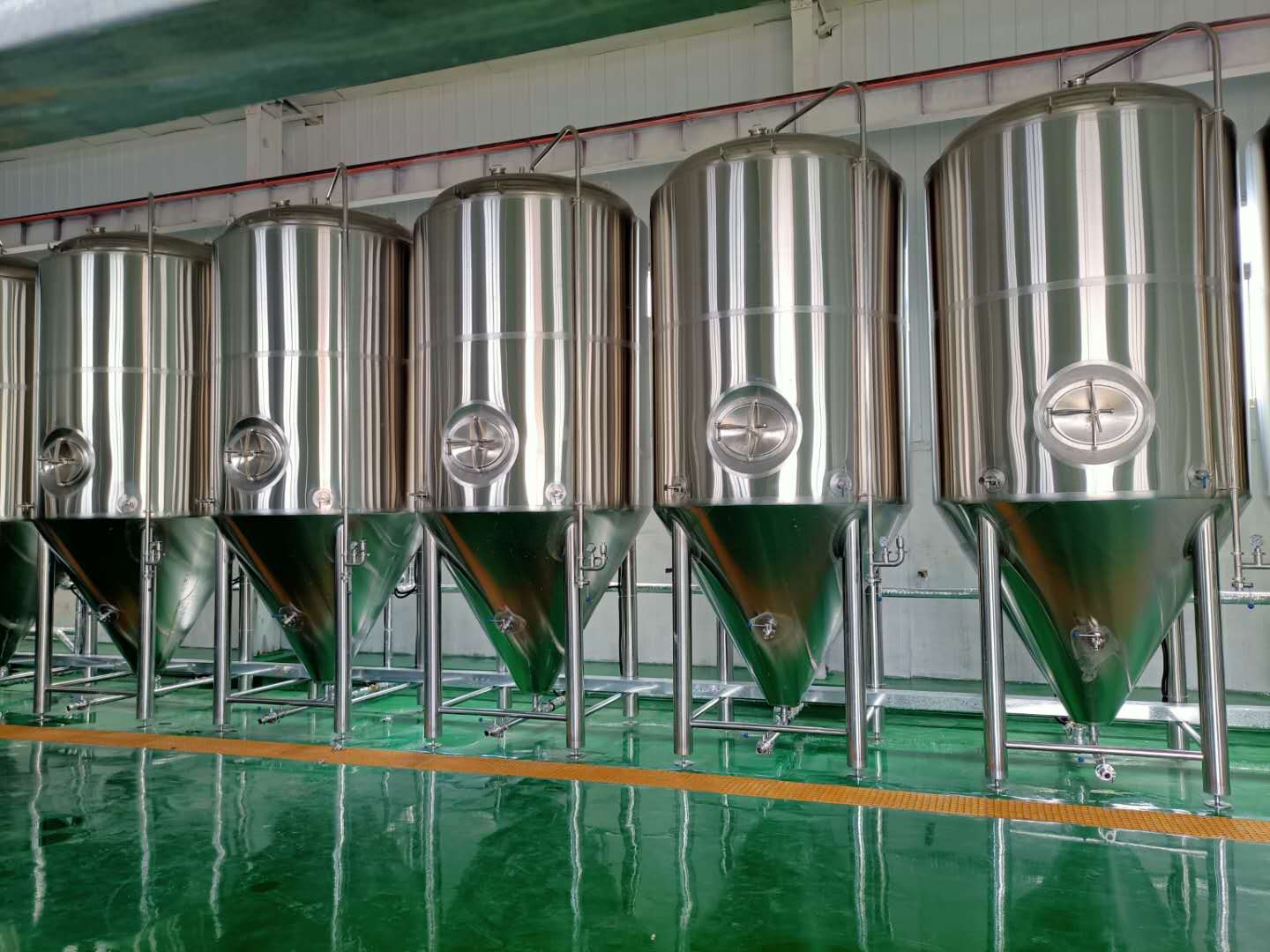
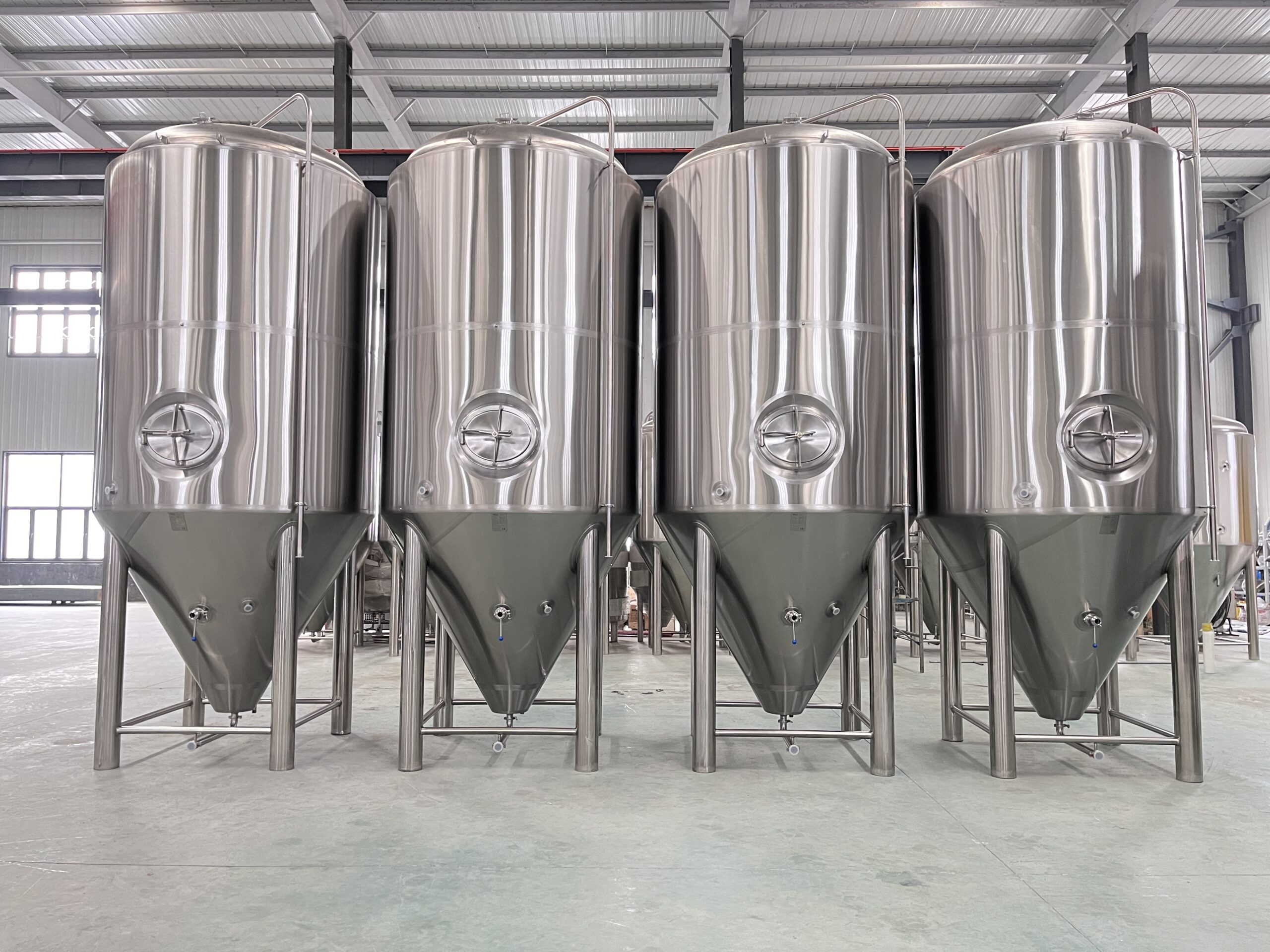
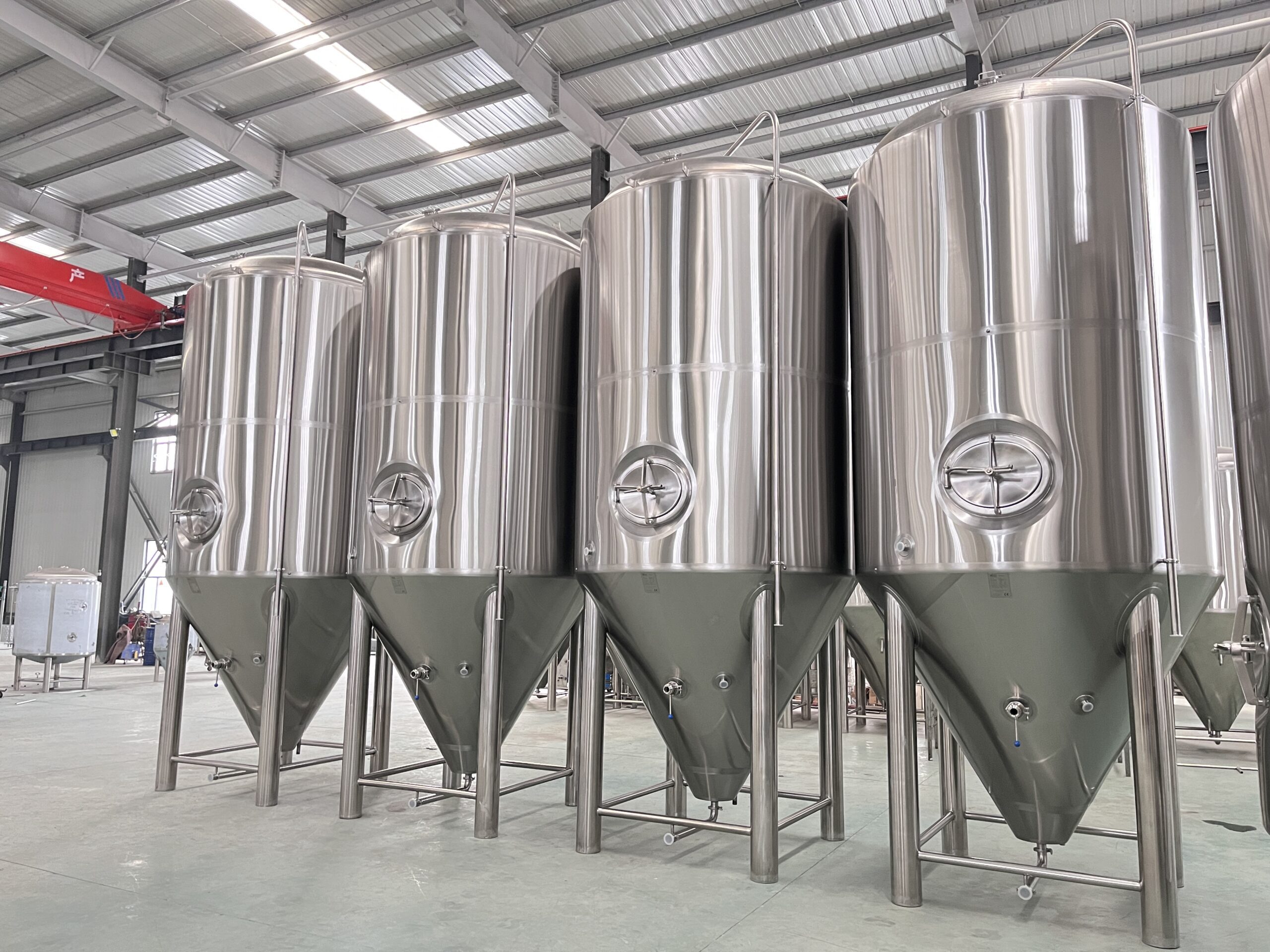
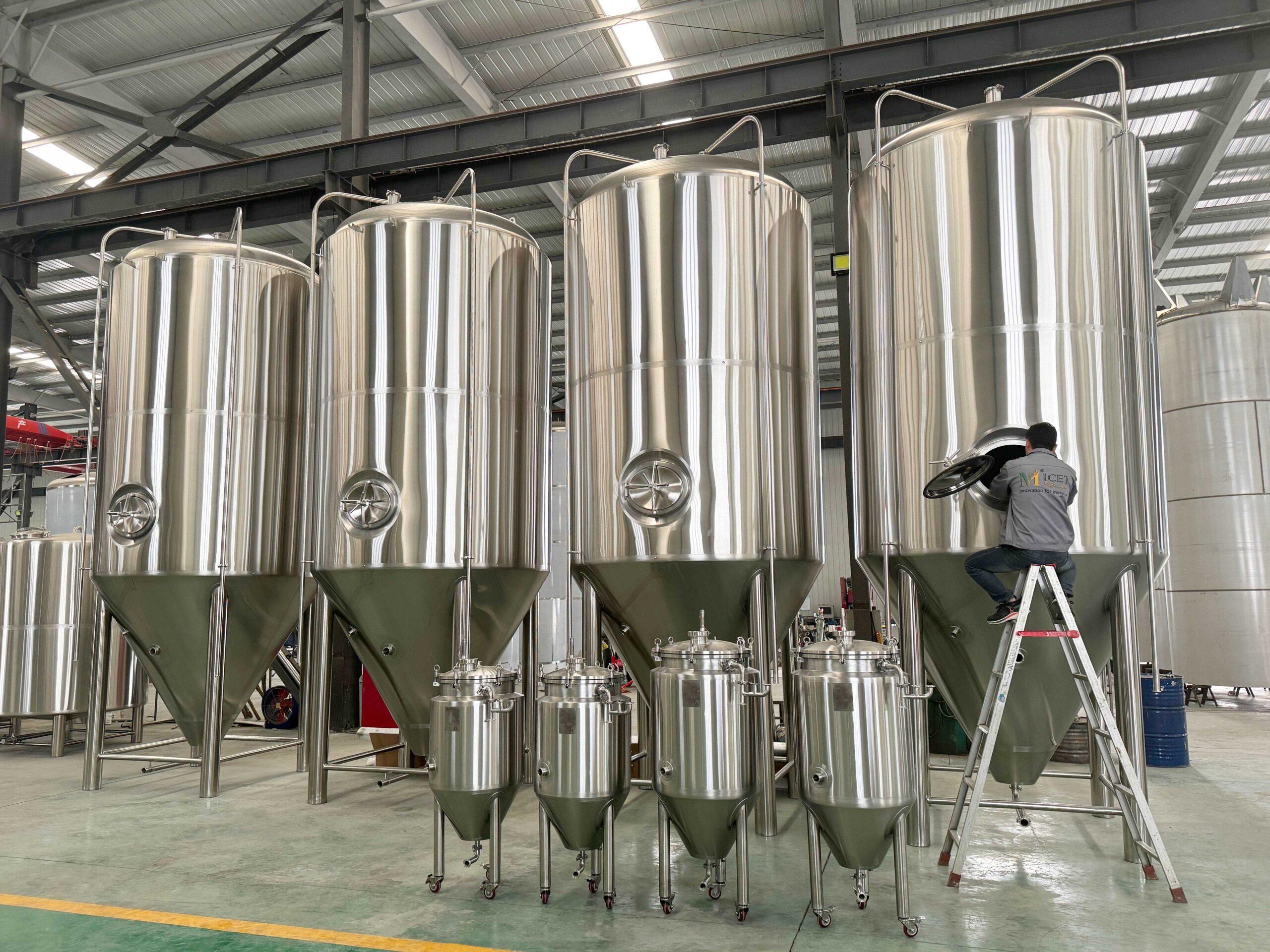
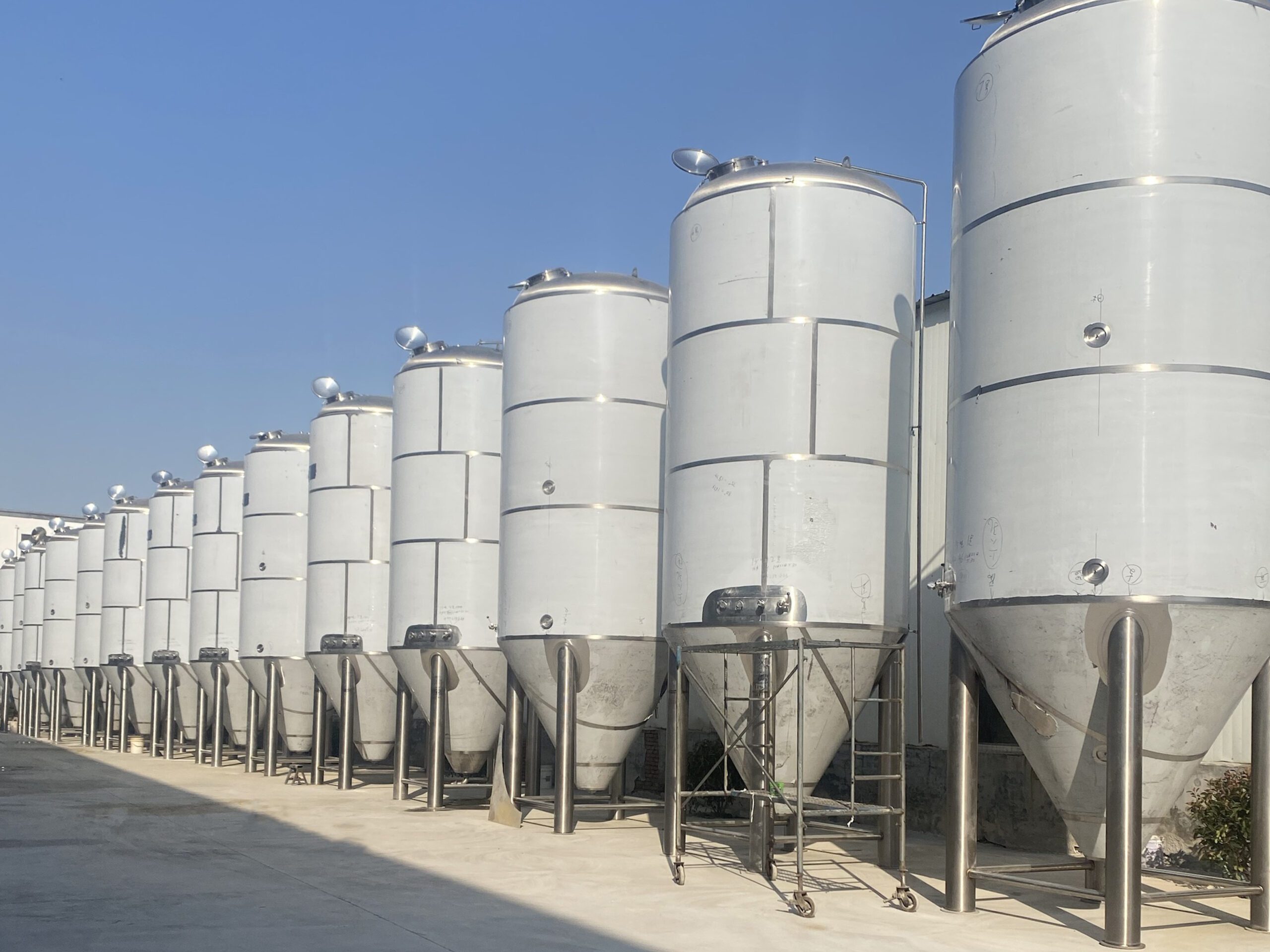
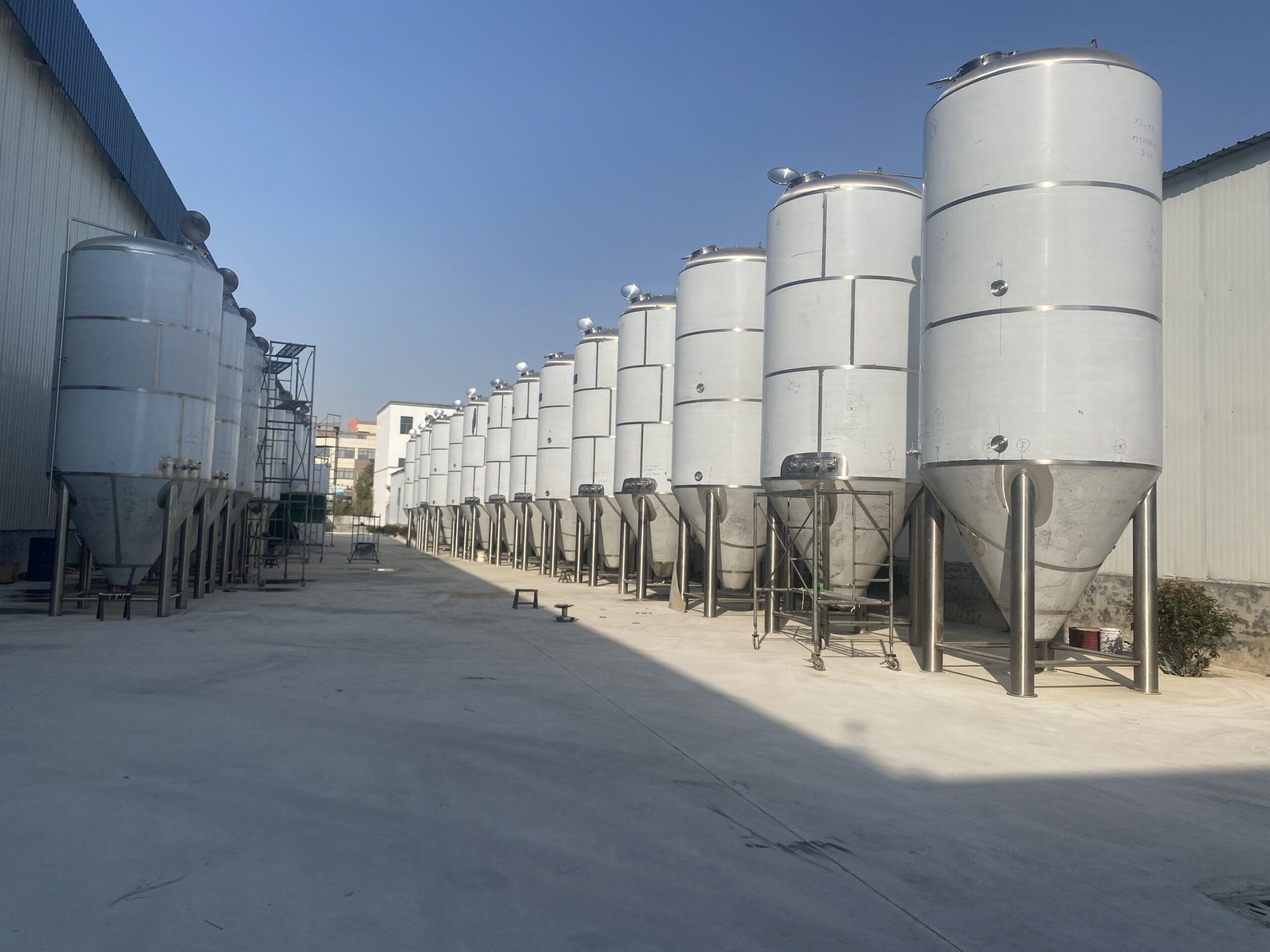
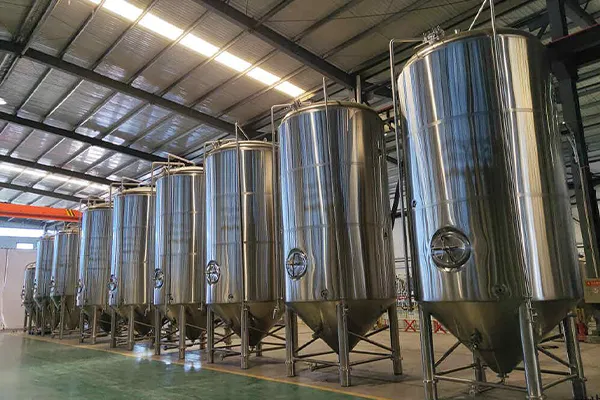
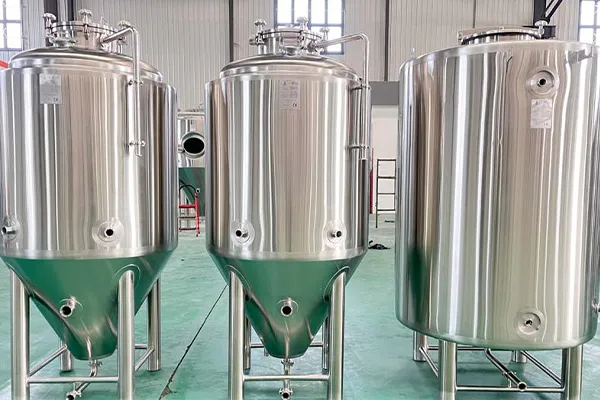
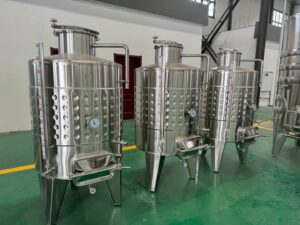
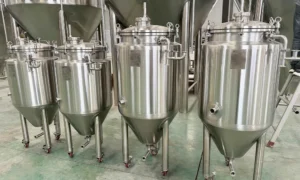
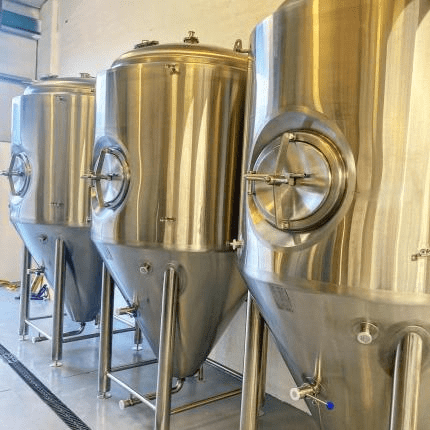
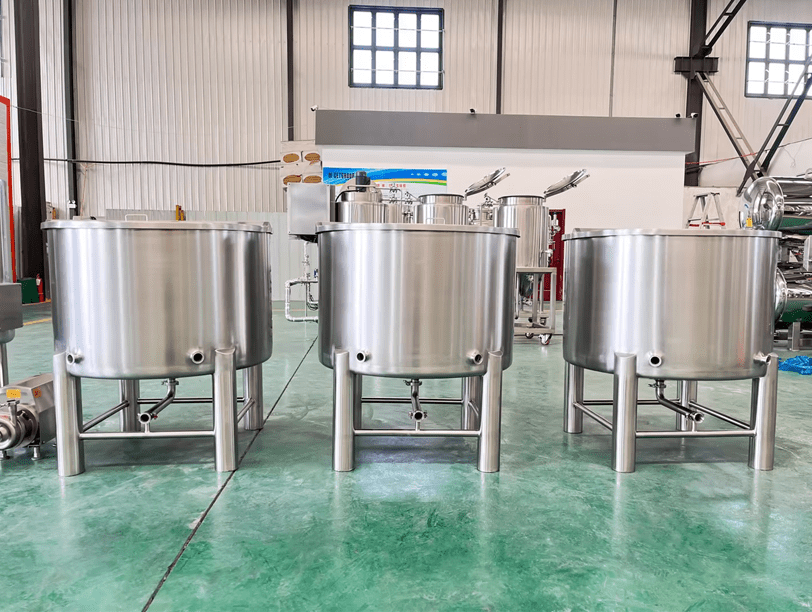
Продажа подержанных резервуаров для брожения - резервуары Unitank и BBT, проверенные на заводе
Сократите расходы с помощью бывших в употреблении бродильных емкостей, готовых для производства пива, комбучи, сидра, вина и напитков - их вместимость соответствует плану вашего погреба.
Опции, рассчитанные на давление - Проверенное состояние для безопасного газирования и подачи.
Готовые к гигиене - Имеются записи о внутренней очистке, пассивации и проверке.
Настройка под макет - При необходимости отрегулируйте форсунки, выходы и соединения.
Быстрая экспортная доставка - Надежная упаковка для транспортировки за границу.
Используемые резервуары для брожения по вместимости
Выбирайте из широкого спектра мощностей в соответствии с размером пивоварни, количеством SKU и планом производства.
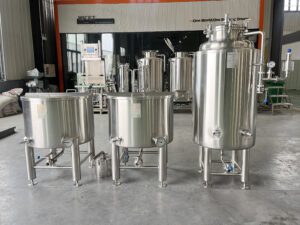
300L используемый резервуар для брожения
Компактный бродильный резервуар из нержавеющей стали объемом 300 л для опытного пивоварения, тестовых партий или небольших линий по производству комбучи/сидра, проверенный под давлением и прошедший внутреннюю очистку перед отправкой.
Бак для брожения объемом 500 л подходит для нано-пивоварен и ресторанных пивоварен, с конструкцией из нержавеющей стали и дополнительной рубашкой охлаждения для контролируемого брожения.
Подержанный бродильный резервуар объемом 1000 л для микропивоварен и производителей комбучи, поставляется с основными фитингами и проверенными сварными швами, идеально подходит для небольшого коммерческого производства.
Б/у бродильный резервуар объемом 2000 л для растущих ремесленных пивоварен, с рубашкой охлаждения и конусным или тарельчатым дном, проверенный на давление и готовый к интеграции в ваш погреб.
Б/у бродильный резервуар объемом 2500 л, предназначенный для микропивоварен с высокой производительностью, поддерживающий несколько партий в неделю и стабильный контроль температуры с помощью гликолевых рубашек.
Бродильный резервуар большой вместимости 5000 л для региональных пивоваренных заводов или центральных производственных площадок, подходит для пива, сидра или других напитков, с проверенным давлением и гигиеничной внутренней отделкой.
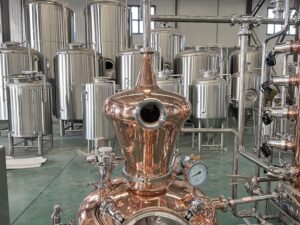
Это используется 10T брожения танк пакет В стандартной конструкции бродильных емкостей MICET сочетаются отработанные ферментеры большого объема с восстановленными емкостями для светлого пива.
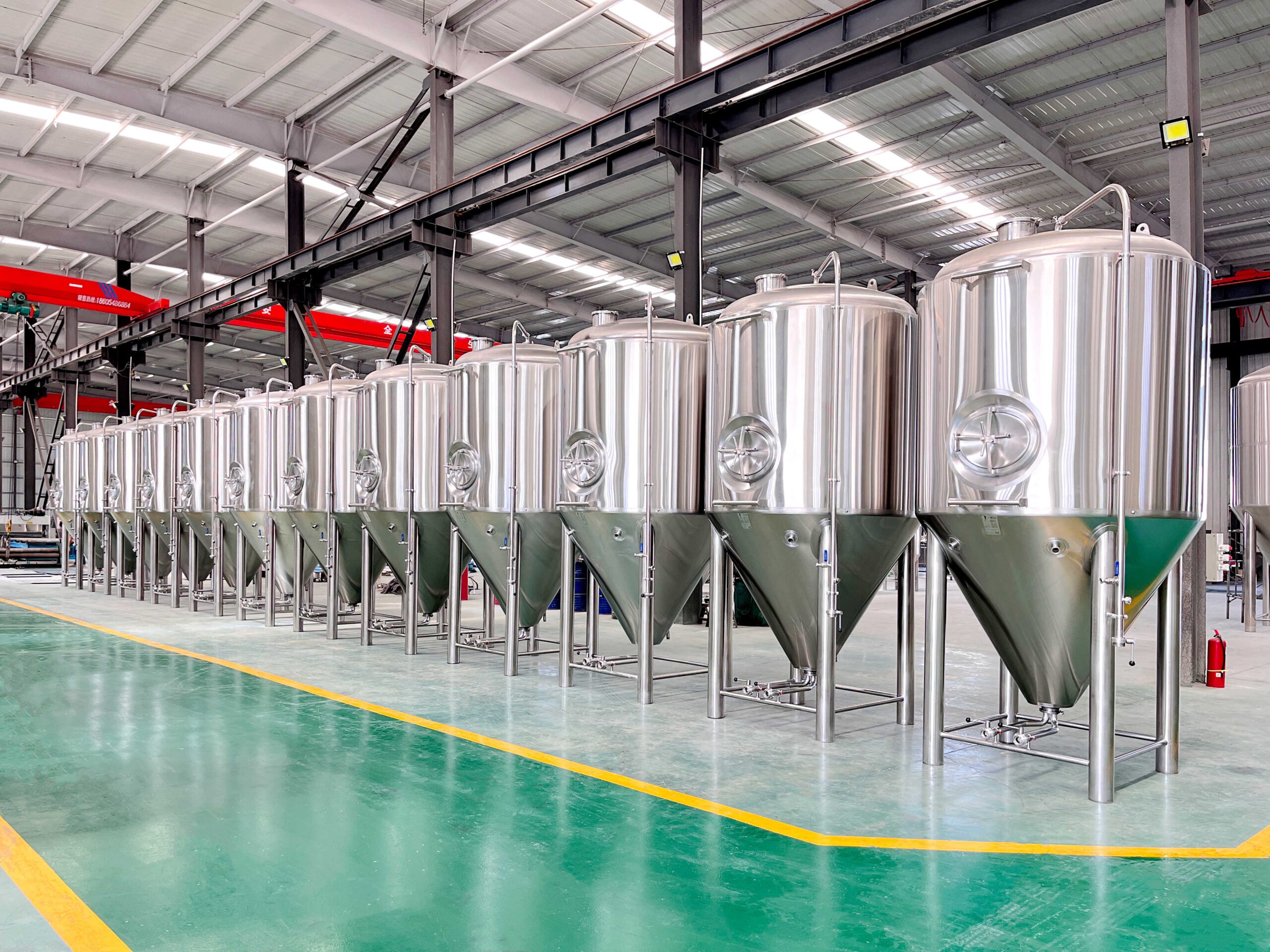
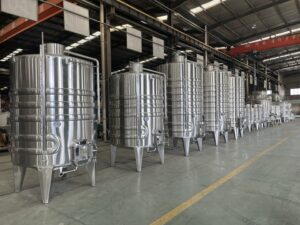
Пакет резервуаров для брожения 15T Используя два конических ферментера объемом 6500 л и двенадцать ферментеров объемом 3000 л. Все резервуары изготовлены из нержавеющей стали SUS304, изолированы, покрыты оболочкой и отремонтированы
Пакет резервуаров для брожения 20T Используя два конических ферментера объемом 6500 л и двенадцать ферментеров объемом 3000 л. Все резервуары изготовлены из нержавеющей стали SUS304, изолированы, покрыты оболочкой и отремонтированы
Как мы восстанавливаем бывшие в употреблении емкости для брожения
Перед тем как подержанное пивоваренное оборудование Предлагаемая вам система проходит строгий процесс восстановления и контроля качества на нашем заводе. Это поможет вам избежать скрытых рисков, уменьшить количество проблем с установкой и как можно быстрее вернуть систему в производство
Проверка и испытание давлением
Мы проверяем корпус, конус, ножки, рубашки и сварные швы на наличие коррозии или повреждений, затем проводим испытания на давление и герметичность резервуара и рубашек, чтобы подтвердить безопасное рабочее давление.
Внутренняя очистка и кислотная пассивация
Внутренняя поверхность резервуара подвергается глубокой очистке и удалению накипи, а затем кислотному пассивированию для восстановления коррозионной стойкости нержавеющей стали и создания гладкой, гигиеничной, удобной для безразборной мойки поверхности.
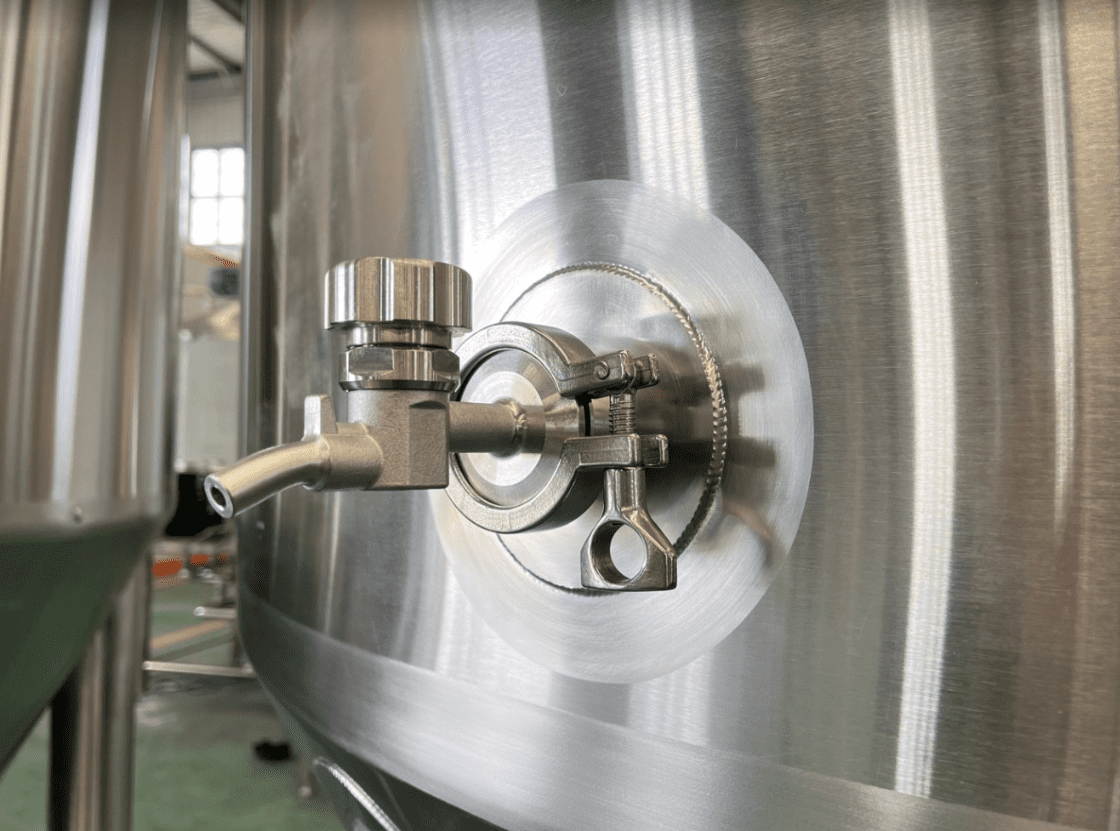
Проверка/замена клапанов и фитингов
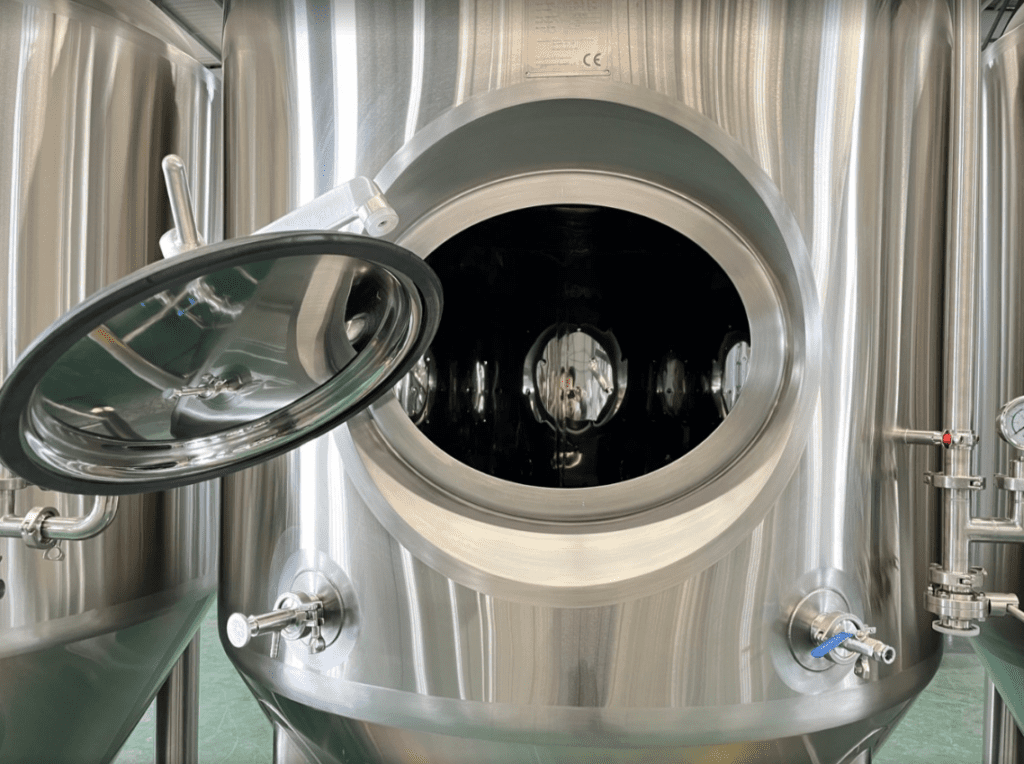
Проверяются люки, PRV, клапаны, прокладки, распылительные шары CIP и другие фитинги; все изношенные или не отвечающие санитарным нормам детали ремонтируются или заменяются на компоненты пищевого качества.
Заключительный осмотр и фотоотчет
Мы проводим окончательную визуальную проверку внутри и снаружи резервуара, затем предоставляем основные протоколы испытаний и фотографии, чтобы вы могли наглядно увидеть реальное состояние перед упаковкой и отправкой.
Гибридные ферментационные погреба - бывшие в употреблении резервуары с новым охлаждением и CIP
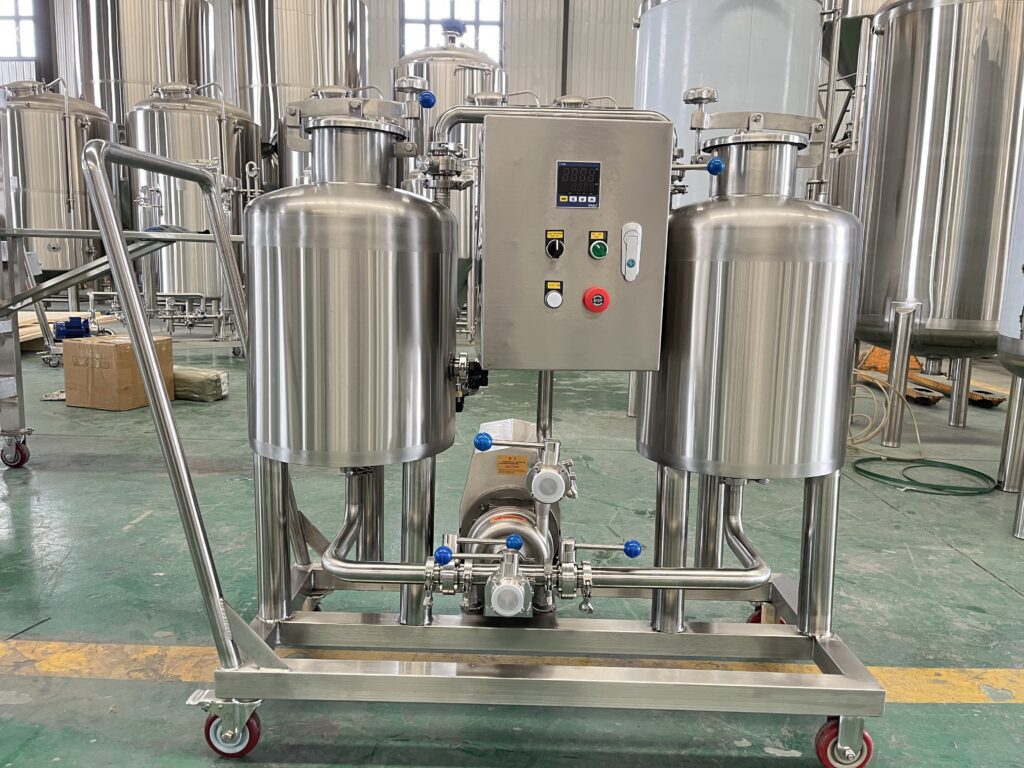
Во многих случаях лучшим решением будет бывшие в употреблении бродильные емкости или резервуары в сочетании с новые гликолевые охладители, насосные модули, коллекторы и системы CIP. Мы восстанавливаем корпус резервуара, рубашки и фитинги, а затем проектируем вокруг них новые контуры охлаждения, клапаны и очистки. Это позволяет сохранить экономичность основного объема погреба, а за гигиену, контроль температуры и обслуживание отвечает новое надежное оборудование.
Расскажите нам о своем проекте, и наши инженеры разработают для вас гибридное решение "новый + подержанный".
Мы можем модифицировать бывшие в употреблении бродильные емкости, чтобы они соответствовали существующей планировке погреба и технологическому процессу.
Технологические принадлежности
PRV, пробоотборные клапаны, камень для карбонизации, рукав для стеллажа, уровнемер, термоколпак
Контроль и мониторинг
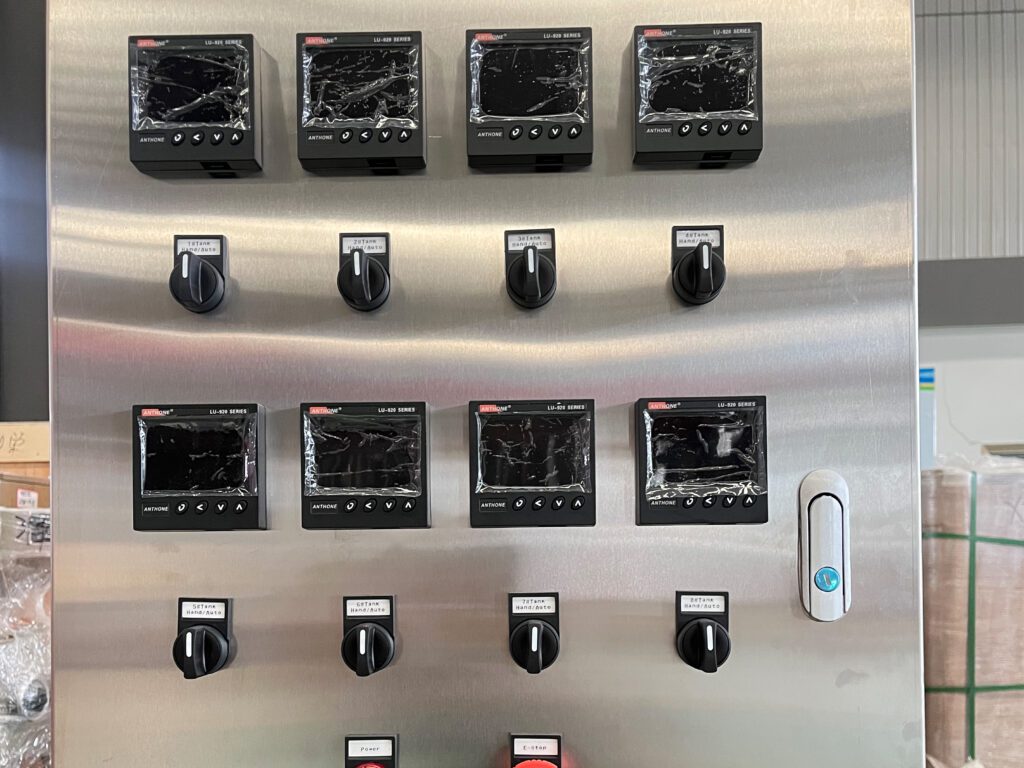
Датчики температуры, базовые панели управления, возможности интеграции с ПЛК
CIP и очистка
Шарики для распыления CIP, обратный патрубок CIP, интеграция комплекта CIP
Механические модификации
Добавляйте/удаляйте насадки, меняйте опоры, регулируйте высоту выхода, добавляйте лестницы или платформы.
Случаи с клиентами
Компания MICET осуществила реальные инсталляции в более чем 100 странах мира, изготовив на заказ системы для пивоварен, комбуча, ликероводочных заводов, виноделен, резервуары для брожения и емкости из нержавеющей стали.
Узнайте, как мы разрабатываем, производим, устанавливаем и поддерживаем проекты "под ключ" от нано- до коммерческих масштабов.
What Distillery Equipment Is Used to Distill Spirits? A Complete Guide to Commercial Distilling Equipment
Starting a distillery without the right equipment can waste raw ingredients, reduce spirit quality, and create serious safety risks. Distillation needs more than a still. A complete distillery needs fermentation, heating, vapor control, condensation, storage, cleaning, testing, and packaging equipment.
A distillery usually uses mash equipment, a mash tun, fermenter, pot still or column still, condenser, reflux system, receiving tank, storage tanks, filtration equipment, proofing tools, CIP cleaning equipment, pumps, valves, piping, and bottling equipment. Commercial distilling also requires safety controls, ventilation, temperature control, hygienic design, and legal compliance.
Исполнительное резюме
Distillery equipment is not only the still. A complete system includes mash preparation, fermentation, distillation, condensation, spirit collection, storage, filtration, proofing, cleaning, and packaging.
Distillation separates liquid mixtures by vapor behavior, then condenses vapor back into liquid distillate.
In the United States, a distilled spirits plant can produce, bottle, process, rectify, or store beverage spirits such as vodka, whiskey, gin, brandy, rum, and liqueurs, but approval and compliance are required.
Ethanol vapor and flammable liquid handling require serious engineering controls, including controlling vapor release and eliminating ignition sources.
Copper contact is often used in whiskey distilling because copper surfaces can help reduce sulfur compounds in spirit production, although the effect depends on still design and contact area.
The right distillation equipment depends on spirit type, batch size, heating method, hygiene requirements, local regulations, and the size of your business.
Конспект статьи
What equipment is used in any distillery?
What does a still do in the distillation process?
Pot still vs column still: which distillation equipment is right?
Why are mash tun, fermentation tank, and fermenter important?
How do condenser, vapor path, and reflux affect distillate quality?
What storage tanks, proofing tools, and filtration equipment are needed?
What cleaning equipment supports hygiene within a distillery?
What equipment is needed for whiskey, vodka, gin, brandy, and essential oils?
What safety and compliance equipment should commercial distilling projects consider?
How should B2B buyers choose commercial distillery equipment?
What Equipment Is Used in Any Distillery?
The basic equipment in any distillery includes raw material handling tools, mash equipment, бродильные ёмкости, a still, condenser, receiving tank, storage tanks, pumps, valves, piping, cleaning equipment, testing tools, and packaging equipment. The exact system depends on whether the distiller makes whiskey, vodka, gin, brandy, rum, neutral spirits, or other distilled spirit products.
A simple distillery flow looks like this:
Process Stage
Main Equipment Used
Raw ingredient preparation
Grain mill, fruit crusher, sugar mixing tank, water treatment
Mash preparation
Mash tun, cooker, agitator, heating system
Fermentation
Fermenter, cooling jacket, yeast handling, temperature control
Distillation
Pot still, column still, heating system, reflux system
Condensation
Condenser, cooling water system, distillate outlet
For commercial projects, I do not recommend choosing equipment piece by piece without a production plan. Distilling alcohol involves heat, ethanol vapor, pressure, cooling, cleaning, and regulation. The equipment should be planned as one system.
As a professional brewery, distillery, winery, kombucha, and beverage equipment manufacturer, we usually begin by asking: What spirit do you want to distill, what batch size do you need, and how will the product be packaged or aged? Those answers shape the whole system.
What Does a Still Do in the Distillation Process?
A still is the core distillation equipment used to heat fermented liquid and separate alcohol vapor from the mixture. During distillation, components with different vapor behavior separate as the liquid is heated. The vapor travels through the still system, enters a condenser, cools, and returns to liquid form as distillate.
In spirit production, the still does not create alcohol by itself. Alcohol comes from fermentation, where yeast converts fermentable sugars into ethanol. The still then concentrates and separates the alcohol and flavor compounds from the fermented wash, wine, mash, or beer-like liquid.
A distiller controls several factors during the distilling process:
Heating rate
Vapor path
Copper or stainless steel contact
Reflux level
Condenser efficiency
Collection method
Cut points
Cooling water flow
Product proof target
A small change in still design can change flavor, yield, and working efficiency. A tall neck may create more reflux. A traditional pot still may keep heavier flavor. A column still may produce cleaner, lighter spirit. The right choice depends on the spirit style.
Pot Still vs Column Still: Which Distillation Equipment Is Right?
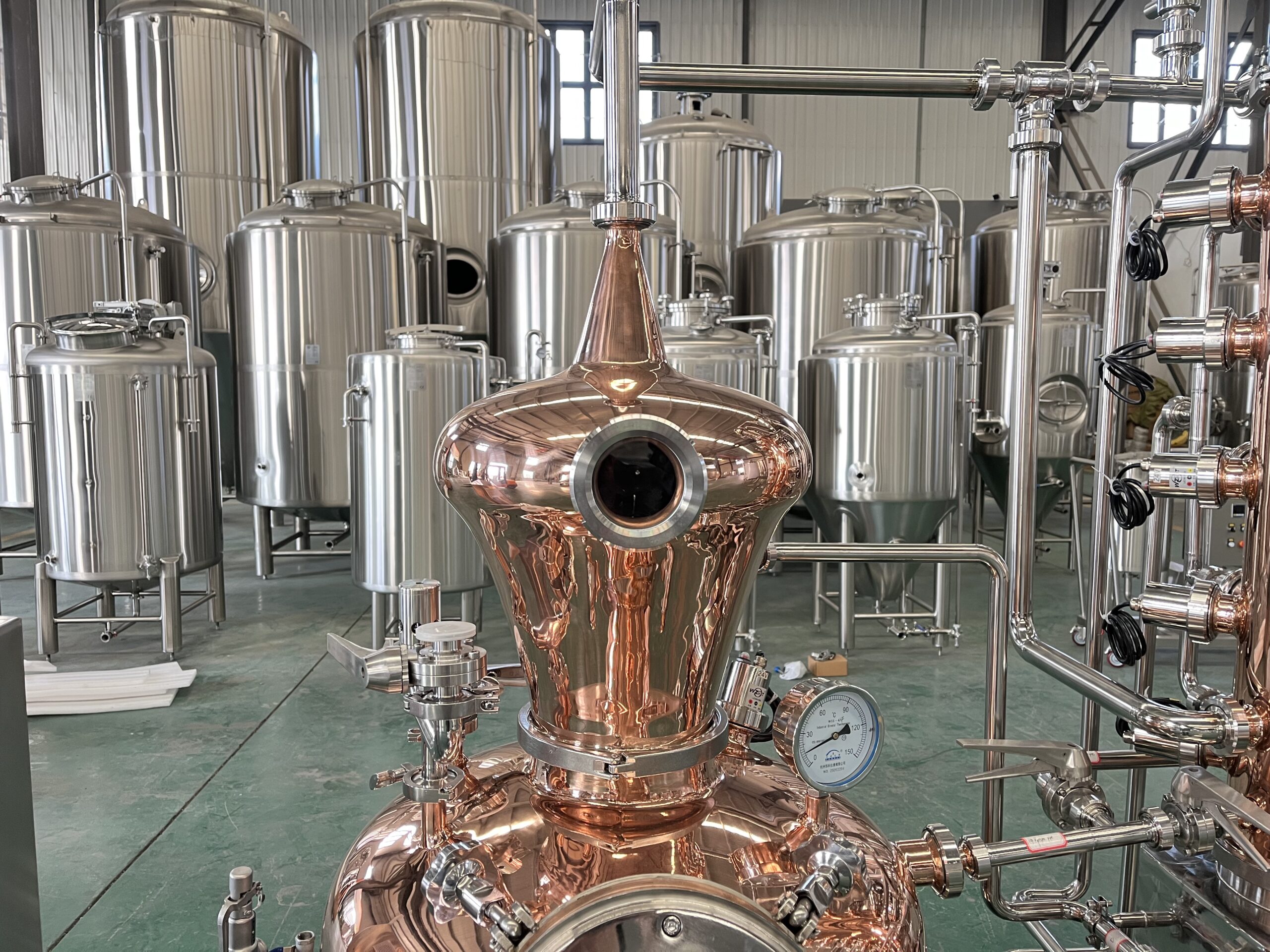
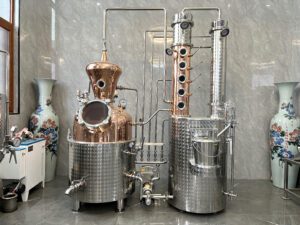
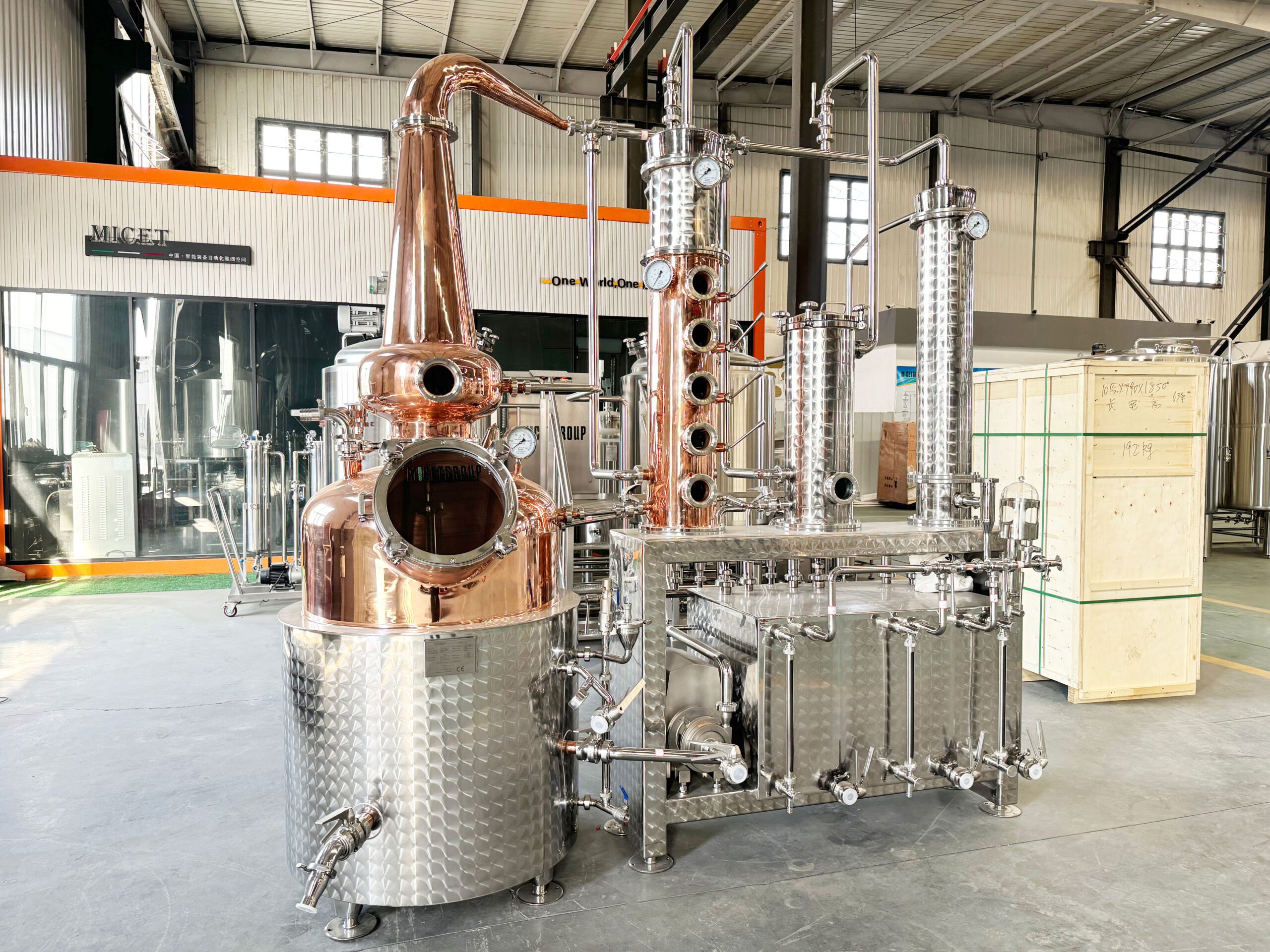
A pot still is commonly used for flavorful batch distillation. It is often selected for whiskey distilling, brandy, rum, and craft spirits where aroma and body matter. A traditional pot still usually has a pot, head or helmet, lyne arm, condenser, and collection outlet.
A column still uses plates or packing to create repeated vapor-liquid contact inside the column. This helps increase separation and can produce higher-proof spirit. Column still systems are often used for vodka, gin base spirit, neutral spirit, and operations that need more control over purity and proof.
Equipment Type
Main Strength
Common Use
Pot still
Richer flavor, batch control, traditional character
Whiskey, brandy, rum, craft spirits
Column still
Higher proof, cleaner separation, more reflux control
Vodka, gin base, neutral alcohol
Hybrid still
Combines pot and column features
Craft distilleries with multiple products
Reflux column
Better separation and cleaner output
Vodka or high-proof spirits
Botanical gin still
Adds vapor or liquid infusion options
Gin and flavoring products
The trade-off is simple. A pot still often gives more character but may need more time and more cuts. A column still gives more control and higher proof but may remove some heavier flavor. For a multi-product distillery, a hybrid pot-column system can be practical.
Why Are Mash Tun, Fermentation Tank, and Fermenter Important?
Before a distillery can distill, it needs fermentable alcohol. For grain spirits, the process often starts with milling and mashing. A mash tun or cooker mixes grain and water under controlled temperature and mixing. This helps convert starch into fermentable sugars, depending on the raw ingredients and recipe.
After mashing, the liquid moves to a fermenter. Yeast is added, and fermentation begins. The fermenter must support temperature control, cleaning, safe transfer, and proper working volume. For fruit spirits or brandy, fermentation may start with juice or crushed fruit instead of grain mash.
A commercial fermenter should be:
Made of stainless steel or suitable food-grade material
Easy to clean
Designed with sanitary valves
Sized for the batch plan
Equipped with temperature control mechanisms
Compatible with CIP cleaning where needed
Built with safe access and drain points
If fermentation is unstable, distillation cannot fix everything. Poor fermentation can create off-flavors, low alcohol yield, microbial problems, or inconsistent distillate. Good spirits begin before the still.
How Do Condenser, Vapor Path, and Reflux Affect Distillate Quality?
The condenser cools alcohol vapor and turns it back into liquid distillate. Without a good condenser, vapor may not fully condense, collection becomes unstable, and safety risk increases. Condenser design must match the still size, heating power, cooling water supply, and expected vapor flow.
The vapor path also matters. Vapor may pass through copper, stainless steel, a helmet, a swan neck, a column, plates, packing, or a reflux section. More reflux means some vapor condenses and returns to the still or column before being collected. This repeated contact can make the spirit cleaner and higher in proof.
Copper deserves special attention. Research on whiskey sulfur compounds notes that copper still surfaces have been reported to remove sulfur compounds, although the chemistry is complex and not every copper position has the same effect.
For whiskey, brandy, and some craft spirits, copper contact can help shape aroma. For vodka or gin, stainless steel systems with copper sections may be used depending on the desired spirit style. The best design is not “all copper” or “all stainless” by default. It should match product quality and yield goals.
What Storage Tanks, Proofing Tools, and Filtration Equipment Are Needed?
After distillation, the distillate may need temporary holding, proof adjustment, blending, filtration, aging, or bottling. Storage tanks are used for spirit collection, blending, dilution, resting, or bulk storage. They are usually made of stainless steel and fitted with sanitary valves, level indicators, vents, manways, and cleaning connections.
Proofing tools help the distiller check alcohol strength. A hydrometer or alcoholmeter is used to measure proof or ABV, usually with temperature correction. Professional operations may also use lab testing for accuracy, especially for tax, labeling, and compliance.
Filtration depends on the spirit. Vodka may use activated carbon filters to improve clarity and smoothness. Gin may need botanical particle removal. Brandy and whiskey may need less filtration if flavor retention is the goal. A good filtration system should improve product quality without stripping the desired character.
Оборудование
Назначение
Spirit receiver
Collects distillate from condenser
Резервуар для хранения
Holds spirit before blending or packaging
Proofing tank
Supports dilution and proof adjustment
Hydrometer / alcoholmeter
Checks alcohol strength
Activated carbon filters
Common for vodka polishing
Cartridge or plate filtration
Removes particles before bottling
Смесительный бак
Mixes batches or adjusts flavor
Manual bottling line
Suitable for small craft production
What Cleaning Equipment Supports Hygiene Within a Distillery?
Hygiene within a distillery affects flavor, safety, and production efficiency. Cleaning equipment may include CIP systems, spray balls, cleaning pumps, chemical tanks, hoses, drain systems, and sanitary fittings. CIP means clean in place. It allows tanks and pipes to be cleaned without full disassembly.
Distillery cleaning is different from simple rinsing. Mash residue, yeast, fruit pulp, sugar deposits, botanical oils, and mineral scale can build up in equipment. If these residues stay inside the system, they may affect the next batch.
A well-designed cleaning setup should support:
Safe chemical circulation
Easy drainage
No dead corners
Smooth internal surfaces
Accessible valves
Removable filters where needed
Regular inspection
Documented cleaning steps
For B2B buyers, this is one of the biggest differences between low-cost equipment and professional distillery equipment. A still or tank that is difficult to clean will become expensive through downtime, labor, and quality issues.
What Equipment Is Needed for Whiskey, Vodka, Gin, Brandy, and Essential Oils?
Different products need different distilling equipment. Whiskey distilling often uses mash cooking, fermentation tanks, pot stills or hybrid stills, condensers, spirit receivers, barrels, and storage areas. Brandy needs fruit processing, fermentation, distillation, and often aging.
Vodka or gin requires a different plan. Vodka usually needs a cleaner, higher-proof spirit, so column distillation, reflux control, proofing, and filtration may matter more. Gin may require botanical flavoring, which can happen through maceration, vapor infusion, or a gin basket depending on the distiller’s style.
Essential oils are not beverage alcohol, but some equipment principles overlap. Essential oil distillation often uses steam distillation, plant material baskets, condensers, oil-water separators, and stainless steel vessels. The design focus is aroma capture, plant material handling, and separation.
Product
Common Equipment Focus
Whiskey
Mash tun, fermenter, pot still, condenser, barrel aging
Vodka
Column still, reflux, filtration, proofing tank
Gin
Neutral spirit system, botanical basket, flavoring control
Brandy
Fruit fermentation, pot still, storage tanks
Rum
Molasses handling, fermentation, pot or column distillation
A 1000L distillery system may be suitable for a growing craft distillery, but size alone is not enough. The heating method, condenser capacity, column design, cleaning access, and building utilities must match the product.
What Safety and Compliance Equipment Should Commercial Distilling Projects Consider?
Commercial distilling involves flammable liquids and ethanol vapor. OSHA guidance explains that engineering controls for flammable liquids such as ethanol focus on preventing or controlling flammable vapor release and eliminating ignition sources.
A distillery should consider safety equipment and design features such as:
Proper ventilation
Explosion-proof electrical components where required
Grounding and bonding
Safe alcohol storage
Temperature and pressure monitoring
Emergency shutoff
Fire protection
Spill control
Clear drainage
Safe access platforms
Local code-compliant room design
Legal compliance also matters. In the United States, TTB rules cover distilled spirits plant operations, permits, registration, production, bottling, processing, storage, and related compliance topics. A beverage distilled spirits plant may produce, bottle, rectify, process, or store spirits, but operators must follow the applicable rules.
This article is not legal advice. Every commercial distillery should check local laws, alcohol licensing rules, fire codes, electrical codes, and environmental requirements before purchasing or installing equipment.
How Should B2B Buyers Choose Commercial Distillery Equipment?
B2B buyers should choose commercial distilling equipment by process, not by catalog photo. A startup craft distillery, established distillery, restaurant chain, beverage co-packer, distributor, or project investor may need very different equipment even if the product name sounds similar.
A practical purchasing checklist:
Question
Почему это важно
What spirit will you produce?
Whiskey, vodka, gin, brandy, rum, or essential oils need different systems
What batch size do you need?
Defines still volume, fermenter size, and heating load
What raw ingredients will you use?
Grain, fruit, molasses, or botanicals affect mash and cleaning
Pot still or column still?
Controls flavor, proof, and production style
What heating method is available?
Steam, electric, gas, or thermal oil affects layout and cost
Do you need copper contact?
Important for some spirit styles and aroma targets
What proof target is required?
Affects reflux, column design, and collection strategy
How will you clean the system?
Determines CIP, access, valves, and downtime
What packaging method is planned?
Manual bottling line or automated filling affects layout
What support is needed?
CAD/3D layout, installation guidance, and technical service reduce risk
From our professional experience, many distillery projects fail at the planning stage because buyers focus only on the still. The still matters, but the fermenter, condenser, cooling system, cleaning plan, storage tanks, and safety design matter just as much.
What Recommendations Do Not Apply to Every Distillery?
Not every distillery needs the same system. A small craft distiller may need flexibility more than high automation. A vodka producer may need a column still and filtration. A whiskey producer may prefer traditional pot still character. A brandy producer may focus on fruit handling and gentle distillation. A co-packer may need repeatable cleaning, fast changeover, and batch documentation.
Important trade-offs include:
Pot still vs column still: Flavor character vs higher proof and separation.
Copper vs stainless steel: Aroma management vs cleaning, cost, and durability.
Manual vs automated control: Lower upfront cost vs repeatable operation.
Small batch vs large batch: Product flexibility vs economies of scale.
Open layout vs compact layout: Easy service access vs limited building space.
Basic filtration vs advanced filtration: Flavor retention vs clarity and smoothness.
The best system is not the most expensive one. It is the system that matches your product, production capacity, safety requirements, and long-term business plan.
Practical Case Study: Planning a 1000L Craft Distillery System
A startup distillery wanted a 1000L system for whiskey and gin. At first, the buyer asked only for a still price. After reviewing the project, we found that the facility also needed fermentation capacity, cooling, botanical handling, proofing, storage, cleaning, and a practical manual bottling line.
The final equipment plan included:
Need
Equipment Solution
Whiskey mash preparation
Mash tun with temperature and mixing control
Fermentation
Stainless steel fermenters sized for batch schedule
Whiskey distillation
Pot still with copper contact and condenser
Gin flexibility
Botanical basket and controlled vapor path
Охлаждение
Condenser cooling water system
Spirit handling
Receiving tank, proofing tank, storage tanks
Очистка
CIP pump and sanitary spray connections
Упаковка
Manual bottling line for small-batch releases
Layout
CAD/3D plan for workflow and utility access
This project showed a common lesson: good distillery equipment should support the whole production chain, not just the moment of distillation.
FAQs About Distilling Equipment
What equipment is used in a distillery?
A distillery uses mash equipment, fermenters, stills, condensers, reflux systems, spirit receivers, storage tanks, pumps, valves, piping, filtration systems, proofing tools, cleaning equipment, and bottling equipment.
What is the most important piece of distillery equipment?
The still is the most visible piece of equipment, but the fermenter, condenser, cooling system, and cleaning system are also essential. Poor fermentation or poor condensation can damage quality even if the still is well made.
What is the difference between a pot still and a column still?
A pot still is usually used for batch distillation and flavorful spirits such as whiskey, rum, and brandy. A column still uses plates or packing for stronger separation and higher proof, making it useful for vodka, gin base spirit, and neutral alcohol.
Is stainless steel or copper better for distillation equipment?
Both can be useful. Stainless steel is durable, hygienic, and easy to clean. Copper can help manage sulfur compounds and is traditional for many whiskey and brandy stills. Many commercial systems combine stainless steel with copper contact sections.
Do I need a mash tun for a distillery?
You need a mash tun if your spirit production starts from grain or other starch-based raw ingredients. If you distill from wine, cider, fruit wash, or purchased neutral spirit, your mash equipment needs may be different.
What equipment is needed for vodka or gin?
Vodka usually needs column distillation, reflux control, proofing, filtration, and clean storage. Gin may need neutral spirit handling, botanical flavoring, a gin basket or maceration tank, condenser, storage, filtration, and bottling equipment.
Is distilling alcohol at home legal?
Laws vary by country and region. In the United States, beverage distilled spirits production is regulated, and commercial operations require proper approval and compliance. Always check local alcohol laws before distilling.
Основные выводы
Distillery equipment includes much more than a still.
A complete system may include mash tun, fermenter, still, condenser, reflux column, receiving tank, storage tanks, filtration, proofing, CIP cleaning, and bottling equipment.
Pot stills are often used for flavorful spirits such as whiskey and brandy.
Column stills are often used for higher-proof spirits such as vodka or neutral alcohol.
Fermentation quality strongly affects distillate quality and yield.
Condenser sizing and cooling water supply are critical for safe vapor control.
Copper contact can influence sulfur compound reduction in some distilling systems.
Stainless steel is widely used because it is hygienic, durable, and easy to clean.
Commercial distilling requires serious safety planning because ethanol and alcohol vapor are flammable.
The best distillery equipment plan should match spirit type, batch size, building layout, heating method, cleaning workflow, legal requirements, and future growth.
For a distillery project, the safest next step is a process review: confirm the spirit type, batch capacity, heating source, building utilities, cleaning plan, packaging method, and local compliance needs before choosing the still size or full equipment layout.
What Equipment Is Needed to Make Kombucha? A Practical Guide to Kombucha Brewing at Home and Commercial Scale
Bad kombucha equipment can lead to weak fermentation, mold risk, flat flavor, messy bottling, or unsafe pressure in bottles. Whether you brew kombucha at home or plan commercial production, the right tools help you control taste, safety, fizz, and repeatable quality.
To make kombucha, you need tea, cane sugar, water, a SCOBY, starter tea, a clean glass jar or stainless steel fermentation tank, breathable cover, rubber band, thermometer, pH test strips or meter, strainer, bottles for second fermentation, and cleaning tools. Commercial kombucha brewing also needs sanitary tanks, CIP cleaning, cooling, filtration, carbonation, filling, and quality control equipment.
Исполнительное резюме
Kombucha is a fermented tea made with sweetened tea and a SCOBY, a culture of bacteria and yeast that drives fermentation.
For safe homemade kombucha, pH control matters. Colorado State University notes kombucha should be below pH 4.2 but not below pH 2.5 for safe consumption.
A homebrew setup can start with a glass jar, coffee filter or tea towel, rubber band, starter tea, kombucha SCOBY, thermometer, test strips, and glass bottles.
Second fermentation creates carbonation, but pressure can build in bottles, so bottle choice and monitoring matter.
Commercial kombucha production requires stainless steel fermentation tanks, hygienic design, temperature control, pH/TA testing, safe packaging, and process records.
The best equipment depends on your goal: homemade kombucha, taproom-style batches, beverage co-packing, or scalable factory production.
Конспект статьи
What is kombucha brewing, and why does equipment matter?
What basic equipment do you need to make kombucha at home?
Why are SCOBY, starter tea, and sweetened tea essential?
What jar, cover, rubber band, and brewing vessel should you use?
What tools help control fermentation, temp, and pH?
What bottles are needed for second fermentation and carbonation?
How do you make kombucha with a simple 1-gallon recipe?
What equipment is needed for commercial kombucha brewing?
What are the trade-offs between DIY kombucha kits and professional systems?
How should beverage businesses choose kombucha equipment?
What Is Kombucha Brewing, and Why Does Equipment Matter?
Kombucha brewing is the process of fermenting sweetened tea with a SCOBY. The word SCOBY means symbiotic culture of bacteria and yeast. During fermentation, yeast and bacteria work together to change sugar and tea into a tart, lightly fizzy fermented tea. Research describes kombucha as sugared tea fermented at ambient temperature with a cellulose pellicle made up of acetic acid bacteria and yeast.
Equipment matters because kombucha is alive. It needs air during the first fermentation, clean tools, the right room temperature, enough starter tea, and a safe vessel. Poor tools can slow the brew, invite fruit flies, increase contamination risk, or create inconsistent flavor. This is true whether you make kombucha at home in a wide-mouth jar or produce it in a commercial beverage facility.
From my experience as a brewery, distillery, winery, kombucha, and beverage equipment manufacturer, I usually tell buyers one thing first: kombucha equipment should support clean fermentation before it supports high output. A bigger tank is not useful if the process is hard to clean, hard to test, or hard to repeat.
What Basic Equipment Do You Need to Make Kombucha at Home?
To make kombucha at home, you need simple but clean tools. A beginner homebrew setup usually includes a glass jar, tea, organic cane sugar or cane sugar, starter liquid, a kombucha SCOBY, a breathable cover, rubber band, thermometer, pH test strips, strainer, and glass bottles for second fermentation.
A basic homemade kombucha equipment list looks like this:
Оборудование
Why You Need It
Glass jar or brewing jar
Holds the sweet tea, starter, and SCOBY
SCOBY
Starts the fermentation process
Starter tea
Acidifies the brew and protects the batch
Tea bags or loose leaf tea
Provides nutrients and flavor
Cane sugar
Feeds yeast and bacteria
Coffee filter or tea towel
Covers the jar while allowing airflow
Резиновая лента
Secures the cover and keeps fruit flies out
Термометр
Helps monitor room temperature
pH test strips or meter
Checks acidity and safety range
Strainer
Removes tea leaves or fruit pieces
Стеклянные бутылки
Used for second fermentation and fizz
For beginners, this setup is enough to start brewing. A DIY kombucha kit may include many of these items, but you should still check the quality of the jar, bottles, and test strips. Cheap bottles may not handle pressure well during bottle conditioning.
Why Are SCOBY, Starter Tea, and Sweetened Tea Essential?
The SCOBY is the heart of kombucha brewing. It often looks like a pale, rubbery layer called a pellicle. This pellicle forms on the surface as the culture ferments sweet tea. Studies of SCOBY cultures show that kombucha communities commonly include yeast and acetic acid bacteria, with common genera such as Brettanomyces and Komagataeibacter found in many samples.
Starter tea is just as important as the SCOBY. It lowers the pH of the new batch at the start. This makes the brew less friendly to unwanted microbes. Colorado State University explains that acidification helps kombucha reach a safe pH and reduce contamination risk.
Sweetened tea provides food. You can use black tea, green tea, or a blend of black and green tea. The yeast consumes sugar and produces compounds that bacteria convert into organic acids. Without enough sugar, the kombucha may become sluggish. Without enough starter, the batch may not acidify fast enough.
What Jar, Cover, Rubber Band, and Brewing Vessel Should You Use?
For kombucha at home, a wide-mouth glass jar is usually the easiest choice. Glass is easy to see through, easy to clean, and does not react with acidic kombucha. A 1 gallon jar is common for a small batch of kombucha. A half-gallon jar is also useful when testing a new kombucha recipe or different flavors.
You should cover the jar with a coffee filter, tea towel, or tightly woven breathable cloth. The cover should allow oxygen to enter but keep fruit flies, dust, and insects out. A rubber band keeps the cover tight around the jar. Do not seal the first fermentation with an airtight lid because the SCOBY needs oxygen.
For commercial production, food-grade stainless steel is normally preferred. It is stronger, more hygienic, easier to clean, and better for controlled production. A commercial kombucha tank may include a manway, sanitary valves, CIP spray ball, cooling jacket, sample valve, temperature probe, and optional spigot or racking outlet.
What Tools Help Control Fermentation, Temp, and pH?
Kombucha fermentation depends on temperature, time, acidity, starter strength, and culture health. A simple thermometer helps you check room temperature. Kombucha usually ferments at room-temperature conditions, but very cold rooms can slow the process, while overly warm rooms can push faster acid production.
pH test strips or a pH meter help you monitor acidity. Colorado State University states that safe kombucha should be below pH 4.2 and not lower than pH 2.5. This is why test strips are not just “extra tools.” They help you know whether the brew is moving in the right direction.
For home use, test strips are usually enough. For professional beverage production, a pH meter, titratable acidity testing, alcohol testing, temperature logs, batch records, and sanitation checks become more important. Kombucha that rises above 0.5% ABV may be regulated as an alcoholic beverage in the United States, so commercial producers should test alcohol carefully.
What Bottles Are Needed for Second Fermentation and Carbonation?
After the first fermentation, many brewers move finished kombucha into bottles for second fermentation. This stage adds flavoring and carbonation. Fruit juice, herbs, ginger, berries, citrus, or other flavoring ingredients can create different flavors. The yeast consumes small amounts of sugar and produces carbon dioxide, which creates fizz.
Use strong glass bottles made for pressure, such as flip-top bottles designed for fermented drinks. Do not use weak decorative bottles. Pressure can build during second fermentation. If bottles are too weak, overfilled, or left too long at warm temperature, they may leak or break.
Second fermentation needs careful control. Use clean bottles, leave headspace, do not overdo sugar, and refrigerate when carbonation is ready. For commercial kombucha, carbonation can be controlled more safely with brite tanks, carbonation stones, pressure-rated vessels, and filling systems.
How Do You Make Kombucha With a Simple 1-Gallon Recipe?
A simple 1 gallon kombucha recipe usually starts with brewed tea, sugar, starter tea, and a SCOBY. Exact ratios vary by recipe and culture strength, but the basic process is easy to understand.
A beginner process may look like this:
Brew tea with tea bags or loose leaf tea.
Add cane sugar while the tea is hot and stir until dissolved.
Cool the sweet tea to room temperature.
Pour it into a clean glass jar.
Add starter tea and the kombucha scoby.
Cover the jar with a coffee filter or tea towel.
Secure it with a rubber band.
Let it ferment at room temperature.
Taste after several days.
Bottle the finished kombucha for flavoring or second fermentation.
Save starter tea and SCOBY for the next batch.
Colorado State University notes that kombucha is often fermented for 7–10 days, though timing can vary based on conditions and desired taste. A shorter brew may taste sweeter. A longer brew may taste more sour or vinegary. If the batch smells rotten, grows fuzzy mold, or looks unsafe, discard it.
What Equipment Is Needed for Commercial Kombucha Brewing?
Commercial kombucha brewing needs stronger, cleaner, and more controlled equipment than homemade kombucha. A beverage producer needs to repeat the same taste, acidity, carbonation, and package quality across every batch. This requires more than a glass jar.
A commercial kombucha line may include:
Process Stage
Professional Equipment
Заваривание чая
Hot water tank, tea extraction vessel, filter or strainer
For a startup kombucha brand, not every item must be fully automatic on day one. But the equipment should be hygienic, scalable, and easy to clean. A poor layout can waste labor every day. A good layout supports smooth movement from tea brewing to fermentation, flavoring, carbonation, and filling.
What Are the Trade-Offs Between DIY Kombucha Kits and Professional Systems?
A DIY kombucha kit is good for learning. It is affordable, small, and easy to use. You can test black tea, green tea, fruit juice, loose leaf tea, and different flavors without much investment. But a DIY kit does not offer strong process control or commercial capacity.
Professional kombucha systems cost more, but they provide better sanitation, repeatability, temperature control, and production planning. They also reduce manual handling. For beverage co-packers, kombucha producers, brewpub chains, and project investors, these benefits can reduce long-term risk.
Option
Advantage
Limitation
DIY kombucha kit
Low cost, easy to start
Small volume, less control
Glass jar homebrew
Simple and visible
Not scalable
Small stainless tank
More durable, cleaner
Higher upfront cost
Jacketed fermenter
Better temp control
Needs utilities
Full commercial line
Scalable and efficient
Requires planning and capital
The right choice depends on your goal. If you only want homemade kombucha, use simple tools. If you want a beverage business, plan for hygiene, testing, filling, cooling, and repeatable production.
How Should Beverage Businesses Choose Kombucha Equipment?
B2B buyers should not choose kombucha equipment only by tank volume. Start with the business model. Will you sell fresh kombucha on tap, bottled kombucha, canned kombucha, flavored kombucha, hard kombucha, or co-packed products for other brands? Each model needs different equipment.
A practical buyer checklist:
Question
Почему это важно
What is the target batch size?
Defines tank volume and production plan
How many SKUs or flavors?
Affects flavoring tanks and scheduling
Do you need carbonation?
Requires pressure-rated equipment
Bottle, can, keg, or bulk pack?
Defines filling and packaging line
What is the target pH and acidity?
Defines testing and quality control
Do you need alcohol control?
Important for compliance and labeling
How will tanks be cleaned?
Determines CIP design
Is expansion planned?
Affects layout and utility sizing
What is the building layout?
Impacts workflow and installation
What technical support is needed?
Reduces startup and commissioning risk
As a professional brewery, distillery, winery, kombucha, and beverage equipment manufacturer, we often review the buyer’s process before recommending tanks. For global projects, we may support factory-direct supply, CAD/3D layout planning, sanitary stainless steel equipment, installation guidance, and long-term technical service.
What Recommendations Do Not Apply to Every Kombucha Project?
Not every kombucha project needs the same equipment. A home brewer does not need a stainless steel CIP system. A small taproom may not need a high-speed canning line. A large beverage co-packer should not rely on open jars or manual bottling.
Some trade-offs are important:
Glass jars are good for learning, but not for scalable commercial output.
Open fermentation can support oxygen exposure, but it must be protected from insects and contamination.
Second fermentation can make kombucha fizzy, but pressure risk must be managed.
More automation saves labor, but it increases upfront investment.
Filtration improves clarity, but it may change live culture profile.
Forced carbonation improves consistency, but it changes the craft-style bottle conditioning approach.
Professional advice should always match the real process, local rules, and market plan. Kombucha for a restaurant chain, kombucha for retail shelves, and kombucha for a small tasting room are different projects.
Practical Case Study: From Homemade Kombucha to Small Commercial Production
A startup beverage team came to us after making successful homemade kombucha in glass jars. Their flavor was good, but they had three problems: inconsistent acidity, slow bottling, and limited batch volume. They wanted to scale without losing the fresh fermented tea character.
We suggested a staged equipment plan:
Problem
Equipment-Based Improvement
Inconsistent pH
Add pH meter, batch records, controlled starter ratio
Add small mixing tank for fruit juice and flavoring
Unclear layout
Create CAD/3D flow from tea brewing to packaging
Cleaning risk
Add sanitary valves and CIP-ready tank design
The result was a more reliable kombucha brewing process. The team could still make your own kombucha-style product, but with better hygiene, clearer workflow, and stronger commercial control.
FAQs About Kombucha Equipment
What equipment do I need to make kombucha at home?
You need a glass jar, SCOBY, starter tea, sweetened tea, breathable cover, rubber band, thermometer, pH test strips, strainer, and glass bottles for second fermentation.
Can I brew kombucha without a SCOBY?
You usually need a kombucha SCOBY or strong starter from a previous batch. Store-bought kombucha may work only if it is raw, unflavored, and contains live culture, but results can be slower or less reliable.
What kind of jar is best for kombucha?
A wide-mouth glass jar is best for home kombucha. It is easy to clean, easy to cover, and does not react with acidic fermented tea.
Do I need pH test strips for homemade kombucha?
They are strongly recommended. pH strips or a pH meter help you check whether the fermentation is becoming acidic enough and not becoming too acidic.
What bottles are best for second fermentation?
Use strong pressure-rated glass bottles, such as flip-top bottles designed for fermented drinks. Avoid weak bottles because carbonation can build pressure.
What equipment is needed for commercial kombucha brewing?
Commercial kombucha production may need stainless steel fermentation tanks, tea brewing tanks, mixing tanks, cooling, pH and alcohol testing, carbonation equipment, filtration, filling machines, Безразборная очистка, and sanitary piping.
How long does kombucha fermentation take?
Many home batches ferment around 7–10 days, but time depends on temperature, starter strength, sugar, tea, SCOBY health, and preferred taste.
Основные выводы
To make kombucha, you need tea, sugar, water, SCOBY, starter tea, a clean jar or tank, breathable cover, testing tools, and bottles.
The SCOBY and starter tea are essential for stable fermentation.
A glass jar works well for homemade kombucha, while stainless steel tanks are better for commercial brewing.
pH control is important because kombucha must become acidic enough to reduce contamination risk.
Second fermentation creates fizz, but bottle pressure must be managed carefully.
A DIY kombucha kit is good for learning, but commercial projects need hygienic, scalable equipment.
Beverage businesses should plan equipment around batch size, flavoring, carbonation, packaging, cleaning, and compliance.
Good kombucha equipment should make the process cleaner, safer, easier to repeat, and easier to scale.
For startup kombucha brands, brewpubs, beverage co-packers, wineries, distilleries, and project investors, a professional equipment review can help match the process, layout, and budget before purchasing.
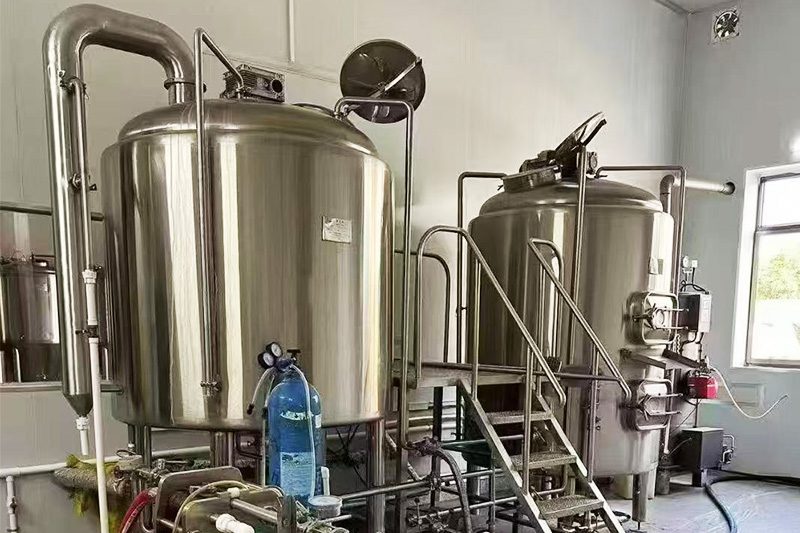
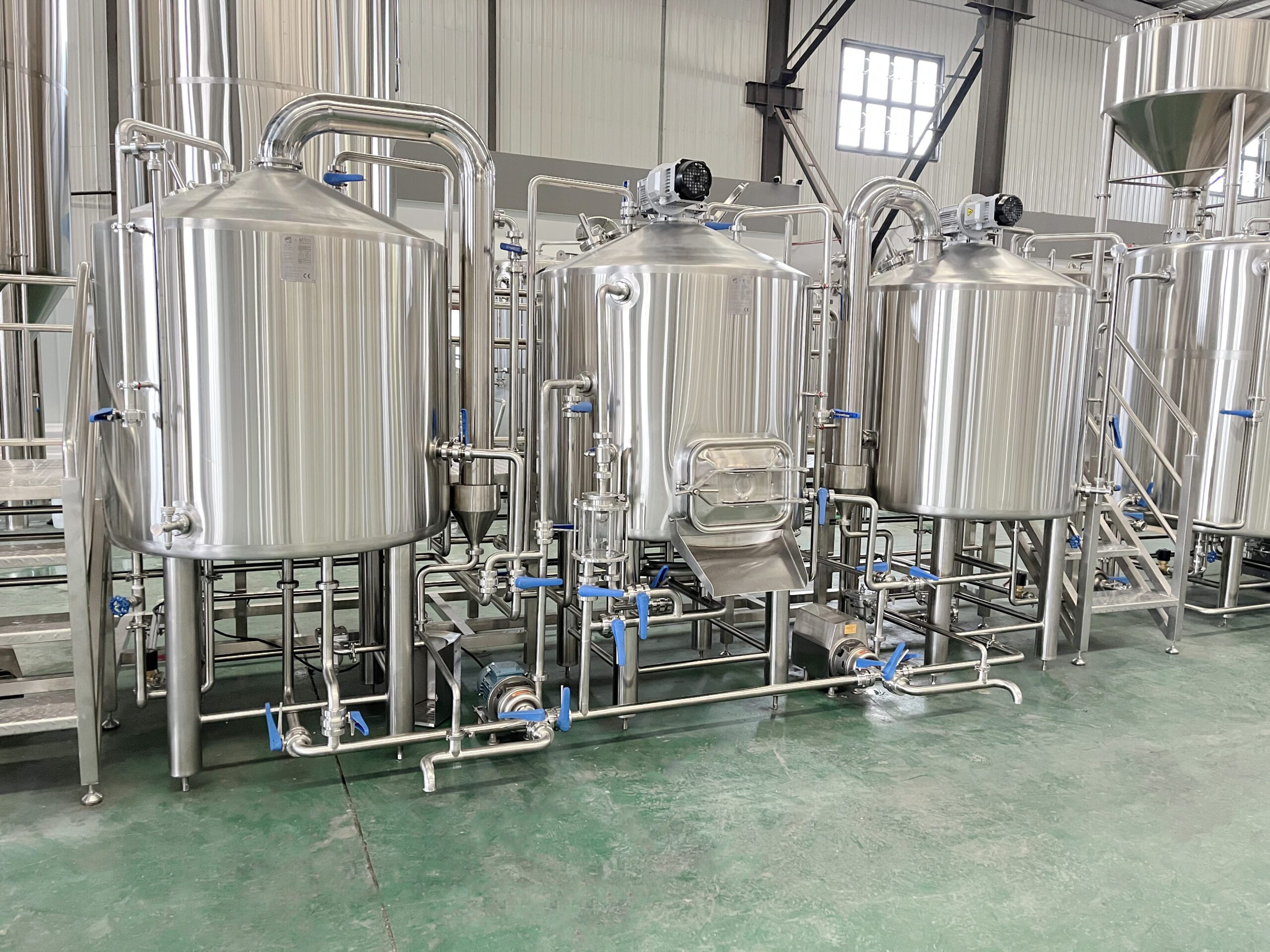
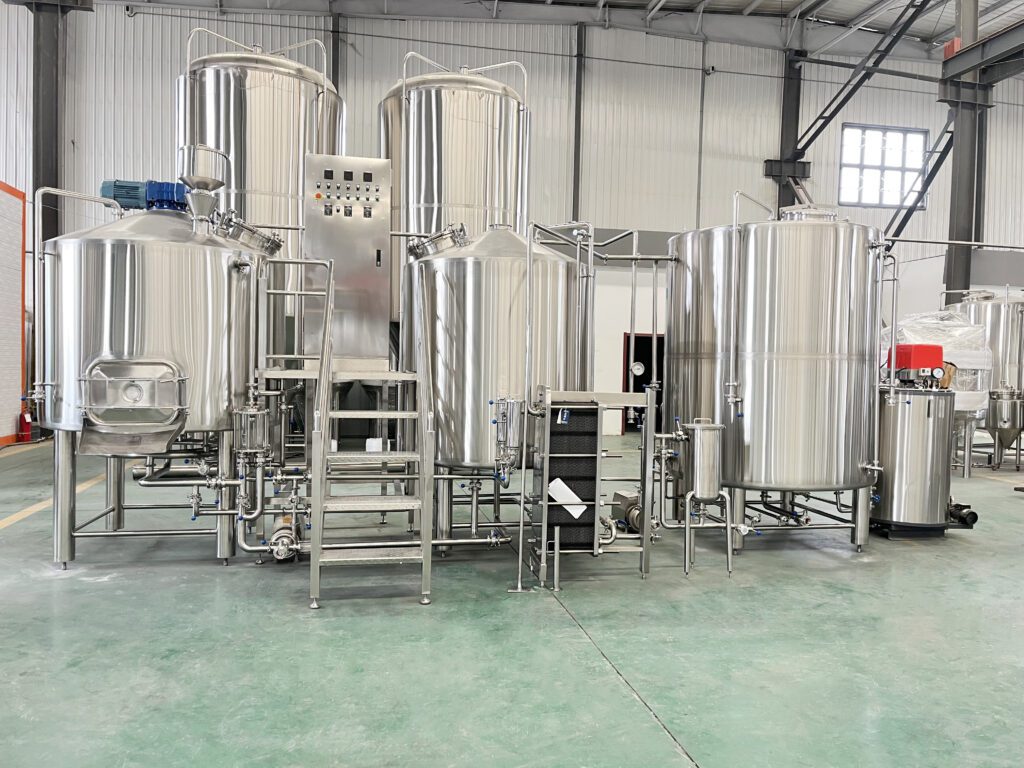
Это used 1000L beer brewing equipment is an excellent choice for craft breweries, brewpubs, restaurants, and startup brewing projects looking for a reliable and affordable brewing solution. The system is designed to provide stable brewing performance while significantly reducing initial investment costs compared to brand-new brewery equipment.
The complete 1000L brewing system is manufactured with high-quality stainless steel, ensuring durability, hygienic brewing conditions, and long service life. The equipment typically includes a brewhouse system, fermentation tanks, glycol cooling system, control system, pumps, and related brewery accessories. With a compact structure and user-friendly operation, it is suitable for both experienced brewers and new brewery investors.
This second-hand brewery equipment has been professionally maintained and remains in good working condition. The tanks feature sanitary polishing, reliable welding, and efficient temperature control performance, helping breweries produce consistent craft beer quality. The 1000L capacity is ideal for medium-scale beer production and can support multiple beer styles such as lager, ale, IPA, stout, and wheat beer.
Compared with purchasing new пивоваренное оборудование, used brewing systems offer faster delivery times and a more economical investment option, making them increasingly popular in the global craft beer market. Many breweries choose second-hand equipment to expand production capacity while controlling startup and operational costs.
Our used 1000L beer brewing equipment can also be customized according to customer requirements, including voltage, heating method, tank quantity, and brewery layout design. Before shipment, the equipment can be inspected and tested to ensure stable operation.
Whether you are starting a new craft brewery or upgrading your current brewing capacity, this used 1000L brewery equipment provides a practical, efficient, and budget-friendly solution for professional beer production.
Distillery Equipment & Turnkey Solutions: A Practical Guide to Choosing the Right Still, Distilling System, and Complete Production Line
Starting a distillery without the right equipment can create delays, safety risks, poor spirit quality, and wasted investment. A beautiful still is not enough. You need a complete process plan, compliant design, reliable utilities, and a supplier who understands real production.
Distillery equipment includes the mash system, fermenter, pot still or column still, condenser, cooling equipment, spirit receiver, tanks, pumps, piping, controls, and cleaning support used to produce spirits such as whisky, gin, rum, vodka, and brandy. A turnkey distillery solution covers layout, equipment design, manufacturing, installation guidance, commissioning support, and long-term technical service.
Исполнительное резюме
Distillery equipment should be selected by spirit type, batch size, heating method, distillation style, utility conditions, compliance needs, and future expansion.
A pot still is commonly used for whisky, brandy, rum, and flavorful spirits, while column stills and continuous stills are often used when higher efficiency or lighter spirit style is needed.
In the United States, a commercial distilled spirits business must first qualify with TTB by applying for a permit to operate; this is a regulatory step, not an equipment choice.
U.S. regulations for distilled spirits plants are covered under 27 CFR Part 19, including permits, production, storage, processing, records, and tax-related operations.
ASME’s Boiler and Pressure Vessel Certification Program covers design, fabrication, assembly, and inspection rules for pressure equipment; buyers should review pressure vessels carefully when selecting tanks and heated systems.
A reliable supplier should support CAD/3D layout, custom distillation equipment, sanitary fabrication, installation guidance, training, spare parts, and after-sales service.
Конспект статьи
What Is Distillery Equipment?
What Equipment Is Needed for a Turnkey Distillery?
How Does a Still Work in a Distillation System?
Pot Still vs Column Still: Which Distilling Equipment Is Right?
What Spirits Can You Produce: Gin, Whisky, Rum, Vodka, and Brandy?
Why Do Materials Matter: Copper, Stainless Steel, or Both?
What Is Included in a Turnkey Distillery Solution?
How Do Capacity, Layout, and Utilities Affect Distillery Design?
What Safety, Compliance, and Pressure Vessel Details Matter?
How Should B2B Buyers Choose Distillation Equipment Manufacturers?
What Is Distillery Equipment?
Distillery equipment is the full set of machines, tanks, vessels, piping, and controls used to produce distilled spirits. It may include a mash tun, fermenter, distillation kettle, pot still, distillation column, condenser, spirit receiver, storage tanks, pumps, heat exchangers, cooling equipment, control cabinet, and cleaning accessories.
In simple words, the equipment helps turn a fermented liquid into a spirit. First, raw materials are prepared and fermented. Then the fermented liquid is heated in the still. Alcohol and aroma compounds vaporize, move through the system, condense, and are collected. The exact design changes depending on whether the distiller wants whisky, gin, rum, vodka, brandy, or another spirit.
For B2B buyers, the key point is this: distilling equipment should not be purchased as isolated parts. A still, fermenter, cooling system, piping layout, and control system must work together. If one part is poorly matched, the whole production process becomes harder to control.
What Equipment Is Needed for a Turnkey Distillery?
A turnkey distillery normally includes both production equipment and project support. The equipment side may include mashing, fermentation, distillation, cooling, receiving, storage, cleaning, and control systems. The project side may include layout planning, equipment manufacturing, installation guidance, commissioning support, operator training, and long-term service.
A typical turnkey distillery equipment list may include:
System Area
Main Equipment
Назначение
Raw material preparation
Milling or material handling equipment
Prepare grain, fruit, molasses, or other base materials
Mashing
Mash tun, hot water tank, agitator
Convert or mix fermentable materials
Fermentation
Fermentation tanks, cooling jacket, valves
Convert sugar into alcohol
Distillation
Pot still, column stills, condenser
Separate and concentrate alcohol and aroma compounds
Охлаждение
Chiller, cooling water system, heat exchangers
Support condensation and temperature control
Receiving
Spirit receiver, safe collection tank
Collect distillate
Storage
Stainless storage tanks or spirit tanks
Hold product before blending or aging
Очистка
CIP pump, spray balls, cleaning tanks
Improve hygiene and maintenance
Управление
PLC/HMI or manual control panel
Monitor heating, pumps, and process points
For a startup craft distillery, a compact system ranging from 150L to several hundred liters may be enough for trial production or local sales. For a larger project, equipment may range from 1000L to 3000L or more, depending on spirit type, production goals, building size, and budget.
How Does a Still Work in a Distillation System?
A still is the core of a distillation system. It heats fermented liquid so alcohol and volatile compounds rise as vapor. The vapor then moves through a head, column, lyne arm, or condenser, depending on the design. After cooling, the vapor becomes liquid distillate.
A pot still is often valued for flavor retention. It is widely used in craft distilleries because it gives the distiller more character and batch control. A distillation column can provide more separation and higher purity, which is useful for spirits such as vodka or neutral spirit production.
The still must match the spirit style. A whisky producer may want copper contact and flavor complexity. A vodka producer may need stronger rectification. A gin producer may need botanical baskets or vapor infusion options. A rum producer may prefer equipment that supports molasses wash and flavor development.
Pot Still vs Column Still: Which Distilling Equipment Is Right?
A pot still is a batch distillation system. It is commonly used for whisky, brandy, rum, and craft spirits where aroma and body matter. It is simple in concept, but the shape, copper contact, heating method, and condenser design all affect final character.
A column still uses trays or packing to improve separation. It can create a lighter, cleaner spirit and can support higher efficiency. Continuous stills are suitable for some large-scale production needs where output and consistency are priorities.
A practical trade-off is clear. If you want a rich, craft-style spirit, a pot still may be better. If you need high-purity vodka or larger production efficiency, a column system may be better. Many distilleries combine both.
What Spirits Can You Produce: Gin, Whisky, Rum, Vodka, and Brandy?
Different spirits need different process planning. The Distilled Spirits Council tracks spirit categories such as American whiskey, brandy and cognac, gin, rum, vodka, tequila/mezcal, Scotch, Irish whiskey, and other categories, which shows the wide commercial range of the distillation industry.
Gin production may use neutral spirit plus botanicals. The equipment may include a gin basket, vapor infusion path, or botanical maceration tank. Buyers planning gin should discuss botanical loading, cleaning access, aroma control, and recipe flexibility.
Whisky requires mashing, fermentation, distillation, and usually aging. A whisky system may include mash tuns, fermenters, copper pot stills, spirit receivers, and storage support. Rum may start from molasses or sugarcane-based material and often benefits from fermentation and distillation choices that keep flavor depth. Vodka usually needs cleaner separation and higher rectification. Brandy is commonly linked to fruit or wine distillation and may require gentle heating and aroma protection.
For buyers, the lesson is simple: do not buy “one standard still” before defining the spirit. The best distillery equipment depends on your product, market, and production needs.
Why Do Materials Matter: Copper, Stainless Steel, or Both?
Distilling equipment is commonly made from stainless steel and copper. Each material has a role. Stainless steel is strong, cleanable, durable, and widely used for tanks, piping, platforms, and processing equipment. Copper is often used in stills because it supports traditional appearance and can influence spirit character.
A copper pot still offers visual appeal and process value for many craft spirits. Buyers often choose copper pot stills for whisky, brandy, and premium craft products. A stainless system with copper sections can also be a practical option. It may reduce cost and maintenance while still allowing copper contact where needed.
Материал
Main Benefits
Common Use
Copper
Traditional appearance, flavor-related contact, premium look
The right choice depends on spirit style, budget, cleaning method, local water, maintenance ability, and brand image. A full copper still may look impressive, but it also needs proper care. A hybrid design can be easier for some operators.
What Is Included in a Turnkey Distillery Solution?
A turnkey solution is more than equipment delivery. It should help the buyer move from concept to operation with fewer mistakes. A strong turnkey distillery solution includes technical review, layout planning, equipment matching, fabrication, packing, shipping support, installation guidance, commissioning advice, and long-term service.
A good supplier should help review:
Spirit type and target product
Batch size and annual output
Building height and floor space
Heating method
Cooling water demand
Fermentation capacity
Local compliance needs
Packaging plan
Utilities and drainage
Operator workflow
Future expansion
As a professional brewery, distillery, winery, kombucha, and beverage equipment manufacturer, we support buyers with factory-direct supply, CAD/3D layout, turnkey engineering, installation guidance, and global technical service. We also support used brewing systems when buyers need cost-effective project options.
A real turnkey distillery solution should reduce project risk. It should not lock buyers into unnecessary equipment. It should help them choose what fits.
How Do Capacity, Layout, and Utilities Affect Distillery Design?
Capacity is not only about still volume. A 500L still may not produce efficiently if the fermenters, mash tun, cooling equipment, and receiving tanks are too small. A distillery is a system. The slowest part becomes the bottleneck.
Layout also matters. Operators need space to move, clean, load material, access valves, inspect the still, connect hoses, and maintain equipment. A poor layout can make daily work slower and less safe.
Utilities can decide whether a project runs smoothly. Heating may be electric, steam, direct fire, or an electrically heated bain-marie system. Cooling may require chilled water, city water, or a closed-loop system. The building must support drainage, ventilation, power, water, and safe workflow.
Distillery Planning Checklist
Planning Point
Почему это важно
Product type
Determines still design and process flow
Batch volume
Determines still, fermenter, and tank size
Fermentation time
Determines number of fermentation tanks
Heating method
Affects energy, control, and building requirements
Cooling system
Affects condensation and output stability
Building height
Determines still and column size limits
Floor load
Affects tank and platform placement
Drainage
Supports cleaning and safe operation
Ventilation
Supports safer working conditions
Expansion plan
Avoids early capacity limits
For both craft distilleries and large-scale plants, layout planning should happen before final manufacturing. CAD and 3D layout support can prevent many costly changes.
What Safety, Compliance, and Pressure Vessel Details Matter?
Distilleries handle flammable alcohol vapor, heated vessels, pumps, electrical systems, and cleaning chemicals. Safety must be built into the project from the beginning. Equipment design alone does not replace local codes, permits, fire review, ventilation planning, or operator training.
In the United States, TTB requires businesses that engage in distilled spirits operations to qualify by applying for a permit to operate. U.S. distilled spirits plant rules also cover production, storage, processing, records, and other operational requirements under 27 CFR Part 19.
Pressure vessels also deserve attention. ASME states that its Boiler and Pressure Vessel Certification Program conforms to rules governing design, fabrication, assembly, and inspection of boiler and pressure vessel components during construction. Buyers should confirm when equipment must meet ASME, CE, PED, or other local requirements.
Key safety and compliance points include:
Local alcohol production permit
Fire and explosion risk review
Ventilation and vapor management
Electrical classification
Pressure relief devices
Vacuum protection where needed
Safe heating system design
Proper grounding and bonding
Operator training
Cleaning chemical handling
Local inspection requirements
This section is not legal advice. Requirements change by country and region. Buyers should work with local authorities, licensed engineers, and compliance professionals before installation.
How Should B2B Buyers Choose Distillation Equipment Manufacturers?
Choosing distillation equipment manufacturers is a major decision. Buyers may compare known industry names such as ABE Equipment or Vendome Copper with international manufacturers and custom distillation equipment suppliers. The best choice depends on budget, design needs, delivery time, technical support, and after-sales expectations.
A serious supplier should not only sell a still. They should understand fermentation, distillation, utilities, layout, shipping, installation, and maintenance. They should also explain trade-offs clearly.
Supplier Evaluation Table
Evaluation Area
What to Ask
Experience
Have they supplied craft distilleries and large-scale projects?
Product Range
Do they offer pot still, column stills, fermenters, mash tuns, storage tanks, and cooling equipment?
Customization
Can they meet your specific needs for gin, whisky, rum, vodka, or brandy?
Materials
Can they provide copper equipment, stainless steel tanks, or hybrid designs?
Engineering
Do they provide CAD/3D layout and process review?
Fabrication
Are welds, polishing, fittings, and pressure vessels properly controlled?
Controls
Can they support manual, semi-auto, or PLC control?
Service
Do they provide installation guidance and maintenance and repair services?
Export
Can they support packing, shipping, and documentation?
After-sales
Are spare parts and remote support available?
For B2B buyers, the best distillery equipment is not simply the cheapest system. It is high-quality equipment designed for your product, building, and production plan.
What Are Common Mistakes When Buying Distilling Equipment?
One common mistake is buying by still volume only. A buyer may choose a 1000L still but forget that fermentation capacity, cooling water, and storage tanks must also match. This creates bottlenecks.
Another mistake is ignoring cleaning and maintenance. Distilling systems need access points, drainability, cleanable surfaces, safe valves, and service-friendly design. A beautiful copper still that is hard to clean can become a daily problem.
A third mistake is overlooking local compliance. Equipment may be well made, but installation still needs to satisfy local rules. Permit, fire, electrical, pressure, ventilation, and alcohol regulations should be reviewed early.
Ошибки, которых следует избегать
Choosing equipment only by price
Buying before defining spirit type
Ignoring building height
Underestimating cooling needs
Forgetting fermentation capacity
Overlooking pressure vessel requirements
Selecting materials without maintenance planning
Ignoring operator workflow
Пропуск обзора макета
Assuming one still can fit every product
Good project planning saves money before the equipment is manufactured.
When Does a Turnkey Distillery Solution Make Sense?
A turnkey distillery solution makes sense when the buyer wants coordinated support instead of managing every detail alone. It is especially helpful for startup distilleries, international projects, restaurant or hospitality groups, investors, and buyers entering distilling from brewing or beverage production.
Turnkey support is useful when:
You need help matching equipment to spirit type.
You want CAD or 3D layout before purchase.
You need a complete production line.
You need new and used equipment comparison.
You need export packing and shipping support.
You want installation guidance.
You need training and after-sales service.
However, turnkey may not be necessary for every buyer. An experienced distiller expanding a known system may only need one custom copper pot still, one fermenter, or one replacement tank. The right service level should match the buyer’s experience and project complexity.
FAQ About Distillery Equipment and Turnkey Solutions
What equipment is needed to start a distillery?
A distillery usually needs raw material preparation equipment, mash tun, fermenter, still, condenser, cooling system, spirit receiver, storage tanks, pumps, piping, controls, and cleaning support. The exact equipment depends on the spirit type and production scale.
What is the difference between a pot still and a column still?
A pot still is usually used for batch distillation and is common for whisky, rum, brandy, and craft spirits. A column still provides more separation and efficiency, making it useful for vodka, neutral spirit, and larger production systems.
Can one distillation system make gin, whisky, rum, vodka, and brandy?
One system may support multiple spirits if designed with flexibility, but not every system is ideal for every spirit. Gin may need botanical features, vodka may need higher rectification, and whisky may need copper contact and suitable fermentation planning.
What is a turnkey distillery?
A turnkey distillery is a complete project solution that may include equipment design, manufacturing, layout planning, shipping support, installation guidance, commissioning support, and technical service. It helps buyers reduce coordination risk.
Is copper or stainless steel better for distillery equipment?
Both materials have value. Copper is often used in stills for traditional appearance and spirit character. Stainless steel is widely used for tanks, frames, piping, and storage because it is durable and cleanable. Many systems use both.
What size distillery equipment should I choose?
Choose size based on target spirit, batch volume, fermentation time, daily output, building space, utilities, budget, and future expansion. Common craft systems may range from 150L to 3000L, but the right size depends on your production plan.
Do I need permits before buying distilling equipment?
For commercial alcohol production, permits and local approvals are usually required. In the United States, TTB requires distilled spirits businesses to qualify by applying for a permit to operate. Always check local rules before installation.
Основные выводы
Distillery equipment includes mashing, fermentation, distillation, cooling, receiving, storage, control, and cleaning systems.
A still must be selected based on spirit type, production process, flavor target, and capacity.
Pot stills are common for whisky, rum, brandy, and craft spirits.
Column stills and continuous stills are useful for higher purity or larger output.
Gin, vodka, rum, whisky, and brandy may require different equipment details.
Copper and stainless steel both have important roles in distilling equipment.
A turnkey distillery solution should include layout, equipment matching, manufacturing, shipping, installation guidance, and service.
Safety, local permits, fire review, pressure vessels, and ventilation should be considered early.
The best distillery equipment supplier should understand both production process and project execution.
Do not choose equipment only by price or still volume; choose based on complete production needs.
Оборудование для варки комбучи: Практическое руководство по выбору правильного набора, ферментера, резервуара и коммерческой системы производства комбучи
Неправильная установка для приготовления комбучи может привести к слабому вкусу, нестабильному брожению, риску заражения или замедлению производства. Домашних пивоваров это расстраивает. Для бизнеса это стоит денег. Решение заключается в том, чтобы выбрать правильное оборудование, соответствующее объему партии, гигиеническим требованиям и планам развития.
Оборудование для приготовления комбучи включает в себя инструменты и емкости, используемые для заваривания сладкого чая, ферментации его с помощью культуры SCOBY, контроля pH и температуры, добавления ароматизаторов, розлива напитка в бутылки или кеги и поддержания чистоты производства. В базовых домашних наборах могут использоваться стеклянные банки и бутылки, в то время как для коммерческого производства комбучи обычно требуются емкости из нержавеющей стали, сантехнические фитинги, системы CIP-очистки, охлаждения, фильтрации и упаковки.
Исполнительное резюме
Оборудование для приготовления комбучи варьируется от простого домашнего набора с банкой, тканевой крышкой, SCOBY, чаем, сахаром, pH-полоской и бутылками до профессионального уровня. резервуары из нержавеющей стали и упаковочные линии.
Комбуча производится путем ферментации сладкого чая с помощью SCOBY, симбиотической культуры бактерий и дрожжей; в Университете штата Колорадо объясняют, что эта культура подкисляет чай и помогает минимизировать загрязнение.
Готовая комбуча обычно кислая. Университет штата Колорадо утверждает, что для безопасного употребления требуется pH ниже 4,2, но не ниже 2,5.
Kombucha Brewers International описывает комбучу как ферментированный чайный напиток, который обычно имеет pH в диапазоне от 2,3 до 3,8 и, естественно, содержит органические кислоты, следы алкоголя и немного газировки.
В США алкогольные нормы TTB не применяются только в том случае, если во время производства, розлива или после розлива комбуча не содержит 0,5% ABV или выше.
Для проектов B2B правильная система должна соответствовать объему партии, циклу ферментации, гигиеническому дизайну, потребностям в охлаждении, формату упаковки, пространству, инженерным коммуникациям и будущему расширению.
Конспект статьи
Что такое оборудование для варки комбучи?
Какое оборудование необходимо для приготовления комбучи в домашних условиях?
Что входит в базовый набор для приготовления комбучи?
Какое оборудование необходимо для коммерческого производства комбучи?
Почему емкости для комбучи из нержавеющей стали важны для масштабирования?
Как контролировать брожение, pH и температуру?
Какое оборудование для розлива, кеггирования и упаковки вам нужно?
Как очистка, санитария и CIP влияют на качество комбучи?
Домашний набор и коммерческая система для варки комбучи: В чем разница?
Как покупателям B2B выбрать правильного поставщика оборудования для варки комбучи?
Что такое оборудование для варки комбучи?
Оборудование для приготовления комбучи относится к инструментам, емкостям, резервуарам и аксессуарам, используемым для приготовления комбучи из чая, сахара, воды и культуры комбучи. На базовом уровне они помогают заварить сладкий чай, охладить его, добавить SCOBY и стартовую жидкость, обеспечить ферментацию, проверить pH, добавить ароматизатор и упаковать готовый напиток.
Для домашнего пивоварения все может быть очень просто. Стеклянная банка, тканевая крышка, резинка, pH-полоска, термометр, воронка и бутылка - этого может быть достаточно для небольшой партии. Для коммерческой комбучи оборудование становится более серьезным. Вам может понадобиться бак из нержавеющей стали, санитарный насос, фильтр, система охлаждения, CIP-установка для очистки, емкость для ароматизаторов, система контроля карбонизации и линия розлива.
Работая над проектами оборудования для производства напитков, я часто говорю покупателям следующее: комбуча проста в теории, но профессиональное производство не бывает простым. В процессе производства необходимо защищать скоби, контролировать среду брожения и следить за чистотой каждой контактной поверхности продукта.
Какое оборудование необходимо для приготовления комбучи в домашних условиях?
Основная цель домашнего пивовара - сварить безопасную, чистую и вкусную партию пива в небольшом объеме. Большинство людей начинают с стеклянной банки объемом 1 галлон, крышки из воздухопроницаемой ткани, чая, сахара, стартовой жидкости, SCOBY и бутылок для вторичного брожения.
В Университете штата Колорадо объясняют, что SCOBY и жидкость добавляют в пищевой сосуд с заваренным, охлажденным, подслащенным сахаром чаем, затем слегка накрывают и ферментируют при комнатной температуре, часто в течение 7-10 дней, но иногда и дольше.
Простая домашняя установка может включать в себя:
Домашнее средство для приготовления комбучи
Назначение
Стеклянная банка
Главная бродильная емкость
Тканевая крышка или фильтр для кофе
Не пропускает пыль и насекомых, обеспечивая приток воздуха
Резиновая лента
Удерживает крышку на месте
Чайник
Используется для заваривания чая
Термометр
Помогает проверить температуру охлаждения и помещения
Полоски или измеритель pH
Помогает контролировать кислотность
Воронка
Помогает переливать жидкость в бутылки
Бутылки с откидным верхом
Используется для газирования и сервировки
Фильтр тонкой очистки
Удаляет остатки чая или кусочки фруктов
Ярлыки
Помогает отслеживать дату партии и ее вкус
Для домашнего использования обычно используются стеклянные банки, поскольку их легко мыть и легко проверять. В расширенной программе Мичиганского государственного университета отмечается, что, поскольку комбуча имеет низкий уровень pH, рекомендуется готовить и хранить ее в стеклянных емкостях или контейнерах пищевого класса, чтобы снизить риск химической опасности от неподходящих материалов.
Оборудование для приготовления комбуча объемом 1500 л
Что входит в базовый набор для приготовления комбучи?
В базовый набор для приготовления комбучи обычно входят основные предметы, необходимые для начала приготовления комбучи. В него могут входить банка, SCOBY, стартовая жидкость, чай, сахар, тканевая крышка, резинка, pH-полоски и инструкция. В некоторые наборы также могут входить бутылки, ароматизаторы, термометр или небольшой фильтр.
Хороший набор должен упрощать процесс для новичков. Он должен помочь пивовару понять основы: приготовить сладкий чай, охладить его, добавить культуру, закрыть банку, дождаться ферментации, измерить pH, тщательно продегустировать и разлить по бутылкам только тогда, когда напиток будет готов.
Для небольших пользователей достаточно комплекта. Для бренда или кафе набора недостаточно. Когда целью становится производство комбучи на продажу, процесс требует более мощного оборудования, лучшего учета и повторяющегося контроля. Именно тогда покупатели переходят от банок и бутылок к резервуарам, насосам, клапанам, системам контроля температуры и упаковки.
Какое оборудование необходимо для коммерческого производства комбучи?
Для коммерческого производства комбучи нужна не только большая банка. Ему необходим контролируемый процесс. Профессиональная установка может включать оборудование для заваривания чая, емкости для смешивания сахара, холодильное оборудование, бродильные ёмкости, Санитарные насосы, фильтры, резервуары для смешивания, ароматизаторы, оборудование для газирования, линии розлива в кеги или бутылки, а также системы очистки.
Практически коммерческий процесс производства комбучи может выглядеть следующим образом:
Стадия производства
Необходимое оборудование
Главная цель
Заваривание чая
Чайник или система горячего водоснабжения
Экстракт чайного аромата
Смешивание сахара
Смесительный бак
Растворите сахар равномерно
Охлаждение
Теплообменник или охлаждающий бак
Охладите сладкий чай перед добавлением культуры
Первичная ферментация
Емкость для брожения
Ферментируйте чай с помощью SCOBY и закваски
контроль pH
pH-метр или полоска
Измерьте кислотность
Ароматизатор
Смесительный бак
Добавьте фрукты, сок, травы или растительные вещества.
Фильтрация
Фильтр или экран
Удалите частицы фруктов и твердые частицы
Карбонизация
Карбонизатор или напорный резервуар
Добавляйте пузырьки или управляйте ими
Упаковка
Наполнитель для бутылок, система розлива в кеги, линия консервирования
Подготовьте готовый продукт
Очистка
Система CIP
Очистка резервуаров и трубопроводов
Kombucha Brewers International описывает комбучу как ферментированный напиток, приготовленный из чайных листьев, воды, натурального подсластителя и SCOBY или пелликулы; организация также отмечает, что рН и характеристики ферментации являются частью идентичности напитка.
Как профессиональный производитель оборудования для пивоварения, производства комбучи, виноделия, винокурни и напитков, мы обычно начинаем с того, что спрашиваем покупателей о мощности, стиле продукта, формате упаковки и правилах рынка. Пилотная система на 50 литров и коммерческая линия по производству комбучи на 5 000 литров требуют совершенно разного планирования.
Почему емкости для комбучи из нержавеющей стали важны для масштабирования?
Когда бизнес по производству комбучи развивается, оборудование из нержавеющей стали становится важным. Емкость для комбучи из нержавеющей стали прочнее, легче чистится, долговечнее и лучше подходит для профессионального производства, чем множество небольших емкостей.
Коммерческий ферментер может быть оснащен санитарной арматурой, системой контроля температуры, пробоотборными клапанами, шарами-распылителями, люками и нижними патрубками. Эти элементы помогают пивовару контролировать, очищать и передавать продукт более эффективно.
Для комбучи выбор материала имеет большое значение, поскольку напиток является кислым. Пищевая нержавеющая сталь широко используется на заводах по производству напитков, поскольку она обеспечивает гигиеничность конструкции и долгий срок службы. Однако перед заказом покупателям следует проверить марку материала, качество сварки, внутреннюю полировку, стандарты фитингов и химическую совместимость.
Общие характеристики резервуара для комбучи из нержавеющей стали
Характеристика
Почему это важно
304 нержавеющая сталь
Обычный материал для изготовления напитков
Внутренняя полировка
Помогает уменьшить количество остатков и затрудняет очистку
Сантехническая арматура
Обеспечивает чистую передачу и легкое подключение
Пробоотборный клапан
Позволяет проводить испытания без открытия резервуара
Для покупателей B2B правильное оборудование - это не просто самая большая емкость. Это резервуар, который соответствует стилю брожения, способу очистки, высоте здания, нагрузке на пол, размеру партии, инженерным сетям и плану упаковки.
Как контролировать брожение, pH и температуру?
Брожение комбучи происходит под воздействием бактерий и дрожжей, входящих в состав культуры. Дрожжи помогают расщеплять сахар, а бактерии - создавать полезные кислоты. В результате получается терпкий, слегка сладкий, кислый напиток со сложным вкусом.
Контроль pH - один из важнейших контрольных показателей безопасности и качества. Университет штата Колорадо утверждает, что для безопасного употребления требуется pH ниже 4,2, но не ниже 2,5. В руководстве по приготовлению комбучи в Пенсильвании также говорится, что производители непастеризованной комбучи в бутылках или других ферментированных напитков должны стремиться к pH 4,2 или ниже и контролировать pH в качестве профилактического контроля.
Температура также влияет на скорость брожения и вкус. Если в помещении слишком холодно, брожение может идти медленно. Если слишком тепло, напиток может слишком быстро закиснуть или приобрести нежелательный характер. В коммерческих системах контроль температуры может помочь создать более стабильный и качественный продукт комбуча.
Контрольный список для мониторинга комбучи
Контрольная точка
Что измерять
Почему это важно
pH
Уровень кислотности
Помогает управлять безопасностью и вкусом
Температура
Среда брожения
Влияет на скорость ферментации
Время
Продолжительность партии
Помогает повторить вкусовой профиль
Уровень сахара
Остаточная сладость
Влияет на вкус и карбонизацию
Алкоголь
Уровень ABV
Важно для соблюдения нормативных требований
Аромат и вкус
Сенсорное качество
Подтверждение целевого назначения продукта
Визуальное состояние
Плесень, загрязнение, здоровье SCOBY
Помогает выявить проблемы на ранней стадии
В Соединенных Штатах уровень алкоголя имеет значение, поскольку комбуча при 0,5% ABV или выше может подпадать под требования по регулированию алкоголя; TTB объясняет, что правила не применяются только в том случае, если комбуча никогда не бывает при 0,5% ABV или выше во время производства, розлива или после розлива.
Какое оборудование для розлива, кеггирования и упаковки вам нужно?
После ферментации комбуча может быть отфильтрована, ароматизирована, газирована и упакована. Небольшие пивовары часто используют бутылки с откидной крышкой. Более крупные предприятия могут использовать разливочные машины, линии консервирования, системы розлива в кеги или пакеты в коробках.
В Университете штата Колорадо отмечают, что после ферментации можно добавить фруктовый сок или другие ароматизаторы, а затем газировать напиток для придания ему шипучего характера. Именно здесь становится важным выбор упаковки.
Для небольших партий могут хорошо подойти бутылки. В кафе, ресторанах и тап-румах кегирование позволяет сократить количество отходов упаковки и поддерживать разливное обслуживание. Для розничных брендов лучше использовать бутылки или банки.
Варианты упаковки для комбучи
Формат упаковки
Лучшее применение
Ключевое соображение
Бутылки с откидным верхом
Домашние и мелкие ремесленные партии
Необходимо управлять повышением давления
Стеклянные бутылки
Розничная торговля и товары премиум-класса
Поломка и вес при транспортировке
Алюминиевые банки
Розничная торговля и дистрибуция
Требуется подходящая линия розлива
Бочонки
Тарум, ресторан, кафе
Необходима система сквозняков и холодильная камера
ПЭТ-бутылки
Некоторые региональные рынки
Должен соответствовать требованиям к давлению и безопасности пищевых продуктов
Упаковка для комбучи должна справляться с карбонизацией и продолжающимся брожением. Если брожение продолжается после розлива, может повыситься давление. Поэтому в коммерческих операциях необходимо профессионально контролировать pH, сахар, температуру, алкоголь, карбонизацию и хранение в холоде.
Как очистка, санитария и CIP влияют на качество комбучи?
Очистка не является обязательной. Комбуча - кислая, живая и чувствительная к нежелательным загрязнениям. Плохая очистка может испортить вкус, сократить срок хранения и создать проблемы с безопасностью.
Для мелкосерийного производства комбучи очистка может заключаться в тщательном мытье банок, воронок, бутылок и тканевых крышек. Для коммерческих производств очистка обычно требует использования системы CIP, санитарных трубопроводов, шаров-распылителей, насосов и надлежащих процедур очистки.
В системе профессионального уровня должно быть меньше мертвых углов, грубых сварных швов и трудноочищаемых поверхностей. Именно поэтому конструкция резервуара, выбор клапанов, качество шлангов, материал прокладок и расположение трубопроводов имеют большое значение. Красивый резервуар с плохим санитарным дизайном все равно может создать проблемы.
Контрольный список для проектирования систем CIP и очистки
Предмет уборки
Почему это важно
Покрытие шариков спреем
Помогает очистить поверхность резервуара
Гладкие сварные швы
Уменьшает накопление остатков
Сантехнические клапаны
Улучшает очищаемость
Дренируемость
Предотвращает застой жидкости
Правильное использование химикатов
Защита нержавеющей стали
Отдельные инструменты
Уменьшает перекрестное загрязнение
Записи об уборке
Поддерживает контроль качества
Доступ для осмотра
Помогает проверить результаты очистки
Как производитель оборудования для производства напитков, мы разрабатываем системы с учетом особенностей очистки. Хороший резервуар должен не только вмещать продукт. Он также должен легко чиститься, проверяться и обслуживаться.
Домашний набор и коммерческая система для варки комбучи: В чем разница?
Домашний набор предназначен для обучения и личного использования. Коммерческая система для варки комбучи предназначена для повторяющегося производства, контролируемого качества и ведения бизнеса.
Артикул
Набор для приготовления домашнего комбуча
Коммерческая система для приготовления комбучи
Размер партии
Часто 1 галлон или небольшие партии
От десятков до тысяч литров
Судно
Стеклянная банка или небольшой контейнер
Емкость или ферментер из нержавеющей стали
Мониторинг
pH-полоска, термометр
pH-метр, контроль температуры, записи
Очистка
Ручная очистка
CIP и санитарный процесс
Передача
Ручное наливание или сифон
Санитарный насос и трубопровод
Ароматизатор
Ручное добавление фруктов или сока
Смесительный бак и дозированное дозирование
Упаковка
Ручное наполнение бутылок
Линия розлива в бутылки, банки или кеги
Управление
Основные инструкции
SOP, QC, записи о партиях
Цель
Личное приготовление комбучи
Коммерческое производство комбучи
Компромисс очевиден. Набор доступен и прост. Коммерческая система стоит дороже, но обеспечивает гигиену, эффективность и масштаб. Если вы продаете комбучу, выбор оборудования должен обеспечивать соблюдение законодательства, стабильное производство и повторяющееся качество продукта.
Какие ингредиенты и аксессуары следует подготовить покупателям?
Комбуча состоит из нескольких основных ингредиентов: воды, чая, сахара, стартовой жидкости и SCOBY. Некоторые производители используют черный, зеленый чай или их смеси. Некоторые используют органические ингредиенты для позиционирования бренда. В качестве ароматизаторов бренды могут использовать фрукты, травы, специи, ботанику или сок.
Аксессуары также имеют значение. Для небольшого предприятия могут понадобиться pH-полоски, термометр, воронка, фильтр, патрубок, этикетки, бутылки и инструменты для очистки. Коммерческому предприятию могут понадобиться расходомеры, манометры, санитарные шланги, зажимы, прокладки, клапаны для проб и запасные части.
Контрольный список ингредиентов и принадлежностей
Категория
Примеры
Основной ингредиент
Чай, сахар, закваска, SCOBY
Аксессуар для мониторинга
pH-полоска, pH-метр, термометр, манометр
Аксессуары для переноса
Шланг, насос, фильтр, воронка
Аксессуары для упаковки
Бутылка, крышка, бочонок, этикетка
Чистящие принадлежности
Шаровой распылитель CIP, химические средства для очистки, щетки
Качественный аксессуар
Клапан для образцов, инструменты для тестирования, записи о партиях
Лучший аксессуар - тот, который снижает риск. В профессиональном производстве комбучи каждая мелочь должна поддерживать чистоту, повторяемость и безопасность оператора.
Как покупателям B2B выбрать правильного поставщика оборудования для варки комбучи?
Для покупателей B2B поставщик должен понимать как процесс производства напитка, так и производство оборудования. Покупка резервуаров у производителя может показаться дешевле, но производство комбучи имеет особые требования: кислотность, управление культурой, гигиена, ароматизация, упаковка и возможный контроль алкоголя.
Являясь профессиональным производителем оборудования для пивоварен, винокурен, винзаводов, комбуча и напитков, мы поддерживаем глобальные проекты прямыми поставками с завода, проектированием "под ключ", поддержкой CAD/3D-макетов, руководством по установке и долгосрочным техническим обслуживанием. Мы также поставляем бывшие в употреблении пивоваренные системы, когда покупателям нужен экономичный вариант.
При выборе поставщика проверьте:
Понимает ли поставщик, как производится комбуча?
Могут ли они разработать резервуары для брожения из нержавеющей стали для использования в кислых напитках?
Могут ли они поддерживать процесс заваривания чая, смешивания сахара, ферментации, ароматизации, охлаждения и упаковки?
Могут ли они предоставить поддержку в области САПР или 3D-макетирования?
Могут ли они помочь сравнить новое и подержанное оборудование?
Понимают ли они, что такое сантехническая арматура и CIP?
Могут ли они поддерживать глобальную доставку и руководство по установке?
Можно ли настроить размер резервуара, положение порта и уровень контроля?
Предоставляют ли они послепродажное обслуживание и запасные части?
Для начинающих брендов крафтовых напитков, сетей ресторанов, производителей комбучи, совместных упаковщиков напитков, дистрибьюторов, агентов и инвесторов проектов оборудование не должно покупаться как отдельные части. Оно должно быть спланировано как полный производственный поток.
Распространенные ошибки при покупке оборудования для варки комбучи
Одна из распространенных ошибок - начинать с размера резервуара, не определившись с процессом. Покупатель может попросить большой резервуар, но реальная проблема может заключаться в охлаждении, скорости упаковки или цикле ферментации. Объем емкости должен рассчитываться исходя из суточного объема производства, времени замеса и рыночного спроса.
Еще одна ошибка - использование пивного оборудования без проверки требований к комбуче. Пиво и комбуча имеют общее оборудование из нержавеющей стали, но у комбучи другая кислотность, культура, ароматизаторы и упаковка.
Третья ошибка - пренебрежение очисткой. Если резервуар, клапаны или шланги трудно очистить, работа становится рискованной. Хорошее производство требует хорошей очистки.
Ошибки, которых следует избегать
Покупка только по цене
Выбор неправильного материала
Игнорирование контроля pH и алкоголя
Недооценка давления на упаковку
Забыть о необходимости холодного хранения
Использование некачественной конструкции для очистки
Пропуск обзора макета
Покупка резервуаров, которые не подходят к зданию
Игнорирование будущего расширения
Внимательный обзор перед покупкой может избавить от нескольких месяцев проблем после установки.
Когда эти рекомендации не применяются?
Не каждый проект по производству комбучи нуждается в полноценной производственной линии из нержавеющей стали. Небольшая тестовая кухня, комната для разработки продукта или учебное заведение могут обойтись только банками, небольшим чайником, бутылками и базовым набором. Если вы тестируете рецепты, упростите систему.
Однако крупный розничный бренд не должен полагаться на домашнее оборудование. После начала широкой продажи продукции требуется усиление контроля, улучшение санитарных условий, учет партий продукции, стабильная упаковка и планирование соблюдения требований.
Правильный ответ зависит от вашего этапа:
Бизнес-стадия
Рекомендуемый подход
Домашнее обучение
Базовый набор для приготовления комбучи
Небольшое кафе
Небольшой ферментер и ручной розлив
Пивная или ресторан
Нержавеющая емкость и кегирование
Местный розничный бренд
Контролируемая ферментация и розлив в бутылки/банки
Поэтому не покупайте слишком рано. Но не стоит и недостраивать, когда бизнес зависит от стабильного выпуска продукции.
Часто задаваемые вопросы об оборудовании для варки комбучи
Какое оборудование мне понадобится для приготовления комбучи?
Для приготовления комбучи в домашних условиях вам понадобятся стеклянная банка, чай, сахар, SCOBY, жидкость для закваски, тканевая крышка, pH-полоски, термометр, воронка и бутылки. Для коммерческого производства вам могут понадобиться емкости из нержавеющей стали, насосы, фильтры, охлаждение, CIP, емкости для ароматизаторов и упаковочное оборудование.
Какой сосуд лучше всего подходит для ферментации комбучи?
Для домашнего использования обычно используется чистая стеклянная банка из пищевого стекла. Для коммерческого использования обычно лучше использовать емкость для брожения из нержавеющей стали, поскольку она долговечна, легко очищается и подходит для профессиональной эксплуатации.
Можно ли варить комбучу в нержавеющей стали?
Да, коммерческая комбуча часто производится в оборудовании из нержавеющей стали. Покупателям следует выбирать пищевую нержавеющую сталь, надлежащую внутреннюю отделку, санитарную арматуру и конструкцию, подходящую для производства кислых напитков.
Какой размер емкости для комбучи мне выбрать?
Размер резервуара зависит от объема партии, времени ферментации, ежедневного спроса, скорости упаковки и пространства. Небольшому кафе может понадобиться небольшой ферментатор, а коммерческому бренду комбучи - несколько больших резервуаров.
Нужны ли мне pH-полоски или pH-метр для приготовления комбучи?
Да. Контроль pH важен для безопасности и качества комбучи. Домашние пивовары могут использовать рН-полоски, в то время как коммерческие производители обычно используют калиброванный рН-метр и записи о партиях.
Лучше ли разводить комбучу в кегах, чем в бутылках?
Разливать в кеги целесообразно в водопроводных залах, кафе, ресторанах и на разлив. Для розничной продажи лучше использовать розлив или консервирование. Лучший выбор зависит от вашего канала сбыта и плана упаковки.
В чем разница между набором для приготовления комбучи и коммерческим оборудованием для приготовления комбучи?
Набор предназначен для небольших домашних партий и обучения. Коммерческое оборудование предназначено для больших партий, санитарной обработки, контроля температуры, переноса, ароматизации, упаковки и последовательного производства.
Можно ли изготовить оборудование для приготовления комбучи по индивидуальному заказу?
Да. Емкости, порты, клапаны, охлаждающие рубашки, платформы, системы управления и упаковочные линии могут быть настроены в зависимости от производительности, процесса, расположения и потребностей рынка.
Основные выводы
Оборудование для приготовления комбучи может быть как простым для домашнего использования, так и высокопрофессиональным для коммерческого производства.
В базовый набор обычно входят банка, SCOBY, стартер, чай, сахар, крышка, pH-полоска и бутылка.
Для коммерческого производства комбучи необходимы резервуары, насосы, системы охлаждения, фильтрации, ароматизации, CIP и упаковки.
Контроль pH и температуры необходим для контроля качества.
Емкости для комбучи из нержавеющей стали лучше подходят для масштабируемого производства.
Бутилирование, консервирование и кегирование подходят для разных бизнес-моделей.
Чистка и санитарная обработка напрямую влияют на качество продукции.
Не выбирайте оборудование только по размеру бака или цене.
Правильно подобранное оборудование должно соответствовать размеру партии, циклу ферментации, формату упаковки, инженерным коммуникациям, площади помещения и плану расширения производства.
Надежный производитель оборудования для производства напитков поможет изучить ваш процесс, сравнить варианты и разработать практичную систему.
Продажа подержанных бродильных емкостей: Как выбрать подходящий ферментер из нержавеющей стали для вашей пивоварни или проекта по производству напитков
Buying the wrong used tank can turn a good deal into a costly mistake. Hidden damage, poor sanitation, wrong pressure rating, or missing fittings can delay production. The smart approach is to inspect the fermenter, confirm specifications, and match the equipment to your real process.
Used fermentation tanks for sale can be a cost-effective choice for breweries, wineries, kombucha producers, cider makers, and beverage projects when the tank is stainless steel, properly inspected, pressure-suitable, hygienic, and matched to batch size, cooling needs, fittings, shipping limits, and future scale-up plans.
Исполнительное резюме
Used fermentation tanks can reduce project cost and shorten lead time, but only if the vessel condition, fittings, cooling jacket, pressure rating, and cleaning history are checked carefully.
A stainless steel fermenter is usually preferred for professional beer and beverage production because it supports hygienic cleaning, durability, and long-term commercial use.
For any process above 15 psi, the Brewers Association Maintenance and Engineering Subcommittee recommends using an ASME-rated tank.
Sanitation must be treated seriously. Brewery sanitation involves more than basic CIP, and multiple items in the production environment can support or harm clean beer production.
Stainless steel can be damaged by unsuitable chemicals. The Brewers Association Draught Beer Quality Manual warns that hydrochloric acid corrodes stainless steel and should not be used for cleaning draught lines.
A reliable used tank supplier should help buyers review drawings, photos, specifications, accessories, loading, shipping, and installation needs before purchase.
Конспект статьи
What Are Used Fermentation Tanks?
Why Do Breweries Buy Used Fermenters?
What Types of Fermentation Tanks Are Available?
How Do You Inspect a Used Stainless Steel Tank?
What Size Fermenter Should You Choose?
What Pressure Rating and Safety Details Matter?
How Do Cleaning, Sanitation, and Passivation Affect Tank Value?
Used Fermenter vs New Fermenter: Which Is Better?
What Should Be Included in a Used Tank Purchase?
How Can B2B Buyers Find a Reliable Manufacturer or Supplier?
What Are Used Fermentation Tanks?
Used fermentation tanks are previously owned vessels designed for controlled fermentation. In a brewery, the tank is where yeast converts wort into beer. In other beverage projects, a fermenter may also be used for wine, cider, kombucha, or other fermented drinks. The key job is simple: hold product safely while supporting temperature control, hygiene, and process stability.
A professional fermentation tank is usually made from stainless steel. Many beer fermenters use a conical bottom because yeast and sediment can collect at the bottom and be removed through the outlet. This helps brewers manage yeast harvesting, clarification, and cleaning.
For B2B buyers, a used fermenter is not just second-hand equipment. It is a production asset. If the tank is well built and properly maintained, it can continue serving for many years. If it has hidden defects, it may create quality problems, repair costs, or installation delays.
Why Do Breweries Buy Used Fermenters?
Many startup brewery owners look for used equipment because the early budget is tight. A new brewhouse, glycol system, fermenters, bright tanks, packaging line, and installation work can become expensive quickly. Buying a used tank can help reduce initial investment and leave more budget for raw materials, taproom buildout, staff training, and marketing.
Established breweries may also buy used fermenters when they need quick capacity expansion. If beer demand grows faster than expected, waiting for new custom tanks may slow production. A good used fermenter can sometimes enter the project faster, especially when the tank is already available in inventory.
However, a low price is not the only goal. The best deal is the tank that fits your batch size, floor height, cooling system, process pressure, cleaning method, and beverage type. A tank that is cheap but wrong is not affordable. It is a delay waiting to happen.
What Types of Fermentation Tanks Are Available?
There are several common types of tanks used in beverage production. The best selection depends on the product, process, and building layout.
Тип резервуара
Common Use
Main Benefit
Conical fermenter
Beer, cider, kombucha
Easy yeast and sediment removal
Cylindrical fermenter
Wine, beverage storage, fermentation
Simple design and flexible use
Unitank
Beer fermentation and carbonation
Can ferment and condition in one tank
Bright beer tank
Beer conditioning and serving
Supports carbonation and clear beer
Storage tanks
Wine, water, beverage base, finished liquid
Flexible holding and buffering
Jacketed tank
Beer, kombucha, wine, beverage production
Контроль температуры
Insulated tank
Cold storage or controlled fermentation
Reduces temperature loss
For beer production, a conical fermenter is often the most common choice. For kombucha, wine, cider, and juice projects, the tank design may be different. Some producers need top manways. Some need side manways. Some need cooling jackets. Some need sanitary spray balls, racking arms, carbonation stones, sampling valves, or CIP ports.
As a professional brewery, distillery, winery, kombucha, and beverage equipment manufacturer, we usually ask buyers about the product first. A tank for lager beer is not always the same as a tank for kombucha. A wine storage tank is not always the same as a pressure-rated beer fermenter.
How Do You Inspect a Used Stainless Steel Tank?
Before buying any used tank, inspection is essential. Photos alone are not enough. A buyer should check the inside, outside, welds, fittings, legs, jacket, manway, valves, and pressure label if available.
Start with the internal surface. The inside should be smooth, clean, and free from deep scratches, dents, rust, heavy beerstone, pitting, or chemical damage. Light marks may be normal, but deep damage can affect cleaning and sanitation.
Then check the external body. Look at insulation panels, cooling jacket connections, dimple jacket condition, legs, footpads, lifting points, and support structure. A tank that looks fine from the front may have damage near the back, bottom, or jacket ports.
Used Tank Inspection Checklist
Inspection Point
What to Check
Почему это важно
Inner surface
Scratches, rust, pitting, residue
Affects hygiene and cleaning
Welds
Cracks, rough welds, repair marks
Affects strength and sanitation
Охлаждающая рубашка
Leaks, pressure test history, fittings
Affects temperature control
Люк
Seal condition, hinge, pressure rating
Affects safety and operation
Valves and ports
Size, thread, clamp standard, missing parts
Affects installation cost
Legs and base
Bent legs, weld damage, leveling feet
Affects stability
Pressure label
Rating, certification, test record
Affects safe use
Tank size
Diameter, height, working volume
Affects layout and batch planning
Shipping condition
Loading method, packaging, container fit
Affects landed cost
A used tank should be inspected with both production needs and shipping needs in mind. A large tank may be a good price but expensive to move. Always check total cost, not only the listed price.
What Size Fermenter Should You Choose?
Tank size should match your brewing system and production plan. If your brewhouse makes 10 barrels per batch, your fermenter should normally support that batch volume with enough headspace. If you plan double batching, you may need a larger vessel.
A common planning mistake is buying tanks only for today’s output. A startup brewery may begin small, but if sales grow, fermentation capacity can become the first bottleneck. On the other hand, buying tanks that are too large can waste floor space, cooling energy, and cash.
For beer, buyers often consider:
Brewhouse batch size
Fermentation time
Number of batches per week
Product mix
Lagering time
Dry hopping needs
Cleaning schedule
Available cellar space
Future expansion plan
For kombucha, wine, cider, and other beverage projects, tank sizing depends on fermentation cycle, blending process, storage time, packaging speed, and product demand.
A good rule is to plan the cellar as a system. The fermenter, storage tanks, cooling unit, CIP station, piping, platform, and packaging equipment should work together.
What Pressure Rating and Safety Details Matter?
Pressure is one of the most important details in a used fermenter purchase. Some tanks are atmospheric. Some are low-pressure. Some are designed for fermentation pressure, carbonation, or serving. Never assume that a tank can safely hold pressure just because it looks strong.
The Brewers Association Maintenance and Engineering Subcommittee recommends brewers use an ASME-rated tank for any process requiring pressure above 15 psi. This matters for unitanks, bright beer tanks, pressure fermentation, carbonation, and any process where the vessel may be pressurized.
ASME explains that its certification programs are connected to public safety and quality, and buyers can use ASME certificate holder resources to verify certified companies.
For used tanks, buyers should check:
Pressure rating
Design standard
Safety valve condition
Pressure relief setting
Vacuum relief protection
Manway pressure compatibility
Previous pressure test record
Any repair or modification history
Local code requirements
Do not use a non-rated tank for pressure work. That is not a place to save money.
How Do Cleaning, Sanitation, and Passivation Affect Tank Value?
A fermentation tank must be cleanable. A shiny outside does not guarantee a hygienic inside. In beverage production, sanitation affects flavor, shelf life, and product safety.
The Brewers Association notes that sanitation in a brewery involves more than good CIP practices because many items can work for or against clean beer production. The Brewers Association Draught Beer Quality Manual also warns that some acid cleaners can harm stainless steel; for example, hydrochloric acid corrodes stainless steel and should not be used for cleaning draught lines.
Passivation is another important topic. Stainless steel depends on a protective passive layer. When a tank has been repaired, scratched, aggressively cleaned, or exposed to hard water or acidic products, it may need proper cleaning and passivation. The American Homebrewers Association provides practical guidance on cleaning and passivating stainless brewing equipment, including sanitizing or final rinsing after cleaning steps.
For used tanks, buyers should ask:
What product was previously used in the tank?
Was it used for beer, wine, sour beer, kombucha, or another product?
Was the tank cleaned with proper chemicals?
Are there signs of pitting or corrosion?
Has the tank been passivated?
Can the supplier provide internal photos or inspection video?
Are spray balls and CIP fittings included?
A used tank that was properly cleaned and maintained has higher value than a cheaper vessel with unknown history.
Used Fermenter vs New Fermenter: Which Is Better?
A used fermenter and a new fermenter each have advantages. The right choice depends on budget, timing, customization needs, and risk tolerance.
Decision Point
Used Fermenter
New Fermenter
Cost
Usually lower upfront cost
Higher upfront cost
Lead time
Often faster if in stock
Longer if custom manufactured
Customization
Limited to existing design
Fully customizable
Condition
Must be inspected carefully
New production condition
Гарантия
May be limited
Usually clearer warranty terms
Fittings
Existing ports may not match your system
Can be designed to your process
Appearance
May show wear
New finish
Best for
Budget-sensitive expansion
Long-term custom projects
Used tanks are attractive when the buyer needs an affordable and fast solution. New tanks are better when the buyer needs exact dimensions, specific ports, custom pressure rating, special jacket design, or brand-new appearance.
In our professional experience, many buyers use a mixed strategy. They may buy used fermentation tanks for quick capacity expansion and order new customized tanks for long-term growth. This can be a practical way to control cash flow while building production strength.
What Should Be Included in a Used Tank Purchase?
A used tank purchase should be clear. Before you pay a deposit or place a bid, confirm exactly what is included. A tank without valves, gaskets, fittings, or legs may cost more after replacement.
A good listing should include:
Tank volume
Working capacity and total capacity
Material grade
Tank diameter and height
Jacket type
Insulation information
Pressure rating
Manway type
Valve and port list
Cooling inlet and outlet size
CIP spray ball
Пробоотборный клапан
Racking arm
Термокожух
Temperature sensor compatibility
Photos and video
Loading method
Packing method
Shipping dimensions
Condition notes
If a seller only says “fermentation tanks for sale” without clear specifications, be careful. A professional supplier should be able to provide a structured specification sheet.
How Can B2B Buyers Find a Reliable Manufacturer or Supplier?
When buyers search for tanks for sale, they often compare price first. That is understandable. But for professional beverage projects, the supplier’s ability matters just as much as the tank price.
A reliable used tank supplier should help you find the right match, not only push available inventory. They should understand beer production, beverage fermentation, sanitary fittings, container loading, international shipping, and installation planning.
As a professional brewery, distillery, winery, kombucha, and beverage equipment manufacturer, as well as a trusted used brewing system supplier, we support buyers with both standard and customized solutions. Our work covers brewery systems, fermentation tanks, conical beer fermenters, storage tanks, used brewing systems, turnkey engineering, CAD/3D layout support, installation guidance, and long-term global technical service.
For importers, distributors, brewery owners, brewpub chains, cider producers, wineries, kombucha brands, beverage co-packers, project investors, and agents, a good supplier should support:
Technical consultation
Tank matching
New and used equipment comparison
Layout review
Photos and inspection support
Fittings verification
Export packing
Container loading
International shipping support
Spare parts and after-sales service
A cheap listing with “unbeatable prices” may look exciting, but professional buyers should still ask for specifications, inspection details, and total landed cost.
What Trade-Offs Should Buyers Understand Before Purchase?
Used tanks can be a smart purchase, but they are not perfect for every project. The biggest trade-off is flexibility. A used tank already has a fixed height, diameter, port position, jacket design, pressure rating, and appearance. You must adapt your layout and process to the tank.
Another trade-off is inspection effort. New equipment follows a fresh production process. Used equipment needs more checking. You may need extra cleaning, passivation, valve replacement, gasket replacement, or port modification.
A third trade-off is shipping. Sometimes a low-cost tank located far away becomes expensive after freight, loading, customs, and inland transport. This is especially true for large tanks that require special handling.
Used tanks work best when:
The size matches your process.
The condition is clearly verified.
The pressure rating is suitable.
The fittings match your system.
The shipping cost is reasonable.
The supplier can support inspection and export.
Used tanks may not be suitable when:
You need exact custom dimensions.
Your ceiling height is limited.
You need special port positions.
Your local code requires new certified vessels.
You need a highly polished showroom appearance.
The tank history is unclear.
Practical Case Study: Expanding a Craft Brewery with Used Fermentation Tanks
Imagine a craft brewery with a 10 bbl brewhouse. Demand for its IPA and lager grows faster than expected. The owner does not want to replace the whole brewing system. The main problem is cellar capacity.
In this case, used fermentation tanks may be the fastest way to increase output. The brewery can add two or three conical fermenters, connect them to the existing glycol system, and improve weekly production capacity.
But the buyer must check details. Do the tanks fit through the door? Are they too tall for the cellar? Do the jackets match the existing glycol chiller? Are the valves compatible? Can the floor support the weight? Does the pressure rating match the planned beer process?
A careful review can turn a used tank purchase into a successful expansion. A rushed purchase can create installation problems.
FAQ About Used Fermentation Tanks For Sale
Are used fermentation tanks a good choice for a startup brewery?
Yes, used fermentation tanks can be a good choice for a startup brewery when the tank is properly inspected, reasonably priced, and suitable for the planned beer production. They can reduce upfront cost and help the project start faster.
What is the best material for a beer fermenter?
Stainless steel is the most common professional material for a beer fermenter because it is strong, cleanable, durable, and suitable for commercial brewing. Buyers should still confirm material grade, weld quality, and internal surface condition.
Can a used tank be used for kombucha or wine?
Yes, some used tanks can be used for kombucha or wine, but the buyer should check previous use, cleaning history, fittings, pressure needs, and material compatibility. Kombucha and acidic beverages may require extra attention to cleaning and stainless steel condition.
What is a conical fermenter?
A conical fermenter is a fermentation tank with a cone-shaped bottom. In beer production, the conical bottom helps collect yeast and sediment, making yeast removal, cleaning, and product handling easier.
Стоит ли покупать подержанный ферментер или новый?
Buy a used fermenter if you need faster delivery and lower cost, and the tank specifications match your project. Choose a new fermenter if you need exact customization, special fittings, new appearance, or specific certification requirements.
What should I inspect before buying a used tank?
Inspect internal surface condition, welds, cooling jacket, pressure rating, manway, ports, valves, legs, previous use, cleaning history, and shipping dimensions. Also confirm whether fittings, gaskets, and accessories are included.
Can used tanks be shipped internationally?
Yes, used tanks can be shipped internationally, but the supplier must confirm dimensions, packaging, loading method, container fit, and export documentation. Shipping cost should be included in the total purchase evaluation.
Основные выводы
Used fermentation tanks for sale can be a smart option for breweries and beverage producers that need cost-effective capacity.
A good used tank should be inspected for internal condition, weld quality, pressure rating, cooling jacket, ports, fittings, and shipping dimensions.
A stainless steel fermenter is usually preferred for commercial beer and beverage production.
A conical fermenter is especially common in beer brewing because it helps manage yeast and sediment.
Do not use a tank above its safe pressure rating.
Cleaning, sanitation, and passivation history affect tank value.
Used tanks are more affordable but less customizable than new tanks.
New tanks are better when exact dimensions, custom fittings, or specific certification is required.
A reliable supplier should help compare used and new options, review layout, confirm accessories, and support shipping.
The best purchase is not the cheapest tank. It is the tank that fits your process, building, budget, and growth plan.
Подержанное пивоваренное оборудование на продажу: Как купить пивоваренное оборудование, которое поможет вам варить лучше
Когда пивоварня покупает не ту систему, маржа быстро сокращается. Низкая цена может скрывать недостающие детали, плохие сварные швы, слабое управление или дорогостоящий перезапуск. Более разумный путь прост: подберите правильное оборудование для вашего процесса, проверьте его состояние и покупайте с расчетом.
Подержанное пивоваренное оборудование может быть отличным вариантом, если система соответствует требованиям гигиены, давления, достаточно полна для вашего процесса и подкреплена реалистичным планом установки и обслуживания. Часто это лучший вариант для пивоваренных заводов, резервуаров, инженерных коммуникаций и некоторых упаковочных активов, но не всегда для линий с высокой степенью автоматизации или сосудов с неизвестным давлением.
Исполнительное резюме
Рынок подержанных товаров активен, потому что пивоваренный сектор США остается большим и динамичным. По данным Ассоциации пивоваров, в 2024 году в стране будет работать 9 736 малых и независимых пивоварен, из них 335 откроются и 399 закроются, что позволяет объяснить, почему подержанные запасы продолжают поступать на рынок.
В 2024 году крафтовые пивовары произвели 23,1 млн баррелей, а доля крафтового пива на рынке США по объему составила 13,3%. Такое сочетание масштаба и замедленного роста, как правило, приводит к увеличению активности в сфере перепродажи, консолидации и модернизации.
Если давление в технологическом резервуаре будет превышать 15 фунтов на квадратный дюйм, вам следует отнестись к проверке на соответствие нормам давления как к обязательной процедуре. Ассоциация пивоваров и OSHA указывают на особые требования безопасности для сосудов под давлением в этом диапазоне.
Для пива, комбучи, вина и других пищевых жидкостей чистота имеет не меньшее значение, чем стоимость покупки. В рамках стандартов FDA cGMP и FSMA особое внимание уделяется гигиеническому дизайну, санитарным операциям и превентивному контролю.
Часто лучше всего использовать гибридную модель: купить бывшие в употреблении основные емкости и коммуникации, а затем приобрести новые системы управления, уплотнения, некоторые клапаны, датчики и отдельные упаковочные модули.
Мое профессиональное правило гласит: никогда не покупайте подержанное пивоваренное оборудование потому что он дешевый; покупайте его, потому что он подходит для правильного процесса, с управляемым риском и четкими шагами по вводу в эксплуатацию.
Конспект
Почему продажа подержанного оборудования для пивоварен привлекает все больше внимания?
Когда имеет смысл использовать пивоваренное оборудование, а когда лучше новое?
Какое оборудование лучше покупать подержанным?
Что нужно проверить в пивоварне, танке, фильтре, заливщике и охладителе?
Как сравнить цену, общую стоимость и качество предложения продавца?
Какие стандарты имеют значение для нержавеющей стали, давления и гигиены?
Какой размер системы подойдет начинающему предприятию, региональному производителю или совместному переработчику?
Где искать серьезного покупателя: на рынке, аукционе, у прямого продавца или у поставщика "под ключ"?
Можно ли использовать систему для приготовления комбучи, вина, крепких напитков, сидра и кофе холодной варки?
Как снизить риск повторного ввода в эксплуатацию в глобальных проектах?
Почему продажа подержанного оборудования для пивоварен привлекает все больше внимания?
Короткий ответ - давление рынка. В ремесленном сегменте США и США спрос не исчез, но его рост замедлился. Это меняет поведение покупателей. Теперь все больше владельцев предпочитают расширение с меньшими затратами, частичную модернизацию или гибридное решение "новое плюс подержанное". В то же время все больше активов возвращается на рынок после закрытия пивоварен, изменения мощностей, слияний и задержек в реализации проектов.
Я вижу это каждый раз, когда рассматриваю подержанную пивоварню или упаковочную линию. Самые сильные покупатели не гонятся за шумихой. Им нужен доступный способ начать, расширить или заменить мощности, не замораживая деньги. Для многих ремесленных пивоварен это означает практичное сочетание: подержанный сусловарочный котел, подержанный бак для горячего раствора, восстановленный ферментатор и новые системы управления или новые салазки CIP.
Именно поэтому рынок б/у оборудования больше не ограничивается только пивоварением. Серьезные производители напитков теперь ищут оборудование, которое может подойти для производства комбучи, сидра, RTD, вина, спиртных напитков, кофе и более широкого спектра ремесленных напитков. Компания Portland Kettle Works утверждает, что ее подразделение по продаже подержанного оборудования помогает перепродавать и вводить в эксплуатацию оборудование для производства пива, кофе, дистилляции, комбучи, газировки, CBD и вина, часто после расширения, закрытия, поглощения, повторного владения и блокировки.
пивоваренное оборудование
Когда имеет смысл использовать пивоваренное оборудование, а когда лучше новое?
По моему опыту, подержанное оборудование имеет наибольший смысл, когда процесс стабилен, геометрия легко проверяется, а риск упущенной выгоды невелик. Сюда обычно относятся хозяйственные емкости, многие подвальные резервуары, некоторые пивоварни, мельничные и шнековые системы, гликолевые салазки и основное оборудование для обработки кег. Он также может применяться для отдельных видов оборудования для варки пива в зрелых технологических схемах.
Новое оборудование обычно лучше, если ваш продукт чувствителен, логика управления сложна или спецификация упаковки строга. Подержанный 4-головной шприц может выглядеть привлекательно в объявлениях о продаже, но если запчасти недоступны, датчики устарели или целевые показатели растворенного кислорода жесткие, общая стоимость может быстро превысить стоимость нового модуля. То же самое можно сказать и о старых консервных линиях, некоторых туннельных пастеризаторах и современных установках с последовательным фильтром или флеш-пастеризацией.
Вот таблица решений, которую я использую в работе с клиентами:
Опцион лучший для главного преимущества Главный риск Используется только Ограниченные бюджеты, простой процесс, проверенная схема Самая низкая начальная цена Скрытая стоимость ремонта и интеграции Только новые Новые флагманские заводы, строгие KPI по упаковке Гарантия, согласованность, документация Более высокие капитальные затраты Гибрид Наиболее серьезные проекты B2B Лучший баланс стоимости и контроля Требуется хорошая инженерная экспертиза
Для большинства проектов я рекомендую гибридный путь. Купите подержанные тяжелые активы из нержавеющей стали. Купите новые изнашивающиеся детали, уплотнения, некоторые элементы управления, критические датчики и отдельные компоненты упаковки. Такой подход обычно более эффективен, чем покупка всего нового или всего подержанного.
Какое оборудование лучше покупать подержанным?
Когда я определяю приоритетность используемых активов, я начинаю с деталей, которые дорого изготовить, но легко проверить. В этот список часто входят сусловарочный котел, лаутерный котел, сусловарочный котел, вирпул, бак для горячего спирта, бак для холодного спирта, бак для погреба и несложные передаточные салазки. Если поверхности в порядке, а документация заслуживает доверия, эти активы могут иметь очень высокую стоимость.
A использованный ферментер также могут быть хорошей покупкой, но только если вы проверите состояние оболочки, качество корпуса, целостность изоляции, фитинги, люки, настройку PRV и внутреннюю отделку. То же самое относится и к брайт-танкам, дрожжевым емкостям и оборудованию для обработки пивных кег. Низкая цена не означает низкую стоимость жизненного цикла.
Упаковка - это то место, где я становлюсь более избирательным. Я рассматриваю каждый бывший в употреблении шприц, депаллетизатор, ополаскиватель, этикетировщик, линию по производству бутылок или банок в первую очередь как вопрос управления и деталей, а не стали. Если линия зависит от снятого с производства оборудования ПЛК, пользовательской логики сервоприводов или труднодоступных запасных частей, она может плохо подходить, даже если выглядит чистой.
Практичный список для покупки и использования
Сосуды и оборудование для пивоваренного цеха
Погребные резервуары и несколько целых пивоваренных заводов
Комплекты гликолевых или бытовых чиллеров
Основные устройства для мойки кег и перегрузочные панели
Конструкционные салазки, платформы и стойки для труб
Некоторые виды погрузочно-разгрузочных работ и нечувствительное оборудование
Список "купить новый или гибридный
Высокоскоростная упаковка
Усовершенствованные системы поточной фильтрации
Критическая автоматизация и контроль рецептов
Линейки пакетов с высокой сменяемостью
Собственные узлы, предназначенные только для OEM-производителей
Что нужно проверить в пивоварне, танке, фильтре, заливщике и охладителе?
Этот раздел покупатели пропускают слишком часто. Я никогда не просматриваю подержанное пивоваренное оборудование только по фотографиям. Мне нужны чертежи, таблички, данные о давлении, фотографии сварных швов, фотографии внутренних поверхностей, требования к инженерным коммуникациям, установленные опции и список деталей. Если возможно, я хочу увидеть историю эксплуатации и причину остановки или закрытия.
Для пивоваренного цеха проверьте состояние фальш-дно, работу граблей, если они есть, выравнивание люков, целостность парового или электрического отопления, историю насоса, повреждения платформы и покрытие спреем CIP. Для каждого резервуара проверьте вмятины на корпусе, зоны оболочки, влажные участки изоляции, фитинги PRV, клапаны для проб, термобаллоны и внутреннюю отделку. Используемый фильтр нуждается в проверке совместимости фильтрующей среды, осмотре корпуса и проверке санитарной истории. Для наполнителя необходимы сменные детали, резервная копия логики управления, проверка калибровки, а также сухой или мокрый тест, если таковой имеется.
Для чиллера я обращаю внимание на время работы компрессора, состояние хладагента, состояние панели управления, состояние насоса, загрязнение теплообменника и соответствие агрегата местным стандартам электроснабжения. Для экспортируемых проектов грузоперевозки, напряжение в местных сетях и наличие запасных частей имеют не меньшее значение, чем паспортные тонны.
Мой контрольный список для проверки подержанного оборудования
Проверьте серийные номера и номинальное давление
Подтверждение года выпуска и капитального ремонта
Проверьте сварные швы, люки, сопла, кожухи и изоляцию
Проверьте клапаны, прокладки, уплотнения и все критические седла клапанов
Убедитесь в наличии пути для безразборной мойки, химической совместимости и возможности слива воды
Просмотр файлов автоматизации, резервных копий HMI и списка входов/выходов
Подтверждение наличия запасных частей, руководств и поддержки при вводе в эксплуатацию
Спросите, что исключено из продажи
Я также советую клиентам смотреть не только на сталь. Отсутствие хомутов, датчиков, кабелей, отверстий для проб, ЧРП или небольшого насосного агрегата на салазках может задержать запуск гораздо больше, чем видимая вмятина.
Как сравнить цену, общую стоимость и качество предложения продавца?
Настоящее решение о покупке никогда не сводится только к цене. Речь идет об общей стоимости доставки, стоимости пусконаладочных работ, соблюдении местных норм и скорости ввода в эксплуатацию. Я прошу продавцов предоставить подробное ценовое предложение, в котором разделены стоимость активов, погрузка, упаковка, вывод из эксплуатации, габариты груза, недостающие детали, состояние очистки и включены ли работы по восстановлению.
Это важно, потому что многие объявления обещают беспрецедентные цены, но математика меняется, как только вы добавляете фрахт, налоги, местное производство, модернизацию систем управления, прокладку трубопроводов, электромонтажные работы и задержку ввода в эксплуатацию. Дешевая подержанная пакетная линия может стать дорогой, если вам придется перестраивать ограждение, заменять приводы и переписывать логику ПЛК.
Я использую эту простую модель сравнения:
Статья расходов
Подержанные активы
Новый актив
Что упускают покупатели
Покупная цена
Нижний
Выше
Недостающие компоненты
Грузоперевозки и такелаж
Переменная
Переменная
Ограничения на негабарит и доступ
Реконструкция
Часто умеренный/высокий
Низкий
Замена уплотнений, насосов, регуляторов
Время запуска
Может быть быстрым или медленным
Обычно предсказуемо
Скрытый риск, связанный с графиком
Гарантия
Ограниченный
Сильнее
Реальное реагирование службы имеет значение
Мой совет: спрашивайте три цифры, а не одну. Спрашивайте цену, стоимость перезапуска и полную стоимость проекта. Именно так профессиональные решения о покупке и продаже остаются обоснованными.
Какие стандарты имеют значение для нержавеющей стали, давления и гигиены?
Для предприятий по производству продуктов питания и напитков санитарное проектирование не является обязательным. FDA утверждает, что cGMP охватывает проектирование заводов и оборудования, санитарные операции, санитарную обработку помещений и контроль производства/процесса. Правила превентивного контроля FSMA также требуют от пищевых предприятий, подпадающих под их действие, наличия плана обеспечения безопасности пищевых продуктов, основанного на анализе опасностей и контроле, основанном на оценке рисков.
Для высокогигиеничных применений важным справочником является ASME BPE. Он охватывает материалы, проектирование, изготовление, контроль, испытания и сертификацию систем обработки жидкостей с повышенными гигиеническими требованиями. Я не говорю каждому пивовару, что нужно строить по фармацевтическим стандартам, но я использую BPE, когда продукт чувствителен, риск очистки высок, или система может впоследствии использоваться для приготовления комбучи, напитков с низким содержанием кислоты или специального брожения.
Давление - это отдельный вопрос. Ассоциация пивоваров отмечает, что резервуар для пивоваренного процесса, соответствующий стандарту ASME, необходим, если рабочее давление превышает 15 фунтов на квадратный дюйм, а OSHA предупреждает, что треснувшие или поврежденные сосуды под давлением могут дать течь или разорваться. Если резервуар для погреба, осветлителя или карбонизатора будет работать под давлением выше этого порога, проверка на соответствие нормам давления должна быть проведена до покупки, а не после.
Еще один момент: гигиена - это не только вопрос сосудов. Согласно правилам FDA по санитарной транспортировке, транспортные средства и оборудование для транспортировки должны быть пригодны, адекватно очищаться и обеспечивать безопасные условия при необходимости. Это важно, когда вы перемещаете используемые активы за границу или перевозите предметы, контактирующие с продукцией, между заводами.
Какой размер системы подойдет начинающему предприятию, региональному производителю или совместному переработчику?
Правильный выбор размера зависит не только от желаемой производительности. Он зависит от количества SKU, количества дней в погребе, формата упаковки, модели труда, а также от того, будете ли вы варить для собственного бренда или для контрактных клиентов. Начинающий производитель может прекрасно обойтись скромной пивоварней и дополнительной ферментацией. Региональному производителю может потребоваться более агрессивное соотношение между погребом и пивоварней и более эффективный поток упаковки.
В реальных проектах я часто вижу, как первые покупатели сосредотачиваются на пивоварне и недооценивают брожение и упаковку. Пивоварня на 15 баррелей с продуманным балансом подвала может превзойти плохо спланированную систему большего объема. Завод на 20 баррелей также может оказаться неверным решением, если продавец не предусмотрел достаточное количество гликоля, мощность системы управления или логику использования площади на партию.
Простое руководство по подбору размера
Начинающая ремесленная пивоварня: купите достаточное количество пивоваренных мощностей для запуска, а затем защитите гибкость брожения
Пивоварня или сеть ресторанов: меньшие пивоварни, более надежный горячий бок, полированная презентация погреба
Коммерческий производитель: проектирование с учетом особенностей упаковки, времени работы и оборота SKU
Укладчик: приоритет переналадки, санитарии, CIP и QA.
Дистиллерия, производитель сидра, вина или комбуча: проверьте совместимость материалов, химический состав CIP, обработку газа и температурный профиль.
Для смешанных портфелей я предпочитаю модульный подход. Подержанная пивоварня плюс новые системы управления подвалом часто оказываются лучшим решением "под ключ", чем одна негабаритная подержанная линия со слабой документацией.
Где искать серьезного покупателя: на рынке, аукционе, у прямого продавца или у поставщика "под ключ"?
Сейчас у покупателей больше каналов, чем когда-либо. Вы можете найти активы через прямого продавца, брокера, аукцион, общую торговую площадку, специализированную платформу для напитков или инженерную компанию, которая покупает, ремонтирует и вводит в эксплуатацию системы. Канал имеет значение, потому что он меняет риск.
Специализированные каналы обычно понимают, что на самом деле нужно пивоварам. Компания Portland Kettle Works утверждает, что ее подразделение по продаже подержанного оборудования и сайт Used-Brewing-Equipment.com занимаются оценкой, демонтажем, восстановлением, передачей, продажей и вводом в эксплуатацию оборудования для производства напитков. Это очень важно, потому что продавец не только предлагает сталь, но и обеспечивает технологический контекст.
Общепромышленные платформы также могут иметь значение. EquipNet называет себя крупной онлайн-площадкой для продажи подержанных производственных и упаковочных активов, а также содействует продаже излишков активов через каналы прямых продаж и глобальных аукционов. Это делает ее актуальной, когда пивоваренные заводы покупают продукцию у более широкой перерабатывающей промышленности, а не только у продавцов, специализирующихся на производстве пива.
Вы также можете увидеть объявления от ведущих брендов или известных имен, таких как GEA, Tiantai, Portland Kettle Works, или частных интеграторов. Мой совет прост: относитесь к каждой платформе как к источнику информации, а не как к доказательству качества. Объявление привлекает ваше внимание. Инженерный обзор заслуживает покупки.
Можно ли использовать систему для приготовления комбучи, вина, крепких напитков, сидра и кофе холодной варки?
Да, но только если вы учитываете различия в процессах. Бывший в употреблении сосуд для пивоварения может подойти для комбучи, вина, RTD или кофе холодной заварки, но не автоматически. Кислотность продукта, растворенный газ, поведение дрожжей или SCOBY, температурный режим, воздействие кислорода и совместимость чистящих средств - все это меняет профиль риска.
Именно в этом случае профессиональный производитель или инженер-проектировщик вносит свой вклад. Я работаю с клиентами, которые являются не только пивоварами. Среди них есть винокурни, сидровые заводы, винодельни, производители кофе, ресторанные группы и мировые производители напитков. Правильный ответ часто заключается не в том, “Может ли этот использованный пивной танк работать?”, а в том, “Какие прокладки, элементы управления, трубопроводы, стандарты отделки, этапы CIP и инженерные сети должны быть изменены, чтобы этот актив работал безопасно и прибыльно?”.”
Хорошая новость заключается в том, что многие системы на основе емкостей являются гибкими. Одна и та же основная база из нержавеющей стали может поддерживать пиво, сидр, вино, комбуча, или другого оборудования для напитков после надлежащей проверки и модификации. Это особенно верно, если вы покупаете продукцию у производителя, который может добавить недостающие салазки, изменить форсунки, предоставить CAD/3D-макеты и руководство по установке.
Как снизить риск повторного ввода в эксплуатацию в глобальных проектах?
Именно здесь многие сделки оказываются выигрышными или провальными. Подержанная система покупается не сразу после оплаты. Ее покупают, когда она работает чисто, безопасно и прибыльно на вашей площадке. Это означает, что снятие с эксплуатации, упаковка, подготовка к экспорту, установка, инженерные сети, системы управления и обучение - все это требует внимания.
Я рекомендую поэтапный план ввода в эксплуатацию:
Обследование активов и сбор документов
Проверка механических и санитарных систем
Список недостающих деталей
Проверка совместимости элементов управления и устройств
Макет и модель трубопроводов
Восстановление прицела и логики FAT/SAT
Руководство по монтажу и вводу в эксплуатацию
План поставок запасных частей и обслуживания
Я также советую покупателям планировать изменения в инвентаре. Линия, которая выглядит полной в первый день, может оказаться неполной в день отгрузки, если детали поменяли местами, продали отдельно или повредили во время транспортировки. Именно поэтому я настаиваю на наличии упаковочных листов с фотофиксацией и передаточных записок по каждой линии.
Безопасность тоже имеет место быть. NIOSH отмечает, что воздействие углекислого газа может вызвать головную боль, головокружение, затрудненное дыхание и т. д., а Ассоциация пивоваров продолжает подчеркивать, что при работе на пивоварне необходимо помнить об опасности CO2. Пусконаладочные работы - это не только клапаны и насосы, но и безопасное обращение с газом, вентиляция и процедура ввода в эксплуатацию.
Вопросы и ответы
Подходит ли бывшее в употреблении оборудование для новой пивоварни?
Да, часто. Для новой пивоварни бывшие в употреблении системы могут снизить капитальные затраты и сократить время закупки. Обычно я рекомендую гибридную сборку: бывшие в употреблении емкости и коммуникации, а также новые быстроизнашивающиеся детали, системы управления и отдельные элементы упаковки.
Стоит ли покупать подержанный ферментер или новый?
Использованный ферментер может быть разумной покупкой, если номинальное давление, состояние оболочки, качество сварки и внутренняя отделка соответствуют требованиям. Если в вашем технологическом процессе используется более высокое давление или документация слабая, новый может быть более безопасным.
Являются ли аукционные листы хорошим источником для приобретения подержанного пивоваренного оборудования?
Иногда, да. Сайт аукцион может предложить ценность, но зачастую он предлагает меньше технологической поддержки. Я отношусь к аукционным покупкам как к более рискованным, чем к прямым продажам с инженерной поддержкой, если только доступ к инспекции не является превосходным.
Можно ли совместно использовать оборудование для винодельни и пивоварни?
Иногда. Некоторые винодельческое оборудование и пивоваренное оборудование активы пересекаются, особенно резервуары, насосы и вспомогательные салазки. Но в первую очередь необходимо проанализировать химический состав процесса, температурный режим, воздействие кислорода и санитарные требования.
Как узнать, безопасен ли используемый баллон при давлении выше 15 фунтов на квадратный дюйм?
Не угадывайте. Проверьте заводскую табличку, проектную документацию и местные нормы. Ассоциация пивоваров утверждает, что резервуары для пивоваренных процессов с давлением выше 15 фунтов на квадратный дюйм обычно требуют проектирования и проверки изготовления в соответствии с требованиями ASME.
Основные выводы
Подержанное пивоваренное оборудование работает лучше всего, если проверены соответствие технологическому процессу, гигиеничность, номинальное давление и поддержка запасными частями.
В первую очередь покупайте подержанные тяжелые изделия из нержавеющей стали; будьте осторожнее с тяжелыми упаковками для автоматики.
Оценивайте каждый актив по общей стоимости, а не только по цене продажи.
Если сосуд будет работать при давлении выше 15 фунтов на квадратный дюйм, необходимо провести проверку на соответствие нормам давления.
Гибридный подход часто является лучшим вариантом для стартапов и проектов на стадии роста.
Лучший поставщик - это не просто продавец стали, но и технический партнер, который может оказать поддержку в планировке, реконструкции, установке и долгосрочном обслуживании.
Разумный следующий шаг - это не “купить сейчас”. Это структурированный обзор. Если вы сравниваете листинги, планируете расширение завода или оцениваете подержанное оборудование для пивоварен В групповом пакете самым разумным шагом будет сначала составить технический обзор, а затем запросить подробное ценовое предложение с учетом вашего фактического процесса, коммуникаций и плана развития.
Наш сайт Проекты и фотографии бродильного погреба На выставке представлены резервуары для брожения, установленные на реальных пивоварнях и заводах по производству напитков, так что вы можете увидеть реальную планировку, ряды резервуаров и трубопроводы, а также представить, как подобные установки могут работать в вашем собственном проекте.
Винодельня в основном включает в себя следующее оборудование: 1. Обработка сырья: дробилка, моечная машина, кастрюля для желатинизации (на основе зерна), дробилка (на основе фруктового вина), пресс 2. Брожение: бродильные резервуары, резервуары с плавающей крышей, резервуары для брайта, резервуары для фруктовых вин 3. Разделение и фильтрация: фильтр-пресс, кизельгуровый фильтр, пресс-машина 4. Дистилляция (для получения дистиллированных спиртов): ректификационная колонна, конденсатор, спиртометр 5. Выдержка и хранение: резервуары, дубовые бочки 6. Розлив и упаковка: машина для мойки бутылок, машина для розлива, машина для укупорки, машина для наклеивания этикеток, струйный принтер 7. Вспомогательное оборудование: водяной насос, холодильная установка, стерилизационное оборудование, оборудование для контроля температуры
1. Расположение бара: Помимо маркетинговых исследований, при выборе места расположения рекомендуется собрать соответствующие рыночные данные. 2. Энергоснабжение: Сюда входят такие необходимые для работы бара условия, как вода, электричество и природный газ. 3. Дизайн интерьера: Простой, но со вкусом стиль дизайна пользуется популярностью у потребителей; бар должен иметь свой собственный уникальный стиль. 4. Знание вин: Операторы должны быть знакомы с происхождением вин, их сортами, температурой подачи и сочетанием с блюдами, например, подавать красное вино при температуре 16-18℃, а белое - при 8-12℃. 5. Обучение персонала: Обслуживающий персонал должен освоить этикет открытия и разлива вина (например, наливать до 2/3 наполнения), технику рекомендации вин и действия в чрезвычайных ситуациях (например, при работе с клиентами в состоянии алкогольного опьянения). 6. Маркетинговая стратегия: На начальном этапе привлекайте клиентов с помощью программ членства и тематических дегустационных мероприятий. Необходимо поддерживать долгосрочные отношения с клиентами, например, регулярно проводить лекции о вине.
В среднем стоимость открытия винного бара может составлять от $50 000 до $300 000 и более. На этот бюджет существенно влияют несколько факторов: Расположение винного бара значительно влияет на стоимость. Арендная плата в городском районе с высоким трафиком будет значительно выше по сравнению с более скромным местом в небольшом городе или пригороде.
Открытие винного бара требует серьезного финансового планирования. Первоначальные расходы могут включать аренду, ремонт, лицензионные платежи, инвентарь и маркетинговые расходы. В зависимости от местоположения и масштаба вашего винного бара эти расходы могут составлять от $50 000 до более $500 000.
Для открытия винного бара требуется четыре основные категории оборудования: хранение, подача, основные операции и создание атмосферы. Основными элементами являются хранение вина с контролем температуры и профессиональные инструменты для сервировки, а также учет пожеланий клиентов и эффективности работы. В основном это: 1. Оборудование для хранения: Важнейшее оборудование для обеспечения качества вина, такое как оборудование для предварительной обработки винограда, резервуары для вина, холодильные системы, шкафы управления, хранилища для выдержки в дубовых бочках, системы очистки, а также соответствующее оборудование для розлива и дозирования. 2. Оборудование для сервировки: Повышение профессионализма обслуживания, например, штопоры, декантеры и винные термометры. 3. Основное операционное оборудование: Барные стойки, холодильники, средства для уборки и дезинфекции и т.д. 4. Оборудование для создания атмосферы: Освещение, звуковая система и мягкая мебель для создания благоприятной атмосферы для дегустации.
Ключевые факторы, препятствующие брожению вина: 1. Ненормальная температура: Температура выше 30℃ или ниже оптимального диапазона (20-30℃ для первичного брожения, 10-20℃ для вторичного брожения) подавляет активность дрожжей и может даже привести к остановке брожения. 2. Кислородный дисбаланс: Недостаточное поступление кислорода приведет к недостаточной численности дрожжей, в то время как избыточное поступление кислорода может привести к чрезмерному размножению или проблемам с окислением. 3. Избыток диоксида серы: Добавление слишком большого количества диоксида серы напрямую отравляет дрожжи, влияя на их размножение и метаболизм. 4. Проблемы с сырьем: Плесень, повреждения, гниль или остатки пестицидов в винограде будут препятствовать росту дрожжей. 5. Низкий уровень pH: При pH < 3,0 способность дрожжей к брожению значительно снижается, они легко выделяют летучие кислоты или прекращают свою деятельность. 6. Накопление продуктов брожения: Чрезмерно высокая концентрация спирта или такие вещества, как жирные кислоты, образующиеся в процессе метаболизма дрожжей, будут препятствовать продолжению процесса брожения.
Брожение считается законченным, когда вы либо достигаете желаемого уровня сахара, либо переходите на “сухое” брожение при 0° Brix. Вино с остаточным сахаром 0,2% содержит два грамма сахара в литре вина. Сухие вина обычно находятся в диапазоне 0,2%-0,3%, несладкие - в диапазоне 1,0%-5,0%, а сладкие десертные - 5,0%-10%.
Домашнее вино, предназначенное для личного потребления, не требует лицензии. Если вино варится только для личного потребления, необходимо контролировать содержание метанола и избегать заражения другими микроорганизмами. Если вино предназначено для продажи, требуется лицензия на ведение бизнеса в пищевой промышленности и лицензия на ведение бизнеса.
Выбор лучшей емкости для брожения вина зависит от стадии и желаемого результата, но нержавеющая сталь - самый популярный и практичный выбор для современного виноделия, особенно в коммерческих условиях. Она долговечна, легко моется, не впитывает ароматы и позволяет точно контролировать температуру. Для домашних виноделов хорошими альтернативами для первичной ферментации являются стеклянные карбоны и ведра из безопасного для пищевых продуктов пластика, поскольку стекло не вступает в реакцию, а пластик имеет небольшой вес.
Расскажите нам о своих требованиях к резервуарам для брожения
Отправьте нам данные о емкости, количестве, давлении и области применения, и мы подберем подходящие бывшие в употреблении резервуары из наших запасов.
Связаться с Micet Brew
Мы свяжемся с вами в течение 1 рабочего дня, пожалуйста, обратите внимание на электронное письмо с суффиксом «@micetbrewing.com».
*Мы уважаем вашу конфиденциальность. Вся информация, поданная вами, строго конфиденциальна.
Ваши данные будут использованы только для ответа на ваш запрос. Мы никогда не отправляем непрошенные электронные письма или рекламные сообщения.