










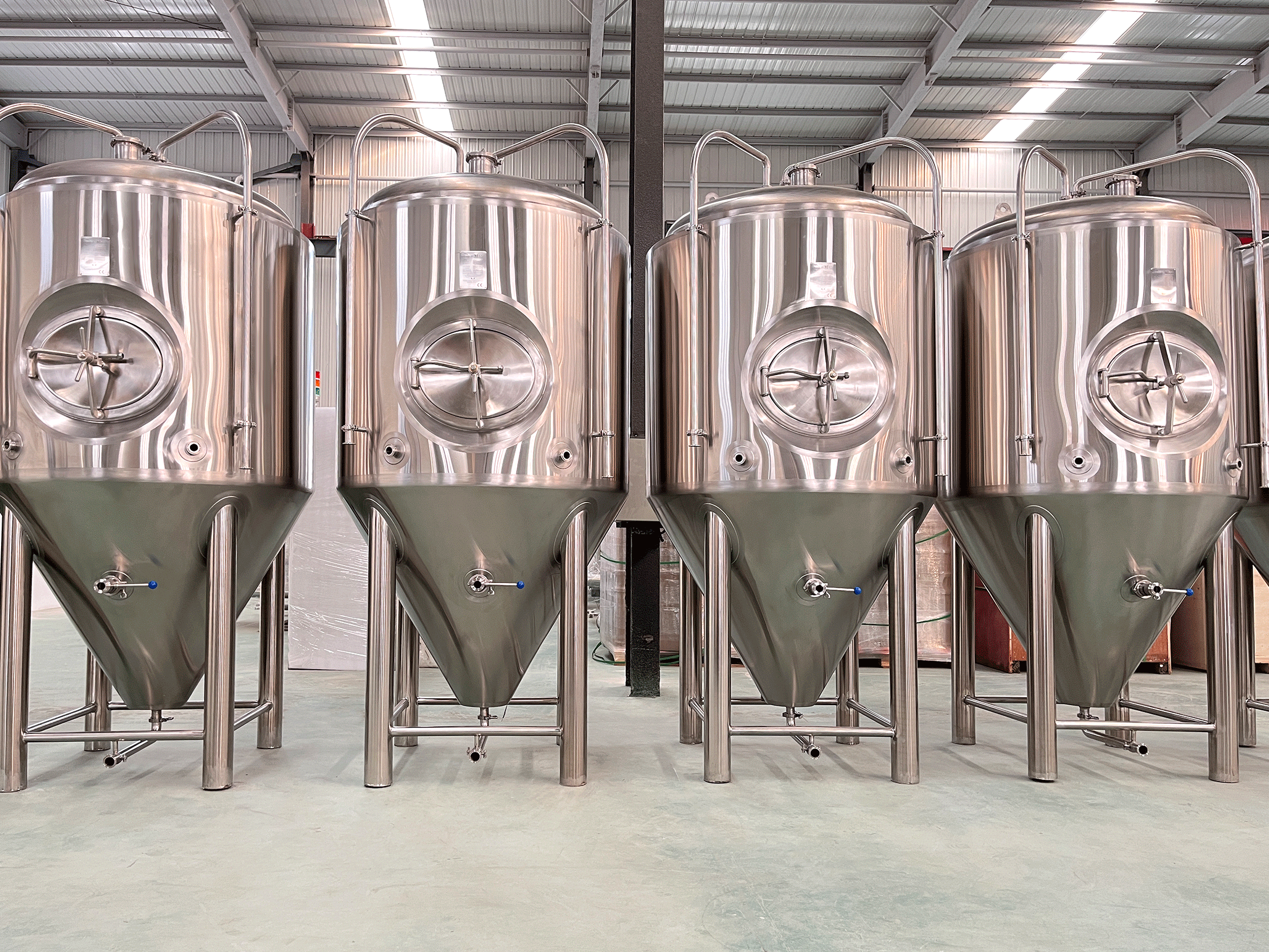
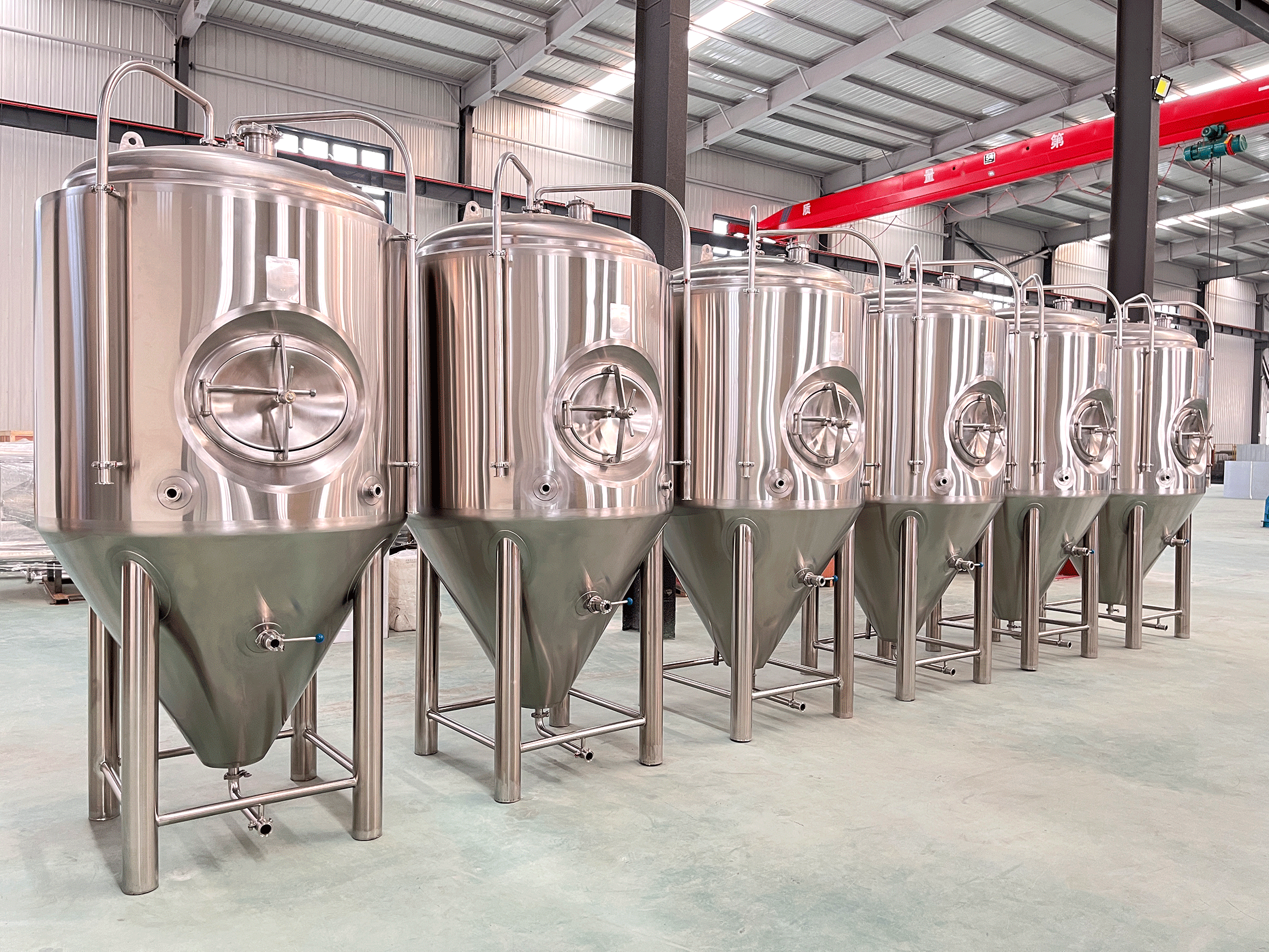
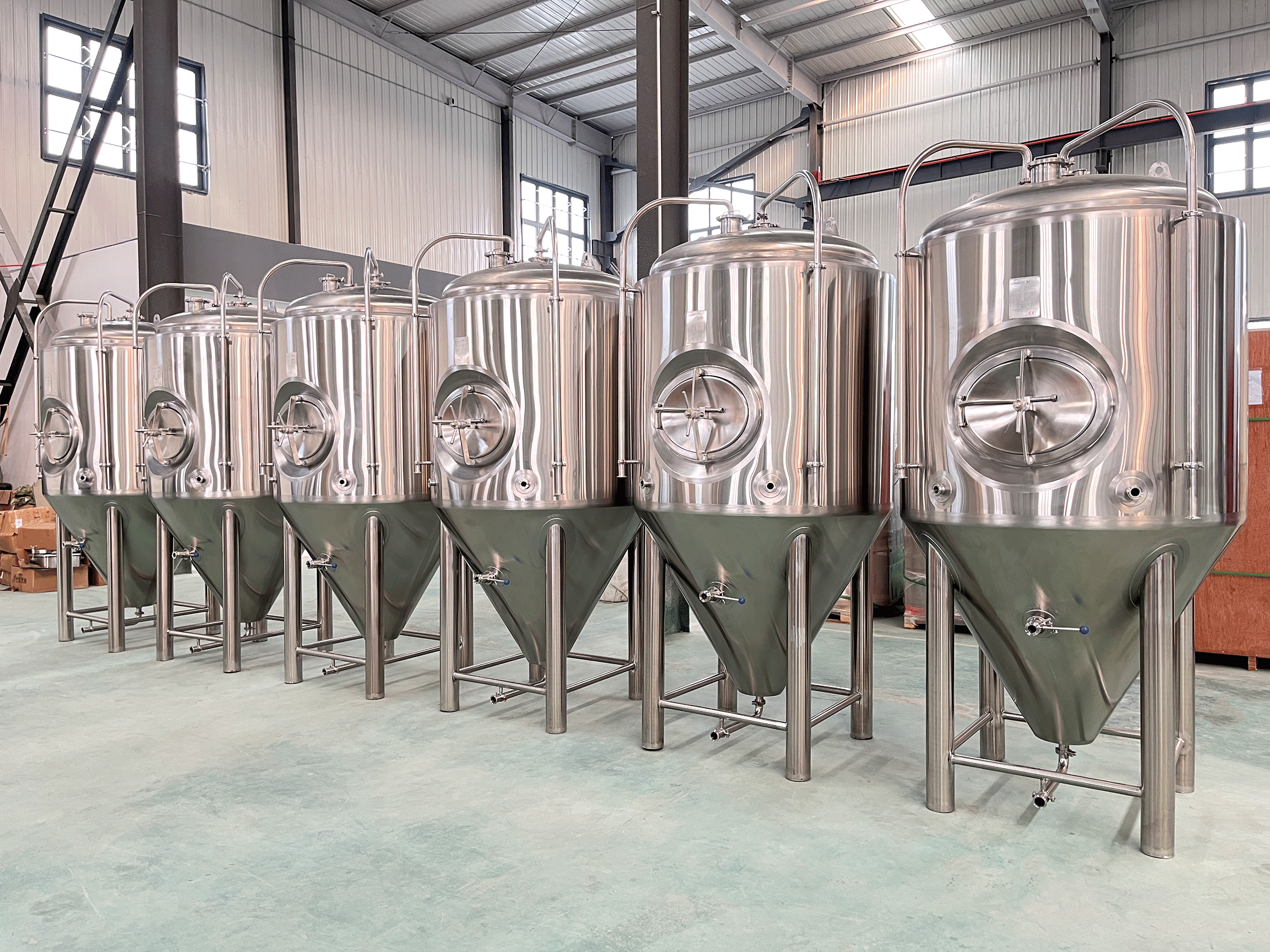
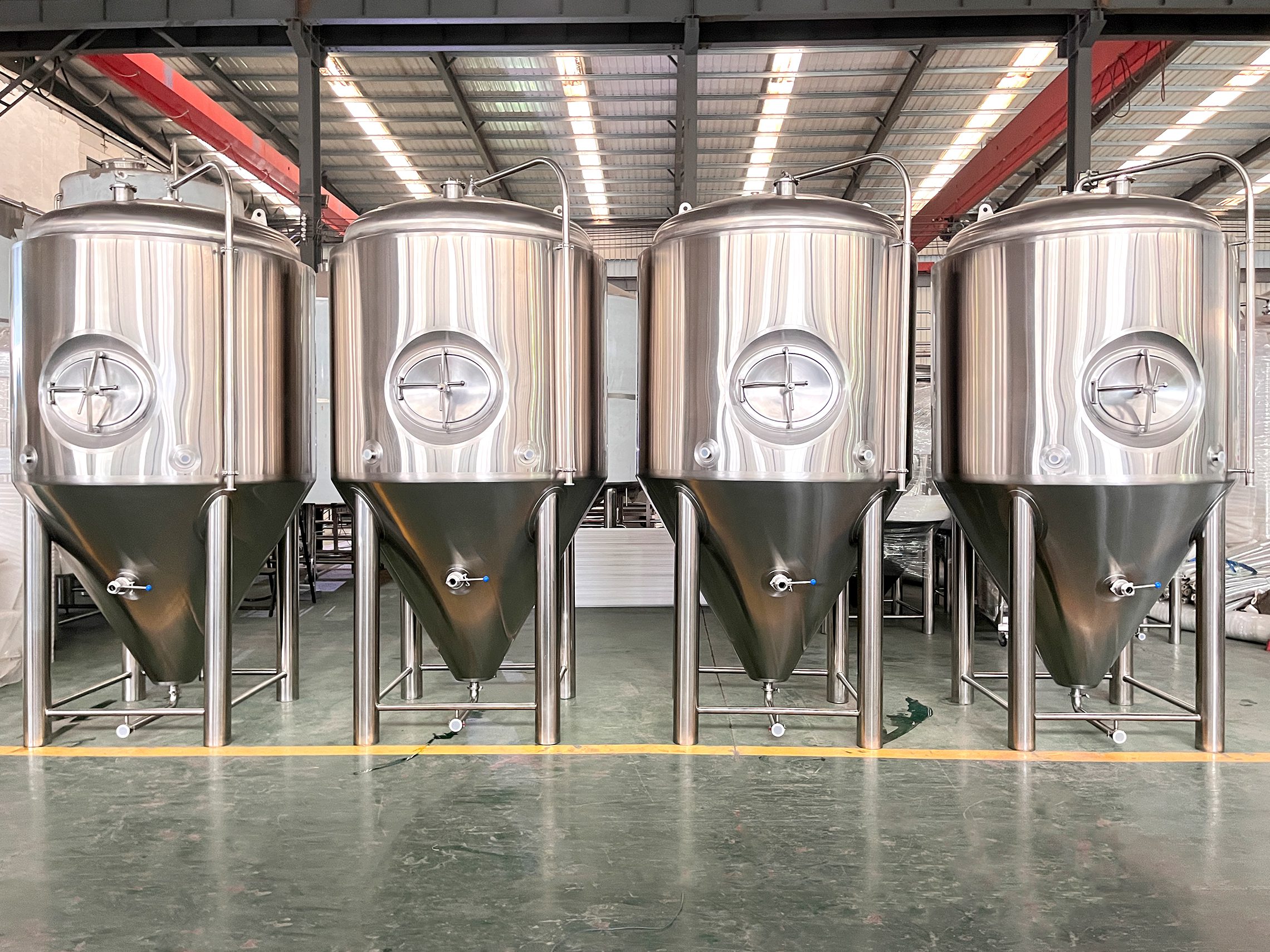
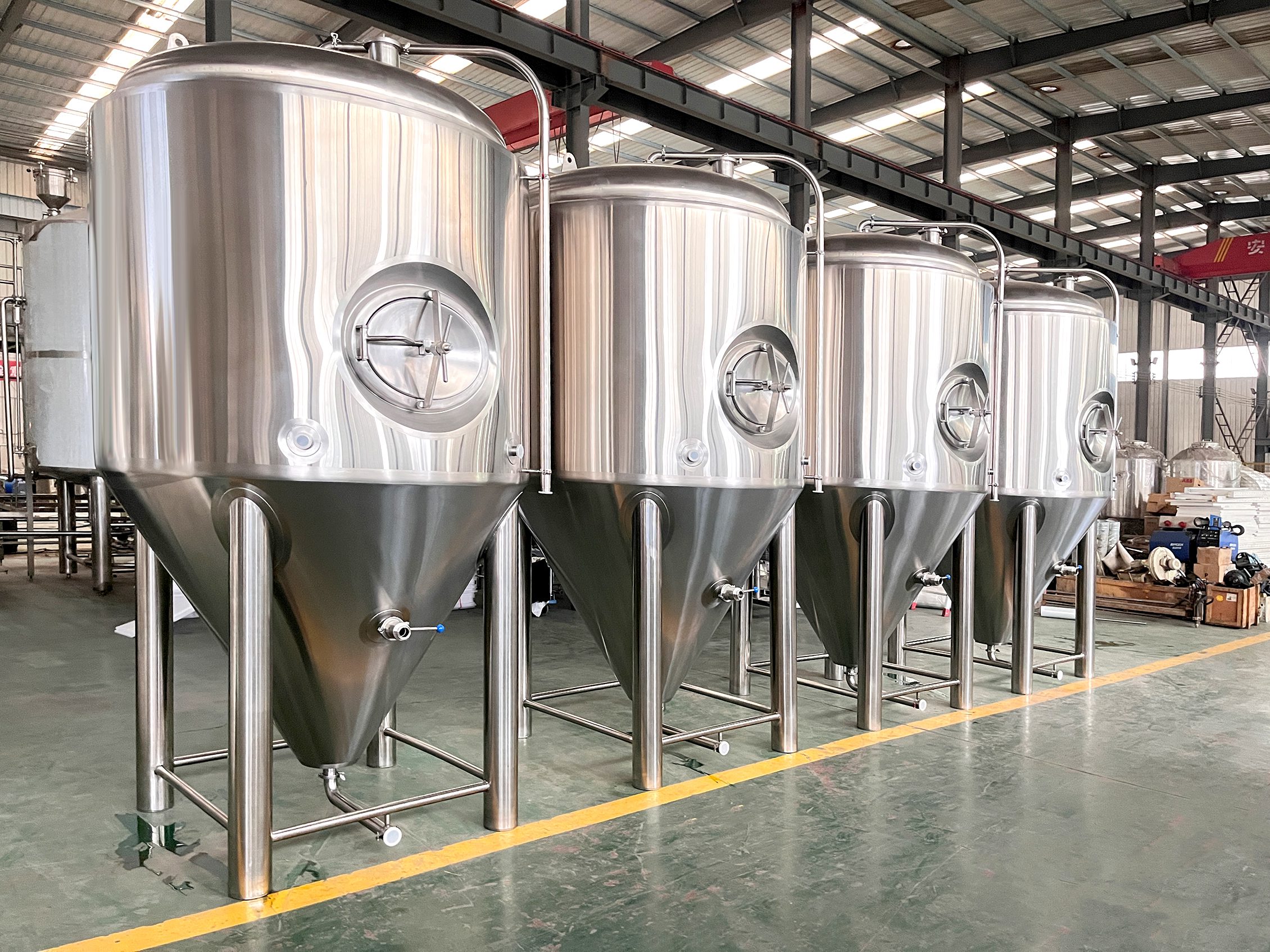
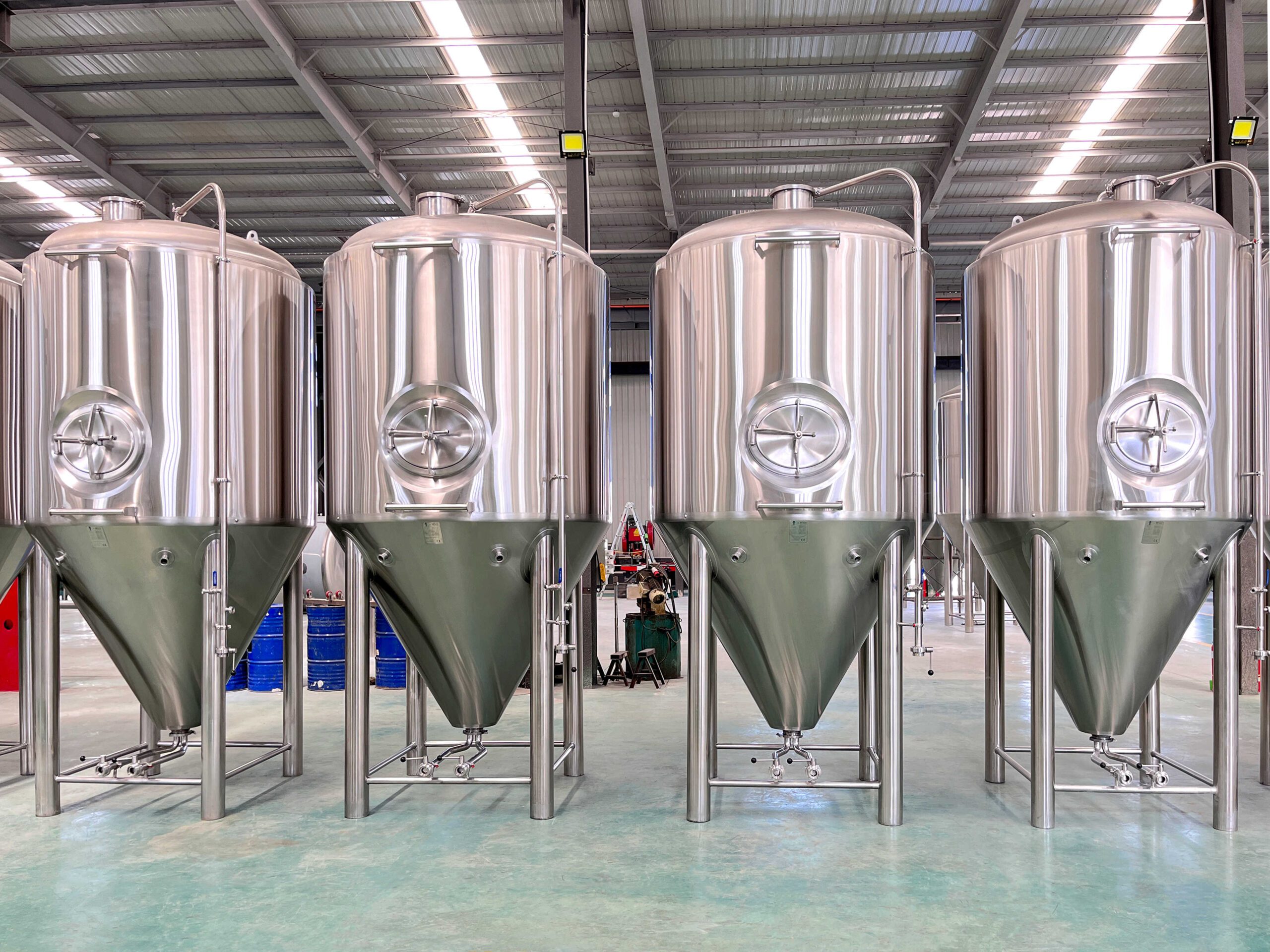
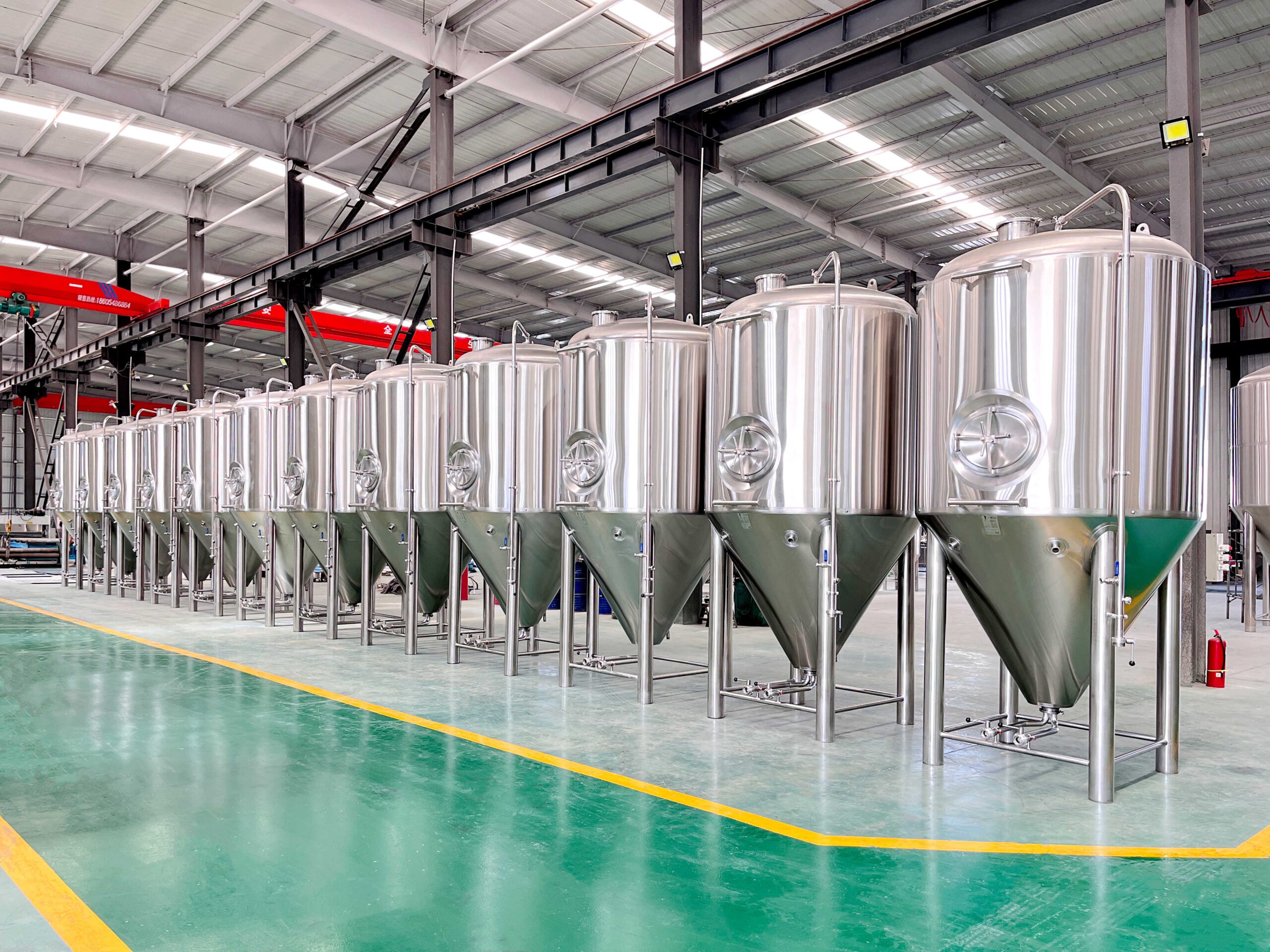
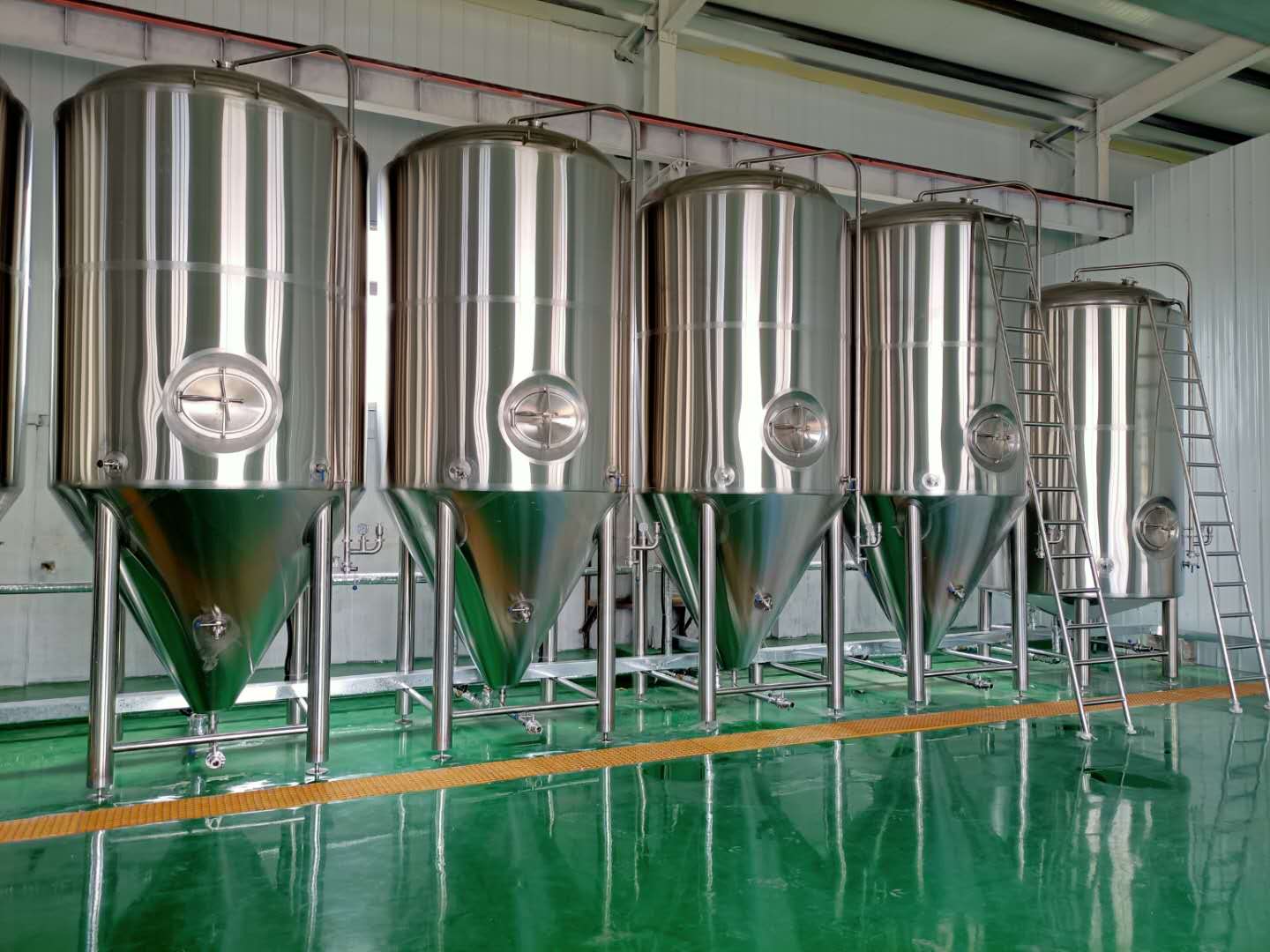
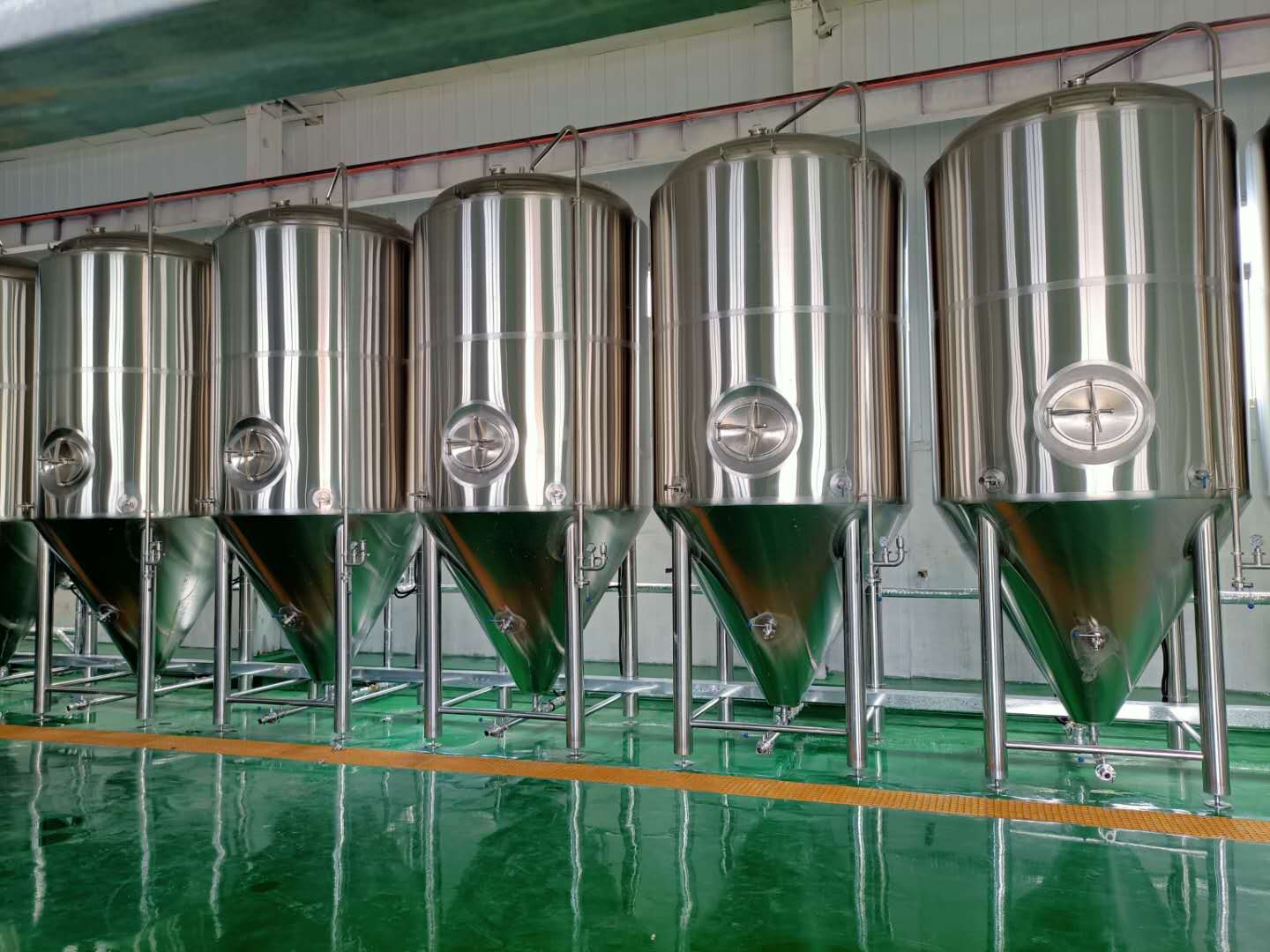
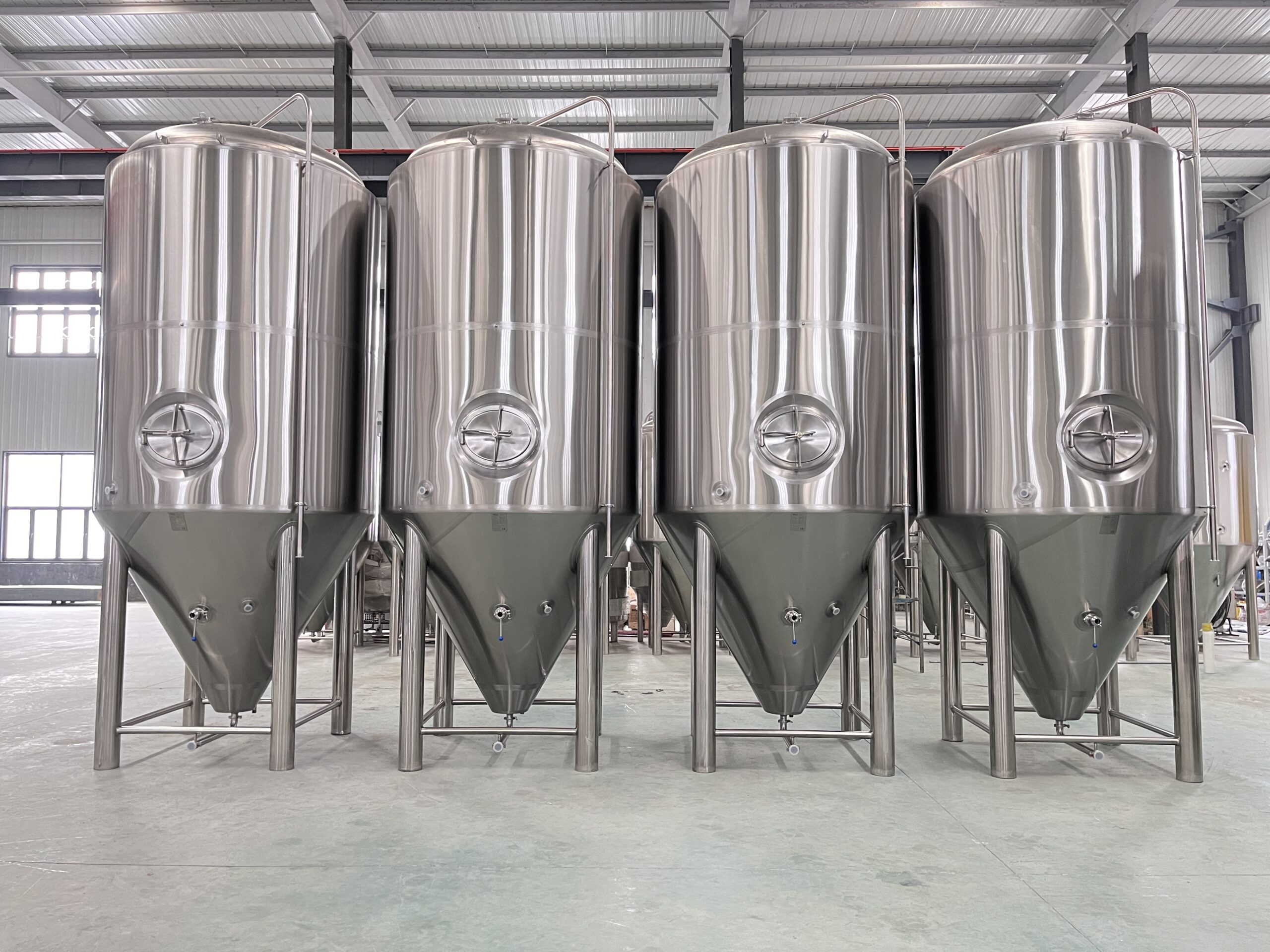
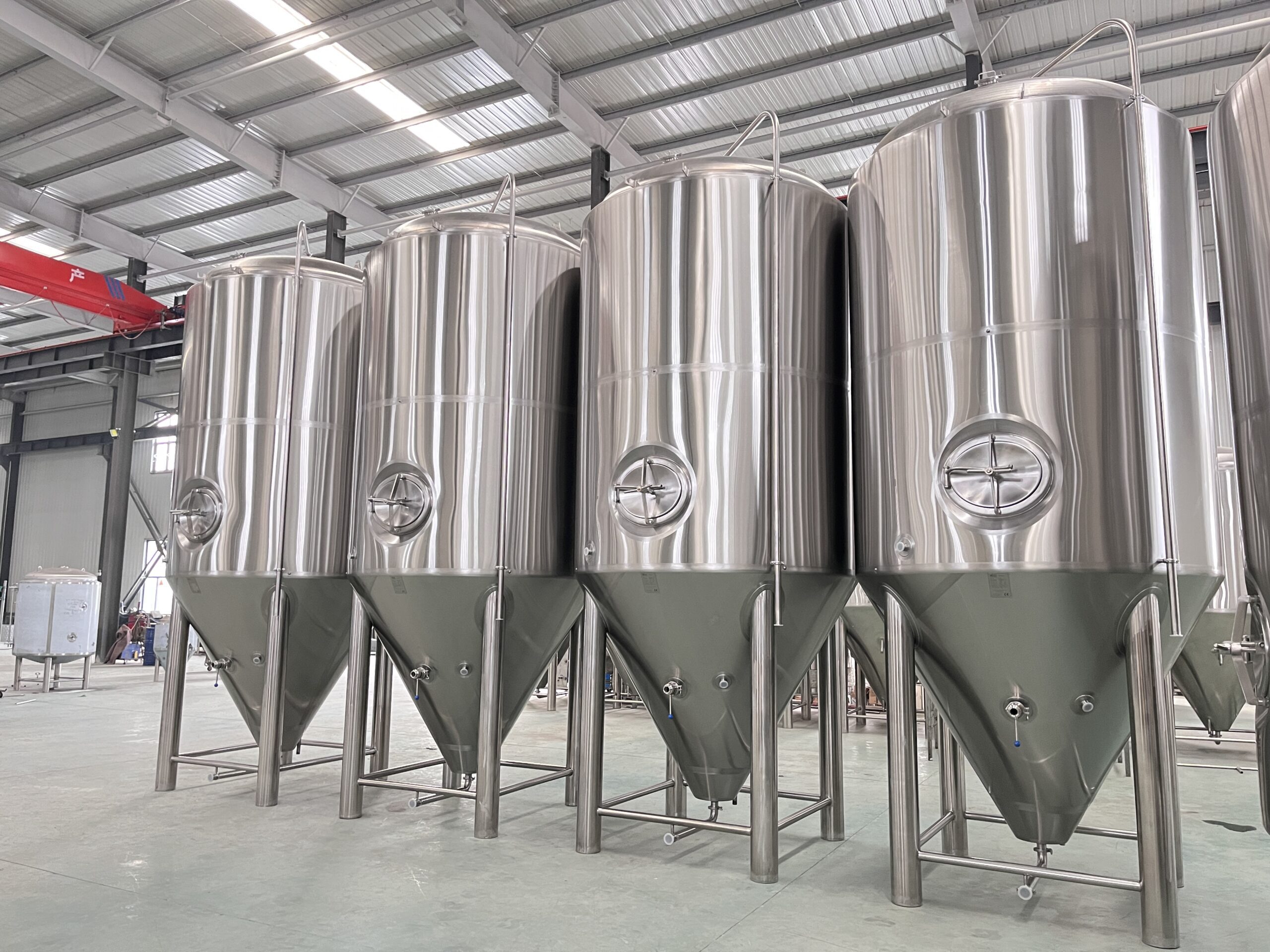
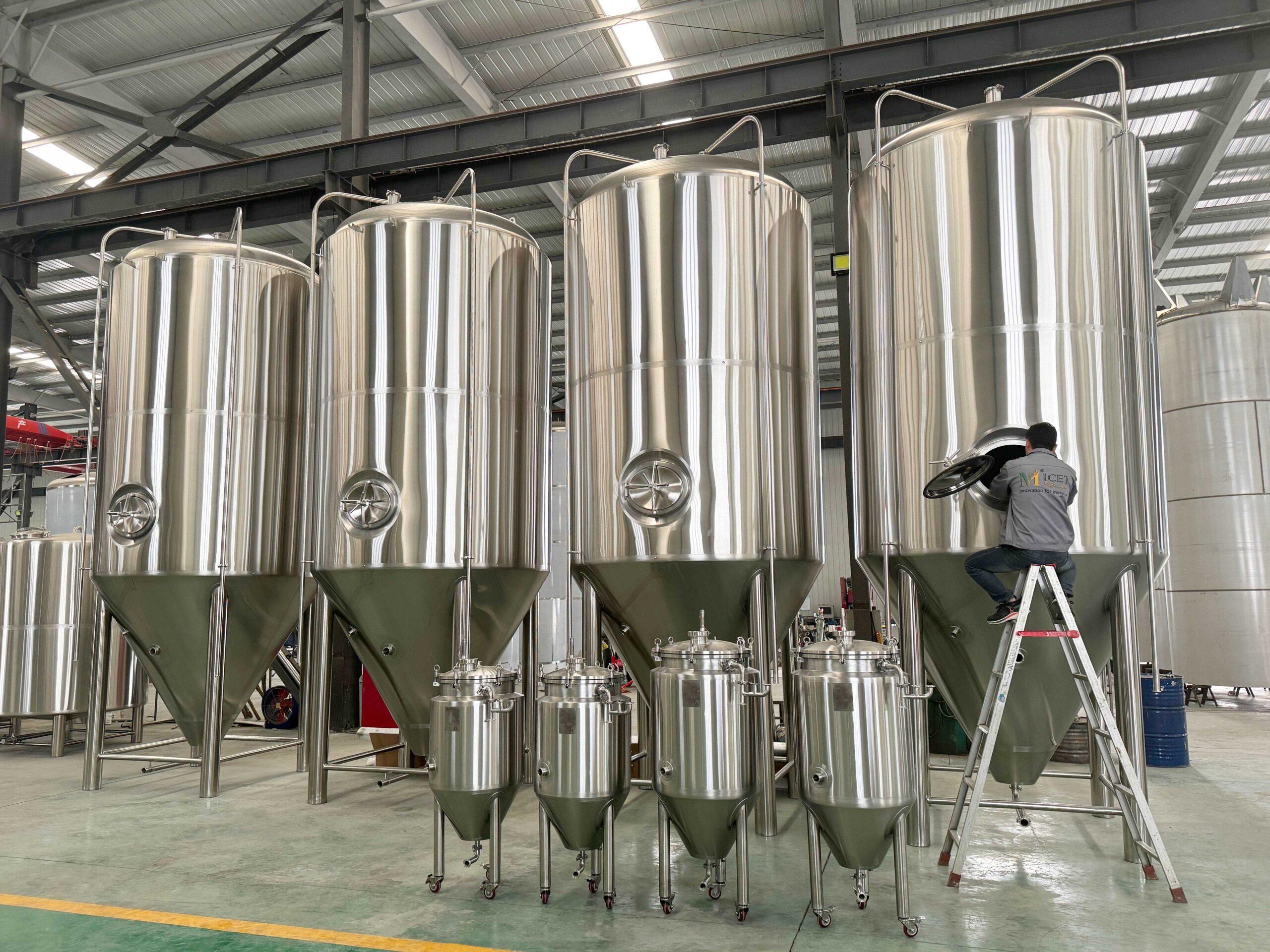
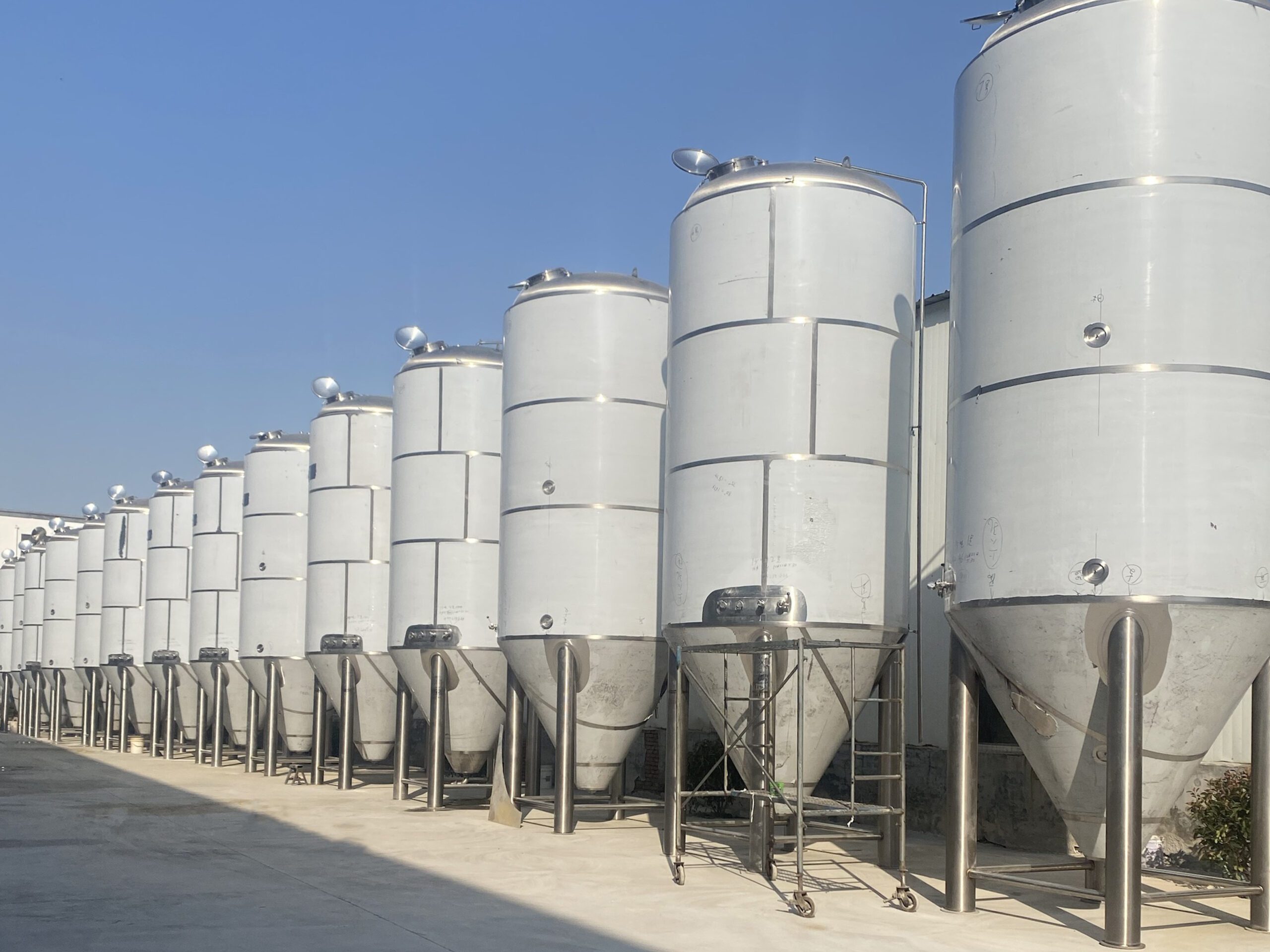
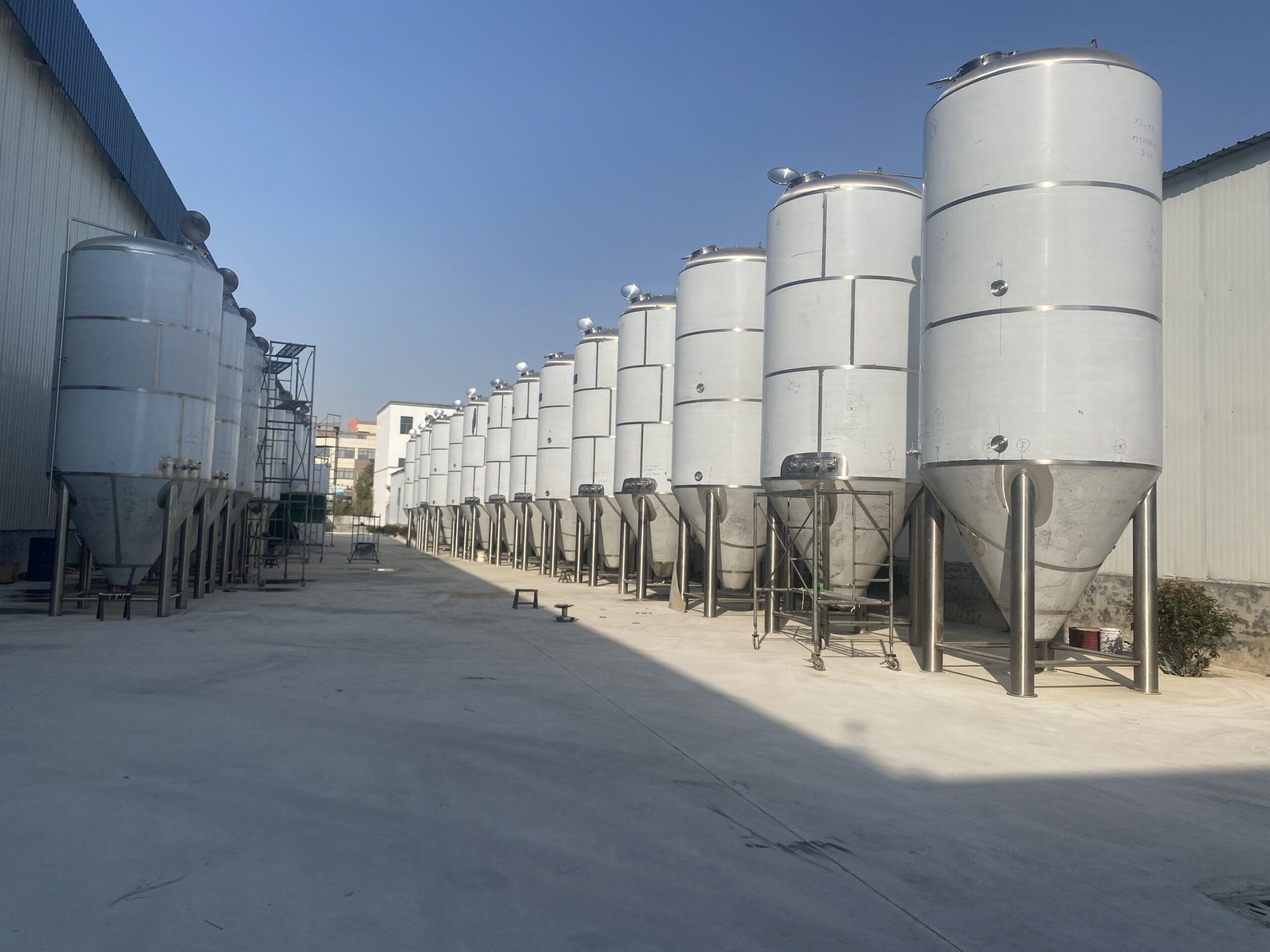
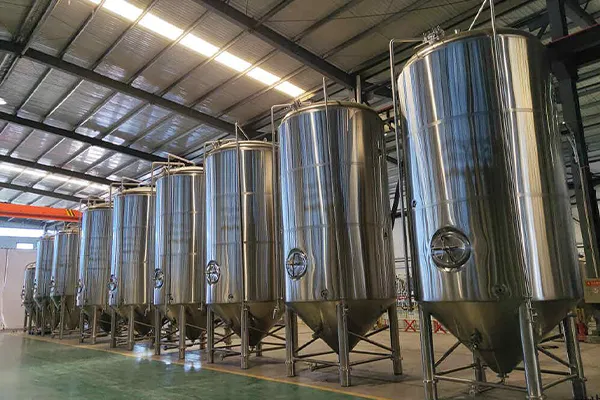
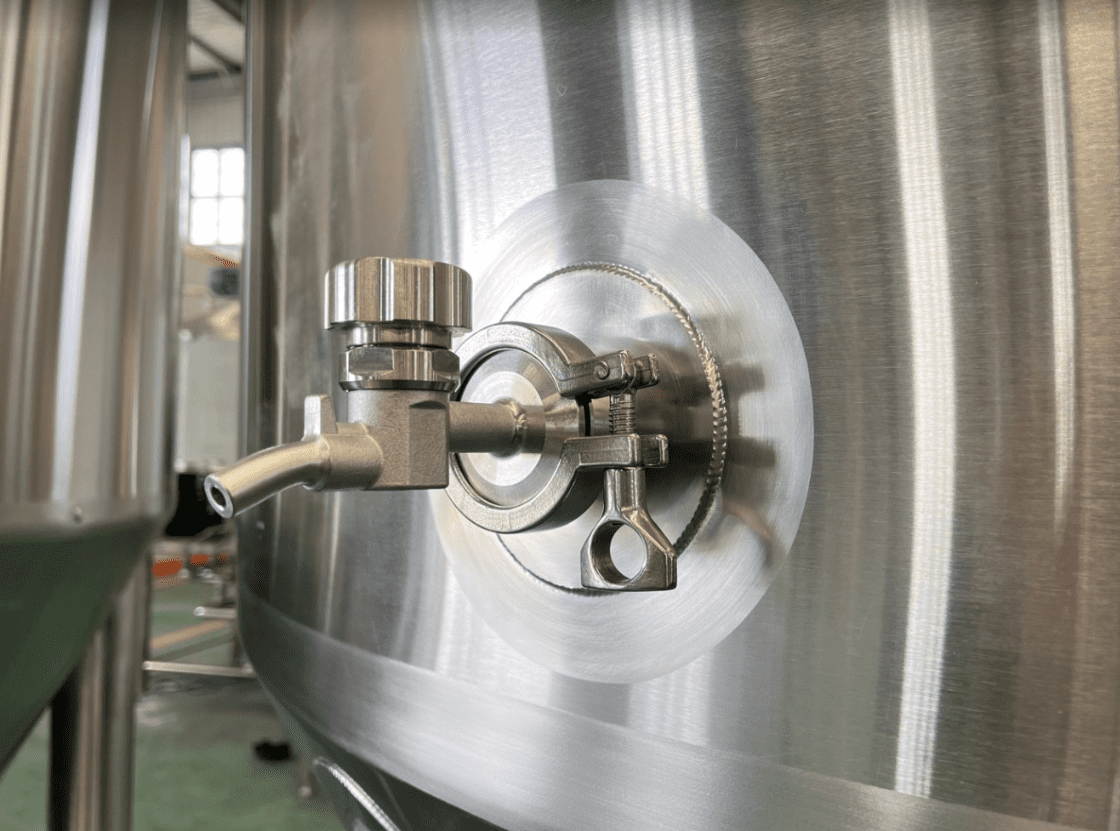
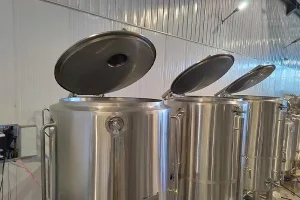
Our Fermentation Cellar Projects & On-Site Photos show used fermentation tanks installed in real breweries and beverage plants, so you can see actual layouts, tank rows and piping, and imagine how similar setups can work in your own project.

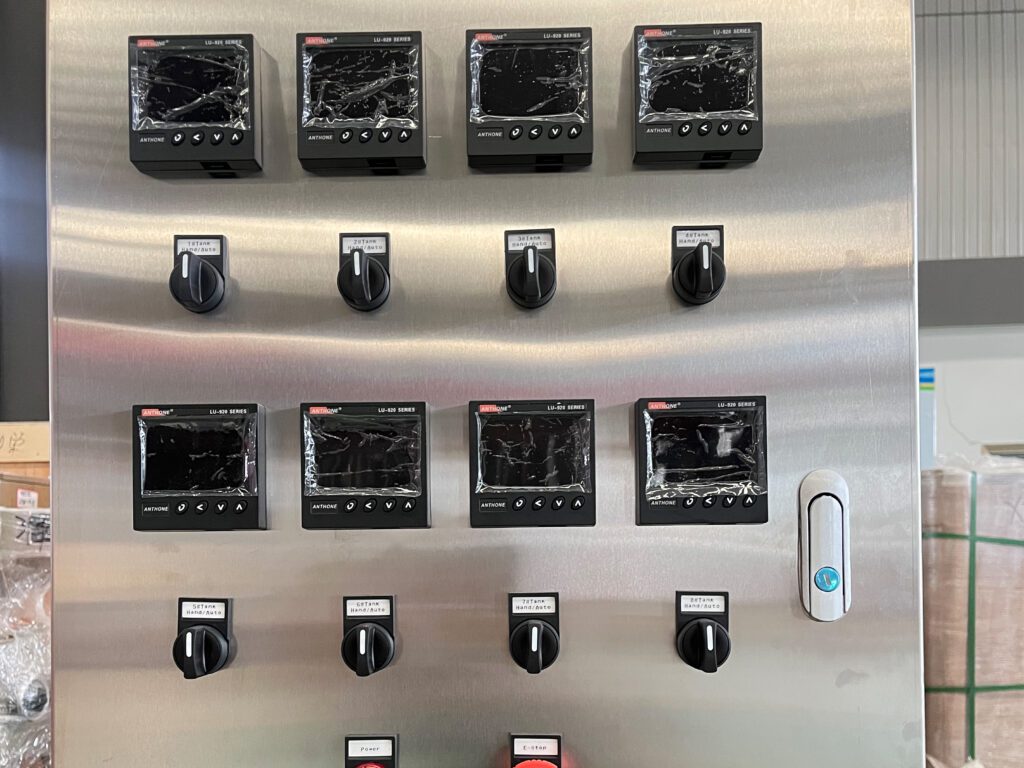
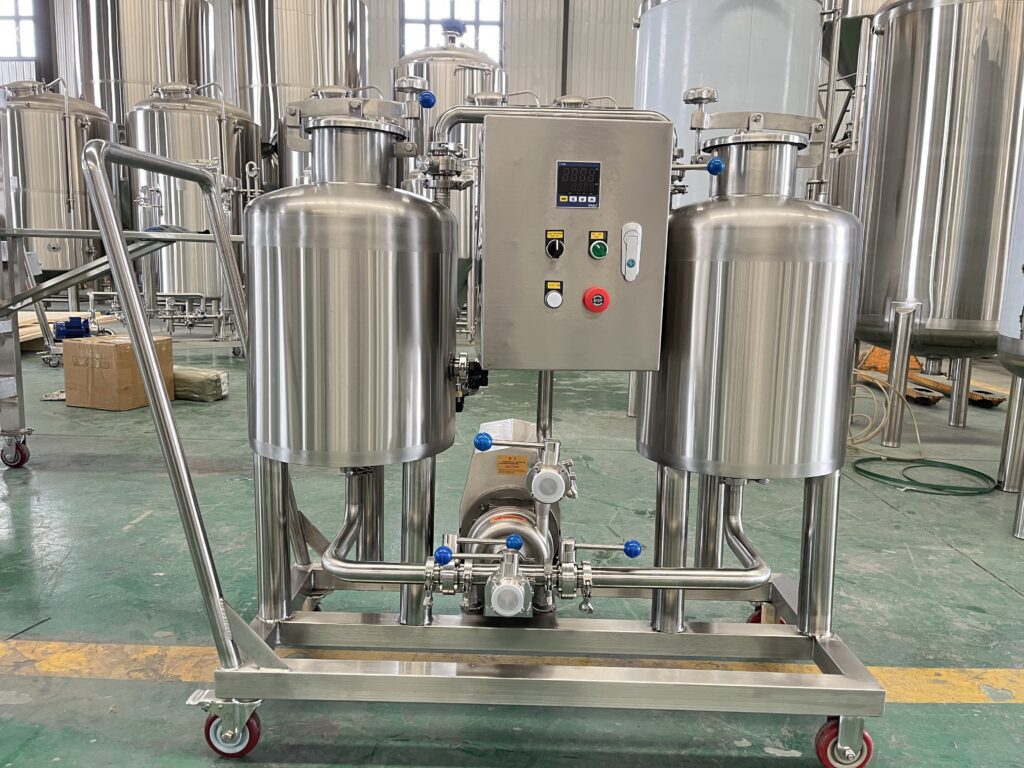
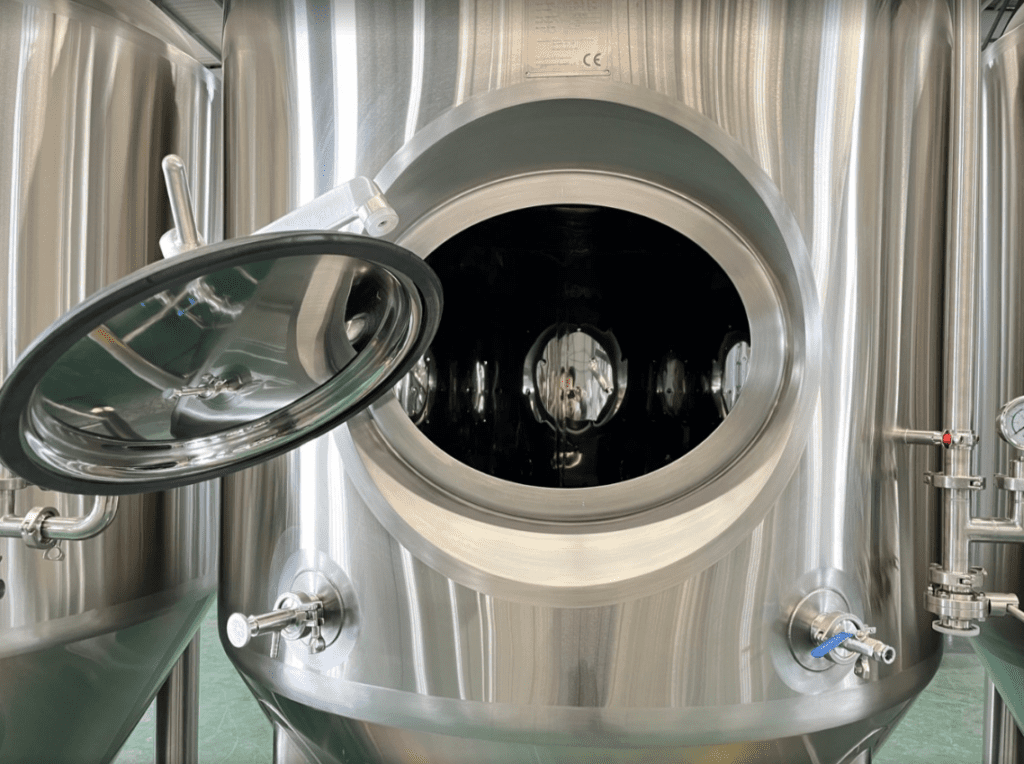
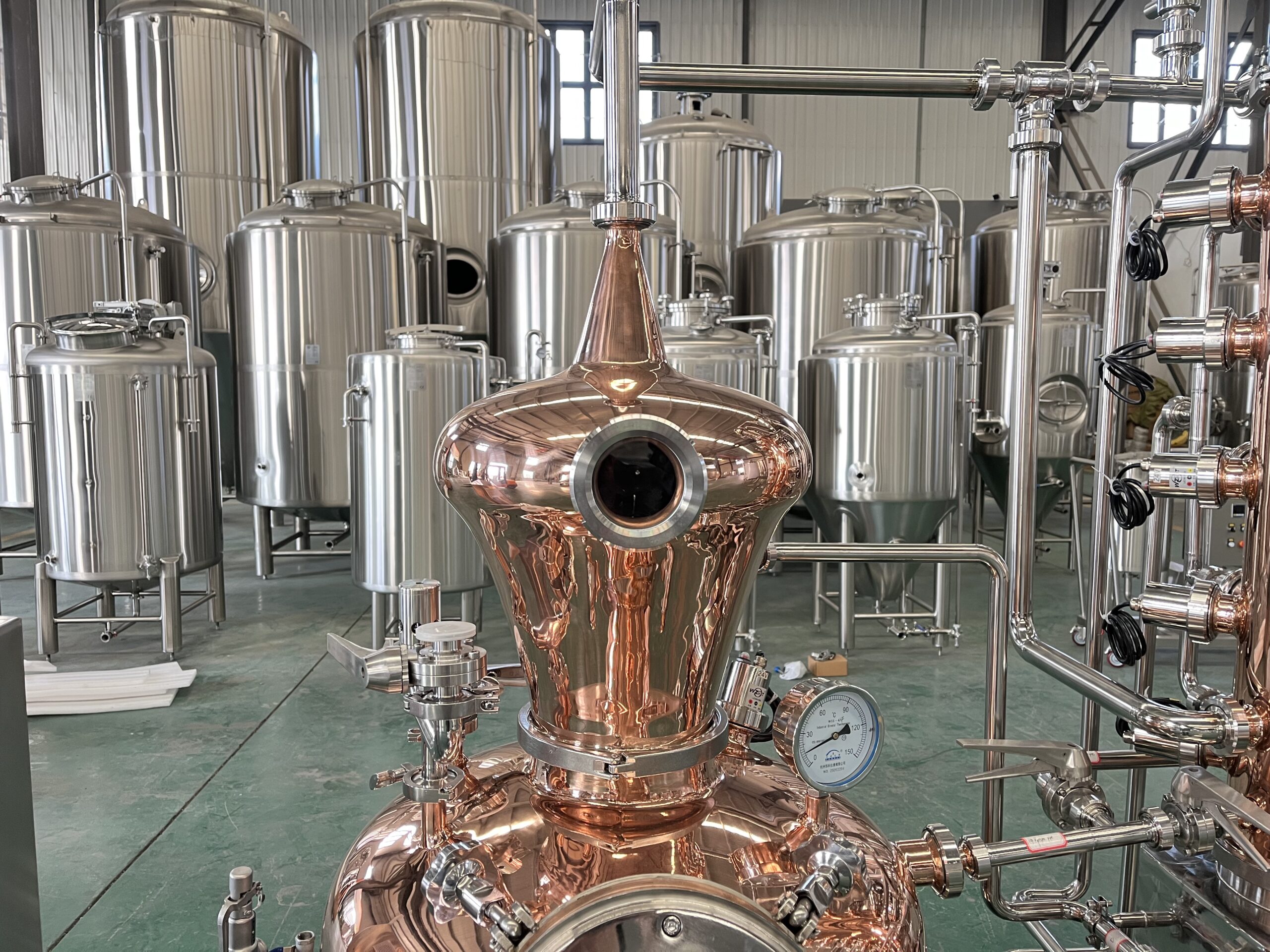
Starting a distillery without the right equipment can waste raw ingredients, reduce spirit quality, and create serious safety risks. Distillation needs more than a still. A complete distillery needs fermentation, heating, vapor control, condensation, storage, cleaning, testing, and packaging equipment.
A distillery usually uses mash equipment, a mash tun, fermenter, pot still or column still, condenser, reflux system, receiving tank, storage tanks, filtration equipment, proofing tools, CIP cleaning equipment, pumps, valves, piping, and bottling equipment. Commercial distilling also requires safety controls, ventilation, temperature control, hygienic design, and legal compliance.
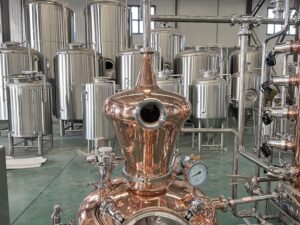
Distillery equipment is not only the still. A complete system includes mash preparation, fermentation, distillation, condensation, spirit collection, storage, filtration, proofing, cleaning, and packaging.
Distillation separates liquid mixtures by vapor behavior, then condenses vapor back into liquid distillate.
In the United States, a distilled spirits plant can produce, bottle, process, rectify, or store beverage spirits such as vodka, whiskey, gin, brandy, rum, and liqueurs, but approval and compliance are required.
Ethanol vapor and flammable liquid handling require serious engineering controls, including controlling vapor release and eliminating ignition sources.
Copper contact is often used in whiskey distilling because copper surfaces can help reduce sulfur compounds in spirit production, although the effect depends on still design and contact area.
The right distillation equipment depends on spirit type, batch size, heating method, hygiene requirements, local regulations, and the size of your business.
What equipment is used in any distillery?
What does a still do in the distillation process?
Pot still vs column still: which distillation equipment is right?
Why are mash tun, fermentation tank, and fermenter important?
How do condenser, vapor path, and reflux affect distillate quality?
What storage tanks, proofing tools, and filtration equipment are needed?
What cleaning equipment supports hygiene within a distillery?
What equipment is needed for whiskey, vodka, gin, brandy, and essential oils?
What safety and compliance equipment should commercial distilling projects consider?
How should B2B buyers choose commercial distillery equipment?
The basic equipment in any distillery includes raw material handling tools, mash equipment, fermentation tanks, a still, condenser, receiving tank, storage tanks, pumps, valves, piping, cleaning equipment, testing tools, and packaging equipment. The exact system depends on whether the distiller makes whiskey, vodka, gin, brandy, rum, neutral spirits, or other distilled spirit products.
A simple distillery flow looks like this:
| Process Stage | Main Equipment Used |
|---|---|
| Raw ingredient preparation | Grain mill, fruit crusher, sugar mixing tank, water treatment |
| Mash preparation | Mash tun, cooker, agitator, heating system |
| Gärung | Fermenter, cooling jacket, yeast handling, temperature control |
| Destillation | Pot still, column still, heating system, reflux system |
| Condensation | Condenser, cooling water system, distillate outlet |
| Collection | Spirit receiver, alcohol pipeline, hydrometer, proofing tools |
| Aging or storage | Stainless steel storage tanks, barrels, blending tanks |
| Filtration | Good filtration system, activated carbon filters where suitable |
| Reinigung | CIP pump, spray balls, cleaning tanks, sanitary piping |
| Packaging | Manual bottling line, filling machine, corker, capper, labeler |
For commercial projects, I do not recommend choosing equipment piece by piece without a production plan. Distilling alcohol involves heat, ethanol vapor, pressure, cooling, cleaning, and regulation. The equipment should be planned as one system.
As a professional brewery, distillery, winery, kombucha, and beverage equipment manufacturer, we usually begin by asking: What spirit do you want to distill, what batch size do you need, and how will the product be packaged or aged? Those answers shape the whole system.
A still is the core distillation equipment used to heat fermented liquid and separate alcohol vapor from the mixture. During distillation, components with different vapor behavior separate as the liquid is heated. The vapor travels through the still system, enters a condenser, cools, and returns to liquid form as distillate.
In spirit production, the still does not create alcohol by itself. Alcohol comes from fermentation, where yeast converts fermentable sugars into ethanol. The still then concentrates and separates the alcohol and flavor compounds from the fermented wash, wine, mash, or beer-like liquid.
A distiller controls several factors during the distilling process:
A small change in still design can change flavor, yield, and working efficiency. A tall neck may create more reflux. A traditional pot still may keep heavier flavor. A column still may produce cleaner, lighter spirit. The right choice depends on the spirit style.
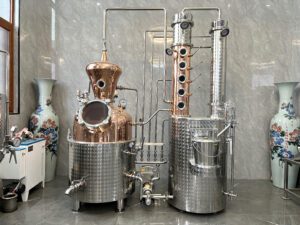
A pot still is commonly used for flavorful batch distillation. It is often selected for whiskey distilling, brandy, rum, and craft spirits where aroma and body matter. A traditional pot still usually has a pot, head or helmet, lyne arm, condenser, and collection outlet.
A column still uses plates or packing to create repeated vapor-liquid contact inside the column. This helps increase separation and can produce higher-proof spirit. Column still systems are often used for vodka, gin base spirit, neutral spirit, and operations that need more control over purity and proof.
| Equipment Type | Main Strength | Gemeinsame Nutzung |
|---|---|---|
| Pot still | Richer flavor, batch control, traditional character | Whiskey, brandy, rum, craft spirits |
| Column still | Higher proof, cleaner separation, more reflux control | Vodka, gin base, neutral alcohol |
| Hybrid still | Combines pot and column features | Craft distilleries with multiple products |
| Reflux column | Better separation and cleaner output | Vodka or high-proof spirits |
| Botanical gin still | Adds vapor or liquid infusion options | Gin and flavoring products |
The trade-off is simple. A pot still often gives more character but may need more time and more cuts. A column still gives more control and higher proof but may remove some heavier flavor. For a multi-product distillery, a hybrid pot-column system can be practical.
Before a distillery can distill, it needs fermentable alcohol. For grain spirits, the process often starts with milling and mashing. A mash tun or cooker mixes grain and water under controlled temperature and mixing. This helps convert starch into fermentable sugars, depending on the raw ingredients and recipe.
After mashing, the liquid moves to a fermenter. Yeast is added, and fermentation begins. The fermenter must support temperature control, cleaning, safe transfer, and proper working volume. For fruit spirits or brandy, fermentation may start with juice or crushed fruit instead of grain mash.
A commercial fermenter should be:
If fermentation is unstable, distillation cannot fix everything. Poor fermentation can create off-flavors, low alcohol yield, microbial problems, or inconsistent distillate. Good spirits begin before the still.
The condenser cools alcohol vapor and turns it back into liquid distillate. Without a good condenser, vapor may not fully condense, collection becomes unstable, and safety risk increases. Condenser design must match the still size, heating power, cooling water supply, and expected vapor flow.
The vapor path also matters. Vapor may pass through copper, stainless steel, a helmet, a swan neck, a column, plates, packing, or a reflux section. More reflux means some vapor condenses and returns to the still or column before being collected. This repeated contact can make the spirit cleaner and higher in proof.
Copper deserves special attention. Research on whiskey sulfur compounds notes that copper still surfaces have been reported to remove sulfur compounds, although the chemistry is complex and not every copper position has the same effect.
For whiskey, brandy, and some craft spirits, copper contact can help shape aroma. For vodka or gin, stainless steel systems with copper sections may be used depending on the desired spirit style. The best design is not “all copper” or “all stainless” by default. It should match product quality and yield goals.
After distillation, the distillate may need temporary holding, proof adjustment, blending, filtration, aging, or bottling. Storage tanks are used for spirit collection, blending, dilution, resting, or bulk storage. They are usually made of stainless steel and fitted with sanitary valves, level indicators, vents, manways, and cleaning connections.
Proofing tools help the distiller check alcohol strength. A hydrometer or alcoholmeter is used to measure proof or ABV, usually with temperature correction. Professional operations may also use lab testing for accuracy, especially for tax, labeling, and compliance.
Filtration depends on the spirit. Vodka may use activated carbon filters to improve clarity and smoothness. Gin may need botanical particle removal. Brandy and whiskey may need less filtration if flavor retention is the goal. A good filtration system should improve product quality without stripping the desired character.
| Equipment | Zweck |
|---|---|
| Spirit receiver | Collects distillate from condenser |
| Storage tank | Holds spirit before blending or packaging |
| Proofing tank | Supports dilution and proof adjustment |
| Hydrometer / alcoholmeter | Checks alcohol strength |
| Activated carbon filters | Common for vodka polishing |
| Cartridge or plate filtration | Removes particles before bottling |
| Blending tank | Mixes batches or adjusts flavor |
| Manual bottling line | Suitable for small craft production |
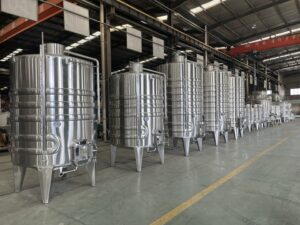
Hygiene within a distillery affects flavor, safety, and production efficiency. Cleaning equipment may include CIP systems, spray balls, cleaning pumps, chemical tanks, hoses, drain systems, and sanitary fittings. CIP means clean in place. It allows tanks and pipes to be cleaned without full disassembly.
Distillery cleaning is different from simple rinsing. Mash residue, yeast, fruit pulp, sugar deposits, botanical oils, and mineral scale can build up in equipment. If these residues stay inside the system, they may affect the next batch.
A well-designed cleaning setup should support:
For B2B buyers, this is one of the biggest differences between low-cost equipment and professional distillery equipment. A still or tank that is difficult to clean will become expensive through downtime, labor, and quality issues.
Different products need different distilling equipment. Whiskey distilling often uses mash cooking, fermentation tanks, pot stills or hybrid stills, condensers, spirit receivers, barrels, and storage areas. Brandy needs fruit processing, fermentation, distillation, and often aging.
Vodka or gin requires a different plan. Vodka usually needs a cleaner, higher-proof spirit, so column distillation, reflux control, proofing, and filtration may matter more. Gin may require botanical flavoring, which can happen through maceration, vapor infusion, or a gin basket depending on the distiller’s style.
Essential oils are not beverage alcohol, but some equipment principles overlap. Essential oil distillation often uses steam distillation, plant material baskets, condensers, oil-water separators, and stainless steel vessels. The design focus is aroma capture, plant material handling, and separation.
| Product | Common Equipment Focus |
|---|---|
| Whiskey | Mash tun, fermenter, pot still, condenser, barrel aging |
| Vodka | Column still, reflux, filtration, proofing tank |
| Gin | Neutral spirit system, botanical basket, flavoring control |
| Brandy | Fruit fermentation, pot still, storage tanks |
| Rum | Molasses handling, fermentation, pot or column distillation |
| Essential oils | Steam generator, plant basket, condenser, separator |
A 1000L distillery system may be suitable for a growing craft distillery, but size alone is not enough. The heating method, condenser capacity, column design, cleaning access, and building utilities must match the product.
Commercial distilling involves flammable liquids and ethanol vapor. OSHA guidance explains that engineering controls for flammable liquids such as ethanol focus on preventing or controlling flammable vapor release and eliminating ignition sources.
A distillery should consider safety equipment and design features such as:
Legal compliance also matters. In the United States, TTB rules cover distilled spirits plant operations, permits, registration, production, bottling, processing, storage, and related compliance topics. A beverage distilled spirits plant may produce, bottle, rectify, process, or store spirits, but operators must follow the applicable rules.
This article is not legal advice. Every commercial distillery should check local laws, alcohol licensing rules, fire codes, electrical codes, and environmental requirements before purchasing or installing equipment.
B2B buyers should choose commercial distilling equipment by process, not by catalog photo. A startup craft distillery, established distillery, restaurant chain, beverage co-packer, distributor, or project investor may need very different equipment even if the product name sounds similar.
A practical purchasing checklist:
| Question | Warum es wichtig ist |
|---|---|
| What spirit will you produce? | Whiskey, vodka, gin, brandy, rum, or essential oils need different systems |
| What batch size do you need? | Defines still volume, fermenter size, and heating load |
| What raw ingredients will you use? | Grain, fruit, molasses, or botanicals affect mash and cleaning |
| Pot still or column still? | Controls flavor, proof, and production style |
| What heating method is available? | Steam, electric, gas, or thermal oil affects layout and cost |
| Do you need copper contact? | Important for some spirit styles and aroma targets |
| What proof target is required? | Affects reflux, column design, and collection strategy |
| How will you clean the system? | Determines CIP, access, valves, and downtime |
| What packaging method is planned? | Manual bottling line or automated filling affects layout |
| What support is needed? | CAD/3D layout, installation guidance, and technical service reduce risk |
From our professional experience, many distillery projects fail at the planning stage because buyers focus only on the still. The still matters, but the fermenter, condenser, cooling system, cleaning plan, storage tanks, and safety design matter just as much.
Not every distillery needs the same system. A small craft distiller may need flexibility more than high automation. A vodka producer may need a column still and filtration. A whiskey producer may prefer traditional pot still character. A brandy producer may focus on fruit handling and gentle distillation. A co-packer may need repeatable cleaning, fast changeover, and batch documentation.
Important trade-offs include:
The best system is not the most expensive one. It is the system that matches your product, production capacity, safety requirements, and long-term business plan.
A startup distillery wanted a 1000L system for whiskey and gin. At first, the buyer asked only for a still price. After reviewing the project, we found that the facility also needed fermentation capacity, cooling, botanical handling, proofing, storage, cleaning, and a practical manual bottling line.
The final equipment plan included:
| Need | Equipment Solution |
|---|---|
| Whiskey mash preparation | Mash tun with temperature and mixing control |
| Gärung | Stainless steel fermenters sized for batch schedule |
| Whiskey distillation | Pot still with copper contact and condenser |
| Gin flexibility | Botanical basket and controlled vapor path |
| Kühlung | Condenser cooling water system |
| Spirit handling | Receiving tank, proofing tank, storage tanks |
| Reinigung | CIP pump and sanitary spray connections |
| Packaging | Manual bottling line for small-batch releases |
| Layout | CAD/3D plan for workflow and utility access |
This project showed a common lesson: good distillery equipment should support the whole production chain, not just the moment of distillation.
What equipment is used in a distillery?
A distillery uses mash equipment, fermenters, stills, condensers, reflux systems, spirit receivers, storage tanks, pumps, valves, piping, filtration systems, proofing tools, cleaning equipment, and bottling equipment.
What is the most important piece of distillery equipment?
The still is the most visible piece of equipment, but the fermenter, condenser, cooling system, and cleaning system are also essential. Poor fermentation or poor condensation can damage quality even if the still is well made.
Was ist der Unterschied zwischen einem Pot Still und einem Column Still?
A pot still is usually used for batch distillation and flavorful spirits such as whiskey, rum, and brandy. A column still uses plates or packing for stronger separation and higher proof, making it useful for vodka, gin base spirit, and neutral alcohol.
Is stainless steel or copper better for distillation equipment?
Both can be useful. Stainless steel is durable, hygienic, and easy to clean. Copper can help manage sulfur compounds and is traditional for many whiskey and brandy stills. Many commercial systems combine stainless steel with copper contact sections.
Do I need a mash tun for a distillery?
You need a mash tun if your spirit production starts from grain or other starch-based raw ingredients. If you distill from wine, cider, fruit wash, or purchased neutral spirit, your mash equipment needs may be different.
What equipment is needed for vodka or gin?
Vodka usually needs column distillation, reflux control, proofing, filtration, and clean storage. Gin may need neutral spirit handling, botanical flavoring, a gin basket or maceration tank, condenser, storage, filtration, and bottling equipment.
Is distilling alcohol at home legal?
Laws vary by country and region. In the United States, beverage distilled spirits production is regulated, and commercial operations require proper approval and compliance. Always check local alcohol laws before distilling.
Distillery equipment includes much more than a still.
A complete system may include mash tun, fermenter, still, condenser, reflux column, receiving tank, storage tanks, filtration, proofing, CIP cleaning, and bottling equipment.
Pot stills are often used for flavorful spirits such as whiskey and brandy.
Column stills are often used for higher-proof spirits such as vodka or neutral alcohol.
Fermentation quality strongly affects distillate quality and yield.
Condenser sizing and cooling water supply are critical for safe vapor control.
Copper contact can influence sulfur compound reduction in some distilling systems.
Stainless steel is widely used because it is hygienic, durable, and easy to clean.
Commercial distilling requires serious safety planning because ethanol and alcohol vapor are flammable.
The best distillery equipment plan should match spirit type, batch size, building layout, heating method, cleaning workflow, legal requirements, and future growth.
For a distillery project, the safest next step is a process review: confirm the spirit type, batch capacity, heating source, building utilities, cleaning plan, packaging method, and local compliance needs before choosing the still size or full equipment layout.

Bad kombucha equipment can lead to weak fermentation, mold risk, flat flavor, messy bottling, or unsafe pressure in bottles. Whether you brew kombucha at home or plan commercial production, the right tools help you control taste, safety, fizz, and repeatable quality.
To make kombucha, you need tea, cane sugar, water, a SCOBY, starter tea, a clean glass jar or stainless steel fermentation tank, breathable cover, rubber band, thermometer, pH test strips or meter, strainer, bottles for second fermentation, and cleaning tools. Commercial kombucha brewing also needs sanitary tanks, CIP cleaning, cooling, filtration, carbonation, filling, and quality control equipment.

Kombucha is a fermented tea made with sweetened tea and a SCOBY, a culture of bacteria and yeast that drives fermentation.
For safe homemade kombucha, pH control matters. Colorado State University notes kombucha should be below pH 4.2 but not below pH 2.5 for safe consumption.
A homebrew setup can start with a glass jar, coffee filter or tea towel, rubber band, starter tea, kombucha SCOBY, thermometer, test strips, and glass bottles.
Second fermentation creates carbonation, but pressure can build in bottles, so bottle choice and monitoring matter.
Commercial kombucha production requires stainless steel fermentation tanks, hygienic design, temperature control, pH/TA testing, safe packaging, and process records.
The best equipment depends on your goal: homemade kombucha, taproom-style batches, beverage co-packing, or scalable factory production.
What is kombucha brewing, and why does equipment matter?
What basic equipment do you need to make kombucha at home?
Why are SCOBY, starter tea, and sweetened tea essential?
What jar, cover, rubber band, and brewing vessel should you use?
What tools help control fermentation, temp, and pH?
What bottles are needed for second fermentation and carbonation?
How do you make kombucha with a simple 1-gallon recipe?
What equipment is needed for commercial kombucha brewing?
What are the trade-offs between DIY kombucha kits and professional systems?
How should beverage businesses choose kombucha equipment?
Kombucha brewing is the process of fermenting sweetened tea with a SCOBY. The word SCOBY means symbiotic culture of bacteria and yeast. During fermentation, yeast and bacteria work together to change sugar and tea into a tart, lightly fizzy fermented tea. Research describes kombucha as sugared tea fermented at ambient temperature with a cellulose pellicle made up of acetic acid bacteria and yeast.
Equipment matters because kombucha is alive. It needs air during the first fermentation, clean tools, the right room temperature, enough starter tea, and a safe vessel. Poor tools can slow the brew, invite fruit flies, increase contamination risk, or create inconsistent flavor. This is true whether you make kombucha at home in a wide-mouth jar or produce it in a commercial beverage facility.
From my experience as a brewery, distillery, winery, kombucha, and beverage equipment manufacturer, I usually tell buyers one thing first: kombucha equipment should support clean fermentation before it supports high output. A bigger tank is not useful if the process is hard to clean, hard to test, or hard to repeat.
To make kombucha at home, you need simple but clean tools. A beginner homebrew setup usually includes a glass jar, tea, organic cane sugar or cane sugar, starter liquid, a kombucha SCOBY, a breathable cover, rubber band, thermometer, pH test strips, strainer, and glass bottles for second fermentation.
A basic homemade kombucha equipment list looks like this:
| Equipment | Why You Need It |
|---|---|
| Glass jar or brewing jar | Holds the sweet tea, starter, and SCOBY |
| SCOBY | Starts the fermentation process |
| Starter tea | Acidifies the brew and protects the batch |
| Tea bags or loose leaf tea | Provides nutrients and flavor |
| Cane sugar | Feeds yeast and bacteria |
| Coffee filter or tea towel | Covers the jar while allowing airflow |
| Rubber band | Secures the cover and keeps fruit flies out |
| Thermometer | Helps monitor room temperature |
| pH test strips or meter | Checks acidity and safety range |
| Strainer | Removes tea leaves or fruit pieces |
| Glasflaschen | Used for second fermentation and fizz |
For beginners, this setup is enough to start brewing. A DIY kombucha kit may include many of these items, but you should still check the quality of the jar, bottles, and test strips. Cheap bottles may not handle pressure well during bottle conditioning.
The SCOBY is the heart of kombucha brewing. It often looks like a pale, rubbery layer called a pellicle. This pellicle forms on the surface as the culture ferments sweet tea. Studies of SCOBY cultures show that kombucha communities commonly include yeast and acetic acid bacteria, with common genera such as Brettanomyces and Komagataeibacter found in many samples.
Starter tea is just as important as the SCOBY. It lowers the pH of the new batch at the start. This makes the brew less friendly to unwanted microbes. Colorado State University explains that acidification helps kombucha reach a safe pH and reduce contamination risk.
Sweetened tea provides food. You can use black tea, green tea, or a blend of black and green tea. The yeast consumes sugar and produces compounds that bacteria convert into organic acids. Without enough sugar, the kombucha may become sluggish. Without enough starter, the batch may not acidify fast enough.
For kombucha at home, a wide-mouth glass jar is usually the easiest choice. Glass is easy to see through, easy to clean, and does not react with acidic kombucha. A 1 gallon jar is common for a small batch of kombucha. A half-gallon jar is also useful when testing a new kombucha recipe or different flavors.
You should cover the jar with a coffee filter, tea towel, or tightly woven breathable cloth. The cover should allow oxygen to enter but keep fruit flies, dust, and insects out. A rubber band keeps the cover tight around the jar. Do not seal the first fermentation with an airtight lid because the SCOBY needs oxygen.
For commercial production, food-grade stainless steel is normally preferred. It is stronger, more hygienic, easier to clean, and better for controlled production. A commercial kombucha tank may include a manway, sanitary valves, CIP spray ball, cooling jacket, sample valve, temperature probe, and optional spigot or racking outlet.
Kombucha fermentation depends on temperature, time, acidity, starter strength, and culture health. A simple thermometer helps you check room temperature. Kombucha usually ferments at room-temperature conditions, but very cold rooms can slow the process, while overly warm rooms can push faster acid production.
pH test strips or a pH meter help you monitor acidity. Colorado State University states that safe kombucha should be below pH 4.2 and not lower than pH 2.5. This is why test strips are not just “extra tools.” They help you know whether the brew is moving in the right direction.
For home use, test strips are usually enough. For professional beverage production, a pH meter, titratable acidity testing, alcohol testing, temperature logs, batch records, and sanitation checks become more important. Kombucha that rises above 0.5% ABV may be regulated as an alcoholic beverage in the United States, so commercial producers should test alcohol carefully.
After the first fermentation, many brewers move finished kombucha into bottles for second fermentation. This stage adds flavoring and carbonation. Fruit juice, herbs, ginger, berries, citrus, or other flavoring ingredients can create different flavors. The yeast consumes small amounts of sugar and produces carbon dioxide, which creates fizz.
Use strong glass bottles made for pressure, such as flip-top bottles designed for fermented drinks. Do not use weak decorative bottles. Pressure can build during second fermentation. If bottles are too weak, overfilled, or left too long at warm temperature, they may leak or break.
Second fermentation needs careful control. Use clean bottles, leave headspace, do not overdo sugar, and refrigerate when carbonation is ready. For commercial kombucha, carbonation can be controlled more safely with brite tanks, carbonation stones, pressure-rated vessels, and filling systems.
A simple 1 gallon kombucha recipe usually starts with brewed tea, sugar, starter tea, and a SCOBY. Exact ratios vary by recipe and culture strength, but the basic process is easy to understand.
A beginner process may look like this:
Colorado State University notes that kombucha is often fermented for 7–10 days, though timing can vary based on conditions and desired taste. A shorter brew may taste sweeter. A longer brew may taste more sour or vinegary. If the batch smells rotten, grows fuzzy mold, or looks unsafe, discard it.
Commercial kombucha brewing needs stronger, cleaner, and more controlled equipment than homemade kombucha. A beverage producer needs to repeat the same taste, acidity, carbonation, and package quality across every batch. This requires more than a glass jar.
A commercial kombucha line may include:
| Process Stage | Professional Equipment |
|---|---|
| Tea brewing | Hot water tank, tea extraction vessel, filter or strainer |
| Sugar mixing | Mixing tank, agitator, dosing system |
| Kühlung | Plate heat exchanger or jacketed cooling tank |
| Gärung | Stainless steel fermentation tank with sanitary fittings |
| Culture handling | SCOBY handling tools, starter tank, sanitary transfer |
| Prüfung | pH meter, thermometer, alcohol testing, acidity testing |
| Flavoring | Mixing tank, fruit juice dosing, ingredient filtration |
| Carbonation | Brite tank, carbonation stone, CO₂ control |
| Filtration | Strainer, membrane filter, or product-specific filtration |
| Packaging | Bottle filler, canning line, keg filler, labeling machine |
| Reinigung | CIP pump, CIP tank, spray balls, sanitary valves |
For a startup kombucha brand, not every item must be fully automatic on day one. But the equipment should be hygienic, scalable, and easy to clean. A poor layout can waste labor every day. A good layout supports smooth movement from tea brewing to fermentation, flavoring, carbonation, and filling.
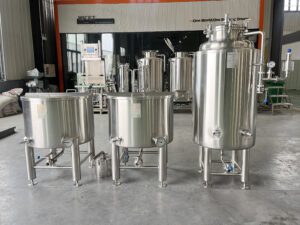
A DIY kombucha kit is good for learning. It is affordable, small, and easy to use. You can test black tea, green tea, fruit juice, loose leaf tea, and different flavors without much investment. But a DIY kit does not offer strong process control or commercial capacity.
Professional kombucha systems cost more, but they provide better sanitation, repeatability, temperature control, and production planning. They also reduce manual handling. For beverage co-packers, kombucha producers, brewpub chains, and project investors, these benefits can reduce long-term risk.
| Option | Advantage | Limitation |
|---|---|---|
| DIY kombucha kit | Low cost, easy to start | Small volume, less control |
| Glass jar homebrew | Simple and visible | Not scalable |
| Small stainless tank | More durable, cleaner | Higher upfront cost |
| Jacketed fermenter | Better temp control | Needs utilities |
| Full commercial line | Scalable and efficient | Requires planning and capital |
The right choice depends on your goal. If you only want homemade kombucha, use simple tools. If you want a beverage business, plan for hygiene, testing, filling, cooling, and repeatable production.
B2B buyers should not choose kombucha equipment only by tank volume. Start with the business model. Will you sell fresh kombucha on tap, bottled kombucha, canned kombucha, flavored kombucha, hard kombucha, or co-packed products for other brands? Each model needs different equipment.
A practical buyer checklist:
| Question | Warum es wichtig ist |
|---|---|
| What is the target batch size? | Defines tank volume and production plan |
| How many SKUs or flavors? | Affects flavoring tanks and scheduling |
| Do you need carbonation? | Requires pressure-rated equipment |
| Bottle, can, keg, or bulk pack? | Defines filling and packaging line |
| What is the target pH and acidity? | Defines testing and quality control |
| Do you need alcohol control? | Important for compliance and labeling |
| How will tanks be cleaned? | Determines CIP design |
| Is expansion planned? | Affects layout and utility sizing |
| What is the building layout? | Impacts workflow and installation |
| What technical support is needed? | Reduces startup and commissioning risk |
As a professional brewery, distillery, winery, kombucha, and beverage equipment manufacturer, we often review the buyer’s process before recommending tanks. For global projects, we may support factory-direct supply, CAD/3D layout planning, sanitary stainless steel equipment, installation guidance, and long-term technical service.
Not every kombucha project needs the same equipment. A home brewer does not need a stainless steel CIP system. A small taproom may not need a high-speed canning line. A large beverage co-packer should not rely on open jars or manual bottling.
Some trade-offs are important:
Professional advice should always match the real process, local rules, and market plan. Kombucha for a restaurant chain, kombucha for retail shelves, and kombucha for a small tasting room are different projects.
A startup beverage team came to us after making successful homemade kombucha in glass jars. Their flavor was good, but they had three problems: inconsistent acidity, slow bottling, and limited batch volume. They wanted to scale without losing the fresh fermented tea character.
We suggested a staged equipment plan:
| Problem | Equipment-Based Improvement |
|---|---|
| Inconsistent pH | Add pH meter, batch records, controlled starter ratio |
| Small batch size | Move from jars to stainless steel fermentation tanks |
| Slow bottling | Use semi-automatic bottle filling |
| Messy flavoring | Add small mixing tank for fruit juice and flavoring |
| Unclear layout | Create CAD/3D flow from tea brewing to packaging |
| Cleaning risk | Add sanitary valves and CIP-ready tank design |
The result was a more reliable kombucha brewing process. The team could still make your own kombucha-style product, but with better hygiene, clearer workflow, and stronger commercial control.
What equipment do I need to make kombucha at home?
You need a glass jar, SCOBY, starter tea, sweetened tea, breathable cover, rubber band, thermometer, pH test strips, strainer, and glass bottles for second fermentation.
Can I brew kombucha without a SCOBY?
You usually need a kombucha SCOBY or strong starter from a previous batch. Store-bought kombucha may work only if it is raw, unflavored, and contains live culture, but results can be slower or less reliable.
What kind of jar is best for kombucha?
A wide-mouth glass jar is best for home kombucha. It is easy to clean, easy to cover, and does not react with acidic fermented tea.
Do I need pH test strips for homemade kombucha?
They are strongly recommended. pH strips or a pH meter help you check whether the fermentation is becoming acidic enough and not becoming too acidic.
What bottles are best for second fermentation?
Use strong pressure-rated glass bottles, such as flip-top bottles designed for fermented drinks. Avoid weak bottles because carbonation can build pressure.
What equipment is needed for commercial kombucha brewing?
Commercial kombucha production may need stainless steel fermentation tanks, tea brewing tanks, mixing tanks, cooling, pH and alcohol testing, carbonation equipment, filtration, filling machines, CIP cleaning, and sanitary piping.
How long does kombucha fermentation take?
Many home batches ferment around 7–10 days, but time depends on temperature, starter strength, sugar, tea, SCOBY health, and preferred taste.
To make kombucha, you need tea, sugar, water, SCOBY, starter tea, a clean jar or tank, breathable cover, testing tools, and bottles.
The SCOBY and starter tea are essential for stable fermentation.
A glass jar works well for homemade kombucha, while stainless steel tanks are better for commercial brewing.
pH control is important because kombucha must become acidic enough to reduce contamination risk.
Second fermentation creates fizz, but bottle pressure must be managed carefully.
A DIY kombucha kit is good for learning, but commercial projects need hygienic, scalable equipment.
Beverage businesses should plan equipment around batch size, flavoring, carbonation, packaging, cleaning, and compliance.
Good kombucha equipment should make the process cleaner, safer, easier to repeat, and easier to scale.
For startup kombucha brands, brewpubs, beverage co-packers, wineries, distilleries, and project investors, a professional equipment review can help match the process, layout, and budget before purchasing.
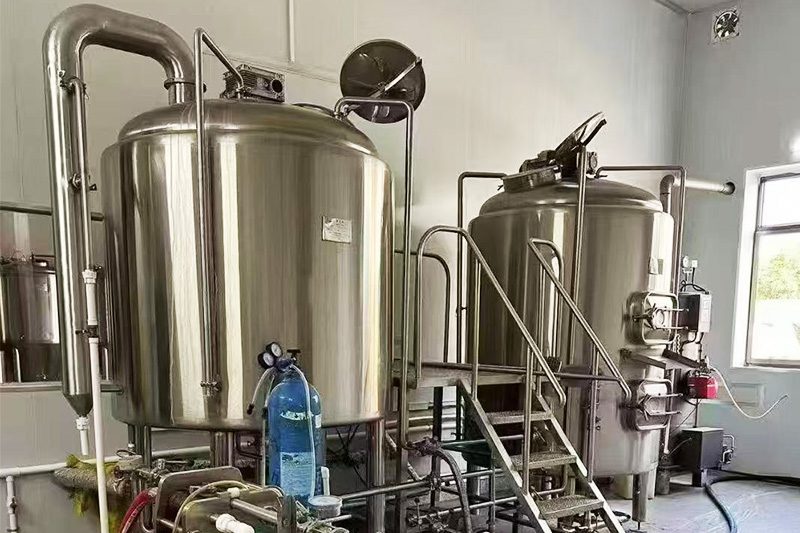
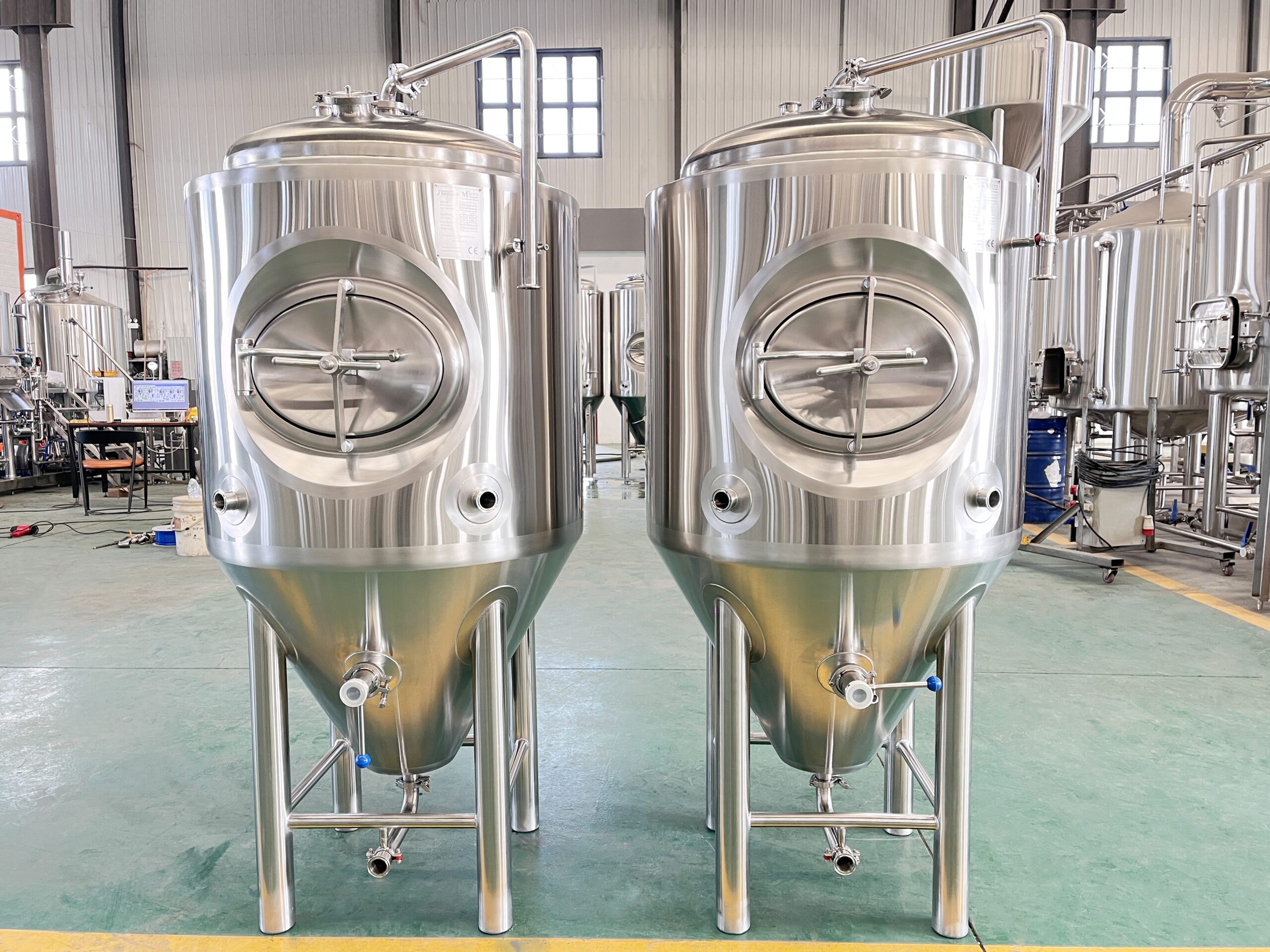
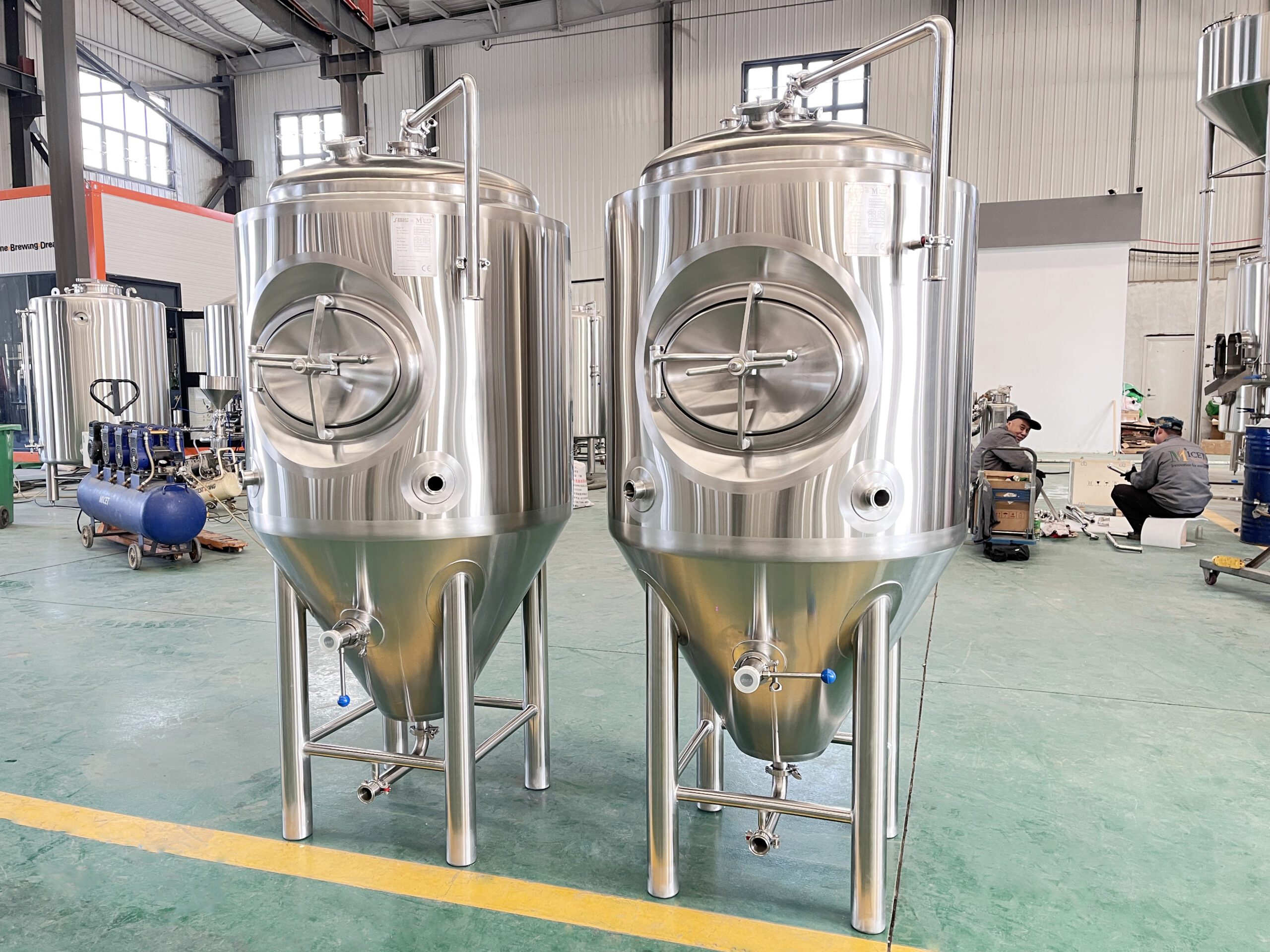
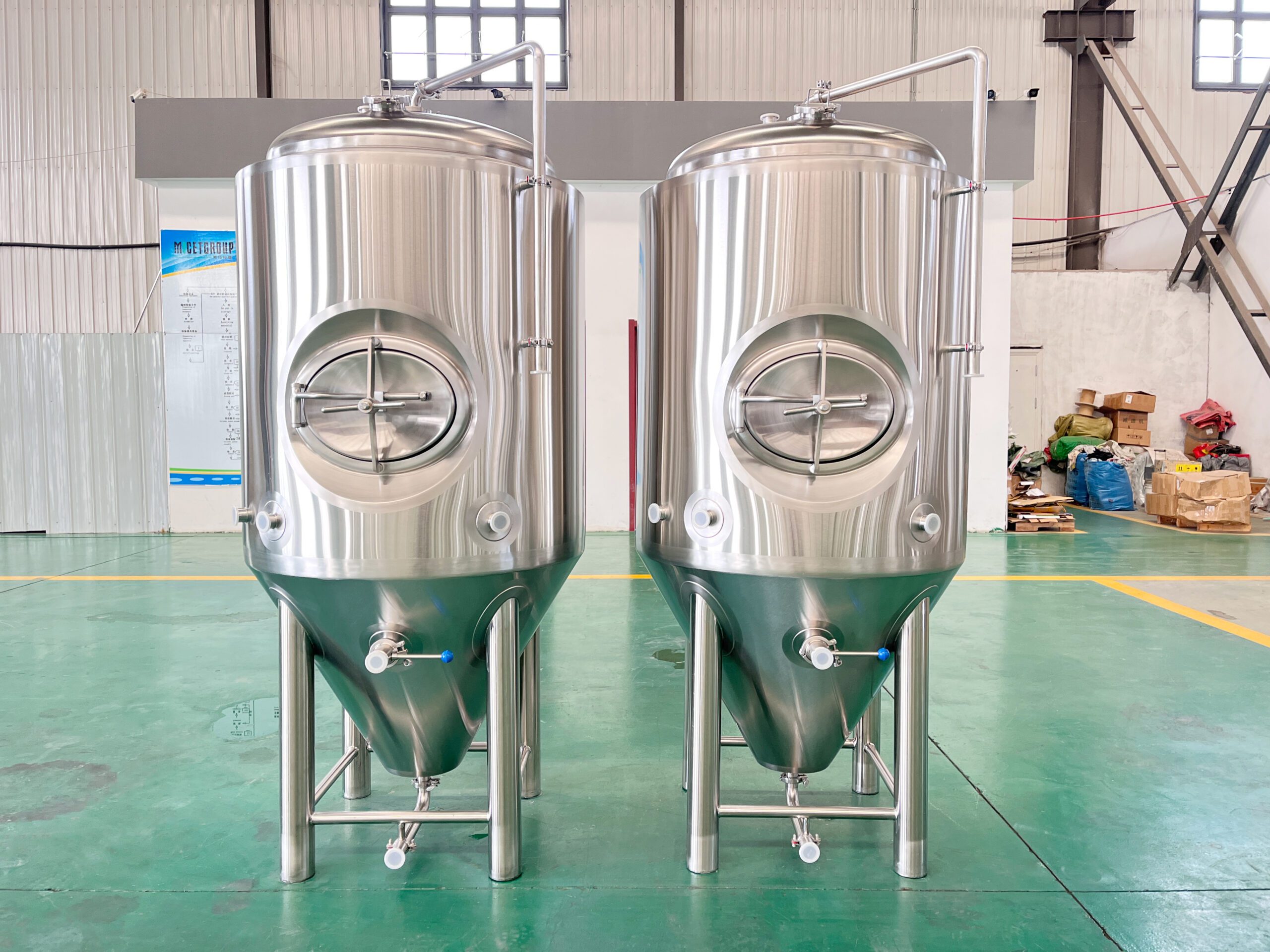
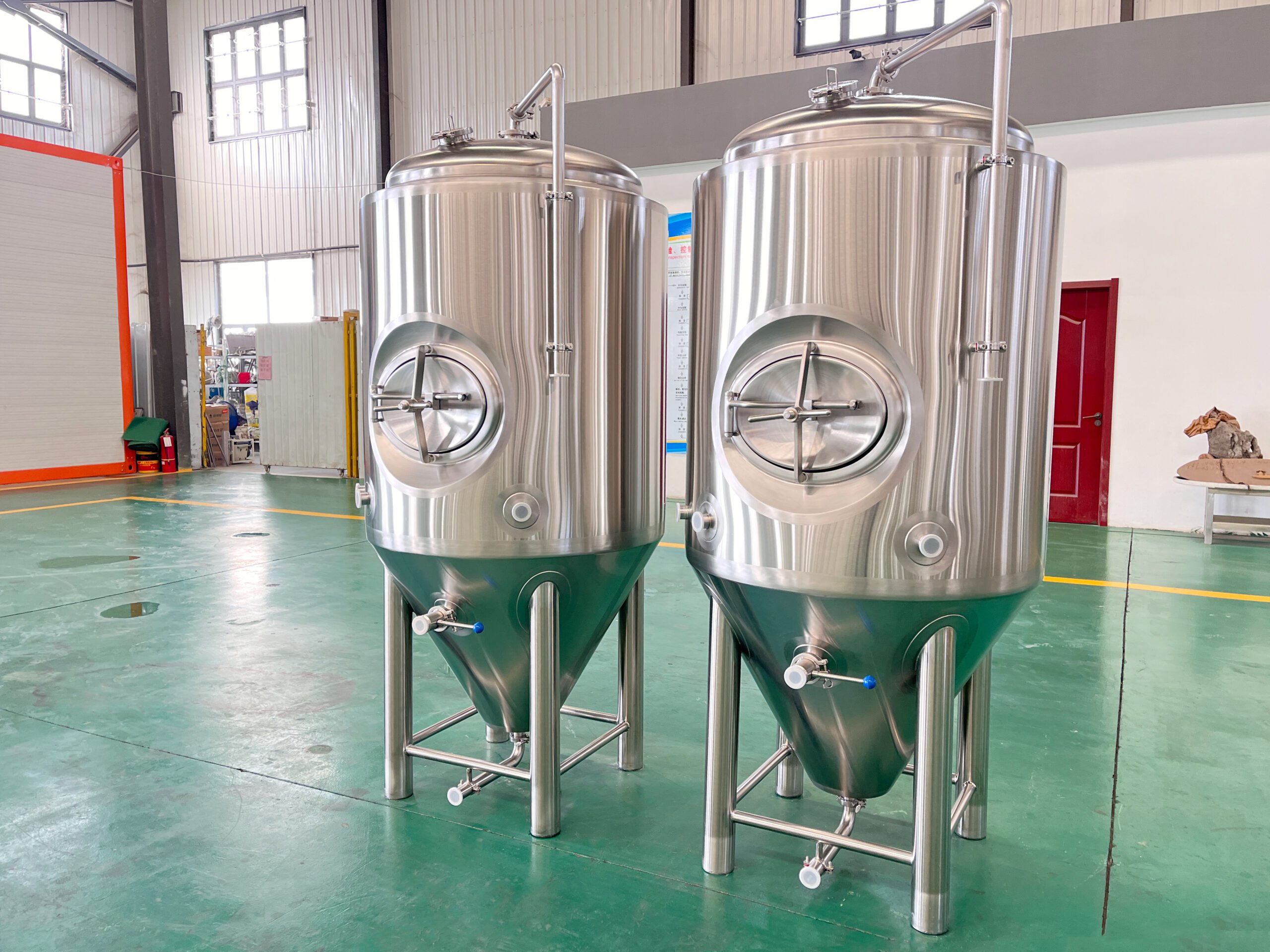
This used 1000L beer brewing equipment is an excellent choice for craft breweries, brewpubs, restaurants, and startup brewing projects looking for a reliable and affordable brewing solution. The system is designed to provide stable brewing performance while significantly reducing initial investment costs compared to brand-new brewery equipment.
The complete 1000L brewing system is manufactured with high-quality stainless steel, ensuring durability, hygienic brewing conditions, and long service life. The equipment typically includes a brewhouse system, fermentation tanks, glycol cooling system, control system, pumps, and related brewery accessories. With a compact structure and user-friendly operation, it is suitable for both experienced brewers and new brewery investors.
This second-hand brewery equipment has been professionally maintained and remains in good working condition. The tanks feature sanitary polishing, reliable welding, and efficient temperature control performance, helping breweries produce consistent craft beer quality. The 1000L capacity is ideal for medium-scale beer production and can support multiple beer styles such as lager, ale, IPA, stout, and wheat beer.
Compared with purchasing new Brauereiausrüstung, used brewing systems offer faster delivery times and a more economical investment option, making them increasingly popular in the global craft beer market. Many breweries choose second-hand equipment to expand production capacity while controlling startup and operational costs.
Our used 1000L beer brewing equipment can also be customized according to customer requirements, including voltage, heating method, tank quantity, and brewery layout design. Before shipment, the equipment can be inspected and tested to ensure stable operation.
Whether you are starting a new craft brewery or upgrading your current brewing capacity, this used 1000L brewery equipment provides a practical, efficient, and budget-friendly solution for professional beer production.
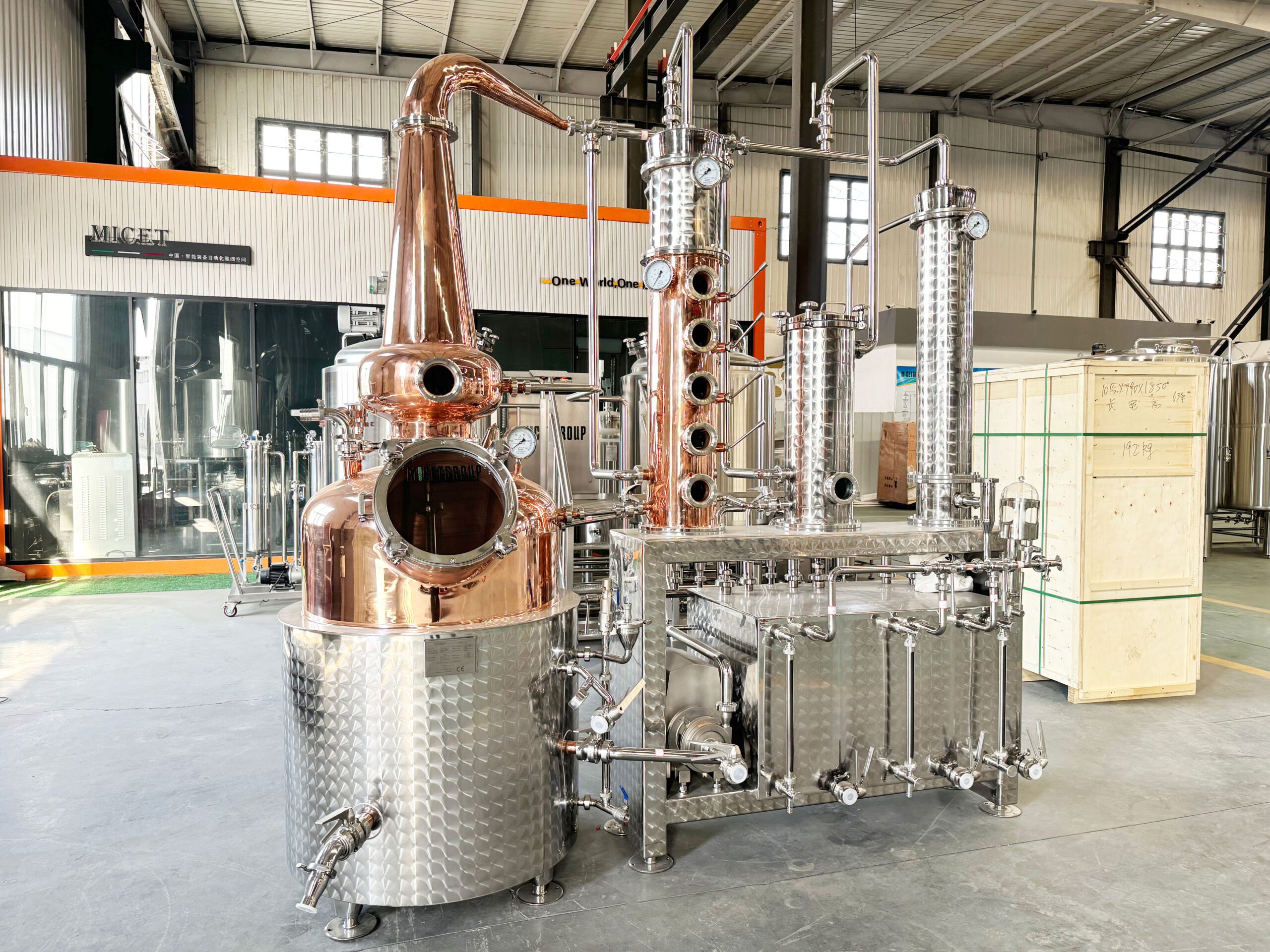
Die Gründung einer Brennerei ohne die richtige Ausrüstung kann zu Verzögerungen, Sicherheitsrisiken, schlechter Spirituosenqualität und vergeudeten Investitionen führen. Eine schöne Brennerei ist nicht genug. Sie brauchen einen vollständigen Prozessplan, ein konformes Design, zuverlässige Versorgungseinrichtungen und einen Lieferanten, der sich auf die reale Produktion versteht.
Die Brennereiausrüstung umfasst das Maischesystem, den Fermenter, die Pot Still oder Column Still, den Kondensator, die Kühlanlagen, den Spirituosenbehälter, die Tanks, die Pumpen, die Rohrleitungen, die Steuerungen und die Reinigungsanlagen, die zur Herstellung von Spirituosen wie Whisky, Gin, Rum, Wodka und Brandy verwendet werden. Eine schlüsselfertige Brennereilösung umfasst das Layout, den Entwurf der Ausrüstung, die Herstellung, die Installationsanleitung, die Unterstützung bei der Inbetriebnahme und den langfristigen technischen Service.
Die Brennereiausrüstung sollte nach Spirituosentyp, Chargengröße, Heizmethode, Destillationsart, Betriebsbedingungen, Anforderungen an die Einhaltung der Vorschriften und künftige Erweiterungen ausgewählt werden.
Pot Stills werden in der Regel für Whisky, Brandy, Rum und aromatische Spirituosen verwendet, während Column Stills und Continuous Stills häufig zum Einsatz kommen, wenn ein höherer Wirkungsgrad oder ein leichterer Spirituosenstil gefragt ist.
In den Vereinigten Staaten muss sich ein gewerbliches Spirituosenunternehmen zunächst bei der TTB qualifizieren, indem es eine Betriebsgenehmigung beantragt; dabei handelt es sich um einen behördlichen Schritt, nicht um eine Geräteauswahl.
Die US-Vorschriften für Spirituosenfabriken sind in 27 CFR Part 19 enthalten, einschließlich Genehmigungen, Produktion, Lagerung, Verarbeitung, Aufzeichnungen und steuerliche Aspekte.
Das ASME-Zertifizierungsprogramm für Kessel und Druckbehälter deckt die Regeln für Konstruktion, Fertigung, Montage und Inspektion von Druckgeräten ab; Käufer sollten Druckbehälter bei der Auswahl von Tanks und beheizten Systemen sorgfältig prüfen.
Ein zuverlässiger Lieferant sollte CAD/3D-Layout, kundenspezifische Destillationsanlagen, Sanitärfertigung, Installationsberatung, Schulung, Ersatzteile und Kundendienst anbieten.
Was ist Brennereiausrüstung?
Welche Ausrüstung wird für eine schlüsselfertige Destillerie benötigt?
Wie funktioniert ein Destillierapparat in einem Destillationssystem?
Pot Still vs. Column Still: Welche Destillieranlage ist die richtige?
Welche Spirituosen können Sie herstellen: Gin, Whisky, Rum, Wodka und Brandy?
Warum sind die Materialien so wichtig? Kupfer, Edelstahl oder beides?
Was ist in einer schlüsselfertigen Brennereilösung inbegriffen?
Wie wirken sich Kapazität, Layout und Versorgungseinrichtungen auf das Design von Brennereien aus?
Worauf kommt es bei Sicherheit, Konformität und Druckbehältern an?
Wie sollten B2B-Einkäufer Hersteller von Destillationsanlagen auswählen?
Die Brennereiausrüstung besteht aus allen Maschinen, Tanks, Behältern, Rohrleitungen und Steuerungen, die zur Herstellung von Spirituosen verwendet werden. Sie kann einen Maischebottich, einen Gärbehälter, einen Destillationskessel, eine Destillationskolonne, einen Kondensator, einen Branntweinbehälter, Lagertanks, Pumpen, Wärmetauscher, Kühlanlagen, einen Schaltschrank und Reinigungszubehör umfassen.
Mit einfachen Worten: Die Geräte helfen dabei, eine vergorene Flüssigkeit in eine Spirituose zu verwandeln. Zunächst werden die Rohstoffe aufbereitet und vergoren. Dann wird die vergorene Flüssigkeit in der Brennerei erhitzt. Alkohol und Aromastoffe verdampfen, wandern durch das System, kondensieren und werden aufgefangen. Je nachdem, ob der Brenner Whisky, Gin, Rum, Wodka, Brandy oder eine andere Spirituose herstellen will, ändert sich die genaue Konstruktion.
Für B2B-Einkäufer ist folgender Punkt wichtig: Destillationsanlagen sollten nicht als isolierte Teile gekauft werden. Destillierapparat, Fermenter, Kühlsystem, Verrohrung und Kontrollsystem müssen zusammenarbeiten. Wenn ein Teil schlecht aufeinander abgestimmt ist, wird der gesamte Produktionsprozess schwieriger zu kontrollieren.
Eine schlüsselfertige Brennerei umfasst normalerweise sowohl die Produktionsanlagen als auch die Projektunterstützung. Die Ausrüstung kann Maischen, Gärung, Destillation, Kühlung, Annahme, Lagerung, Reinigung und Kontrollsysteme umfassen. Der Projektteil kann die Planung des Layouts, die Herstellung der Ausrüstung, die Anleitung zur Installation, die Unterstützung bei der Inbetriebnahme, die Schulung des Personals und den langfristigen Service umfassen.
Eine typische Liste schlüsselfertiger Brennereianlagen kann Folgendes umfassen:
| Systembereich | Hauptausrüstung | Zweck |
|---|---|---|
| Vorbereitung des Rohmaterials | Fräsmaschinen oder Materialtransportgeräte | Getreide, Obst, Melasse oder andere Grundstoffe zubereiten |
| Einmaischen | Maischebottich, Heißwassertank, Rührwerk | Fermentierbare Materialien umwandeln oder mischen |
| Gärung | Gärbehälter, Kühlmantel, Ventile | Zucker in Alkohol umwandeln |
| Destillation | Pot still, column stills, Kondensator | Abtrennung und Konzentration von Alkohol und Aromastoffen |
| Kühlung | Kältemaschine, Kühlwassersystem, Wärmetauscher | Unterstützung von Kondensation und Temperaturkontrolle |
| Empfang von | Spiritusbehälter, sicherer Sammelbehälter | Destillat auffangen |
| Lagerung | Rostfreie Lagertanks oder Spirituosentanks | Produkt vor dem Mischen oder Altern aufbewahren |
| Reinigung | CIP-Pumpe, Sprühkugeln, Reinigungsbehälter | Verbesserung von Hygiene und Wartung |
| Kontrolle | PLC/HMI oder manuelles Bedienfeld | Überwachung von Heizung, Pumpen und Prozesspunkten |
Für eine neu gegründete handwerkliche Brennerei kann ein kompaktes System mit einem Fassungsvermögen von 150 Litern bis zu einigen hundert Litern für die Versuchsproduktion oder den lokalen Verkauf ausreichend sein. Bei einem größeren Projekt kann die Ausrüstung von 1000 l bis 3000 l oder mehr reichen, je nach Spirituosentyp, Produktionszielen, Gebäudegröße und Budget.
Eine Brennblase ist das Herzstück eines Destillationssystems. Sie erhitzt die vergorene Flüssigkeit, so dass Alkohol und flüchtige Verbindungen als Dampf aufsteigen. Der Dampf bewegt sich dann durch einen Kopf, eine Säule, einen Lyne-Arm oder einen Kondensator, je nach Ausführung. Nach dem Abkühlen wird der Dampf zu flüssigem Destillat.
Ein Pot Still wird oft wegen der Geschmackserhaltung geschätzt. Sie ist in handwerklichen Brennereien weit verbreitet, weil sie dem Brenner mehr Charakter und Chargenkontrolle bietet. Eine Destillationskolonne kann eine stärkere Trennung und höhere Reinheit bieten, was für Spirituosen wie Wodka oder die Herstellung neutraler Spirituosen nützlich ist.
Die Brennblase muss zum Stil der Spirituose passen. Ein Whiskyhersteller möchte vielleicht Kupferkontakt und komplexe Aromen. Ein Wodka-Hersteller braucht vielleicht eine stärkere Rektifikation. Ein Gin-Hersteller benötigt vielleicht Botanical Baskets oder Dampfinfusionsoptionen. Ein Rum-Hersteller bevorzugt vielleicht Anlagen, die die Melasseauswaschung und Geschmacksentwicklung unterstützen.
Ein Pot Still ist ein System zur Destillation von Chargen. Sie wird häufig für Whisky, Brandy, Rum und handwerklich hergestellte Spirituosen verwendet, bei denen Aroma und Körper wichtig sind. Das Konzept ist einfach, aber die Form, der Kupferkontakt, die Heizmethode und das Design des Kondensators beeinflussen den endgültigen Charakter.
Eine Destillationssäule verwendet Böden oder Füllkörper, um die Trennung zu verbessern. Sie kann eine leichtere, sauberere Spirituose erzeugen und eine höhere Effizienz unterstützen. Kontinuierlich arbeitende Destillierapparate eignen sich für einige großtechnische Produktionsanforderungen, bei denen Leistung und Konsistenz im Vordergrund stehen.
| Artikel | Pot Still | Säule Still |
|---|---|---|
| Operation Stil | Batch-Destillation | Batch- oder kontinuierliche Destillation |
| Gemeinsame Geister | Whisky, Rum, Brandy, Craft Gin Basis | Wodka, neutraler Alkohol, leichter Rum, hochprozentige Spirituosen |
| Geschmacksprofil | Reichhaltiger, schwerer, mehr Charakter | Sauberer, leichter, raffinierter |
| Kontrollebene | Mehr Hands-On | Mehr technische Kontrolle |
| Am besten für | Handwerkliche Destillerien und Premium-Spirituosen | Größere Leistung und hochreine Spirituose |
| Ausstattung Kosten | Kann bei kleinen Systemen niedriger sein | In der Regel höher für fortgeschrittene Systeme |
| Flexibilität | Gut für Kleinserienprodukte | Gut für Effizienz und Wiederholbarkeit |
Ein praktischer Kompromiss liegt auf der Hand. Wenn Sie eine reichhaltige, handwerklich hergestellte Spirituose wünschen, ist ein Pot-Still-System vielleicht besser. Wenn Sie hochreinen Wodka oder eine höhere Produktionseffizienz benötigen, ist ein Kolonnensystem vielleicht besser. Viele Destillerien kombinieren beides.
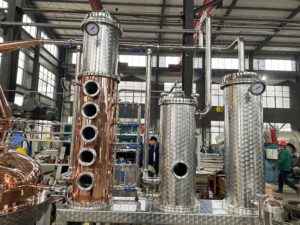
Verschiedene Spirituosen erfordern eine unterschiedliche Prozessplanung. Der Distilled Spirits Council erfasst Spirituosenkategorien wie amerikanischen Whiskey, Brandy und Cognac, Gin, Rum, Wodka, Tequila/Mezcal, Scotch, irischen Whiskey und andere Kategorien, was die große kommerzielle Bandbreite der Destillationsindustrie zeigt.
Für die Herstellung von Gin können neutraler Alkohol und pflanzliche Stoffe verwendet werden. Die Ausrüstung kann einen Gin-Korb, einen Dampfinfusionspfad oder einen Botanik-Mazerationstank umfassen. Käufer, die Gin planen, sollten die Beladung mit Botanicals, den Zugang zur Reinigung, die Aromakontrolle und die Flexibilität der Rezeptur besprechen.
Whisky erfordert Maischen, Gärung, Destillation und in der Regel auch Reifung. Ein Whisky-System kann Maischebottiche, Gärbehälter, kupferne Brennblasen, Destillierapparate und Lagereinrichtungen umfassen. Rum kann aus Melasse oder Zuckerrohr hergestellt werden und profitiert oft von Fermentations- und Destillationsverfahren, die die geschmackliche Tiefe erhalten. Wodka benötigt in der Regel eine sauberere Trennung und eine höhere Rektifikation. Branntwein ist in der Regel mit der Destillation von Obst oder Wein verbunden und kann eine sanfte Erhitzung und einen Aromaschutz erfordern.
Für Käufer ist die Lektion einfach: Kaufen Sie nicht “eine Standard-Destille”, bevor Sie die Spirituose definiert haben. Die beste Brennereiausrüstung hängt von Ihrem Produkt, Ihrem Markt und Ihren Produktionsanforderungen ab.
Destilliergeräte werden in der Regel aus rostfreiem Stahl und Kupfer hergestellt. Jedes Material hat eine bestimmte Funktion. Edelstahl ist robust, reinigungsfähig und langlebig und wird häufig für Tanks, Rohrleitungen, Plattformen und Verarbeitungsgeräte verwendet. Kupfer wird häufig für Destillierapparate verwendet, weil es das traditionelle Aussehen unterstützt und den Charakter der Spirituose beeinflussen kann.
Eine kupferne Brennblase ist für viele handwerkliche Spirituosen sowohl optisch als auch verfahrenstechnisch interessant. Käufer entscheiden sich häufig für kupferne Brennblasen für Whisky, Branntwein und hochwertige handwerkliche Produkte. Ein rostfreies System mit Kupferabschnitten kann auch eine praktische Option sein. Es kann die Kosten und den Wartungsaufwand reduzieren und gleichzeitig den Kontakt mit Kupfer dort ermöglichen, wo er benötigt wird.
| Material | Wichtigste Vorteile | Gemeinsame Nutzung |
|---|---|---|
| Kupfer | Traditionelles Aussehen, geschmacksbezogener Kontakt, hochwertiges Aussehen | Pot Still, Helm, Säulenabschnitte, Gin-Korb |
| Rostfreier Stahl | Langlebig, einfache Wartung, hohe Hygieneleistung | Fermenter, Tank, Rohrleitungen, Rahmen, Lagertanks |
| Kupfer und rostfreier Stahl | Ausgewogene Kosten, Hygiene und Kupferkontakt | Hybride Destillationssysteme |
Die richtige Wahl hängt vom Stil des Geistes, dem Budget, der Reinigungsmethode, dem örtlichen Wasser, der Pflegefähigkeit und dem Markenimage ab. Ein Destillierapparat aus Kupfer sieht zwar beeindruckend aus, muss aber auch gut gepflegt werden. Für manche Betreiber kann ein Hybriddesign einfacher sein.
Eine schlüsselfertige Lösung ist mehr als die Lieferung von Ausrüstung. Sie sollte dem Käufer helfen, mit weniger Fehlern vom Konzept zum Betrieb überzugehen. Eine starke schlüsselfertige Brennereilösung umfasst technische Überprüfung, Layout-Planung, Abstimmung der Ausrüstung, Herstellung, Verpackung, Versandunterstützung, Installationsanleitung, Beratung bei der Inbetriebnahme und langfristigen Service.
Ein guter Anbieter sollte bei der Überprüfung helfen:
Als professioneller Hersteller von Brauerei-, Brennerei-, Wein-, Kombucha- und Getränkeanlagen unterstützen wir unsere Kunden mit Direktlieferungen, CAD/3D-Layout, schlüsselfertigem Engineering, Installationsberatung und weltweitem technischen Service. Wir unterstützen auch gebrauchte Brauereianlagen, wenn Käufer kostengünstige Projektoptionen benötigen.
Eine wirklich schlüsselfertige Brennereilösung sollte das Projektrisiko verringern. Sie sollte die Käufer nicht an unnötige Ausrüstung binden. Sie sollte ihnen helfen, das Passende auszuwählen.
Bei der Kapazität geht es nicht nur um das Volumen der Brennerei. Eine 500-Liter-Brennerei kann nicht effizient produzieren, wenn die Gärbehälter, der Maischebottich, die Kühlanlagen und die Auffangtanks zu klein sind. Eine Brennerei ist ein System. Der langsamste Teil wird zum Nadelöhr.
Auch das Layout ist wichtig. Die Bediener brauchen Platz, um sich zu bewegen, zu reinigen, Material zu laden, auf Ventile zuzugreifen, den Destillierapparat zu inspizieren, Schläuche anzuschließen und Geräte zu warten. Ein schlechtes Layout kann die tägliche Arbeit langsamer und weniger sicher machen.
Die Versorgungsunternehmen können darüber entscheiden, ob ein Projekt reibungslos läuft. Geheizt werden kann mit Strom, Dampf, direktem Feuer oder einem elektrisch beheizten Bain-Marie-System. Für die Kühlung kann gekühltes Wasser, Stadtwasser oder ein geschlossener Kreislauf erforderlich sein. Das Gebäude muss Entwässerung, Belüftung, Strom, Wasser und sichere Arbeitsabläufe gewährleisten.
Checkliste für die Planung einer Brennerei
| Planungspunkt | Warum es wichtig ist |
|---|---|
| Produkttyp | Bestimmt noch Design und Prozessablauf |
| Volumen der Charge | Bestimmt die Größe von Destillierapparat, Fermenter und Tank |
| Dauer der Gärung | Bestimmt die Anzahl der Gärbehälter |
| Heizverfahren | Beeinflusst Energie-, Kontroll- und Gebäudeanforderungen |
| Das Kühlsystem | Beeinträchtigt die Kondensation und die Stabilität der Leistung |
| Höhe des Gebäudes | Bestimmt Still- und Spaltengrößengrenzen |
| Bodenbelastung | Beeinflusst die Platzierung von Tanks und Plattformen |
| Entwässerung | Unterstützt die Reinigung und den sicheren Betrieb |
| Belüftung | Unterstützt sicherere Arbeitsbedingungen |
| Erweiterungsplan | Vermeidet frühe Kapazitätsgrenzen |
Sowohl für handwerkliche Brennereien als auch für Großanlagen sollte die Layoutplanung vor der endgültigen Fertigung erfolgen. CAD- und 3D-Layout-Unterstützung kann viele kostspielige Änderungen verhindern.
Brennereien arbeiten mit brennbaren Alkoholdämpfen, beheizten Behältern, Pumpen, elektrischen Systemen und Reinigungschemikalien. Die Sicherheit muss von Anfang an in das Projekt integriert werden. Die Konstruktion der Ausrüstung allein ersetzt nicht die örtlichen Vorschriften, Genehmigungen, Brandschutzprüfungen, Belüftungsplanung oder Bedienerschulungen.
In den Vereinigten Staaten verlangt das TTB von Unternehmen, die Spirituosen herstellen, dass sie eine Betriebsgenehmigung beantragen. Die US-Vorschriften für Spirituosenfabriken umfassen auch Produktion, Lagerung, Verarbeitung, Aufzeichnungen und andere betriebliche Anforderungen gemäß 27 CFR Teil 19.
Auch Druckbehälter verdienen Aufmerksamkeit. Die ASME gibt an, dass ihr Kessel- und Druckbehälter-Zertifizierungsprogramm die Regeln für die Konstruktion, Fertigung, Montage und Inspektion von Kessel- und Druckbehälterkomponenten während des Baus erfüllt. Käufer sollten sich vergewissern, dass die Ausrüstung ASME-, CE-, PED- oder anderen lokalen Anforderungen entspricht.
Zu den wichtigsten Punkten in Bezug auf Sicherheit und Einhaltung von Vorschriften gehören:
Dieser Abschnitt stellt keine Rechtsberatung dar. Die Anforderungen sind je nach Land und Region unterschiedlich. Käufer sollten vor der Installation mit den örtlichen Behörden, zugelassenen Ingenieuren und Fachleuten für die Einhaltung der Vorschriften zusammenarbeiten.
Die Wahl des Herstellers von Destillationsanlagen ist eine wichtige Entscheidung. Käufer können bekannte Namen der Branche wie ABE Equipment oder Vendome Copper mit internationalen Herstellern und Anbietern von kundenspezifischen Destillationsanlagen vergleichen. Die beste Wahl hängt vom Budget, den Designanforderungen, der Lieferzeit, dem technischen Support und den Erwartungen an den After-Sales-Service ab.
Ein seriöser Anbieter sollte nicht nur eine Brennerei verkaufen. Er sollte sich mit Gärung, Destillation, Versorgungseinrichtungen, Layout, Versand, Installation und Wartung auskennen. Er sollte auch Kompromisse klar erklären.
Tabelle zur Lieferantenbewertung
| Bereich Bewertung | Was Sie fragen sollten |
|---|---|
| Erleben Sie | Haben sie handwerkliche Destillerien und Großprojekte beliefert? |
| Produktpalette | Bieten sie Pot Stills, Column Stills, Fermenter, Maischebottiche, Lagertanks und Kühlanlagen an? |
| Personalisierung | Können sie Ihren speziellen Bedarf an Gin, Whisky, Rum, Wodka oder Brandy decken? |
| Materialien | Können sie Kupfergeräte, Edelstahltanks oder Hybridkonstruktionen anbieten? |
| Technik | Bieten sie CAD/3D-Layout und Prozessprüfung an? |
| Fabrikation | Werden Schweißnähte, Polieren, Armaturen und Druckbehälter ordnungsgemäß kontrolliert? |
| Kontrolliert | Können sie manuelle, halbautomatische oder SPS-Steuerung unterstützen? |
| Dienst | Bieten sie Installationsberatung sowie Wartungs- und Reparaturdienste an? |
| Exportieren | Können sie Verpackung, Versand und Dokumentation unterstützen? |
| After-Sales | Sind Ersatzteile und Fernsupport verfügbar? |
Für B2B-Käufer ist die beste Brennereiausrüstung nicht einfach das billigste System. Es ist eine qualitativ hochwertige Ausrüstung, die für Ihr Produkt, Ihr Gebäude und Ihren Produktionsplan konzipiert ist.
Ein häufiger Fehler ist, nur nach dem Volumen der Brennblase zu kaufen. Ein Käufer wählt vielleicht einen 1000-Liter-Destillierapparat, vergisst aber, dass auch die Gärkapazität, das Kühlwasser und die Lagertanks dazu passen müssen. Dies führt zu Engpässen.
Ein weiterer Fehler ist die Vernachlässigung von Reinigung und Wartung. Destillieranlagen brauchen Zugänge, Entleerungsmöglichkeiten, reinigbare Oberflächen, sichere Ventile und ein servicefreundliches Design. Eine schöne Kupferbrennerei, die schwer zu reinigen ist, kann zu einem täglichen Problem werden.
Ein dritter Fehler besteht darin, die Einhaltung lokaler Vorschriften zu übersehen. Die Ausrüstung mag gut gemacht sein, aber die Installation muss dennoch den örtlichen Vorschriften entsprechen. Genehmigungs-, Brandschutz-, Elektro-, Druck-, Belüftungs- und Alkoholvorschriften sollten frühzeitig geprüft werden.
Eine gute Projektplanung spart Geld, bevor die Ausrüstung hergestellt wird.
Eine schlüsselfertige Brennereilösung ist dann sinnvoll, wenn der Käufer eine koordinierte Unterstützung wünscht, anstatt sich um jedes Detail selbst zu kümmern. Sie ist besonders hilfreich für neu gegründete Brennereien, internationale Projekte, Restaurant- oder Gastgewerbegruppen, Investoren und Käufer, die von der Brauerei oder der Getränkeherstellung zur Brennerei wechseln.
Schlüsselfertige Unterstützung ist nützlich, wenn:
Eine schlüsselfertige Anlage ist jedoch nicht unbedingt für jeden Käufer erforderlich. Ein erfahrener Brenner, der ein bekanntes System ausbaut, benötigt vielleicht nur eine maßgeschneiderte Kupferbrennblase, einen Fermenter oder einen Ersatztank. Das richtige Dienstleistungsniveau sollte der Erfahrung des Käufers und der Komplexität des Projekts entsprechen.
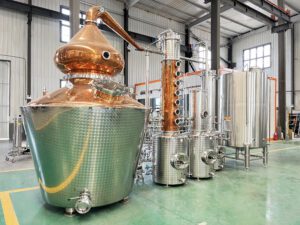
Welche Ausrüstung wird für die Gründung einer Brennerei benötigt?
Eine Brennerei benötigt in der Regel Ausrüstung für die Aufbereitung des Rohmaterials, Maischebottich, Gärbehälter, Destillierapparat, Kondensator, Kühlsystem, Spirituosenbehälter, Lagertanks, Pumpen, Rohrleitungen, Steuerungen und Reinigungsanlagen. Die genaue Ausrüstung hängt von der Art der Spirituose und dem Produktionsumfang ab.
Was ist der Unterschied zwischen einem Pot Still und einem Column Still?
Ein Pot Still wird in der Regel für die Batch-Destillation verwendet und ist für Whisky, Rum, Brandy und Craft-Spirituosen üblich. Eine Säulendestillationsanlage bietet eine bessere Trennung und Effizienz, was sie für Wodka, Neutralalkohol und größere Produktionssysteme nützlich macht.
Kann ein einziges Destillationssystem Gin, Whisky, Rum, Wodka und Brandy herstellen?
Ein System kann mehrere Spirituosen unterstützen, wenn es flexibel gestaltet ist, aber nicht jedes System ist für jede Spirituose ideal. Gin benötigt möglicherweise botanische Eigenschaften, Wodka eine höhere Rektifikation und Whisky einen Kupferkontakt und eine geeignete Gärungsplanung.
Was ist eine schlüsselfertige Destillerie?
Eine schlüsselfertige Brennerei ist eine komplette Projektlösung, die den Entwurf der Ausrüstung, die Herstellung, die Planung des Layouts, die Unterstützung bei der Verschiffung, die Anleitung zur Installation, die Unterstützung bei der Inbetriebnahme und den technischen Service umfassen kann. Sie hilft dem Käufer, das Koordinationsrisiko zu verringern.
Ist Kupfer oder Edelstahl besser für Brennereianlagen?
Beide Materialien haben ihren Wert. Kupfer wird häufig für Destillierapparate verwendet, um das traditionelle Aussehen und den Charakter der Spirituose zu erhalten. Edelstahl wird häufig für Tanks, Gestelle, Rohrleitungen und Lagerräume verwendet, weil er haltbar und reinigungsfähig ist. Viele Systeme verwenden beides.
Welche Größe der Brennereiausrüstung sollte ich wählen?
Wählen Sie die Größe auf der Grundlage von Zielspirituose, Chargenvolumen, Fermentationszeit, Tagesleistung, Gebäudefläche, Versorgungseinrichtungen, Budget und zukünftiger Erweiterung. Übliche handwerkliche Systeme reichen von 150 l bis 3000 l, aber die richtige Größe hängt von Ihrem Produktionsplan ab.
Brauche ich eine Genehmigung, bevor ich eine Destillieranlage kaufe?
Für die kommerzielle Alkoholproduktion sind in der Regel Genehmigungen und lokale Zulassungen erforderlich. In den Vereinigten Staaten verlangt das TTB, dass Unternehmen, die Spirituosen herstellen, eine Betriebserlaubnis beantragen. Prüfen Sie vor der Installation immer die örtlichen Vorschriften.
Die Brennereiausrüstung umfasst Maische-, Gärungs-, Destillations-, Kühl-, Annahme-, Lager-, Kontroll- und Reinigungssysteme.
Ein Destillierapparat muss nach der Art der Spirituose, dem Herstellungsverfahren, dem angestrebten Geschmack und der Kapazität ausgewählt werden.
Pot Stills werden häufig für Whisky, Rum, Brandy und handwerkliche Spirituosen verwendet.
Kolonnen- und kontinuierliche Destillierapparate eignen sich für höhere Reinheit oder einen größeren Ausstoß.
Gin, Wodka, Rum, Whisky und Branntwein können unterschiedliche Ausstattungsdetails erfordern.
Kupfer und Edelstahl spielen beide eine wichtige Rolle in der Destillationsausrüstung.
Eine schlüsselfertige Brennereilösung sollte das Layout, die Abstimmung der Ausrüstung, die Herstellung, den Versand, die Installationsanleitung und den Service umfassen.
Sicherheit, örtliche Genehmigungen, Brandprüfung, Druckbehälter und Belüftung sollten frühzeitig berücksichtigt werden.
Der beste Lieferant von Brennereianlagen sollte sowohl den Produktionsprozess als auch die Projektausführung verstehen.
Wählen Sie die Ausrüstung nicht nur nach dem Preis oder der Menge aus, sondern nach dem gesamten Produktionsbedarf.
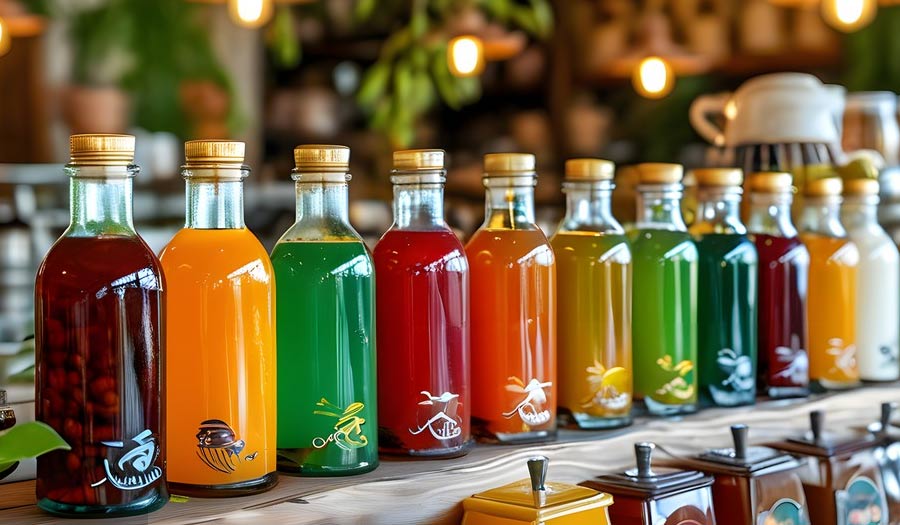
A poor kombucha setup can cause weak flavor, unstable fermentation, contamination risk, or slow production. For home brewers, that is frustrating. For a business, it costs money. The solution is to choose the right equipment for your batch size, hygiene needs, and growth plan.
Kombucha brewing equipment includes the tools and vessels used to brew sweet tea, ferment it with SCOBY culture, monitor pH and temperature, add flavoring, bottle or keg the beverage, and maintain clean production. Basic home kits may use glass jars and bottles, while commercial kombucha production usually requires stainless steel tanks, sanitary fittings, CIP cleaning, cooling, filtration, and packaging systems.

Kombucha brewing equipment ranges from a simple home kit with a jar, cloth lid, SCOBY, tea, sugar, pH strip, and bottles to professional-grade stainless steel tanks and packaging lines.
Kombucha is made by fermenting sweet tea with a SCOBY, a symbiotic culture of bacteria and yeast; Colorado State University explains that the culture acidifies the tea and helps minimize contamination.
Finished kombucha is commonly acidic. Colorado State University states that safe consumption requires pH below 4.2 but not lower than 2.5.
Kombucha Brewers International describes kombucha as a fermented tea beverage that typically has a pH range of 2.3 to 3.8 and naturally contains organic acids, trace alcohol, and some carbonation.
In the United States, TTB alcohol regulations do not apply only when kombucha is never at or above 0.5% ABV during production, bottling, or after bottling.
For B2B projects, the right system should match batch volume, fermentation cycle, hygiene design, cooling needs, packaging format, space, utilities, and future expansion.
What Is Kombucha Brewing Equipment?
What Equipment Do You Need to Brew Kombucha at Home?
What Is Included in a Basic Kombucha Brewing Kit?
What Equipment Is Needed for Commercial Kombucha Production?
Why Are Stainless Steel Kombucha Tanks Important for Scaling Up?
How Do You Control Fermentation, pH, and Temperature?
What Bottling, Kegging, and Packaging Equipment Do You Need?
How Do Cleaning, Sanitation, and CIP Affect Kombucha Quality?
Home Kit vs Commercial Kombucha Brewery System: What Is the Difference?
How Should B2B Buyers Choose the Right Kombucha Brewing Equipment Supplier?
Kombucha brewing equipment refers to the tools, vessels, tanks, and accessories used to make kombucha from tea, sugar, water, and kombucha culture. At a basic level, it helps you brew sweet tea, cool it, add SCOBY and starter liquid, allow fermentation, check pH, add flavor, and package the finished beverage.
For home brewing, the setup can be very simple. A glass jar, cloth cover, rubber band, pH strip, thermometer, funnel, and bottle may be enough for a small batch. For commercial kombucha, the equipment becomes more serious. You may need a stainless steel tank, sanitary pump, filter, cooling system, CIP cleaning unit, flavoring tank, carbonation control, and filling line.
In my work with beverage equipment projects, I often tell buyers this: kombucha is simple in theory, but professional production is not casual. The process must protect the scoby, control the fermentation environment, and keep every product contact surface clean.
For a home brewer, the basic goal is to brew a safe, clean, and tasty batch in a small volume. Most people start with a 1 gallon glass jar, a breathable cloth lid, tea, sugar, starter liquid, a SCOBY, and bottles for secondary fermentation.
Colorado State University explains that SCOBY and liquid are added to a food-grade vessel of brewed, cooled, sugar-sweetened tea, then lightly covered and fermented at room temperature, often for 7–10 days but sometimes longer.
A simple home setup may include:
| Home Kombucha Tool | Zweck |
|---|---|
| Glass jar | Main fermentation vessel |
| Cloth lid or coffee filter | Keeps dust and insects out while allowing airflow |
| Rubber band | Holds the cover in place |
| Tea kettle | Used to brew tea |
| Thermometer | Helps check cooling and room temperature |
| pH strips or meter | Helps monitor acidity |
| Funnel | Helps transfer liquid into bottles |
| Swing top bottles | Used for carbonation and serving |
| Fine filter | Removes loose tea or fruit pieces |
| Labels | Helps track batch date and flavor |
For home use, glass jars are common because they are easy to clean and easy to inspect. Michigan State University Extension notes that because kombucha has low pH, it is recommended to make and store it in glass containers or food-grade containers to reduce chemical hazard risks from unsuitable materials.
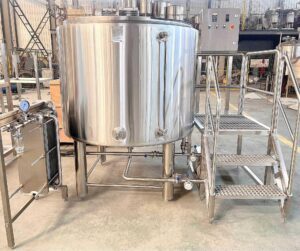
A basic kombucha brewing kit usually includes the essential items needed to start brewing kombucha. It may include a jar, SCOBY, starter liquid, tea, sugar, cloth cover, rubber band, pH strips, and instructions. Some kits may also include bottles, flavoring ideas, a thermometer, or a small filter.
A good kit should make the process easy for beginners. It should help the brewer understand the basics: make sweet tea, cool it, add the culture, cover the jar, wait for fermentation, measure pH, taste carefully, and bottle only when the beverage is ready.
For small users, a kit is enough. For a brand or café, a kit is not enough. Once the goal is to produce kombucha for sale, the process needs stronger equipment, better records, and repeatable control. That is when buyers move from jars and bottles to tanks, pumps, valves, temperature control, and packaging systems.
Commercial kombucha production needs more than a bigger jar. It needs a controlled process. A professional setup may include tea brewing equipment, sugar mixing tanks, cooling equipment, fermentation tanks, sanitary transfer pumps, filters, blending tanks, flavoring tanks, carbonation equipment, kegging or bottling lines, and cleaning systems.
A practical commercial kombucha production flow may look like this:
| Production Stage | Equipment Needed | Main Purpose |
|---|---|---|
| Tea brewing | Kettle or hot water system | Extract tea flavor |
| Sugar mixing | Mixing tank | Dissolve sugar evenly |
| Kühlung | Heat exchanger or cooling tank | Cool sweet tea before culture addition |
| Primary fermentation | Fermentation tank | Ferment tea with SCOBY and starter |
| pH monitoring | pH meter or strip | Measure acidity |
| Flavoring | Blending tank | Add fruit, juice, herbs, or botanicals |
| Filtration | Filter or screen | Remove fruit particles or loose solids |
| Carbonation | Carbonation stone or pressure tank | Add or manage bubbles |
| Packaging | Bottle filler, kegging system, canning line | Prepare final product |
| Reinigung | CIP system | Clean tanks and pipelines |
Kombucha Brewers International describes kombucha as a fermented beverage made with tea leaves, water, natural sweetener, and SCOBY or pellicle; the organization also notes that pH and fermentation characteristics are part of the beverage identity.
As a professional brewery, kombucha, winery, distillery, and beverage equipment manufacturer, we usually start by asking buyers about capacity, product style, packaging format, and market rules. A 50-liter pilot system and a 5,000-liter commercial kombucha line require very different planning.
When a kombucha business grows, stainless steel equipment becomes important. A stainless steel kombucha tank is stronger, easier to clean, more durable, and better suited for professional production than many small containers.
A commercial fermenter can be designed with sanitary fittings, temperature control, sampling valves, spray balls, manways, and bottom outlets. These features help the brewer monitor, clean, and transfer product more efficiently.
For kombucha, material selection matters because the beverage is acidic. Food-grade stainless steel is commonly used in beverage plants because it supports hygienic design and long service life. However, buyers should confirm material grade, weld quality, internal polishing, fitting standards, and chemical compatibility before ordering.
| Feature | Warum es wichtig ist |
|---|---|
| 304 stainless steel | Common beverage-grade material |
| Internal polishing | Helps reduce residue and cleaning difficulty |
| Sanitary fittings | Supports clean transfer and easy connection |
| Sampling valve | Allows testing without opening the tank |
| Spray ball | Supports CIP cleaning |
| Cooling jacket | Helps manage fermentation temperature |
| Mannloch | Allows access for inspection and cleaning |
| Bottom outlet | Helps drain product and cleaning solution |
| Thermowell | Supports temperature monitoring |
For B2B buyers, the right equipment is not simply the largest tank. It is the tank that matches fermentation style, cleaning method, building height, floor load, batch size, utility supply, and packaging plan.
Kombucha fermentation is driven by bacteria and yeast in the culture. The yeast helps break down sugar, while bacteria help create beneficial acids. The result is a tart, lightly sweet, acidic beverage with complex flavor.
pH control is one of the most important safety and quality checks. Colorado State University states that safe consumption requires pH below 4.2 but not lower than 2.5. Pennsylvania’s kombucha brewing guidance also states that producers of unpasteurized bottled kombucha or other fermented beverages should aim for pH 4.2 or below and monitor pH as a preventive control.
Temperature also affects fermentation speed and flavor. If the environment is too cold, fermentation may be slow. If it is too warm, the brew may acidify too quickly or develop unwanted character. For commercial systems, temperature control can help create a more consistent and high-quality kombucha product.
| Control Point | What to Measure | Warum es wichtig ist |
|---|---|---|
| pH | Acidity level | Helps manage safety and taste |
| Temperature | Fermentation environment | Affects fermentation speed |
| Time | Batch duration | Helps repeat flavor profile |
| Sugar level | Remaining sweetness | Affects taste and carbonation |
| Alcohol | ABV level | Important for regulatory compliance |
| Aroma and taste | Sensory quality | Confirms product target |
| Visual condition | Mold, contamination, SCOBY health | Helps catch problems early |
In the United States, alcohol level matters because kombucha at or above 0.5% ABV can fall under alcohol regulatory requirements; TTB explains that regulations do not apply only when kombucha is never at or above 0.5% ABV during production, bottling, or after bottling.
After fermentation, kombucha may be filtered, flavored, carbonated, and packaged. Small brewers often use swing top bottles. Larger operations may use bottle fillers, canning lines, kegging systems, or bag-in-box solutions.
Colorado State University notes that fruit juice or other flavorings may be added after fermentation, and the beverage can then be carbonated for a bubbly character. This is where packaging choices become important.
For small batches, bottles may work well. For cafés, restaurants, and taprooms, kegging can reduce packaging waste and support draft service. For retail brands, bottles or cans may be better for distribution.
| Packaging Format | Best Use | Key Consideration |
|---|---|---|
| Swing top bottles | Home and small craft batches | Pressure buildup must be managed |
| Glasflaschen | Retail and premium products | Breakage and shipping weight |
| Aluminum cans | Retail and distribution | Requires suitable filling line |
| Kegs | Taproom, restaurant, café | Needs draft system and cold storage |
| PET bottles | Some regional markets | Must match pressure and food safety needs |
Kombucha packaging must manage carbonation and ongoing fermentation. If fermentation continues strongly after bottling, pressure can build. This is why pH, sugar, temperature, alcohol, carbonation, and cold storage all need professional control in commercial operations.
Cleaning is not optional. Kombucha is acidic, alive, and sensitive to unwanted contamination. Poor cleaning can damage flavor, shorten shelf life, and create safety issues.
For small-batch kombucha making, cleaning may involve washing jars, funnels, bottles, and cloth covers carefully. For commercial operations, cleaning usually requires CIP, sanitary piping, spray balls, pumps, and proper cleaning procedures.
A professional-grade system should reduce dead corners, rough welds, and hard-to-clean surfaces. This is why tank design, valve selection, hose quality, gasket material, and piping layout matter. A beautiful tank with poor sanitary design can still create problems.
| Cleaning Item | Warum es wichtig ist |
|---|---|
| Spray ball coverage | Helps clean tank surfaces |
| Smooth welds | Reduces residue buildup |
| Sanitary valves | Improves cleanability |
| Drainability | Prevents standing liquid |
| Correct chemical use | Protects stainless steel |
| Separate tools | Reduces cross-contamination |
| Cleaning records | Supports quality control |
| Inspection access | Helps verify cleaning results |
As a beverage equipment manufacturer, we design systems with cleaning in mind. A good tank should not only hold product. It should also be easy to clean, inspect, and maintain.
A home kit is designed for learning and personal use. A commercial kombucha brewery system is designed for repeatable production, controlled quality, and business operation.
| Artikel | Home Kombucha Kit | Commercial Kombucha System |
|---|---|---|
| Batch size | Often 1 gallon or small batches | Dozens to thousands of liters |
| Vessel | Glass jar or small container | Stainless steel tank or fermenter |
| Monitoring | pH strip, thermometer | pH meter, temperature control, records |
| Reinigung | Manual cleaning | CIP and sanitary process |
| Transfer | Hand pouring or siphon | Sanitary pump and piping |
| Flavoring | Manual fruit or juice addition | Blending tank and measured dosing |
| Packaging | Hand bottle filling | Bottle, can, or kegging line |
| Kontrolle | Basic instructions | SOP, QC, batch records |
| Goal | Personal brewing kombucha | Commercial kombucha production |
The trade-off is clear. A kit is affordable and simple. A commercial system costs more but supports hygiene, efficiency, and scale. If you sell kombucha, equipment selection should support legal compliance, stable production, and repeatable product quality.
Kombucha starts with a few core ingredients: water, tea, sugar, starter liquid, and SCOBY. Some producers use black tea, green tea, or blends. Some use organic ingredients for brand positioning. For flavoring, brands may use fruit, herbs, spices, botanicals, or juice.
Accessories also matter. A small operation may need pH strips, a thermometer, a funnel, a filter, a spigot, labels, bottles, and cleaning tools. A commercial plant may need flow meters, pressure gauges, sanitary hoses, clamps, gaskets, sample valves, and spare parts.
Ingredient and Accessory Checklist
| Category | Examples |
|---|---|
| Core ingredient | Tea, sugar, starter, SCOBY |
| Monitoring accessory | pH strip, pH meter, thermometer, gauge |
| Transfer accessory | Hose, pump, filter, funnel |
| Packaging accessory | Bottle, cap, keg, label |
| Cleaning accessory | CIP spray ball, cleaning chemicals, brushes |
| Quality accessory | Sample valve, testing tools, batch records |
The best accessory is the one that reduces risk. In professional kombucha production, every small item should support cleanliness, repeatability, and operator safety.
For B2B buyers, the supplier should understand both beverage process and equipment manufacturing. Buying tanks from a general fabricator may look cheaper, but kombucha production has special needs: acidity, culture management, hygiene, flavoring, packaging, and possible alcohol control.
As a professional brewery, distillery, winery, kombucha, and beverage equipment manufacturer, we support global projects with factory-direct supply, turnkey engineering, CAD/3D layout support, installation guidance, and long-term technical service. We also supply used brewing systems when buyers need a cost-effective option.
When choosing a supplier, check:
For startup craft beverage brands, restaurant chains, kombucha producers, beverage co-packers, distributors, agents, and project investors, equipment should not be bought as isolated parts. It should be planned as a complete production flow.

One common mistake is starting with tank size before defining the process. A buyer may ask for a large tank, but the real issue may be cooling, packaging speed, or fermentation cycle. Capacity should be calculated from daily output, batch time, and market demand.
Another mistake is using beer equipment without checking kombucha requirements. Beer and kombucha share some stainless steel hardware, but kombucha has different acidity, culture, flavoring, and packaging concerns.
A third mistake is ignoring cleaning. If the tank, valves, or hoses are hard to clean, the operation becomes risky. Good production needs good cleaning.
A careful review before purchase can save months of trouble after installation.
Not every kombucha project needs a full stainless steel production line. A small test kitchen, product development room, or educational setup may only need jars, a small kettle, bottles, and a basic kit. If you are testing recipes, keep the system simple.
A large retail brand, however, should not rely on home-style equipment. Once product is sold widely, the operation needs stronger controls, better sanitation, batch records, stable packaging, and compliance planning.
The right answer depends on your stage:
| Business Stage | Recommended Approach |
|---|---|
| Home learning | Basic kombucha kit |
| Small café test | Small fermenter and manual bottling |
| Taproom or restaurant | Stainless tank and kegging |
| Local retail brand | Controlled fermentation and bottle/can filling |
| Regional commercial brand | Full kombucha production line |
| Co-packer | Flexible tanks, CIP, blending, filtration, packaging |
So, do not overbuy too early. But do not underbuild when the business depends on consistent output.
What equipment do I need to brew kombucha?
To brew kombucha at home, you need a glass jar, tea, sugar, SCOBY, starter liquid, cloth cover, pH strips, thermometer, funnel, and bottles. For commercial production, you may need stainless steel tanks, pumps, filters, cooling, CIP, flavoring tanks, and packaging equipment.
What is the best vessel for kombucha fermentation?
For home use, a clean food-grade glass jar is common. For commercial use, a stainless steel fermentation tank is usually better because it is durable, cleanable, and suitable for professional operation.
Can kombucha be brewed in stainless steel?
Yes, commercial kombucha is often produced in stainless steel equipment. Buyers should choose food-grade stainless steel, proper internal finishing, sanitary fittings, and a design suitable for acidic beverage production.
What size kombucha tank should I choose?
Tank size depends on batch volume, fermentation time, daily demand, packaging speed, and space. A small café may need a small fermenter, while a commercial kombucha brand may need multiple large tanks.
Do I need pH strips or a pH meter for kombucha?
Yes. pH monitoring is important for kombucha safety and quality. Home brewers may use pH strips, while commercial producers usually use a calibrated pH meter and batch records.
Is kegging kombucha better than bottling?
Kegging is useful for taprooms, cafés, restaurants, and draft service. Bottling or canning is better for retail distribution. The best choice depends on your sales channel and packaging plan.
What is the difference between a kombucha kit and commercial kombucha brewing equipment?
A kit is for small home batches and learning. Commercial equipment is designed for larger batches, sanitation, temperature control, transfer, flavoring, packaging, and consistent production.
Can kombucha equipment be customized?
Yes. Tanks, ports, valves, cooling jackets, platforms, control systems, and packaging lines can be customized based on capacity, process, layout, and market needs.
Kombucha brewing equipment can be simple for home use or highly professional for commercial production.
A basic kit usually includes a jar, SCOBY, starter, tea, sugar, cover, pH strip, and bottle.
Commercial kombucha production needs tanks, pumps, cooling, filtration, flavoring, CIP, and packaging systems.
pH and temperature monitoring are essential for quality control.
Stainless steel kombucha tanks are better suited for scalable production.
Bottling, canning, and kegging each fit different business models.
Cleaning and sanitary design directly affect product quality.
Do not choose equipment only by tank size or price.
The right equipment should match batch size, fermentation cycle, packaging format, utilities, floor space, and expansion plan.
A reliable beverage equipment manufacturer can help review your process, compare options, and design a practical system.
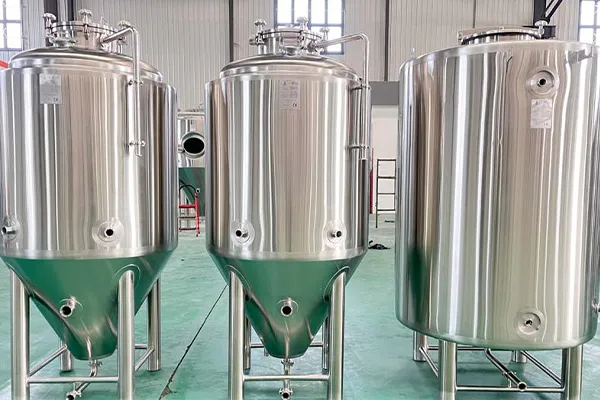
Buying the wrong used tank can turn a good deal into a costly mistake. Hidden damage, poor sanitation, wrong pressure rating, or missing fittings can delay production. The smart approach is to inspect the fermenter, confirm specifications, and match the equipment to your real process.
Used fermentation tanks for sale can be a cost-effective choice for breweries, wineries, kombucha producers, cider makers, and beverage projects when the tank is stainless steel, properly inspected, pressure-suitable, hygienic, and matched to batch size, cooling needs, fittings, shipping limits, and future scale-up plans.
Used fermentation tanks can reduce project cost and shorten lead time, but only if the vessel condition, fittings, cooling jacket, pressure rating, and cleaning history are checked carefully.
A stainless steel fermenter is usually preferred for professional beer and beverage production because it supports hygienic cleaning, durability, and long-term commercial use.
For any process above 15 psi, the Brewers Association Maintenance and Engineering Subcommittee recommends using an ASME-rated tank.
Sanitation must be treated seriously. Brewery sanitation involves more than basic CIP, and multiple items in the production environment can support or harm clean beer production.
Stainless steel can be damaged by unsuitable chemicals. The Brewers Association Draught Beer Quality Manual warns that hydrochloric acid corrodes stainless steel and should not be used for cleaning draught lines.
A reliable used tank supplier should help buyers review drawings, photos, specifications, accessories, loading, shipping, and installation needs before purchase.
What Are Used Fermentation Tanks?
Why Do Breweries Buy Used Fermenters?
What Types of Fermentation Tanks Are Available?
How Do You Inspect a Used Stainless Steel Tank?
What Size Fermenter Should You Choose?
What Pressure Rating and Safety Details Matter?
How Do Cleaning, Sanitation, and Passivation Affect Tank Value?
Used Fermenter vs New Fermenter: Which Is Better?
What Should Be Included in a Used Tank Purchase?
How Can B2B Buyers Find a Reliable Manufacturer or Supplier?
Used fermentation tanks are previously owned vessels designed for controlled fermentation. In a brewery, the tank is where yeast converts wort into beer. In other beverage projects, a fermenter may also be used for wine, cider, kombucha, or other fermented drinks. The key job is simple: hold product safely while supporting temperature control, hygiene, and process stability.
A professional fermentation tank is usually made from stainless steel. Many beer fermenters use a conical bottom because yeast and sediment can collect at the bottom and be removed through the outlet. This helps brewers manage yeast harvesting, clarification, and cleaning.
For B2B buyers, a used fermenter is not just second-hand equipment. It is a production asset. If the tank is well built and properly maintained, it can continue serving for many years. If it has hidden defects, it may create quality problems, repair costs, or installation delays.
Many startup brewery owners look for used equipment because the early budget is tight. A new brewhouse, glycol system, fermenters, bright tanks, packaging line, and installation work can become expensive quickly. Buying a used tank can help reduce initial investment and leave more budget for raw materials, taproom buildout, staff training, and marketing.
Established breweries may also buy used fermenters when they need quick capacity expansion. If beer demand grows faster than expected, waiting for new custom tanks may slow production. A good used fermenter can sometimes enter the project faster, especially when the tank is already available in inventory.
However, a low price is not the only goal. The best deal is the tank that fits your batch size, floor height, cooling system, process pressure, cleaning method, and beverage type. A tank that is cheap but wrong is not affordable. It is a delay waiting to happen.
There are several common types of tanks used in beverage production. The best selection depends on the product, process, and building layout.
| Tank Typ | Gemeinsame Nutzung | Main Benefit |
|---|---|---|
| Conical fermenter | Beer, cider, kombucha | Easy yeast and sediment removal |
| Cylindrical fermenter | Wine, beverage storage, fermentation | Simple design and flexible use |
| Unitank | Beer fermentation and carbonation | Can ferment and condition in one tank |
| Bright beer tank | Beer conditioning and serving | Supports carbonation and clear beer |
| Storage tanks | Wine, water, beverage base, finished liquid | Flexible holding and buffering |
| Jacketed tank | Beer, kombucha, wine, beverage production | Temperaturkontrolle |
| Insulated tank | Cold storage or controlled fermentation | Reduces temperature loss |
For beer production, a conical fermenter is often the most common choice. For kombucha, wine, cider, and juice projects, the tank design may be different. Some producers need top manways. Some need side manways. Some need cooling jackets. Some need sanitary spray balls, racking arms, carbonation stones, sampling valves, or CIP ports.
As a professional brewery, distillery, winery, kombucha, and beverage equipment manufacturer, we usually ask buyers about the product first. A tank for lager beer is not always the same as a tank for kombucha. A wine storage tank is not always the same as a pressure-rated beer fermenter.
Before buying any used tank, inspection is essential. Photos alone are not enough. A buyer should check the inside, outside, welds, fittings, legs, jacket, manway, valves, and pressure label if available.
Start with the internal surface. The inside should be smooth, clean, and free from deep scratches, dents, rust, heavy beerstone, pitting, or chemical damage. Light marks may be normal, but deep damage can affect cleaning and sanitation.
Then check the external body. Look at insulation panels, cooling jacket connections, dimple jacket condition, legs, footpads, lifting points, and support structure. A tank that looks fine from the front may have damage near the back, bottom, or jacket ports.
| Inspection Point | What to Check | Warum es wichtig ist |
|---|---|---|
| Inner surface | Scratches, rust, pitting, residue | Affects hygiene and cleaning |
| Welds | Cracks, rough welds, repair marks | Affects strength and sanitation |
| Cooling jacket | Leaks, pressure test history, fittings | Affects temperature control |
| Mannloch | Seal condition, hinge, pressure rating | Affects safety and operation |
| Valves and ports | Size, thread, clamp standard, missing parts | Affects installation cost |
| Legs and base | Bent legs, weld damage, leveling feet | Affects stability |
| Pressure label | Rating, certification, test record | Affects safe use |
| Tank size | Diameter, height, working volume | Affects layout and batch planning |
| Shipping condition | Loading method, packaging, container fit | Affects landed cost |
A used tank should be inspected with both production needs and shipping needs in mind. A large tank may be a good price but expensive to move. Always check total cost, not only the listed price.
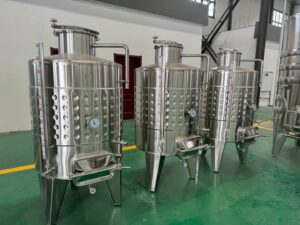
Tank size should match your brewing system and production plan. If your brewhouse makes 10 barrels per batch, your fermenter should normally support that batch volume with enough headspace. If you plan double batching, you may need a larger vessel.
A common planning mistake is buying tanks only for today’s output. A startup brewery may begin small, but if sales grow, fermentation capacity can become the first bottleneck. On the other hand, buying tanks that are too large can waste floor space, cooling energy, and cash.
For beer, buyers often consider:
For kombucha, wine, cider, and other beverage projects, tank sizing depends on fermentation cycle, blending process, storage time, packaging speed, and product demand.
A good rule is to plan the cellar as a system. The fermenter, storage tanks, cooling unit, CIP station, piping, platform, and packaging equipment should work together.
Pressure is one of the most important details in a used fermenter purchase. Some tanks are atmospheric. Some are low-pressure. Some are designed for fermentation pressure, carbonation, or serving. Never assume that a tank can safely hold pressure just because it looks strong.
The Brewers Association Maintenance and Engineering Subcommittee recommends brewers use an ASME-rated tank for any process requiring pressure above 15 psi. This matters for unitanks, bright beer tanks, pressure fermentation, carbonation, and any process where the vessel may be pressurized.
ASME explains that its certification programs are connected to public safety and quality, and buyers can use ASME certificate holder resources to verify certified companies.
For used tanks, buyers should check:
Do not use a non-rated tank for pressure work. That is not a place to save money.
A fermentation tank must be cleanable. A shiny outside does not guarantee a hygienic inside. In beverage production, sanitation affects flavor, shelf life, and product safety.
The Brewers Association notes that sanitation in a brewery involves more than good CIP practices because many items can work for or against clean beer production. The Brewers Association Draught Beer Quality Manual also warns that some acid cleaners can harm stainless steel; for example, hydrochloric acid corrodes stainless steel and should not be used for cleaning draught lines.
Passivation is another important topic. Stainless steel depends on a protective passive layer. When a tank has been repaired, scratched, aggressively cleaned, or exposed to hard water or acidic products, it may need proper cleaning and passivation. The American Homebrewers Association provides practical guidance on cleaning and passivating stainless brewing equipment, including sanitizing or final rinsing after cleaning steps.
For used tanks, buyers should ask:
A used tank that was properly cleaned and maintained has higher value than a cheaper vessel with unknown history.
A used fermenter and a new fermenter each have advantages. The right choice depends on budget, timing, customization needs, and risk tolerance.
| Decision Point | Used Fermenter | New Fermenter |
|---|---|---|
| Cost | Usually lower upfront cost | Higher upfront cost |
| Lead time | Often faster if in stock | Longer if custom manufactured |
| Personalisierung | Limited to existing design | Fully customizable |
| Condition | Must be inspected carefully | New production condition |
| Garantie | May be limited | Usually clearer warranty terms |
| Fittings | Existing ports may not match your system | Can be designed to your process |
| Appearance | May show wear | New finish |
| Best for | Budget-sensitive expansion | Long-term custom projects |
Used tanks are attractive when the buyer needs an affordable and fast solution. New tanks are better when the buyer needs exact dimensions, specific ports, custom pressure rating, special jacket design, or brand-new appearance.
In our professional experience, many buyers use a mixed strategy. They may buy used fermentation tanks for quick capacity expansion and order new customized tanks for long-term growth. This can be a practical way to control cash flow while building production strength.
A used tank purchase should be clear. Before you pay a deposit or place a bid, confirm exactly what is included. A tank without valves, gaskets, fittings, or legs may cost more after replacement.
A good listing should include:
If a seller only says “fermentation tanks for sale” without clear specifications, be careful. A professional supplier should be able to provide a structured specification sheet.
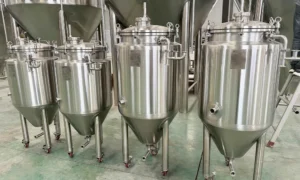
When buyers search for tanks for sale, they often compare price first. That is understandable. But for professional beverage projects, the supplier’s ability matters just as much as the tank price.
A reliable used tank supplier should help you find the right match, not only push available inventory. They should understand beer production, beverage fermentation, sanitary fittings, container loading, international shipping, and installation planning.
As a professional brewery, distillery, winery, kombucha, and beverage equipment manufacturer, as well as a trusted used brewing system supplier, we support buyers with both standard and customized solutions. Our work covers brewery systems, fermentation tanks, conical beer fermenters, storage tanks, used brewing systems, turnkey engineering, CAD/3D layout support, installation guidance, and long-term global technical service.
For importers, distributors, brewery owners, brewpub chains, cider producers, wineries, kombucha brands, beverage co-packers, project investors, and agents, a good supplier should support:
A cheap listing with “unbeatable prices” may look exciting, but professional buyers should still ask for specifications, inspection details, and total landed cost.
Used tanks can be a smart purchase, but they are not perfect for every project. The biggest trade-off is flexibility. A used tank already has a fixed height, diameter, port position, jacket design, pressure rating, and appearance. You must adapt your layout and process to the tank.
Another trade-off is inspection effort. New equipment follows a fresh production process. Used equipment needs more checking. You may need extra cleaning, passivation, valve replacement, gasket replacement, or port modification.
A third trade-off is shipping. Sometimes a low-cost tank located far away becomes expensive after freight, loading, customs, and inland transport. This is especially true for large tanks that require special handling.
Used tanks work best when:
Used tanks may not be suitable when:
Imagine a craft brewery with a 10 bbl brewhouse. Demand for its IPA and lager grows faster than expected. The owner does not want to replace the whole brewing system. The main problem is cellar capacity.
In this case, used fermentation tanks may be the fastest way to increase output. The brewery can add two or three conical fermenters, connect them to the existing glycol system, and improve weekly production capacity.
But the buyer must check details. Do the tanks fit through the door? Are they too tall for the cellar? Do the jackets match the existing glycol chiller? Are the valves compatible? Can the floor support the weight? Does the pressure rating match the planned beer process?
A careful review can turn a used tank purchase into a successful expansion. A rushed purchase can create installation problems.
Are used fermentation tanks a good choice for a startup brewery?
Yes, used fermentation tanks can be a good choice for a startup brewery when the tank is properly inspected, reasonably priced, and suitable for the planned beer production. They can reduce upfront cost and help the project start faster.
What is the best material for a beer fermenter?
Stainless steel is the most common professional material for a beer fermenter because it is strong, cleanable, durable, and suitable for commercial brewing. Buyers should still confirm material grade, weld quality, and internal surface condition.
Can a used tank be used for kombucha or wine?
Yes, some used tanks can be used for kombucha or wine, but the buyer should check previous use, cleaning history, fittings, pressure needs, and material compatibility. Kombucha and acidic beverages may require extra attention to cleaning and stainless steel condition.
What is a conical fermenter?
A conical fermenter is a fermentation tank with a cone-shaped bottom. In beer production, the conical bottom helps collect yeast and sediment, making yeast removal, cleaning, and product handling easier.
Soll ich einen gebrauchten Fermenter kaufen oder einen neuen?
Buy a used fermenter if you need faster delivery and lower cost, and the tank specifications match your project. Choose a new fermenter if you need exact customization, special fittings, new appearance, or specific certification requirements.
What should I inspect before buying a used tank?
Inspect internal surface condition, welds, cooling jacket, pressure rating, manway, ports, valves, legs, previous use, cleaning history, and shipping dimensions. Also confirm whether fittings, gaskets, and accessories are included.
Can used tanks be shipped internationally?
Yes, used tanks can be shipped internationally, but the supplier must confirm dimensions, packaging, loading method, container fit, and export documentation. Shipping cost should be included in the total purchase evaluation.
Used fermentation tanks for sale can be a smart option for breweries and beverage producers that need cost-effective capacity.
A good used tank should be inspected for internal condition, weld quality, pressure rating, cooling jacket, ports, fittings, and shipping dimensions.
A stainless steel fermenter is usually preferred for commercial beer and beverage production.
A conical fermenter is especially common in beer brewing because it helps manage yeast and sediment.
Do not use a tank above its safe pressure rating.
Cleaning, sanitation, and passivation history affect tank value.
Used tanks are more affordable but less customizable than new tanks.
New tanks are better when exact dimensions, custom fittings, or specific certification is required.
A reliable supplier should help compare used and new options, review layout, confirm accessories, and support shipping.
The best purchase is not the cheapest tank. It is the tank that fits your process, building, budget, and growth plan.
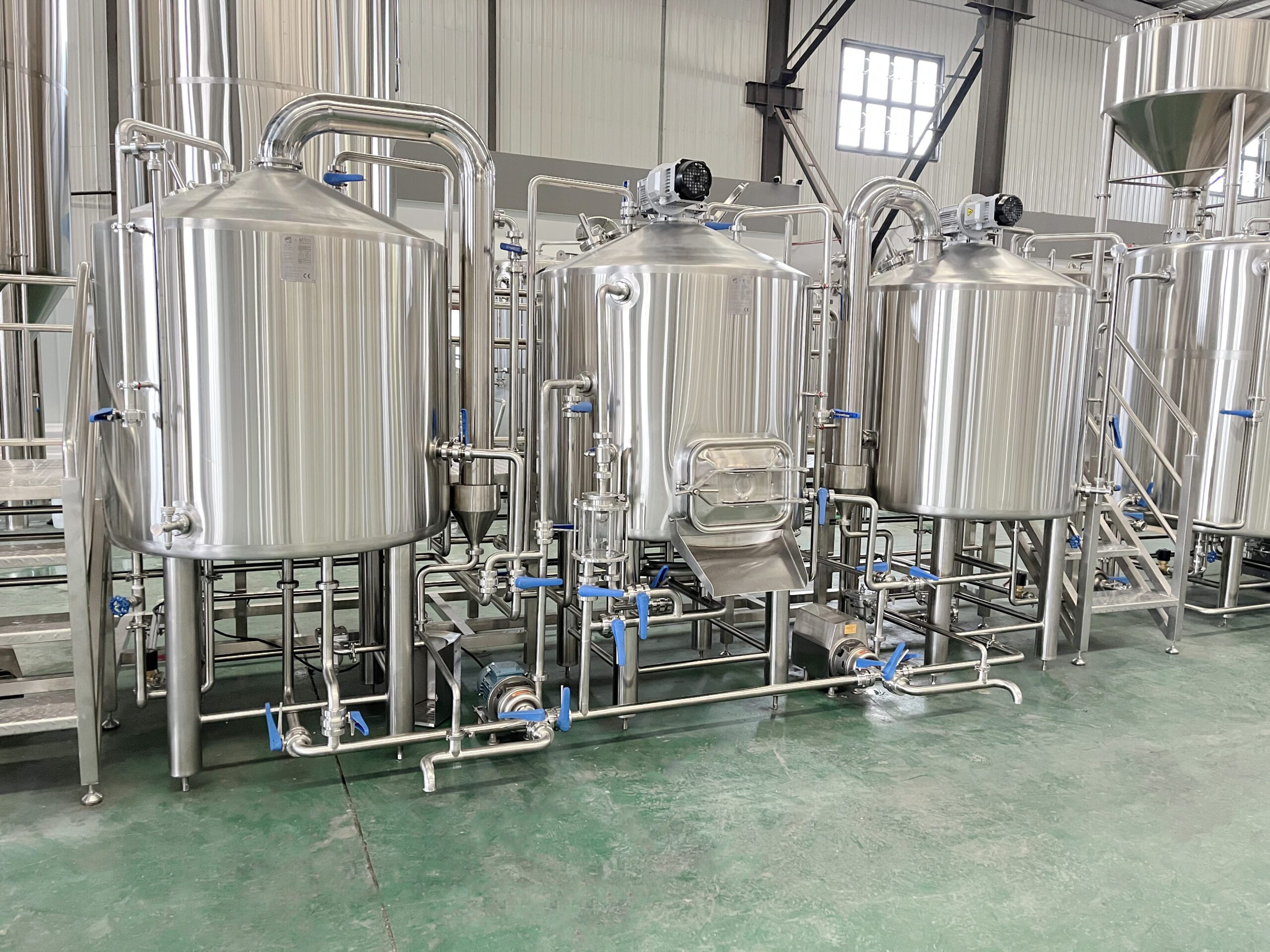
Die Margen werden schnell knapp, wenn eine Brauerei die falsche Anlage kauft. Ein niedriger Preis kann fehlende Teile, schlechte Schweißnähte, schwache Steuerungen oder einen teuren Neustart verbergen. Der klügere Weg ist einfach: Passen Sie die richtige Anlage an Ihren Prozess an, überprüfen Sie den Zustand und kaufen Sie mit einem Plan.
Gebrauchte Brauereianlagen können eine hervorragende Option sein, wenn das System hygienisch, druckgerecht und vollständig genug für Ihren Prozess ist und durch einen realistischen Installations- und Serviceplan unterstützt wird. Dies ist oft die beste Lösung für Sudhäuser, Tanks, Versorgungseinrichtungen und einige Verpackungsanlagen, aber nicht immer für automatisierungsintensive Anlagen oder Behälter mit unbekanntem Druck.
Der Gebrauchtmaschinenmarkt ist aktiv, weil der US-Brauereisektor nach wie vor groß und dynamisch ist. Die Brewers Association berichtet, dass im Jahr 2024 9.736 kleine und unabhängige Brauereien in Betrieb sein werden, wobei 335 Eröffnungen und 399 Schließungen zu verzeichnen sind, was erklärt, warum der Markt für gebrauchte Maschinen weiterhin in Bewegung bleibt.
Im Jahr 2024 produzierten Handwerksbrauereien 23,1 Millionen Fässer, und der Anteil des Handwerks am US-Biermarkt lag bei 13,3% nach Volumen. Diese Kombination aus Größenordnung und langsamerem Wachstum führt tendenziell zu mehr Weiterverkauf, Konsolidierung und Aufrüstung.
Wenn ein Prozesstank mit mehr als 15 psi betrieben wird, sollten Sie die Überprüfung der Druckvorschriften als unverzichtbar betrachten. Sowohl die Brewers Association als auch die OSHA weisen auf besondere Sicherheitsanforderungen für Druckbehälter in diesem Bereich hin.
Bei Bier, Kombucha, Wein und anderen lebensmittelgeeigneten Flüssigkeiten ist die Reinigungsfähigkeit ebenso wichtig wie die Anschaffungskosten. Die cGMP- und FSMA-Richtlinien der FDA betonen hygienisches Design, sanitäre Abläufe und vorbeugende Kontrollen.
Ein Hybridmodell ist oft am besten: Man kauft gebrauchte Kernbehälter und Versorgungseinrichtungen und dann neue Steuerungen, Dichtungen, einige Ventile, Sensoren und ausgewählte Verpackungsmodule.
Meine berufliche Regel lautet: Kaufe niemals gebrauchte Brauereianlagen weil es billig ist; kaufen Sie es, weil es der richtige Prozess ist, mit überschaubarem Risiko und klaren Schritten für die Wiederinbetriebnahme.
Warum wird der Verkauf von gebrauchten Brauereianlagen immer interessanter?
Wann ist eine gebrauchte Brauereiausrüstung sinnvoll und wann ist eine neue besser?
Welche Geräte sollten Sie zuerst gebraucht kaufen?
Was sollten Sie bei einem Sudhaus, einem Tank, einem Filter, einem Abfüller und einer Kühlanlage überprüfen?
Wie vergleichen Sie den Preis, die Gesamtkosten und die Qualität des Angebots eines Verkäufers?
Welche Normen gelten für Edelstahl, Druck und Hygiene?
Welche Systemgröße passt zu einem Start-up, einem regionalen Hersteller oder einem Co-Packer?
Wo sollte ein seriöser Käufer suchen: auf dem Marktplatz, bei einer Auktion, als Direktverkäufer oder als Komplettanbieter?
Können die Systeme auch für Kombucha, Wein, Spirituosen, Apfelwein und kalt gebrühten Kaffee verwendet werden?
Wie lässt sich das Risiko der Wiederinbetriebnahme bei globalen Projekten verringern?
Die kurze Antwort lautet: Marktdruck. In den USA und im Handwerkssegment ist die Nachfrage nicht verschwunden, aber das Wachstum hat sich verlangsamt. Das ändert das Kaufverhalten. Mehr Eigentümer bevorzugen jetzt Erweiterungen mit geringerem Kapitaleinsatz, teilweise Nachrüstungen oder eine Mischlösung aus neu und gebraucht. Gleichzeitig kommen mehr Anlagen nach Brauereischließungen, Kapazitätsänderungen, Fusionen und Projektverzögerungen wieder auf den Markt.
Ich sehe das jedes Mal, wenn ich ein gebrauchtes Sudhaus oder eine Verpackungsanlage bespreche. Die stärksten Käufer sind nicht auf der Jagd nach einem Hype. Sie wollen eine erschwingliche Möglichkeit für den Einstieg, die Erweiterung oder den Ersatz von Kapazitäten, ohne dass sie das Geld einfrieren müssen. Für viele Handwerksbrauereien bedeutet das eine praktische Mischung: ein gebrauchter Maischekessel, ein gebrauchter Heißlaugentank, ein überholter Gärbehälter und neue Steuerungen oder eine neue CIP-Rutsche.
Dies ist auch der Grund, warum es auf dem Gebrauchtmarkt nicht mehr nur um Bierbrauen geht. Seriöse Getränkehersteller suchen jetzt nach Anlagen, die für die Herstellung von Kombucha, Apfelwein, RTD, Wein, Spirituosen, Kaffee und anderen handwerklichen Getränken geeignet sind. Portland Kettle Works sagt, dass seine gebrauchte Abteilung den Wiederverkauf und die Wiederinbetriebnahme in den Bereichen Bier, Kaffee, Destillation, Kombucha, Limonade, CBD und Wein unterstützt, oft nach Erweiterungen, Schließungen, Übernahmen, Wiederinbesitznahmen und Aussperrungen.
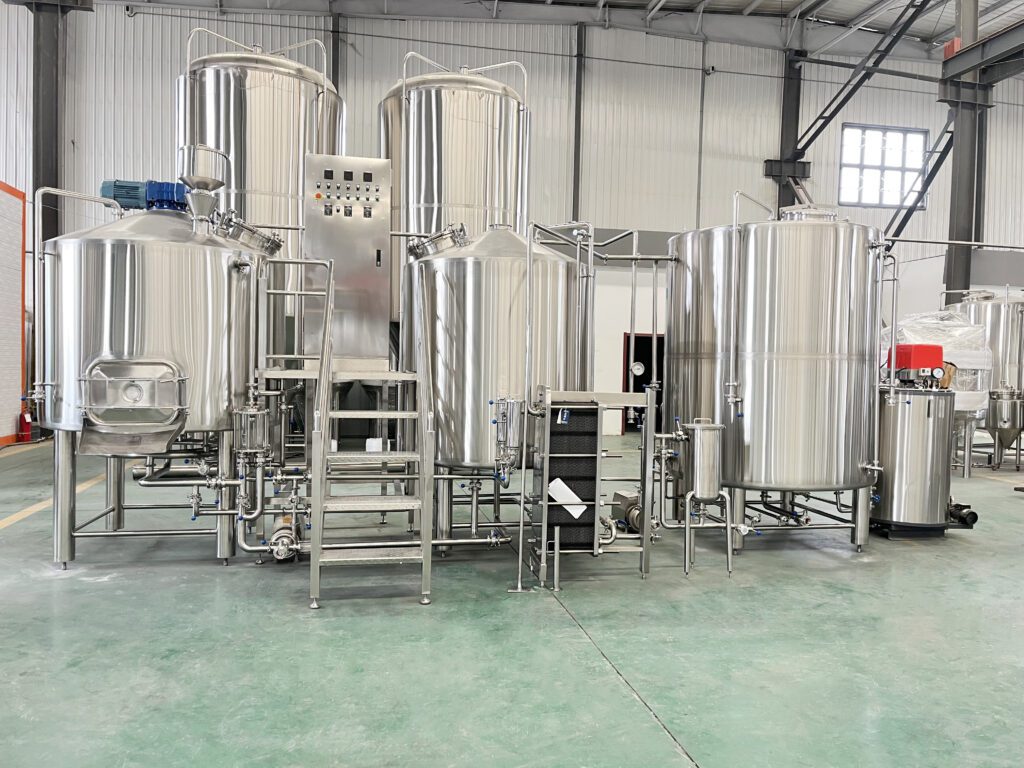
Meiner Erfahrung nach, gebrauchte Geräte ist dann am sinnvollsten, wenn der Prozess stabil ist, die Geometrie leicht zu überprüfen ist und das Risiko eines fehlenden Wertes gering ist. Dazu gehören in der Regel Versorgungsgefäße, viele Kellertanks, einige Sudhäuser, Mühlen- und Schneckensysteme, Glykolkufen und einfache Fasshandhabungsanlagen. Sie kann auch für ausgewählte Bierbrauanlagen in ausgereiften Prozesslayouts verwendet werden.
Neue Geräte sind in der Regel besser, wenn Ihr Produkt empfindlich ist, Ihre Steuerungslogik komplex ist oder Ihre Verpackungsvorgaben streng sind. Ein gebrauchter 4-Kopf-Abfüller mag auf einem Verkaufsangebot attraktiv aussehen, aber wenn keine Ersatzteile verfügbar sind, die Sensoren veraltet sind oder die Zielvorgaben für den gelösten Sauerstoff knapp bemessen sind, können die Gesamtkosten schnell die eines neuen Moduls übersteigen. Die gleiche Vorsicht gilt für ältere Konservierungsanlagen, einige Tunnelpasteurisierer und moderne Inline-Filter- oder Flash-Pasteurisierungsanlagen.
Beste Option für Hauptvorteil Hauptrisiko
Wird nur verwendet Enge Budgets, einfacher Prozess, bewährtes Layout Geringster Anschaffungspreis Versteckte Reparatur- und Integrationskosten
Neue nur Neue Flaggschiffwerke, strenge Verpackungs-KPIs Garantie, Konsistenz, Dokumentation Höhere Investitionen
Hybrid Die meisten ernsthaften B2B-Projekte Bestes Gleichgewicht zwischen Kosten und Kontrolle Erfordert eine gute technische Überprüfung
Für die meisten Projekte empfehle ich den Hybridweg. Kaufen Sie gebrauchte Anlagen aus schwerem Edelstahl. Kaufen Sie neue Verschleißteile, Dichtungen, einige Steuerungen, wichtige Sensoren und ausgewählte Verpackungskomponenten. Dieser Ansatz ist in der Regel effizienter, als alles neu oder alles gebraucht zu kaufen.
Wenn ich gebrauchte Anlagen priorisiere, beginne ich mit den Teilen, die teuer in der Herstellung, aber einfach in der Inspektion sind. Diese Liste umfasst häufig einen Maischebottich, einen Läuterbottich, eine Würzepfanne, einen Whirlpool, einen Tank für heiße Lauge, einen Tank für kalte Lauge, einen Kellertank und nicht-komplexe Transferkufen. Wenn die Oberflächen in Ordnung sind und die Dokumentation glaubwürdig ist, können diese Anlagen einen sehr hohen Wert haben.
A gebrauchter Fermenter können ebenfalls ein guter Kauf sein, aber nur, wenn Sie den Zustand des Mantels, die Qualität der Hülle, die Unversehrtheit der Isolierung, die Armaturen, die Mannlöcher, die PRV-Einrichtung und die innere Oberfläche überprüfen. Das Gleiche gilt für Brittanks, Hefetanks und die Ausrüstung zur Handhabung von Bierfässern. Ein niedriger Preis auf dem Etikett bedeutet nicht gleich niedrige Lebenszykluskosten.
Bei der Verpackung werde ich wählerischer. Ich betrachte jede gebrauchte Abfüll-, Entpalettier-, Rinser-, Etikettier- und Flaschen- oder Dosenlinie zuerst als eine Frage der Steuerung und der Teile, nicht als eine Frage des Stahls. Wenn die Anlage von abgekündigter SPS-Hardware, kundenspezifischer Servo-Logik oder schwer zu beschaffenden Ersatzteilen abhängt, ist sie möglicherweise nicht geeignet, auch wenn sie sauber aussieht.
Sudhausgefäße und Versorgungseinrichtungen
Kellertanks und einige komplette Sudhäuser
Glykol- oder Flüssigkeitskühlsätze
Basis-Keg-Waschanlagen und Transferplatten
Konstruktionskufen, Plattformen und Rohrgestelle
Einige Schüttgutumschlagmaschinen und nicht empfindliche Maschinen
Hochgeschwindigkeitsverpackung
Fortschrittliche Inline-Filtersysteme
Kritische Automatisierung und Rezeptursteuerung
Paketlinien mit hohem Umstellungsgrad
Proprietäre Unterbaugruppen nur für OEM
Dieser Abschnitt wird von den Käufern zu oft übersprungen. Ich überprüfe nie gebrauchte Brauereianlagen von Fotos allein. Ich möchte Zeichnungen, Typenschilder, Druckdaten, Fotos von Schweißnähten, Fotos von Innenflächen, Versorgungsanforderungen, installierte Optionen und eine Teileliste. Wenn möglich, möchte ich auch die Betriebsgeschichte und den Grund für die Abschaltung oder Stilllegung sehen.
Überprüfen Sie bei einem Sudhaus den Zustand des Senkbodens, die Funktion des Rechens (falls vorhanden), die Ausrichtung der Mannlöcher, die Integrität der Dampf- oder Elektroheizung, die Pumpenhistorie, Schäden an der Plattform und die Abdeckung durch CIP-Sprühmittel. Prüfen Sie bei jedem Tank Beulen im Gehäuse, Mantelzonen, feuchte Stellen in der Isolierung, PRV-Armaturen, Probenahmeventile, Schutzrohre und die Innenbeschichtung. Bei einem gebrauchten Filter sind die Kompatibilität der Medien zu überprüfen, das Gehäuse zu inspizieren und eine klare Sanierungshistorie zu erstellen. Bei einem Füller müssen Ersatzteile ausgetauscht, die Steuerlogik gesichert, die Kalibrierung überprüft und ein Trocken- oder Nasstest durchgeführt werden, falls vorhanden.
Bei einer Kältemaschine achte ich auf die Betriebsstunden des Verdichters, den Zustand des Kältemittels, den Zustand der Schalttafel, den Zustand der Pumpe, die Verschmutzung des Wärmetauschers und darauf, ob das Gerät den örtlichen elektrischen Normen entspricht. Bei exportierten Projekten sind die Frachtkosten, die Spannung des örtlichen Stromversorgers und die Ersatzteilversorgung ebenso wichtig wie die auf dem Typenschild angegebenen Tonnen.
Überprüfen Sie die Seriennummern und Druckstufen
Bestätigen Sie das ursprüngliche Herstellungsjahr und größere Reparaturen
Überprüfung von Schweißnähten, Mannlöchern, Stutzen, Ummantelungen und Isolierungen
Ventile, Dichtungen, Dichtungen und alle kritischen Ventilsitze überprüfen
Bestätigen Sie den CIP-Pfad, die chemische Kompatibilität und die Entleerbarkeit
Überprüfung von Automatisierungsdateien, HMI-Backups und E/A-Liste
Bestätigung von Ersatzteilen, Handbüchern und Unterstützung bei der Inbetriebnahme
Fragen Sie, was vom Verkauf ausgeschlossen ist
Ich rate meinen Kunden auch, nicht nur auf den Stahl zu achten. Fehlende Klemmen, Sensoren, Kabel, Probenahmeanschlüsse, ein VFD oder ein kleines, auf einem Skid montiertes Pumpenpaket können die Inbetriebnahme weit mehr verzögern als eine sichtbare Delle.
Bei einer echten Kaufentscheidung geht es nie nur um den Listenpreis. Es geht um die gesamten Einstandskosten, die Kosten für die Wiederinbetriebnahme, die Einhaltung lokaler Vorschriften und die Geschwindigkeit der Inbetriebnahme. Ich bitte die Verkäufer um ein detailliertes Angebot, in dem die Kosten für die Anlage, das Verladen, die Verpackung, die Außerbetriebnahme, die Frachtabmessungen, fehlende Teile, der Reinigungsstatus und die Frage, ob Überholungsarbeiten inbegriffen sind, aufgeführt sind.
Das ist wichtig, denn viele Angebote versprechen unschlagbare Preise, aber die Rechnung ändert sich, wenn Sie Fracht, Steuern, lokale Fertigung, Aufrüstung der Steuerung, Verrohrung vor Ort, Elektroarbeiten und verzögerte Inbetriebnahme hinzurechnen. Eine billige gebrauchte Anlage kann teuer werden, wenn Sie Schutzvorrichtungen umbauen, Aktuatoren ersetzen und die SPS-Logik neu schreiben müssen.
Ich verwende dieses einfache Vergleichsmodell:
| Kostenpunkt | Gebrauchtes Asset | Neuer Vermögenswert | Was die Käufer vermissen |
|---|---|---|---|
| Anschaffungspreis | Unter | Höher | Fehlende Komponenten |
| Fracht und Takelage | Variabel | Variabel | Übergrößen und Zugangsbeschränkungen |
| Renovierung | Häufig mäßig/hoch | Niedrig | Austausch von Dichtungen, Pumpen und Steuerungen |
| Anfahrzeit | Kann schnell oder langsam sein | Normalerweise vorhersehbar | Verstecktes Terminrisiko |
| Garantie | Begrenzt | Stärkere | Echte Service-Reaktion zählt |
Mein Rat: Fragen Sie nach drei Zahlen, nicht nach einer. Fragen Sie nach dem Preis, den Wiederanlaufkosten und den Gesamtkosten des Projekts. Auf diese Weise bleiben professionelle Kauf- und Verkaufsentscheidungen fundiert.
Für Lebensmittel- und Getränkehersteller ist die hygienische Gestaltung nicht optional. Die FDA sagt, dass cGMP die Planung von Anlagen und Ausrüstungen, den Sanitärbetrieb, die Anlagenhygiene und die Produktions-/Prozesskontrollen umfasst. Die FSMA-Vorschriften für vorbeugende Kontrollen verlangen von den betroffenen Lebensmittelbetrieben auch die Erstellung eines Lebensmittelsicherheitsplans, der auf einer Gefahrenanalyse und risikobasierten Kontrollen beruht.
Für hochhygienische Anwendungen ist die ASME BPE eine wichtige Referenz. Sie umfasst Materialien, Konstruktion, Fertigung, Inspektion, Prüfung und Zertifizierung für Flüssigkeitsverarbeitungssysteme mit höheren Hygieneanforderungen. Ich empfehle nicht jeder Brauerei, nach pharmazeutischen Standards zu bauen, aber ich verwende BPE, wenn das Produkt empfindlich ist, das Risiko der Reinigbarkeit hoch ist oder die Anlage später Kombucha, säurearme Getränkeprodukte oder spezielle Fermentationsverfahren enthalten könnte.
Druck ist ein anderes Thema. Die Brewers Association weist darauf hin, dass ein ASME-zertifizierter Brauprozesstank relevant ist, wenn der Arbeitsdruck 15 psi übersteigt, und die OSHA warnt, dass rissige oder beschädigte Druckbehälter undicht werden oder brechen können. Wenn ein Kellertank, ein heller Tank oder ein Karbonisierbehälter über diesem Schwellenwert betrieben wird, muss die Überprüfung des Druckcodes vor dem Kauf erfolgen, nicht danach.
Ein weiterer Punkt: Hygiene ist nicht nur eine Frage des Gefäßes. Die FDA-Vorschrift für hygienische Transporte besagt, dass Fahrzeuge und Transportgeräte geeignet und ausreichend zu reinigen sein müssen und bei Bedarf sichere Bedingungen aufrechterhalten können. Das ist wichtig, wenn Sie gebrauchte Anlagen international verlagern oder produktberührte Teile zwischen verschiedenen Werken transportieren.
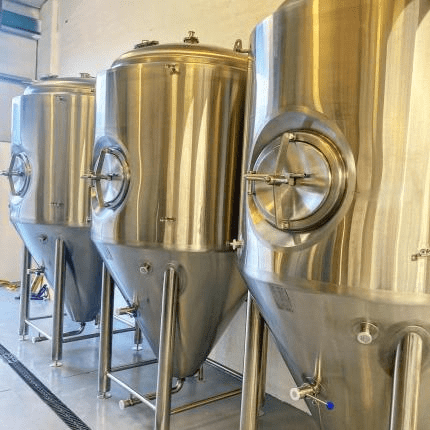
Die richtige Größe hängt nicht nur vom gewünschten Ausstoß ab. Sie hängt von der Anzahl der Artikel, den Kellertagen, dem Verpackungsformat, dem Arbeitsmodell und davon ab, ob Sie für Ihre eigene Marke oder für Vertragskunden brauen werden. Ein Start-up-Unternehmen kann mit einem bescheidenen Sudhaus und einer zusätzlichen Gärung sehr gut zurechtkommen. Ein regionaler Hersteller benötigt möglicherweise ein aggressiveres Verhältnis von Keller zu Sudhaus und einen besseren Verpackungsfluss.
Bei realen Projekten erlebe ich oft, dass sich frühe Käufer auf das Sudhaus konzentrieren und die Gärung und Verpackung unterschätzen. Ein 15-Fass-Sudhaus mit einer intelligenten Kellerbilanz kann ein schlecht geplantes größeres System übertreffen. Auch eine 20-Fass-Anlage kann die falsche Antwort sein, wenn der Verkäufer nicht genügend Glykol, Steuerungskapazität oder Platzbedarf pro Charge einkalkuliert.
Neu gegründete Handwerksbrauerei: Genügend Sudhauskapazitäten für den Start kaufen, dann Flexibilität bei der Gärung sichern
Brauerei- oder Restaurantkette: kleinere Sudhäuser, größere Zuverlässigkeit der Heißseite, ausgefeilte Kellerpräsentation
Kommerzieller Hersteller: Design rund um Verpackung, Betriebszeit und SKU-Umsatz
Co-Packer: Priorisierung von Umrüst-, Sanitär-, CIP- und QS-Räumen
Brennerei, Apfelwein-, Wein- oder Kombuchahersteller: Validierung der Materialkompatibilität, CIP-Chemie, Gashandhabung und Temperaturprofil
Bei gemischten Portfolios bevorzuge ich einen modularen Ansatz. Ein gebrauchtes Sudhaus plus neue Kellersteuerung ist oft eine bessere schlüsselfertige Lösung als eine einzelne überdimensionierte gebrauchte Anlage mit schwacher Dokumentation.
Den Käufern stehen heute mehr Kanäle als je zuvor zur Verfügung. Sie können Anlagen über einen Direktverkäufer, einen Makler, eine Auktion, einen allgemeinen Marktplatz, eine spezialisierte Getränkeplattform oder einen technischen Anbieter finden, der Systeme kauft, aufbereitet und wieder in Betrieb nimmt. Der Kanal ist wichtig, weil er das Risiko verändert.
Spezialisierte Vertriebskanäle wissen in der Regel, was die Brauer tatsächlich brauchen. Portland Kettle Works sagt, dass seine Gebrauchtabteilung und Used-Brewing-Equipment.com die Bewertung, den Ausbau, die Renovierung, den Transfer, den Verkauf und die Wiederinbetriebnahme von Anlagen für die Getränkeindustrie übernehmen. Das ist wertvoll, weil der Verkäufer nicht nur Stahl auflistet, sondern auch den Prozesskontext behandelt.
Auch allgemeine Industrieplattformen können von Bedeutung sein. EquipNet bezeichnet sich selbst als einen wichtigen Online-Treffpunkt für gebrauchte Produktions- und Verpackungsanlagen und fördert auch den Verkauf überschüssiger Anlagen durch Direktverkauf und globale Auktionskanäle. Das macht es relevant, wenn Brauereien nicht nur von bierspezifischen Verkäufern, sondern von der gesamten verarbeitenden Industrie kaufen.
Sie können auch Angebote von Top-Marken oder bekannten Namen wie GEA, Tiantai, Portland Kettle Works oder privaten Integratoren sehen. Mein Rat ist ganz einfach: Betrachten Sie jede Plattform als eine Quelle von Hinweisen, nicht als Beweis für Qualität. Die Auflistung erregt Ihre Aufmerksamkeit. Die technische Bewertung ist der Grund für den Kauf.
Ja, aber nur, wenn Sie die Unterschiede zwischen den Verfahren berücksichtigen. Ein gebrauchtes Brauereigefäß kann für Kombucha, Wein, RTD oder Cold Brew Coffee geeignet sein, aber nicht automatisch. Der Säuregehalt des Produkts, gelöste Gase, das Verhalten von Hefe oder SCOBY, das Temperaturprofil, die Sauerstoffeinwirkung und die Kompatibilität der Reinigungschemikalien verändern das Risikoprofil.
Dies ist der Punkt, an dem ein professioneller Hersteller oder Projektingenieur einen Mehrwert bietet. Ich arbeite mit Kunden zusammen, die nicht nur Bierbrauer sind. Dazu gehören Brennereien, Mostereien, Weinkellereien, Kaffeeproduzenten, Restaurantgruppen und globale Getränkehersteller. Die richtige Antwort lautet oft nicht: “Kann dieser gebrauchte Biertank funktionieren?”, sondern: “Welche Dichtungen, Steuerungen, Rohrleitungen, Finish-Standards, CIP-Schritte und Versorgungseinrichtungen müssen geändert werden, damit diese Anlage sicher und rentabel arbeitet?”
Die gute Nachricht ist, dass viele behälterbasierte Systeme flexibel sind. Ein und dieselbe Basis aus rostfreiem Stahl kann manchmal auch Bier, Apfelwein oder Wein aufnehmen, kombucha, oder andere Getränkeausrüstungsanwendungen nach ordnungsgemäßer Überprüfung und Modifizierung. Das gilt vor allem, wenn Sie bei einem Direkthersteller kaufen, der fehlende Kufen hinzufügen, Düsen überarbeiten, CAD/3D-Layouts zur Verfügung stellen und Sie bei der Installation unterstützen kann.
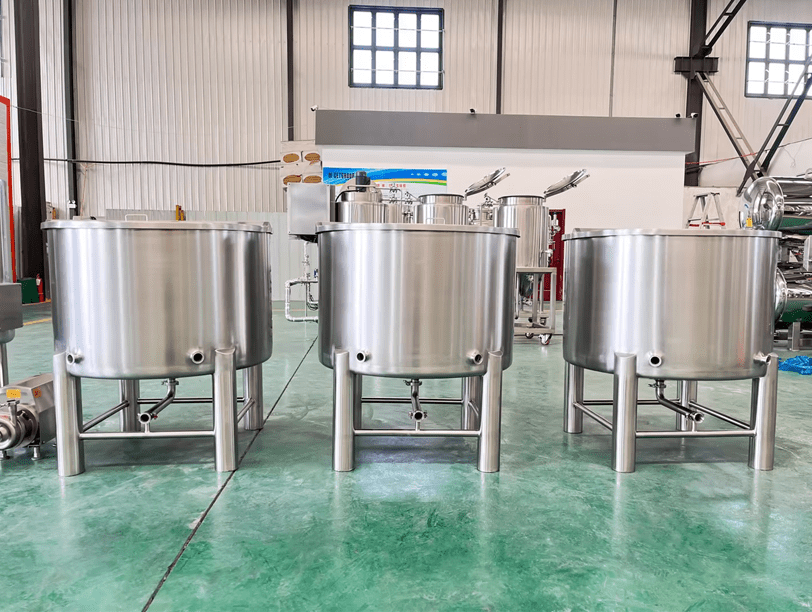
Daran scheitern oder gewinnen viele Geschäfte. Ein gebrauchtes System wird nicht wirklich gekauft, wenn die Zahlung erfolgt ist. Es wird gekauft, wenn es an Ihrem Standort sauber, sicher und gewinnbringend läuft. Das bedeutet, dass Stilllegung, Verpackung, Exportvorbereitung, Anpassung des Layouts, Versorgungseinrichtungen, Steuerung und Schulung allesamt Aufmerksamkeit erfordern.
Ich empfehle einen Stufenplan für die Wiederinbetriebnahme:
Bestandsaufnahme und Dokumentensammlung
Mechanische und sanitäre Überprüfung
Liste der fehlenden Teile
Prüfung der Kompatibilität von Steuerelementen und Dienstprogrammen
Layout und Rohrleitungsmodell
Umfang und FAT/SAT-Logik überarbeiten
Installationsanleitung und Inbetriebnahme
Ersatzteil- und Serviceplan
Ich rate den Käufern auch, Bestandsänderungen einzuplanen. Ein Sortiment, das am ersten Tag vollständig aussieht, ist am Tag der Auslieferung möglicherweise nicht vollständig, wenn Teile ausgetauscht, separat verkauft oder beim Abtransport beschädigt werden. Aus diesem Grund bestehe ich auf mit Fotos gesicherten Packlisten und Übergabeprotokollen für jede einzelne Linie.
Auch die Sicherheit gehört hierher. NIOSH weist darauf hin, dass die Exposition gegenüber Kohlendioxid Kopfschmerzen, Schwindel, Atembeschwerden und Schlimmeres verursachen kann, während die Brewers Association weiterhin das Bewusstsein für die CO2-Gefahr bei der Arbeit in Brauereien betont. Bei der Wiederinbetriebnahme geht es nicht nur um Ventile und Pumpen, sondern auch um die sichere Handhabung des Gases, die Belüftung und das Anfahrverfahren.
Ja, oft. Bei einer neuen Brauerei können gebrauchte Systeme die Investitionskosten senken und die Beschaffungszeit verkürzen. Ich empfehle in der Regel eine Mischkonstruktion: gebrauchte Behälter und Betriebsmittel sowie neue Verschleißteile, Steuerungen und ausgewählte Verpackungselemente.
A verwendet Fermenter kann ein kluger Kauf sein, wenn die Druckstufe, der Zustand des Mantels, die Qualität der Schweißnähte und die innere Oberfläche stimmen. Wenn Ihr Prozess mit höherem Druck abläuft oder Ihre Dokumentation schwach ist, ist ein neuer Schlauch möglicherweise sicherer.
Manchmal, ja. Eine Auktion kann wertvoll sein, bietet aber oft weniger Prozessunterstützung. Ich betrachte Auktionskäufe als risikoreicher als direkte Verkäufe mit technischer Unterstützung, es sei denn, der Zugang zur Inspektion ist hervorragend.
Manchmal. Einige Weinkellerausrüstung und Brauereiausrüstung Anlagen überschneiden sich, insbesondere Tanks, Pumpen und Versorgungssysteme. Zunächst müssen jedoch die Prozesschemie, das Temperaturprofil, die Sauerstoffbelastung und die Hygieneanforderungen überprüft werden.
Raten Sie nicht. Überprüfen Sie das Typenschild, die Konstruktionsunterlagen und die örtlichen Vorschriften. Laut der Brewers Association erfordern Prozessbehälter mit einem Druck von mehr als 15 psi in der Regel eine ASME-konforme Konstruktion und Fertigungsprüfung.
Gebrauchte Brauereianlagen funktionieren am besten, wenn die Eignung für den Prozess, die Hygiene, die Druckstufe und die Ersatzteilversorgung überprüft wurden.
Kaufen Sie zuerst gebrauchte, schwere Anlagen aus rostfreiem Stahl; seien Sie bei automatisierungsintensiven Verpackungen vorsichtiger.
Bewerten Sie jede Anlage nach den gesamten Gestehungskosten, nicht nur nach dem Verkaufspreis.
Wenn ein Behälter mit mehr als 15 psi betrieben wird, ist eine Überprüfung der Druckvorschriften unerlässlich.
Ein hybrider Ansatz ist oft der beste Weg für Projekte in der Start- und Wachstumsphase.
Der beste Lieferant ist nicht nur ein Verkäufer von Stahl, sondern auch ein technischer Partner, der bei der Auslegung, Sanierung, Installation und dem langfristigen Service helfen kann.
Ein sinnvoller nächster Schritt ist nicht “jetzt kaufen”. Es ist eine strukturierte Überprüfung. Wenn Sie Angebote vergleichen, eine Betriebserweiterung planen oder eine gebrauchte Sudhausanlagen Gruppenpakets ist es am klügsten, zunächst ein technisches Überprüfungsblatt zu erstellen und dann ein detailliertes Angebot auf der Grundlage Ihres tatsächlichen Prozesses, Ihrer Dienstprogramme und Ihres Wachstumsplans einzuholen.

Dolor sit amet, consectetur adipisi cing elit, sed do eius mod tempor incididunt ut labore et dolore magna aliqua.
Dolor sit amet, consectetur adipisi cing elit, sed do eius mod tempor incididunt ut labore et dolore magna aliqua.

Dolor sit amet, consectetur adipisi cing elit, sed do eius mod tempor incididunt ut labore et dolore magna aliqua.

Dolor sit amet, consectetur adipisi cing elit, sed do eius mod tempor incididunt ut labore et dolore magna aliqua.

Dolor sit amet, consectetur adipisi cing elit, sed do eius mod tempor incididunt ut labore et dolore magna aliqua.

Dolor sit amet, consectetur adipisi cing elit, sed do eius mod tempor incididunt ut labore et dolore magna aliqua.