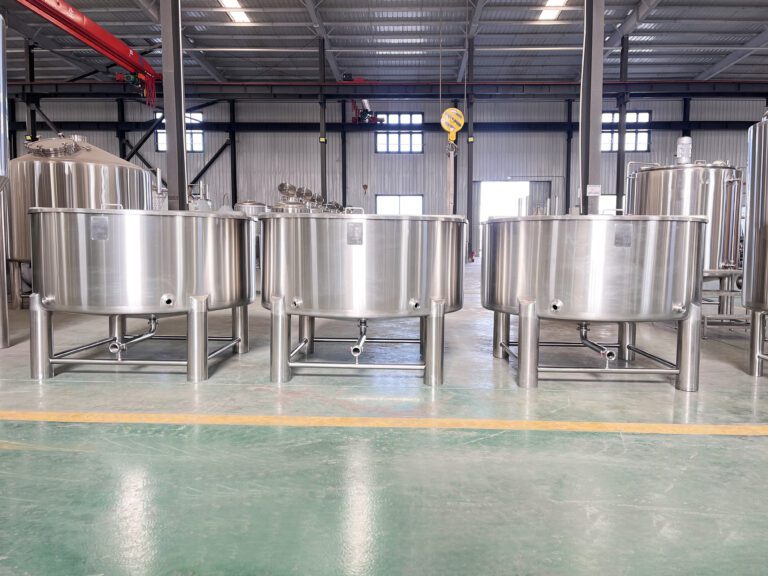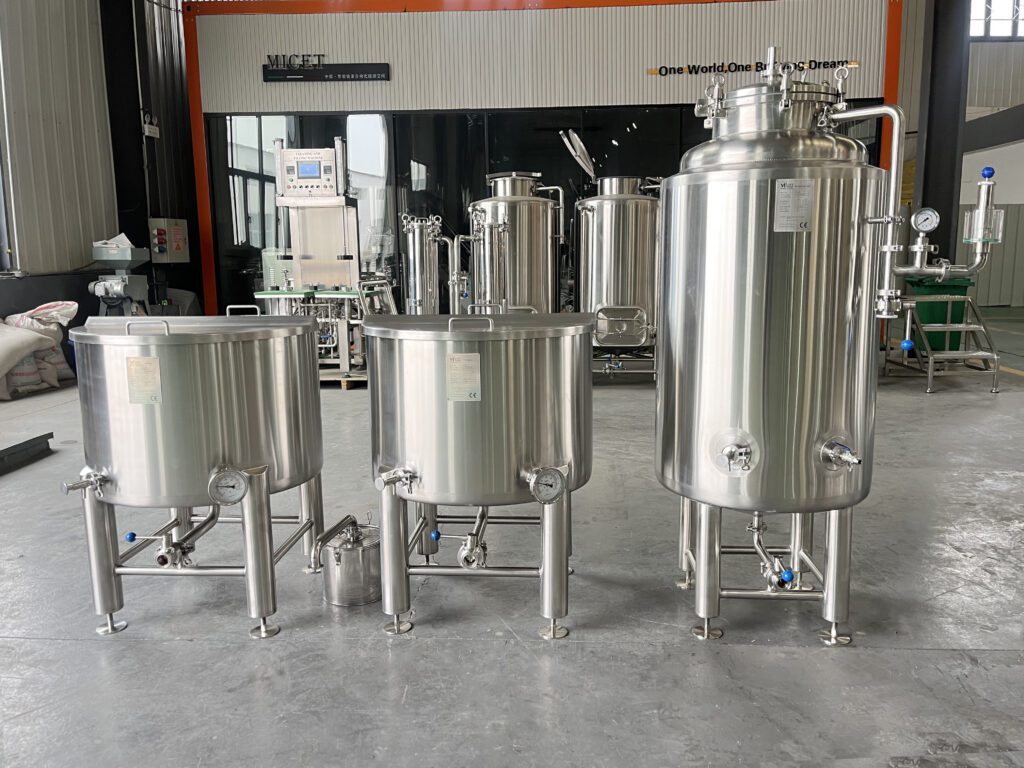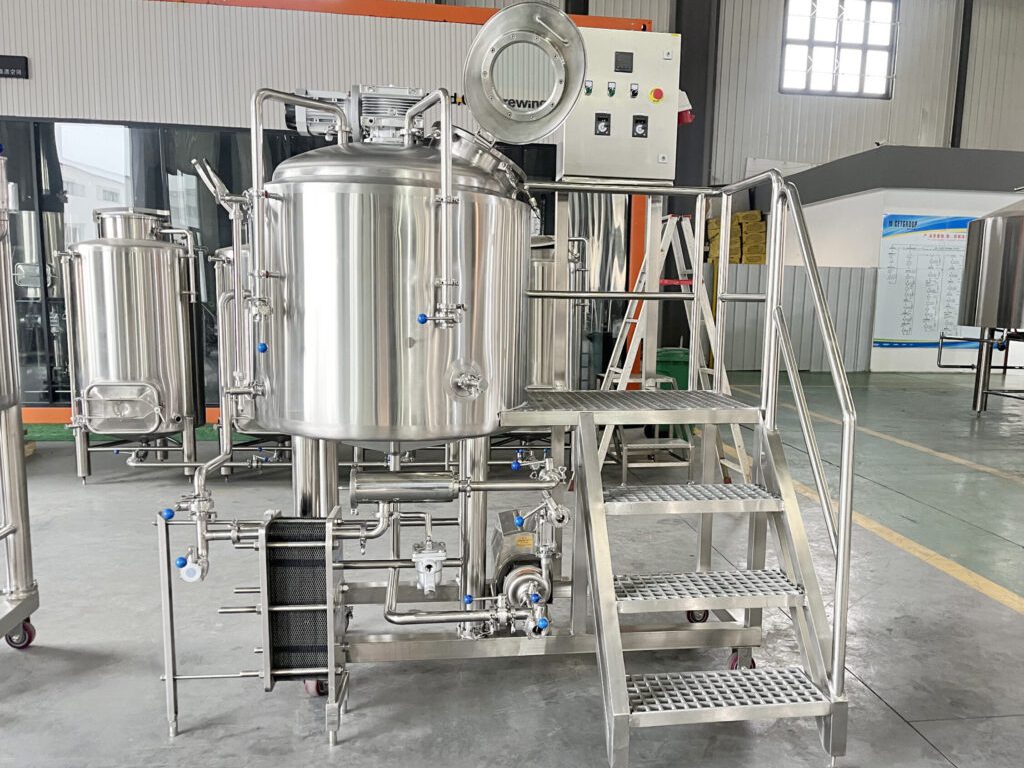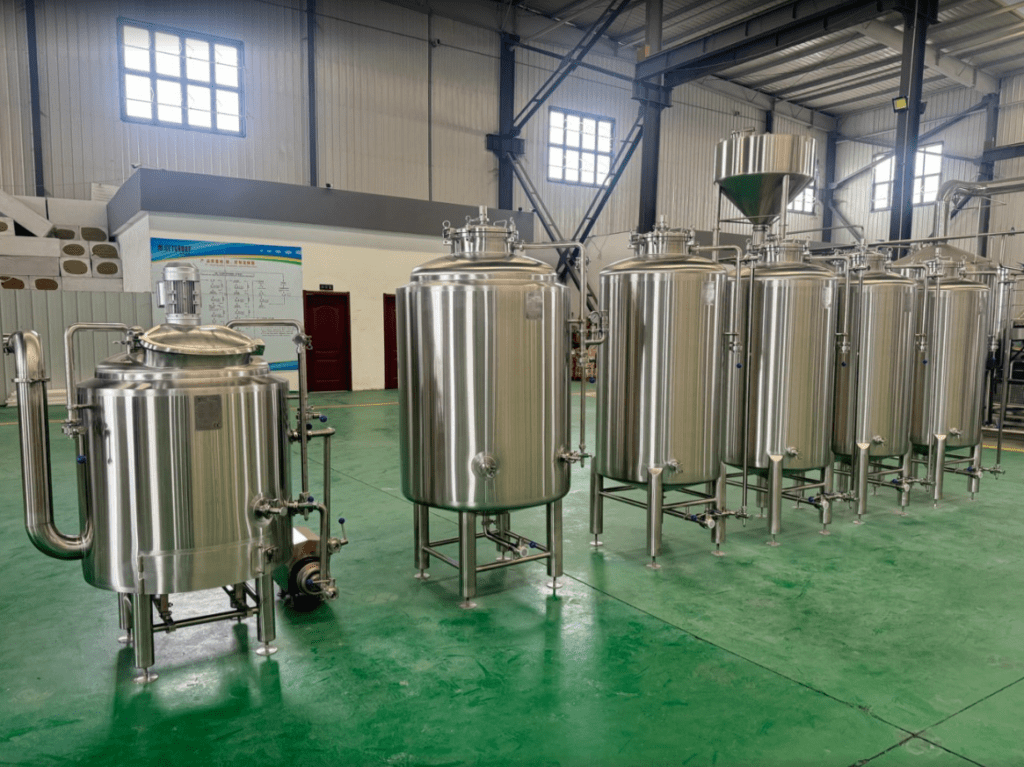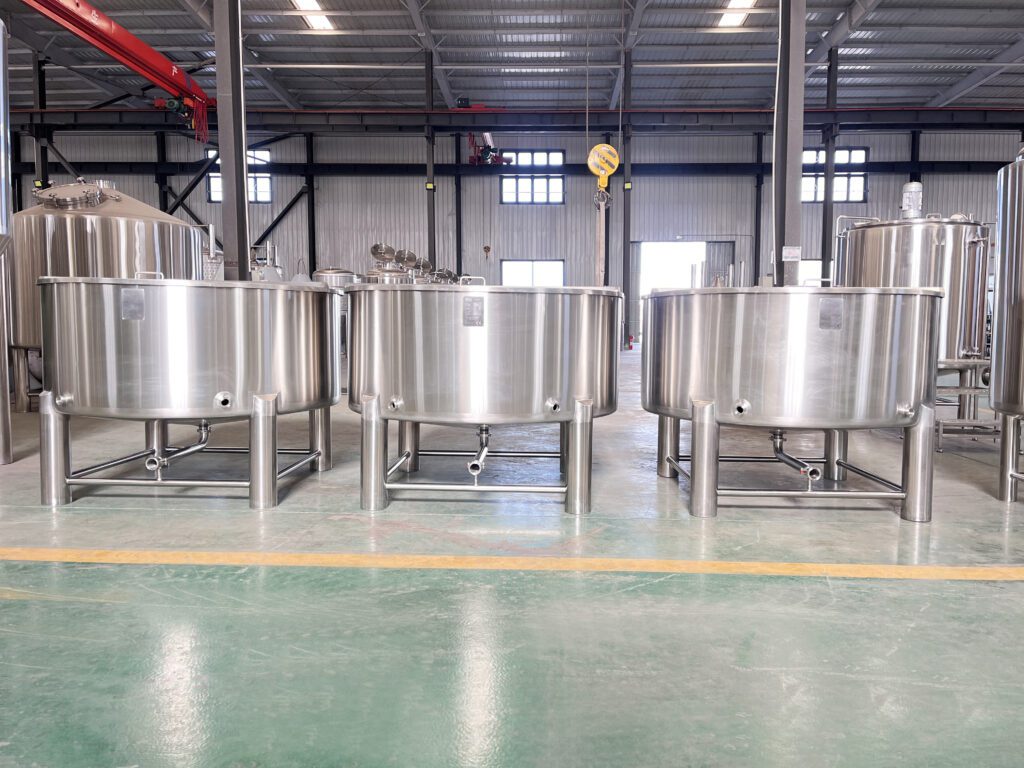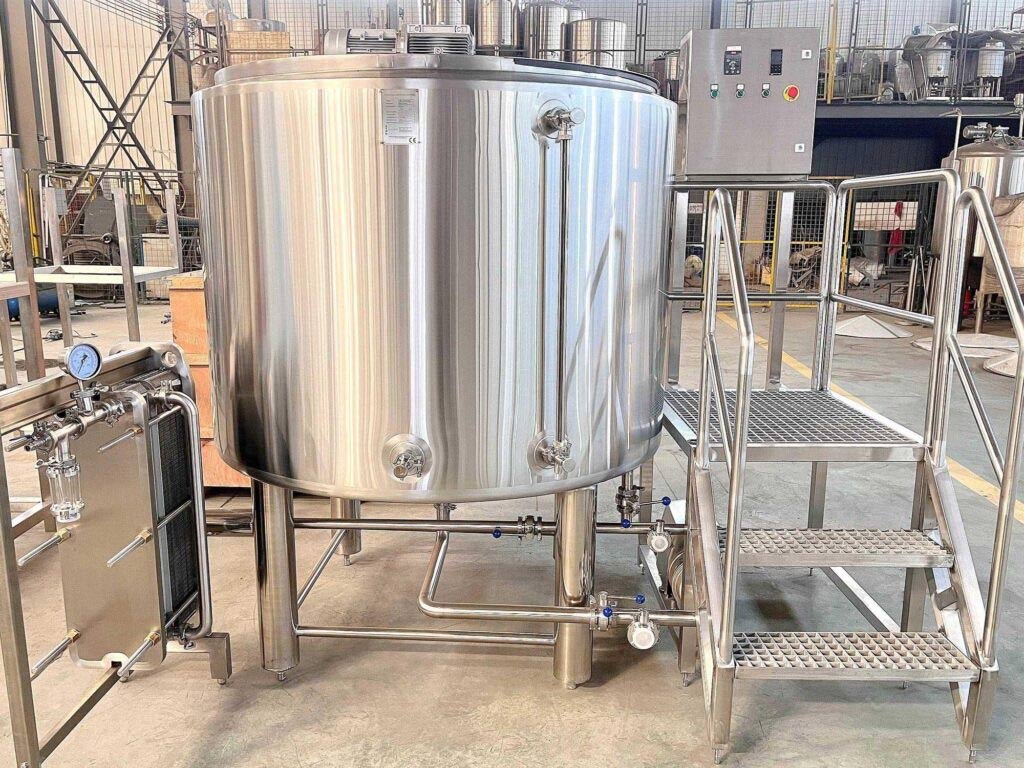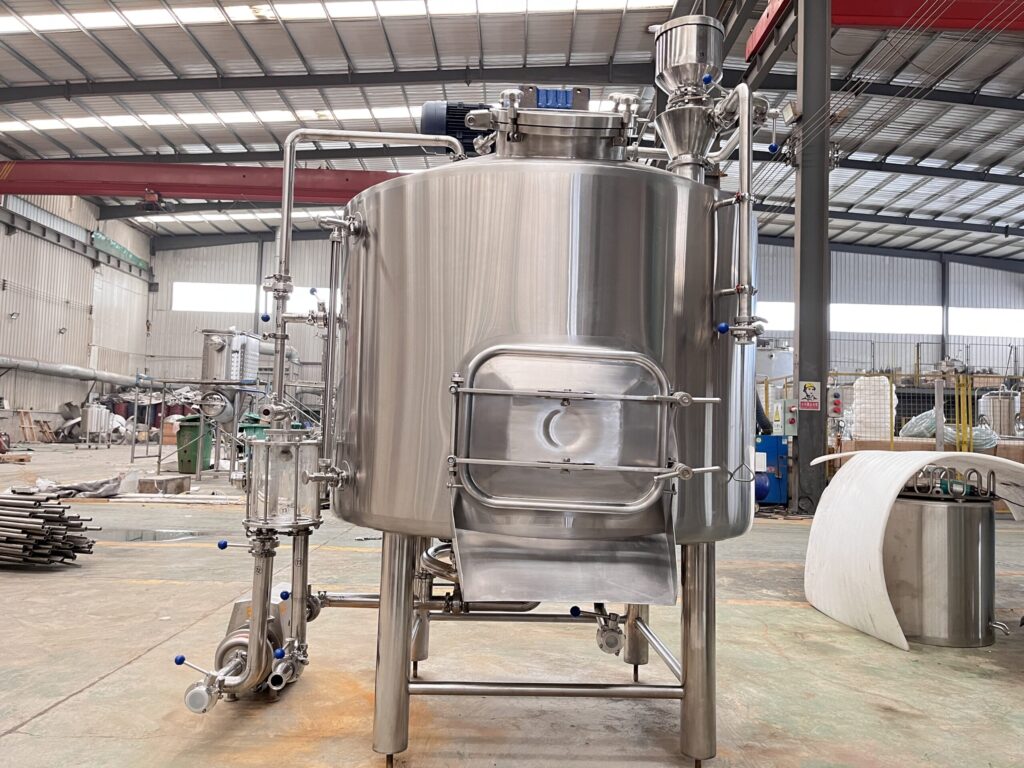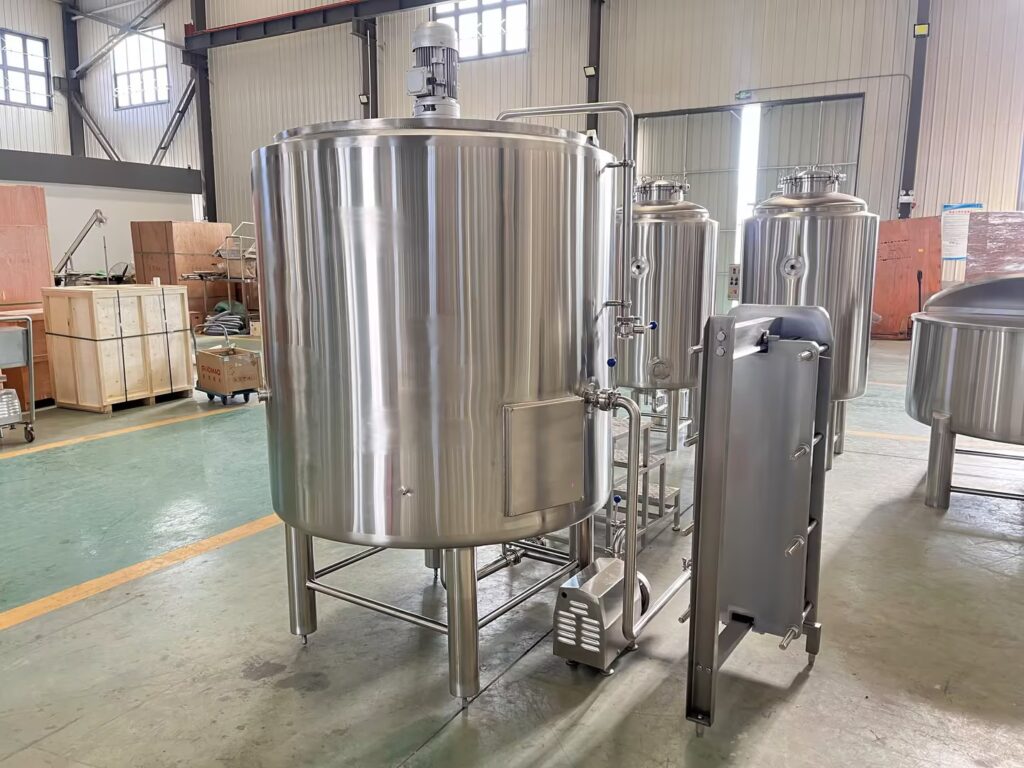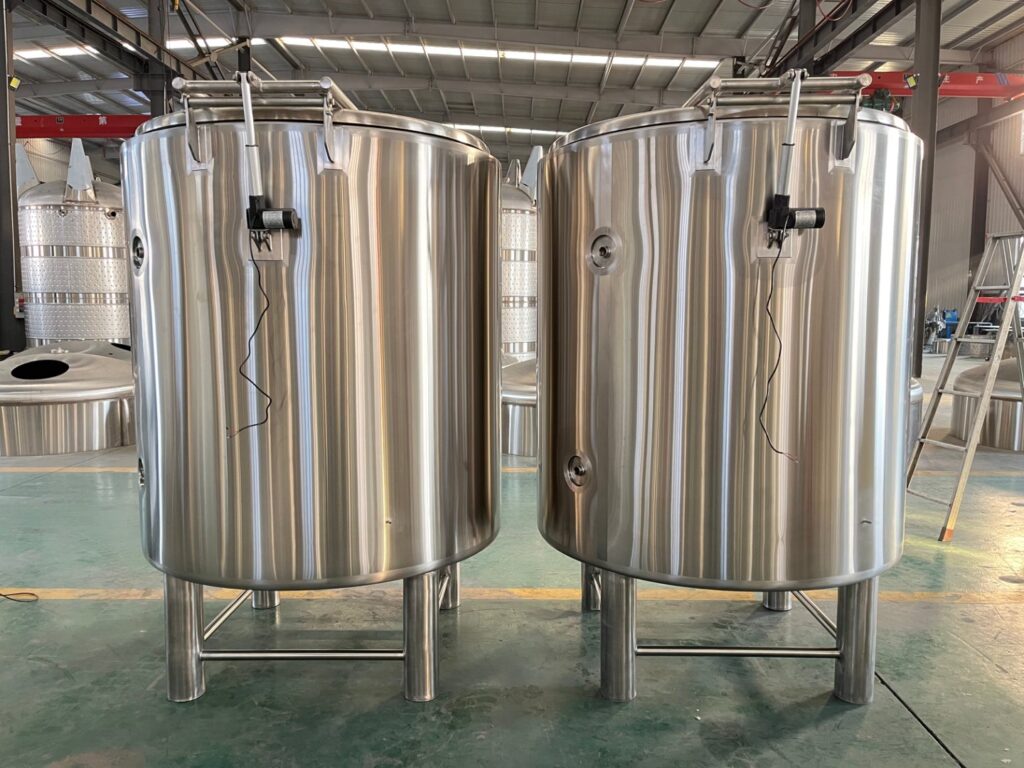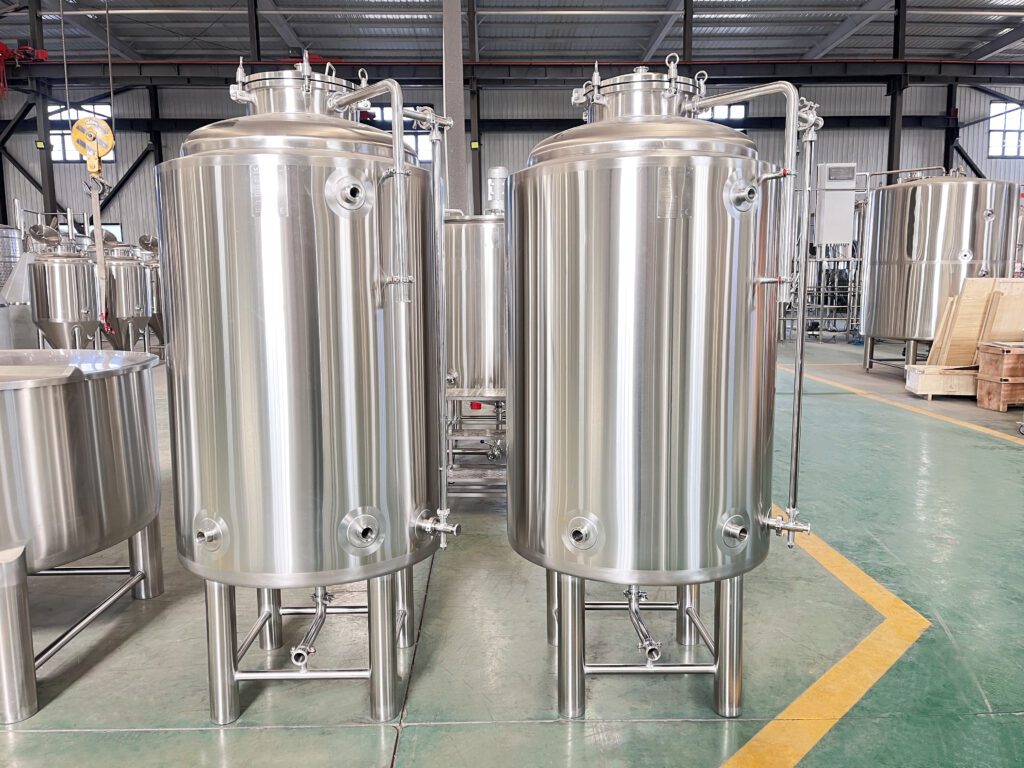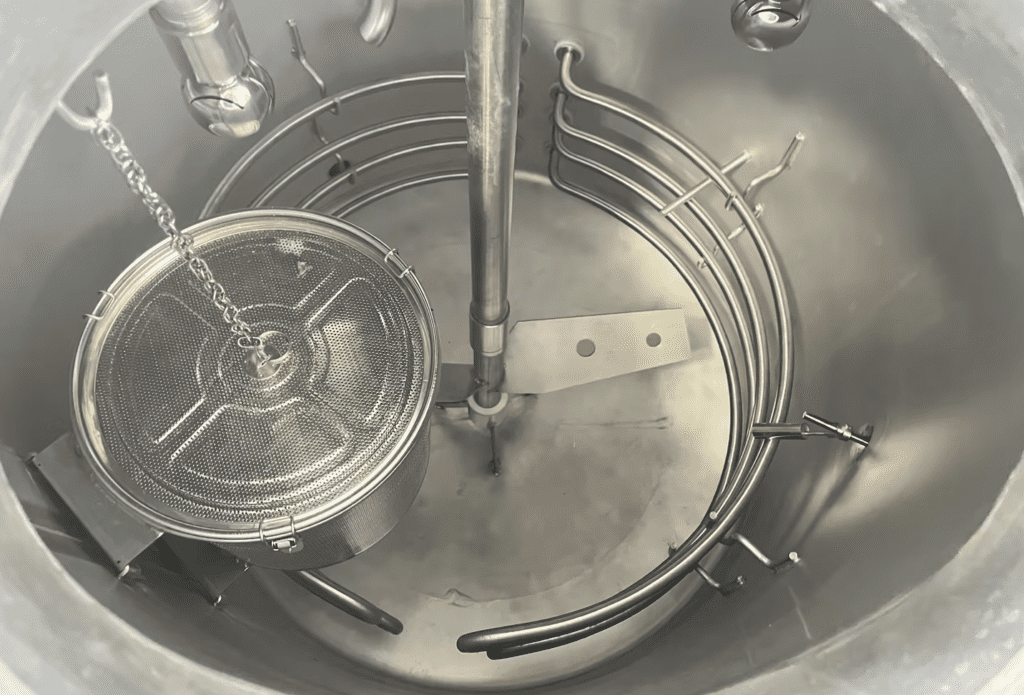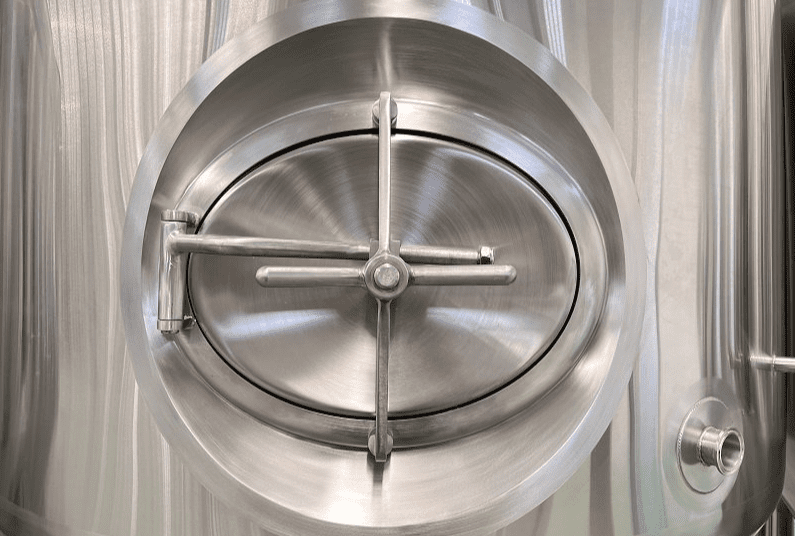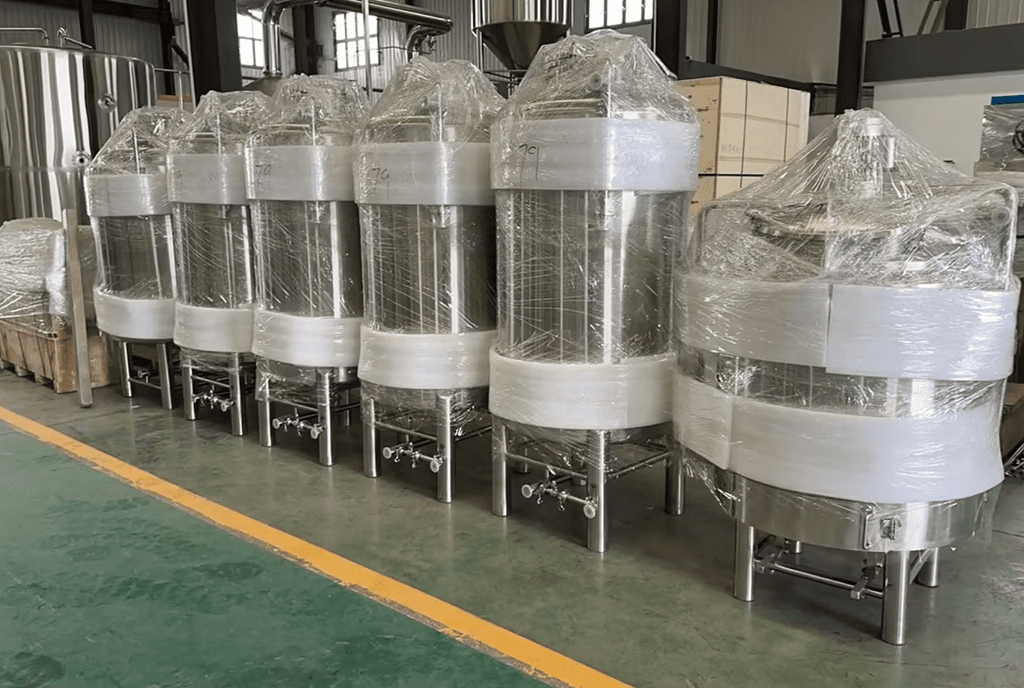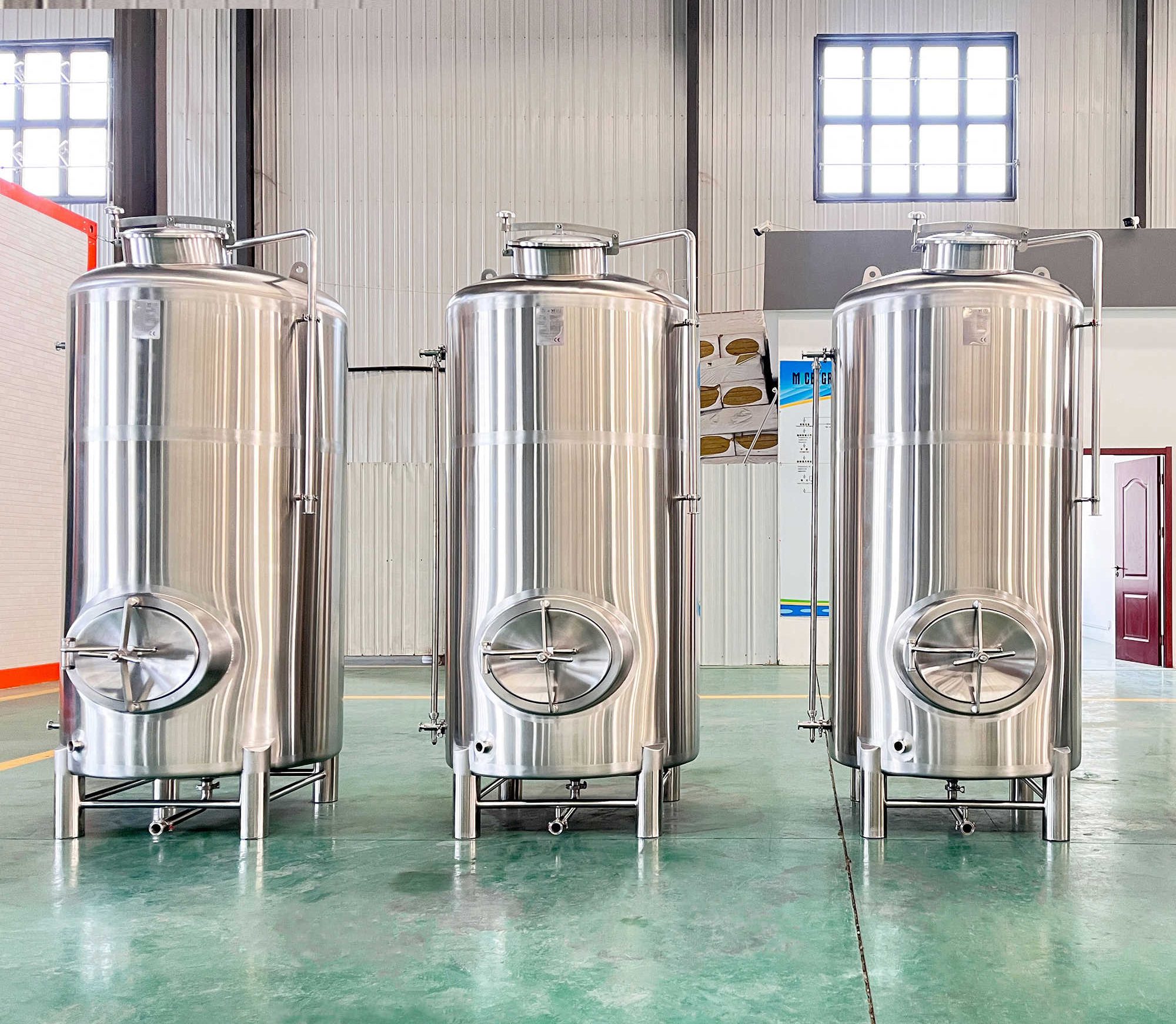










Our Fermentation Cellar Projects & On-Site Photos show fermentation tanks installed in real breweries and beverage plants, so you can see actual layouts, tank rows and piping, and imagine how similar setups can work in your own project.

From tea brewing to fermentation, cooling, filtration and filling—engineered kombucha lines built for food safety and scalable output.
Process-Complete Solutions – Boiling, fermenting, conditioning, filtering and packaging.
Hygiene & SCOBY Safety – Easy-CIP design with verified tank condition.
Hybrid Used + New Packages – Used tanks + new controls/CIP to reduce CAPEX.
Engineering Support – Layout, utilities and startup guidance.


Our Kombucha Equipment Solutions help you choose the right system for your current stage and future growth. We combine tea kettles, kombucha fermentation tanks, and auxiliaries to match your recipes, capacity, budget, and expansion plan—configure the suitable system that meets your monthly and annual output.
Pilot & Start-Up Kombucha Breweries
Monthly Output: 1,000–5,000 L | Annual Output: 10,000–60,000 L
Ideal for recipe development, small-batch runs, and initial market entry.
Craft Kombucha Brands & Co-Packers
Monthly Output: 5,000–30,000 L | Annual Output: 60,000–360,000 L
Designed for regional brands and contract brewing, balancing throughput with flavor versatility.
Industrial Kombucha Production Lines
Monthly Output: 30,000 L+ | Annual Output: 360,000 L+*
Fully automated, high-efficiency systems built for large-scale distribution and continuous production.
ugar mixing tanks, fermenters, finishing tanks, filters & fillers
Cleaning, acid passivation, pressure test and function check in our factory
For kombucha brands, co-packers and beverage plants
Layout, shipping, remote commissioning & long-term service
ugar mixing tanks, fermenters, finishing tanks, filters & fillers
Cleaning, acid passivation, pressure test and function check in our factory
For kombucha brands, co-packers and beverage plants
Layout, shipping, remote commissioning & long-term service
Select kombucha brewing systems by equipment size — from pilot-scale to industrial production, tailored to your batch volume and daily output.
Our kombucha equipment can cover the whole process from tea brewing to final filling. Each step below can be adapted to your recipe and capacity.
Tea leaves are brewed and mixed with sugar in a stainless-steel kettle to form the kombucha base.
The hot tea–sugar mixture is cooled through a plate heat exchanger to the target inoculation temperature, protecting SCOBY activity and reducing microbial risk.
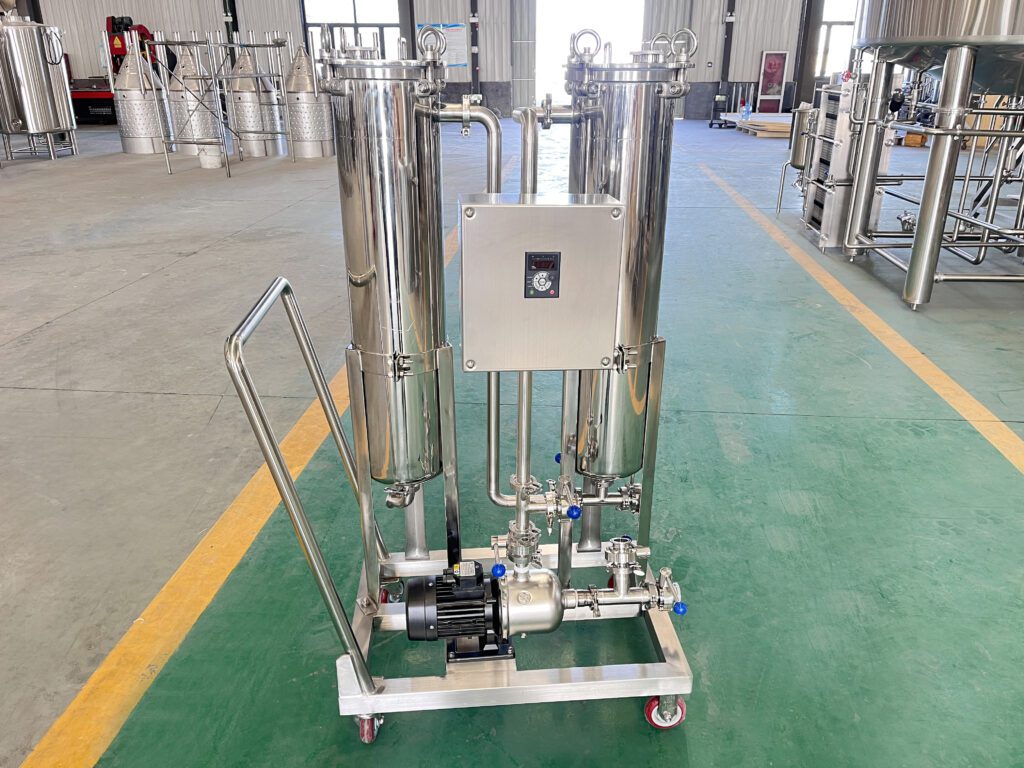
The cooled base passes through a bag filter to remove coarse particles, then goes into kombucha fermenters ready for SCOBY or starter addition.
Fermentation runs for several days in temperature-controlled fermenters, with tank design adapted for kombucha and easy CIP cleaning.
After primary fermentation, kombucha goes to a finishing or storage tank for flavor adjustment, blending and optional carbonation.
The hot tea–sugar mixture is cooled through a plate heat exchanger to the target inoculation temperature, protecting SCOBY activity and reducing microbial risk.
From tea brewing to bottle filling, we deliver fully integrated kombucha brewing equipment. Our turnkey solution includes tea brewing kettle, kombucha fermentation tanks, CIP, bag filters and bottle filling system—all tailored to your capacity needs.
For kombucha projects, we can reuse boiling kettles, fermentation vessels and conditioning tanks while adding new CIP, filtration, cooling and PID control matched to SCOBY requirements. The result is a hybrid kombucha brewing line that balances budget and food-safety: used stainless tanks where it is safe, and new critical components where hygiene, filtration and temperature stability matter most.
Tell us about your project and our engineers will design a hybrid new + used solution just for you.
We perform pressure testing, weld inspection, polishing and internal acid cleaning on all key tanks and pipelines, then provide test records and photos so you clearly understand the real condition and hygiene level of each used brewery system before shipment.
Food-grade SUS304 / SUS316 stainless steel construction
Insulated fermenters with cooling jackets or single-wall options
Adequate headspace / open-top options for SCOBY fermentation
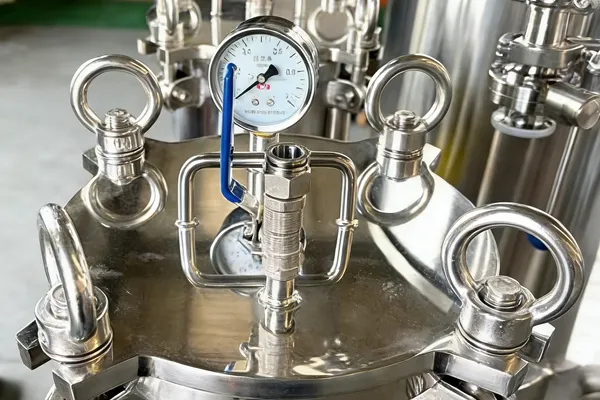
Sanitary tri-clamp fittings, sampling valves and CIP spray devices
Temperature sensors, level indication and pressure relief where required
TIG welds inspected and reworked where necessary, acid pickled & passivated
Pressure and leak tests on jackets and vessels before shipment
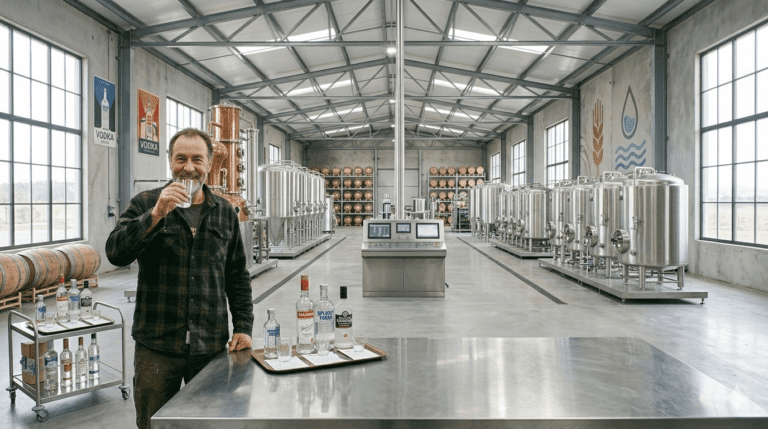
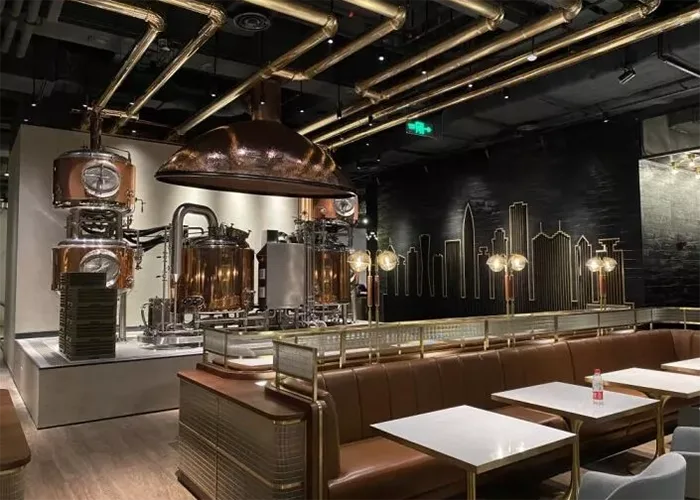
Our Fermentation Cellar Projects & On-Site Photos show fermentation tanks installed in real breweries and beverage plants, so you can see actual layouts, tank rows and piping, and imagine how similar setups can work in your own project.
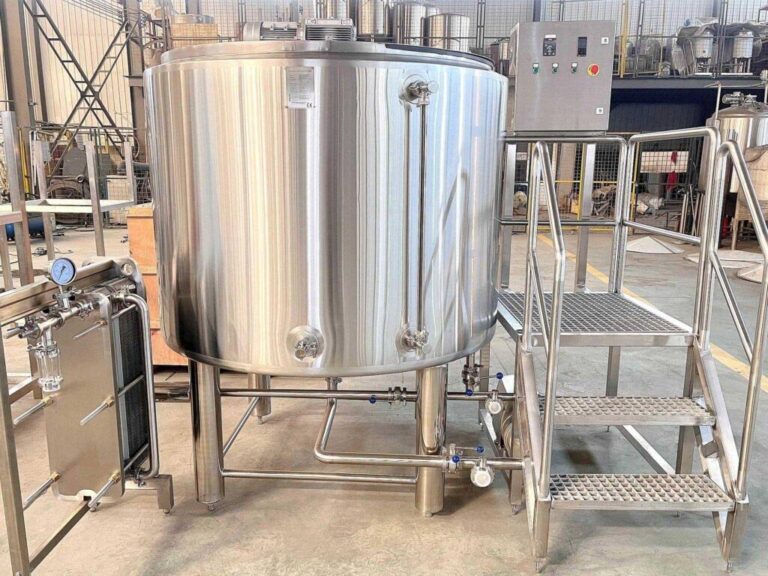
Dolor sit amet, consectetur adipisi cing elit, sed do eius mod tempor incididunt ut labore et dolore magna aliqua.
Everything you need to know before placing your custom brewery equipment order
To make kombucha, you need the fermenters for brewing, a kettle tank for making sweet tea, and finishing tank for storing the finished product. If needed, a mixing tank will also be required to adjust the flavor. You will also need filtration unit and filling machines for bottling.
The first fermentation of kombucha typically takes 7 to 21 days, but the exact time depends on personal preference for sweetness and acidity, and factors like temperature. You should start tasting your kombucha around day 7 and bottle it when it reaches your desired balance of sweet and sour.
Factors affecting fermentation time
Temperature: Warmer temperatures speed up fermentation, while cooler temperatures slow it down.
Your taste preference: If you prefer a sweeter kombucha, ferment for a shorter time. If you like it more tart or vinegary, let it ferment longer.
Starting a new culture: It may take longer to get a new SCOBY established than it does to ferment an ongoing batch.
How to know when it’s ready
Start tasting: Begin tasting your kombucha around day 7 to monitor its development.
Sample it: Use a straw or a clean spoon to take a small sample and taste it.
Bottle when ready: When the flavor has a pleasant amount of acidity and still retains some sweetness to your liking, it’s ready to bottle for the second fermentation or drink.
Common kombucha brewing mistakes include using flavored teas for the first fermentation, not using enough starter liquid, and brewing at inconsistent or incorrect temperatures (below 72°F or above 85°F). Other errors involve using the wrong type of tea or sugar, contaminating the brew with harsh cleaning chemicals like bleach, or agitating the vessel while it’s fermenting.
Preparation and ingredients
Using flavored teas: The flavorings in herbal or flavored teas can weaken the SCOBY. Use authentic tea (from Camellia sinensis) for the first fermentation to keep the culture healthy and strong.
Using incorrect tea: Avoid using “tea bags” with artificial flavorings, as these can harm the SCOBY.
Not using enough starter tea: Starter tea is crucial for lowering the initial pH of the brew, which protects the kombucha from mold and other contaminants.
Using sugar substitutes: Use only appropriate sugars, such as organic cane sugar or raw sugar, as substitutes won’t work and can harm the SCOBY.
Adding the SCOBY to hot tea: Wait for the sweet tea to cool down to room temperature before adding the SCOBY and starter liquid to avoid killing the culture.
Using harsh chemicals: Bleach and other strong cleaning agents can kill the SCOBY, making it unable to ferment properly. Use boiling water or other gentler methods to sterilize your brewing equipment instead.
To make kombucha, brew a large batch of sweetened black tea, let it cool completely, then add a SCOBY and starter liquid. Cover the mixture with a breathable cloth and let it ferment at room temperature for one to two weeks, depending on your desired taste. After the first fermentation, you can either bottle and flavor it for a second, shorter fermentation to create carbonation or simply drink it as is.
Step 1: Brew the sweet tea
Boil water and remove from heat.
Steep black or green tea bags (about 8 for a 1-gallon batch) for 5-15 minutes.
Stir in sugar until fully dissolved (about 1 cup per gallon).
Remove the tea bags and let the sweet tea cool completely to room temperature (below 90°F).
Step 2: Start the first fermentation
Pour the cooled sweet tea into a large glass jar.
Add your SCOBY and starter liquid (at least 2 cups for a 1-gallon batch). If you don’t have starter liquid, you can use 2 tablespoons of distilled white vinegar, but starter liquid is ideal.
Cover the jar with a tightly woven cloth, coffee filter, or paper towels and secure with a rubber band to keep out pests but allow airflow.
Place the jar in a warm spot (around 70–80°F) out of direct sunlight for 7–14 days.
Start tasting after about 7 days. The kombucha is ready when it has a pleasant balance of sweet and tart. The longer it ferments, the less sweet and more vinegary it will become.
Step 3: Bottle for the second fermentation (optional)
Gently remove the SCOBY and about 2 cups of the liquid to use as starter for your next batch.
Add your desired flavorings to the remaining kombucha, such as fruit, juice, or herbs.
Pour the flavored kombucha into airtight bottles, leaving about 1.5 inches of headspace.
Seal the bottles tightly and let them sit at room temperature for 2–10 days to build carbonation.
“Burp” the bottles daily to release excess pressure.
Once carbonated to your liking, move the bottles to the refrigerator to stop the fermentation process and chill before serving.
A kombucha SCOBY can last indefinitely if cared for properly, but it will last for several months to up to a year or more when stored in a “SCOBY hotel” or similar setup with liquid. Proper care involves storing it in a sealed container with starter liquid and occasionally replacing the liquid with fresh, sweet tea to keep it fed and healthy, as well as to prevent contamination.
Storage methods
SCOBY hotel (long-term storage)
Keep the SCOBY in a glass jar with some of its starter liquid.
Store in a cool, dark place, like a pantry or refrigerator, to slow down fermentation.
To keep it active, replace about half the liquid with fresh sweet tea every one to six months, depending on how long you plan to store it.
Room temperature (short-term storage)
Store the SCOBY in a covered jar with sweet tea.
Feed it regularly with fresh sweet tea, similar to a regular brew.
The SCOBY will continue to grow in this environment.
Signs a SCOBY is no longer viable
Mold: If you see any fuzzy mold on your SCOBY, it’s time to discard it and start over.
Black spots: While a SCOBY naturally darkens with age, continuous black spots can indicate an issue. If it becomes completely black, it’s best to replace it.
Tips for maintaining a healthy SCOBY
Always have at least 8 ounces of starter liquid for every 10% of the recipe’s volume you plan to brew.
If you are going on a long break from brewing, store your SCOBY in the fridge, but make sure to give it some fresh sweet tea periodically.
Don’t be afraid to experiment with different recipes or flavors, but be careful not to overdo it with the sugar.
Unpasteurized kombucha should ideally be kept refrigerated and will continue to ferment if left unrefrigerated, becoming more acidic or vinegary. It is generally safe to leave out for up to 24-48 hours, but longer periods can lead to an unpleasant taste, excessive carbonation, and a risk of the bottle exploding. To be safe, return it to the refrigerator as soon as possible and allow it to cool for several hours.
Short-term exposure (up to 48 hours)
Safe to drink: It is still safe to drink, but the flavor will change.
Changes: It will become more sour and the carbonation may increase.
Recommendation: Return it to the refrigerator to slow fermentation and let it cool for several hours.
Long-term exposure (over 48 hours)
Significant fermentation: The continued fermentation will make the kombucha significantly more acidic, similar to vinegar.
Potential for explosion: The high pressure from carbonation can build up, causing the bottle to break or the cap to violently pop off.
Flavor loss: The flavor will likely become unpalatable.
Important considerations
Pasteurized vs. unpasteurized: Pasteurization kills live cultures, so some shelf-stable, pasteurized kombuchas do not need to be refrigerated until opened. Always check the label.
Opened bottles: An opened bottle will lose carbonation over time. It can be left sealed for a day or two to regain carbonation, then placed back in the fridge.
Storage: Always keep bottles upright to prevent leaks and pressure buildup.
For a one-gallon batch of kombucha, use 6 to 8 standard tea bags or 3 tablespoons of loose-leaf tea. The amount can be adjusted, but this ratio ensures a good balance of sugar and tea for the SCOBY to ferment properly. It’s best to use black, green, or oolong teas for their sugar content, as the SCOBY needs it to thrive.
For a one-gallon batch: Use 6 to 8 standard tea bags.
For loose-leaf tea: Use 3 tablespoons per gallon.
Adjusting the amount: Use the same ratio for different batch sizes. For example, for a half-gallon, you would use 3 to 4 tea bags or 1.5 tablespoons of loose-leaf tea.
Tea type: Black, green, or oolong teas are generally recommended. Avoid using teas with oils, like Earl Grey, as the oils can harm the SCOBY.
Quality: Use organic tea to avoid pesticides and other chemicals, which can also harm the SCOBY.
Store fermenting kombucha in a spot that is away from direct sunlight, at a consistent temperature between \(75-80^{\circ }F\) (\(24-26^{\circ }C\)) and free from contaminants like airborne mold, fumes, or other ferments. Good locations include a kitchen counter, pantry, or cupboard, provided there is good air circulation and no risk of direct sun exposure or contamination.
Recommended locations
Kitchen counter: A convenient option, but keep it a few feet away from the stove to avoid fumes and splashes.
Pantry or cupboard: These are great options because they block light. Ensure good air circulation and that the cupboard isn’t prone to moisture buildup, which can harbor mold.
On top of the refrigerator: The heat from the fridge can help keep the brew warm, but be mindful of the weight of the vessel.
Closet: A good choice if your kitchen is too busy. Avoid damp closets.
Laundry room: Often a consistently warm spot, but be careful of fumes from cleaning products or laundry detergents.
Important considerations
Temperature: The ideal range is \(75-80^{\circ }F\) (\(24-26^{\circ }C\)). If your location is consistently cooler, consider a heating mat. If it’s warmer, your brew will ferment faster.
Sunlight: Keep the brew out of direct sunlight, which can slow or stop fermentation.
Contaminants: Keep the kombucha away from garbage cans, fruit bowls, and other fermentation projects like sourdough or kimchi, as their airborne spores can contaminate the brew.
Air circulation: Ensure there is some air circulation around the vessel to prevent moisture and mold buildup.
Distance from harsh chemicals: Avoid areas with air fresheners, cleaning sprays, or other chemical fumes.
Don’t disturb: Find a spot where you won’t be tempted to move or disturb the brewing process frequently.
Yes, you can drink kombucha after the first fermentation, as it is safe to consume at this stage. After the first fermentation, the kombucha will be unflavored and lightly carbonated, but it is ready to drink and contains probiotics. The second fermentation is an optional step for adding flavors and increasing carbonation.
After the first fermentation
Taste it: You can taste the kombucha during the first fermentation to find the tartness level you prefer.
Drink it: Once it reaches your desired taste, you can drink it as is or bottle it for storage in the refrigerator to slow the process.
Note: The taste will be more sour and less sweet than it was initially, and it will have a lower alcohol content compared to the end of the second fermentation.
For the second fermentation (optional)
Flavor: Strain the kombucha into airtight bottles, add your preferred flavorings like fruit or herbs, and then let it sit at room temperature.
Carbonation: The yeast and bacteria will consume the new sugars, creating carbon dioxide and making the kombucha fizzy.
Refrigerate: Once desired carbonation is reached, move the bottles to the refrigerator to stop the fermentation.
A SCOBY can last for many years with proper care and can be kept for months in a “SCOBY hotel” or refrigerator. A SCOBY will last for an indefinite period if it’s healthy and free of mold, as it constantly grows new layers. For storage, keep it in a sealed container in the fridge for up to six months or in a SCOBY hotel at room temperature, where it can go for months at a time but ideally needs a feeding every few weeks.
For long-term storage (SCOBY hotel)
Room temperature: Place the SCOBY in a large jar with some sweet tea (preferably fresh, but sugar will work).
Maintenance: Feed the SCOBY by adding fresh sweet tea every 4 to 6 weeks to keep it healthy.
Duration: A SCOBY hotel can last for months without maintenance, though regular feeding is recommended for the best results.
For shorter-term storage (refrigeration)
Method: Place the SCOBY in a sealed container with some starter liquid and store it in the refrigerator.
Duration: A SCOBY can be refrigerated for up to six months.
Note: Refrigeration can put the SCOBY into a dormant state, but it will revive when brought back to room temperature and fed.
Signs it’s time to replace your SCOBY
Mold: This is the biggest red flag; if you see mold, discard the SCOBY to avoid contamination.
Turning black: If the SCOBY turns black and begins to rot, it’s a sign of a dying culture.
Struggling to ferment: If your SCOBY seems weak and your kombucha isn’t fermenting properly, it may be time for a replacement.
No, a second fermentation is not required. The first fermentation creates the basic kombucha, while the optional second fermentation is done to add flavor and carbonation. If you prefer plain, uncarbonated kombucha, you can skip the second fermentation and refrigerate it after the first fermentation is complete.
First fermentation (F1)
This is the mandatory step where you brew sweet tea and the SCOBY ferments it into basic kombucha.
The resulting drink is plain and flat.
Second fermentation (F2)
This is an optional step to customize your kombucha.
It’s where you add ingredients like fruit, juice, or herbs to the first-fermented kombucha.
This step is done in a sealed bottle to build carbonation.
The sugars in the added ingredients provide more food for the yeast, which creates the carbon dioxide that makes the kombucha fizzy.
Unopened, store-bought kombucha can last for 6 to 8 months in the refrigerator, while opened kombucha should be consumed within a week. Homemade kombucha can last for a few months when refrigerated, but its flavor and carbonation will change over time, becoming more acidic. Always check for signs of spoilage, such as mold or an off-odor, and store it in the fridge to maintain quality.
Unopened bottles
Store-bought: Typically lasts 6 to 8 months in the refrigerator, as indicated by a “best by” or “sell by” date.
Homemade: Can last 1 to 3 months in the fridge, but will become more tart over time.
Opened bottles
Store-bought: Best to consume within a week after opening, as the live cultures interact with air and lose potency.
Homemade: Some people find it lasts a week or more, but taste and quality can diminish.
Proper storage tips
Refrigerate: Always keep kombucha in the refrigerator to slow fermentation and preserve live cultures.
Keep it sealed: Store opened kombucha in a tightly sealed, airtight container to maintain carbonation and prevent oxidation.
Check for spoilage: Discard if you see any mold, fuzzy patches, pink or green sediments, or if it has an overly vinegary or foul smell.
You should leave kombucha to ferment for 7 to 30 days for the first fermentation, depending on your desired level of sweetness and acidity. A common timeframe is 7 to 14 days, but you can ferment longer for a more vinegary taste. After the first fermentation, a second fermentation to add carbonation and flavor takes about 2 to 4 days.
First fermentation (7–30 days)
Timeline: The first fermentation typically takes 7 to 30 days.
Factors: The process is influenced by ambient temperature; warmer temperatures speed up fermentation.
How to know it’s ready: Start tasting around day 7 to find your preferred balance of sweetness and tartness. When it’s to your liking, it’s time to bottle it.
Second fermentation (2–4 days)
Timeline: This stage takes an additional 2 to 4 days.
Purpose: This is when you add flavorings and seal the kombucha in airtight bottles to build carbonation.
Refrigeration: After the second fermentation, refrigerate the bottles to stop the process.
Glass is better than plastic for kombucha because it is non-reactive, preserving the drink’s flavor and quality. The acidic nature of kombucha can cause chemicals to leach from plastic into the beverage over time, while glass remains neutral and doesn’t absorb odors or degrade. For brewing and long-term storage, glass is the safer and purer choice.
Advantages of glass for kombucha
Non-reactive: Glass is inert, meaning it won’t chemically react with the acidic kombucha, preventing unwanted flavor changes or the leaching of chemicals like BPA.
Preserves flavor: Its neutral nature ensures the kombucha’s authentic taste is not altered by the container.
Durable: Glass is resistant to scratching and does not absorb odors, unlike plastic.
No microplastics: Unlike plastic, glass does not break down into microplastics that can contaminate beverages and the environment.
Disadvantages of plastic for kombucha
Leaching: The acidity of kombucha can cause chemicals, such as BPA, to leach from the plastic into the drink.
Degradation: Plastic containers can degrade and corrode over time when exposed to the acidic environment of kombucha.
Flavor absorption: Plastic can absorb odors and flavors, which can taint the taste of the kombucha.
Considerations for plastic
Some modern, food-grade, BPA-free plastics may be suitable for short-term storage or continuous brewing if they are specifically rated for acidic beverages, but glass remains the preferred option for safety and quality.
For plastic to be considered, it must be food-grade, BPA-free, and resistant to higher temperatures, but it is still best to rinse it thoroughly to remove any potential off-flavors.
Share your capacity, recipes and packaging format, and we’ll design a used kombucha equipment proposal that fits your budget and timeline.
1 iş günü içinde sizinle iletişime geçeceğiz, lütfen "@micetbrewing.com" son ekine dikkat edin. “@micetbrewing.com”.
*Gizliliğinize saygı gösteriyoruz. Gönderilen tüm bilgiler kesinlikle gizlidir.
Detaylarınız yalnızca talebinize yanıt vermek için kullanılacaktır. Hiçbir zaman istenmeyen e-postalar veya tanıtım mesajları göndermiyoruz.