Choose the right used brewery equipment based on your batch size, annual output, and business model. We help you reduce upfront investment while maintaining professional brewing performance by matching available used brewhouses and tanks to your capacity, budget, and growth plan.
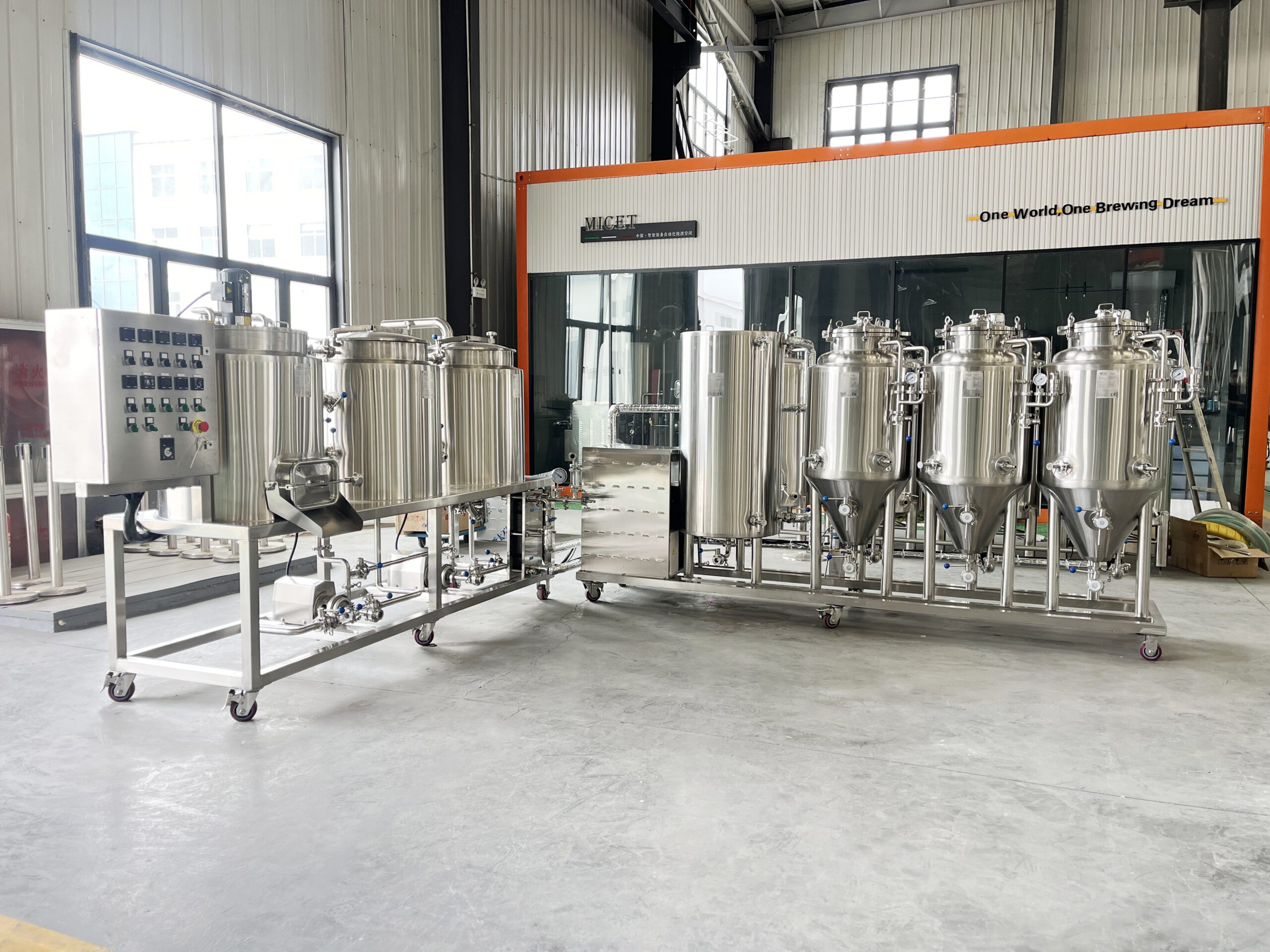
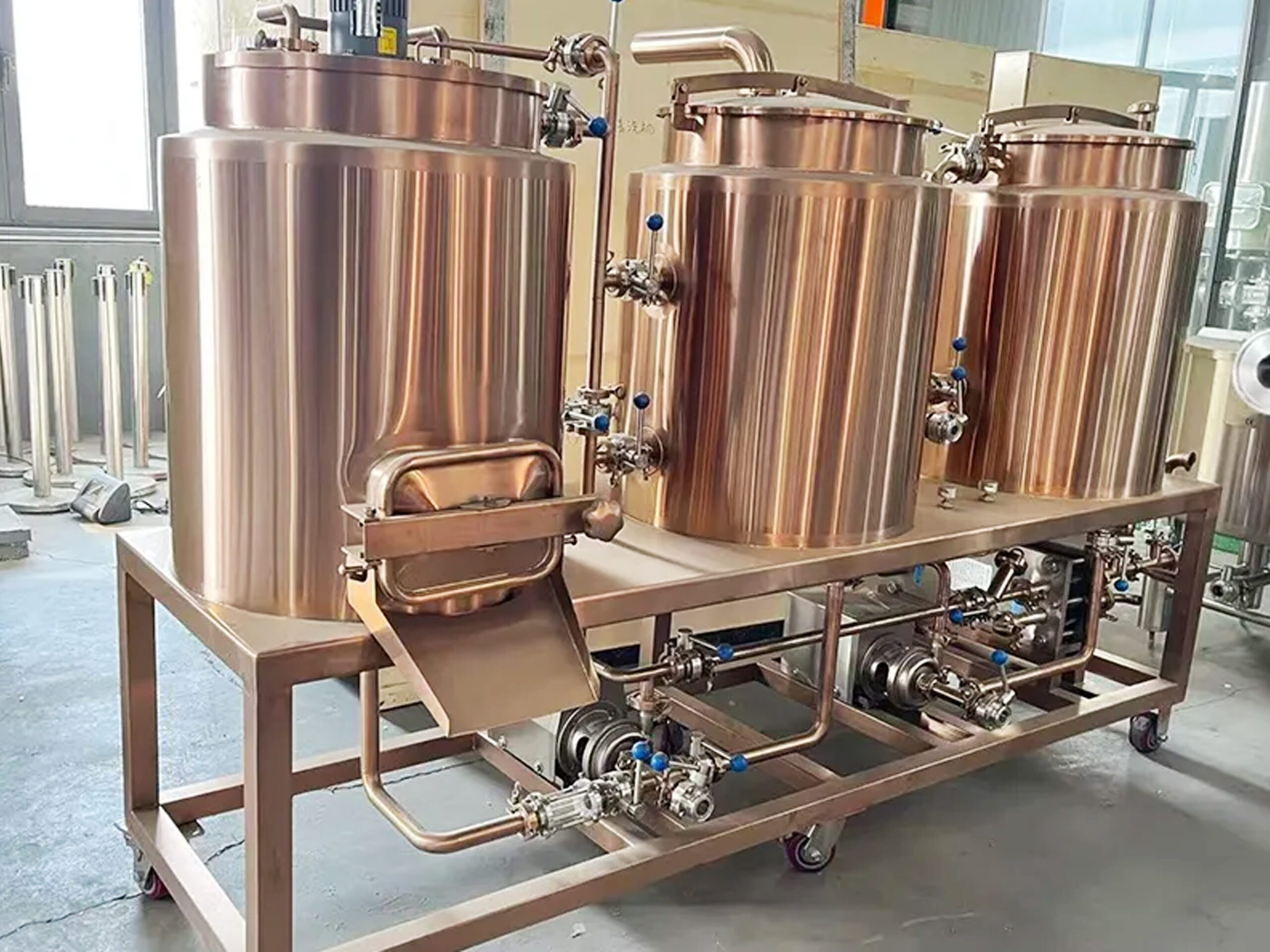
Nano Brewery Systems 100–500L/Batch or 50,000L–250,000L/year
Brewpubs, taprooms, recipe development, small-batch commercial production
Microbrewery Systems 1,000–2,500L/Batch or 250,000L–600,000L/year
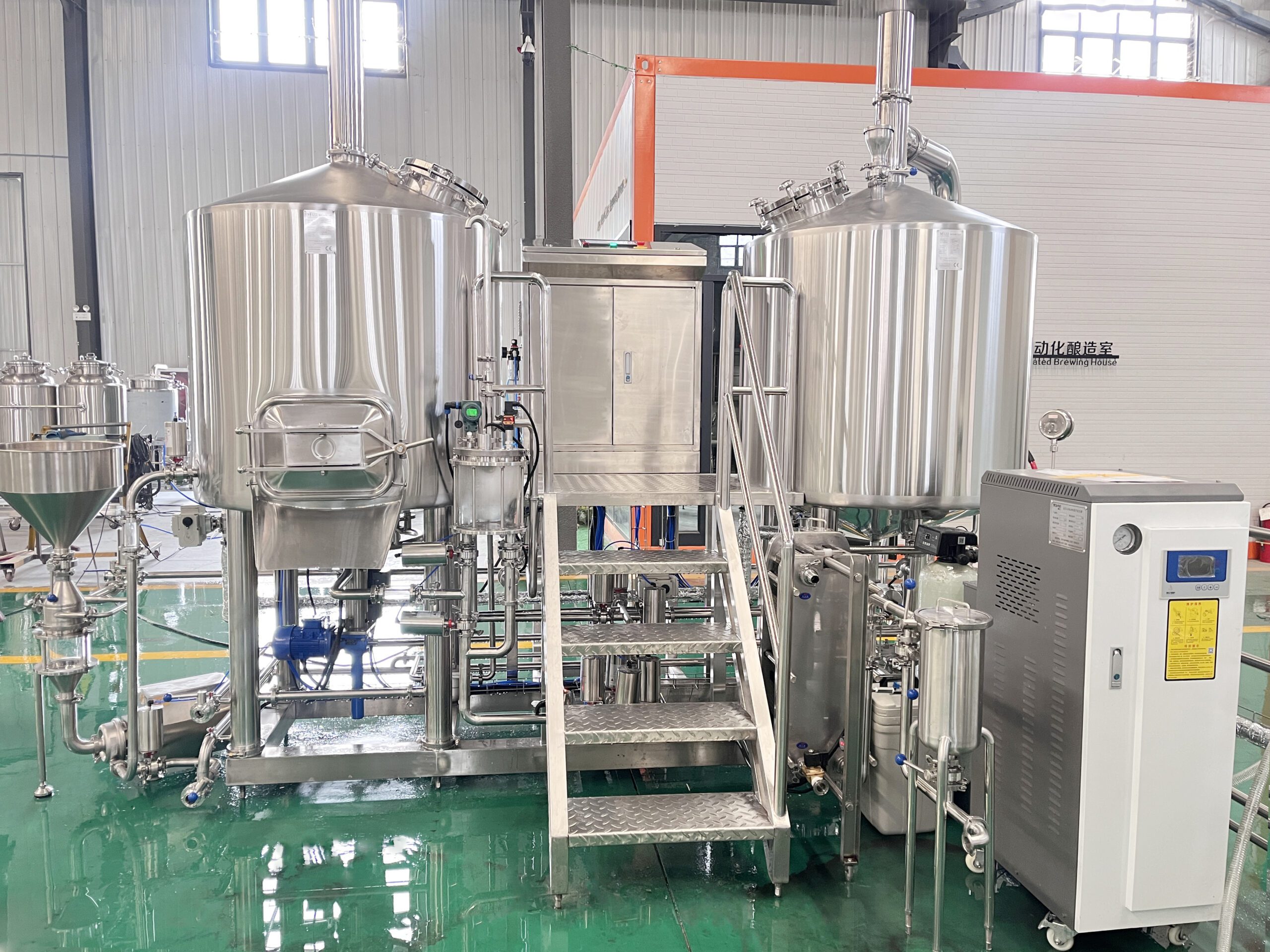
Nano brewery equipment covers 100–500L used brewing systems designed for pilot plants, bars and small brewpubs. It helps you launch or test beers with professional stainless-steel equipment, low investment and a compact footprint.
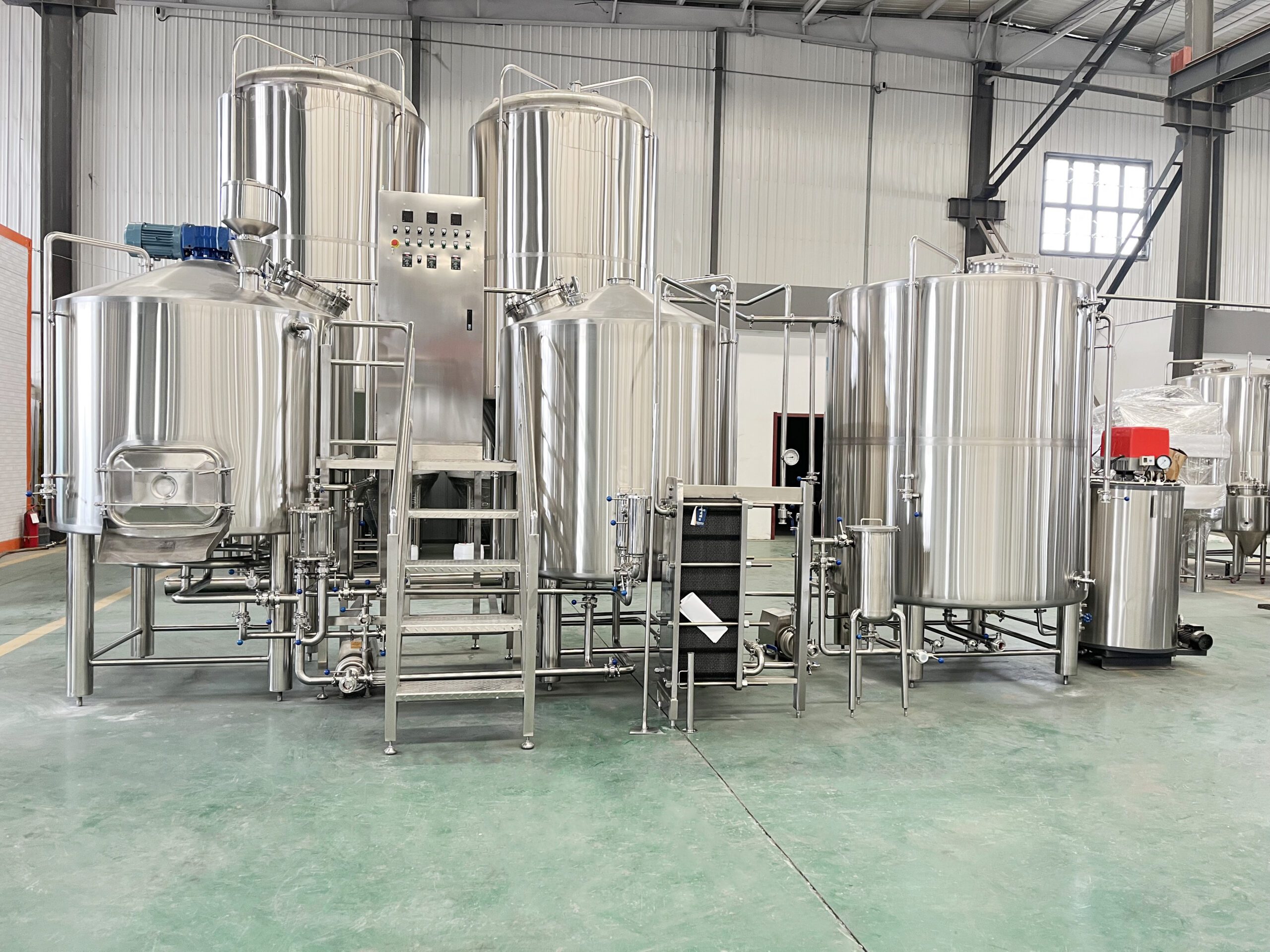
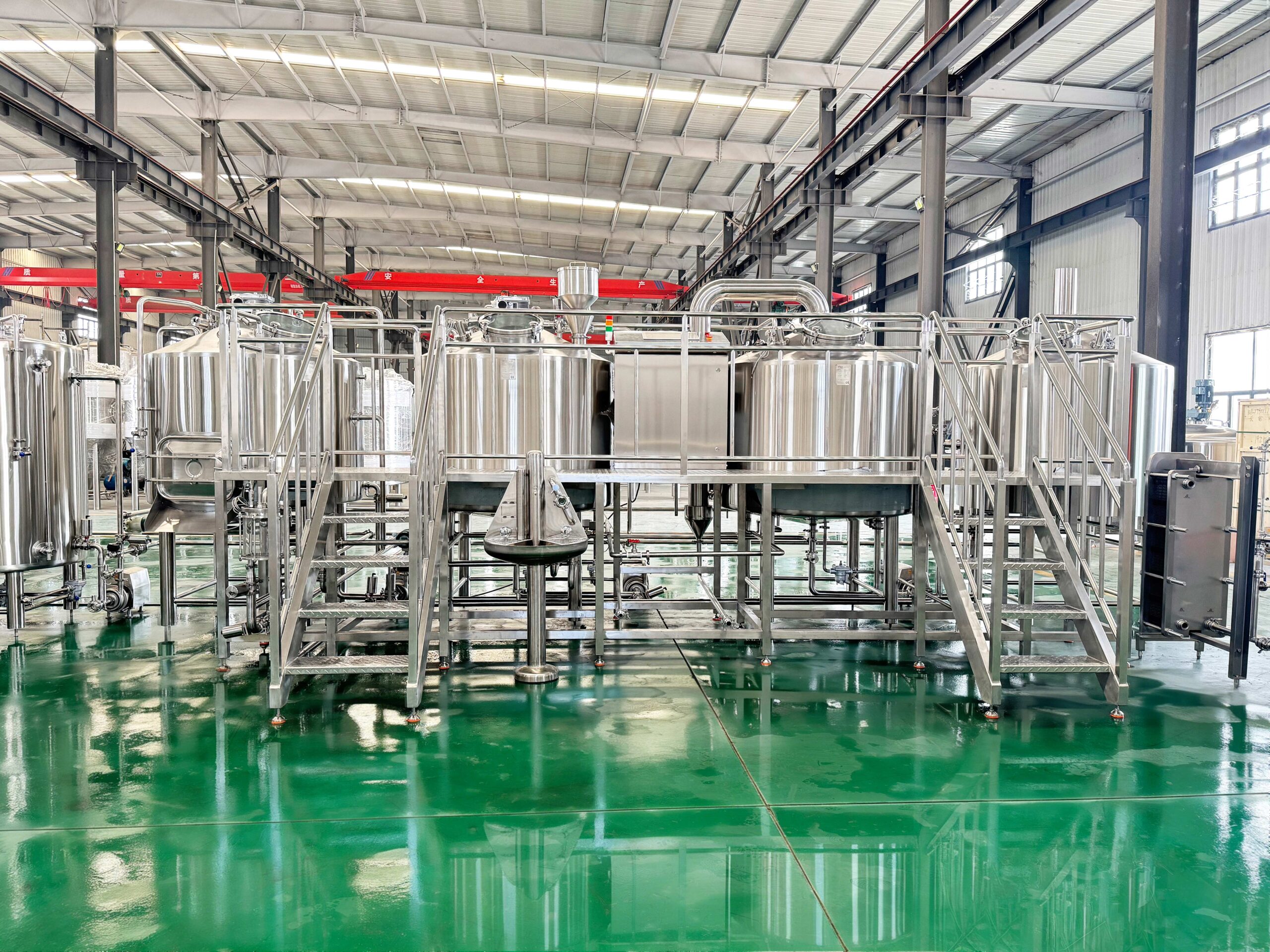
Micro brewery equipment covers 1000–2500L used brewing systems for commercial craft breweries and brewpubs with stable daily production. It supports taproom sales and local distribution while significantly reducing CAPEX compared with new turnkey lines.
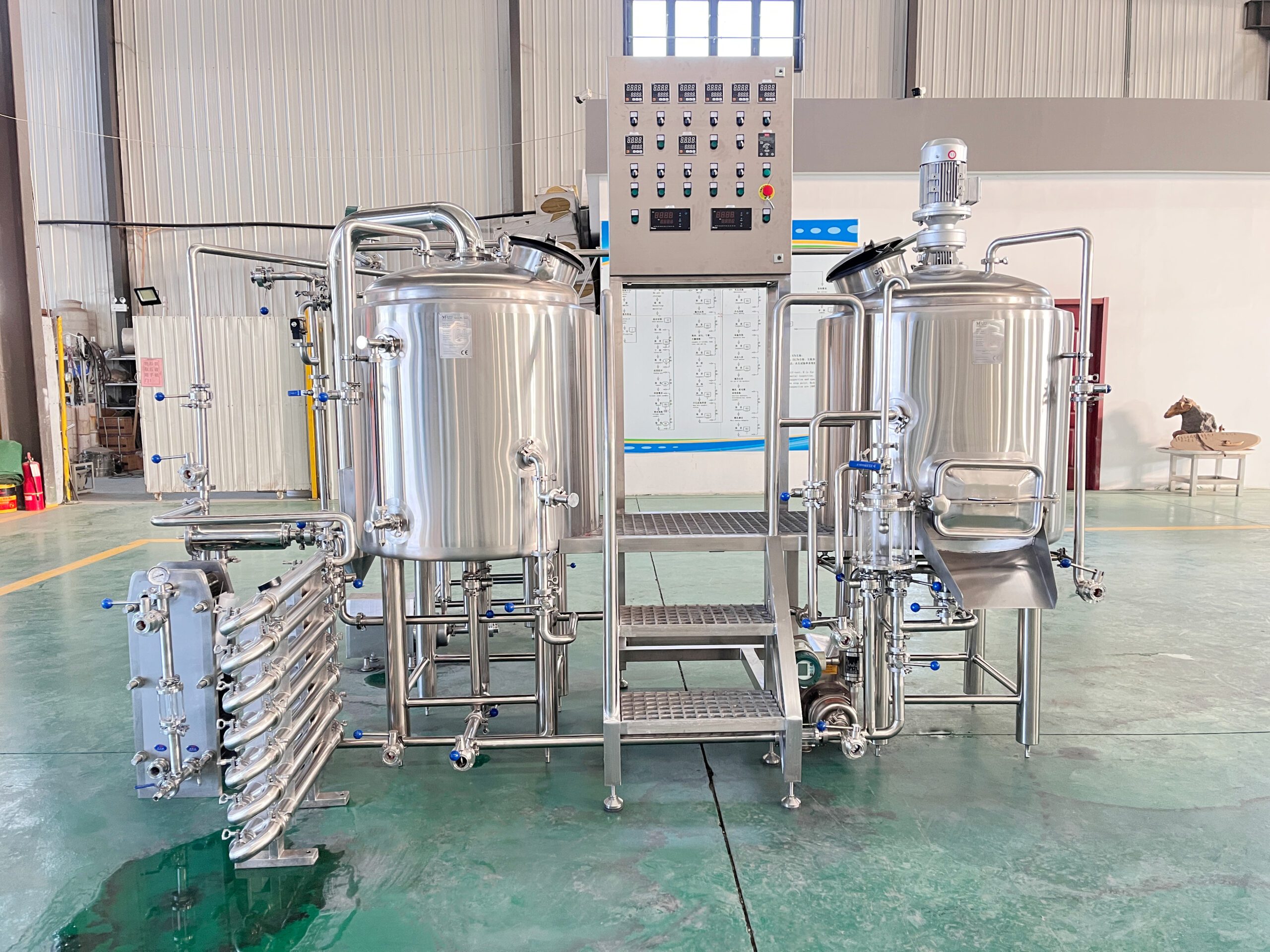
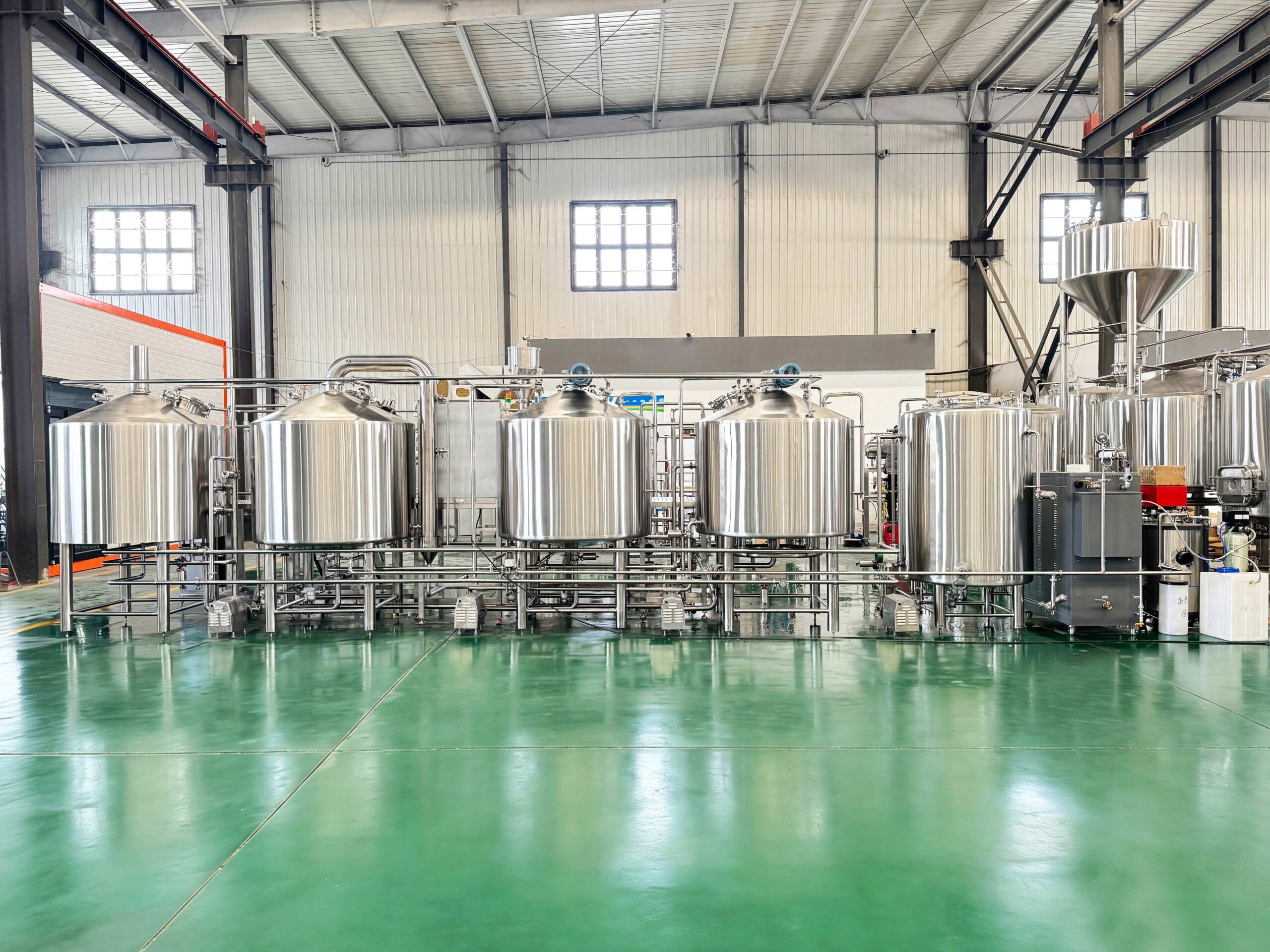
1000L used microbrewery system for start-up craft breweries and brewpubs, with refurbished brewhouse and matched fermenters for stable daily production.
1000L pre-owned microbrewery line for growing breweries, combining proven brewhouse design and cellar tanks to support taproom plus local distribution.
These systems deliver high-capacity, stable daily production, support multi-SKU beer lines, and are engineered for efficient workflow and reliable performance. By leveraging refurbished stainless-steel tanks, brewhouses, and auxiliary equipment, breweries can achieve significant CAPEX savings while maintaining professional-grade brewing standards and scalability for future expansion.
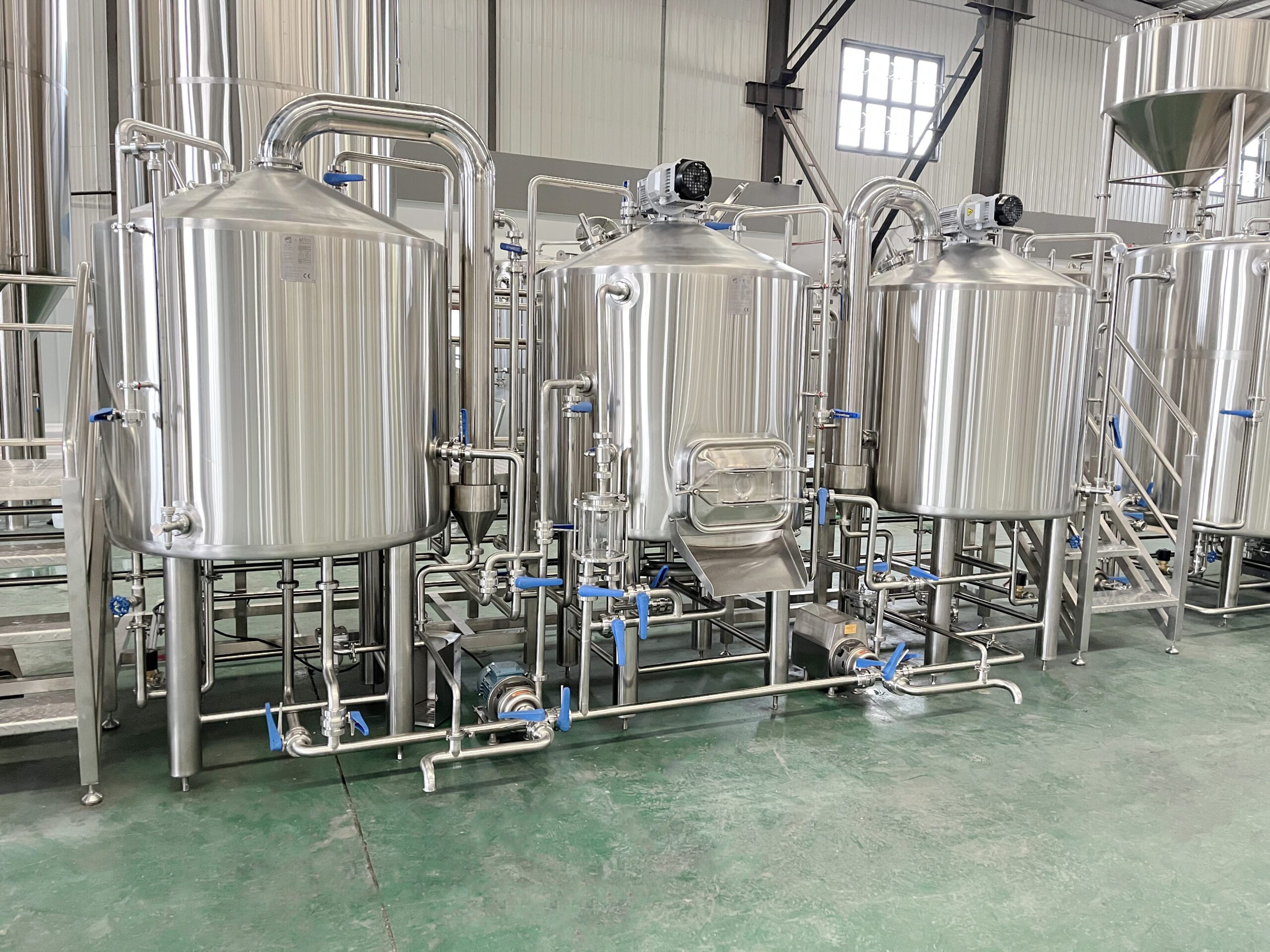
2000L used microbrewery system for start-up craft breweries and brewpubs, with refurbished brewhouse and matched fermenters for stable daily production.
2000L pre-owned microbrewery line for growing breweries, combining proven brewhouse design and cellar tanks to support taproom plus local distribution.
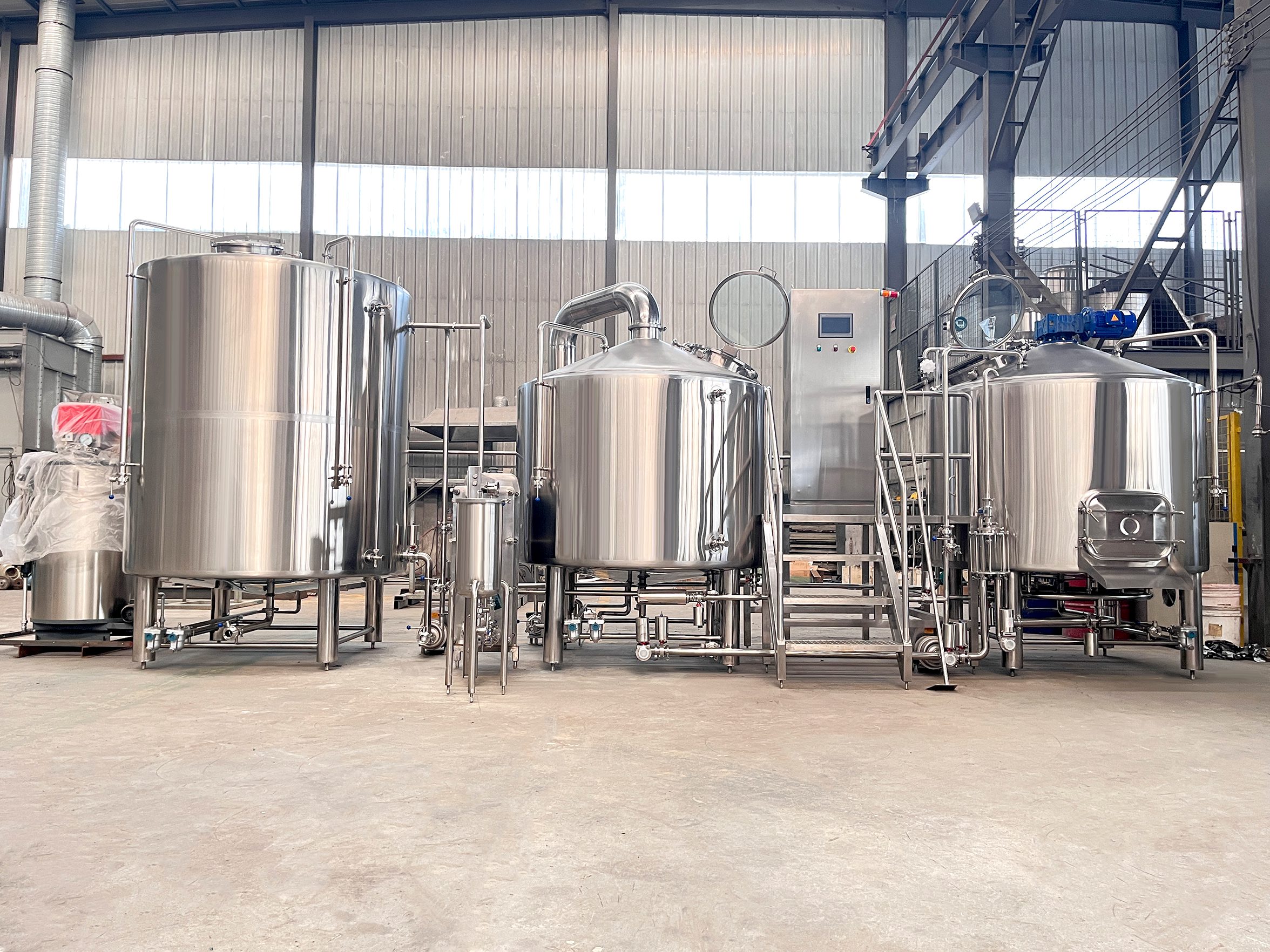
5000L used microbrewery setup for higher-volume craft beer production, featuring inspected brewhouse and fermentation capacity to handle multi-batch schedules.
How We Refurbish and Certify Used Brewery Equipment
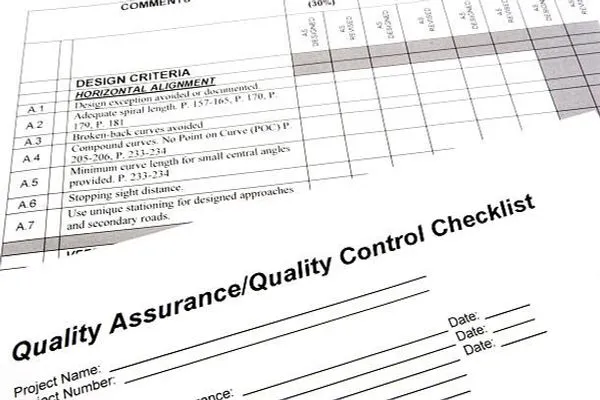
Before any used brewery equipment is offered to you, it goes through a strict refurbishment and quality control process in our factory. This helps you avoid hidden risks, reduce installation issues and put the system back into production as quickly as possible
Adım 1
Initial Inspection & Evaluation
Overall check of tanks, brewhouse and auxiliaries (corrosion, welds, jackets, fittings) to decide repair scope and “as-is / refurbished” level.
Adım 2
Disassembly & Deep Cleaning
Key parts are opened, then internally and externally cleaned, descaled and rinsed to restore hygienic stainless-steel surfaces.
Adım 3
Mechanical & Electrical Check
Valves, pumps, motors, gearboxes and control components are tested; loose or unsafe parts are repaired or adjusted.
Adım 4
Replacement of Worn Parts
Critical wear parts (seals, gaskets, valves, sight glasses, selected pumps/motors) are replaced; welds and damaged areas are reworked where needed.
Adım 5
Pressure, Leak & CIP Testing
Tanks and jackets are pressure- and leak-tested; pipelines and CIP cycles are checked to ensure tightness and cleanability for brewing use.
Step 6
Final Quality Report & Packaging
We prepare a short quality summary and photo record, then securely pack the equipment for international transport and easy on-site installation.
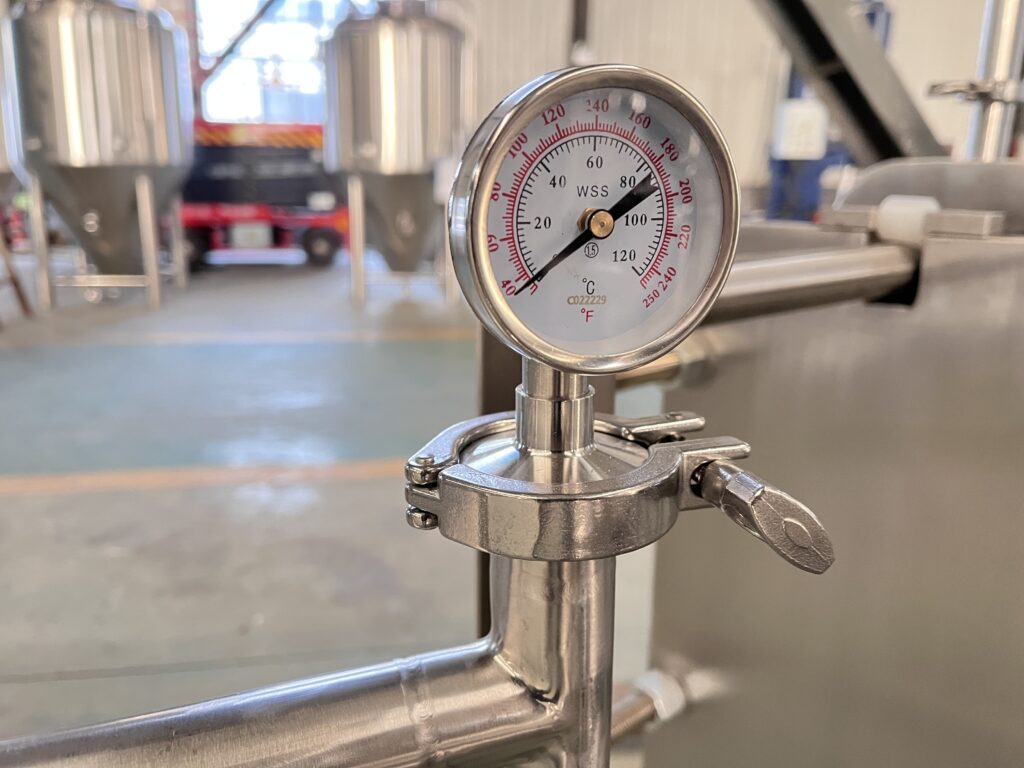
Hygiene & Safety Testing
We perform pressure testing, weld inspection, polishing and internal acid cleaning on all key tanks and pipelines, then provide test records and photos so you clearly understand the real condition and hygiene level of each used brewery system before shipment.
Pressure Testing
Tanks, jackets and pipelines are pressure-tested to ensure no leaks and safe operation.
Weld Inspection & Repair
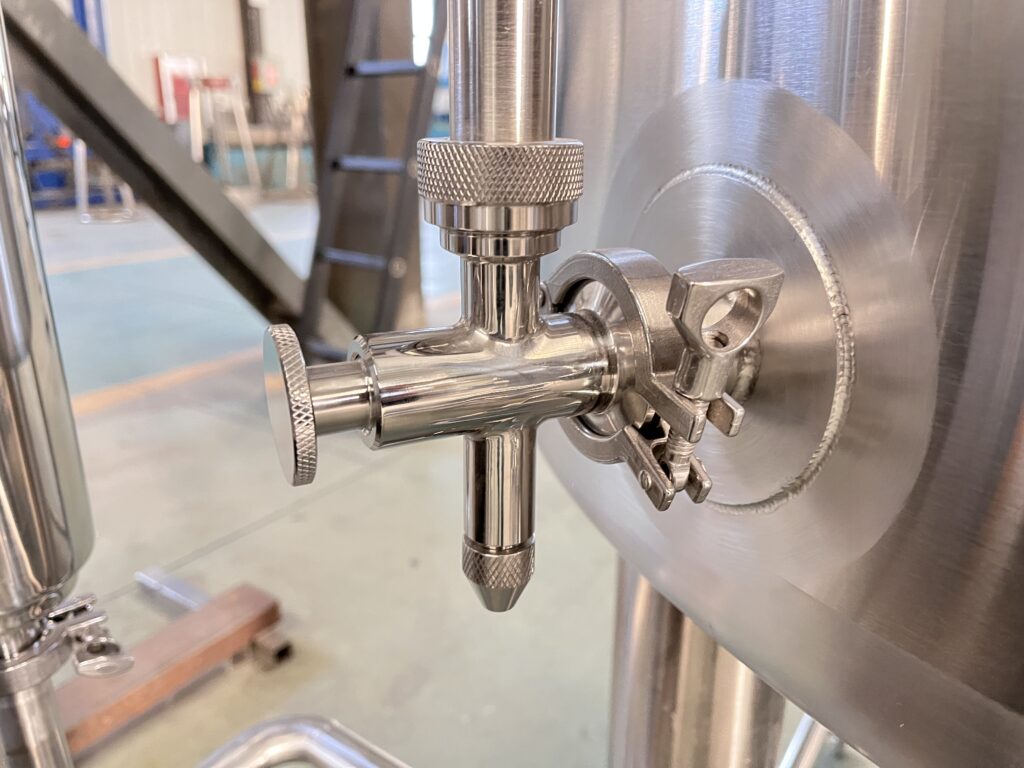
Key welds are inspected and reworked where needed to meet brewing hygiene and strength requirements.
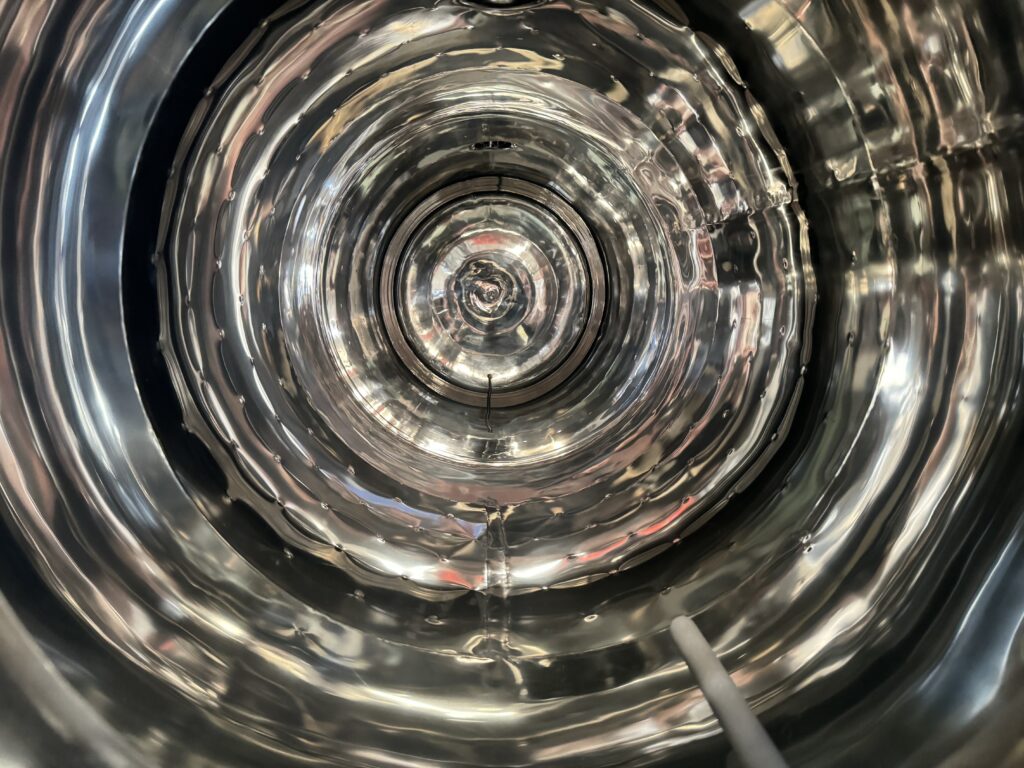
Polishing & Internal Acid Cleaning
Surfaces are polished and internally acid-cleaned (passivated) to restore smooth, hygienic stainless steel.
Testing Records & Photo Report
We provide basic test records and photos so you clearly see the equipment condition before shipment.
Hybrid New & Used Brewing Solutions – Smarter Investment for Your Project
Not every project has to be 100% used or 100% new. We design hybrid new & used brewery equipment solutions that combine refurbished brewhouses, tanks and support systems with new PLC control, CIP, valves and utilities. This approach helps breweries, kombucha producers and distilleries launch or expand with lower CAPEX while keeping critical process steps modern, safe and easy to upgrade.
Tell us about your project and our engineers will design a hybrid new + used solution just for you.
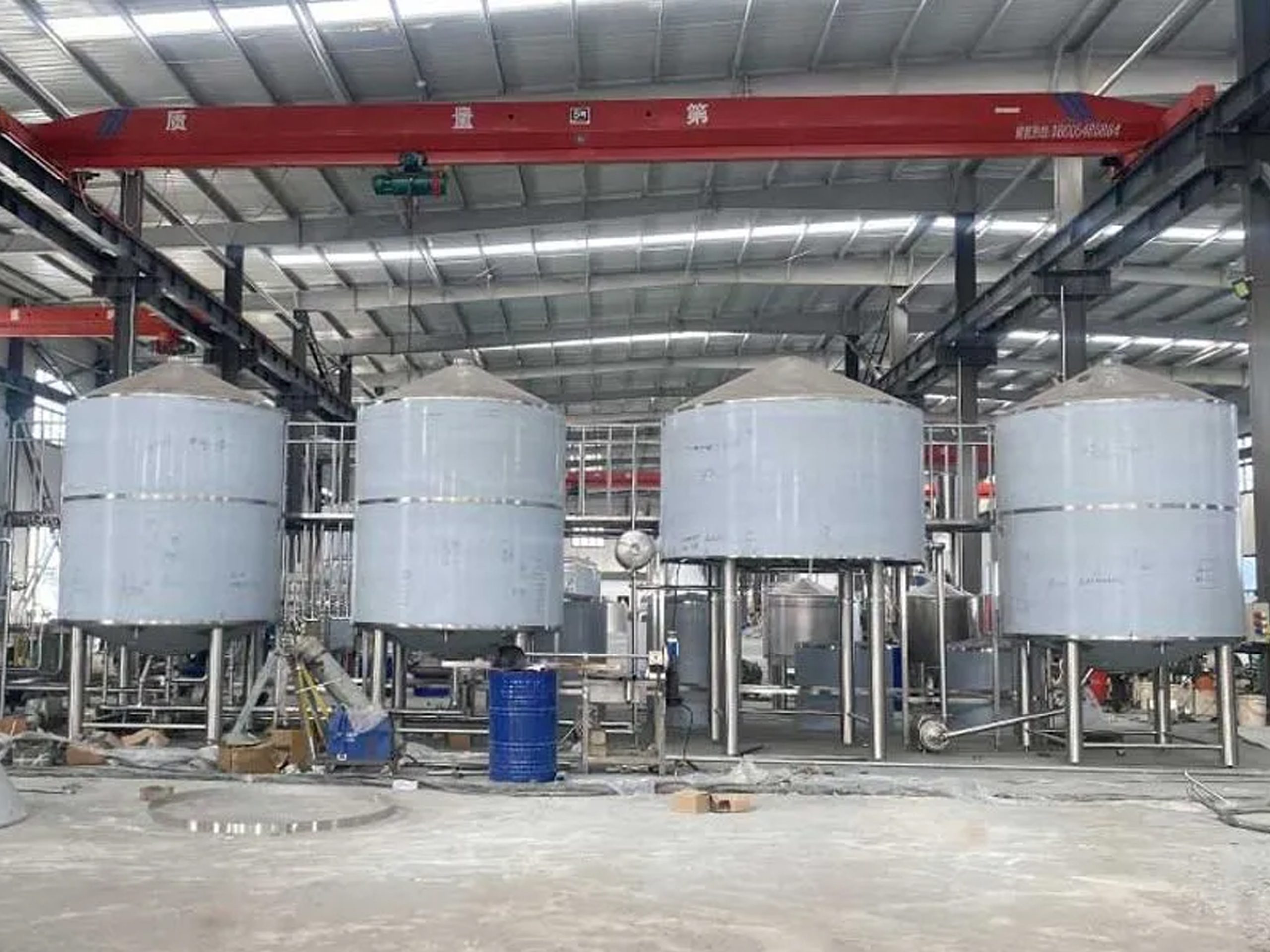
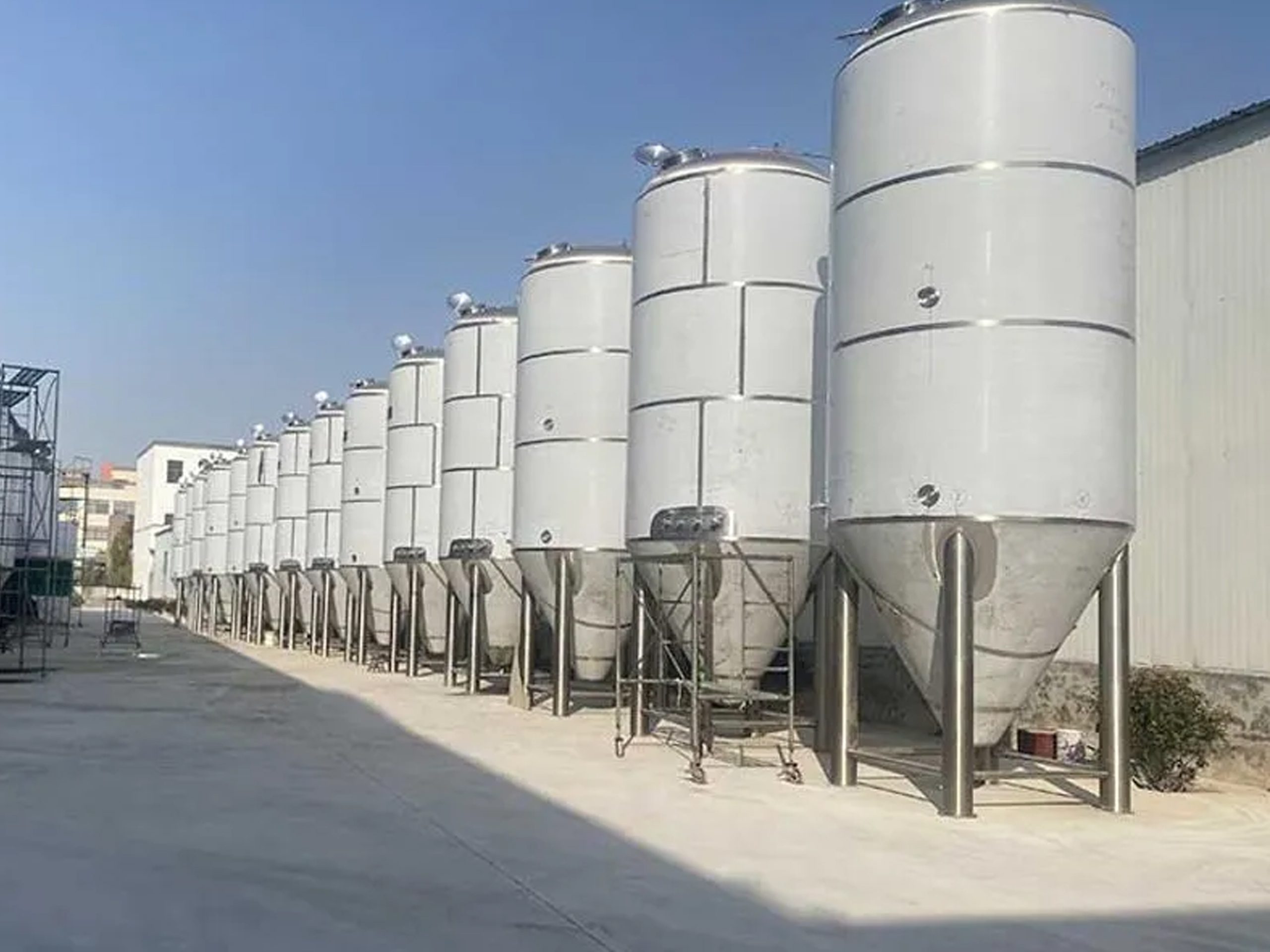
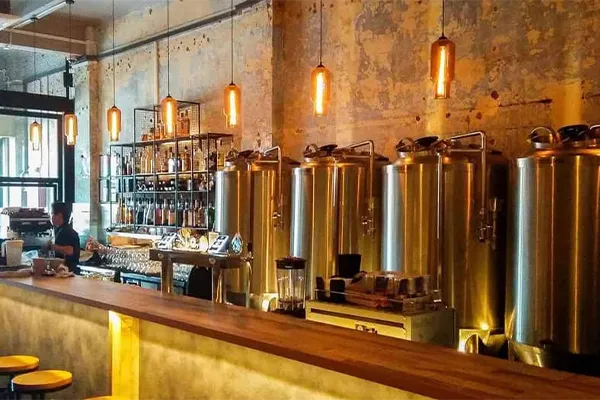
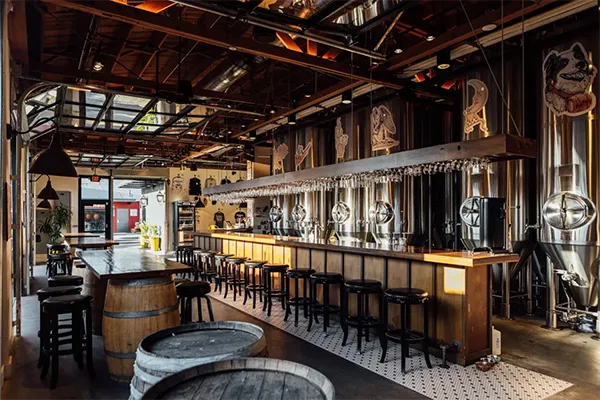
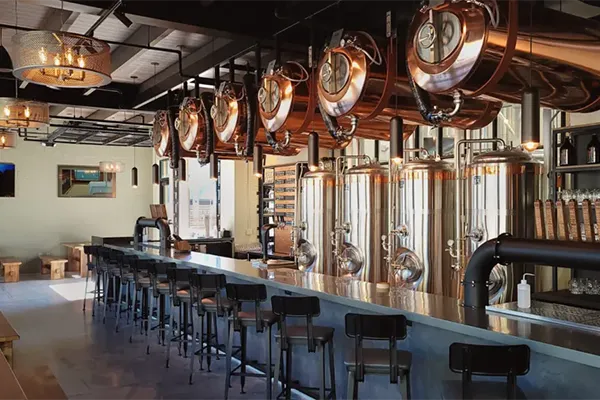
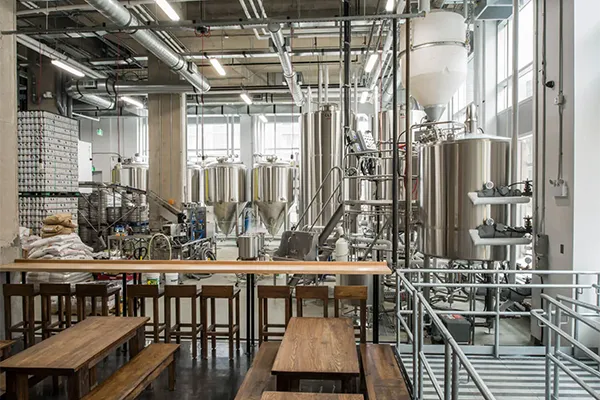
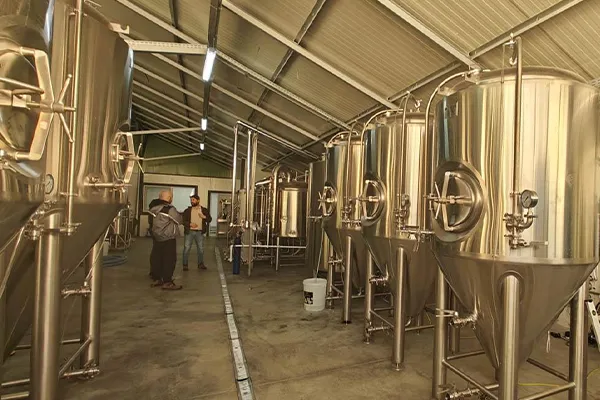
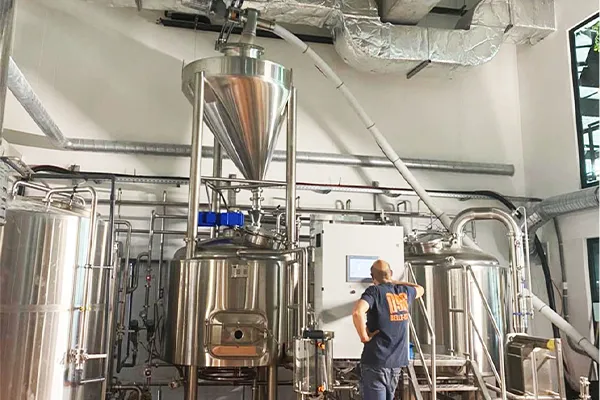
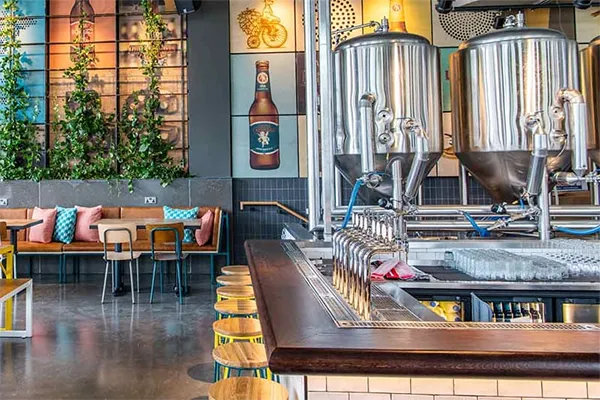
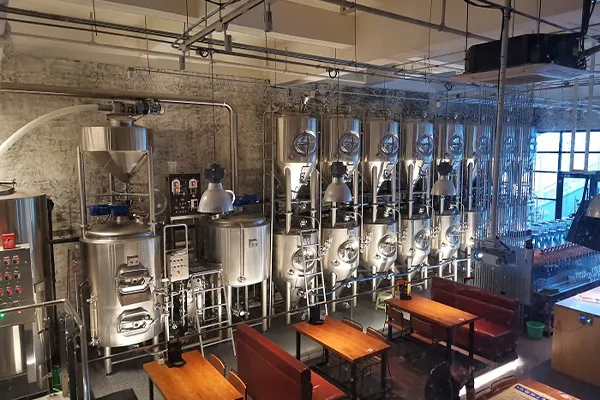
Our used brewery equipment is already working in brewpubs, microbreweries and regional breweries in many countries. Below you can see real installation photos, brewhouse layouts and cellar setups, so you know exactly what to expect in your own project.
Used Brewery Equipment – FAQ for Buyers
Everything you need to know before placing your custom brewery equipment order
Starting beer brewing costs vary wildly from under $100 for basic home kits to hundreds of thousands for commercial operations, but for a hobbyist, expect to spend $100-$500 on initial gear, while a full commercial brewery starts around $10,000 for a nanobrewery and much more for larger setups.
Starting a brewery involves a detailed business plan, securing funding, navigating licenses (federal, state, local), finding the right location, sourcing equipment, developing your brand, and figuring out distribution, all while building community ties and mastering the brewing process.
Commercial brewing equipment costs vary wildly, from $10,000 for a nano-brewery setup to over $1 million for large-scale systems, depending on size (barrel capacity), new vs. used, level of automation, and included components like brewhouses, fermenters, and packaging lines.
The average startup cost for a brewery varies wildly. Nano-breweries might start under $50k, while microbreweries often range from $250k-$500k, and larger regional facilities can cost millions, encompassing equipment, real estate, licenses, build-outs, and marketing.
To brew your own beer, you’ll need basic equipment for brewing, fermenting, and bottling, including a large kettle, fermenter with an airlock, sanitizer, siphon/tubing, thermometer, and bottling supplies (bottles, caps, capper).
Starting a brewery involves a detailed business plan, securing funding, navigating licenses (federal, state, local), finding the right location, sourcing equipment, developing your brand, and figuring out distribution, all while building community ties and mastering the brewing process.
Generally, a small 3-5 HL system requires 30-50 square meters of space, while a large 10-20 HL system requires 150-300 square meters or more. However, specific requirements will vary depending on production volume, layout efficiency, and whether a taproom or packaging facilities are included.
On average, opening a microbrewery requires significant investment, ranging between $50,000 to $1.5 million, based on various factors.The final price depends heavily on factors like location, the size of the operation, and whether you use new or used equipment.
Small breweries produce 1,000 to 15,000 barrels per year. These systems are popular among small and medium-sized independent breweries. The investment budget is generally between US$60,000 and US$100,000
A microbrewery is a small brewing company that creates specialty beers in limited amounts, generally concentrating on quality, taste and traditional methods. Such places often have brewpubs which offer food alongside their brewed drinks.
Request Our Latest Used Brewery Equipment List
Tell us your brewing capacity, location and budget. We’ll send you a tailored list of available used equipment and a budget range.
Micet Brew ile İletişime Geçin
1 iş günü içinde sizinle iletişime geçeceğiz, lütfen "@micetbrewing.com" son ekine dikkat edin. “@micetbrewing.com”.
*Gizliliğinize saygı gösteriyoruz. Gönderilen tüm bilgiler kesinlikle gizlidir.
Detaylarınız yalnızca talebinize yanıt vermek için kullanılacaktır. Hiçbir zaman istenmeyen e-postalar veya tanıtım mesajları göndermiyoruz.