











Starting a distillery without the right equipment can waste raw ingredients, reduce spirit quality, and create serious safety risks. Distillation needs more than a still. A complete distillery needs fermentation, heating, vapor control, condensation, storage, cleaning, testing, and packaging equipment.
A distillery usually uses mash equipment, a mash tun, fermenter, pot still or column still, condenser, reflux system, receiving tank, storage tanks, filtration equipment, proofing tools, CIP cleaning equipment, pumps, valves, piping, and bottling equipment. Commercial distilling also requires safety controls, ventilation, temperature control, hygienic design, and legal compliance.
Executive Summary
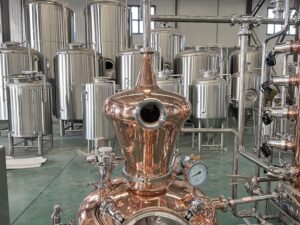
Distillery equipment is not only the still. A complete system includes mash preparation, fermentation, distillation, condensation, spirit collection, storage, filtration, proofing, cleaning, and packaging.
Distillation separates liquid mixtures by vapor behavior, then condenses vapor back into liquid distillate.
In the United States, a distilled spirits plant can produce, bottle, process, rectify, or store beverage spirits such as vodka, whiskey, gin, brandy, rum, and liqueurs, but approval and compliance are required.
Ethanol vapor and flammable liquid handling require serious engineering controls, including controlling vapor release and eliminating ignition sources.
Copper contact is often used in whiskey distilling because copper surfaces can help reduce sulfur compounds in spirit production, although the effect depends on still design and contact area.
The right distillation equipment depends on spirit type, batch size, heating method, hygiene requirements, local regulations, and the size of your business.
Article Outline
What equipment is used in any distillery?
What does a still do in the distillation process?
Pot still vs column still: which distillation equipment is right?
Why are mash tun, fermentation tank, and fermenter important?
How do condenser, vapor path, and reflux affect distillate quality?
What storage tanks, proofing tools, and filtration equipment are needed?
What cleaning equipment supports hygiene within a distillery?
What equipment is needed for whiskey, vodka, gin, brandy, and essential oils?
What safety and compliance equipment should commercial distilling projects consider?
How should B2B buyers choose commercial distillery equipment?
What Equipment Is Used in Any Distillery?
The basic equipment in any distillery includes raw material handling tools, mash equipment, fermentation tanks, a still, condenser, receiving tank, storage tanks, pumps, valves, piping, cleaning equipment, testing tools, and packaging equipment. The exact system depends on whether the distiller makes whiskey, vodka, gin, brandy, rum, neutral spirits, or other distilled spirit products.
A simple distillery flow looks like this:
| Process Stage | Main Equipment Used |
|---|---|
| Raw ingredient preparation | Grain mill, fruit crusher, sugar mixing tank, water treatment |
| Mash preparation | Mash tun, cooker, agitator, heating system |
| Fermentation | Fermenter, cooling jacket, yeast handling, temperature control |
| Distillation | Pot still, column still, heating system, reflux system |
| Condensation | Condenser, cooling water system, distillate outlet |
| Collection | Spirit receiver, alcohol pipeline, hydrometer, proofing tools |
| Aging or storage | Stainless steel storage tanks, barrels, blending tanks |
| Filtration | Good filtration system, activated carbon filters where suitable |
| Cleaning | CIP pump, spray balls, cleaning tanks, sanitary piping |
| Packaging | Manual bottling line, filling machine, corker, capper, labeler |
For commercial projects, I do not recommend choosing equipment piece by piece without a production plan. Distilling alcohol involves heat, ethanol vapor, pressure, cooling, cleaning, and regulation. The equipment should be planned as one system.
As a professional brewery, distillery, winery, kombucha, and beverage equipment manufacturer, we usually begin by asking: What spirit do you want to distill, what batch size do you need, and how will the product be packaged or aged? Those answers shape the whole system.
What Does a Still Do in the Distillation Process?
A still is the core distillation equipment used to heat fermented liquid and separate alcohol vapor from the mixture. During distillation, components with different vapor behavior separate as the liquid is heated. The vapor travels through the still system, enters a condenser, cools, and returns to liquid form as distillate.
In spirit production, the still does not create alcohol by itself. Alcohol comes from fermentation, where yeast converts fermentable sugars into ethanol. The still then concentrates and separates the alcohol and flavor compounds from the fermented wash, wine, mash, or beer-like liquid.
A distiller controls several factors during the distilling process:
- Heating rate
- Vapor path
- Copper or stainless steel contact
- Reflux level
- Condenser efficiency
- Collection method
- Cut points
- Cooling water flow
- Product proof target
A small change in still design can change flavor, yield, and working efficiency. A tall neck may create more reflux. A traditional pot still may keep heavier flavor. A column still may produce cleaner, lighter spirit. The right choice depends on the spirit style.
Pot Still vs Column Still: Which Distillation Equipment Is Right?
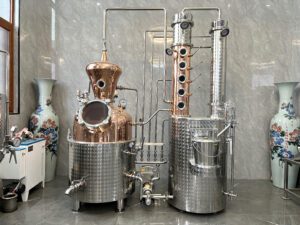
A pot still is commonly used for flavorful batch distillation. It is often selected for whiskey distilling, brandy, rum, and craft spirits where aroma and body matter. A traditional pot still usually has a pot, head or helmet, lyne arm, condenser, and collection outlet.
A column still uses plates or packing to create repeated vapor-liquid contact inside the column. This helps increase separation and can produce higher-proof spirit. Column still systems are often used for vodka, gin base spirit, neutral spirit, and operations that need more control over purity and proof.
| Equipment Type | Main Strength | Common Use |
|---|---|---|
| Pot still | Richer flavor, batch control, traditional character | Whiskey, brandy, rum, craft spirits |
| Column still | Higher proof, cleaner separation, more reflux control | Vodka, gin base, neutral alcohol |
| Hybrid still | Combines pot and column features | Craft distilleries with multiple products |
| Reflux column | Better separation and cleaner output | Vodka or high-proof spirits |
| Botanical gin still | Adds vapor or liquid infusion options | Gin and flavoring products |
The trade-off is simple. A pot still often gives more character but may need more time and more cuts. A column still gives more control and higher proof but may remove some heavier flavor. For a multi-product distillery, a hybrid pot-column system can be practical.
Why Are Mash Tun, Fermentation Tank, and Fermenter Important?
Before a distillery can distill, it needs fermentable alcohol. For grain spirits, the process often starts with milling and mashing. A mash tun or cooker mixes grain and water under controlled temperature and mixing. This helps convert starch into fermentable sugars, depending on the raw ingredients and recipe.
After mashing, the liquid moves to a fermenter. Yeast is added, and fermentation begins. The fermenter must support temperature control, cleaning, safe transfer, and proper working volume. For fruit spirits or brandy, fermentation may start with juice or crushed fruit instead of grain mash.
A commercial fermenter should be:
- Made of stainless steel or suitable food-grade material
- Easy to clean
- Designed with sanitary valves
- Sized for the batch plan
- Equipped with temperature control mechanisms
- Compatible with CIP cleaning where needed
- Built with safe access and drain points
If fermentation is unstable, distillation cannot fix everything. Poor fermentation can create off-flavors, low alcohol yield, microbial problems, or inconsistent distillate. Good spirits begin before the still.
How Do Condenser, Vapor Path, and Reflux Affect Distillate Quality?
The condenser cools alcohol vapor and turns it back into liquid distillate. Without a good condenser, vapor may not fully condense, collection becomes unstable, and safety risk increases. Condenser design must match the still size, heating power, cooling water supply, and expected vapor flow.
The vapor path also matters. Vapor may pass through copper, stainless steel, a helmet, a swan neck, a column, plates, packing, or a reflux section. More reflux means some vapor condenses and returns to the still or column before being collected. This repeated contact can make the spirit cleaner and higher in proof.
Copper deserves special attention. Research on whiskey sulfur compounds notes that copper still surfaces have been reported to remove sulfur compounds, although the chemistry is complex and not every copper position has the same effect.
For whiskey, brandy, and some craft spirits, copper contact can help shape aroma. For vodka or gin, stainless steel systems with copper sections may be used depending on the desired spirit style. The best design is not “all copper” or “all stainless” by default. It should match product quality and yield goals.
What Storage Tanks, Proofing Tools, and Filtration Equipment Are Needed?
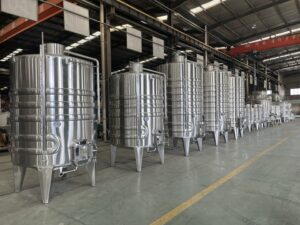
After distillation, the distillate may need temporary holding, proof adjustment, blending, filtration, aging, or bottling. Storage tanks are used for spirit collection, blending, dilution, resting, or bulk storage. They are usually made of stainless steel and fitted with sanitary valves, level indicators, vents, manways, and cleaning connections.
Proofing tools help the distiller check alcohol strength. A hydrometer or alcoholmeter is used to measure proof or ABV, usually with temperature correction. Professional operations may also use lab testing for accuracy, especially for tax, labeling, and compliance.
Filtration depends on the spirit. Vodka may use activated carbon filters to improve clarity and smoothness. Gin may need botanical particle removal. Brandy and whiskey may need less filtration if flavor retention is the goal. A good filtration system should improve product quality without stripping the desired character.
| Equipment | Purpose |
|---|---|
| Spirit receiver | Collects distillate from condenser |
| Storage tank | Holds spirit before blending or packaging |
| Proofing tank | Supports dilution and proof adjustment |
| Hydrometer / alcoholmeter | Checks alcohol strength |
| Activated carbon filters | Common for vodka polishing |
| Cartridge or plate filtration | Removes particles before bottling |
| Blending tank | Mixes batches or adjusts flavor |
| Manual bottling line | Suitable for small craft production |
What Cleaning Equipment Supports Hygiene Within a Distillery?
Hygiene within a distillery affects flavor, safety, and production efficiency. Cleaning equipment may include CIP systems, spray balls, cleaning pumps, chemical tanks, hoses, drain systems, and sanitary fittings. CIP means clean in place. It allows tanks and pipes to be cleaned without full disassembly.
Distillery cleaning is different from simple rinsing. Mash residue, yeast, fruit pulp, sugar deposits, botanical oils, and mineral scale can build up in equipment. If these residues stay inside the system, they may affect the next batch.
A well-designed cleaning setup should support:
- Safe chemical circulation
- Easy drainage
- No dead corners
- Smooth internal surfaces
- Accessible valves
- Removable filters where needed
- Regular inspection
- Documented cleaning steps
For B2B buyers, this is one of the biggest differences between low-cost equipment and professional distillery equipment. A still or tank that is difficult to clean will become expensive through downtime, labor, and quality issues.
What Equipment Is Needed for Whiskey, Vodka, Gin, Brandy, and Essential Oils?
Different products need different distilling equipment. Whiskey distilling often uses mash cooking, fermentation tanks, pot stills or hybrid stills, condensers, spirit receivers, barrels, and storage areas. Brandy needs fruit processing, fermentation, distillation, and often aging.
Vodka or gin requires a different plan. Vodka usually needs a cleaner, higher-proof spirit, so column distillation, reflux control, proofing, and filtration may matter more. Gin may require botanical flavoring, which can happen through maceration, vapor infusion, or a gin basket depending on the distiller’s style.
Essential oils are not beverage alcohol, but some equipment principles overlap. Essential oil distillation often uses steam distillation, plant material baskets, condensers, oil-water separators, and stainless steel vessels. The design focus is aroma capture, plant material handling, and separation.
| Product | Common Equipment Focus |
|---|---|
| Whiskey | Mash tun, fermenter, pot still, condenser, barrel aging |
| Vodka | Column still, reflux, filtration, proofing tank |
| Gin | Neutral spirit system, botanical basket, flavoring control |
| Brandy | Fruit fermentation, pot still, storage tanks |
| Rum | Molasses handling, fermentation, pot or column distillation |
| Essential oils | Steam generator, plant basket, condenser, separator |
A 1000L distillery system may be suitable for a growing craft distillery, but size alone is not enough. The heating method, condenser capacity, column design, cleaning access, and building utilities must match the product.
What Safety and Compliance Equipment Should Commercial Distilling Projects Consider?
Commercial distilling involves flammable liquids and ethanol vapor. OSHA guidance explains that engineering controls for flammable liquids such as ethanol focus on preventing or controlling flammable vapor release and eliminating ignition sources.
A distillery should consider safety equipment and design features such as:
- Proper ventilation
- Explosion-proof electrical components where required
- Grounding and bonding
- Safe alcohol storage
- Temperature and pressure monitoring
- Emergency shutoff
- Fire protection
- Spill control
- Clear drainage
- Safe access platforms
- Local code-compliant room design
Legal compliance also matters. In the United States, TTB rules cover distilled spirits plant operations, permits, registration, production, bottling, processing, storage, and related compliance topics. A beverage distilled spirits plant may produce, bottle, rectify, process, or store spirits, but operators must follow the applicable rules.
This article is not legal advice. Every commercial distillery should check local laws, alcohol licensing rules, fire codes, electrical codes, and environmental requirements before purchasing or installing equipment.
How Should B2B Buyers Choose Commercial Distillery Equipment?
B2B buyers should choose commercial distilling equipment by process, not by catalog photo. A startup craft distillery, established distillery, restaurant chain, beverage co-packer, distributor, or project investor may need very different equipment even if the product name sounds similar.
A practical purchasing checklist:
| Question | Why It Matters |
|---|---|
| What spirit will you produce? | Whiskey, vodka, gin, brandy, rum, or essential oils need different systems |
| What batch size do you need? | Defines still volume, fermenter size, and heating load |
| What raw ingredients will you use? | Grain, fruit, molasses, or botanicals affect mash and cleaning |
| Pot still or column still? | Controls flavor, proof, and production style |
| What heating method is available? | Steam, electric, gas, or thermal oil affects layout and cost |
| Do you need copper contact? | Important for some spirit styles and aroma targets |
| What proof target is required? | Affects reflux, column design, and collection strategy |
| How will you clean the system? | Determines CIP, access, valves, and downtime |
| What packaging method is planned? | Manual bottling line or automated filling affects layout |
| What support is needed? | CAD/3D layout, installation guidance, and technical service reduce risk |
From our professional experience, many distillery projects fail at the planning stage because buyers focus only on the still. The still matters, but the fermenter, condenser, cooling system, cleaning plan, storage tanks, and safety design matter just as much.
What Recommendations Do Not Apply to Every Distillery?
Not every distillery needs the same system. A small craft distiller may need flexibility more than high automation. A vodka producer may need a column still and filtration. A whiskey producer may prefer traditional pot still character. A brandy producer may focus on fruit handling and gentle distillation. A co-packer may need repeatable cleaning, fast changeover, and batch documentation.
Important trade-offs include:
- Pot still vs column still: Flavor character vs higher proof and separation.
- Copper vs stainless steel: Aroma management vs cleaning, cost, and durability.
- Manual vs automated control: Lower upfront cost vs repeatable operation.
- Small batch vs large batch: Product flexibility vs economies of scale.
- Open layout vs compact layout: Easy service access vs limited building space.
- Basic filtration vs advanced filtration: Flavor retention vs clarity and smoothness.
The best system is not the most expensive one. It is the system that matches your product, production capacity, safety requirements, and long-term business plan.
Practical Case Study: Planning a 1000L Craft Distillery System
A startup distillery wanted a 1000L system for whiskey and gin. At first, the buyer asked only for a still price. After reviewing the project, we found that the facility also needed fermentation capacity, cooling, botanical handling, proofing, storage, cleaning, and a practical manual bottling line.
The final equipment plan included:
| Need | Equipment Solution |
|---|---|
| Whiskey mash preparation | Mash tun with temperature and mixing control |
| Fermentation | Stainless steel fermenters sized for batch schedule |
| Whiskey distillation | Pot still with copper contact and condenser |
| Gin flexibility | Botanical basket and controlled vapor path |
| Cooling | Condenser cooling water system |
| Spirit handling | Receiving tank, proofing tank, storage tanks |
| Cleaning | CIP pump and sanitary spray connections |
| Packaging | Manual bottling line for small-batch releases |
| Layout | CAD/3D plan for workflow and utility access |
This project showed a common lesson: good distillery equipment should support the whole production chain, not just the moment of distillation.
FAQs About Distilling Equipment
What equipment is used in a distillery?
A distillery uses mash equipment, fermenters, stills, condensers, reflux systems, spirit receivers, storage tanks, pumps, valves, piping, filtration systems, proofing tools, cleaning equipment, and bottling equipment.
What is the most important piece of distillery equipment?
The still is the most visible piece of equipment, but the fermenter, condenser, cooling system, and cleaning system are also essential. Poor fermentation or poor condensation can damage quality even if the still is well made.
What is the difference between a pot still and a column still?
A pot still is usually used for batch distillation and flavorful spirits such as whiskey, rum, and brandy. A column still uses plates or packing for stronger separation and higher proof, making it useful for vodka, gin base spirit, and neutral alcohol.
Is stainless steel or copper better for distillation equipment?
Both can be useful. Stainless steel is durable, hygienic, and easy to clean. Copper can help manage sulfur compounds and is traditional for many whiskey and brandy stills. Many commercial systems combine stainless steel with copper contact sections.
Do I need a mash tun for a distillery?
You need a mash tun if your spirit production starts from grain or other starch-based raw ingredients. If you distill from wine, cider, fruit wash, or purchased neutral spirit, your mash equipment needs may be different.
What equipment is needed for vodka or gin?
Vodka usually needs column distillation, reflux control, proofing, filtration, and clean storage. Gin may need neutral spirit handling, botanical flavoring, a gin basket or maceration tank, condenser, storage, filtration, and bottling equipment.
Is distilling alcohol at home legal?
Laws vary by country and region. In the United States, beverage distilled spirits production is regulated, and commercial operations require proper approval and compliance. Always check local alcohol laws before distilling.
Key Takeaways
Distillery equipment includes much more than a still.
A complete system may include mash tun, fermenter, still, condenser, reflux column, receiving tank, storage tanks, filtration, proofing, CIP cleaning, and bottling equipment.
Pot stills are often used for flavorful spirits such as whiskey and brandy.
Column stills are often used for higher-proof spirits such as vodka or neutral alcohol.
Fermentation quality strongly affects distillate quality and yield.
Condenser sizing and cooling water supply are critical for safe vapor control.
Copper contact can influence sulfur compound reduction in some distilling systems.
Stainless steel is widely used because it is hygienic, durable, and easy to clean.
Commercial distilling requires serious safety planning because ethanol and alcohol vapor are flammable.
The best distillery equipment plan should match spirit type, batch size, building layout, heating method, cleaning workflow, legal requirements, and future growth.
For a distillery project, the safest next step is a process review: confirm the spirit type, batch capacity, heating source, building utilities, cleaning plan, packaging method, and local compliance needs before choosing the still size or full equipment layout.