












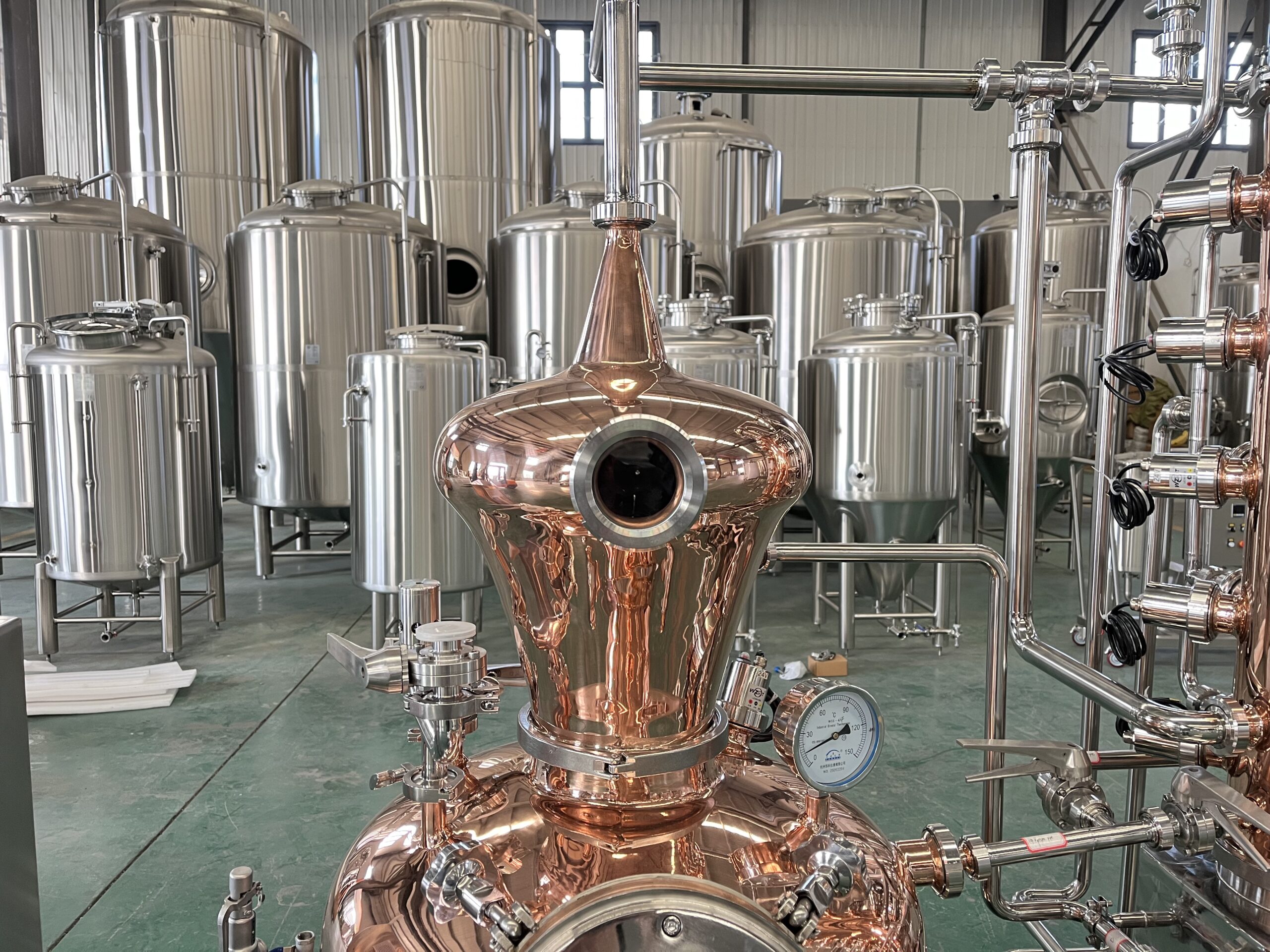
증류주 증류에는 어떤 증류 장비가 사용되나요? 상업용 증류 장비에 대한 완벽한 가이드
적절한 장비 없이 증류소를 시작하면 원료를 낭비하고 증류주 품질을 떨어뜨리며 심각한 안전 위험을 초래할 수 있습니다. 증류에는 증류기 이상의 것이 필요합니다. 완전한 증류소에는 발효, 가열, 증기 제어, 응축, 보관, 세척, 테스트 및 포장 장비가 필요합니다.
증류소에서는 일반적으로 매시 장비, 매시 튠, 발효기, 포트 스틸 또는 컬럼 스틸, 콘덴서, 환류 시스템, 수신 탱크, 저장 탱크, 여과 장비, 교정 도구, CIP 세척 장비, 펌프, 밸브, 배관 및 병입 장비 등을 사용합니다. 또한 상업용 증류는 안전 관리, 환기, 온도 제어, 위생 설계 및 법적 준수가 필요합니다.
경영진 요약
증류소 장비는 증류기만 있는 것이 아닙니다. 완벽한 시스템에는 매시 준비, 발효, 증류, 응축, 증류주 수집, 저장, 여과, 증명, 세척, 포장 등이 포함됩니다.
증류는 증기 거동에 따라 액체 혼합물을 분리한 다음 증기를 다시 액체 증류액으로 응축합니다.
미국에서는 증류주 공장에서 보드카, 위스키, 진, 브랜디, 럼, 리큐어 등의 음료 증류주를 생산, 병입, 가공, 수정 또는 보관할 수 있지만 승인과 규정 준수가 필요합니다.
에탄올 증기 및 인화성 액체 취급에는 증기 방출 제어 및 점화원 제거를 포함한 심각한 엔지니어링 제어가 필요합니다.
구리 접촉은 증류주 생산 시 구리 표면이 유황 화합물을 줄이는 데 도움이 될 수 있기 때문에 위스키 증류에 자주 사용되지만, 그 효과는 스틸 디자인과 접촉 면적에 따라 달라집니다.
적합한 증류 장비는 주류의 종류, 배치 크기, 가열 방법, 위생 요건, 현지 규정 및 비즈니스 규모에 따라 달라집니다.
기사 개요
증류소에는 어떤 장비가 사용되나요?
증류 과정에서 스틸은 어떤 역할을 하나요?
팟 스틸과 컬럼 스틸: 어떤 증류 장비가 적합할까요?
매시 툰, 발효 탱크, 발효기가 중요한 이유는 무엇인가요?
응축기, 증기 경로 및 환류는 증류액 품질에 어떤 영향을 미칩니까?
어떤 저장 탱크, 교정 도구, 여과 장비가 필요하나요?
양조장 내 위생을 지원하는 청소 장비에는 어떤 것이 있나요?
위스키, 보드카, 진, 브랜디, 에센셜 오일에는 어떤 장비가 필요하나요?
상업용 증류 프로젝트에서 고려해야 할 안전 및 규정 준수 장비에는 어떤 것이 있나요?
B2B 구매자는 상업용 양조장 장비를 어떻게 선택해야 하나요?
증류소에는 어떤 장비가 사용되나요?
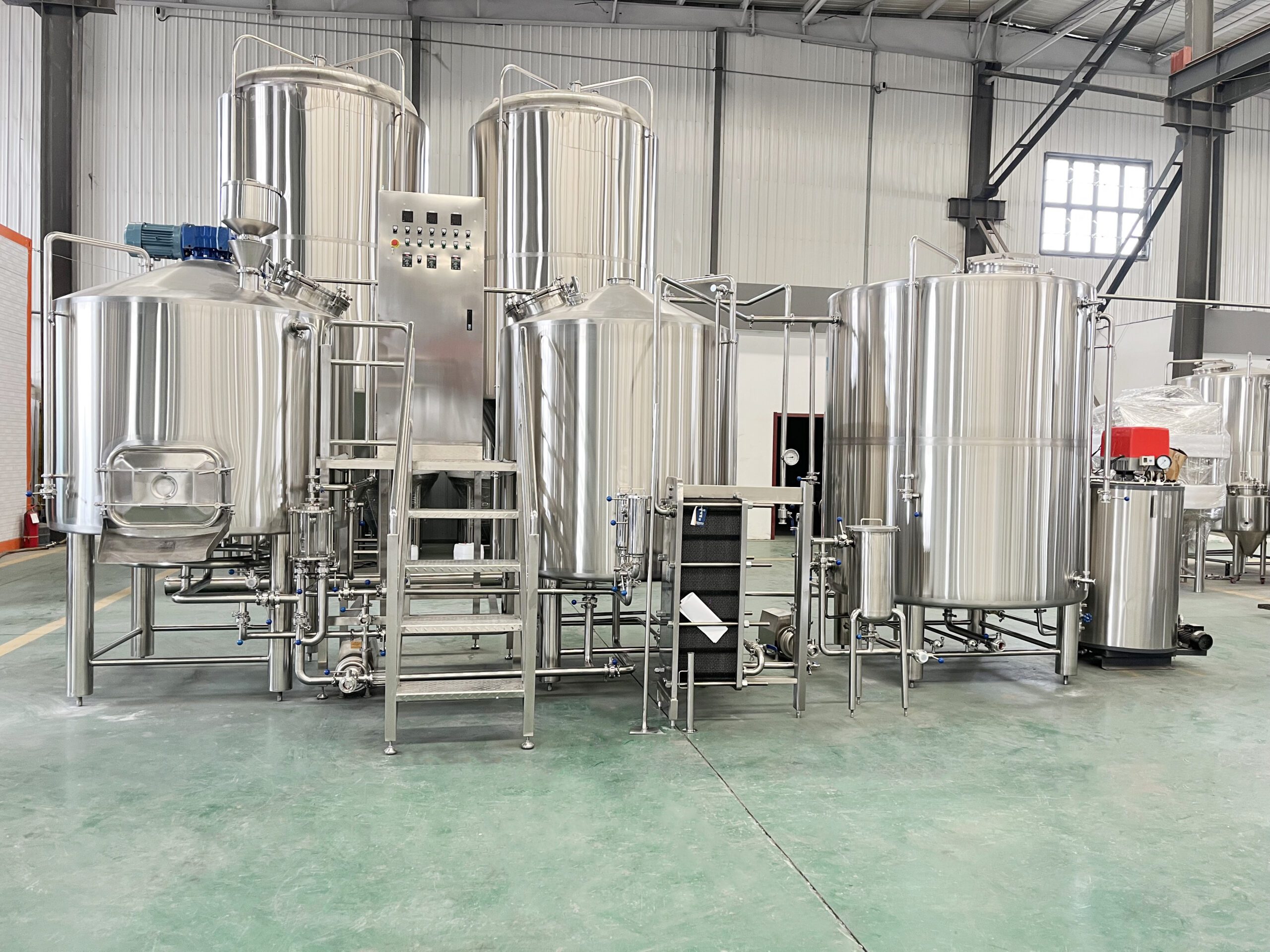
모든 양조장의 기본 장비에는 원료 취급 도구, 매시 장비가 포함됩니다, 발효 탱크, 증류기, 응축기, 수용 탱크, 저장 탱크, 펌프, 밸브, 배관, 청소 장비, 테스트 도구 및 포장 장비로 구성됩니다. 정확한 시스템은 증류주가 위스키, 보드카, 진, 브랜디, 럼, 중성 증류주 또는 기타 증류주 제품을 만드는지 여부에 따라 다릅니다.
간단한 증류소 흐름은 다음과 같습니다:
| 프로세스 단계 | 주요 사용 장비 |
|---|---|
| 원재료 준비 | 곡물 분쇄기, 과일 분쇄기, 설탕 혼합 탱크, 수처리 |
| 매시 준비 | 매쉬튠, 쿠커, 교반기, 난방 시스템 |
| 발효 | 발효기, 냉각 재킷, 효모 처리, 온도 제어 |
| 증류 | 팟 스틸, 컬럼 스틸, 가열 시스템, 환류 시스템 |
| 응축 | 응축기, 냉각수 시스템, 증류액 배출구 |
| 컬렉션 | 주류 리시버, 알코올 파이프 라인, 비중계, 교정 도구 |
| 에이징 또는 스토리지 | 스테인리스 스틸 저장 탱크, 배럴, 블렌딩 탱크 |
| 필터링 | 우수한 여과 시스템, 적절한 경우 활성탄 필터 사용 |
| 청소 | CIP 펌프, 스프레이 볼, 세척 탱크, 위생 배관 |
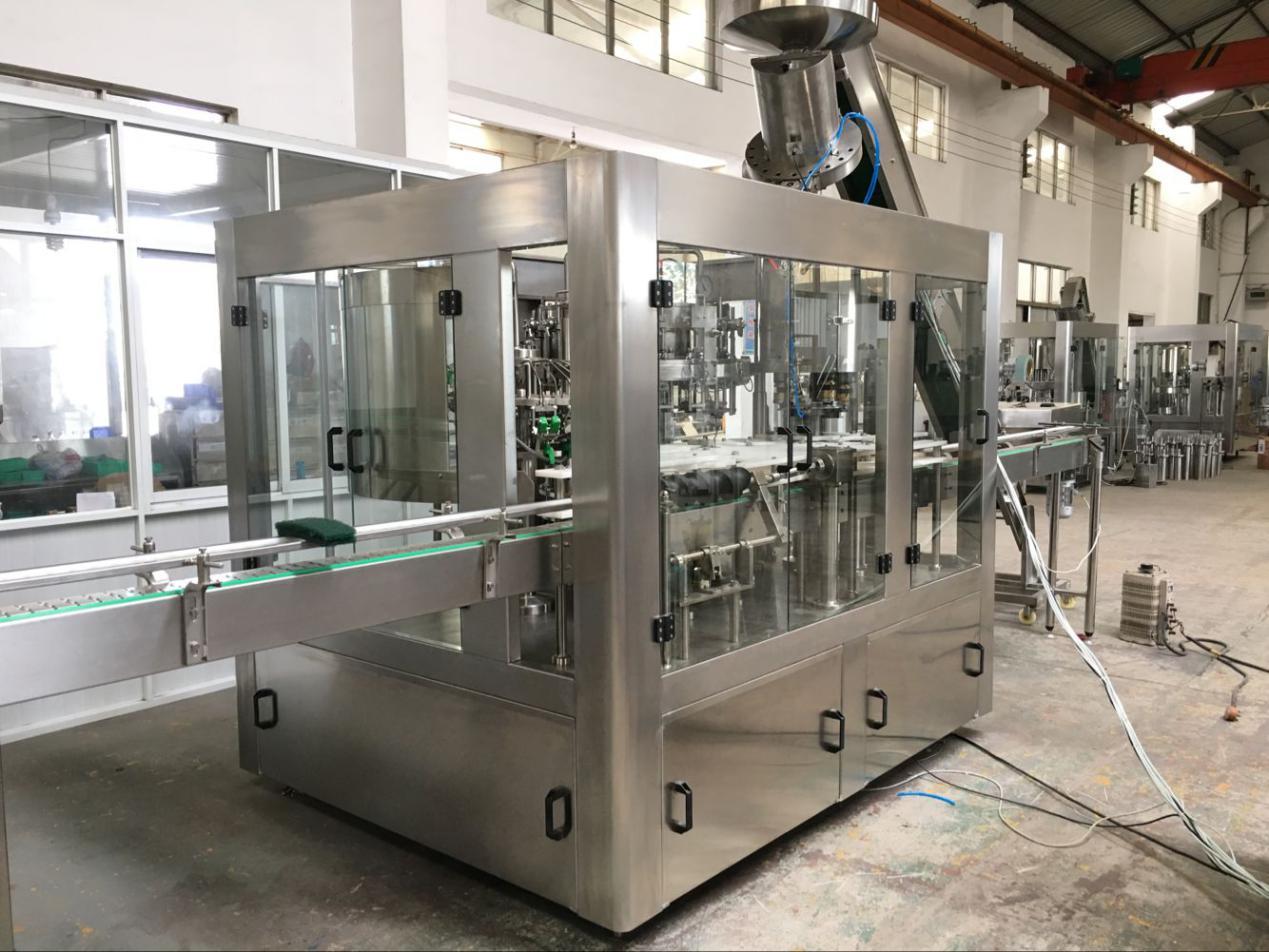
| 포장 | 수동 병입 라인, 충진 기계, 코커, 캡퍼, 라벨러 |
상업 프로젝트의 경우 생산 계획 없이 장비를 하나씩 선택하는 것은 권장하지 않습니다. 알코올 증류에는 열, 에탄올 증기, 압력, 냉각, 세척 및 조절이 포함됩니다. 장비는 하나의 시스템으로 계획해야 합니다.
전문 양조장, 증류소, 와이너리, 콤부차 및 음료 장비 제조업체인 저희는 보통 질문부터 시작합니다: 어떤 증류주를 증류하고 싶은지, 어떤 배치 크기가 필요한지, 제품을 어떻게 포장하거나 숙성할 것인지? 이러한 질문에 대한 답변이 전체 시스템을 형성합니다.
증류 과정에서 스틸은 어떤 역할을 하나요?
증류기는 발효된 액체를 가열하고 혼합물에서 알코올 증기를 분리하는 데 사용되는 핵심 증류 장비입니다. 증류하는 동안 액체가 가열되면서 증기 거동이 다른 성분이 분리됩니다. 증기는 스틸 시스템을 통과하여 응축기로 들어가 냉각된 후 증류액으로 액체 형태로 되돌아갑니다.
증류주 생산에서 스틸은 자체적으로 알코올을 생성하지 않습니다. 알코올은 효모가 발효 가능한 당분을 에탄올로 전환하는 발효를 통해 만들어집니다. 그런 다음 스틸은 발효된 워시, 와인, 매시 또는 맥주와 같은 액체에서 알코올과 향료 화합물을 농축하고 분리합니다.
증류기는 증류 과정에서 여러 요소를 제어합니다:
- 난방 속도
- 증기 경로
- 구리 또는 스테인리스 스틸 접점
- 역류 수준
- 콘덴서 효율성
- 수집 방법
- 컷 포인트
- 냉각수 흐름
- 제품 증명 대상
스틸 디자인의 작은 변화만으로도 맛, 수율, 작업 효율이 달라질 수 있습니다. 목이 길면 역류가 더 많이 발생할 수 있습니다. 전통적인 포트 스틸은 더 무거운 풍미를 유지할 수 있습니다. 컬럼 스틸은 더 깨끗하고 가벼운 증류주를 생산할 수 있습니다. 올바른 선택은 증류주 스타일에 따라 달라집니다.
포트 스틸과 컬럼 스틸: 어떤 증류 장비가 적합할까요?
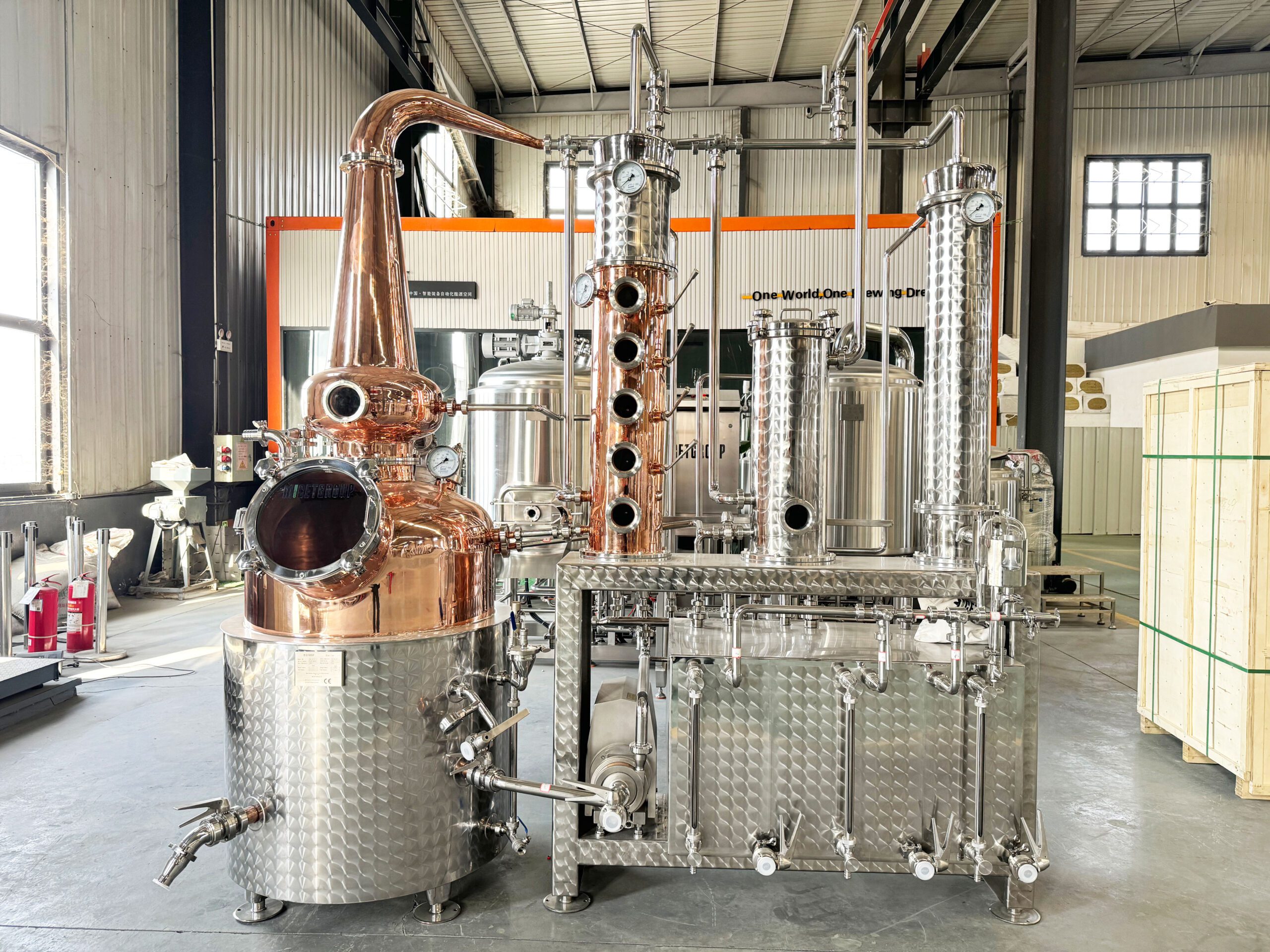
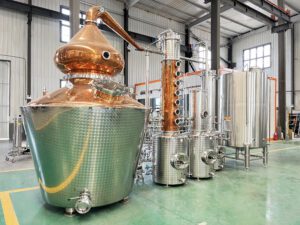
팟 스틸은 일반적으로 풍미 있는 배치 증류에 사용됩니다. 향과 바디감이 중요한 위스키 증류, 브랜디, 럼, 크래프트 증류주 증류에 주로 사용됩니다. 전통적인 팟 스틸은 일반적으로 포트, 헤드 또는 헬멧, 린 암, 콘덴서, 수집 배출구로 구성됩니다.
컬럼은 여전히 플레이트 또는 패킹을 사용하여 컬럼 내부에 증기와 액체가 반복적으로 접촉하도록 합니다. 이렇게 하면 분리율을 높이고 더 높은 증류주를 생산할 수 있습니다. 컬럼 스틸 시스템은 보드카, 진 베이스 스피릿, 중성 스피릿 및 순도 및 증명을 더 잘 제어해야 하는 작업에 자주 사용됩니다.
| 장비 유형 | 주요 강점 | 공통 사용 |
|---|---|---|
| 포트 스틸 | 더 풍부한 풍미, 배치 제어, 전통적인 캐릭터 | 위스키, 브랜디, 럼, 크래프트 증류주 |
| 열 스틸 | 더 높은 증거, 더 깨끗한 분리, 더 많은 역류 제어 | 보드카, 진 베이스, 중성 알코올 |
| 하이브리드 스틸 | 팟과 컬럼 기능 결합 | 다양한 제품을 보유한 수제 양조장 |
| 역류 열 | 더 나은 분리와 깔끔한 출력 | 보드카 또는 도수가 높은 증류주 |
| 보태니컬 진 스틸 | 증기 또는 액체 주입 옵션 추가 | 진 및 향료 제품 |
트레이드 오프는 간단합니다. 냄비는 여전히 더 많은 특성을 제공하지만 더 많은 시간과 절단이 필요할 수 있습니다. 컬럼은 여전히 더 많은 제어와 더 높은 증명을 제공하지만 일부 무거운 풍미가 제거될 수 있습니다. 여러 제품을 생산하는 증류소의 경우 팟-칼럼 하이브리드 시스템이 실용적일 수 있습니다.
매시 툰, 발효 탱크, 발효기가 중요한 이유는 무엇인가요?
증류주가 증류되기 위해서는 먼저 발효 가능한 알코올이 필요합니다. 곡물 증류주의 경우, 이 과정은 종종 제분과 매싱으로 시작됩니다. 매시 툰 또는 쿠커는 곡물과 물을 제어된 온도에서 혼합하고 혼합합니다. 이렇게 하면 원재료와 레시피에 따라 전분을 발효 가능한 당분으로 전환하는 데 도움이 됩니다.
으깬 후 액체는 발효기로 이동합니다. 효모가 첨가되고 발효가 시작됩니다. 발효기는 온도 조절, 세척, 안전한 이송 및 적절한 작업량을 지원해야 합니다. 과일 증류주나 브랜디의 경우 곡물 매시 대신 주스나 으깬 과일로 발효를 시작할 수 있습니다.
상업용 발효기여야 합니다:
- 스테인리스 스틸 또는 적합한 식품 등급 재질로 제작됨
- 손쉬운 청소
- 위생 밸브로 설계
- 일괄 요금제용 크기
- 온도 제어 메커니즘 장착
- 필요한 경우 CIP 청소와 호환
- 안전한 액세스 및 배수 지점으로 구축
발효가 불안정하면 증류로 모든 것을 해결할 수 없습니다. 발효가 제대로 이루어지지 않으면 이취, 낮은 알코올 수율, 미생물 문제 또는 일관되지 않은 증류액이 발생할 수 있습니다. 좋은 증류주는 증류 전에 시작됩니다.
응축기, 증기 경로 및 환류는 증류액 품질에 어떤 영향을 미칩니까?
콘덴서는 알코올 증기를 냉각시켜 다시 액체 증류액으로 만듭니다. 콘덴서가 좋지 않으면 증기가 완전히 응축되지 않고 수집이 불안정해지며 안전 위험이 증가할 수 있습니다. 콘덴서 설계는 스틸 크기, 가열 전력, 냉각수 공급 및 예상 증기 흐름과 일치해야 합니다.
증기 경로도 중요합니다. 증기는 구리, 스테인리스 스틸, 헬멧, 스완 넥, 컬럼, 플레이트, 패킹 또는 환류 섹션을 통과할 수 있습니다. 역류가 많다는 것은 일부 증기가 응축되어 수집되기 전에 스틸이나 컬럼으로 되돌아간다는 것을 의미합니다. 이러한 접촉이 반복되면 증류주가 더 깨끗해지고 증류주 증명이 더 높아질 수 있습니다.
구리는 특별한 주의가 필요합니다. 위스키 유황 화합물에 대한 연구에 따르면 구리의 표면이 유황 화합물을 제거하는 것으로 보고되었지만 화학이 복잡하고 모든 구리 위치에서 동일한 효과가 있는 것은 아닙니다.
위스키, 브랜디 및 일부 크래프트 증류주의 경우 구리 접촉이 향을 형성하는 데 도움이 될 수 있습니다. 보드카나 진의 경우 원하는 주류 스타일에 따라 구리 섹션이 있는 스테인리스 스틸 시스템을 사용할 수 있습니다. 가장 좋은 디자인은 기본적으로 “올 구리” 또는 “올 스테인리스”가 아닙니다. 제품 품질과 수율 목표에 부합해야 합니다.
어떤 저장 탱크, 교정 도구, 여과 장비가 필요하나요?
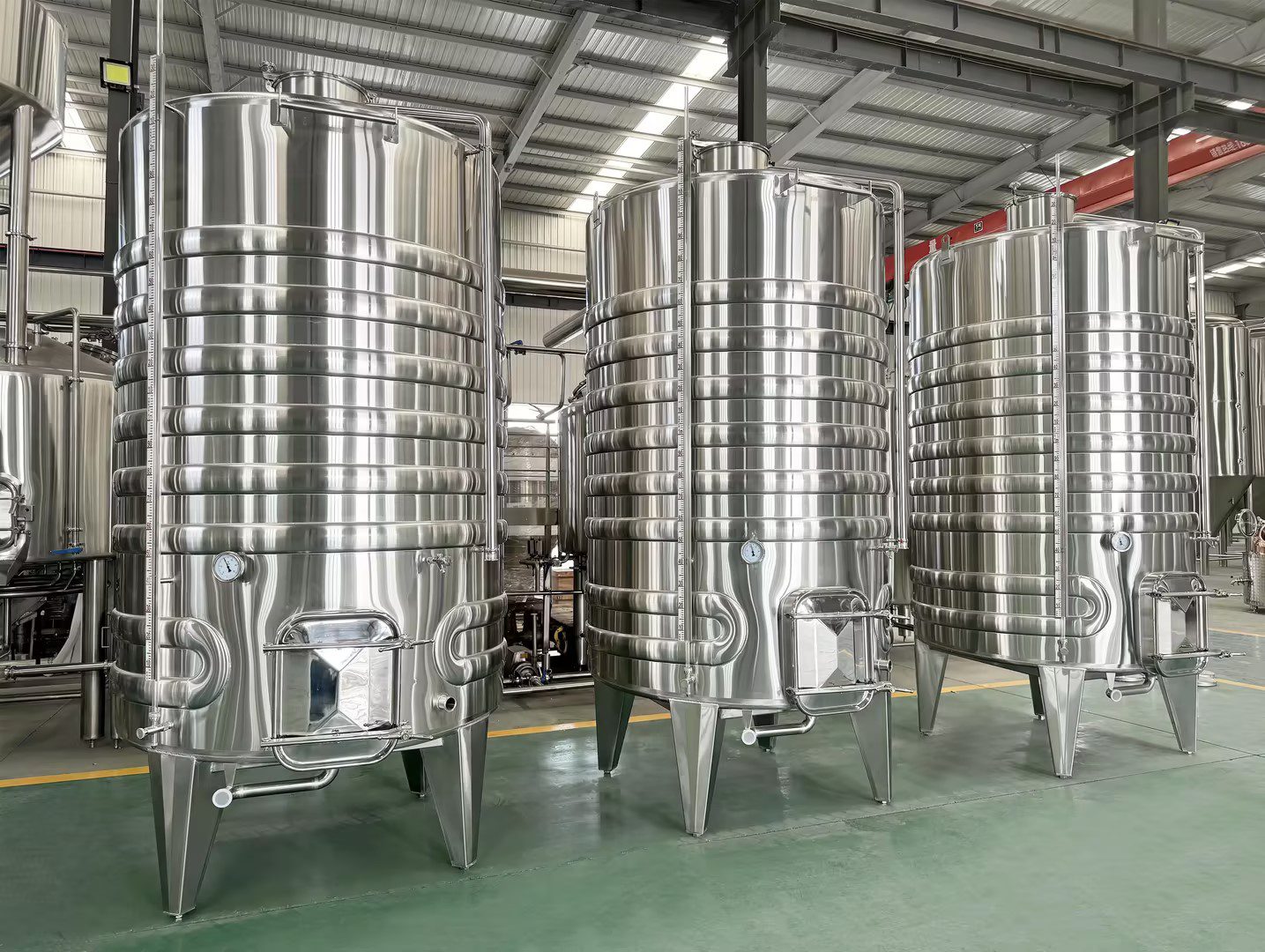
증류 후 증류액은 임시 보관, 증명 조정, 블렌딩, 여과, 숙성 또는 병입이 필요할 수 있습니다. 저장 탱크는 증류주 수집, 블렌딩, 희석, 휴식 또는 대량 저장에 사용됩니다. 일반적으로 스테인리스 스틸로 만들어지며 위생 밸브, 레벨 표시기, 통풍구, 맨웨이 및 청소 연결부가 장착되어 있습니다.
증류 도구는 증류주가 알코올 도수를 확인하는 데 도움이 됩니다. 비중계 또는 알코올 도수계는 일반적으로 온도 보정을 통해 증류주 도수 또는 ABV를 측정하는 데 사용됩니다. 전문 사업장에서는 특히 세금, 라벨링 및 규정 준수를 위해 정확성을 위해 실험실 테스트를 사용할 수도 있습니다.
여과는 주류에 따라 다릅니다. 보드카는 투명도와 부드러움을 개선하기 위해 활성탄 필터를 사용할 수 있습니다. 진은 식물성 입자 제거가 필요할 수 있습니다. 브랜디와 위스키는 풍미 유지가 목표인 경우 여과가 덜 필요할 수 있습니다. 좋은 여과 시스템은 원하는 특성을 제거하지 않고도 제품 품질을 향상시켜야 합니다.
| 장비 | 목적 |
|---|---|
| 정신 수신기 | 응축기에서 증류액을 수집합니다. |
| 저장 탱크 | 블렌딩 또는 포장 전 증류주 보관 |
| 교정 탱크 | 희석 및 증명 조정 지원 |
| 비중계 / 알코올 농도계 | 알코올 도수 확인 |
| 활성탄 필터 | 보드카 연마에 일반적 |
| 카트리지 또는 플레이트 여과 | 병입 전 입자 제거 |
| 블렌딩 탱크 | 배치 믹스 또는 맛 조절 |
| 수동 보틀링 라인 | 소규모 공예품 제작에 적합 |
양조장 내 위생을 지원하는 청소 장비에는 어떤 것이 있나요?
양조장 내 위생은 맛, 안전, 생산 효율성에 영향을 미칩니다. 청소 장비에는 다음이 포함될 수 있습니다. CIP 시스템, 스프레이 볼, 청소 펌프, 화학 탱크, 호스, 배수 시스템 및 위생 피팅을 포함합니다. CIP는 제자리 청소를 의미합니다. 탱크와 파이프를 완전히 분해하지 않고도 청소할 수 있습니다.
증류기 세척은 단순한 헹굼과는 다릅니다. 매시 잔여물, 효모, 과일 펄프, 설탕 침전물, 식물성 오일, 미네랄 스케일이 장비에 쌓일 수 있습니다. 이러한 잔여물이 시스템 내부에 남아 있으면 다음 배치에 영향을 미칠 수 있습니다.
잘 설계된 청소 설정이 뒷받침되어야 합니다:
- 안전한 화학 물질 순환
- 손쉬운 배수
- 사각지대 없음
- 매끄러운 내부 표면
- 접근 가능한 밸브
- 필요한 경우 탈착식 필터
- 정기 검사
- 문서화된 청소 단계
B2B 구매자에게 이것은 저가형 장비와 전문가용 장비의 가장 큰 차이점 중 하나입니다. 증류소 장비. 청소가 어려운 스틸이나 탱크는 가동 중단 시간, 인건비, 품질 문제로 인해 비용이 많이 들게 됩니다.
위스키, 보드카, 진, 브랜디, 에센셜 오일에는 어떤 장비가 필요하나요?
제품마다 다른 증류 장비가 필요합니다. 위스키 증류에는 매시 요리, 발효 탱크를 사용하는 경우가 많습니다, 냄비 스틸 또는 하이브리드 스틸, 콘덴서, 증류주 리시버, 배럴 및 저장 공간이 필요합니다. 브랜디는 과일 가공, 발효, 증류, 그리고 종종 숙성이 필요합니다.
보드카나 진은 다른 계획이 필요합니다. 보드카는 일반적으로 더 깨끗하고 도수가 높은 증류주가 필요하므로 컬럼 증류, 환류 제어, 증명 및 여과가 더 중요할 수 있습니다. 진은 증류주 스타일에 따라 침식, 증기 주입 또는 진 바스켓을 통해 식물성 향을 첨가해야 할 수 있습니다.
에센셜 오일은 음료용 알코올은 아니지만 일부 장비 원리가 겹치는 부분이 있습니다. 에센셜 오일 증류에는 증기 증류, 식물 재료 바구니, 응축기, 유수 분리기, 스테인리스 스틸 용기가 사용되는 경우가 많습니다. 설계의 초점은 아로마 포집, 식물 재료 처리 및 분리입니다.
| 제품 | 공통 장비 포커스 |
|---|---|
| 위스키 | 매시 툰, 발효기, 팟 스틸, 콘덴서, 배럴 숙성 |
| 보드카 | 컬럼 스틸, 역류, 여과, 교정 탱크 |
| 진 | 뉴트럴 스피릿 시스템, 식물성 바구니, 향 조절 기능 |
| 브랜디 | 과일 발효, 포트 스틸, 저장 탱크 |
| 럼 | 당밀 취급, 발효, 포트 또는 컬럼 증류 |
| 에센셜 오일 | 증기 발생기, 플랜트 바스켓, 응축기, 분리기 |
1000L 증류 시스템은 성장하는 수제 양조장에 적합할 수 있지만 크기만으로는 충분하지 않습니다. 가열 방식, 콘덴서 용량, 기둥 디자인, 청소 접근성, 건물 유틸리티가 제품과 일치해야 합니다.
상업용 증류 프로젝트에서 고려해야 할 안전 및 규정 준수 장비는 무엇인가요?
상업용 증류에는 인화성 액체와 에탄올 증기가 포함됩니다. OSHA 지침에 따르면 에탄올과 같은 인화성 액체에 대한 공학적 제어는 인화성 증기 방출을 방지 또는 제어하고 점화원을 제거하는 데 중점을 둡니다.
양조장에서는 다음과 같은 안전 장비 및 설계 기능을 고려해야 합니다:
- 적절한 환기
- 필요한 경우 방폭형 전기 부품
- 접지 및 본딩
- 안전한 알코올 보관
- 온도 및 압력 모니터링
- 비상 차단
- 화재 방지
- 유출 제어
- 명확한 배수
- 안전한 액세스 플랫폼
- 현지 규정을 준수하는 객실 디자인
법률 준수도 중요합니다. 미국에서는 증류주 공장 운영, 허가, 등록, 생산, 병입, 가공, 보관 및 관련 규정 준수 주제에 대한 TTB 규정이 적용됩니다. 음료 증류주 공장에서 증류주를 생산, 병입, 정제, 가공 또는 보관할 수 있지만 운영자는 해당 규정을 준수해야 합니다.
이 도움말은 법률 자문이 아닙니다. 모든 상업용 양조장은 장비를 구매하거나 설치하기 전에 현지 법률, 주류 면허 규정, 소방법, 전기법, 환경 요건을 확인해야 합니다.
B2B 구매자는 상업용 양조장 장비를 어떻게 선택해야 할까요?
B2B 구매자는 카탈로그 사진이 아닌 공정별로 상업용 증류 장비를 선택해야 합니다. 스타트업 양조장, 기존 양조장, 레스토랑 체인, 음료 공동 포장업체, 유통업체 또는 프로젝트 투자자는 제품 이름이 비슷하더라도 매우 다른 장비가 필요할 수 있습니다.
실용적인 구매 체크리스트:
| 질문 | 중요한 이유 |
|---|---|
| 어떤 정신을 만들어내시겠습니까? | 위스키, 보드카, 진, 브랜디, 럼 또는 에센셜 오일은 각기 다른 시스템이 필요합니다. |
| 어떤 배치 크기가 필요하신가요? | 스틸 부피, 발효기 크기 및 가열 부하를 정의합니다. |
| 어떤 원재료를 사용하시나요? | 곡물, 과일, 당밀 또는 식물성 재료는 매시 및 세척에 영향을 미칩니다. |
| 팟 스틸 또는 컬럼 스틸? | 풍미, 증명 및 생산 스타일 제어 |
| 어떤 가열 방법을 사용할 수 있나요? | 증기, 전기, 가스 또는 열유는 레이아웃과 비용에 영향을 미칩니다. |
| 구리 접촉이 필요하신가요? | 일부 증류주 스타일 및 아로마 타깃에 중요 |
| 어떤 증명 대상이 필요하나요? | 역류, 열 디자인 및 수집 전략에 영향을 미칩니다. |
| 시스템을 어떻게 청소하나요? | CIP, 액세스, 밸브 및 가동 중지 시간 결정 |
| 어떤 포장 방법을 계획하고 있나요? | 수동 병입 라인 또는 자동 충전이 레이아웃에 미치는 영향 |
| 어떤 지원이 필요하나요? | CAD/3D 레이아웃, 설치 안내 및 기술 서비스로 위험 감소 |
저희의 전문적인 경험에 따르면, 많은 증류소 프로젝트가 계획 단계에서 실패하는 이유는 구매자가 증류기에만 집중하기 때문입니다. 스틸도 중요하지만 발효기, 응축기, 냉각 시스템, 청소 계획, 저장 탱크 및 안전 설계도 그에 못지않게 중요합니다.
모든 증류소에 적용되지 않는 권장 사항은 무엇인가요?
모든 양조장에 동일한 시스템이 필요한 것은 아닙니다. 소규모 수제 증류주 양조장에는 높은 자동화 수준보다 유연성이 더 필요할 수 있습니다. 보드카 생산업체는 칼럼 스틸과 여과 장치가 필요할 수 있습니다. 위스키 생산업체는 전통적인 포트 스틸 방식을 선호할 수 있습니다. 브랜디 생산자는 과일 처리와 부드러운 증류에 집중할 수 있습니다. 코패커는 반복 가능한 세척, 빠른 전환, 배치 문서화가 필요할 수 있습니다.
중요한 장단점은 다음과 같습니다:
- 팟 스틸과 컬럼 스틸: 풍미 특성 대 더 높은 증명 및 분리.
- 구리 대 스테인리스 스틸: 향기 관리 대 세척, 비용, 내구성 비교.
- 수동 제어 대 자동 제어: 초기 비용 절감과 반복 가능한 작업.
- 소량 배치 대 대량 배치: 제품 유연성 대 규모의 경제.
- 개방형 레이아웃 대 컴팩트한 레이아웃: 손쉬운 서비스 접근성 대 제한된 건물 공간.
- 기본 필터링과 고급 필터링 비교: 풍미 유지 대 선명도 및 부드러움.
최고의 시스템은 가장 비싼 시스템이 아닙니다. 제품, 생산 능력, 안전 요구 사항, 장기적인 비즈니스 계획에 가장 적합한 시스템입니다.
실제 사례 연구: 1000L 크래프트 증류 시스템 계획
한 신생 증류소가 위스키와 진을 위한 1000L 시스템을 원했습니다. 처음에 구매자는 스틸 가격만 요구했습니다. 프로젝트를 검토한 결과 발효 용량, 냉각, 식물 취급, 증명, 보관, 청소, 실용적인 수동 병입 라인이 필요하다는 사실을 알게 되었습니다.
최종 장비 계획이 포함되었습니다:
| 필요 | 장비 솔루션 |
|---|---|
| 위스키 매시 준비 | 온도 및 혼합 제어를 통한 매시 튠 |
| 발효 | 배치 일정에 맞는 크기의 스테인리스 스틸 발효기 |
| 위스키 증류 | 구리 접촉부와 콘덴서가 있는 포트 스틸 |
| 진 유연성 | 식물 바구니 및 제어된 증기 경로 |
| 냉각 | 응축기 냉각수 시스템 |
| 정신 처리 | 입고 탱크, 교정 탱크, 저장 탱크 |
| 청소 | CIP 펌프 및 위생 스프레이 연결 |
| 포장 | 소량 출시를 위한 수동 병입 라인 |
| 레이아웃 | 워크플로 및 유틸리티 액세스를 위한 CAD/3D 계획 |
이 프로젝트는 좋은 증류소 장비는 증류의 순간뿐만 아니라 전체 생산 체인을 지원해야 한다는 공통된 교훈을 보여주었습니다.
증류 장비에 대한 FAQ
증류소에는 어떤 장비가 사용되나요?
증류소에서는 매시 장비, 발효기, 스틸, 콘덴서, 환류 시스템, 증류주 리시버, 저장 탱크, 펌프, 밸브, 배관, 여과 시스템, 교정 도구, 세척 장비 등을 사용합니다. 보틀링 장비.
양조장에서 가장 중요한 장비는 무엇인가요?
스틸은 가장 눈에 잘 띄는 장비이지만 발효기, 응축기, 냉각 시스템, 세척 시스템도 필수적입니다. 발효가 제대로 이루어지지 않거나 응축이 제대로 이루어지지 않으면 스틸을 잘 만들었더라도 품질이 저하될 수 있습니다.
팟 스틸과 컬럼 스틸의 차이점은 무엇인가요?
팟 스틸은 일반적으로 위스키, 럼, 브랜디와 같은 향이 강한 증류주 및 배치 증류에 사용됩니다. 컬럼 스틸은 플레이트나 패킹을 사용하여 더 강력한 분리와 높은 증류를 위해 보드카, 진 베이스 스피릿 및 중성 알코올에 유용합니다.
증류 장비에 스테인리스 스틸과 구리 중 어느 것이 더 낫나요?
둘 다 유용할 수 있습니다. 스테인리스 스틸은 내구성이 뛰어나고 위생적이며 세척이 쉽습니다. 구리는 유황 화합물 관리에 도움이 되며 많은 위스키 및 브랜디 스틸에 전통적으로 사용됩니다. 많은 상업용 시스템은 스테인리스 스틸과 구리 접촉부를 결합합니다.
양조장에 매시 튠이 필요한가요?
곡물이나 기타 전분 기반 원재료로 증류주를 만드는 경우 매시 튠이 필요합니다. 와인, 사이다, 과일 세척액 또는 구입한 중성 증류주에서 증류하는 경우에는 필요한 매시 튠 장비가 다를 수 있습니다.
보드카나 진에는 어떤 장비가 필요하나요?
보드카는 일반적으로 컬럼 증류, 환류 제어, 증명, 여과 및 깨끗한 보관이 필요합니다. 진은 중성 증류주 취급, 식물 향료, 진 바스켓 또는 침식 탱크, 콘덴서, 보관, 여과 및 병입 장비가 필요할 수 있습니다.
집에서 술을 증류하는 것이 합법인가요?
법률은 국가와 지역에 따라 다릅니다. 미국에서는 음료 증류주 생산이 규제되며, 상업적 운영을 위해서는 적절한 승인과 규정 준수가 필요합니다. 증류하기 전에 항상 현지 주류 관련 법률을 확인하세요.
주요 내용
증류소 장비에는 증류기 그 이상의 것이 포함됩니다.
전체 시스템에는 매시튠, 발효기, 스틸, 응축기, 환류 컬럼, 수용 탱크, 저장 탱크, 여과, 교정, CIP 세척 및 병입 장비가 포함될 수 있습니다.
팟 스틸은 위스키나 브랜디와 같은 향이 강한 증류주에 자주 사용됩니다.
컬럼 스틸은 보드카나 중성 알코올과 같은 도수가 높은 증류주에 주로 사용됩니다.
발효 품질은 증류액 품질과 수율에 큰 영향을 미칩니다.
안전한 증기 제어를 위해서는 콘덴서 크기와 냉각수 공급이 매우 중요합니다.
구리 접촉은 일부 증류 시스템에서 황 화합물 감소에 영향을 미칠 수 있습니다.
스테인리스 스틸은 위생적이고 내구성이 뛰어나며 세척이 쉽기 때문에 널리 사용됩니다.
상업용 증류는 에탄올과 알코올 증기가 가연성이기 때문에 철저한 안전 계획이 필요합니다.
최적의 증류소 장비 계획은 주류 유형, 배치 크기, 건물 레이아웃, 난방 방식, 청소 워크플로, 법적 요구 사항 및 향후 성장에 부합해야 합니다.
증류소 프로젝트에서 가장 안전한 다음 단계는 공정 검토입니다. 증류주 종류, 배치 용량, 열원, 건물 유틸리티, 청소 계획, 포장 방법, 현지 규정 준수 요구 사항을 확인한 후 증류주 규모 또는 전체 장비 레이아웃을 선택해야 합니다.
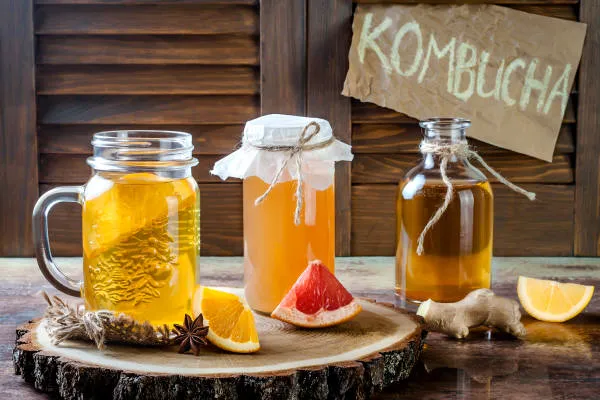
콤부차를 만들려면 어떤 장비가 필요할까요? 가정 및 상업적 규모의 콤부차 양조에 대한 실용적인 가이드
잘못된 콤부차 장비는 약한 발효, 곰팡이 위험, 밋밋한 맛, 지저분한 병입 또는 병의 안전하지 않은 압력으로 이어질 수 있습니다. 집에서 콤부차를 양조하든 상업적 생산을 계획하든 올바른 도구를 사용하면 맛, 안전성, 탄산, 반복 가능한 품질을 제어할 수 있습니다.
콤부차를 만들려면 차, 사탕수수 설탕, 물, 스코비, 스타터 차, 깨끗한 유리병 또는 스테인리스 스틸 발효 탱크, 통기성 커버, 고무 밴드, 온도계, pH 테스트 스트립 또는 미터, 스트레이너, 2차 발효용 병, 청소 도구가 필요합니다. 상업용 콤부차 양조에는 위생 탱크, CIP 세척, 냉각, 여과, 탄산화, 충전 및 품질 관리 장비도 필요합니다.
경영진 요약
콤부차는 가당 차와 발효를 촉진하는 박테리아와 효모의 배양액인 스코비를 넣어 만든 발효차입니다.
안전한 홈메이드 콤부차를 위해서는 pH 조절이 중요합니다. 콜로라도 주립 대학교는 콤부차를 안전하게 섭취하려면 pH 4.2 이하로 유지하되, pH 2.5 이하로 내려가서는 안 된다고 말합니다.
홈브루는 유리병, 커피 필터 또는 티 타월, 고무 밴드, 스타터 티, 콤부차 스코비, 온도계, 테스트 스트립, 유리병으로 시작할 수 있습니다.
2차 발효는 탄산을 생성하지만 병에 압력이 생길 수 있으므로 병 선택과 모니터링이 중요합니다.
상업용 콤부차를 생산하려면 스테인리스 스틸 발효 탱크, 위생적인 설계, 온도 제어, pH/TA 테스트, 안전한 포장 및 공정 기록이 필요합니다.
홈메이드 콤부차, 탭룸 스타일의 배치, 음료 공동 포장, 확장 가능한 공장 생산 등 목표에 따라 가장 적합한 장비가 달라집니다.
기사 개요
콤부차 양조란 무엇이며 장비가 중요한 이유는 무엇인가요?
집에서 콤부차를 만들려면 어떤 기본 장비가 필요하나요?
스코비, 스타터 티, 가당 차가 필수인 이유는 무엇인가요?
어떤 병, 뚜껑, 고무 밴드, 양조 용기를 사용해야 하나요?
발효, 온도, pH를 제어하는 데 도움이 되는 도구에는 어떤 것이 있나요?
2차 발효와 탄산을 위해 어떤 병이 필요하나요?
간단한 1갤런 레시피로 콤부차를 어떻게 만들 수 있나요?
상업용 콤부차 양조에는 어떤 장비가 필요하나요?
DIY 콤부차 키트와 전문 시스템 사이에는 어떤 장단점이 있나요?
음료 업체는 콤부차 장비를 어떻게 선택해야 하나요?
콤부차 양조란 무엇이며 장비가 중요한 이유는 무엇인가요?
콤부차 양조는 가당 차를 스코비로 발효시키는 과정입니다. 스코비라는 단어는 박테리아와 효모의 공생 배양을 의미합니다. 발효하는 동안 효모와 박테리아가 함께 작용하여 설탕과 차를 시큼하고 가벼운 탄산 발효차로 변화시킵니다. 연구에 따르면 콤부차는 아세트산 박테리아와 효모로 구성된 셀룰로오스 펠리클로 상온에서 발효시킨 당분이 함유된 차라고 설명합니다.
콤부차는 살아 있기 때문에 장비가 중요합니다. 첫 발효 시에는 공기가 필요하고, 깨끗한 도구, 적절한 실내 온도, 충분한 스타터 티, 안전한 용기가 필요합니다. 도구가 좋지 않으면 발효 속도가 느려지거나 초파리가 생기거나 오염 위험이 높아지거나 맛이 일정하지 않을 수 있습니다. 이는 집에서 입구가 넓은 병에 콤부차를 만들든 상업용 음료 시설에서 생산하든 마찬가지입니다.
양조장, 증류소, 와이너리, 콤부차, 음료 장비 제조업체에서 일한 경험을 바탕으로 저는 보통 구매자에게 한 가지를 먼저 이야기합니다: 콤부차 장비 는 높은 생산량을 지원하기 전에 깨끗한 발효를 지원해야 합니다. 공정이 청소하기 어렵거나 테스트하기 어렵거나 반복하기 어려운 경우 큰 탱크는 유용하지 않습니다.
집에서 콤부차를 만들려면 어떤 기본 장비가 필요하나요?
집에서 콤부차를 만들려면 간단하지만 깨끗한 도구가 필요합니다. 초보 홈브루어에게는 일반적으로 유리병, 차, 유기농 사탕수수 또는 사탕수수 설탕, 스타터 액, 콤부차 스코비, 통기성 커버, 고무 밴드, 온도계, pH 테스트 스트립, 여과기, 2차 발효를 위한 유리병이 필요합니다.
기본적인 홈메이드 콤부차 장비 목록은 다음과 같습니다:
| 장비 | 필요한 이유 |
|---|---|
| 유리병 또는 양조용 용기 | 달콤한 차, 스타터, 스코비를 보관할 수 있습니다. |
| SCOBY | 발효 과정 시작 |
| 스타터 차 | 맥주를 산성화하고 배치를 보호합니다. |
| 티백 또는 루스 리프 티 | 영양소와 풍미 제공 |
| 사탕수수 설탕 | 효모와 박테리아 공급 |
| 커피 필터 또는 티 타월 | 공기의 흐름을 허용하면서 병을 덮습니다. |
| 고무 밴드 | 덮개를 고정하고 초파리를 막아줍니다. |
| 온도계 | 실내 온도 모니터링에 도움 |
| pH 테스트 스트립 또는 미터 | 산도 및 안전 범위 확인 |
| 스트레이너 | 찻잎이나 과일 조각을 제거합니다. |
| 유리병 | 2차 발효 및 탄산음료에 사용 |
초보자의 경우, 이 설정만으로도 충분히 양조를 시작할 수 있습니다. DIY 콤부차 키트에는 이러한 품목이 많이 포함되어 있을 수 있지만 병, 병, 테스트 스트립의 품질을 확인해야 합니다. 저렴한 병은 병을 조절하는 동안 압력을 잘 견디지 못할 수 있습니다.
스코비, 스타터 티, 가당 차가 필수인 이유는 무엇인가요?
코비는 콤부차 양조의 핵심입니다. 흔히 펠리클이라고 불리는 창백하고 고무 같은 층처럼 보입니다. 이 펠리클은 배양균이 달콤한 차를 발효시키면서 표면에 형성됩니다. 코비 배양에 대한 연구에 따르면 콤부차 커뮤니티에는 일반적으로 효모와 아세트산 박테리아가 포함되며, 많은 샘플에서 브레타노마이세스, 코마가타이박터와 같은 일반적인 속이 발견됩니다.
스타터 티는 스코비만큼이나 중요합니다. 처음에 새 배치의 pH를 낮춰줍니다. 이렇게 하면 원치 않는 미생물이 덜 서식하게 됩니다. 콜로라도 주립대학교는 산성화가 콤부차가 안전한 pH에 도달하고 오염 위험을 줄이는 데 도움이 된다고 설명합니다.
가당 차는 음식을 제공합니다. 홍차, 녹차 또는 홍차와 녹차를 혼합한 차를 사용할 수 있습니다. 효모는 설탕을 소비하고 박테리아가 유기산으로 전환하는 화합물을 생성합니다. 설탕이 충분하지 않으면 콤부차가 느려질 수 있습니다. 스타터가 충분하지 않으면 배치가 충분히 빨리 산성화되지 않을 수 있습니다.
어떤 용기, 뚜껑, 고무 밴드, 양조 용기를 사용해야 하나요?
집에서 콤부차를 만들 때는 일반적으로 입구가 넓은 유리 병을 사용하는 것이 가장 쉽습니다. 유리는 속이 훤히 들여다보이고 세척하기 쉬우며 산성 콤부차와 반응하지 않습니다. 소량의 콤부차를 만들 때는 1갤런 병을 사용하는 것이 일반적입니다. 새로운 콤부차 레시피나 다른 맛을 테스트할 때는 0.5갤런 병도 유용합니다.
커피 필터, 티 타월 또는 촘촘하게 짠 통기성 천으로 병을 덮어야 합니다. 뚜껑을 덮으면 산소는 들어오지만 초파리, 먼지, 벌레는 들어가지 않아야 합니다. 고무 밴드로 병뚜껑을 단단히 고정합니다. 코비는 산소가 필요하므로 첫 번째 발효를 밀폐 뚜껑으로 밀봉하지 마세요.
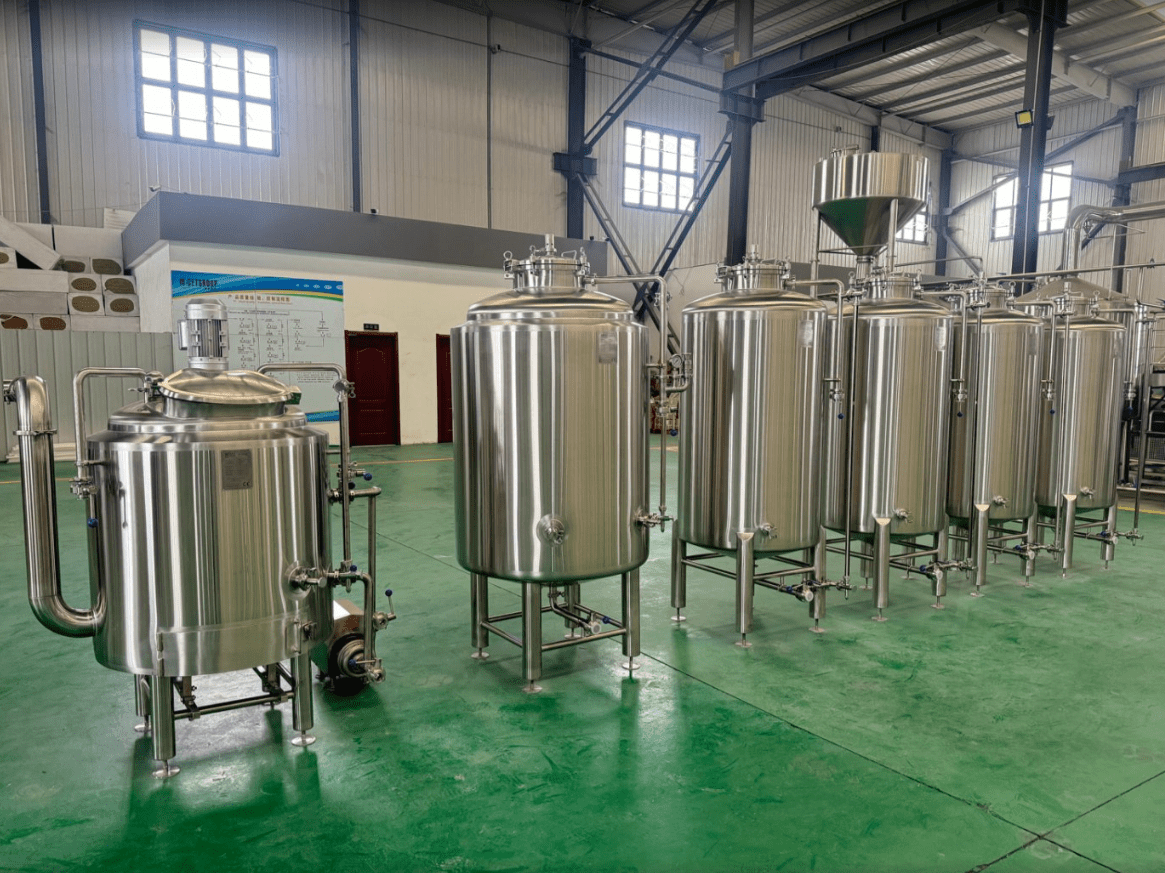
상업적 생산의 경우 일반적으로 식품 등급의 스테인리스 스틸이 선호됩니다. 스테인리스 스틸은 더 튼튼하고 위생적이며 세척이 용이하고 생산량을 조절하기에 더 좋습니다. 상업용 콤부차 탱크에는 맨웨이, 위생 밸브, CIP 스프레이 볼, 냉각 재킷, 샘플 밸브, 온도 프로브, 스피곳 또는 랙 배출구(옵션)가 포함될 수 있습니다.
발효, 온도, pH를 제어하는 데 도움이 되는 도구는 무엇인가요?
콤부차 발효는 온도, 시간, 산도, 스타터 강도, 배양균의 건강 상태에 따라 달라집니다. 간단한 온도계로 실내 온도를 확인할 수 있습니다. 콤부차는 보통 상온에서 발효되지만 너무 차가운 방에서는 발효 속도가 느려질 수 있고, 지나치게 따뜻한 방에서는 산 생성이 빨라질 수 있습니다.
pH 테스트 스트립이나 pH 측정기를 사용하면 산도를 모니터링하는 데 도움이 됩니다. 콜로라도 주립대학에서는 안전한 콤부차는 pH 4.2 이하, pH 2.5 이상이어야 한다고 명시하고 있습니다. 이것이 바로 테스트 스트립이 단순한 “추가 도구”가 아닌 이유입니다. 테스트 스트립은 양조가 올바른 방향으로 진행되고 있는지 확인하는 데 도움이 됩니다.
가정에서는 일반적으로 테스트 스트립으로 충분합니다. 전문적인 음료 생산의 경우 pH 측정기, 적정 산도 테스트, 알코올 테스트, 온도 기록, 배치 기록, 위생 점검이 더 중요해집니다. 0.5% ABV를 초과하는 콤부차는 미국에서 알코올 음료로 규제될 수 있으므로 상업용 생산자는 알코올 테스트를 신중하게 진행해야 합니다.
2차 발효와 탄산을 위해 어떤 병이 필요하나요?
첫 번째 발효가 끝나면 많은 브루어들은 완성된 콤부차를 병에 옮겨 두 번째 발효를 진행합니다. 이 단계에서는 향과 탄산이 첨가됩니다. 과일 주스, 허브, 생강, 딸기, 감귤류 또는 기타 향료 성분으로 다양한 풍미를 만들 수 있습니다. 효모는 소량의 설탕을 소비하고 이산화탄소를 생성하여 탄산을 생성합니다.
발효 음료용으로 설계된 플립탑 병과 같이 압력을 견딜 수 있도록 제작된 튼튼한 유리병을 사용하세요. 약한 장식용 병은 사용하지 마세요. 2차 발효 중에 압력이 생길 수 있습니다. 병이 너무 약하거나 과도하게 채워지거나 따뜻한 온도에 너무 오래 방치하면 병이 새거나 깨질 수 있습니다.
2차 발효는 세심한 관리가 필요합니다. 깨끗한 병을 사용하고, 헤드 스페이스를 남겨두고, 설탕을 과도하게 넣지 말고, 탄산이 완성되면 냉장 보관하세요. 상업용 콤부차의 경우 브라이트 탱크, 탄산석, 압력 등급 용기를 사용하여 탄산을 더 안전하게 제어할 수 있습니다. 충전 시스템.
간단한 1갤런 레시피로 콤부차를 어떻게 만들 수 있나요?
간단한 1갤런 콤부차 레시피는 보통 끓인 차, 설탕, 스타터 차, 스코비로 시작합니다. 정확한 비율은 레시피와 배양 농도에 따라 다르지만 기본 과정은 쉽게 이해할 수 있습니다.
초보자 프로세스는 다음과 같습니다:
- 티백이나 루스 리프 티로 차를 끓입니다.
- 차가 뜨거울 때 사탕수수 설탕을 넣고 녹을 때까지 저어줍니다.
- 달콤한 차를 실온으로 식힙니다.
- 깨끗한 유리병에 붓습니다.
- 스타터 티와 콤부차 스쿠비를 추가합니다.
- 커피 필터나 티 타월로 병을 덮으세요.
- 고무 밴드로 고정합니다.
- 실온에서 발효시킵니다.
- 며칠 후에 맛을 보세요.
- 완성된 콤부차를 병에 담아 향을 내거나 2차 발효를 진행합니다.
- 다음 배치를 위해 스타터 티와 스코비를 저장하세요.
콜로라도 주립 대학교에 따르면 콤부차는 보통 7~10일 동안 발효되지만, 발효 시간은 조건과 원하는 맛에 따라 달라질 수 있다고 합니다. 더 짧게 양조할수록 더 단맛이 날 수 있습니다. 오래 끓일수록 신맛이나 식초 맛이 강해질 수 있습니다. 배치에서 썩은 냄새가 나거나 흐릿한 곰팡이가 생기거나 안전하지 않은 것처럼 보이면 버리세요.
상업용 콤부차 양조에는 어떤 장비가 필요하나요?
상업용 콤부차 양조에는 홈메이드 콤부차보다 더 강력하고 깨끗하며 통제된 장비가 필요합니다. 음료 생산업체는 모든 배치에서 동일한 맛, 산도, 탄산 및 포장 품질을 반복해야 합니다. 이를 위해서는 유리병 이상의 장비가 필요합니다.
상업용 콤부차 라인에는 다음이 포함될 수 있습니다:
| 프로세스 단계 | 전문 장비 |
|---|---|
| 차 끓이기 | 온수 탱크, 차 추출 용기, 필터 또는 스트레이너 |
| 설탕 혼합 | 혼합 탱크, 교반기, 투약 시스템 |
| 냉각 | 판형 열교환기 또는 재킷형 냉각 탱크 |
| 발효 | 위생 피팅이 있는 스테인리스 스틸 발효 탱크 |
| 문화 처리 | 스코비 취급 도구, 스타터 탱크, 위생 이송 장치 |
| 테스트 | pH 측정기, 온도계, 알코올 테스트, 산도 테스트 |
| 향료 | 혼합 탱크, 과일 주스 주입, 재료 여과 |
| 탄산 | 브라이트 탱크, 탄산석, CO₂ 제어 |
| 필터링 | 스트레이너, 멤브레인 필터 또는 제품별 필터링 |
| 포장 | 병 필러, 통조림 라인, 케그 필러, 라벨링 기계 |
| 청소 | CIP 펌프, CIP 탱크, 스프레이 볼, 위생 밸브 |
스타트업 콤부차 브랜드의 경우, 모든 품목이 첫날부터 전자동으로 작동할 필요는 없습니다. 하지만 장비는 위생적이고 확장 가능하며 청소하기 쉬워야 합니다. 레이아웃이 잘못되면 매일 노동력이 낭비될 수 있습니다. 좋은 레이아웃은 차를 우려내는 것부터 발효, 향, 탄산, 충전에 이르기까지 원활한 움직임을 지원합니다.
DIY 콤부차 키트와 전문 시스템 간의 장단점은 무엇인가요?
DIY 콤부차 키트는 배우기에 좋습니다. 저렴하고 작으며 사용하기 쉽습니다. 큰 투자 없이 홍차, 녹차, 과일 주스, 루스 잎차 및 다양한 맛을 테스트할 수 있습니다. 하지만 DIY 키트는 강력한 공정 제어나 상업적 용량을 제공하지 않습니다.
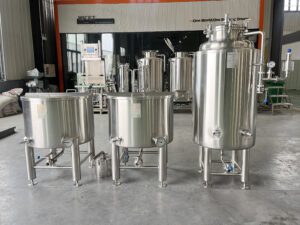
전문 콤부차 시스템은 비용이 더 들지만 위생, 반복성, 온도 제어 및 생산 계획이 더 우수합니다. 또한 수작업이 줄어듭니다. 음료 공동 포장업체, 콤부차 생산업체, 브루펍 체인, 프로젝트 투자자에게 이러한 이점은 장기적인 위험을 줄일 수 있습니다.
| 옵션 | 이점 | 제한 사항 |
|---|---|---|
| DIY 콤부차 키트 | 저렴한 비용, 쉬운 시작 | 작은 볼륨, 적은 제어 |
| 유리병 홈브루 | 간단하고 눈에 잘 띄는 | 확장 불가능 |
| 소형 스테인리스 탱크 | 더 튼튼하고 깨끗하게 | 더 높은 초기 비용 |
| 재킷형 발효기 | 더 나은 온도 제어 | 유틸리티 필요 |
| 전체 상용 라인 | 확장성 및 효율성 | 계획과 자본이 필요합니다. |
올바른 선택은 목적에 따라 달라집니다. 홈메이드 콤부차만 만들고 싶다면 간단한 도구를 사용하세요. 음료 사업을 하려면 위생, 테스트, 충전, 냉각 및 반복 가능한 생산을 계획하세요.
음료 업체는 콤부차 장비를 어떻게 선택해야 할까요?
B2B 구매자는 탱크 용량만 보고 콤부차 장비를 선택해서는 안 됩니다. 비즈니스 모델부터 시작하세요. 생 콤부차, 병에 담긴 콤부차, 통조림 콤부차, 향이 첨가된 콤부차, 단단한 콤부차 또는 다른 브랜드의 공동 포장 제품을 판매하시나요? 각 모델마다 필요한 장비가 다릅니다.
실용적인 구매자 체크리스트:
| 질문 | 중요한 이유 |
|---|---|
| 목표 배치 크기는 얼마인가요? | 탱크 용량 및 생산 계획 정의 |
| SKU 또는 플레이버는 몇 개인가요? | 향료 탱크 및 스케줄링에 영향을 미칩니다. |
| 탄산이 필요하신가요? | 내압 등급 장비 필요 |
| 병, 캔, 맥주통 또는 벌크 팩? | 충전 및 포장 라인 정의 |
| 목표 pH와 산도는 어떻게 되나요? | 테스트 및 품질 관리 정의 |
| 알코올 조절이 필요하신가요? | 규정 준수 및 라벨링에 중요 |
| 탱크는 어떻게 청소하나요? | CIP 설계 결정 |
| 확장 계획이 있나요? | 레이아웃 및 유틸리티 크기 조정에 영향을 미칩니다. |
| 건물 레이아웃은 어떻게 되나요? | 워크플로 및 설치에 영향을 미칩니다. |
| 어떤 기술 지원이 필요하나요? | 시작 및 시운전 위험 감소 |
전문 양조장, 증류소, 와이너리, 콤부차 및 음료 장비 제조업체로서 우리는 종종 탱크를 추천하기 전에 구매자의 프로세스를 검토합니다. 글로벌 프로젝트의 경우 공장 직접 공급, CAD/3D 레이아웃 계획, 위생 스테인리스 스틸 장비, 설치 안내 및 장기 기술 서비스를 지원할 수 있습니다.
모든 콤부차 프로젝트에 적용되지 않는 권장 사항은 무엇인가요?
모든 콤부차 프로젝트에 동일한 장비가 필요한 것은 아닙니다. 홈 브루어에게는 스테인리스 스틸 CIP 시스템이 필요하지 않습니다. 소규모 탭룸에는 고속 통조림 라인이 필요하지 않을 수 있습니다. 대형 음료 공동 포장업체는 오픈 병이나 수동 병입에 의존해서는 안 됩니다.
몇 가지 절충안이 중요합니다:
- 유리병은 학습용으로는 좋지만 확장 가능한 상업용 결과물에는 적합하지 않습니다.
- 개방형 발효는 산소 노출을 지원할 수 있지만 벌레와 오염으로부터 보호해야 합니다.
- 2차 발효를 통해 콤부차를 탄산음료로 만들 수 있지만, 압력 위험은 관리해야 합니다.
- 자동화가 확대되면 인건비는 절감되지만 초기 투자 비용이 증가합니다.
- 필터링은 선명도를 향상시키지만 라이브 배양 프로필을 변경할 수 있습니다.
- 강제 탄산은 일관성을 향상시키지만 크래프트 스타일의 병 컨디셔닝 방식에 변화를 가져옵니다.
전문가의 조언은 항상 실제 프로세스, 현지 규정 및 시장 계획과 일치해야 합니다. 레스토랑 체인을 위한 콤부차, 소매점 진열대를 위한 콤부차, 소규모 시음장을 위한 콤부차는 서로 다른 프로젝트입니다.
실용적인 사례 연구: 홈메이드 콤부차부터 소규모 상업용 생산까지
한 스타트업 음료 팀이 유리병으로 홈메이드 콤부차를 성공적으로 만든 후 저희를 찾아왔습니다. 맛은 좋았지만 산도가 일정하지 않고, 병입이 느리고, 생산량이 제한되어 있다는 세 가지 문제가 있었습니다. 그들은 신선한 발효차의 특성을 잃지 않으면서도 규모를 확장하고 싶었습니다.
단계별 장비 계획을 제안했습니다:
| 문제 | 장비 기반 개선 |
|---|---|
| 일관성 없는 pH | pH 측정기, 배치 기록, 제어된 스타터 비율 추가 |
| 작은 배치 크기 | 항아리에서 스테인리스 스틸 발효 탱크 |
| 슬로우 보틀링 | 반자동 병 채우기 사용 |
| 지저분한 향료 | 과일 주스 및 향료용 소형 혼합 탱크 추가 |
| 불명확한 레이아웃 | 차 추출부터 포장까지 CAD/3D 흐름 생성 |
| 청소 위험 | 위생 밸브 및 CIP 지원 탱크 설계 추가 |
그 결과 콤부차 양조 과정이 더욱 안정적이 되었습니다. 팀은 여전히 콤부차 스타일의 제품을 직접 만들 수 있지만 더 나은 위생, 더 명확한 작업 흐름, 더 강력한 상업적 통제가 가능해졌습니다.
콤부차 장비에 대한 FAQ
집에서 콤부차를 만들려면 어떤 장비가 필요하나요?
유리병, 스코비, 스타터 차, 가당 차, 통기성 커버, 고무 밴드, 온도계, pH 테스트 스트립, 스트레이너, 2차 발효를 위한 유리병이 필요합니다.
스코비 없이 콤부차를 끓여도 되나요?
일반적으로 콤부차 스코비 또는 이전 배치에서 만든 강력한 스타터가 필요합니다. 상점에서 구입한 콤부차는 향이 없고 살아있는 배양균이 들어 있는 날것인 경우에만 효과가 있을 수 있지만, 결과가 느리거나 신뢰할 수 없을 수 있습니다.
콤부차에는 어떤 종류의 병이 가장 적합할까요?
홈 콤부차에는 입구가 넓은 유리병이 가장 좋습니다. 청소하기 쉽고 덮기 쉬우 며 산성 발효 차와 반응하지 않습니다.
홈메이드 콤부차에는 pH 테스트 스트립이 필요한가요?
pH 스트립이나 pH 측정기를 사용하면 발효가 충분히 산성화되고 있는지, 너무 산성화되지 않았는지 확인할 수 있습니다.
2차 발효에 가장 적합한 병은 무엇인가요?
발효 음료용으로 설계된 플립탑 병과 같은 강한 압력 등급의 유리병을 사용하세요. 탄산으로 인해 압력이 높아질 수 있으므로 약한 병은 피하세요.
상업용 콤부차 양조에는 어떤 장비가 필요하나요?
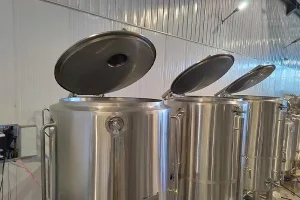
상업용 콤부차 생산에는 스테인리스 스틸 발효 탱크, 차 추출 탱크, 혼합 탱크, 냉각, pH 및 알코올 테스트, 탄산 장비, 여과, 충전 기계가 필요할 수 있습니다, CIP 청소, 및 위생 배관.
콤부차 발효는 얼마나 걸리나요?
많은 가정에서 7~10일 정도 발효시키지만, 시간은 온도, 스타터 강도, 설탕, 차, 스쿠비 건강 상태, 선호하는 맛에 따라 달라집니다.
주요 내용
콤부차를 만들려면 차, 설탕, 물, 스코비, 스타터 차, 깨끗한 병 또는 탱크, 통기성 커버, 테스트 도구, 병이 필요합니다.
안정적인 발효를 위해서는 스코비와 스타터 티가 필수입니다.
홈메이드 콤부차에는 유리병이 적합하고 상업용 양조에는 스테인리스 스틸 탱크가 더 좋습니다.
콤부차는 오염 위험을 줄이기 위해 충분히 산성화되어야 하므로 pH 조절이 중요합니다.
2차 발효로 탄산이 생성되지만 병의 압력을 주의 깊게 관리해야 합니다.
DIY 콤부차 키트는 배우기에는 좋지만 상업적인 프로젝트에는 위생적이고 확장 가능한 장비가 필요합니다.
음료 업체는 배치 크기, 향료, 탄산, 포장, 청소, 규정 준수 등을 고려하여 장비를 계획해야 합니다.
좋은 콤부차 장비는 공정을 더 깨끗하고, 더 안전하고, 더 쉽게 반복할 수 있고, 더 쉽게 확장할 수 있어야 합니다.
스타트업 콤부차 브랜드, 브루펍, 음료 공동 포장업체, 와이너리, 양조장, 프로젝트 투자자의 경우 구매 전에 전문적인 장비 검토를 통해 공정, 레이아웃, 예산을 맞추는 데 도움을 받을 수 있습니다.
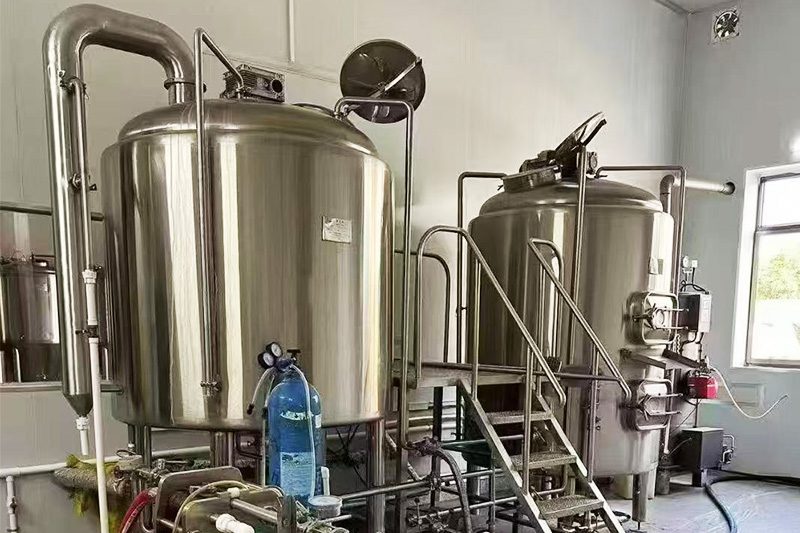
Used 1000L Beer Brewing Equipment
이 중고 1000L 맥주 양조 장비 는 안정적이고 경제적인 양조 솔루션을 찾는 크래프트 브루어리, 브루펍, 레스토랑, 스타트업 양조 프로젝트에 탁월한 선택입니다. 이 시스템은 새로운 양조장 장비에 비해 초기 투자 비용을 크게 줄이면서 안정적인 양조 성능을 제공하도록 설계되었습니다.
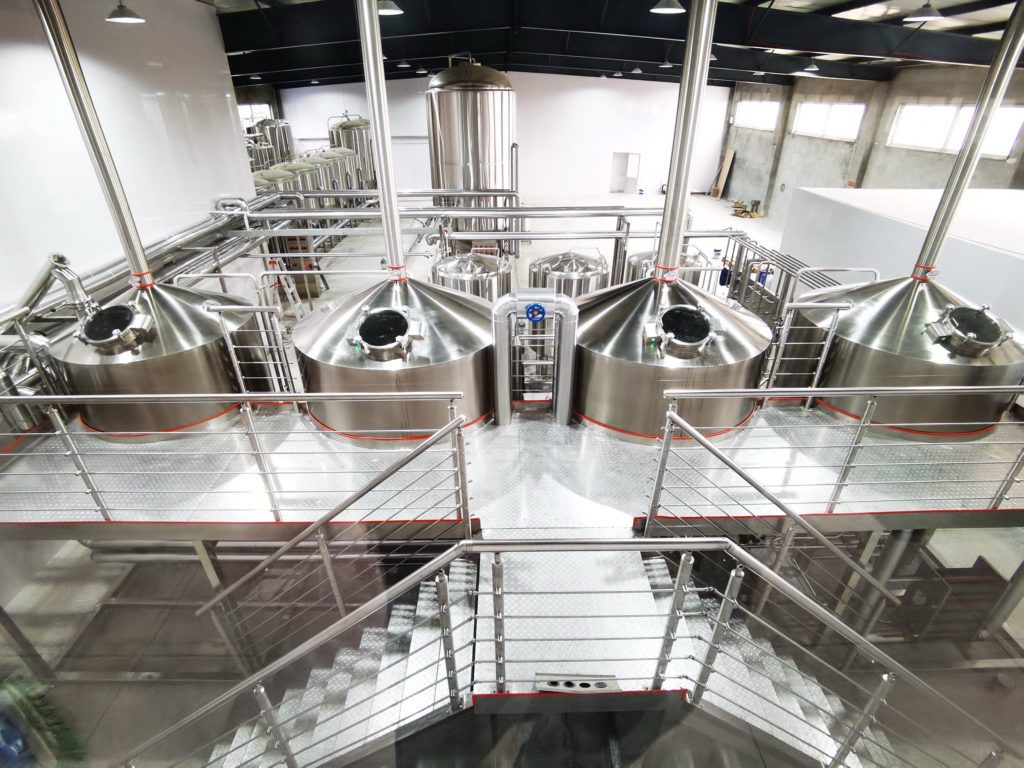
전체 1000L 양조 시스템은 고품질 스테인리스 스틸로 제조되어 내구성과 위생적인 양조 조건, 긴 사용 수명을 보장합니다. 이 장비에는 일반적으로 양조장 시스템, 발효 탱크, 글리콜 냉각 시스템, 제어 시스템, 펌프 및 관련 양조장 액세서리가 포함됩니다. 컴팩트한 구조와 사용자 친화적인 작동으로 숙련된 양조업자와 신규 양조장 투자자 모두에게 적합합니다.
이 중고 양조장 장비는 전문적으로 관리되어 양호한 작동 상태를 유지하고 있습니다. 이 탱크는 위생적인 연마, 안정적인 용접, 효율적인 온도 제어 성능을 갖추고 있어 양조장에서 일관된 수제 맥주 품질을 생산할 수 있도록 도와줍니다. 1000L 용량은 중간 규모의 맥주 생산에 이상적이며 라거, 에일, IPA, 스타우트 및 밀 맥주와 같은 다양한 맥주 스타일을 지원할 수 있습니다.
새 제품 구매와 비교 양조장 장비, 중고 양조 시스템은 더 빠른 배송 시간과 더 경제적인 투자 옵션을 제공하여 전 세계 수제 맥주 시장에서 점점 더 인기를 얻고 있습니다. 많은 양조장에서 중고 장비를 선택하여 생산 능력을 확장하는 동시에 창업 및 운영 비용을 통제하고 있습니다.
당사의 중고 1000L 맥주 양조 장비는 전압, 가열 방법, 탱크 수량 및 양조장 레이아웃 설계를 포함하여 고객 요구 사항에 따라 사용자 정의 할 수도 있습니다. 배송 전에 장비를 검사하고 테스트하여 안정적인 작동을 보장할 수 있습니다.
새로운 수제 맥주 양조장을 시작하든 현재 양조 용량을 업그레이드하든, 이 중고 1000L 양조장 장비는 전문 맥주 생산을 위한 실용적이고 효율적이며 예산 친화적인 솔루션을 제공합니다.
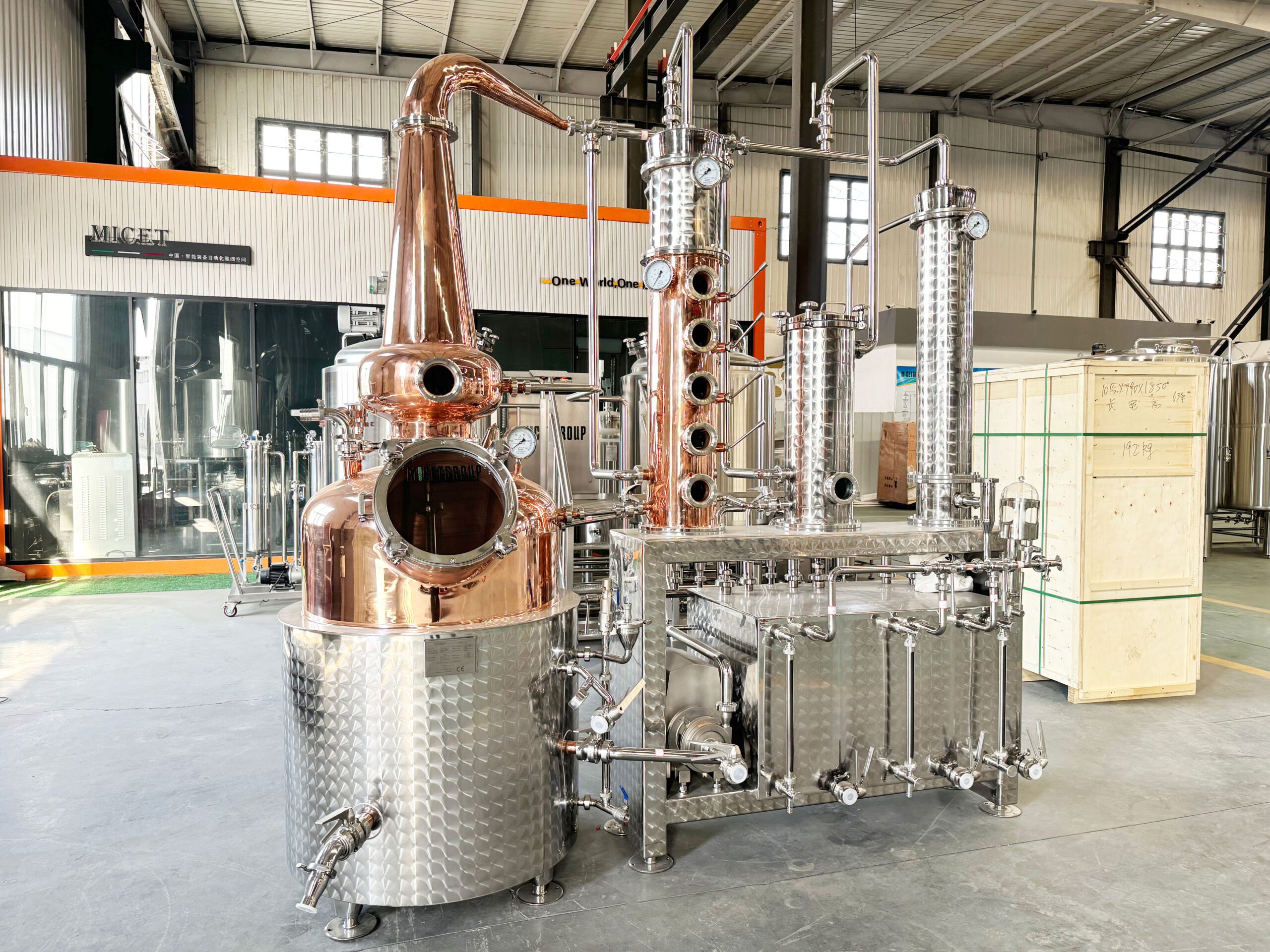
Distillery Equipment & Turnkey Solutions: A Practical Guide to Choosing the Right Still, Distilling System, and Complete Production Line
적절한 장비 없이 증류소를 시작하면 지연, 안전 위험, 주류 품질 저하, 투자 낭비 등의 문제가 발생할 수 있습니다. 아름다운 증류주만으로는 충분하지 않습니다. 완벽한 공정 계획, 규정을 준수하는 설계, 신뢰할 수 있는 유틸리티, 실제 생산을 이해하는 공급업체가 필요합니다.
증류소 장비에는 위스키, 진, 럼, 보드카, 브랜디 등의 증류주를 생산하는 데 사용되는 매시 시스템, 발효기, 포트 스틸 또는 컬럼 스틸, 응축기, 냉각 장비, 주류 리시버, 탱크, 펌프, 배관, 제어 및 청소 지원 등이 포함됩니다. 턴키 양조장 솔루션에는 레이아웃, 장비 설계, 제조, 설치 안내, 시운전 지원 및 장기 기술 서비스가 포함됩니다.
경영진 요약
증류소 장비는 증류주 종류, 배치 크기, 가열 방법, 증류 스타일, 유틸리티 조건, 규정 준수 요구 사항 및 향후 확장에 따라 선택해야 합니다.
팟 스틸은 위스키, 브랜디, 럼, 향이 강한 증류주에는 일반적으로 사용되며, 컬럼 스틸과 연속 스틸은 더 높은 효율이나 가벼운 증류주 스타일이 필요한 경우에 자주 사용됩니다.
미국에서 상업용 증류주 사업자는 먼저 TTB에 영업 허가를 신청하여 자격을 갖추어야 하며, 이는 장비 선택이 아닌 규제 단계입니다.
증류주 공장에 대한 미국 규정은 허가, 생산, 보관, 처리, 기록 및 세금 관련 운영을 포함하여 27 CFR Part 19에 따라 적용됩니다.
ASME의 보일러 및 압력 용기 인증 프로그램은 압력 장비의 설계, 제작, 조립 및 검사 규칙을 다루며, 구매자는 탱크 및 가열 시스템을 선택할 때 압력 용기를 신중하게 검토해야 합니다.
신뢰할 수 있는 공급업체는 CAD/3D 레이아웃, 맞춤형 증류 장비, 위생적인 제작, 설치 안내, 교육, 예비 부품 및 애프터 서비스를 지원해야 합니다.
기사 개요
증류소 장비란 무엇인가요?
턴키 양조장에는 어떤 장비가 필요합니까?
증류 시스템에서 스틸은 어떻게 작동하나요?
팟 스틸과 컬럼 스틸: 어떤 증류 장비가 적합할까요?
어떤 증류주를 생산할 수 있나요? 진, 위스키, 럼, 보드카, 브랜디?
소재가 중요한 이유: 구리, 스테인리스 스틸 또는 둘 다?
턴키 양조장 솔루션에는 무엇이 포함되나요?
용량, 레이아웃, 유틸리티가 양조장 설계에 어떤 영향을 미치나요?
안전, 규정 준수 및 압력 용기의 세부 사항은 무엇이 중요할까요?
B2B 구매자는 증류 장비 제조업체를 어떻게 선택해야 할까요?
증류소 장비란 무엇인가요?
증류소 장비는 증류주 생산에 사용되는 기계, 탱크, 용기, 배관 및 제어장치의 전체 세트입니다. 여기에는 매시튠, 발효기, 증류 주전자, 포트 스틸, 증류탑, 응축기, 증류주 리시버, 저장 탱크, 펌프, 열교환기, 냉각 장비, 제어 캐비닛 및 청소 액세서리가 포함될 수 있습니다.
간단히 말해서, 이 장비는 발효된 액체를 증류주로 만드는 데 도움을 줍니다. 먼저 원료를 준비하고 발효시킵니다. 그런 다음 발효된 액체를 스틸에서 가열합니다. 알코올과 아로마 화합물이 기화하여 시스템을 통과하고 응축되어 수집됩니다. 증류주가 위스키, 진, 럼, 보드카, 브랜디 또는 다른 증류주를 원하는지 여부에 따라 정확한 설계가 달라집니다.
B2B 구매자에게 중요한 점은 증류 장비를 개별 부품으로 구매해서는 안 된다는 점입니다. 증류기, 발효기, 냉각 시스템, 배관 레이아웃, 제어 시스템이 함께 작동해야 합니다. 한 부품이 제대로 작동하지 않으면 전체 생산 공정을 제어하기 어려워집니다.
턴키 양조장에는 어떤 장비가 필요합니까?
턴키 양조장에는 일반적으로 생산 장비와 프로젝트 지원이 모두 포함됩니다. 장비 측면에는 매싱, 발효, 증류, 냉각, 입고, 보관, 세척 및 제어 시스템이 포함될 수 있습니다. 프로젝트 측면에는 레이아웃 계획, 장비 제조, 설치 안내, 시운전 지원, 운영자 교육 및 장기 서비스가 포함될 수 있습니다.
일반적인 턴키 양조장 장비 목록에는 다음이 포함될 수 있습니다:
| 시스템 영역 | 주요 장비 | 목적 |
|---|---|---|
| 원재료 준비 | 밀링 또는 자재 취급 장비 | 곡물, 과일, 당밀 또는 기타 기본 재료 준비하기 |
| 매싱 | 매시 툰, 온수 탱크, 교반기 | 발효 가능한 재료 변환 또는 혼합 |
| 발효 | 발효 탱크, 냉각 재킷, 밸브 | 설탕을 알코올로 전환 |
| 증류 | 포트 스틸, 컬럼 스틸, 콘덴서 | 알코올과 아로마 화합물 분리 및 농축 |
| 냉각 | 냉각기, 냉각수 시스템, 열교환기 | 응축 및 온도 제어 지원 |
| 수신 | 스피릿 리시버, 안전한 수집 탱크 | 증류액 수집 |
| 스토리지 | 스테인리스 저장 탱크 또는 스피릿 탱크 | 블렌딩 또는 숙성 전 제품 보관 |
| 청소 | CIP 펌프, 스프레이 볼, 세척 탱크 | 위생 및 유지 관리 개선 |
| 제어 | PLC/HMI 또는 수동 제어판 | 가열, 펌프 및 공정 지점 모니터링 |
스타트업 크래프트 증류소의 경우 시험 생산이나 현지 판매에는 150리터에서 수백 리터의 소형 시스템이면 충분할 수 있습니다. 대규모 프로젝트의 경우 주류 종류, 생산 목표, 건물 규모 및 예산에 따라 1000L에서 3000L 이상의 장비가 필요할 수 있습니다.
증류 시스템에서 스틸은 어떻게 작동하나요?
스틸은 증류 시스템의 핵심입니다. 발효된 액체를 가열하여 알코올과 휘발성 화합물이 증기로 상승합니다. 그런 다음 증기는 설계에 따라 헤드, 컬럼, 린 암 또는 콘덴서를 통해 이동합니다. 냉각 후 증기는 액체 증류액이 됩니다.
팟 스틸은 종종 풍미 유지에 중요한 역할을 합니다. 증류기에 더 많은 개성과 배치 제어를 제공하기 때문에 수제 증류주 양조장에서 널리 사용됩니다. 증류탑은 더 많은 분리와 더 높은 순도를 제공할 수 있어 보드카 또는 중성 증류주 생산에 유용합니다.
스틸은 증류주 스타일과 일치해야 합니다. 위스키 생산자는 구리 접촉과 풍미의 복잡성을 원할 수 있습니다. 보드카 생산자는 더 강력한 정류가 필요할 수 있습니다. 진 생산자는 보태니컬 바스켓 또는 증기 주입 옵션이 필요할 수 있습니다. 럼주 생산자는 당밀 세척 및 풍미 개발을 지원하는 장비를 선호할 수 있습니다.
팟 스틸과 컬럼 스틸: 어떤 증류 장비가 적합할까요?
포트 스틸은 일괄 증류 시스템입니다. 일반적으로 향과 바디감이 중요한 위스키, 브랜디, 럼, 크래프트 증류주 등에 사용됩니다. 개념은 간단하지만 모양, 구리 접촉, 가열 방식, 콘덴서 디자인이 모두 최종 특성에 영향을 미칩니다.
컬럼은 여전히 트레이나 패킹을 사용하여 분리를 개선합니다. 더 가볍고 깨끗한 정신을 만들 수 있으며 더 높은 효율성을 지원할 수 있습니다. 연속 스틸은 출력과 일관성이 우선시되는 일부 대규모 생산 요구에 적합합니다.
| 항목 | 포트 스틸 | 열 스틸 |
|---|---|---|
| 운영 스타일 | 일괄 증류 | 배치 또는 연속 증류 |
| 공통 정신 | 위스키, 럼, 브랜디, 크래프트 진 베이스 | 보드카, 중성 증류주, 라이트 럼, 대용량 증류주 |
| 플레이버 프로필 | 더 풍부하고, 더 무겁고, 더 많은 캐릭터 | 더 깨끗하고, 더 가볍고, 더 세련되게 |
| 제어 수준 | 더 많은 실습 | 기술적 제어 강화 |
| 최상의 대상 | 수제 증류주 및 프리미엄 증류주 | 더 큰 출력과 고순도 정신 |
| 장비 비용 | 소규모 시스템의 경우 더 낮을 수 있습니다. | 일반적으로 고급 시스템의 경우 더 높습니다. |
| 유연성 | 소량 생산 제품에 적합 | 효율성과 반복성에 적합 |
실용적인 절충점은 분명합니다. 진한 크래프트 스타일의 증류주를 원한다면 여전히 포트가 더 나을 수 있습니다. 고순도 보드카나 더 큰 생산 효율이 필요하다면 컬럼 시스템이 더 좋을 수 있습니다. 많은 증류소에서는 두 가지를 결합합니다.
어떤 증류주를 생산할 수 있나요? 진, 위스키, 럼, 보드카, 브랜디?
증류주마다 다른 공정 계획이 필요합니다. 증류주 협의회는 미국 위스키, 브랜디 및 코냑, 진, 럼, 보드카, 데킬라/메즈칼, 스카치, 아이리시 위스키 등의 증류주 카테고리를 추적하여 증류주 산업의 광범위한 상업적 범위를 보여줍니다.
진 생산에는 중성 증류주와 식물성 원료를 사용할 수 있습니다. 장비에는 진 바스켓, 증기 주입 경로 또는 식물성 침식 탱크가 포함될 수 있습니다. 진을 계획하는 구매자는 보태니컬 로딩, 세척 접근성, 아로마 제어 및 레시피 유연성에 대해 논의해야 합니다.
위스키는 매싱, 발효, 증류, 그리고 보통 숙성 과정을 거칩니다. 위스키 시스템에는 매시튠, 발효기, 구리 포트 스틸, 증류주 리시버 및 보관용 지지대가 포함될 수 있습니다. 럼은 당밀이나 사탕수수 기반 재료로 시작하여 발효와 증류를 통해 풍미의 깊이를 유지할 수 있습니다. 보드카는 일반적으로 더 깨끗한 분리와 더 높은 정류가 필요합니다. 브랜디는 일반적으로 과일 또는 와인 증류와 관련이 있으며 부드러운 가열과 향기 보호가 필요할 수 있습니다.
구매자에게 주는 교훈은 간단합니다. 증류주를 정의하기 전에 “표준 증류기 하나'를 구입하지 마세요. 최고의 증류소 장비는 제품, 시장 및 생산 요구 사항에 따라 달라집니다.
소재가 중요한 이유: 구리, 스테인리스 스틸 또는 둘 다?
증류 장비는 일반적으로 스테인리스 스틸과 구리로 만들어집니다. 각 재료에는 고유한 역할이 있습니다. 스테인리스 스틸은 강하고 세척이 용이하며 내구성이 뛰어나 탱크, 배관, 플랫폼 및 가공 장비에 널리 사용됩니다. 구리는 전통적인 외관을 유지하고 증류주 특성에 영향을 줄 수 있기 때문에 스틸에 자주 사용됩니다.
구리 포트는 여전히 많은 수제 증류주에서 시각적 매력과 공정상의 가치를 제공합니다. 구매자들은 위스키, 브랜디 및 프리미엄 크래프트 제품을 위해 구리 포트 스틸을 선택하는 경우가 많습니다. 구리 섹션이 있는 스테인리스 시스템도 실용적인 옵션이 될 수 있습니다. 비용과 유지보수를 줄이면서도 필요한 곳에 구리 접촉을 허용할 수 있습니다.
| 재료 | 주요 이점 | 공통 사용 |
|---|---|---|
| 구리 | 전통적인 외관, 맛과 관련된 접촉, 고급스러운 외관 | 팟 스틸, 헬멧, 기둥 섹션, 진 바구니 |
| 스테인리스 스틸 | 내구성, 손쉬운 유지보수, 강력한 위생 성능 | 발효기, 탱크, 배관, 프레임, 저장 탱크 |
| 구리 및 스테인리스 스틸 | 균형 잡힌 비용, 위생 및 구리 접촉 | 하이브리드 증류 시스템 |
올바른 선택은 증류주 스타일, 예산, 세척 방법, 지역 물, 유지 관리 능력, 브랜드 이미지에 따라 달라집니다. 전체 구리 스틸은 인상적으로 보일 수 있지만 적절한 관리가 필요합니다. 일부 운영자에게는 하이브리드 디자인이 더 쉬울 수 있습니다.
턴키 양조장 솔루션에는 무엇이 포함되나요?
턴키 솔루션은 장비 납품 그 이상입니다. 구매자가 실수를 줄이면서 개념에서 운영으로 이동할 수 있도록 도와야 합니다. 강력한 턴키 양조장 솔루션에는 기술 검토, 레이아웃 계획, 장비 매칭, 제작, 포장, 배송 지원, 설치 안내, 시운전 조언, 장기 서비스 등이 포함됩니다.
좋은 공급업체는 검토를 도와줄 것입니다:
- 주류 유형 및 대상 제품
- 배치 크기 및 연간 생산량
- 건물 높이 및 바닥 면적
- 가열 방법
- 냉각수 수요
- 발효 용량
- 현지 규정 준수 요구 사항
- 패키징 계획
- 유틸리티 및 배수
- 운영자 워크플로
- 향후 확장
전문 양조장, 증류소, 와이너리, 콤부차 및 음료 장비 제조업체인 유니티는 공장 직접 공급, CAD/3D 레이아웃, 턴키 엔지니어링, 설치 안내 및 글로벌 기술 서비스를 통해 구매자를 지원합니다. 또한 구매자가 비용 효율적인 프로젝트 옵션이 필요한 경우 중고 양조 시스템도 지원합니다.
진정한 턴키 증류소 솔루션은 프로젝트 위험을 줄여야 합니다. 구매자를 불필요한 장비에 묶어두지 않아야 합니다. 구매자가 자신에게 맞는 것을 선택할 수 있도록 도와야 합니다.
용량, 레이아웃, 유틸리티가 양조장 설계에 어떤 영향을 미치나요?
용량은 단순히 스틸의 부피만 의미하는 것이 아닙니다. 발효기, 매시튠, 냉각 장비, 수용 탱크가 너무 작으면 500L 스틸은 효율적으로 생산되지 않을 수 있습니다. 증류소는 하나의 시스템입니다. 가장 느린 부분이 병목 현상이 발생합니다.
레이아웃도 중요합니다. 작업자는 이동, 청소, 자재 적재, 밸브 접근, 스틸 검사, 호스 연결, 장비 유지보수 등을 할 수 있는 공간이 필요합니다. 레이아웃이 잘못되면 일상적인 작업 속도가 느려지고 안전성이 떨어질 수 있습니다.
유틸리티는 프로젝트의 원활한 진행 여부를 결정할 수 있습니다. 난방은 전기, 증기, 직화 또는 전기 가열식 베인마레 시스템을 사용할 수 있습니다. 냉방에는 냉수, 상수도 또는 폐쇄 루프 시스템이 필요할 수 있습니다. 건물은 배수, 환기, 전력, 수도, 안전한 작업 흐름을 지원해야 합니다.
증류소 계획 체크리스트
| 계획 포인트 | 중요한 이유 |
|---|---|
| 제품 유형 | 스틸 디자인 및 프로세스 흐름 결정 |
| 배치 볼륨 | 스틸, 발효기 및 탱크 크기 결정 |
| 발효 시간 | 발효 탱크 수 결정 |
| 가열 방법 | 에너지, 제어 및 건물 요구 사항에 영향을 미칩니다. |
| 냉각 시스템 | 응축 및 출력 안정성에 영향을 미침 |
| 건물 높이 | 스틸 및 열 크기 제한을 결정합니다. |
| 바닥 하중 | 탱크 및 플랫폼 배치에 영향을 미칩니다. |
| 배수 | 청소 및 안전한 작동 지원 |
| 환기 | 보다 안전한 근무 환경 지원 |
| 확장 계획 | 조기 용량 제한 방지 |
수제 양조장과 대규모 공장 모두 최종 제조 전에 레이아웃 계획을 수립해야 합니다. CAD 및 3D 레이아웃 지원은 많은 비용이 드는 변경을 방지할 수 있습니다.
안전, 규정 준수 및 압력 용기의 세부 사항은 무엇이 중요할까요?
양조장에서는 인화성 알코올 증기, 가열된 용기, 펌프, 전기 시스템, 세척 화학 물질을 취급합니다. 프로젝트 시작 단계부터 안전을 고려해야 합니다. 장비 설계만으로는 현지 규정, 허가, 화재 검토, 환기 계획 또는 작업자 교육을 대체할 수 없습니다.
미국에서는 TTB에서 증류주 사업을 영위하는 기업이 운영 허가를 신청하여 자격을 갖추도록 요구합니다. 또한 미국 증류주 공장 규정은 27 CFR 파트 19에 따라 생산, 보관, 처리, 기록 및 기타 운영 요건을 다룹니다.
압력 용기 역시 주의가 필요합니다. ASME는 보일러 및 압력 용기 인증 프로그램이 보일러 및 압력 용기 구성품의 설계, 제작, 조립, 시공 중 검사에 관한 규칙을 준수한다고 명시하고 있습니다. 구매자는 장비가 ASME, CE, PED 또는 기타 현지 요구 사항을 충족해야 하는 시기를 확인해야 합니다.
주요 안전 및 규정 준수 사항은 다음과 같습니다:
- 현지 주류 생산 허가
- 화재 및 폭발 위험 검토
- 환기 및 증기 관리
- 전기 분류
- 압력 완화 장치
- 필요한 경우 진공 보호
- 안전한 난방 시스템 설계
- 적절한 접지 및 본딩
- 운영자 교육
- 청소용 화학 물질 취급
- 현지 검사 요구 사항
이 섹션은 법률 자문이 아닙니다. 요구 사항은 국가 및 지역에 따라 달라집니다. 구매자는 설치 전에 현지 당국, 면허를 소지한 엔지니어 및 규정 준수 전문가와 협력해야 합니다.
B2B 구매자는 증류 장비 제조업체를 어떻게 선택해야 할까요?
증류 장비 제조업체를 선택하는 것은 중요한 결정입니다. 구매자는 ABE Equipment 또는 Vendome Copper와 같이 잘 알려진 업계 이름과 국제적인 제조업체 및 맞춤형 증류 장비 공급업체를 비교할 수 있습니다. 예산, 설계 요구 사항, 배송 시간, 기술 지원 및 판매 후 기대치에 따라 최선의 선택이 달라집니다.
진지한 공급업체는 단순히 스틸만 판매해서는 안 됩니다. 발효, 증류, 유틸리티, 레이아웃, 배송, 설치 및 유지보수에 대한 이해가 있어야 합니다. 또한 장단점을 명확하게 설명해야 합니다.
공급업체 평가 표
| 평가 영역 | 질문할 내용 |
|---|---|
| 경험 | 수제 양조장이나 대규모 프로젝트에 공급한 적이 있나요? |
| 제품 범위 | 팟 스틸, 컬럼 스틸, 발효기, 매시 툰, 저장 탱크 및 냉각 장비를 제공하나요? |
| 사용자 지정 | 진, 위스키, 럼, 보드카 또는 브랜디에 대한 특정 요구 사항을 충족할 수 있나요? |
| 자료 | 구리 장비, 스테인리스 스틸 탱크 또는 하이브리드 설계를 제공할 수 있나요? |
| 엔지니어링 | CAD/3D 레이아웃 및 프로세스 검토를 제공하나요? |
| 제작 | 용접, 연마, 피팅 및 압력 용기가 적절하게 관리되고 있습니까? |
| 컨트롤 | 수동, 반자동 또는 PLC 제어를 지원하나요? |
| 서비스 | 설치 안내와 유지보수 및 수리 서비스를 제공하나요? |
| 내보내기 | 포장, 배송 및 문서화를 지원할 수 있나요? |
| 판매 후 지원 | 예비 부품 및 원격 지원이 제공되나요? |
B2B 구매자에게 최고의 증류소 장비는 단순히 가장 저렴한 시스템이 아닙니다. 제품, 건물, 생산 계획에 맞게 설계된 고품질 장비입니다.
증류 장비를 구매할 때 흔히 저지르는 실수는 무엇일까요?
흔히 저지르는 실수 중 하나는 스틸 용량으로만 구매하는 것입니다. 구매자는 1000L 스틸을 선택하지만 발효 용량, 냉각수 및 저장 탱크도 일치해야 한다는 사실을 잊을 수 있습니다. 이로 인해 병목 현상이 발생합니다.
또 다른 실수는 청소와 유지관리를 소홀히 하는 것입니다. 증류 시스템에는 접근 지점, 배수성, 청소 가능한 표면, 안전한 밸브, 서비스 친화적인 디자인이 필요합니다. 청소하기 어려운 아름다운 구리 스틸은 일상적인 문제가 될 수 있습니다.
세 번째 실수는 현지 규정 준수를 간과하는 것입니다. 장비는 잘 만들어졌을지라도 설치는 현지 규정을 준수해야 합니다. 허가, 화재, 전기, 압력, 환기 및 알코올 규정은 조기에 검토해야 합니다.
- 피해야 할 실수
- 가격만 보고 장비 선택하기
- 주류 유형 정의 전 구매
- 건물 높이 무시
- 냉각 요구 사항 과소평가
- 발효 용량 잊어버리기
- 압력 용기 요구 사항 간과
- 유지보수 계획 없이 자재 선택
- 운영자 워크플로 무시
- 레이아웃 검토 건너뛰기
- 여전히 모든 제품에 적합하다고 가정할 때
프로젝트 계획을 잘 세우면 장비를 제작하기 전에 비용을 절약할 수 있습니다.
턴키 증류소 솔루션은 언제 적합할까요?
양조장 턴키 솔루션은 구매자가 모든 세부 사항을 혼자서 관리하는 대신 조율된 지원을 원할 때 적합합니다. 스타트업 양조장, 국제 프로젝트, 레스토랑 또는 접객업 그룹, 투자자, 양조 또는 음료 생산에서 증류주로 진출하는 바이어에게 특히 유용합니다.
턴키 지원은 다음과 같은 경우에 유용합니다:
- 장비와 정신 유형을 일치시키는 데 도움이 필요합니다.
- 구매 전 CAD 또는 3D 레이아웃을 원합니다.
- 완전한 생산 라인이 필요합니다.
- 새 장비와 중고 장비를 비교해야 합니다.
- 수출 포장 및 배송 지원이 필요합니다.
- You want installation guidance.
- You need training and after-sales service.
However, turnkey may not be necessary for every buyer. An experienced distiller expanding a known system may only need one custom copper pot still, one fermenter, or one replacement tank. The right service level should match the buyer’s experience and project complexity.
FAQ About Distillery Equipment and Turnkey Solutions
What equipment is needed to start a distillery?
A distillery usually needs raw material preparation equipment, mash tun, fermenter, still, condenser, cooling system, spirit receiver, storage tanks, pumps, piping, controls, and cleaning support. The exact equipment depends on the spirit type and production scale.
팟 스틸과 컬럼 스틸의 차이점은 무엇인가요?
A pot still is usually used for batch distillation and is common for whisky, rum, brandy, and craft spirits. A column still provides more separation and efficiency, making it useful for vodka, neutral spirit, and larger production systems.
Can one distillation system make gin, whisky, rum, vodka, and brandy?
One system may support multiple spirits if designed with flexibility, but not every system is ideal for every spirit. Gin may need botanical features, vodka may need higher rectification, and whisky may need copper contact and suitable fermentation planning.
What is a turnkey distillery?
A turnkey distillery is a complete project solution that may include equipment design, manufacturing, layout planning, shipping support, installation guidance, commissioning support, and technical service. It helps buyers reduce coordination risk.
Is copper or stainless steel better for distillery equipment?
Both materials have value. Copper is often used in stills for traditional appearance and spirit character. Stainless steel is widely used for tanks, frames, piping, and storage because it is durable and cleanable. Many systems use both.
What size distillery equipment should I choose?
Choose size based on target spirit, batch volume, fermentation time, daily output, building space, utilities, budget, and future expansion. Common craft systems may range from 150L to 3000L, but the right size depends on your production plan.
Do I need permits before buying distilling equipment?
For commercial alcohol production, permits and local approvals are usually required. In the United States, TTB requires distilled spirits businesses to qualify by applying for a permit to operate. Always check local rules before installation.
주요 내용
Distillery equipment includes mashing, fermentation, distillation, cooling, receiving, storage, control, and cleaning systems.
A still must be selected based on spirit type, production process, flavor target, and capacity.
Pot stills are common for whisky, rum, brandy, and craft spirits.
Column stills and continuous stills are useful for higher purity or larger output.
Gin, vodka, rum, whisky, and brandy may require different equipment details.
Copper and stainless steel both have important roles in distilling equipment.
A turnkey distillery solution should include layout, equipment matching, manufacturing, shipping, installation guidance, and service.
Safety, local permits, fire review, pressure vessels, and ventilation should be considered early.
The best distillery equipment supplier should understand both production process and project execution.
Do not choose equipment only by price or still volume; choose based on complete production needs.
Kombucha Brewing Equipment: A Practical Guide to Choosing the Right Kit, Fermenter, Tank, and Commercial Kombucha Production System
A poor kombucha setup can cause weak flavor, unstable fermentation, contamination risk, or slow production. For home brewers, that is frustrating. For a business, it costs money. The solution is to choose the right equipment for your batch size, hygiene needs, and growth plan.
Kombucha brewing equipment includes the tools and vessels used to brew sweet tea, ferment it with SCOBY culture, monitor pH and temperature, add flavoring, bottle or keg the beverage, and maintain clean production. Basic home kits may use glass jars and bottles, while commercial kombucha production usually requires stainless steel tanks, sanitary fittings, CIP cleaning, cooling, filtration, and packaging systems.
경영진 요약
Kombucha brewing equipment ranges from a simple home kit with a jar, cloth lid, SCOBY, tea, sugar, pH strip, and bottles to professional-grade stainless steel tanks and packaging lines.
Kombucha is made by fermenting sweet tea with a SCOBY, a symbiotic culture of bacteria and yeast; Colorado State University explains that the culture acidifies the tea and helps minimize contamination.
Finished kombucha is commonly acidic. Colorado State University states that safe consumption requires pH below 4.2 but not lower than 2.5.
Kombucha Brewers International describes kombucha as a fermented tea beverage that typically has a pH range of 2.3 to 3.8 and naturally contains organic acids, trace alcohol, and some carbonation.
In the United States, TTB alcohol regulations do not apply only when kombucha is never at or above 0.5% ABV during production, bottling, or after bottling.
For B2B projects, the right system should match batch volume, fermentation cycle, hygiene design, cooling needs, packaging format, space, utilities, and future expansion.
기사 개요
What Is Kombucha Brewing Equipment?
What Equipment Do You Need to Brew Kombucha at Home?
What Is Included in a Basic Kombucha Brewing Kit?
What Equipment Is Needed for Commercial Kombucha Production?
Why Are Stainless Steel Kombucha Tanks Important for Scaling Up?
How Do You Control Fermentation, pH, and Temperature?
What Bottling, Kegging, and Packaging Equipment Do You Need?
How Do Cleaning, Sanitation, and CIP Affect Kombucha Quality?
Home Kit vs Commercial Kombucha Brewery System: What Is the Difference?
How Should B2B Buyers Choose the Right Kombucha Brewing Equipment Supplier?
What Is Kombucha Brewing Equipment?
콤부차 양조 장비 refers to the tools, vessels, tanks, and accessories used to make kombucha from tea, sugar, water, and kombucha culture. At a basic level, it helps you brew sweet tea, cool it, add SCOBY and starter liquid, allow fermentation, check pH, add flavor, and package the finished beverage.
For home brewing, the setup can be very simple. A glass jar, cloth cover, rubber band, pH strip, thermometer, funnel, and bottle may be enough for a small batch. For commercial kombucha, the equipment becomes more serious. You may need a stainless steel tank, sanitary pump, filter, cooling system, CIP cleaning unit, flavoring tank, carbonation control, and filling line.
In my work with beverage equipment projects, I often tell buyers this: kombucha is simple in theory, but professional production is not casual. The process must protect the scoby, control the fermentation environment, and keep every product contact surface clean.
What Equipment Do You Need to Brew Kombucha at Home?
For a home brewer, the basic goal is to brew a safe, clean, and tasty batch in a small volume. Most people start with a 1 gallon glass jar, a breathable cloth lid, tea, sugar, starter liquid, a SCOBY, and bottles for secondary fermentation.
Colorado State University explains that SCOBY and liquid are added to a food-grade vessel of brewed, cooled, sugar-sweetened tea, then lightly covered and fermented at room temperature, often for 7–10 days but sometimes longer.
A simple home setup may include:
| Home Kombucha Tool | 목적 |
|---|---|
| Glass jar | Main fermentation vessel |
| Cloth lid or coffee filter | Keeps dust and insects out while allowing airflow |
| 고무 밴드 | Holds the cover in place |
| 차 주전자 | Used to brew tea |
| 온도계 | Helps check cooling and room temperature |
| pH strips or meter | Helps monitor acidity |
| Funnel | Helps transfer liquid into bottles |
| Swing top bottles | Used for carbonation and serving |
| Fine filter | Removes loose tea or fruit pieces |
| Labels | Helps track batch date and flavor |
For home use, glass jars are common because they are easy to clean and easy to inspect. Michigan State University Extension notes that because kombucha has low pH, it is recommended to make and store it in glass containers or food-grade containers to reduce chemical hazard risks from unsuitable materials.
What Is Included in a Basic Kombucha Brewing Kit?
A basic kombucha brewing kit usually includes the essential items needed to start brewing kombucha. It may include a jar, SCOBY, starter liquid, tea, sugar, cloth cover, rubber band, pH strips, and instructions. Some kits may also include bottles, flavoring ideas, a thermometer, or a small filter.
A good kit should make the process easy for beginners. It should help the brewer understand the basics: make sweet tea, cool it, add the culture, cover the jar, wait for fermentation, measure pH, taste carefully, and bottle only when the beverage is ready.
For small users, a kit is enough. For a brand or café, a kit is not enough. Once the goal is to produce kombucha for sale, the process needs stronger equipment, better records, and repeatable control. That is when buyers move from jars and bottles to tanks, pumps, valves, temperature control, and packaging systems.
What Equipment Is Needed for Commercial Kombucha Production?
Commercial kombucha production needs more than a bigger jar. It needs a controlled process. A professional setup may include tea brewing equipment, sugar mixing tanks, cooling equipment, 발효 탱크, sanitary transfer pumps, filters, blending tanks, flavoring tanks, carbonation equipment, kegging or bottling lines, and cleaning systems.
A practical commercial kombucha production flow may look like this:
| Production Stage | Equipment Needed | Main Purpose |
|---|---|---|
| 차 끓이기 | Kettle or hot water system | Extract tea flavor |
| 설탕 혼합 | 혼합 탱크 | Dissolve sugar evenly |
| 냉각 | Heat exchanger or cooling tank | Cool sweet tea before culture addition |
| Primary fermentation | Fermentation tank | Ferment tea with SCOBY and starter |
| pH monitoring | pH meter or strip | Measure acidity |
| 향료 | 블렌딩 탱크 | Add fruit, juice, herbs, or botanicals |
| 필터링 | Filter or screen | Remove fruit particles or loose solids |
| 탄산 | Carbonation stone or pressure tank | Add or manage bubbles |
| 포장 | Bottle filler, kegging system, canning line | Prepare final product |
| 청소 | CIP system | Clean tanks and pipelines |
Kombucha Brewers International describes kombucha as a fermented beverage made with tea leaves, water, natural sweetener, and SCOBY or pellicle; the organization also notes that pH and fermentation characteristics are part of the beverage identity.
As a professional brewery, kombucha, winery, distillery, and beverage equipment manufacturer, we usually start by asking buyers about capacity, product style, packaging format, and market rules. A 50-liter pilot system and a 5,000-liter commercial kombucha line require very different planning.
Why Are Stainless Steel Kombucha Tanks Important for Scaling Up?
When a kombucha business grows, stainless steel equipment becomes important. A stainless steel kombucha tank is stronger, easier to clean, more durable, and better suited for professional production than many small containers.
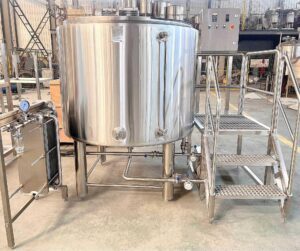
A commercial fermenter can be designed with sanitary fittings, temperature control, sampling valves, spray balls, manways, and bottom outlets. These features help the brewer monitor, clean, and transfer product more efficiently.
For kombucha, material selection matters because the beverage is acidic. Food-grade stainless steel is commonly used in beverage plants because it supports hygienic design and long service life. However, buyers should confirm material grade, weld quality, internal polishing, fitting standards, and chemical compatibility before ordering.
Common Stainless Steel Kombucha Tank Features
| Feature | 중요한 이유 |
|---|---|
| 304 stainless steel | Common beverage-grade material |
| Internal polishing | Helps reduce residue and cleaning difficulty |
| Sanitary fittings | Supports clean transfer and easy connection |
| 샘플링 밸브 | Allows testing without opening the tank |
| Spray ball | Supports CIP 청소 |
| Cooling jacket | Helps manage fermentation temperature |
| 환기구 | Allows access for inspection and cleaning |
| Bottom outlet | Helps drain product and cleaning solution |
| Thermowell | Supports temperature monitoring |
For B2B buyers, the right equipment is not simply the largest tank. It is the tank that matches fermentation style, cleaning method, building height, floor load, batch size, utility supply, and packaging plan.
How Do You Control Fermentation, pH, and Temperature?
Kombucha fermentation is driven by bacteria and yeast in the culture. The yeast helps break down sugar, while bacteria help create beneficial acids. The result is a tart, lightly sweet, acidic beverage with complex flavor.
pH control is one of the most important safety and quality checks. Colorado State University states that safe consumption requires pH below 4.2 but not lower than 2.5. Pennsylvania’s kombucha brewing guidance also states that producers of unpasteurized bottled kombucha or other fermented beverages should aim for pH 4.2 or below and monitor pH as a preventive control.
Temperature also affects fermentation speed and flavor. If the environment is too cold, fermentation may be slow. If it is too warm, the brew may acidify too quickly or develop unwanted character. For commercial systems, temperature control can help create a more consistent and high-quality kombucha product.
Kombucha Monitoring Checklist
| Control Point | What to Measure | 중요한 이유 |
|---|---|---|
| pH | Acidity level | Helps manage safety and taste |
| Temperature | Fermentation environment | Affects fermentation speed |
| Time | Batch duration | Helps repeat flavor profile |
| Sugar level | Remaining sweetness | Affects taste and carbonation |
| Alcohol | ABV level | Important for regulatory compliance |
| Aroma and taste | Sensory quality | Confirms product target |
| Visual condition | Mold, contamination, SCOBY health | Helps catch problems early |
In the United States, alcohol level matters because kombucha at or above 0.5% ABV can fall under alcohol regulatory requirements; TTB explains that regulations do not apply only when kombucha is never at or above 0.5% ABV during production, bottling, or after bottling.
What Bottling, Kegging, and Packaging Equipment Do You Need?
After fermentation, kombucha may be filtered, flavored, carbonated, and packaged. Small brewers often use swing top bottles. Larger operations may use bottle fillers, canning lines, kegging systems, or bag-in-box solutions.
Colorado State University notes that fruit juice or other flavorings may be added after fermentation, and the beverage can then be carbonated for a bubbly character. This is where packaging choices become important.
For small batches, bottles may work well. For cafés, restaurants, and taprooms, kegging can reduce packaging waste and support draft service. For retail brands, bottles or cans may be better for distribution.
Packaging Options for Kombucha
| Packaging Format | Best Use | Key Consideration |
|---|---|---|
| Swing top bottles | Home and small craft batches | Pressure buildup must be managed |
| 유리병 | Retail and premium products | Breakage and shipping weight |
| Aluminum cans | Retail and distribution | Requires suitable filling line |
| Kegs | Taproom, restaurant, café | Needs draft system and cold storage |
| PET bottles | Some regional markets | Must match pressure and food safety needs |
Kombucha packaging must manage carbonation and ongoing fermentation. If fermentation continues strongly after bottling, pressure can build. This is why pH, sugar, temperature, alcohol, carbonation, and cold storage all need professional control in commercial operations.
How Do Cleaning, Sanitation, and CIP Affect Kombucha Quality?
Cleaning is not optional. Kombucha is acidic, alive, and sensitive to unwanted contamination. Poor cleaning can damage flavor, shorten shelf life, and create safety issues.
For small-batch kombucha making, cleaning may involve washing jars, funnels, bottles, and cloth covers carefully. For commercial operations, cleaning usually requires CIP, sanitary piping, spray balls, pumps, and proper cleaning procedures.
A professional-grade system should reduce dead corners, rough welds, and hard-to-clean surfaces. This is why tank design, valve selection, hose quality, gasket material, and piping layout matter. A beautiful tank with poor sanitary design can still create problems.
CIP and Cleaning Design Checklist
| Cleaning Item | 중요한 이유 |
|---|---|
| Spray ball coverage | Helps clean tank surfaces |
| Smooth welds | Reduces residue buildup |
| Sanitary valves | Improves cleanability |
| Drainability | Prevents standing liquid |
| Correct chemical use | Protects stainless steel |
| Separate tools | Reduces cross-contamination |
| Cleaning records | Supports quality control |
| Inspection access | Helps verify cleaning results |
As a beverage equipment manufacturer, we design systems with cleaning in mind. A good tank should not only hold product. It should also be easy to clean, inspect, and maintain.
Home Kit vs Commercial Kombucha Brewery System: What Is the Difference?
A home kit is designed for learning and personal use. A commercial kombucha brewery system is designed for repeatable production, controlled quality, and business operation.
| 항목 | Home Kombucha Kit | Commercial Kombucha System |
|---|---|---|
| Batch size | Often 1 gallon or small batches | Dozens to thousands of liters |
| Vessel | Glass jar or small container | Stainless steel tank or fermenter |
| Monitoring | pH strip, thermometer | pH meter, temperature control, records |
| 청소 | Manual cleaning | CIP and sanitary process |
| Transfer | Hand pouring or siphon | Sanitary pump and piping |
| 향료 | Manual fruit or juice addition | Blending tank and measured dosing |
| 포장 | Hand bottle filling | Bottle, can, or kegging line |
| 제어 | Basic instructions | SOP, QC, batch records |
| Goal | Personal brewing kombucha | Commercial kombucha production |
The trade-off is clear. A kit is affordable and simple. A commercial system costs more but supports hygiene, efficiency, and scale. If you sell kombucha, equipment selection should support legal compliance, stable production, and repeatable product quality.
What Ingredients and Accessories Should Buyers Prepare?
Kombucha starts with a few core ingredients: water, tea, sugar, starter liquid, and SCOBY. Some producers use black tea, green tea, or blends. Some use organic ingredients for brand positioning. For flavoring, brands may use fruit, herbs, spices, botanicals, or juice.
Accessories also matter. A small operation may need pH strips, a thermometer, a funnel, a filter, a spigot, labels, bottles, and cleaning tools. A commercial plant may need flow meters, pressure gauges, sanitary hoses, clamps, gaskets, sample valves, and spare parts.
Ingredient and Accessory Checklist
| Category | Examples |
|---|---|
| Core ingredient | Tea, sugar, starter, SCOBY |
| Monitoring accessory | pH strip, pH meter, thermometer, gauge |
| Transfer accessory | Hose, pump, filter, funnel |
| Packaging accessory | Bottle, cap, keg, label |
| Cleaning accessory | CIP spray ball, cleaning chemicals, brushes |
| Quality accessory | Sample valve, testing tools, batch records |
The best accessory is the one that reduces risk. In professional kombucha production, every small item should support cleanliness, repeatability, and operator safety.
How Should B2B Buyers Choose the Right Kombucha Brewing Equipment Supplier?
For B2B buyers, the supplier should understand both beverage process and equipment manufacturing. Buying tanks from a general fabricator may look cheaper, but kombucha production has special needs: acidity, culture management, hygiene, flavoring, packaging, and possible alcohol control.
As a professional brewery, distillery, winery, kombucha, and beverage equipment manufacturer, we support global projects with factory-direct supply, turnkey engineering, CAD/3D layout support, installation guidance, and long-term technical service. We also supply used brewing systems when buyers need a cost-effective option.
When choosing a supplier, check:
- Does the supplier understand kombucha production?
- Can they design stainless steel fermentation tanks for acidic beverage use?
- Can they support tea brewing, sugar mixing, fermentation, flavoring, cooling, and packaging?
- Can they provide CAD or 3D layout support?
- Can they help compare new and used equipment?
- Do they understand sanitary fittings and CIP?
- Can they support global shipping and installation guidance?
- Can they customize tank size, port position, and control level?
- Do they provide after-sales service and spare parts?
For startup craft beverage brands, restaurant chains, kombucha producers, beverage co-packers, distributors, agents, and project investors, equipment should not be bought as isolated parts. It should be planned as a complete production flow.

Common Mistakes When Buying Kombucha Brewing Equipment
One common mistake is starting with tank size before defining the process. A buyer may ask for a large tank, but the real issue may be cooling, packaging speed, or fermentation cycle. Capacity should be calculated from daily output, batch time, and market demand.
Another mistake is using beer equipment without checking kombucha requirements. Beer and kombucha share some stainless steel hardware, but kombucha has different acidity, culture, flavoring, and packaging concerns.
A third mistake is ignoring cleaning. If the tank, valves, or hoses are hard to clean, the operation becomes risky. Good production needs good cleaning.
- 피해야 할 실수
- Buying only by price
- Choosing the wrong material
- Ignoring pH and alcohol monitoring
- Underestimating packaging pressure
- Forgetting cold storage needs
- Using a poor cleaning design
- 레이아웃 검토 건너뛰기
- Buying tanks that do not fit the building
- Ignoring future expansion
A careful review before purchase can save months of trouble after installation.
When Do These Recommendations Not Apply?
Not every kombucha project needs a full stainless steel production line. A small test kitchen, product development room, or educational setup may only need jars, a small kettle, bottles, and a basic kit. If you are testing recipes, keep the system simple.
A large retail brand, however, should not rely on home-style equipment. Once product is sold widely, the operation needs stronger controls, better sanitation, batch records, stable packaging, and compliance planning.
The right answer depends on your stage:
| Business Stage | Recommended Approach |
|---|---|
| Home learning | Basic kombucha kit |
| Small café test | Small fermenter and manual bottling |
| Taproom or restaurant | Stainless tank and kegging |
| Local retail brand | Controlled fermentation and bottle/can filling |
| Regional commercial brand | Full kombucha production line |
| Co-packer | Flexible tanks, CIP, blending, filtration, packaging |
So, do not overbuy too early. But do not underbuild when the business depends on consistent output.
FAQ About Kombucha Brewing Equipment
What equipment do I need to brew kombucha?
To brew kombucha at home, you need a glass jar, tea, sugar, SCOBY, starter liquid, cloth cover, pH strips, thermometer, funnel, and bottles. For commercial production, you may need stainless steel tanks, pumps, filters, cooling, CIP, flavoring tanks, and packaging equipment.
What is the best vessel for kombucha fermentation?
For home use, a clean food-grade glass jar is common. For commercial use, a stainless steel fermentation tank is usually better because it is durable, cleanable, and suitable for professional operation.
Can kombucha be brewed in stainless steel?
Yes, commercial kombucha is often produced in stainless steel equipment. Buyers should choose food-grade stainless steel, proper internal finishing, sanitary fittings, and a design suitable for acidic beverage production.
What size kombucha tank should I choose?
Tank size depends on batch volume, fermentation time, daily demand, packaging speed, and space. A small café may need a small fermenter, while a commercial kombucha brand may need multiple large tanks.
Do I need pH strips or a pH meter for kombucha?
Yes. pH monitoring is important for kombucha safety and quality. Home brewers may use pH strips, while commercial producers usually use a calibrated pH meter and batch records.
Is kegging kombucha better than bottling?
Kegging is useful for taprooms, cafés, restaurants, and draft service. Bottling or canning is better for retail distribution. The best choice depends on your sales channel and packaging plan.
What is the difference between a kombucha kit and commercial kombucha brewing equipment?
A kit is for small home batches and learning. Commercial equipment is designed for larger batches, sanitation, temperature control, transfer, flavoring, packaging, and consistent production.
Can kombucha equipment be customized?
Yes. Tanks, ports, valves, cooling jackets, platforms, control systems, and packaging lines can be customized based on capacity, process, layout, and market needs.
주요 내용
Kombucha brewing equipment can be simple for home use or highly professional for commercial production.
A basic kit usually includes a jar, SCOBY, starter, tea, sugar, cover, pH strip, and bottle.
Commercial kombucha production needs tanks, pumps, cooling, filtration, flavoring, CIP, and packaging systems.
pH and temperature monitoring are essential for quality control.
Stainless steel kombucha tanks are better suited for scalable production.
Bottling, canning, and kegging each fit different business models.
Cleaning and sanitary design directly affect product quality.
Do not choose equipment only by tank size or price.
The right equipment should match batch size, fermentation cycle, packaging format, utilities, floor space, and expansion plan.
A reliable beverage equipment manufacturer can help review your process, compare options, and design a practical system.
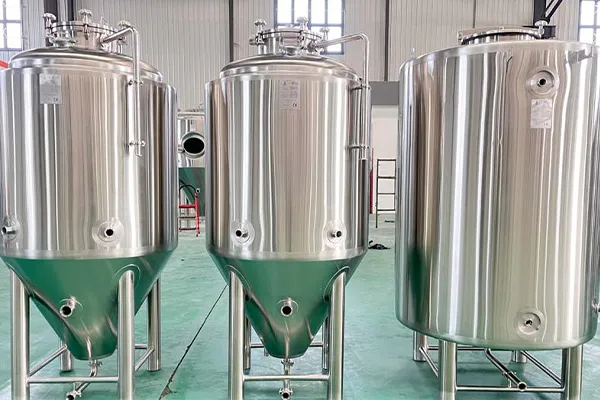
Used Fermentation Tanks For Sale: How to Choose the Right Stainless Steel Fermenter for Your Brewery or Beverage Project
Buying the wrong used tank can turn a good deal into a costly mistake. Hidden damage, poor sanitation, wrong pressure rating, or missing fittings can delay production. The smart approach is to inspect the fermenter, confirm specifications, and match the equipment to your real process.
Used fermentation tanks for sale can be a cost-effective choice for breweries, wineries, kombucha producers, cider makers, and beverage projects when the tank is stainless steel, properly inspected, pressure-suitable, hygienic, and matched to batch size, cooling needs, fittings, shipping limits, and future scale-up plans.
경영진 요약
Used fermentation tanks can reduce project cost and shorten lead time, but only if the vessel condition, fittings, cooling jacket, pressure rating, and cleaning history are checked carefully.
A stainless steel fermenter is usually preferred for professional beer and beverage production because it supports hygienic cleaning, durability, and long-term commercial use.
For any process above 15 psi, the Brewers Association Maintenance and Engineering Subcommittee recommends using an ASME-rated tank.
Sanitation must be treated seriously. Brewery sanitation involves more than basic CIP, and multiple items in the production environment can support or harm clean beer production.
Stainless steel can be damaged by unsuitable chemicals. The Brewers Association Draught Beer Quality Manual warns that hydrochloric acid corrodes stainless steel and should not be used for cleaning draught lines.
A reliable used tank supplier should help buyers review drawings, photos, specifications, accessories, loading, shipping, and installation needs before purchase.
기사 개요
What Are Used Fermentation Tanks?
Why Do Breweries Buy Used Fermenters?
What Types of Fermentation Tanks Are Available?
How Do You Inspect a Used Stainless Steel Tank?
What Size Fermenter Should You Choose?
What Pressure Rating and Safety Details Matter?
How Do Cleaning, Sanitation, and Passivation Affect Tank Value?
Used Fermenter vs New Fermenter: Which Is Better?
What Should Be Included in a Used Tank Purchase?
How Can B2B Buyers Find a Reliable Manufacturer or Supplier?
What Are Used Fermentation Tanks?
Used fermentation tanks are previously owned vessels designed for controlled fermentation. In a brewery, the tank is where yeast converts wort into beer. In other beverage projects, a fermenter may also be used for wine, cider, kombucha, or other fermented drinks. The key job is simple: hold product safely while supporting temperature control, hygiene, and process stability.
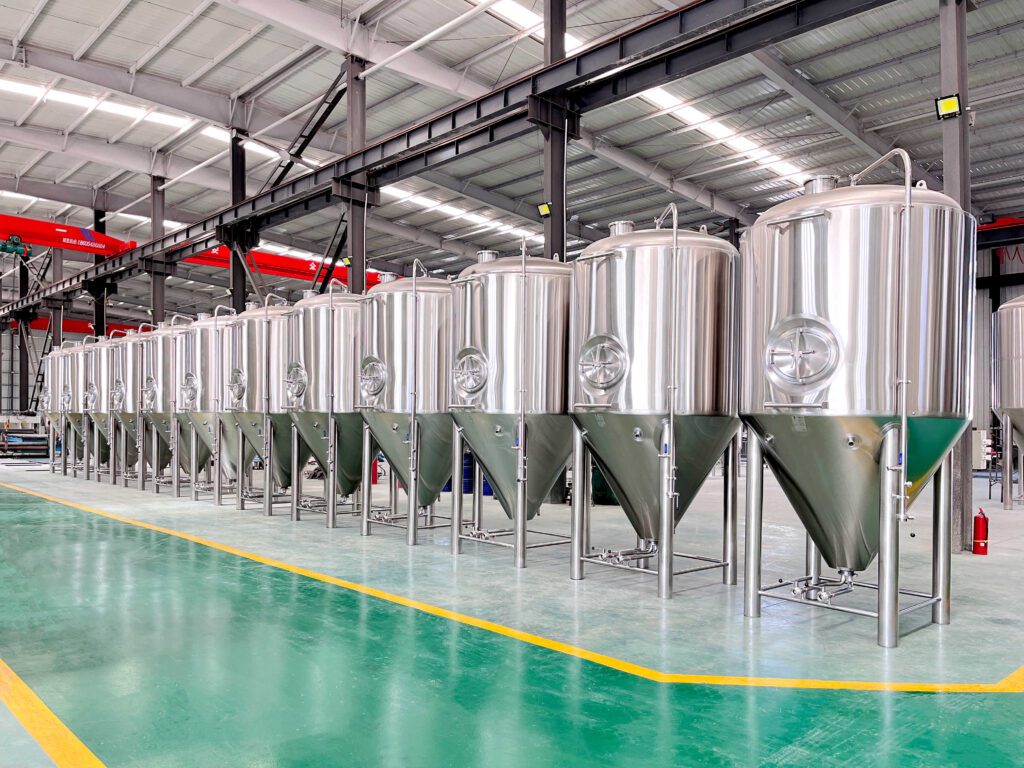
A professional fermentation tank is usually made from stainless steel. Many beer fermenters use a conical bottom because yeast and sediment can collect at the bottom and be removed through the outlet. This helps brewers manage yeast harvesting, clarification, and cleaning.
For B2B buyers, a used fermenter is not just second-hand equipment. It is a production asset. If the tank is well built and properly maintained, it can continue serving for many years. If it has hidden defects, it may create quality problems, repair costs, or installation delays.
Why Do Breweries Buy Used Fermenters?
Many startup brewery owners look for used equipment because the early budget is tight. A new brewhouse, glycol system, fermenters, bright tanks, packaging line, and installation work can become expensive quickly. Buying a used tank can help reduce initial investment and leave more budget for raw materials, taproom buildout, staff training, and marketing.
Established breweries may also buy used fermenters when they need quick capacity expansion. If beer demand grows faster than expected, waiting for new custom tanks may slow production. A good used fermenter can sometimes enter the project faster, especially when the tank is already available in inventory.
However, a low price is not the only goal. The best deal is the tank that fits your batch size, floor height, cooling system, process pressure, cleaning method, and beverage type. A tank that is cheap but wrong is not affordable. It is a delay waiting to happen.
What Types of Fermentation Tanks Are Available?
There are several common types of tanks used in beverage production. The best selection depends on the product, process, and building layout.
| Tank Type | 공통 사용 | Main Benefit |
|---|---|---|
| Conical fermenter | Beer, cider, kombucha | Easy yeast and sediment removal |
| Cylindrical fermenter | Wine, beverage storage, fermentation | Simple design and flexible use |
| Unitank | Beer fermentation and carbonation | Can ferment and condition in one tank |
| Bright beer tank | Beer conditioning and serving | Supports carbonation and clear beer |
| Storage tanks | Wine, water, beverage base, finished liquid | Flexible holding and buffering |
| Jacketed tank | Beer, kombucha, wine, beverage production | Temperature control |
| Insulated tank | Cold storage or controlled fermentation | Reduces temperature loss |
For beer production, a conical fermenter is often the most common choice. For kombucha, wine, cider, and juice projects, the tank design may be different. Some producers need top manways. Some need side manways. Some need cooling jackets. Some need sanitary spray balls, racking arms, carbonation stones, sampling valves, or CIP ports.
As a professional brewery, distillery, winery, kombucha, and beverage equipment manufacturer, we usually ask buyers about the product first. A tank for lager beer is not always the same as a tank for kombucha. A wine storage tank is not always the same as a pressure-rated beer fermenter.
How Do You Inspect a Used Stainless Steel Tank?
Before buying any used tank, inspection is essential. Photos alone are not enough. A buyer should check the inside, outside, welds, fittings, legs, jacket, manway, valves, and pressure label if available.
Start with the internal surface. The inside should be smooth, clean, and free from deep scratches, dents, rust, heavy beerstone, pitting, or chemical damage. Light marks may be normal, but deep damage can affect cleaning and sanitation.
Then check the external body. Look at insulation panels, cooling jacket connections, dimple jacket condition, legs, footpads, lifting points, and support structure. A tank that looks fine from the front may have damage near the back, bottom, or jacket ports.
Used Tank Inspection Checklist
| Inspection Point | What to Check | 중요한 이유 |
|---|---|---|
| Inner surface | Scratches, rust, pitting, residue | Affects hygiene and cleaning |
| Welds | Cracks, rough welds, repair marks | Affects strength and sanitation |
| Cooling jacket | Leaks, pressure test history, fittings | Affects temperature control |
| 환기구 | Seal condition, hinge, pressure rating | Affects safety and operation |
| Valves and ports | Size, thread, clamp standard, missing parts | Affects installation cost |
| Legs and base | Bent legs, weld damage, leveling feet | Affects stability |
| Pressure label | Rating, certification, test record | Affects safe use |
| Tank size | Diameter, height, working volume | Affects layout and batch planning |
| Shipping condition | Loading method, packaging, container fit | Affects landed cost |
A used tank should be inspected with both production needs and shipping needs in mind. A large tank may be a good price but expensive to move. Always check total cost, not only the listed price.
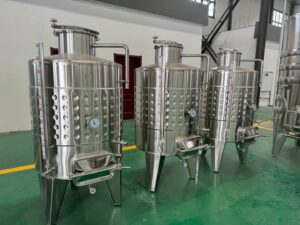
What Size Fermenter Should You Choose?
Tank size should match your brewing system and production plan. If your brewhouse makes 10 barrels per batch, your fermenter should normally support that batch volume with enough headspace. If you plan double batching, you may need a larger vessel.
A common planning mistake is buying tanks only for today’s output. A startup brewery may begin small, but if sales grow, fermentation capacity can become the first bottleneck. On the other hand, buying tanks that are too large can waste floor space, cooling energy, and cash.
For beer, buyers often consider:
- Brewhouse batch size
- 발효 시간
- Number of batches per week
- Product mix
- Lagering time
- Dry hopping needs
- Cleaning schedule
- Available cellar space
- Future expansion plan
For kombucha, wine, cider, and other beverage projects, tank sizing depends on fermentation cycle, blending process, storage time, packaging speed, and product demand.
A good rule is to plan the cellar as a system. The fermenter, storage tanks, cooling unit, CIP station, piping, platform, and packaging equipment should work together.
What Pressure Rating and Safety Details Matter?
Pressure is one of the most important details in a used fermenter purchase. Some tanks are atmospheric. Some are low-pressure. Some are designed for fermentation pressure, carbonation, or serving. Never assume that a tank can safely hold pressure just because it looks strong.
The Brewers Association Maintenance and Engineering Subcommittee recommends brewers use an ASME-rated tank for any process requiring pressure above 15 psi. This matters for unitanks, bright beer tanks, pressure fermentation, carbonation, and any process where the vessel may be pressurized.
ASME explains that its certification programs are connected to public safety and quality, and buyers can use ASME certificate holder resources to verify certified companies.
For used tanks, buyers should check:
- Pressure rating
- Design standard
- Safety valve condition
- Pressure relief setting
- Vacuum relief protection
- Manway pressure compatibility
- Previous pressure test record
- Any repair or modification history
- Local code requirements
Do not use a non-rated tank for pressure work. That is not a place to save money.
How Do Cleaning, Sanitation, and Passivation Affect Tank Value?
A fermentation tank must be cleanable. A shiny outside does not guarantee a hygienic inside. In beverage production, sanitation affects flavor, shelf life, and product safety.
The Brewers Association notes that sanitation in a brewery involves more than good CIP practices because many items can work for or against clean beer production. The Brewers Association Draught Beer Quality Manual also warns that some acid cleaners can harm stainless steel; for example, hydrochloric acid corrodes stainless steel and should not be used for cleaning draught lines.
Passivation is another important topic. Stainless steel depends on a protective passive layer. When a tank has been repaired, scratched, aggressively cleaned, or exposed to hard water or acidic products, it may need proper cleaning and passivation. The American Homebrewers Association provides practical guidance on cleaning and passivating stainless brewing equipment, including sanitizing or final rinsing after cleaning steps.
For used tanks, buyers should ask:
- What product was previously used in the tank?
- Was it used for beer, wine, sour beer, kombucha, or another product?
- Was the tank cleaned with proper chemicals?
- Are there signs of pitting or corrosion?
- Has the tank been passivated?
- Can the supplier provide internal photos or inspection video?
- Are spray balls and CIP fittings included?
A used tank that was properly cleaned and maintained has higher value than a cheaper vessel with unknown history.
Used Fermenter vs New Fermenter: Which Is Better?
A used fermenter and a new fermenter each have advantages. The right choice depends on budget, timing, customization needs, and risk tolerance.
| Decision Point | Used Fermenter | New Fermenter |
|---|---|---|
| Cost | Usually lower upfront cost | 더 높은 초기 비용 |
| Lead time | Often faster if in stock | Longer if custom manufactured |
| 사용자 지정 | Limited to existing design | Fully customizable |
| Condition | Must be inspected carefully | New production condition |
| Warranty | May be limited | Usually clearer warranty terms |
| Fittings | Existing ports may not match your system | Can be designed to your process |
| Appearance | May show wear | New finish |
| Best for | Budget-sensitive expansion | Long-term custom projects |
Used tanks are attractive when the buyer needs an affordable and fast solution. New tanks are better when the buyer needs exact dimensions, specific ports, custom pressure rating, special jacket design, or brand-new appearance.
In our professional experience, many buyers use a mixed strategy. They may buy used fermentation tanks for quick capacity expansion and order new customized tanks for long-term growth. This can be a practical way to control cash flow while building production strength.
What Should Be Included in a Used Tank Purchase?
A used tank purchase should be clear. Before you pay a deposit or place a bid, confirm exactly what is included. A tank without valves, gaskets, fittings, or legs may cost more after replacement.
A good listing should include:
- Tank volume
- Working capacity and total capacity
- Material grade
- Tank diameter and height
- Jacket type
- Insulation information
- Pressure rating
- Manway type
- Valve and port list
- Cooling inlet and outlet size
- CIP spray ball
- 샘플링 밸브
- Racking arm
- Thermowell
- Temperature sensor compatibility
- Photos and video
- Loading method
- Packing method
- Shipping dimensions
- Condition notes
If a seller only says “fermentation tanks for sale” without clear specifications, be careful. A professional supplier should be able to provide a structured specification sheet.
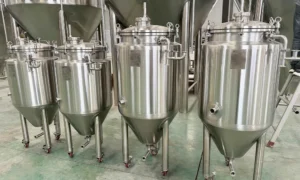
How Can B2B Buyers Find a Reliable Manufacturer or Supplier?
When buyers search for tanks for sale, they often compare price first. That is understandable. But for professional beverage projects, the supplier’s ability matters just as much as the tank price.
A reliable used tank supplier should help you find the right match, not only push available inventory. They should understand beer production, beverage fermentation, sanitary fittings, container loading, international shipping, and installation planning.
As a professional brewery, distillery, winery, kombucha, and beverage equipment manufacturer, as well as a trusted used brewing system supplier, we support buyers with both standard and customized solutions. Our work covers brewery systems, fermentation tanks, conical beer fermenters, storage tanks, used brewing systems, turnkey engineering, CAD/3D layout support, installation guidance, and long-term global technical service.
For importers, distributors, brewery owners, brewpub chains, cider producers, wineries, kombucha brands, beverage co-packers, project investors, and agents, a good supplier should support:
- Technical consultation
- Tank matching
- New and used equipment comparison
- Layout review
- Photos and inspection support
- Fittings verification
- Export packing
- Container loading
- International shipping support
- Spare parts and after-sales service
A cheap listing with “unbeatable prices” may look exciting, but professional buyers should still ask for specifications, inspection details, and total landed cost.
What Trade-Offs Should Buyers Understand Before Purchase?
Used tanks can be a smart purchase, but they are not perfect for every project. The biggest trade-off is flexibility. A used tank already has a fixed height, diameter, port position, jacket design, pressure rating, and appearance. You must adapt your layout and process to the tank.
Another trade-off is inspection effort. New equipment follows a fresh production process. Used equipment needs more checking. You may need extra cleaning, passivation, valve replacement, gasket replacement, or port modification.
A third trade-off is shipping. Sometimes a low-cost tank located far away becomes expensive after freight, loading, customs, and inland transport. This is especially true for large tanks that require special handling.
Used tanks work best when:
- The size matches your process.
- The condition is clearly verified.
- The pressure rating is suitable.
- The fittings match your system.
- The shipping cost is reasonable.
- The supplier can support inspection and export.
Used tanks may not be suitable when:
- You need exact custom dimensions.
- Your ceiling height is limited.
- You need special port positions.
- Your local code requires new certified vessels.
- You need a highly polished showroom appearance.
- The tank history is unclear.
Practical Case Study: Expanding a Craft Brewery with Used Fermentation Tanks
Imagine a craft brewery with a 10 bbl brewhouse. Demand for its IPA and lager grows faster than expected. The owner does not want to replace the whole brewing system. The main problem is cellar capacity.
In this case, used fermentation tanks may be the fastest way to increase output. The brewery can add two or three conical fermenters, connect them to the existing glycol system, and improve weekly production capacity.
But the buyer must check details. Do the tanks fit through the door? Are they too tall for the cellar? Do the jackets match the existing glycol chiller? Are the valves compatible? Can the floor support the weight? Does the pressure rating match the planned beer process?
A careful review can turn a used tank purchase into a successful expansion. A rushed purchase can create installation problems.
FAQ About Used Fermentation Tanks For Sale
Are used fermentation tanks a good choice for a startup brewery?
Yes, used fermentation tanks can be a good choice for a startup brewery when the tank is properly inspected, reasonably priced, and suitable for the planned beer production. They can reduce upfront cost and help the project start faster.
What is the best material for a beer fermenter?
Stainless steel is the most common professional material for a beer fermenter because it is strong, cleanable, durable, and suitable for commercial brewing. Buyers should still confirm material grade, weld quality, and internal surface condition.
Can a used tank be used for kombucha or wine?
Yes, some used tanks can be used for kombucha or wine, but the buyer should check previous use, cleaning history, fittings, pressure needs, and material compatibility. Kombucha and acidic beverages may require extra attention to cleaning and stainless steel condition.
What is a conical fermenter?
A conical fermenter is a fermentation tank with a cone-shaped bottom. In beer production, the conical bottom helps collect yeast and sediment, making yeast removal, cleaning, and product handling easier.
Should I buy a used fermenter or a new one?
Buy a used fermenter if you need faster delivery and lower cost, and the tank specifications match your project. Choose a new fermenter if you need exact customization, special fittings, new appearance, or specific certification requirements.
What should I inspect before buying a used tank?
Inspect internal surface condition, welds, cooling jacket, pressure rating, manway, ports, valves, legs, previous use, cleaning history, and shipping dimensions. Also confirm whether fittings, gaskets, and accessories are included.
Can used tanks be shipped internationally?
Yes, used tanks can be shipped internationally, but the supplier must confirm dimensions, packaging, loading method, container fit, and export documentation. Shipping cost should be included in the total purchase evaluation.
주요 내용
Used fermentation tanks for sale can be a smart option for breweries and beverage producers that need cost-effective capacity.
A good used tank should be inspected for internal condition, weld quality, pressure rating, cooling jacket, ports, fittings, and shipping dimensions.
A stainless steel fermenter is usually preferred for commercial beer and beverage production.
A conical fermenter is especially common in beer brewing because it helps manage yeast and sediment.
Do not use a tank above its safe pressure rating.
Cleaning, sanitation, and passivation history affect tank value.
Used tanks are more affordable but less customizable than new tanks.
New tanks are better when exact dimensions, custom fittings, or specific certification is required.
A reliable supplier should help compare used and new options, review layout, confirm accessories, and support shipping.
The best purchase is not the cheapest tank. It is the tank that fits your process, building, budget, and growth plan.
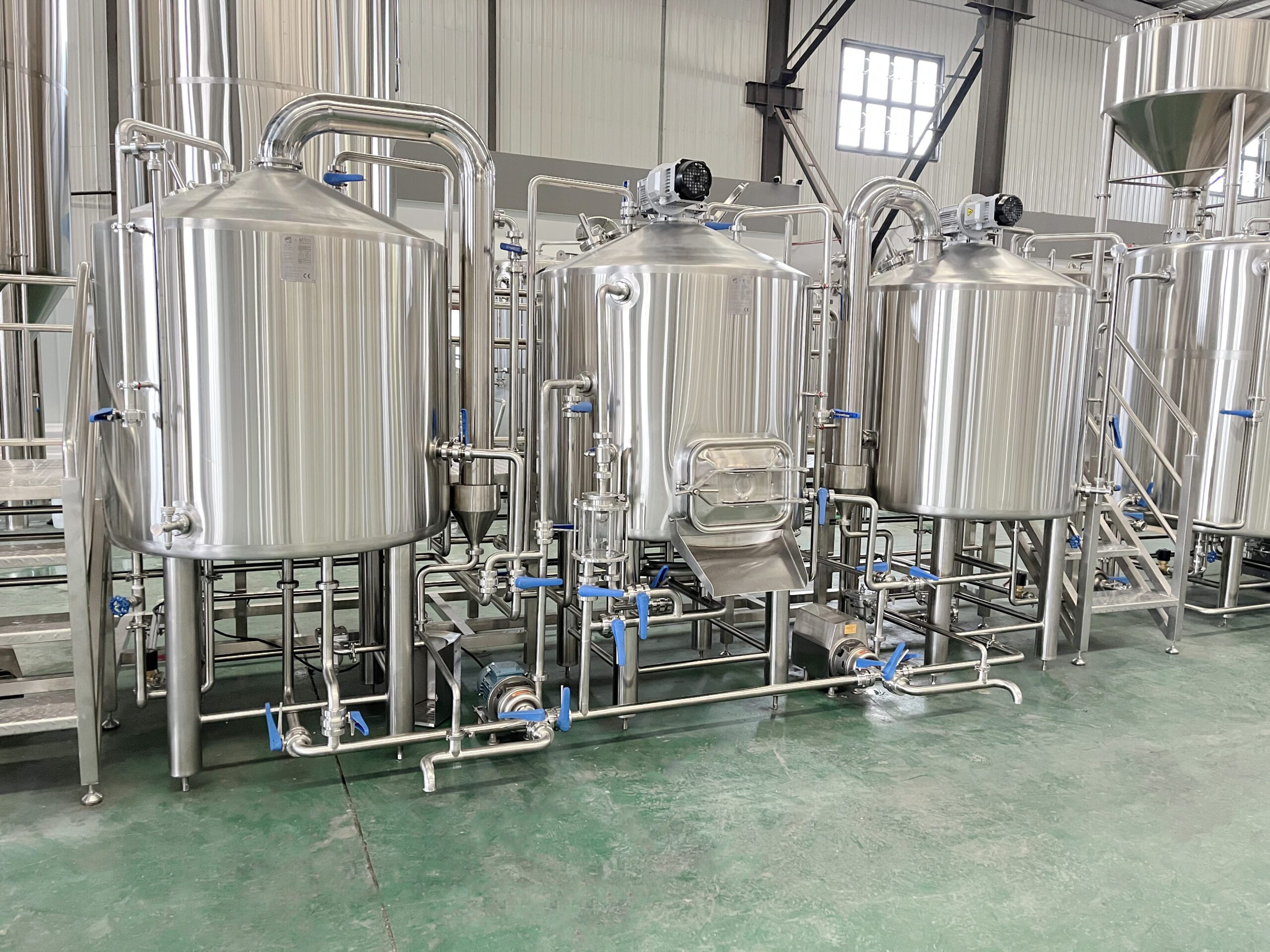
Used Brewery Equipment for Sale: How to Buy Brewing Equipment That Helps You Brew Better
Margins get tight fast when a brewery buys the wrong system. A low price can hide missing parts, bad welds, weak controls, or an expensive restart. The smarter path is simple: match the right equipment to your process, verify condition, and buy with a plan.
Used brewery equipment can be an excellent option when the system is hygienic, pressure-appropriate, complete enough for your process, and supported by a realistic installation and service plan. It is often best for brewhouses, tanks, utilities, and some packaging assets, but not always for automation-heavy lines or unknown-pressure vessels.
경영진 요약
The used market is active because the U.S. brewing sector remains large and dynamic. The Brewers Association reported 9,736 small and independent breweries in operation in 2024, with 335 openings and 399 closings, which helps explain why used inventory keeps moving through the market.
In 2024, craft brewers produced 23.1 million barrels and craft’s U.S. beer market share by volume was 13.3%. That combination of scale and slower growth tends to create more resale, consolidation, and upgrade activity.
If a process tank will run above 15 psi, you should treat pressure-code review as non-negotiable. The Brewers Association and OSHA both point to special safety requirements for pressure vessels in that range.
For beer, kombucha, wine, and other food-grade liquids, cleanability matters as much as purchase cost. FDA cGMP and FSMA frameworks emphasize hygienic design, sanitary operations, and preventive controls.
A hybrid model is often best: buy used core vessels and utilities, then buy new controls, seals, some valves, sensors, and selected packaging modules.
My professional rule is this: never buy used brewing equipment because it is cheap; buy it because it is the right process fit, with manageable risk and clear recommissioning steps.
Outline
Why is used brewery equipment for sale getting more attention?
When does used brewery equipment make sense, and when is new better?
What equipment should you buy used first?
What should you inspect in a brewhouse, tank, filter, filler, and chiller?
How do you compare price, total cost, and the quality of a seller quote?
Which standards matter for stainless steel, pressure, and hygiene?
What system size fits a startup, regional producer, or co-packer?
Where should a serious buyer look: marketplace, auction, direct seller, or turnkey provider?
Can used systems work for kombucha, wine, spirits, cider, and cold brew coffee?
How do you reduce recommissioning risk in global projects?
Why is used brewery equipment for sale getting more attention?
The short answer is market pressure. In the U.S. and USA craft segment, demand has not disappeared, but growth has slowed. That changes buying behavior. More owners now prefer lower-capex expansion, partial retrofits, or a hybrid new-plus-used solution. At the same time, more assets return to the market after brewery closures, capacity changes, mergers, and project delays.
I see this every time I review a used brewhouse or packaging line. The strongest buyers are not chasing hype. They want an affordable way to start, expand, or replace capacity without freezing cash. For many craft breweries, that means a practical mix: a pre-owned mash kettle, used hot liquor tank, reconditioned fermenter, and new controls or a new CIP skid.
This is also why the used market is no longer just about beer brewing. Serious beverage producers now search for assets that can fit kombucha, cider, RTD, wine, spirits, coffee, and broader craft beverage production. Portland Kettle Works says its used division supports resale and recommissioning across Beer, coffee, distilling, kombucha, soda, CBD, and Wine, often after expansions, closures, acquisitions, repossessions, and lockouts.
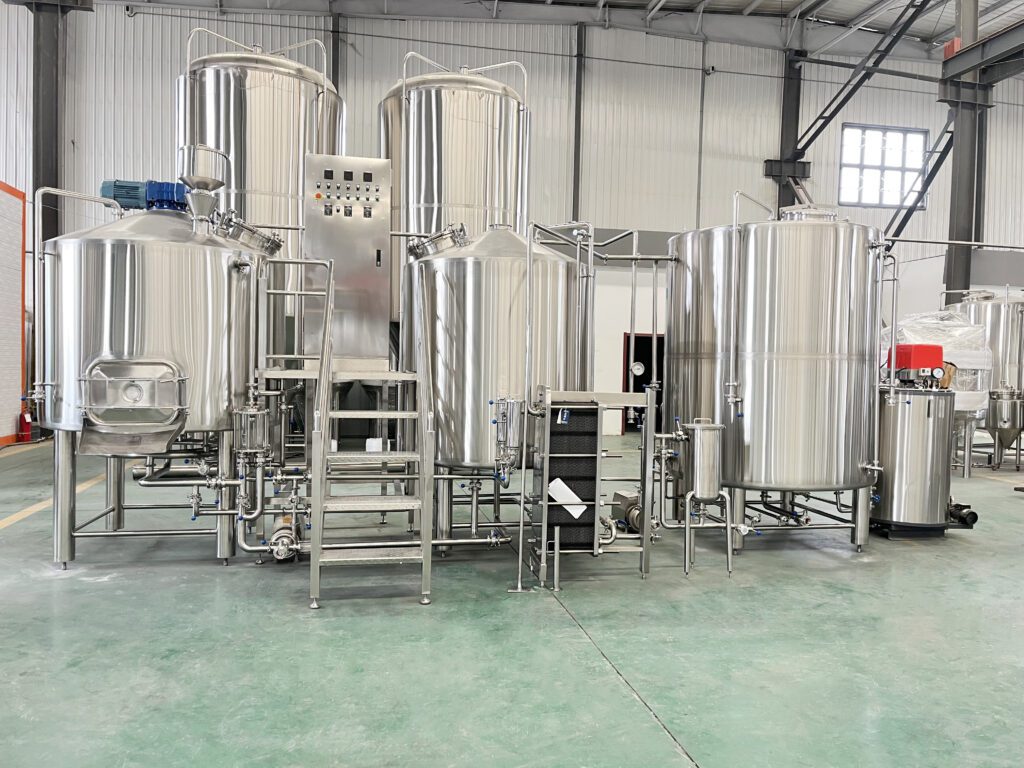
When does used brewery equipment make sense, and when is new better?
In my experience, used equipment makes the most sense when the process is stable, the geometry is easy to inspect, and the missing-value risk is low. That usually includes utility vessels, many cellar tanks, some brewhouses, mill and auger systems, glycol skids, and basic keg handling equipment. It can also work for selected beer brewing equipment in mature process layouts.
New equipment is usually better when your product is sensitive, your control logic is complex, or your packaging spec is strict. A used 4-head filler may look attractive on a sale listing, but if spares are unavailable, sensors are obsolete, or dissolved oxygen targets are tight, the total cost can quickly exceed a new module. The same caution applies to older canning lines, some tunnel pasteurizers, and advanced inline filter or flash-pasteurization setups.
Here is the decision table I use with clients:
Option Best For Main Advantage Main Risk
Used only Tight budgets, simple process, proven layout Lowest upfront price Hidden repair and integration cost
New only New flagship plants, strict packaging KPIs Warranty, consistency, documentation Higher capex
Hybrid Most serious B2B projects Best balance of cost and control Requires good engineering review
For most projects, I recommend the hybrid route. Buy used heavy stainless steel assets. Buy new wear parts, seals, some controls, critical sensors, and selected packaging components. That approach is usually more efficient than buying everything new or everything used.
What equipment should you buy used first?
When I prioritize used assets, I start with the pieces that are expensive to fabricate but straightforward to inspect. That list often includes a mash tun, lauter tun, wort kettle, whirlpool, hot liquor tank, cold liquor tank, cellar tank, and non-complex transfer skids. If the surfaces are sound and the documentation is credible, these assets can offer very strong value.
A used fermenter can also be a good buy, but only if you verify jacket condition, shell quality, insulation integrity, fittings, manways, PRV setup, and internal finish. The same goes for brite tanks, yeast tanks, and beer kegs handling equipment. A low sticker price does not mean low lifecycle cost.
Packaging is where I get more selective. I treat every used filler, depalletizer, rinser, labeler, and bottle or can line as a control-and-parts question first, not a steel question. If the line depends on discontinued PLC hardware, custom servo logic, or hard-to-source change parts, it may be a poor fit even if it looks clean.
A practical buy-used-first list
Brewhouse vessels and utilities
Cellar tanks and some complete brewhouses
Glycol or utility chiller packages
Basic keg washers and transfer panels
Structural skids, platforms, and pipe racks
Some bulk handling and non-sensitive machinery
A buy-new-or-hybrid list
High-speed packaging
Advanced inline filter systems
Critical automation and recipe control
High-changeover package lines
Proprietary OEM-only subassemblies
What should you inspect in a brewhouse, tank, filter, filler, and chiller?
This is the section buyers skip too often. I never review 중고 양조장 장비 from photos alone. I want drawings, nameplates, pressure data, weld photos, interior surface photos, utility requirements, installed options, and a parts list. If possible, I want to see the operation history and the reason for shutdown or closure.
For a brewhouse, check false bottom condition, rake function if present, manway alignment, steam or electric heating integrity, pump history, platform damage, and CIP spray coverage. For each tank, inspect shell dents, jacket zones, insulation wet spots, PRV fittings, sample valves, thermowells, and the interior finish. A used filter needs media compatibility review, housing inspection, and a clear sanitation history. A filler needs change parts, control logic backup, calibration review, and a dry test or wet test if available.
For a chiller, I focus on compressor hours, refrigerant status, control panel condition, pump health, heat-exchanger fouling, and whether the unit matches local electrical standards. For exported projects, freight, local utility voltage, and spare-parts supply matter just as much as nameplate tons.
My used-equipment inspection checklist
Verify serial numbers and pressure ratings
Confirm original manufacture year and major repairs
Review welds, manways, nozzles, jackets, and insulation
Check valves, gaskets, seals, and every critical valve seat
Confirm CIP path, chemical compatibility, and drainability
Review automation files, HMI backups, and I/O list
Confirm spare parts, manuals, and commissioning support
Ask what is excluded from the sale
I also tell clients to look beyond steel. Missing clamps, sensors, cables, sample ports, a VFD, or a small skid-mounted pump package can delay startup far more than a visible dent.
How do you compare price, total cost, and the quality of a seller quote?
A real buying decision is never just about list price. It is about total landed cost, recommissioning cost, local compliance, and startup speed. I ask sellers for a detailed quote that separates asset cost, loading, crating, decommissioning, freight dimensions, missing parts, cleaning status, and whether any refurb work is included.
This matters because many listings promise unbeatable prices, but the math changes once you add freight, tax, local fabrication, controls upgrade, site piping, electrical work, and delayed startup. A cheap used package line can become expensive if you must rebuild guarding, replace actuators, and rewrite PLC logic.
I use this simple comparison model:
| Cost Item | Used Asset | New Asset | What Buyers Miss |
|---|---|---|---|
| Purchase price | Lower | Higher | Missing components |
| Freight & rigging | Variable | Variable | Oversize and access limits |
| Refurbishment | Often moderate/high | Low | Seal, pump, control replacement |
| Startup time | Can be fast or slow | Usually predictable | Hidden schedule risk |
| Warranty | Limited | Stronger | Real service response matters |
My advice: ask for three numbers, not one. Ask for price, restart cost, and full project cost. That is how professional buying and selling decisions stay grounded.
Which standards matter for stainless steel, pressure, and hygiene?
For food and drink plants, sanitary design is not optional. FDA says cGMP covers plant and equipment design, sanitary operations, facility sanitation, and production/process controls. FSMA preventive controls rules also require covered food facilities to maintain a food safety plan based on hazard analysis and risk-based controls.
For highly hygienic applications, ASME BPE is an important reference. It covers materials, design, fabrication, inspection, testing, and certification for fluid processing systems with higher hygienic requirements. I do not tell every brewery to build to pharmaceutical standards, but I do use BPE thinking when the product is sensitive, the cleanability risk is high, or the system may later serve kombucha, low-acid beverage products, or specialty fermentation.
Pressure is a separate issue. The Brewers Association notes that an ASME-rated brewing process tank is relevant where working pressure exceeds 15 psi, and OSHA warns that cracked or damaged pressure vessels can leak or rupture. If a cellar tank, bright tank, or carbonation vessel will operate above that threshold, the pressure-code review must happen before purchase, not after.
One more point: hygiene is not just a vessel issue. FDA’s sanitary transportation rule says vehicles and transportation equipment should be suitable, adequately cleanable, and able to maintain safe conditions when required. That matters when you relocate used assets internationally or move product-contact items between plants.
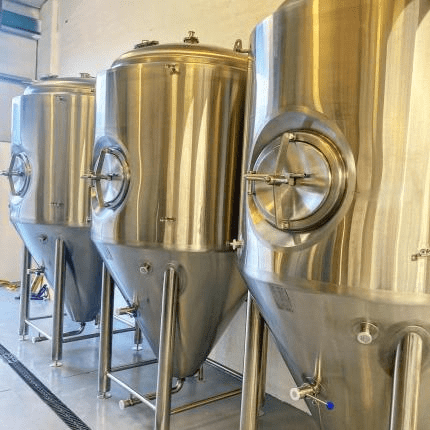
What system size fits a startup, regional producer, or co-packer?
The right size depends on more than desired output. It depends on SKU count, cellar days, packaging format, labor model, and whether you will brew for your own brand or for contract customers. A startup may do very well with a modest brewhouse and extra fermentation. A regional producer may need a more aggressive cellar-to-brewhouse ratio and better packaging flow.
In real projects, I often see early buyers focus on the brewhouse and underestimate fermentation and packaging. A 15bbl brewhouse with smart cellar balance can outperform a poorly planned larger system. A 20bbl plant can also be the wrong answer if the seller does not include enough glycol, control capacity, or floor-space logic per batch.
A simple sizing guide
Startup craft brewery: buy enough brewhouse capacity to launch, then protect fermentation flexibility
Brewpub or restaurant chain: smaller brewhouses, stronger hot-side reliability, polished cellar presentation
Commercial producer: design around packaging, uptime, and SKU turnover
Co-packer: prioritize changeover, sanitation, CIP, and QA space
Distillery, cider, wine, or kombucha producer: validate material compatibility, CIP chemistry, gas handling, and temperature profile
For mixed portfolios, I prefer a modular approach. A used brewhouse plus new cellar controls is often a better turnkey answer than a single oversized used line with weak documentation.
Where should a serious buyer look: marketplace, auction, direct seller, or turnkey provider?
Buyers now have more channels than ever. You can find assets through a direct seller, broker, auction, general marketplace, specialized beverage platform, or an engineering provider that buys, refurbishes, and recommissions systems. The channel matters because it changes risk.
Specialized channels usually understand what brewers actually need. Portland Kettle Works says its used division and Used-Brewing-Equipment.com handle appraisal, removal, refurbishment, transfer, sale, and recommissioning for beverage assets. That is valuable because the seller is not only listing steel; it is handling process context.
General industrial platforms can also matter. EquipNet describes itself as a major online venue for pre-owned manufacturing and packaging assets, and it also promotes surplus asset sales through direct sale and global auction channels. That makes it relevant when breweries buy from wider processing industries, not only from beer-specific sellers.
You may also see listings from top brands or known names such as GEA, Tiantai, Portland Kettle Works, or private integrators. My advice is simple: treat every platform as a lead source, not as proof of quality. The listing gets your attention. The engineering review earns the purchase.
Can used systems work for kombucha, wine, spirits, cider, and cold brew coffee?
Yes, but only when you respect process differences. A used brewery vessel may fit kombucha, wine, RTD, or cold brew coffee, but not automatically. Product acidity, dissolved gas, yeast or SCOBY behavior, temperature profile, oxygen exposure, and cleaning chemical compatibility all change the risk profile.
This is where a professional manufacturer or project engineer adds value. I work with clients who are not only brewers. They include distilleries, cider houses, wineries, coffee producers, restaurant groups, and global beverage producers. The right answer is often not “Can this used beer tank work?” but “What gaskets, controls, piping, finish standards, CIP steps, and utilities must change so this asset works safely and profitably?”
The good news is that many vessel-based systems are flexible. The same core stainless steel asset base can sometimes support beer, cider, wine, kombucha, or other beverage equipment applications after proper review and modification. That is especially true when you buy from a factory-direct manufacturer that can add missing skids, revise nozzles, provide CAD/3D layouts, and support installation guidance.
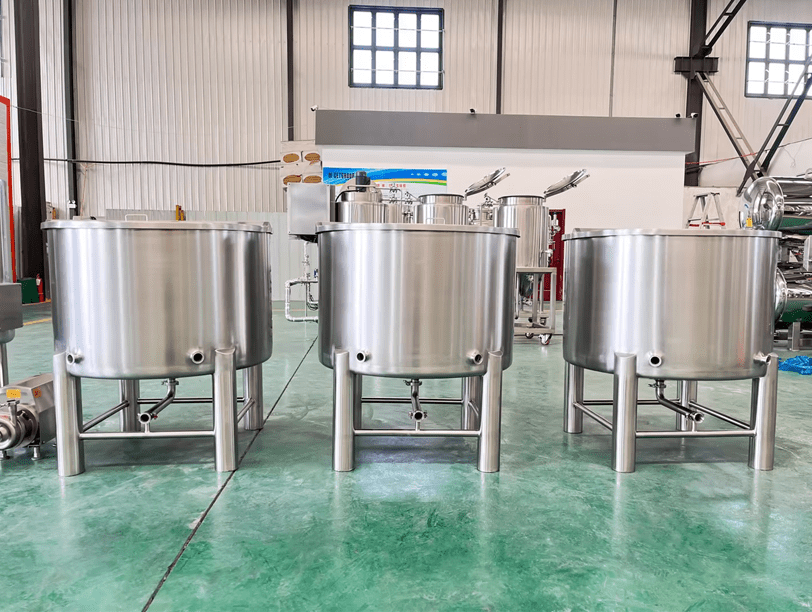
How do you reduce recommissioning risk in global projects?
This is where many deals win or fail. A used system is not really bought when payment is made. It is bought when it runs cleanly, safely, and profitably at your site. That means decommissioning, packing, export prep, layout fit, utilities, controls, and training all need attention.
I recommend a staged recommissioning plan:
Asset survey and document collection
Mechanical and sanitary review
Missing-parts list
Controls and utility compatibility check
Layout and piping model
Refurb scope and FAT/SAT logic
Installation guidance and commissioning
Spare-parts and service plan
I also advise buyers to plan for inventory changes. A line that looks complete on day one may not be complete by shipment day if parts are swapped, sold separately, or damaged during removal. That is why I insist on photo-locked packing lists and line-by-line handover notes.
Safety belongs here too. NIOSH notes that carbon dioxide exposure can cause headache, dizziness, breathing difficulty, and worse, while the Brewers Association continues to emphasize CO2 hazard awareness in brewery work. Recommissioning is not only about valves and pumps; it is about safe gas handling, ventilation, and startup procedure.
FAQs
Is used brewery equipment good for a new brewery?
Yes, often. For a new brewery, used systems can reduce capex and shorten procurement time. I usually recommend a hybrid build: used vessels and utilities, plus new wear parts, controls, and selected packaging items.
Should I buy a used fermenter or a new one?
A used fermenter can be a smart buy if the pressure rating, jacket condition, weld quality, and interior finish check out. If your process runs higher pressure or your documentation is weak, new may be safer.
Are auction listings a good source for used brewing equipment?
Sometimes, yes. An auction can offer value, but it often offers less process support. I treat auction buys as higher-risk than direct engineering-backed sales unless the inspection access is excellent.
Can winery equipment and brewery equipment be shared?
Sometimes. Some winery equipment 그리고 양조장 장비 assets overlap, especially tanks, pumps, and utility skids. But process chemistry, temperature profile, oxygen exposure, and sanitation requirements must be reviewed first.
How do I know whether a used tank is safe above 15 psi?
Do not guess. Verify the nameplate, design documents, and local code expectations. The Brewers Association says brewing process tanks above 15 psi generally require ASME-compliant design and fabrication review.
Key takeaways
Used brewery equipment works best when process fit, hygiene, pressure rating, and spare-parts support are all verified.
Buy used heavy stainless steel assets first; be more cautious with automation-heavy packaging.
Evaluate every asset by total landed cost, not just sale price.
If a vessel will run above 15 psi, pressure-code review is essential.
A hybrid approach is often the best path for startup and growth-stage projects.
The best supplier is not just a seller of steel, but a technical partner that can support layout, refurbishment, installation, and long-term service.
A sensible next step is not “buy now.” It is a structured review. If you are comparing listings, planning a plant expansion, or evaluating a used brewhouse equipment group package, the smartest move is to build a technical review sheet first, then request a detailed quote against your actual process, utilities, and growth plan.